
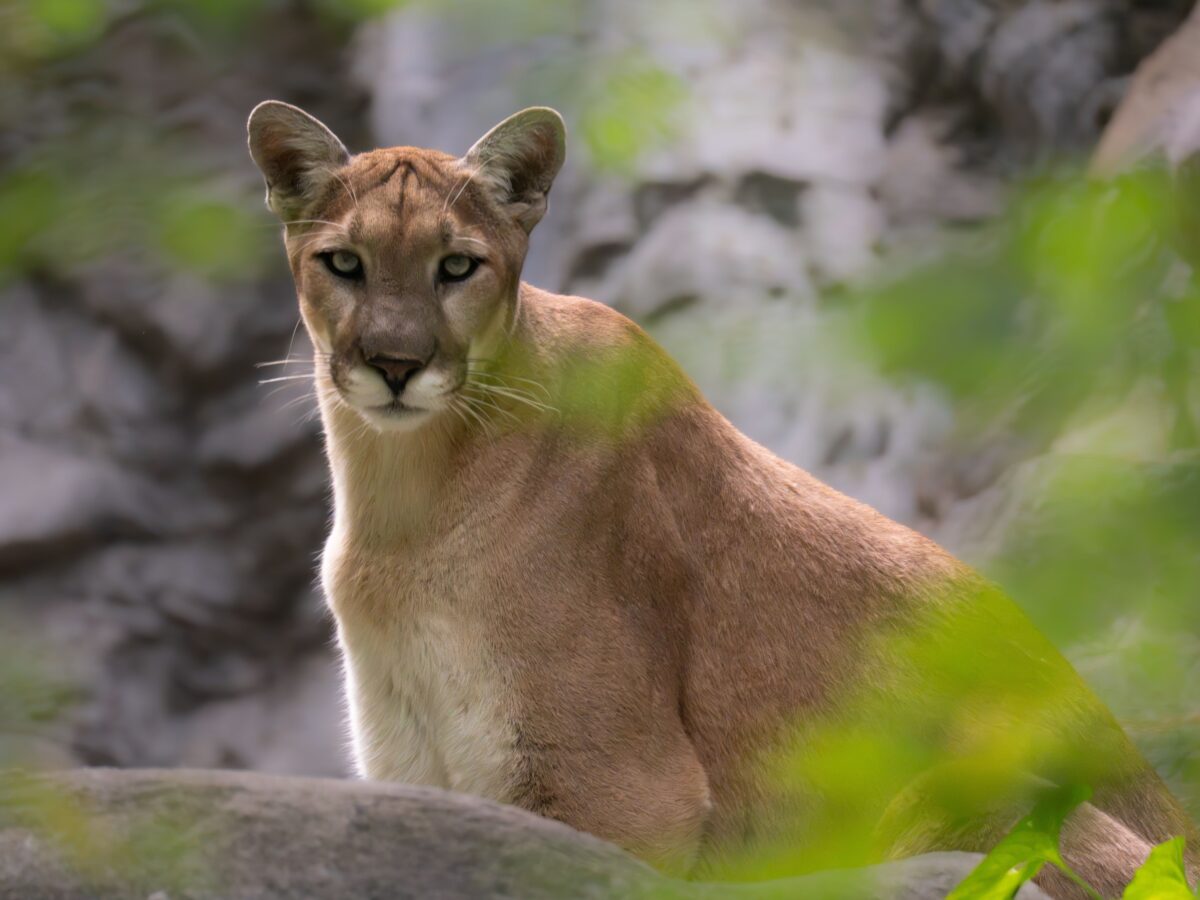
#1 California
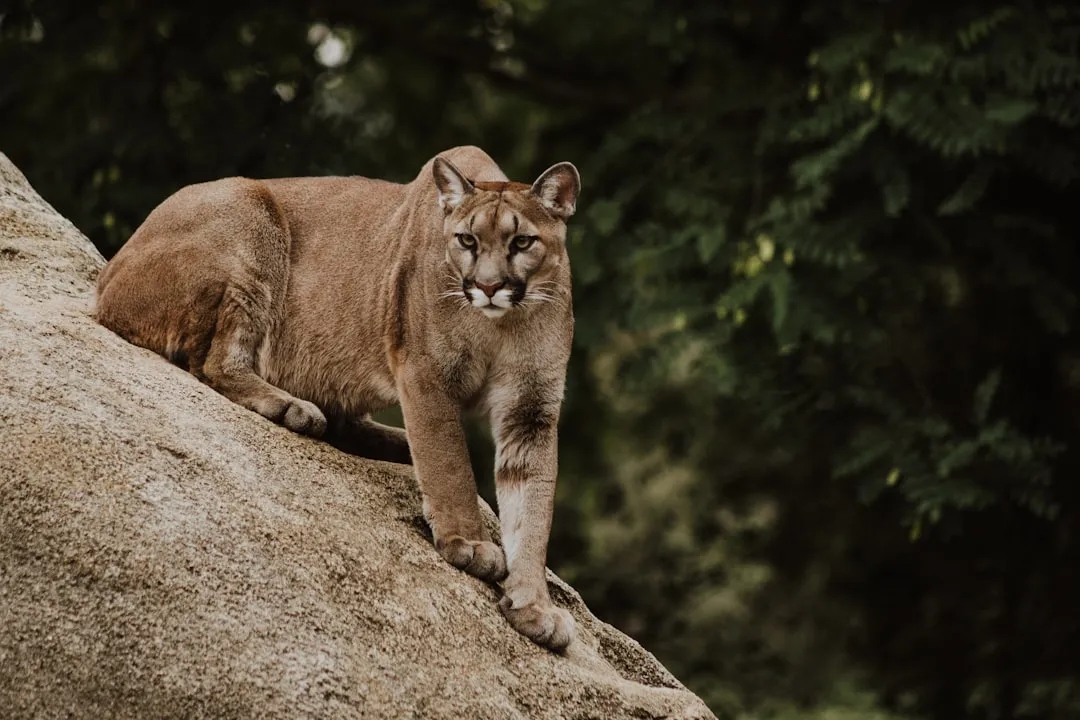
California carries the reputation, and for once the reputation is earned. The state is home to one of the largest mountain lion populations, with estimates between 4,000 and 6,000, and its protective stance has made it something of a sanctuary since sport hunting was banned in 1990. That single policy shift reshaped decades of population recovery, and it’s part of why cats now persist in landscapes many assumed had been developed past the point of no return.
What makes California distinct isn’t just the number of lions, it’s the geography. The state has a long-established lion population spread across coastal mountains, brush country, and the edges of suburban development, with cats living closer to neighborhoods, horse property, hiking trails, and small ranches than a lot of folks are comfortable admitting. Cities have taken notice too. California’s wildlife incident reporting system tracks public reports, and municipalities keep issuing warnings, including one Roseville put out in July 2025 after a sighting near Miner’s Ravine Trail.
#2 Colorado
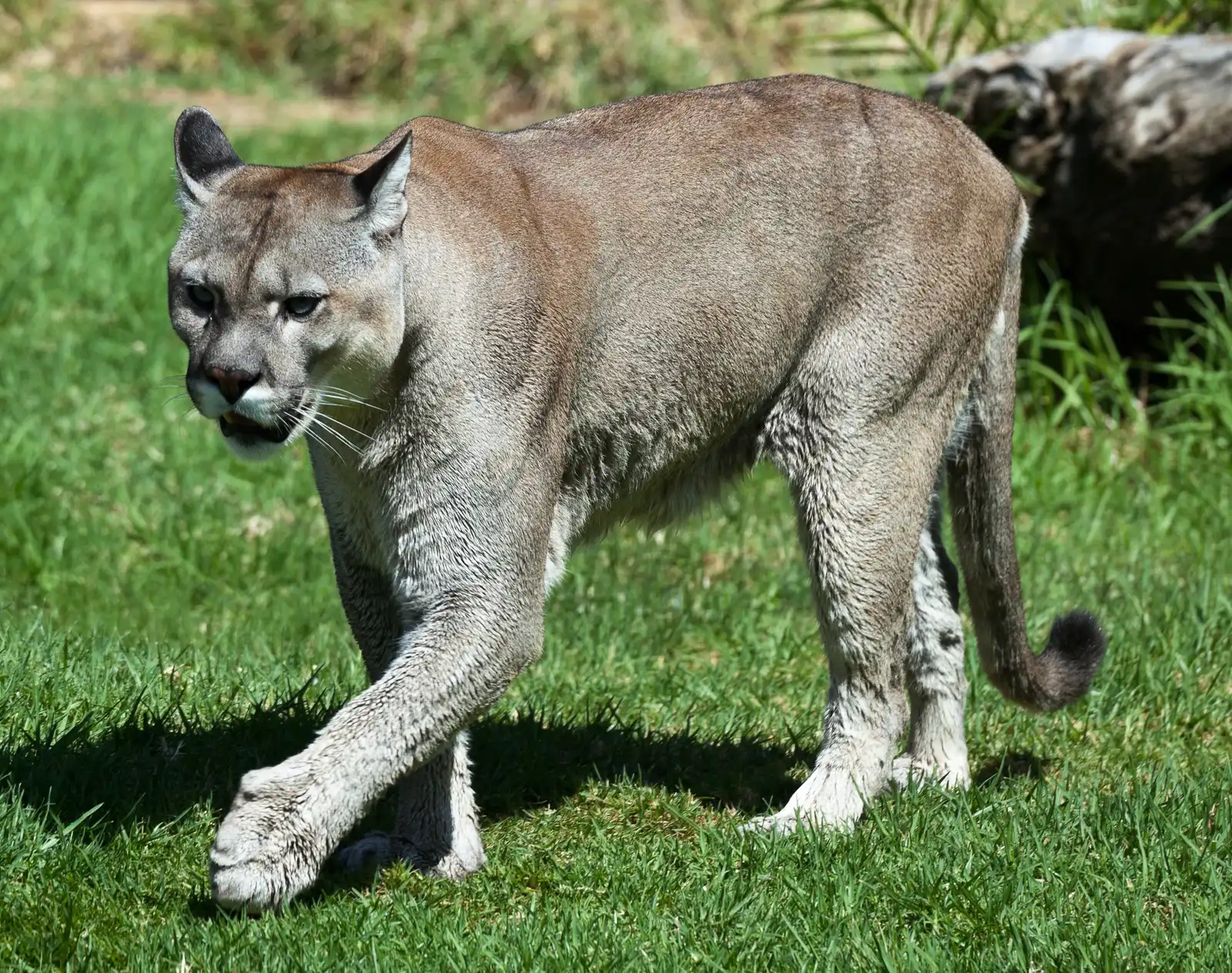
Colorado holds the title for sheer numbers. The state can boast a population of up to 7,000 mountain lions, the most of any state in the country. That density isn’t confined to remote backcountry either. Most of the population is scattered across rocky and mountainous habitats, and lions favor dense forests where elk populations are thick, which happens to describe a lot of terrain right along the Front Range.
Sightings here aren’t rare curiosities, they’re a routine part of outdoor life. Hikers in Rocky Mountain National Park and mountain bikers along the Front Range have reported sightings with remarkable regularity, and this is not a state where mountain lions are theoretical; they are real, present, and numerous. That reality came into sharp focus recently when the most recent fatal mountain lion attack in America occurred on New Year’s Day near Estes Park, Colorado, the first such death recorded in the state in thirty years. Rare, yes, but a reminder that proximity is not hypothetical.
#3 Oregon
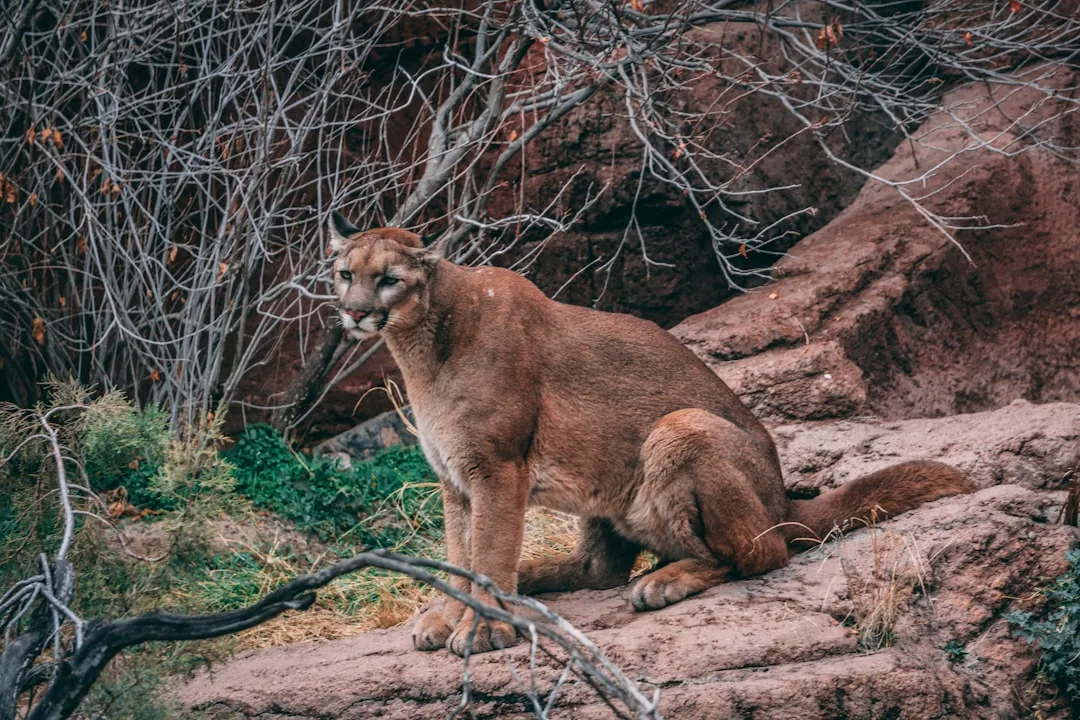
Oregon rarely gets top billing in these conversations, yet its lion population rivals states with far bigger reputations. Between 2,500 and 6,000 mountain lions are estimated to live in the state, with controlled hunting laws available during appropriate seasons. The habitat is almost purpose-built for cougars. Isolated forests and mountains are plentiful, making Oregon a prime habitat for migration and breeding.
Interestingly, Oregon’s lions seem to keep more distance from people than their counterparts elsewhere. Most of the population tends to stick closer to cities, towns, and metropolitan areas, leaving mountain lions to their own devices in a largely human-free environment. That balance, dense population paired with relatively low visibility, is precisely what makes Oregon worth watching. Wildlife managers describe it as a stable, well-adjusted system, but stability can shift quickly as development creeps toward forested edges.
#4 Texas
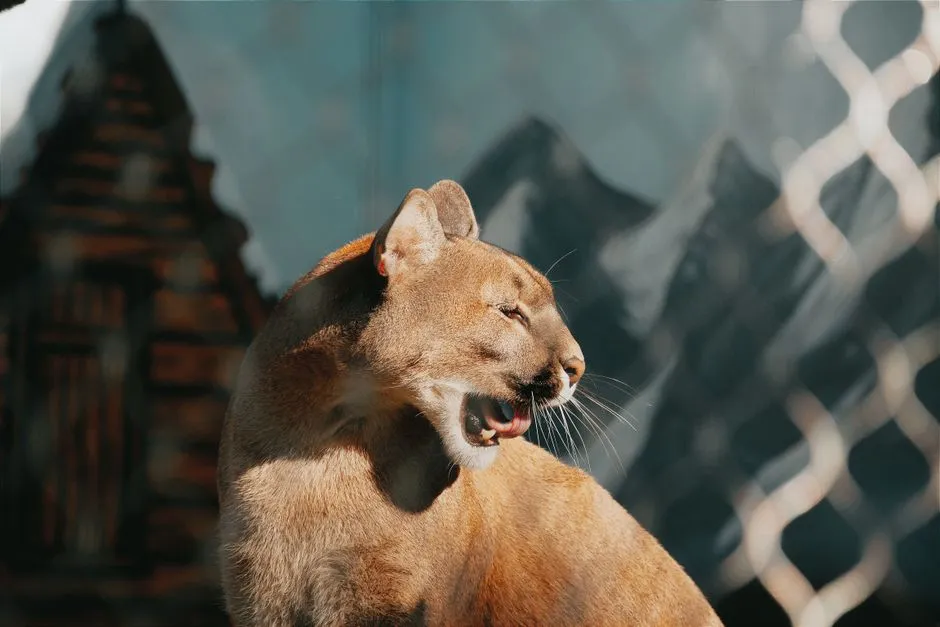
Texas rarely comes up in mountain lion discussions, and that’s exactly the problem, according to wildlife officials. Texas Parks and Wildlife released its first formal mountain lion research and monitoring plan covering 2026 to 2035, acknowledging a real need for better statewide information on lions. The state has operated for years on incomplete data, treating lions as a far-west curiosity rather than a statewide presence.
That assumption is being tested. North Texas has had recent suburban-area sightings, including a confirmed 2024 sighting in the Lake Dallas area near Lewisville Lake. A lot of the public still treats lion sightings as flukes outside the far west part of the state, but once confirmed reports start appearing around the edges of North Texas communities, the conversation changes. Add to that renewed debate about how the state classifies and manages mountain lions, which currently receive far fewer protections than in places like California, and Texas starts to look less like an outlier and more like a state playing catch-up.
#5 New Mexico
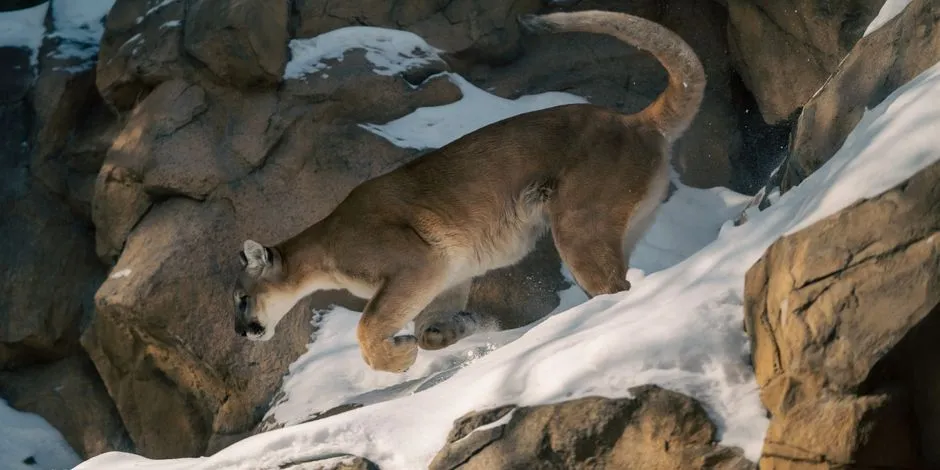
New Mexico’s terrain, a patchwork of basins and high country, has quietly supported one of the more stable lion populations in the Southwest. The state’s rugged habitat supports a vibrant mountain lion population that has been stable or increasing in many areas. With an estimated population around 3,500 according to recent wildlife tallies, it’s not a marginal presence, it’s a well-established one.
What’s changed isn’t so much the lions as the people around them. Sightings near trails and rural communities have grown more frequent as recreational use expands, with mountain lions following deer and elk across canyons and slope country toward watershed trails and campgrounds where hikers and hunters are active. Like other western states, the trend reflects more overlap between lions and people rather than a sudden surge in numbers, making encounters feel more common simply because more people are present. It’s a subtle but important distinction: the lions aren’t multiplying out of nowhere, we’re just walking into their living room more often.
#6 Nebraska and the Great Plains frontier
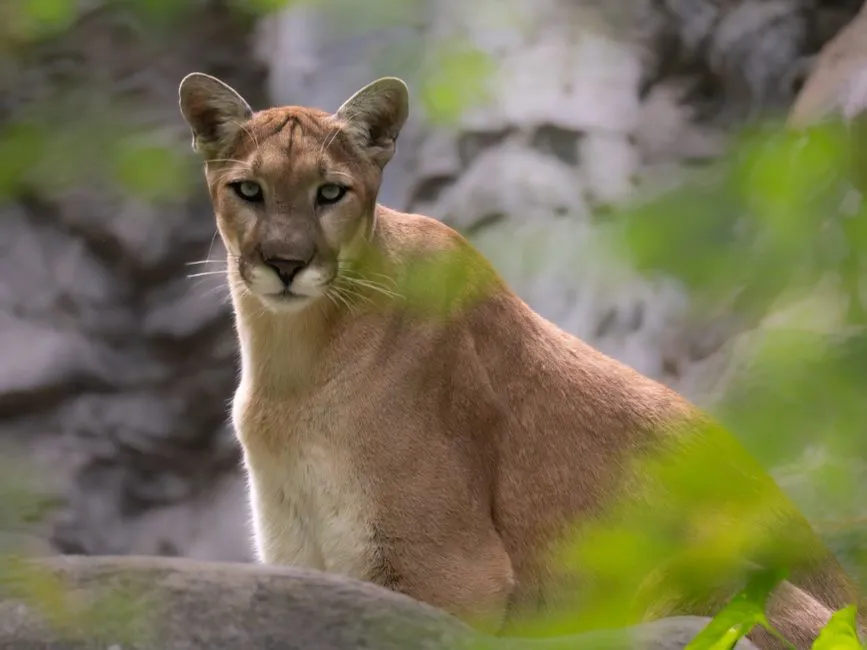
Few states illustrate the idea of “closer than you think” better than Nebraska, a place that until recently had no confirmed resident lion population at all. Nebraska once lacked confirmed mountain lion populations, but sightings have risen in its Pine Ridge and western regions thanks to lions dispersing from established ranges in the Dakotas. That dispersal pattern matters because it signals something bigger than one state’s wildlife count.
Conservation researchers now describe a broader recolonization sweeping across the middle of the country. Reports show that the upper Midwest, including states such as Wisconsin, Minnesota, and even Illinois, is now firmly on the map for big cat watchers, and Illinois itself has confirmed sightings of mountain lions passing through on their way to other states, with twenty to thirty sightings recorded between 2010 and the end of 2023, including a female with two cubs suggesting a breeding population may be forming. These are cats reclaiming ground that hasn’t seen resident lions in well over a century, and the pace of that return has caught wildlife agencies somewhat flat-footed.
#7 Florida
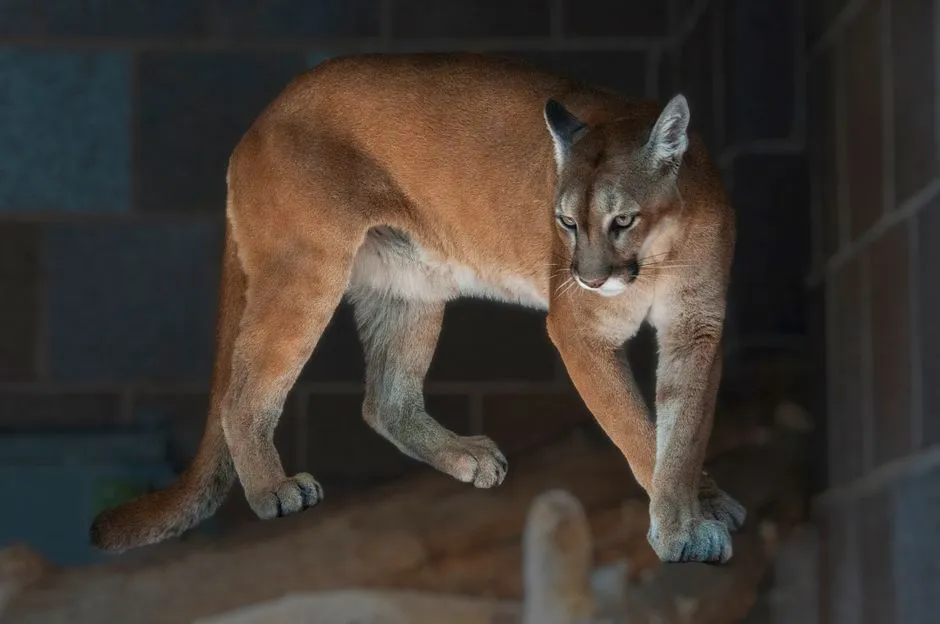
Florida is the outlier on this list, and not just geographically. According to the Nature Conservancy, there were only about twenty Florida panthers in 1973, and there are now more than two hundred, with the state permanently protecting more than three thousand acres of panther habitat back in 2017. It’s one of the more encouraging comeback stories in American wildlife conservation, even if the population remains fragile.
The catch is space. The only recognized population of the endangered Florida panther remains confined to a relatively small area of south and central Florida, hemmed in by highways, development, and wetlands. Unlike western lions spreading into new territory, Florida’s panthers are boxed in, which means every stretch of undeveloped land near Naples or the Big Cypress region carries outsized importance. The Florida panther represents the only confirmed breeding population east of Texas, a genetic and geographic island that conservationists are still working to expand.
Final thoughts

- 7 US States Where Mountain Lions Are Closer Than You Think - August 16, 2026
- 10 US States With the Highest Black Bear Populations - August 16, 2026
- 7 Ways to Deal With Pet Loss, According to Experts - August 16, 2026