
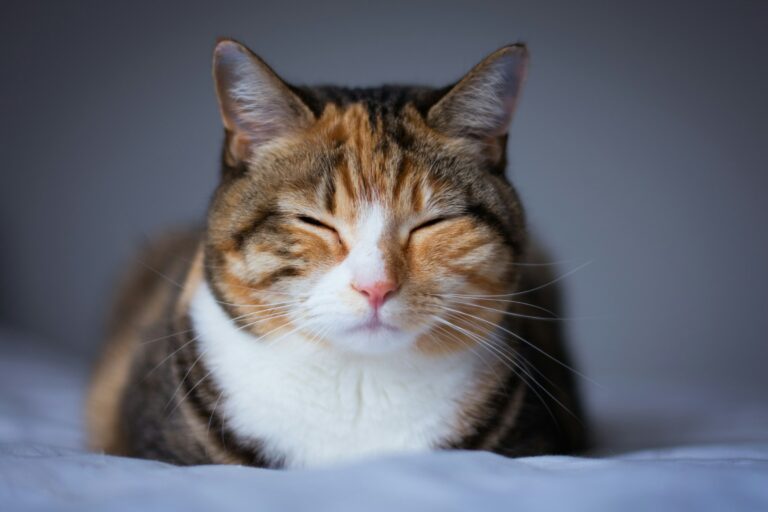
You know that feeling when your day has gone completely off the rails, you collapse on the couch, and suddenly your cat appears out of nowhere and just… sits there? It might look casual, almost indifferent, but what if that laid‑back little creature is actually working overtime in ways you barely notice?
Cats get a reputation for being aloof, but the more behavior scientists study them, the more it looks like they are paying close attention to us. They track our voices, our routines, even our facial expressions. A lot of their comfort-giving is subtle, quiet, and easy to miss if you do not know what to look for. Once you see it, though, you can never unsee just how hard your cat might be trying to say, in their own strange language: “I’ve got you.”
#1: The “Casual” Lap Landing When You Feel Low
🔥 Would you like to save this?
We'll email this post to you, so you can come back to it later!
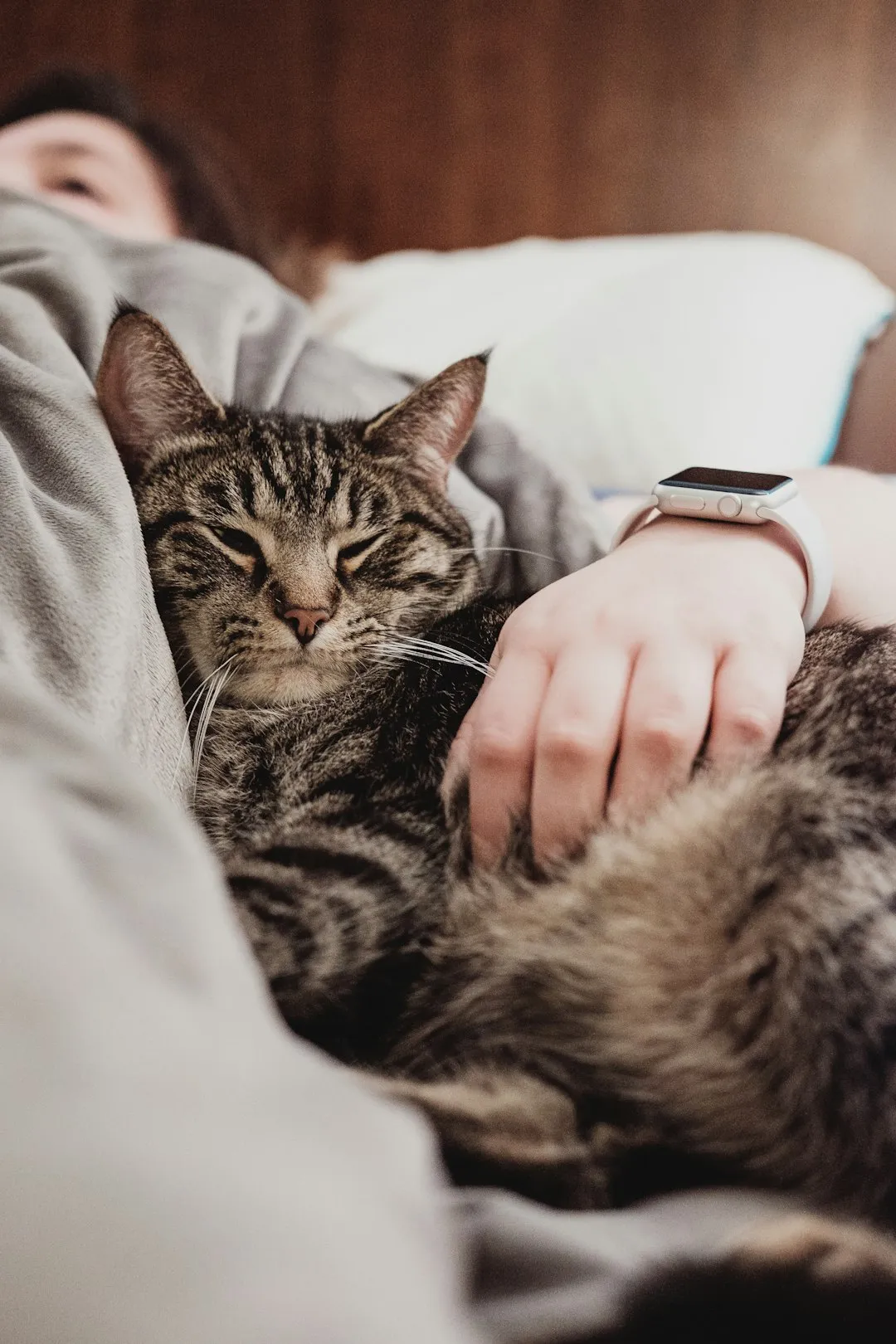
Think about how often your cat chooses your lap at the worst possible moment: when you are sad, sick, or stressed and trying to answer emails on your laptop. To us, it can feel inconvenient, but to a cat, your lap is warm, safe real estate that also lets them keep you grounded. They are drawn to your body heat and the steady rhythm of your breathing, which for them signals calm and safety, and they often seek that out more when your routine or mood feels “off.”
From a behavioral angle, there is something else going on here too. Studies show that cats can distinguish different tones of human voice and respond differently when their owners sound distressed versus neutral. So that sudden lap flop when you are spiraling might not be random at all; it is your cat deciding to park themselves on you as a kind of living weighted blanket. It is quiet, it is simple, and it is one of the most direct ways they anchor you to the present moment.
#2: Slow Blinking as a Feline “You’re Safe With Me”
🔥 Would you like to save this?
We'll email this post to you, so you can come back to it later!
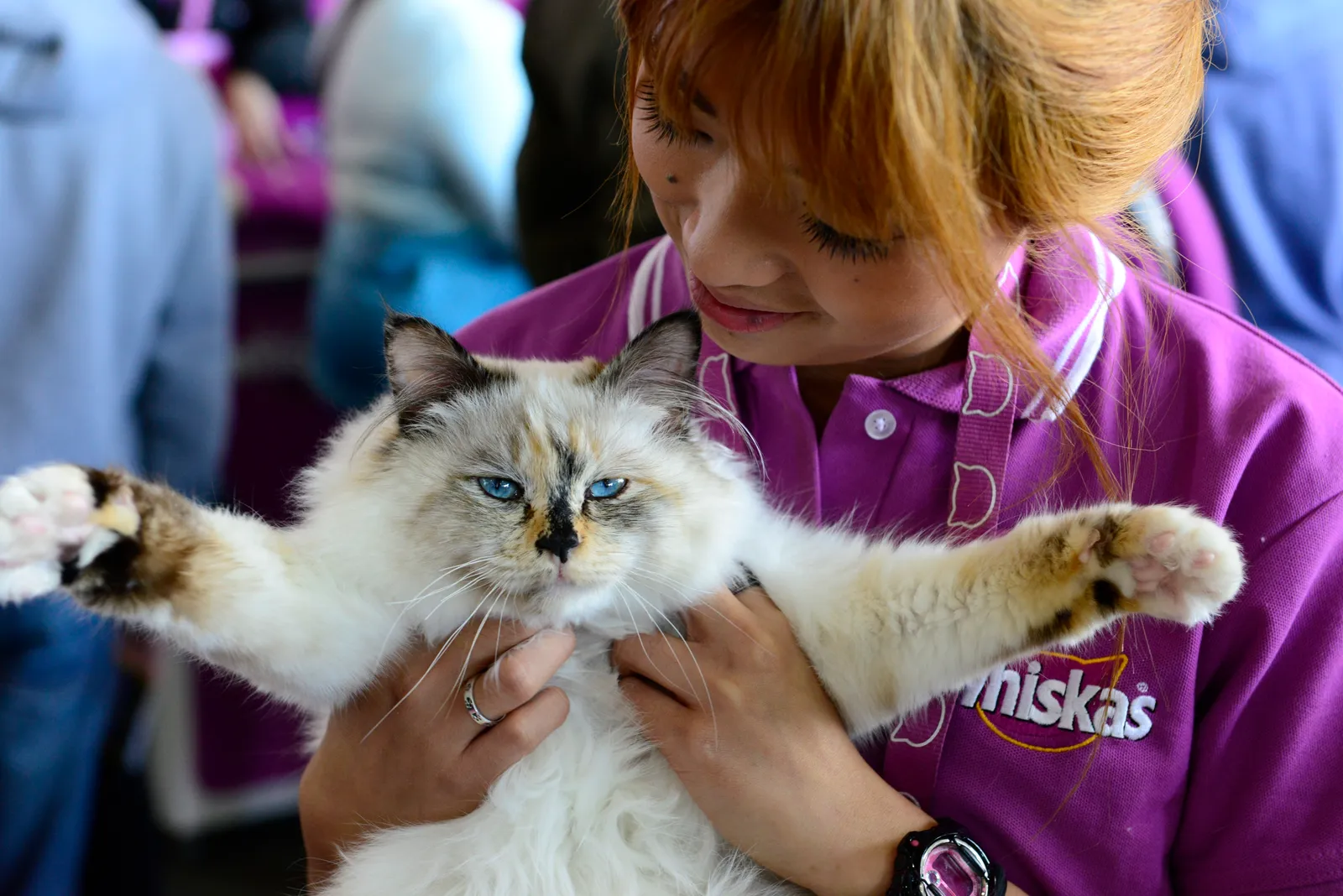
That lazy, lingering slow blink your cat gives you from across the room is not just adorable; it is emotional Morse code. In cat language, a slow blink is the opposite of staring down a threat. Predators keep their eyes locked open when they feel tense. Softening the gaze and closing the eyes, even briefly, is a huge sign of trust and relaxation. When your cat slow blinks at you, they are essentially telling you that, in their eyes, you are safe and so is this moment.
What is fascinating is that research suggests humans can “talk back” this way, and cats actually notice. When you slow blink at a cat, many will blink back more often and approach more readily. So when your cat sits a few feet away while you are upset and gives you these half-sleepy, slow-motion blinks, it can feel like nothing is happening. But in their world, they are sending a quiet, steady message: we are okay, you can relax a little, you can close your metaphorical eyes too.
#3: Sleeping Near (But Not On) You as Silent Vigil
🔥 Would you like to save this?
We'll email this post to you, so you can come back to it later!
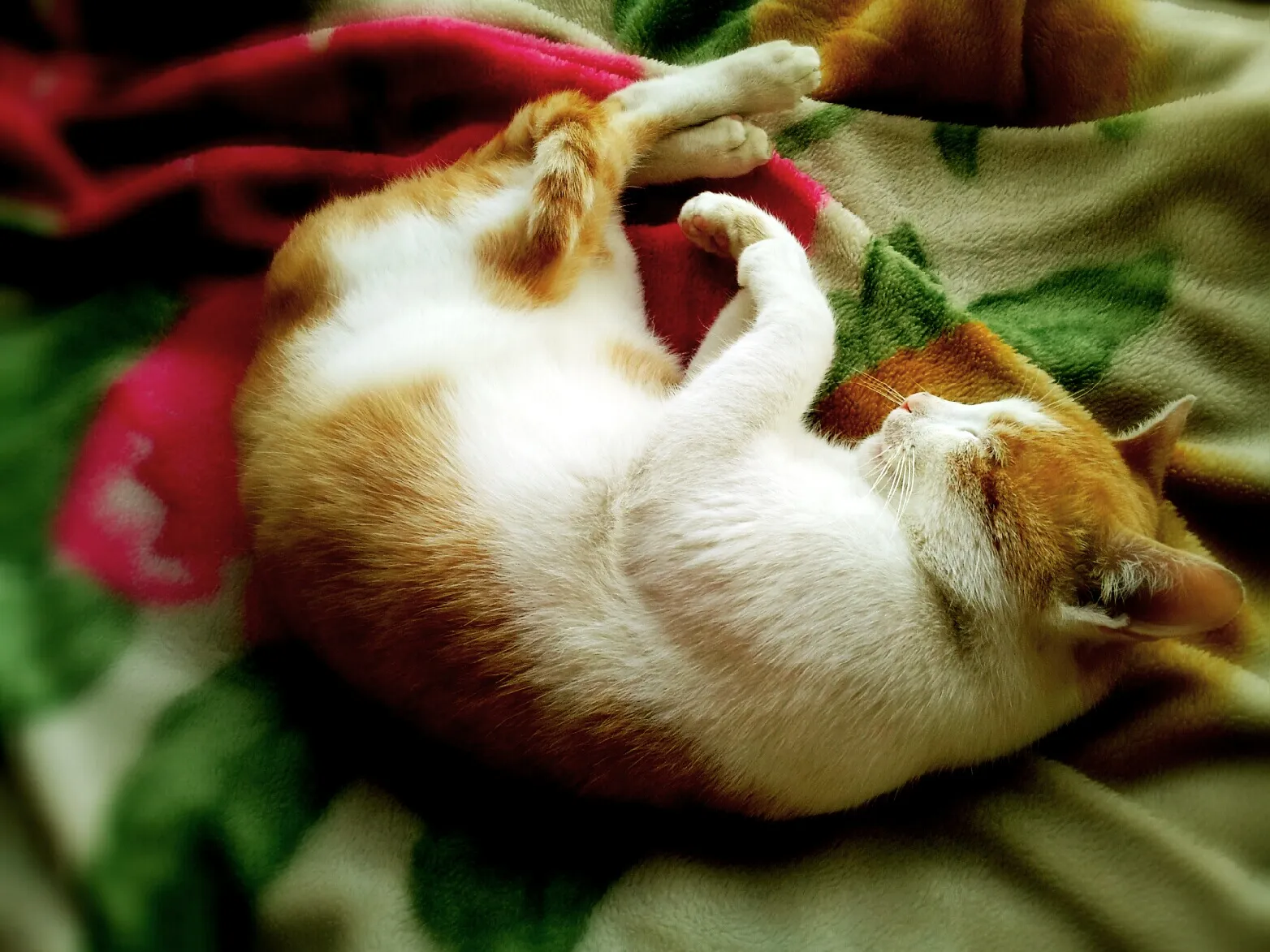
Sometimes comfort from a cat is not about contact, but proximity. A lot of cats show up at bedtime and choose a specific “guard” position: on the pillow above your head, curled near your feet, or tucked just against your side. Even during the day, a cat that follows you room to room and naps just within reach is doing something important in their own understated way: they are supervising your world to make sure it feels safe enough for them to rest.
For a cat, sleep is the most vulnerable state they have, so where they choose to snooze says a lot. If they routinely choose to sleep near you, especially when you are sick, anxious, or have had some major change in routine, that is a sign they see you as a trusted “social partner.” They do not need to press their whole body on you to offer comfort; the quiet presence, the soft sound of their breathing, and the predictable location they choose can become a kind of emotional anchor. It is like having a small, furry night light that never judges you for doom‑scrolling at 2 a.m.
#4: Gentle Head Butts and Face Rubbing to Say “You Belong”
🔥 Would you like to save this?
We'll email this post to you, so you can come back to it later!
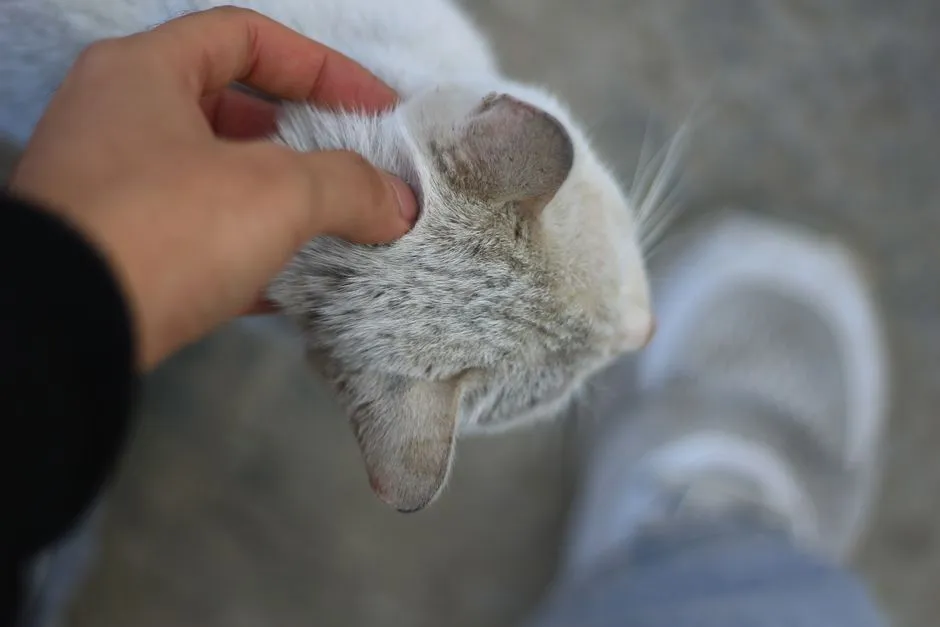
When your cat bumps their forehead into your cheek or rubs the sides of their face along your hands, phone, or laptop, it might feel like random affection, but it is also chemical reassurance. Cats have scent glands in their cheeks and forehead, and when they rub on you, they are marking you with familiar, comforting scent. To a stressed human, that looks like cute affection. To a cat, it is them folding you into their “safe zone” by literally making you smell like home.
It is especially telling when cats do this after something has rattled you – an argument, a slammed door, a crying spell. They may not know what upset you, but they certainly know the energy in the space has shifted. Head butting and cheek rubbing can be their way of re-establishing normality: same scent, same person, same bond. It is a small ritual, but rituals are powerful. A few seconds of that gentle pressure against your face or hands can feel grounding in a surprisingly deep way.
#5: Bringing “Gifts” and Sharing Resources When You Feel Off
🔥 Would you like to save this?
We'll email this post to you, so you can come back to it later!
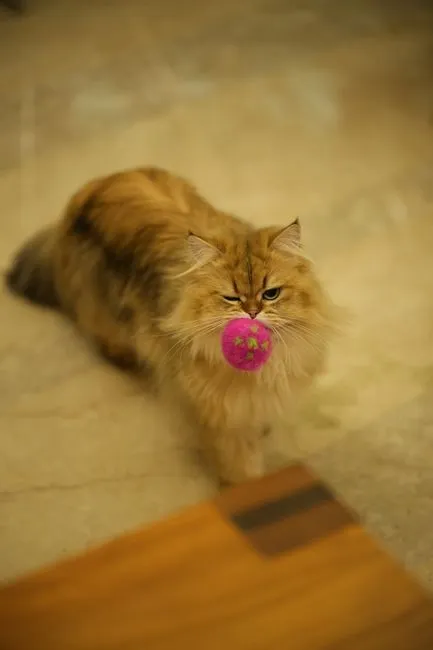
Everyone jokes about cats dragging in bizarre “gifts” like toy mice, socks, or in some unlucky cases, actual prey. But underneath the weirdness is a quiet attempt to share what they value. Social animals often show care by sharing resources, and even though cats are more solitary by nature than dogs, they still show this impulse with their favorite humans. When they drag a toy onto your chest when you are lying in bed or drop it by your feet when you are zoned out on the couch, it can be their low-key way of saying: here, I brought something that matters to me.
Is it always directly tied to your mood? Probably not in some magical mind-reading way. But if your pattern changes – more time in bed, more stillness, less play – many cats react by trying to re‑engage you. That “annoying” toy landing on your keyboard mid‑sob can actually be a small act of care: an attempt to lure you back into interaction, movement, and shared play. It is their version of a friend texting to say, “I’m outside, get up, we’re going for a walk.” Only with more catnip and fewer words.
#6: Staying Extra Close When You’re Sick or Anxious
🔥 Would you like to save this?
We'll email this post to you, so you can come back to it later!
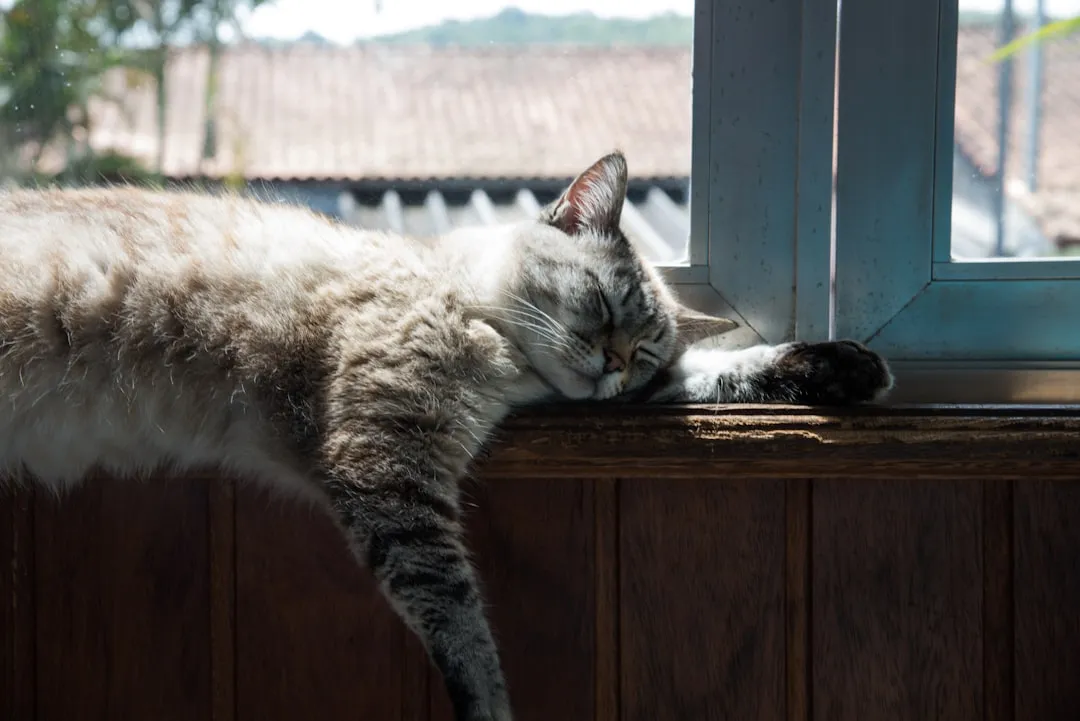
A lot of cat owners notice a strange pattern: the minute they get sick, injured, or emotionally overloaded, their cat becomes strangely clingy. They shadow you from room to room, hover in the bathroom, or perch right beside you while you lie in bed. Cats are highly sensitive to changes in routine, scent, and body posture, and illness or anxiety shifts all three. Your breathing may be different, your body temperature may fluctuate, and your movement pattern changes. To an observant cat, that stands out immediately.
From an evolutionary viewpoint, it actually makes sense that a bonded animal might stick closer when something seems off in their group. For many cats, that translates into quiet, watchful companionship. They may not fuss, meow loudly, or obviously panic. Instead, they keep a soft, steady presence, like a small guardian posted at your side. I still remember recovering from a bad flu and realizing my own cat had barely left the foot of the bed for days. It did not cure anything, of course – but it made the room feel less empty and the whole thing a little more bearable.
#7: Matching Your Calm and Offering Emotional “Background Noise”
🔥 Would you like to save this?
We'll email this post to you, so you can come back to it later!
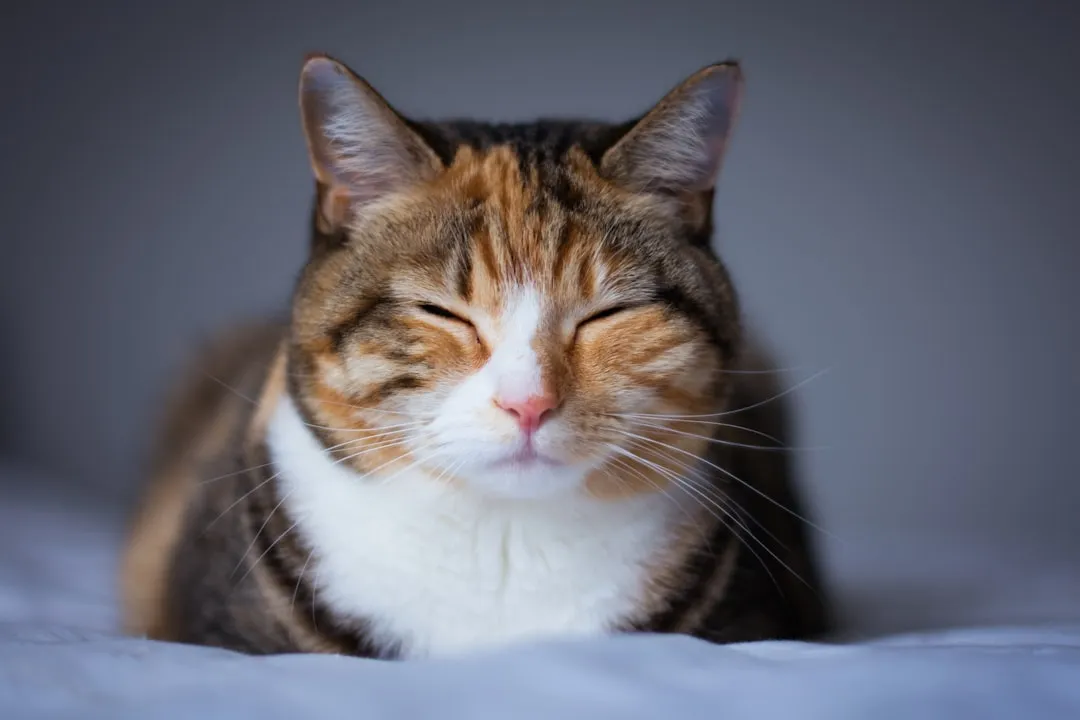
One of the most underrated ways cats comfort us is by simply existing in a quietly content way nearby. When you are overwhelmed, watching a cat knead a blanket, curl into a sunbeam, or methodically groom their fur can act almost like a living meditation video. Their behavior is rhythmic, predictable, and soothing to watch. Some researchers suggest that shared routines and calm interactions with pets can help lower stress hormones in humans over time, even if the pet is not doing anything obviously “supportive.”
There is also the sound factor. Purring, soft padding footsteps, the gentle thump as they jump up to their favorite spot – these become emotional background noise. When life feels noisy in your head, your cat’s predictable little sounds and rituals can remind you that not everything is chaos. They are not consciously thinking, “I will now regulate your nervous system,” of course. But by sticking to their peaceful little habits in your vicinity, they help you re‑tune your attention away from racing thoughts and back to something small, safe, and here.
Conclusion: Cats Comfort Louder Than We Think – Just Not with Words
🔥 Would you like to save this?
We'll email this post to you, so you can come back to it later!
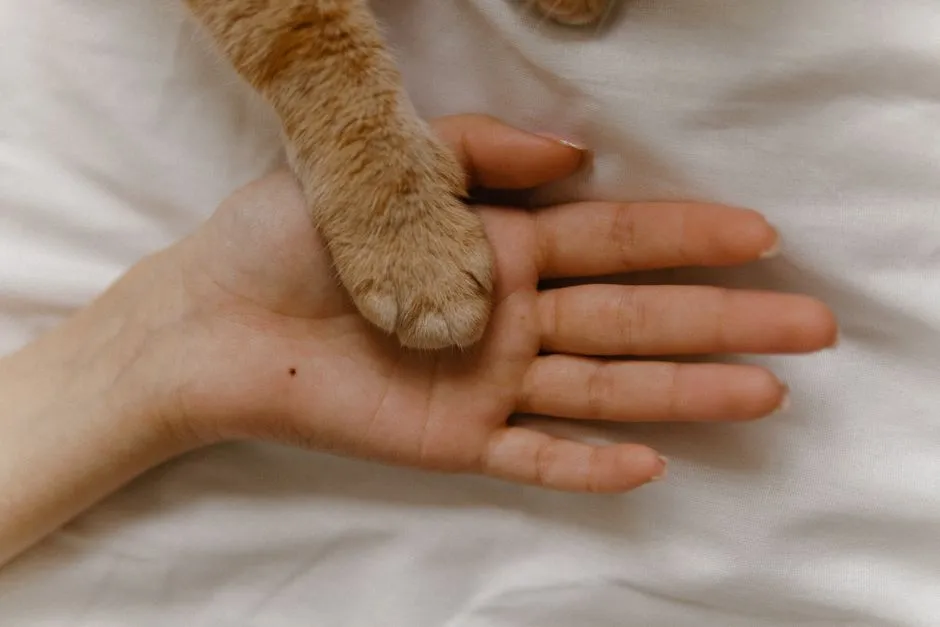
The more closely you watch a cat, the harder it is to cling to the old myth that they do not care. They are not tiny, fluffy therapists, and they are not magical empaths who always know exactly how you feel. But they are attentive, observant animals who form real social bonds, and they express comfort in the ways that make sense to them: warmth, proximity, shared scent, routine, and quiet company. That might not fit the human idea of grand gestures, yet in day‑to‑day life, these small things often matter more than dramatic displays.
Personally, I think cats get underrated as emotional companions precisely because their kindness is so subtle. You have to slow down and meet them halfway to really see it – and that act of paying attention is its own kind of healing. If your cat has ever climbed into your lap on your worst day or simply stayed nearby while you fell apart, you already know this in your bones. The comfort is real, even if it is wrapped in fur and pretending not to care. Next time your cat “just happens” to be there when you are not okay, will you see it differently?

- 7 Everyday Habits That Can Make Your Senior Dog Happier - November 5, 2026
- 10 Enigmatic Structures That Continue to Puzzle Scientists Today - November 5, 2026
- 10 Strange Ruins in the Americas That Challenge What We Know About Early History - November 5, 2026