
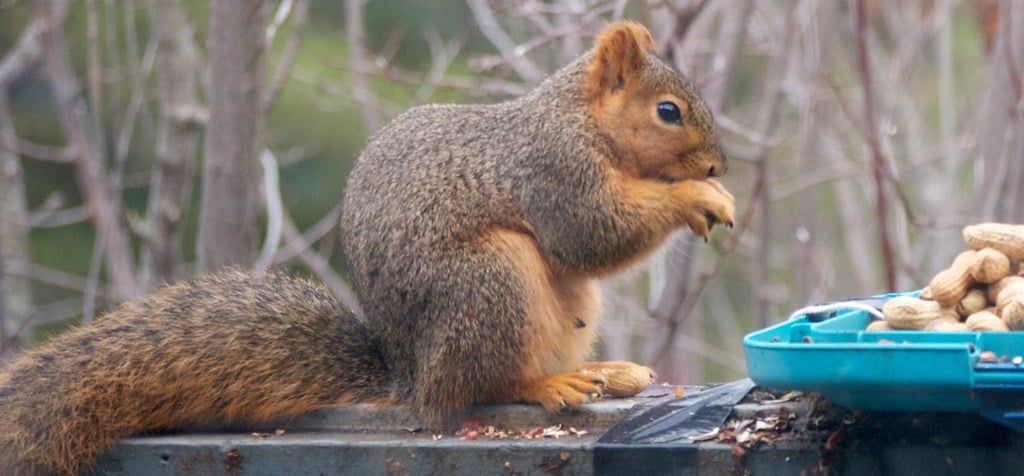
Most backyard bird lovers don’t want to hear this, but here’s the harsh truth: if a squirrel really wants your bird feeder, it will beat almost every “quick hack” you’ve seen shared online. Grease on the pole, a flimsy plastic baffle, angry shouting from the kitchen window? Squirrels treat those like a warm-up lap.
The difference between daily raids and actual peaceful birdwatching isn’t luck. It’s knowing the handful of methods that exploit exactly how squirrels jump, climb, and think – and skipping everything else. Here’s what people who finally win this war are doing differently, one tactic at a time.
#7 – Stop Making It Easy: Placement Rules Most People Ignore
🔥 Would you like to save this?
We'll email this post to you, so you can come back to it later!
Most people hang a feeder wherever it looks nice, then act shocked when it turns into an all-you-can-eat buffet with a squirrel on the ticket. The real fix is boring but brutal: make the route physically impossible, not just “a little inconvenient.”
Quick Compare
- Feeder near a tree or fence: squirrels leap straight across without breaking stride
- Feeder low to the ground: a simple standing jump gets the job done
- Feeder high and isolated: no launch point, no easy meal
That starts with exact distances, not guesses. Squirrels can typically jump about 8-10 feet horizontally from a solid launch point and 4-5 feet vertically straight up. Any feeder should be:
- At least 10 feet from trees, fences, decks, or roofs
- At least 5-6 feet off the ground at the base of the feeder
If you’re hanging a feeder from a tree branch, don’t center it politely – center it scientifically. It needs to hang far enough from the trunk and branch ends that nothing can drop from above or lunge from the side. Otherwise you’ve built a squirrel jungle gym with snacks bolted to the end of it.
Once you start thinking of placement as geometry instead of decoration, you’ll notice how many yards are basically squirrel obstacle courses with a free prize at the end. High, isolated poles in open ground beat low, cozy spots tucked into shrubs every time. But that’s nothing compared to what happens when the pole itself is wrong, too – which is exactly what trips people up next.
#6 – Use a Real Baffle, Not a Cheap Gimmick
🔥 Would you like to save this?
We'll email this post to you, so you can come back to it later!
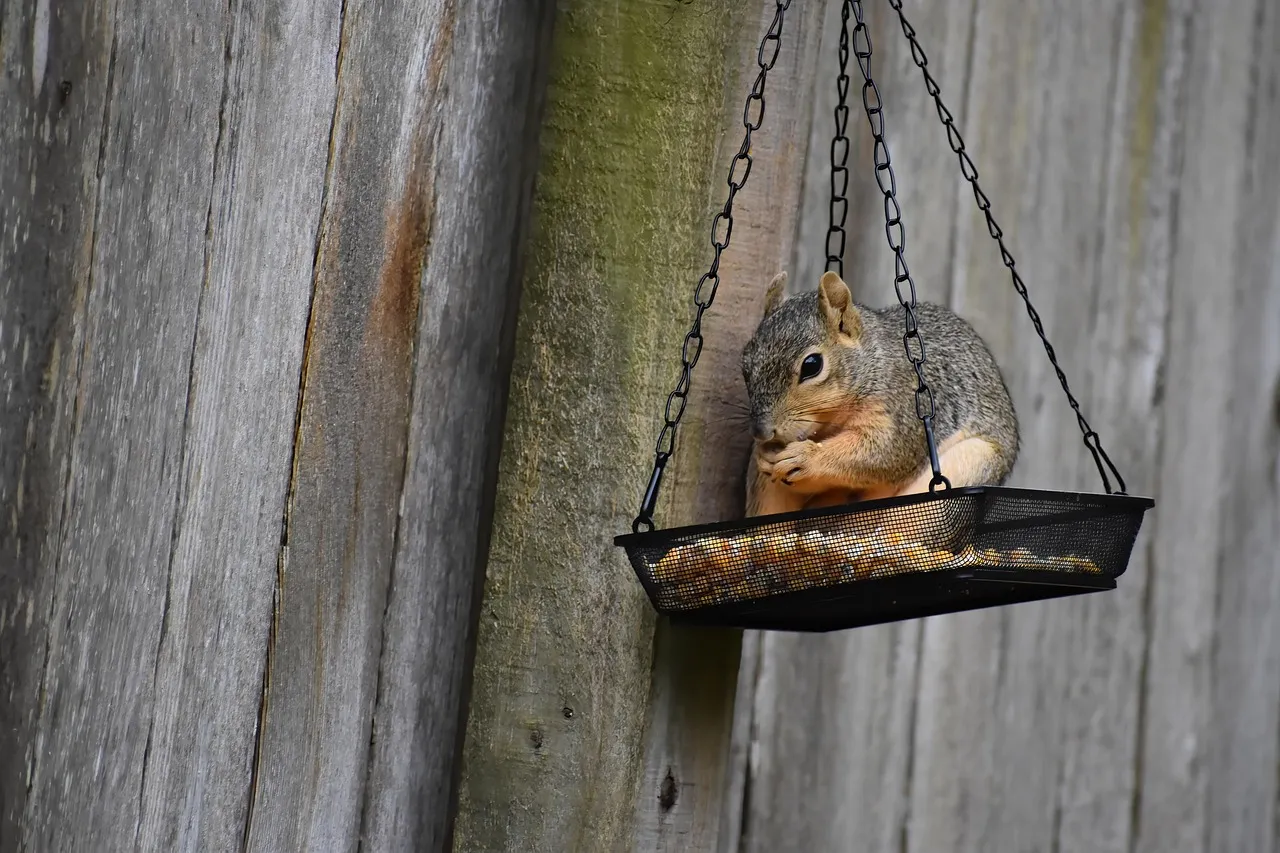
If you’ve ever watched a squirrel casually stroll up a pole while your “squirrel guard” spins uselessly beneath it, you’ve witnessed the gap between marketing and physics in real time. A proper baffle doesn’t just exist for show – it blocks both the climbing route and the jumping route at exactly the right height and angle.
Most failures come from the wrong size or the wrong placement, not a bad idea. For pole-mounted feeders, use a large, smooth, dome or cone-shaped baffle at least 16-18 inches across, installed 4-4.5 feet above the ground. Any lower and squirrels can launch from the ground above it; any higher and they can jump straight to the feeder.
The baffle should wobble slightly and offer zero grip. If it’s narrow or textured, congratulations, you’ve installed a squirrel step stool. For hanging feeders, top-mounted “weather guard” baffles help stop squirrels from dropping down off a branch – but only if the feeder is already far enough from the trunk. Too close, and they simply side-jump around it.
A $30 baffle won’t fix a bad location, but done right, one solid baffle can quietly outperform five different “squirrel-proof” gadgets combined. That’s nothing, though, compared to what a truly well-built feeder can do on its own.
#5 – Outsmart Them With Squirrel-Proof Feeders That Actually Work
🔥 Would you like to save this?
We'll email this post to you, so you can come back to it later!
“Squirrel-proof feeder” might be the most abused phrase in backyard marketing. Most designs are merely squirrel-annoying, and only for about a week before the local gray gymnasts figure them out. The models that actually shift the balance of power all rely on one core trick: use the squirrel’s own weight against it.
Weight-activated feeders use a spring-loaded perch or shroud that slides down when something heavy steps on it, sealing the feeding ports shut. Land light, like a chickadee, and the ports stay open. Land heavy, like a squirrel, and the buffet closes instantly. Higher-end models even let you adjust the spring tension so you can allow small songbirds while locking out heavier birds and squirrels alike. Cheaper knockoffs, though, tend to have loose mechanisms or gaps that clever squirrels learn to exploit fast.
Another solid option is the cage feeder: a standard seed tube wrapped in a metal cage with openings only small birds can slip through. Squirrels can grab the outside all day long, but they can’t get their face anywhere near the ports. As a bonus, this style also keeps out grackles and starlings, which most people don’t see coming.
These feeders aren’t cheap, and that’s exactly why people argue about them online. But paired with the right seed, a good weight-activated or cage feeder becomes the backbone of a genuinely squirrel-resistant setup.
#4 – Change the Menu: Seed Squirrels Actually Don’t Want
🔥 Would you like to save this?
We'll email this post to you, so you can come back to it later!
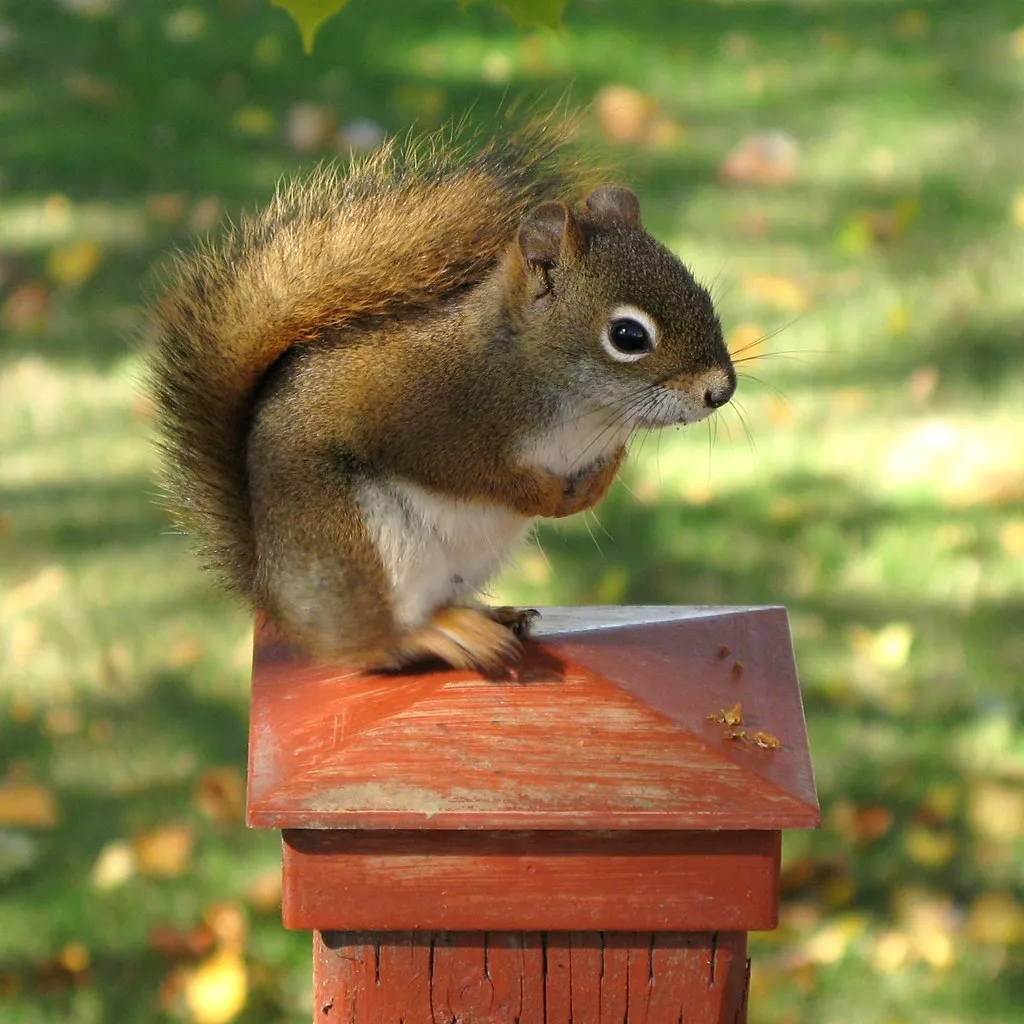
Most people are unknowingly serving squirrels their favorite meal. Standard “mixed bird seed” is basically a squirrel invitation, loaded with sunflower seeds, corn, and peanuts – all top-tier squirrel snacks. If you keep serving dessert, why are you surprised the dessert thieves keep showing up?
Step one: ditch cheap mixes full of whole corn and heavy sunflower content if squirrels are already winning. Instead, switch to options many squirrels genuinely dislike:
- Nyjer (thistle) seed, a favorite for finches
- Straight safflower seed, which many squirrels find bitter
- Pure suet blocks made for birds, kept in proper cages
Is safflower totally squirrel-proof? No. A very hungry, very determined squirrel might still nibble it. But most will strongly prefer your neighbor’s easy sunflower buffet over your bitter option. The goal isn’t moral purity, it’s making your yard the least attractive stop on the block.
Here’s the quiet upside nobody mentions: the seeds squirrels love also attract bully birds that push out smaller songbirds. So when you change the menu, you’re not just solving a squirrel problem, you’re curating a completely different, gentler kind of bird traffic.
#3 – Build a Decoy Buffet: Give Squirrels Their Own Station

🔥 Would you like to save this?
We'll email this post to you, so you can come back to it later!
Here’s the controversial part: sometimes the best way to keep squirrels off your bird feeders is to feed the squirrels, just not where you think. Many birders hate this advice on principle. But the people who finally stop the constant raids often do one thing differently – they build a cheap, separate food source that’s easier to reach than the bird feeder.
At a Glance
- Location: ground-level or low platform, well away from bird feeders
- Bait: cracked corn, peanuts in the shell, corn cobs
- Consistency: restock daily so the habit sticks
- Goal: make this station the easiest calories in the yard
Set up a low, simple feeding area far from your bird feeders, on the ground or a low platform near a tree line. Fill it with foods squirrels go wild for: cracked corn, peanuts in the shell, bits of corn cob. The trick is priority and proximity – make sure this station is the closest, easiest, and most consistently stocked option they’ve got.
No, it won’t stop every single squirrel. But behaviorally, animals choose routes that deliver maximum calories for minimum risk and effort. A stable ground buffet beats an athletic heist off a wobbly pole nine times out of ten. You’re not making friends here. You’re manipulating incentives.
Purists will argue this “rewards bad behavior.” But yards where this tactic is used thoughtfully consistently report fewer acrobatic raids and much calmer, quieter bird feeders overall.
#2 – Fix the Pole: Height, Material, and Design That Defeats Climbers
🔥 Would you like to save this?
We'll email this post to you, so you can come back to it later!
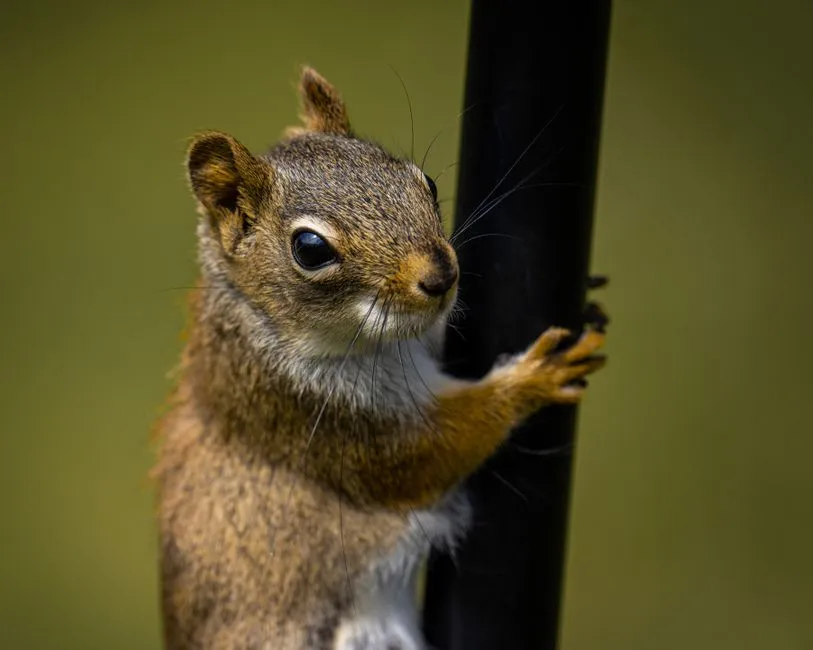
If your entire setup depends on a skinny metal pole from a big-box store, you’ve already conceded half the battle. Squirrels are elite climbers. Rough wood, textured metal, and narrow poles are basically ladders with a welcome mat at the top. Your pole design matters just as much as the feeder sitting on it.
Fast Facts
- Recommended pole height: 7-8 feet
- Feeder head clearance: 5-6 feet off the ground
- Baffle placement: 4-4.5 feet up the pole
- Best materials: smooth metal or PVC, never rough wood
Start with height: a 7-8 foot pole, with the feeder head at least 5-6 feet from the ground and a proper baffle sitting at 4-4.5 feet, is a strong baseline setup. Material matters too – smooth metal or PVC is far harder to climb than wood or textured metal. Some people slide a wider PVC pipe over an existing metal post, creating a slippery outer sleeve squirrels simply can’t grip.
Multi-hook “shepherd’s crook” poles look charming in the catalog photo but can be a real problem if the hooks are too low or too close together. Squirrels use them like monkey bars, bridging from one hanger to the next until they reach the feeder. Fewer hooks, more height, and more open space around the pole are surprisingly effective upgrades, even before you touch anything else.
Redesigning your pole isn’t glamorous work, but it quietly turns daily squirrel battles into rare, almost entertaining attempts that mostly end in failure. Still, nothing on this list stirs up more online arguments than the last method.
#1 – Stop Relying on Pain: The Truth About Spicy Seed and “Repellents”
🔥 Would you like to save this?
We'll email this post to you, so you can come back to it later!
The most heated argument in bird-feeding forums right now is simple: is it okay to use hot pepper in bird seed to repel squirrels? Capsaicin, the compound that makes peppers hot, irritates mammals but doesn’t affect birds – which is exactly why so many “no-squirrel” products brag about their spicy coating. On paper, it sounds perfect.
In practice, it’s messier and more controversial than the marketing suggests. Many squirrels will avoid heavily peppered seed, at least at first. But some adapt, others seem mostly unbothered, and wind or handling can send pepper dust somewhere you never intended – into your eyes, onto pets, even onto a birdbath rim.
There’s also a real ethical question buried in here: just because birds can’t feel the burn doesn’t automatically make it fine to weaponize pain against everything else sharing your yard. Worse, people lean on pepper as a magic bullet and skip the fundamentals entirely – placement, baffles, feeders, pole design. When the squirrels eventually adapt or a hungrier new group moves in, they’re back to square one, minus the money spent on specialty seed.
The best pest control isn’t a chemical, it’s a design that never gives the pest a foothold in the first place.
Common wildlife-management principle
The honest verdict: hot pepper can be a tool, but it’s not the elegant, permanent fix social media makes it out to be. Smart design beats chemical discomfort every single time.
The Bottom Line
🔥 Would you like to save this?
We'll email this post to you, so you can come back to it later!
Keeping squirrels out of bird feeders was never about finding one magic gadget. It’s about stacking a few proven advantages until raiding your setup simply isn’t worth the effort anymore.
Fix the placement, add a real baffle, upgrade to a true squirrel-resistant feeder, change the menu, and redesign the pole – do that, and you’re no longer begging squirrels to behave. You’re quietly making their life harder somewhere else instead.
Personally, I think chasing one “hack,” especially pepper seed, while ignoring physics is the biggest mistake backyard bird lovers make. Squirrels aren’t villains. They’re just doing what highly adaptable animals do. Your job isn’t to punish them, it’s to out-engineer them. If anything on this list annoyed you a little, good, that’s usually where the real behavior change starts. So tell me – which tactic do you swear by, and which one do you flat-out refuse to use in your own yard?

- 7 Everyday Habits That Can Make Your Senior Dog Happier - November 5, 2026
- 10 Enigmatic Structures That Continue to Puzzle Scientists Today - November 5, 2026
- 10 Strange Ruins in the Americas That Challenge What We Know About Early History - November 5, 2026