
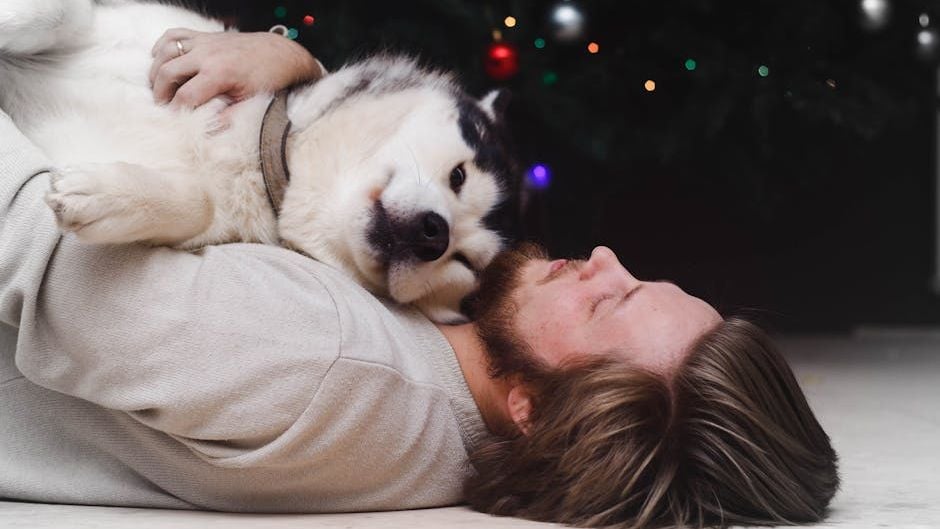
There’s something quietly extraordinary about the relationship between a person and their dog. No shared language, no handshakes, no love letters. Yet somehow, most dog owners would tell you they’ve never felt more understood by another living creature. That’s not sentiment overriding reason. It turns out, dogs are remarkably fluent communicators of affection. They just use a completely different vocabulary.
Studies of brain function have shown that dogs do form deep bonds of attachment to humans, demonstrating behaviors that indicate affection and even love toward their human companions. Once you understand the grammar of that silent language, you start to see it everywhere.
The Soft Gaze That Says Everything
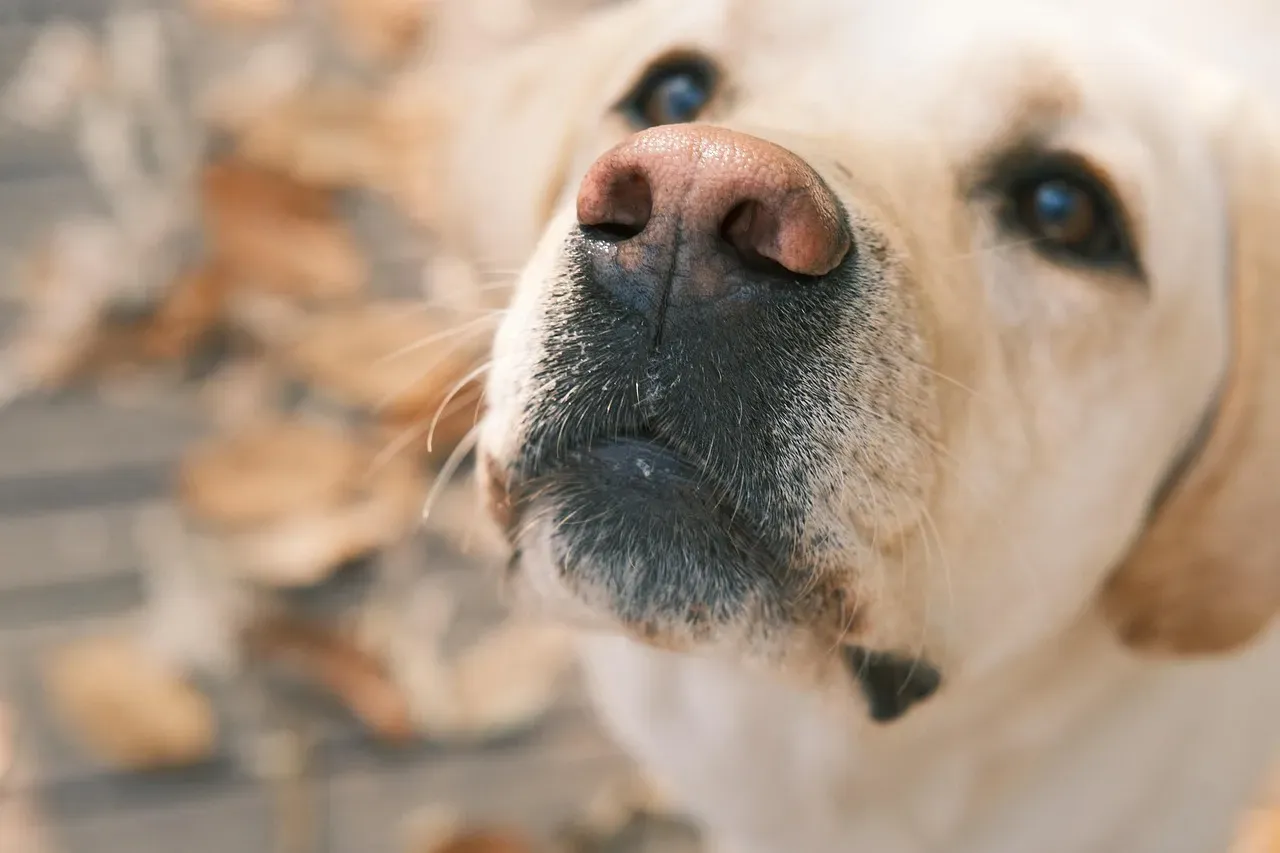
Of all the ways a dog can express love, steady eye contact might be the most scientifically striking. Studies show that domesticated dogs have learned to use eye contact differently than their wild ancestors. Soft eye contact is a special way they communicate with us, the same way humans connect with each other.
When dogs make direct eye contact with their owners, it triggers the release of oxytocin in both the dog and human. This “love hormone” is the same one that bonds mothers to their infants, further affirming the special relationship between humans and their canine companions.
The key distinction here is tone. If your dog is making eye contact with you, blinking, and maintaining a calm and relaxed demeanor, they are trying to express their love. Research shows that when dogs and their owners lock eyes, both experience a spike in oxytocin. It’s important to recognize body language in conjunction with these signals, as stress or agitation can signal something else entirely.
The Full-Body Wag That Isn’t Just Excitement
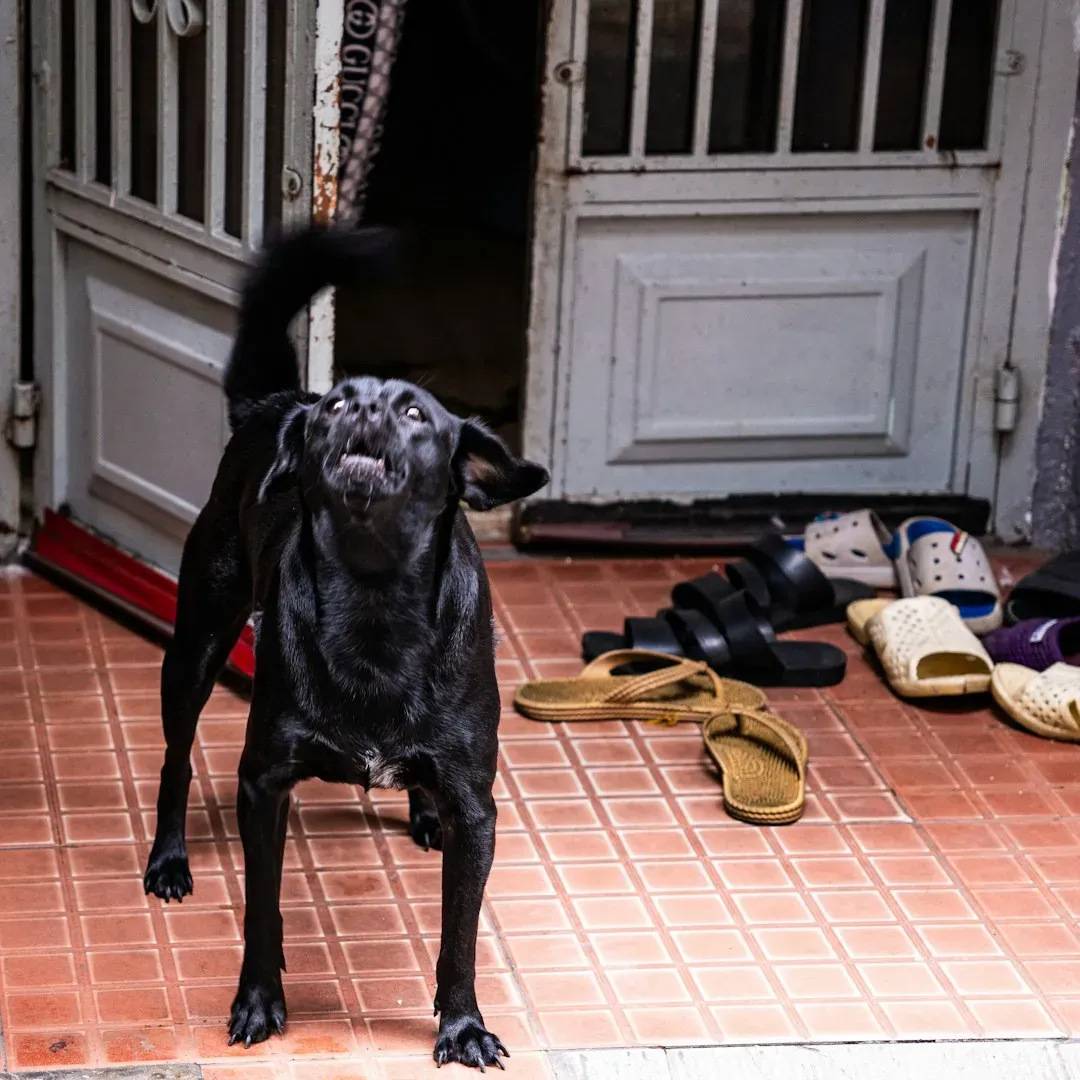
Most people know a wagging tail means something, but the details actually matter quite a bit. Dogs use tail wagging to express a number of emotions beyond just being happy, and you really need to look at the height at which they carry their tail and the speed of the wag to differentiate between various emotions.
If your dog’s tail is relaxed, raised at about mid-height, moving in a circular motion, and causing a full body wag, that’s a sure sign that your dog is happy and excited to see you. A broad, sweeping motion that involves the entire rear end is especially telling.
A full-body wiggle is a telltale sign that your pup is head-over-heels in love – they simply can’t contain their excitement. It’s worth watching for this particular variety, because it reads less like a reflex and more like a full declaration.
Leaning In, Literally
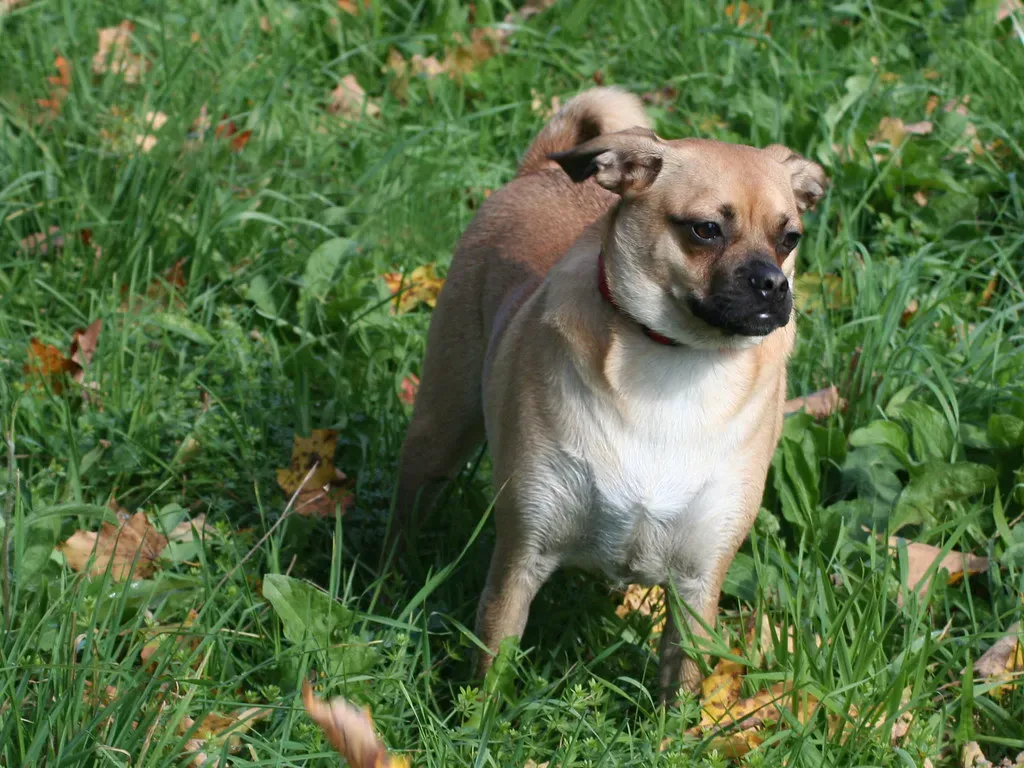
When dogs lean their full weight against you, it signifies complete trust. Your dog sees you as a protector. It’s one of those behaviors that’s easy to overlook simply because it’s so calm and still.
They press their side, head, or whole body into you and just stay there. This kind of contact helps dogs feel grounded and calm. Your presence regulates their nervous system, even if you’re not actively petting them. To your dog, leaning on you feels like comfort, protection, and closeness all wrapped into one.
You’re not going to lean up against someone you don’t feel safe and secure with, and neither is your dog. This means your dog sees you as a protector. When they lean against you during quiet times at home, it’s the equivalent of a full-body hug. That’s a considerable statement from a creature who can’t say a word.
Bringing You Their Favorite Things
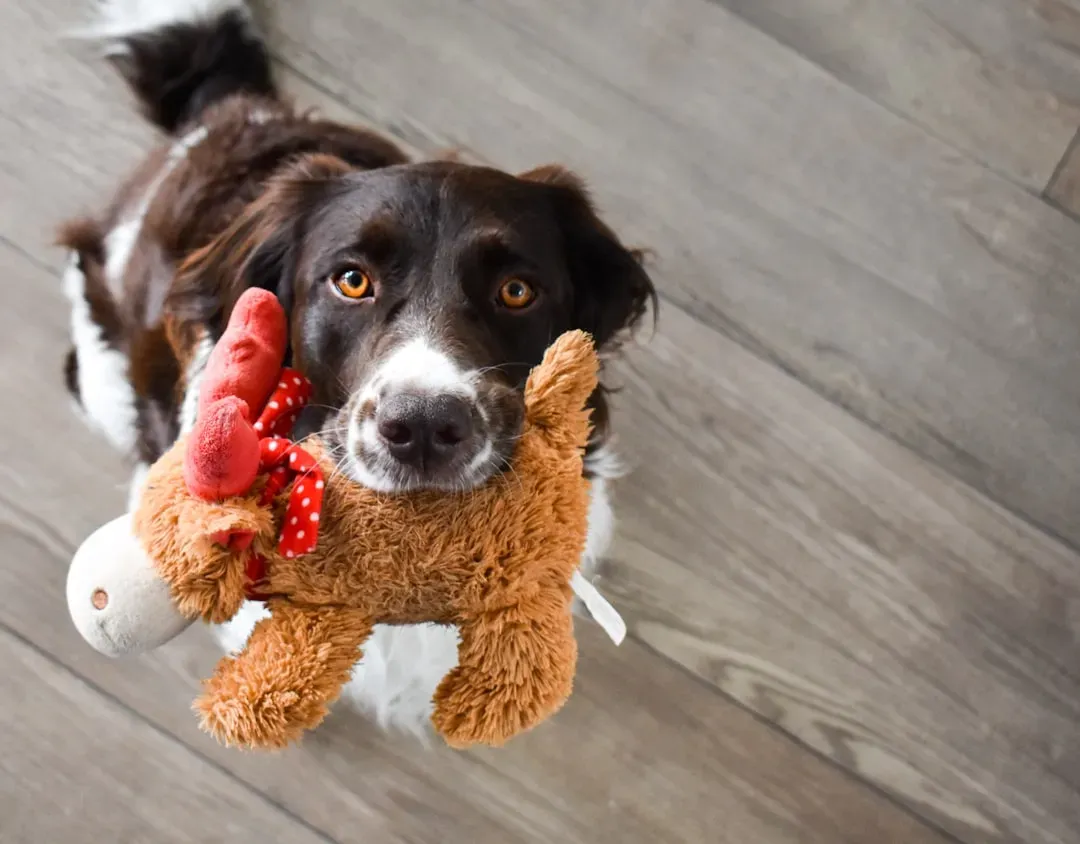
Dogs will often give gifts to the leaders of their pack to show affection, respect, and trust. They can be possessive of their belongings, so trusting you with their favorite toys could be their way of expressing their faith in you.
You know your dog loves you if they bring you their favorite toy. This behavior is an invitation to play and a sign of affection. It shows they trust you with their prized possessions, and they enjoy spending time with you.
There’s something genuinely touching about this one. When a dog brings you a broken toy, it’s not random. They’re handing over something precious because they trust you to help. That’s love and teamwork. The gesture is small. The meaning behind it isn’t.
Following You from Room to Room
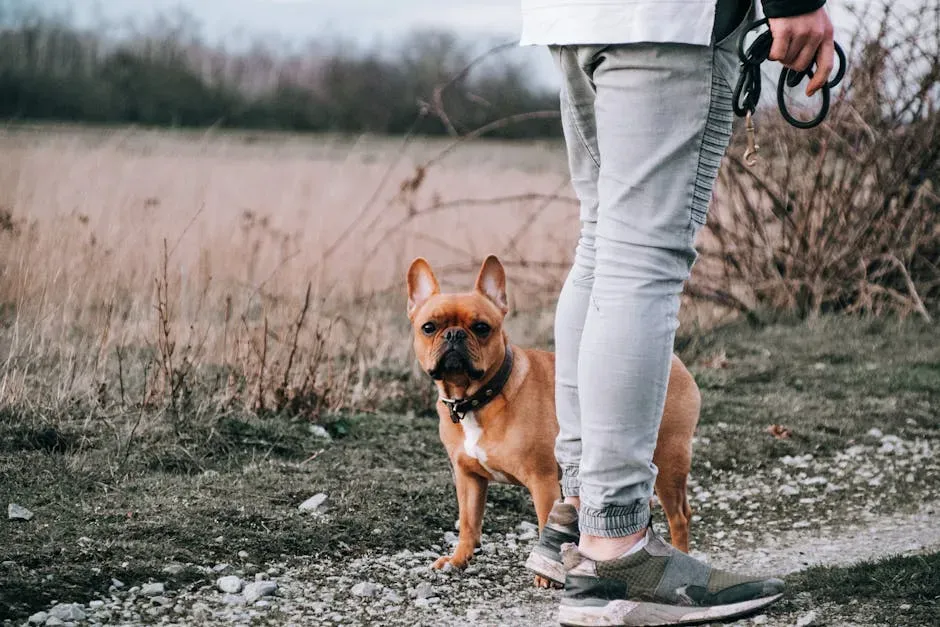
If your dog follows you from room to room or lies nearby while you’re doing something boring, that’s a big deal. Studies have found that dogs stick closer to their owners than to other people, which is a strong sign that they feel safe, bonded, and emotionally connected to you.
Following you around demonstrates loyalty and attachment. Bringing you their favorite toy shows trust and the desire to bond. This behavior stems from their pack mentality, where they follow their leader. Scientists believe it reinforces their bond with you.
They’re not looking for food, walks, or playtime. They just want to be close. Dogs don’t waste energy hanging around people they don’t feel attached to. Choosing your company during quiet moments shows genuine affection. There’s a difference between a dog who wants something and a dog who simply wants you.
Sleeping Near You
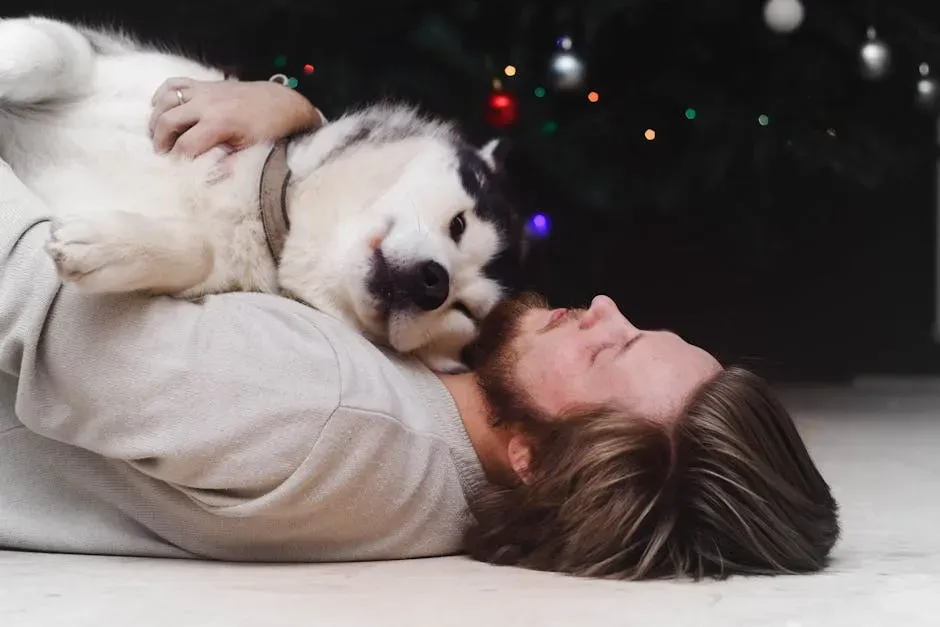
Sleeping together with their pack is a natural instinct for dogs, and something they did as newborn puppies with their littermates. Your dog wanting to sleep next to you is a sign of affection and closeness.
They like your company, consider you a member of the pack, and want to show their loyalty, trust, and willingness to protect you, or let you protect them. That mutual protectiveness, expressed through something as simple as where a dog chooses to rest, says quite a lot.
That long sigh before sleep is a sign they feel safe, settled, and deeply relaxed. Sleeping near you means your dog feels safe and wants to keep you close. Many dogs prefer to curl up where they can sense your presence. It’s quiet affection at its most honest.
The Lick, the Nuzzle, and the Expressive Face
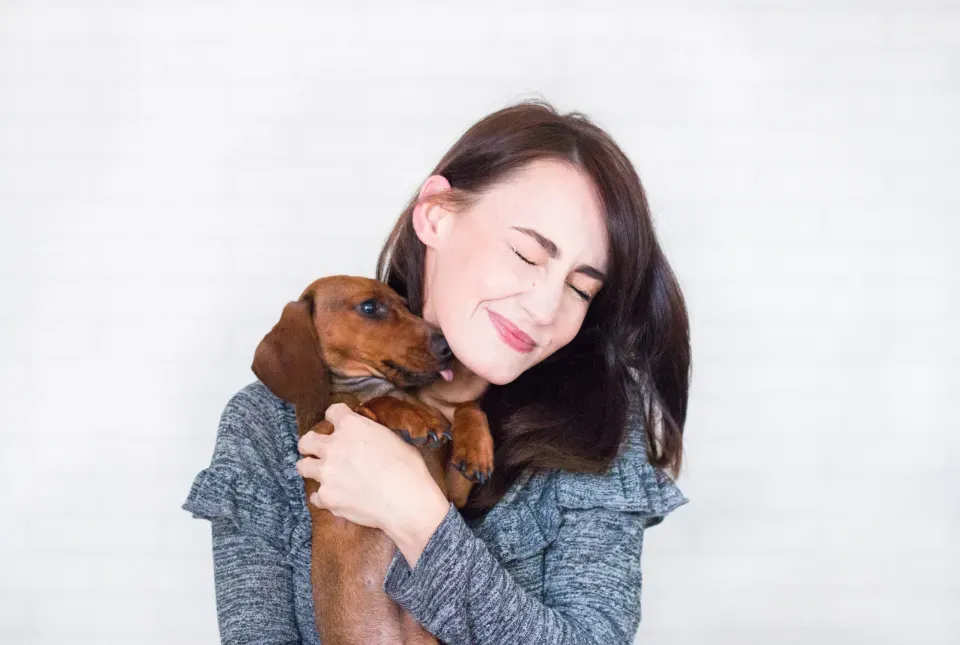
Kissing is a universal sign of affection, even among dogs. This is likely a behavior learned from the grooming and affection given to puppies by their mothers and has become a ritualized greeting for many. A dog licking their owner is so common, owners widely call it “giving kisses,” and these kisses release endorphins that make dogs feel relaxed, calm, and happy.
According to a study published in the journal Proceedings of the National Academy of Sciences, dogs have evolved a special eye muscle to better communicate with humans. They are able to move their eyebrows and make that sad, sweet puppy dog face that tugs at our heartstrings. That raised eyebrow or soft facial shift is no accident.
Dogs make more facial expressions when their human is paying attention, suggesting that these expressions are deliberate attempts at communication. The most notable is the canine smile, a sign of a happy pup. Pair that with a nose nudge or a head pressed gently into your lap, and the message is unmistakable.
Conclusion
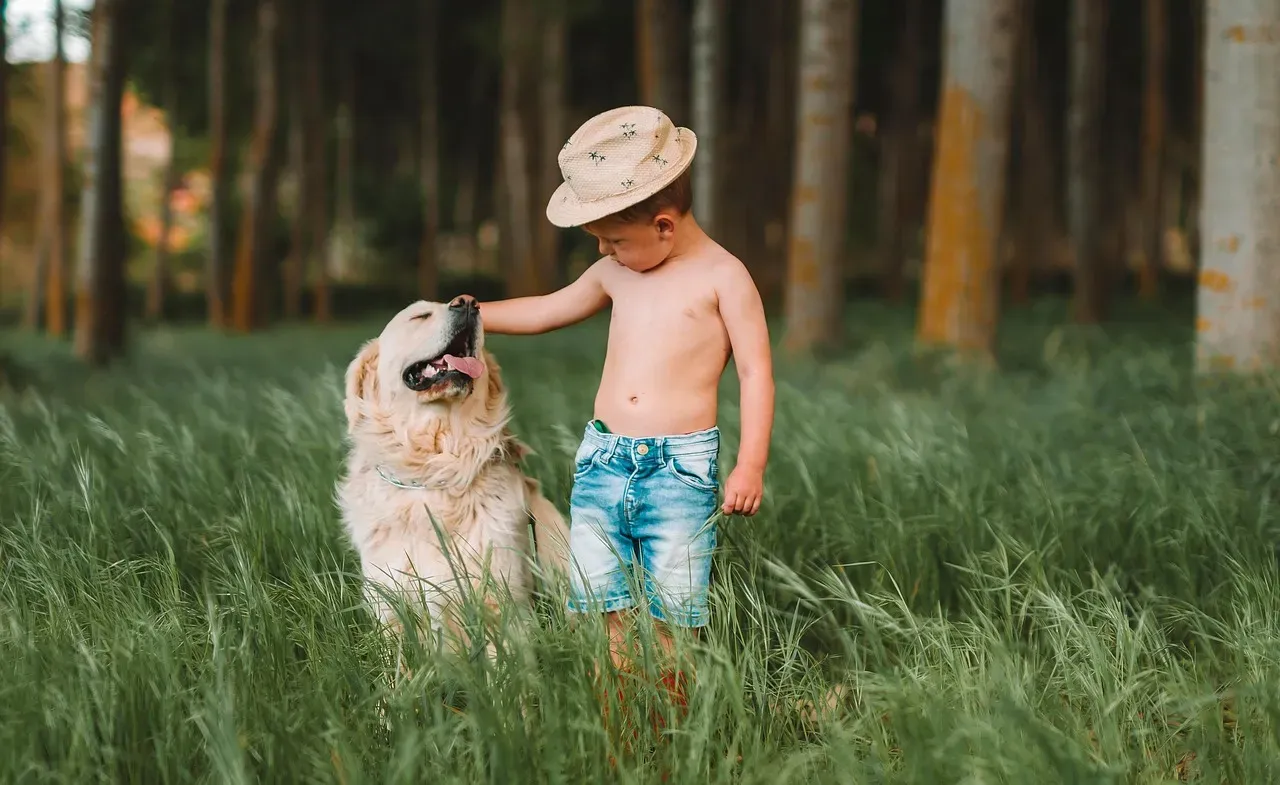
Dogs don’t need language to be clear. Every lick, tail wag, lean, or toy drop is your dog’s way of saying, “You matter to me.” The communication has always been there. It just requires a different kind of listening.
Each dog is unique, and their ways of expressing love can vary. Paying attention to your dog’s individual behavior and cues deepens your bond and understanding of their affectionate nature. Once you start reading the signals, it’s hard to stop noticing them.
The relationship between a person and their dog is, in many ways, a study in patience and presence. Your dog isn’t waiting for the right moment to tell you how they feel. They’ve been telling you all along.
