
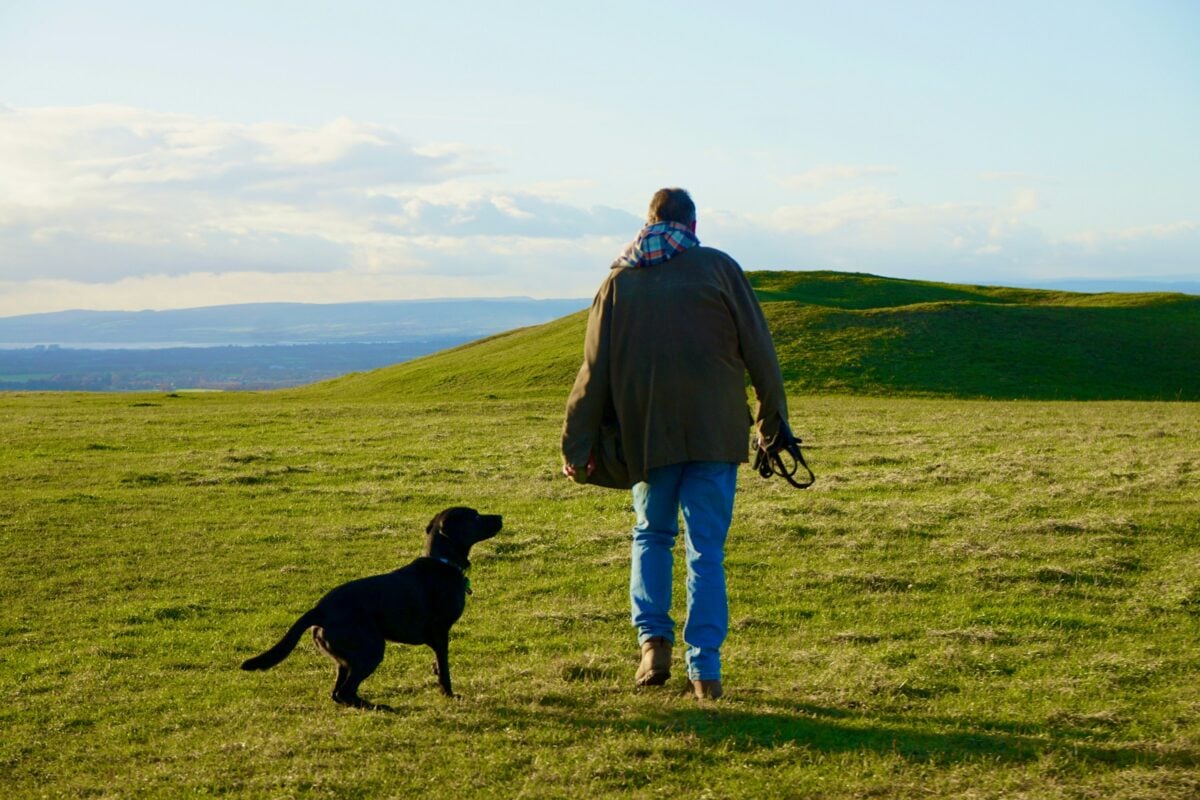
You come home after a long day, and your dog doesn’t jump into your lap. Instead, they stand a few feet away, tail swaying, eyes locked on your face. It’s easy to read that as aloofness, but it often means something quite different.
Dogs have spent thousands of years living alongside people, and they’ve become remarkably good at communicating with us in ways that don’t involve a single paw or nuzzle. Once you know where to look, the signs are surprisingly easy to spot. Some are obvious, while others are so quiet you’ve probably missed them entirely.
Soft Eye Contact
🔥 Would you like to save this?
We'll email this post to you, so you can come back to it later!
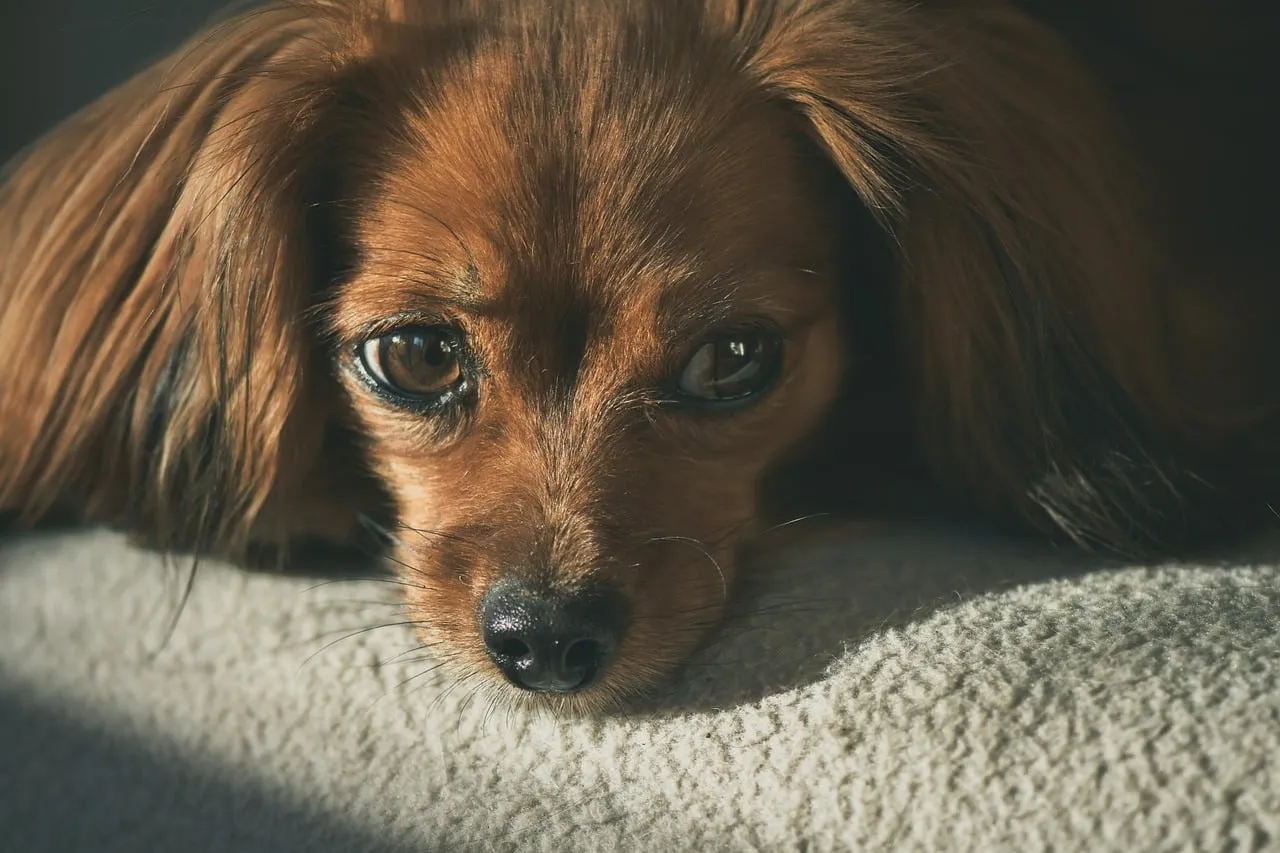
A relaxed, gentle gaze is one of the clearest signals of trust a dog can give. Research published in the journal Science in 2015 found that when dogs and their owners looked into each other’s eyes, both showed a rise in oxytocin, a hormone linked to bonding. That’s the same kind of feedback loop we see between parents and infants.
The key word here is soft. A hard, unblinking stare can mean tension, while loose eyelids and a relaxed face usually mean comfort. If your dog glances at you, looks away, then checks back in, that’s often just their way of staying connected.
Following You From Room to Room
🔥 Would you like to save this?
We'll email this post to you, so you can come back to it later!
If you’ve ever had a furry shadow trailing you to the kitchen, the bathroom, and back again, you’ve seen this one in action. Many dogs simply prefer being near the people they’re attached to. It isn’t always neediness, though it can be in some cases.
Context matters. A dog who follows you calmly and then settles nearby is usually content just being in your company. However, a dog who panics or struggles when you leave their sight may be dealing with separation distress, which is worth raising with a vet or a qualified trainer.
The Happy, Wiggly Greeting
🔥 Would you like to save this?
We'll email this post to you, so you can come back to it later!
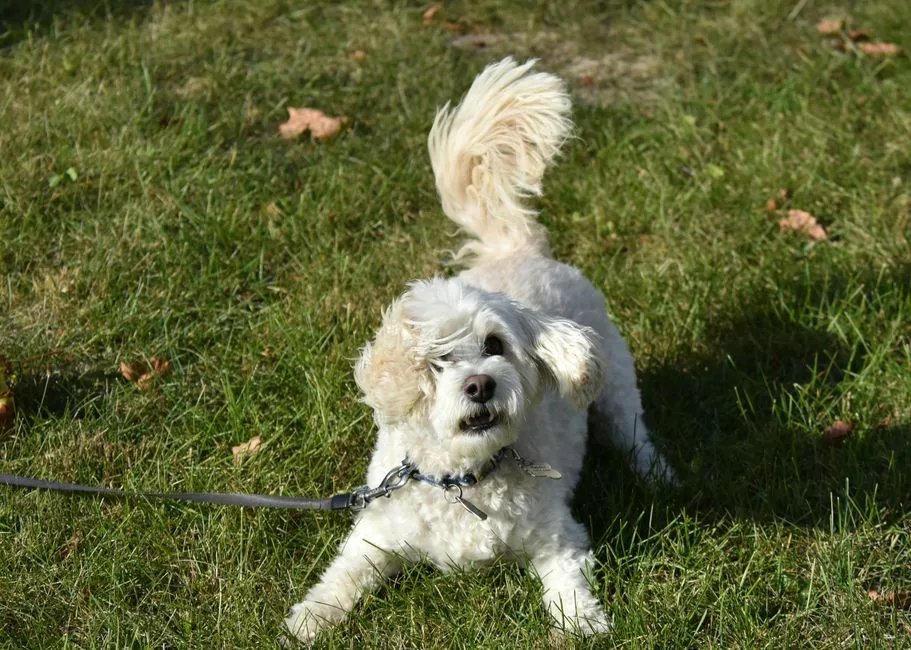
Few things beat walking through the door to a dog whose whole back end is wagging. Loose, full body wiggles, a relaxed mouth, and soft ears all point toward genuine joy at seeing you. Some dogs add little sounds, like whines or happy grumbles, as part of the welcome.
A wagging tail alone doesn’t tell the full story, since dogs wag for lots of reasons, including nervousness. Look at the whole animal instead. A loose, bouncy body is a much better clue than the tail by itself.
Bringing You Their Favorite Things
🔥 Would you like to save this?
We'll email this post to you, so you can come back to it later!
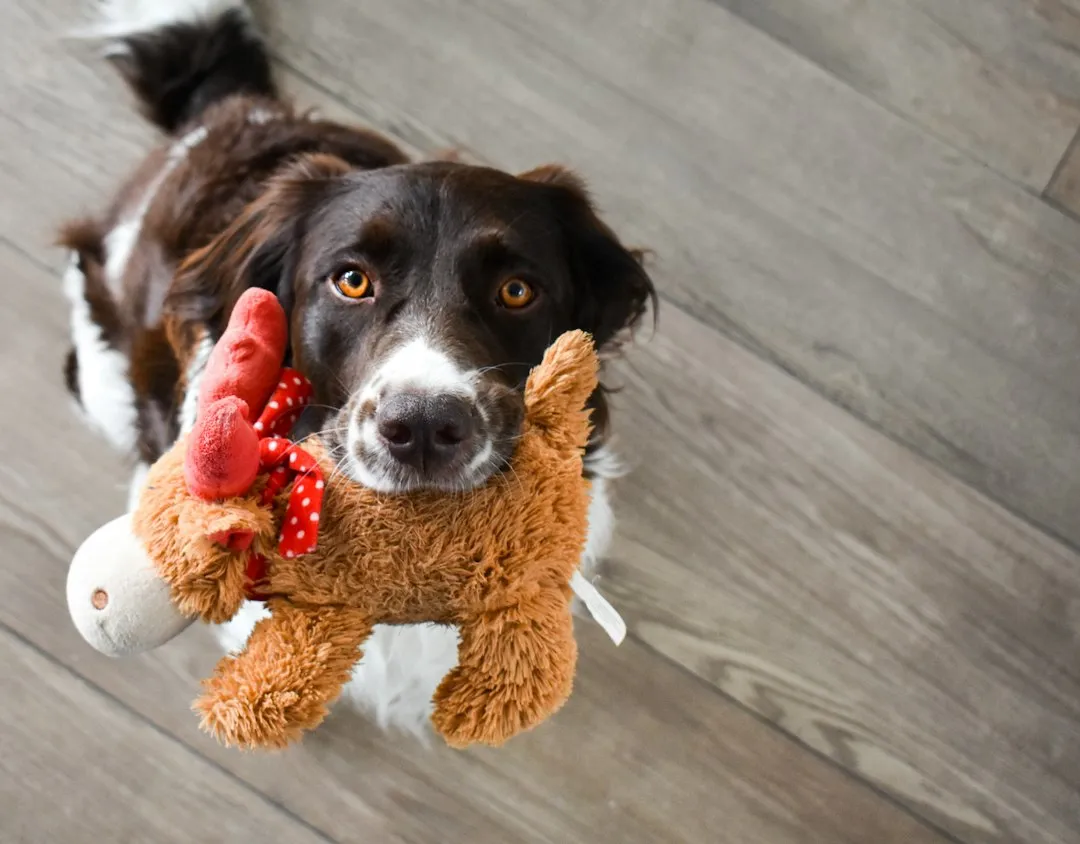
Does your dog trot over with a toy, a slipper, or a slightly damp sock? Many dogs do this, and it often reads as an invitation to play or simply as a way of sharing something that matters to them. Exactly why dogs do it isn’t fully settled, so it’s best not to over-interpret any single offering.
What we can say is that it’s usually a friendly, social behavior. Responding with a little attention, a game of tug, or a calm thank you helps reinforce the connection. Even a quick acknowledgment tells them their gesture landed.
Leaning Their Gaze, Not Their Body: Checking In on Walks
🔥 Would you like to save this?
We'll email this post to you, so you can come back to it later!
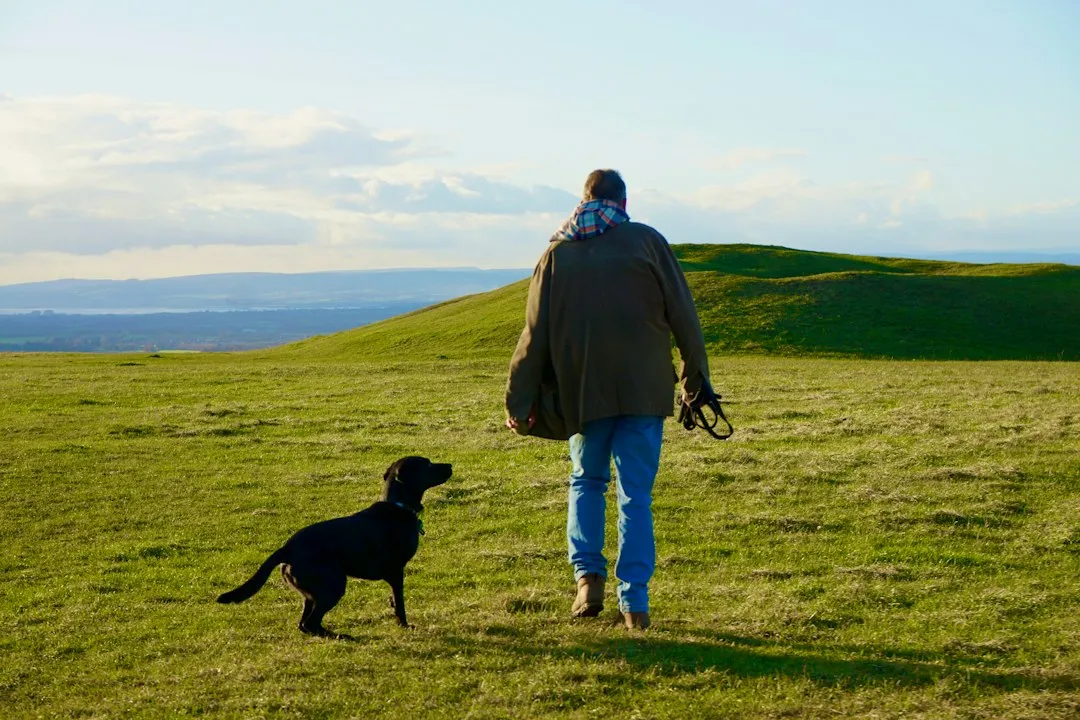
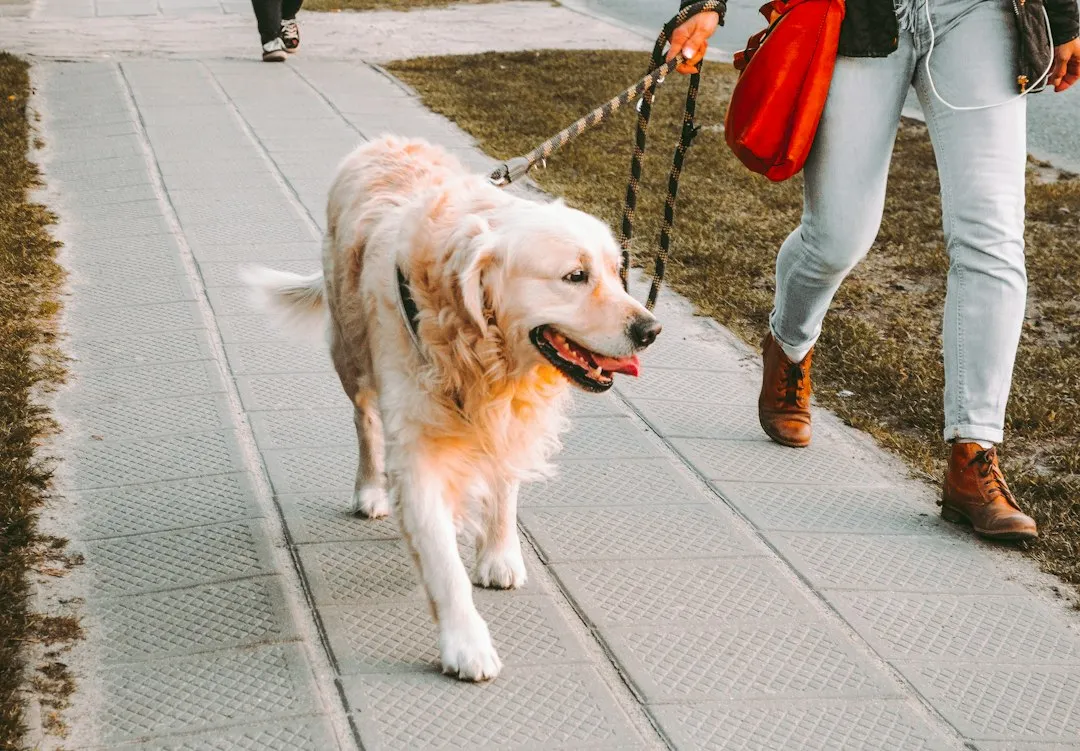
On a walk, a dog who regularly glances back to see where you are is showing that you’re their anchor. This habit, often called checking in, tends to grow stronger in dogs with a solid bond to their person. It’s one reason trainers value it so much.
You can encourage it without any fuss. Reward those voluntary glances with praise or a treat, and your dog learns that staying tuned in to you pays off. Over time, the walk starts to feel more like a shared outing than a tug of war.
Relaxed Body Language Around You
🔥 Would you like to save this?
We'll email this post to you, so you can come back to it later!
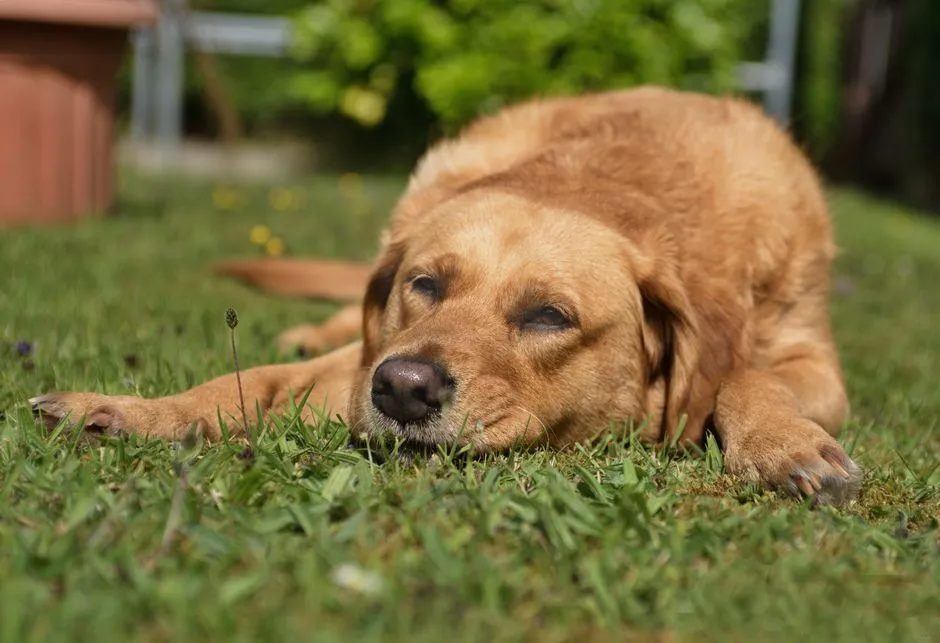
A dog who feels safe lets their guard down. You might notice them sprawled out on their back nearby, yawning, or sleeping with their belly exposed, all of which suggest they’re comfortable in your space. Sleeping in the same room, or even just within sight, can also reflect that trust.
Soft ears, a loose jaw, and slow blinks are other small signs of ease. None of these are dramatic, which is exactly why they’re easy to overlook. Yet a dog who relaxes fully around you is paying you a real compliment.
Tuning In to Your Voice and Mood
🔥 Would you like to save this?
We'll email this post to you, so you can come back to it later!
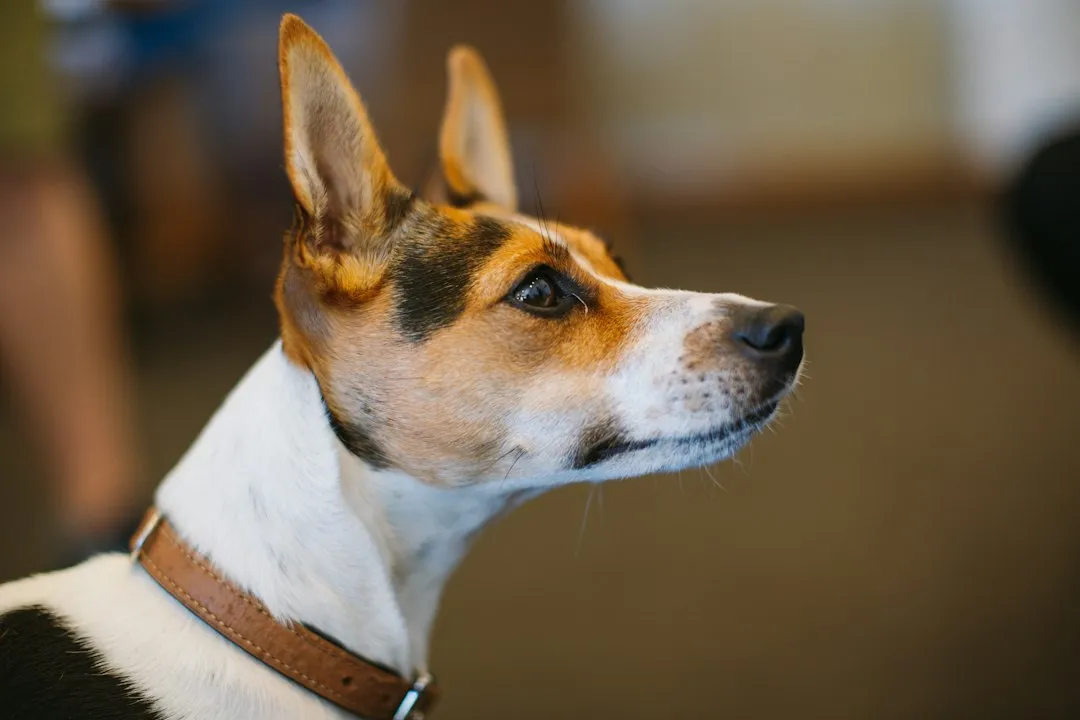
Dogs pay close attention to the people they love. Studies have shown that dogs can pick up on human emotional cues through voice and facial expressions, which may explain why your dog seems to know when you’re having a rough day. They might come sit quietly nearby or simply stay close.
Responding to your name, tilting their head at familiar words, and perking up when you speak in a warm tone all show how tuned in they are. It’s not magic, just attention built over years of shared routines. Few relationships involve that much quiet observation.
Final Thoughts
🔥 Would you like to save this?
We'll email this post to you, so you can come back to it later!
My view is that we’ve been a bit too fixated on cuddles as the measure of a dog’s love. Plenty of wonderful dogs simply aren’t snugglers, and that doesn’t make their bond with you any weaker. Some of the most devoted behavior looks like a dog calmly choosing to be wherever you are.
So watch more closely, and judge less by touch. The affection is probably already there, written in glances, greetings, and small habits you’ve been living with all along.

- 7 Everyday Habits That Can Make Your Senior Dog Happier - November 5, 2026
- 10 Enigmatic Structures That Continue to Puzzle Scientists Today - November 5, 2026
- 10 Strange Ruins in the Americas That Challenge What We Know About Early History - November 5, 2026