
#1 Gray Wolf
🔥 Would you like to save this?
We'll email this post to you, so you can come back to it later!
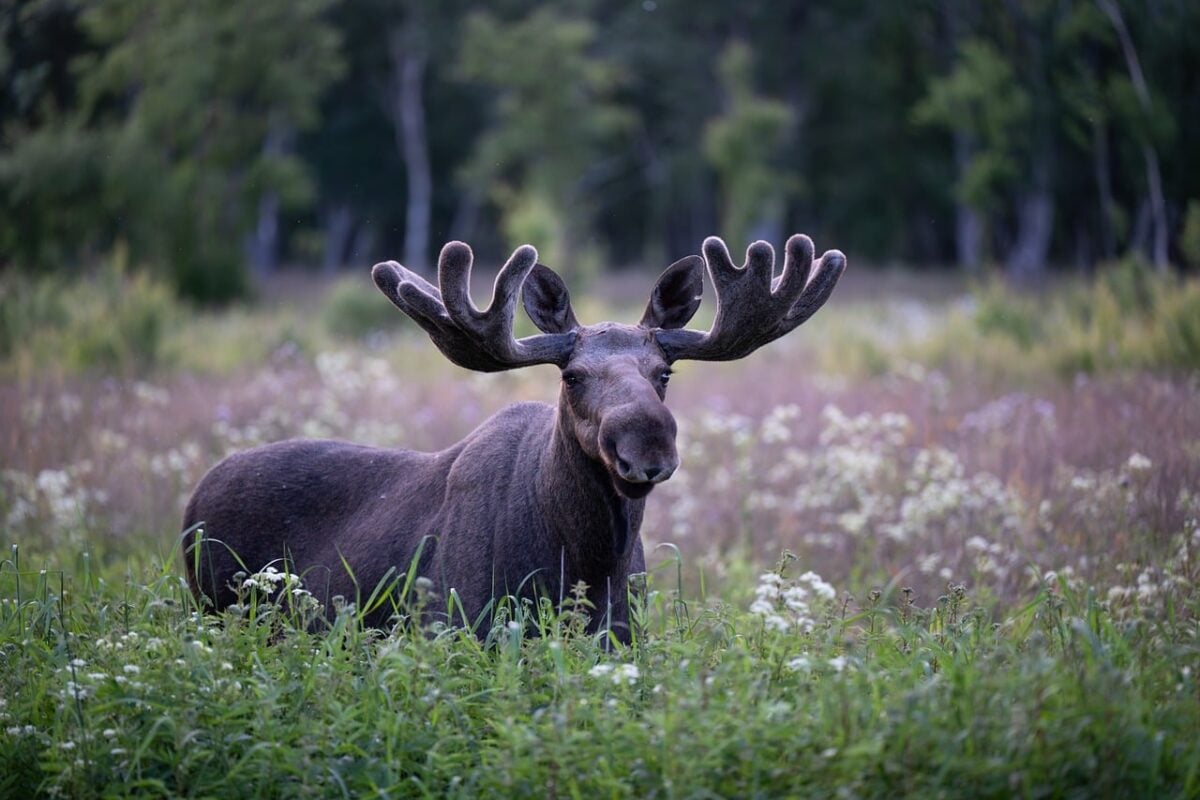
The gray wolf is arguably the U.P.’s most talked about resident, and for good reason. Wolves are native to Michigan and currently found in the Upper Peninsula, though they were eliminated in the Lower Peninsula by the 1930s and nearly disappeared from the U.P. in the early 1960s. Since then, the comeback has been remarkable, with a 2024 DNR survey of wolf tracks estimating the minimum wolf population at 768 animals.
What’s striking is how stubbornly the population has stayed put north of the bridge. The DNR is unsure whether any wolves exist in the Lower Peninsula, and biologists describe the U.P. population as having reached a kind of ecological ceiling. Results show a continued trend of statistical stability, indicating that gray wolves may have reached their biological carrying capacity within the Upper Peninsula. For downstate residents, that means a wolf sighting basically requires a road trip.
#2 Moose
🔥 Would you like to save this?
We'll email this post to you, so you can come back to it later!
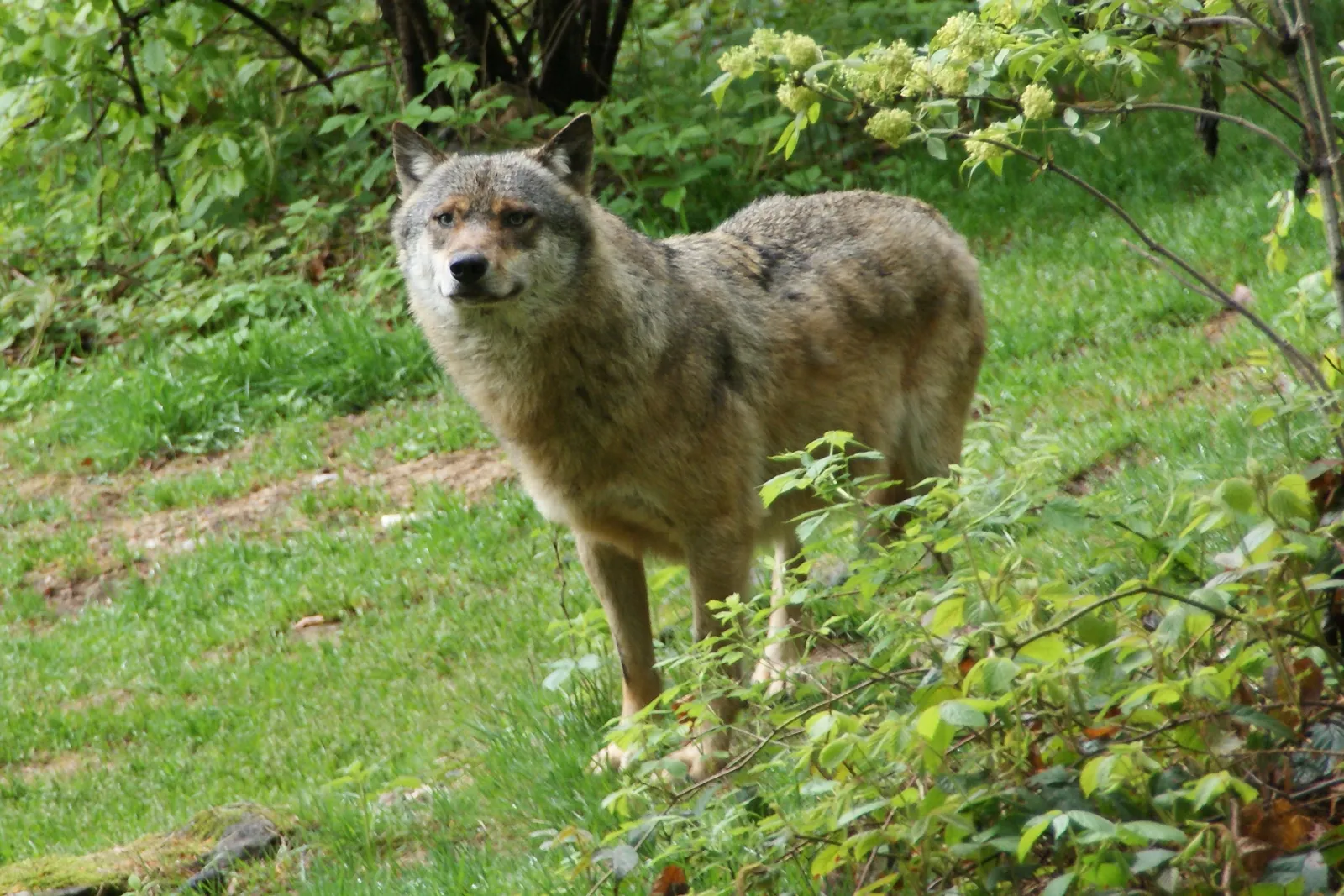
Moose disappeared from Michigan for the better part of a century before wildlife managers decided to bring them back. Moose were reintroduced to the Upper Peninsula in the mid 1980s when 59 moose from Algonquin Provincial Park in Ontario, Canada were captured and transported by air and released in an area north of Van Riper State Park and the town of Champion. Today the animals are scattered across a handful of pockets, mostly wetlands and regenerating forest that give them cover and food.
Finding one still takes patience and a little luck. The majority of the moose population lives in the area near Van Riper State Park, with some residing on Isle Royale, and a group living in the Eastern Upper Peninsula near Tahquamenon Falls and the Seney National Wildlife Refuge. A smaller population in the eastern Upper Peninsula is spread across portions of Alger, Schoolcraft, Luce and Chippewa counties and is estimated to contain fewer than 100 moose, which helps explain why downstate Michiganders almost never encounter one outside of a zoo.
#3 American Marten
🔥 Would you like to save this?
We'll email this post to you, so you can come back to it later!
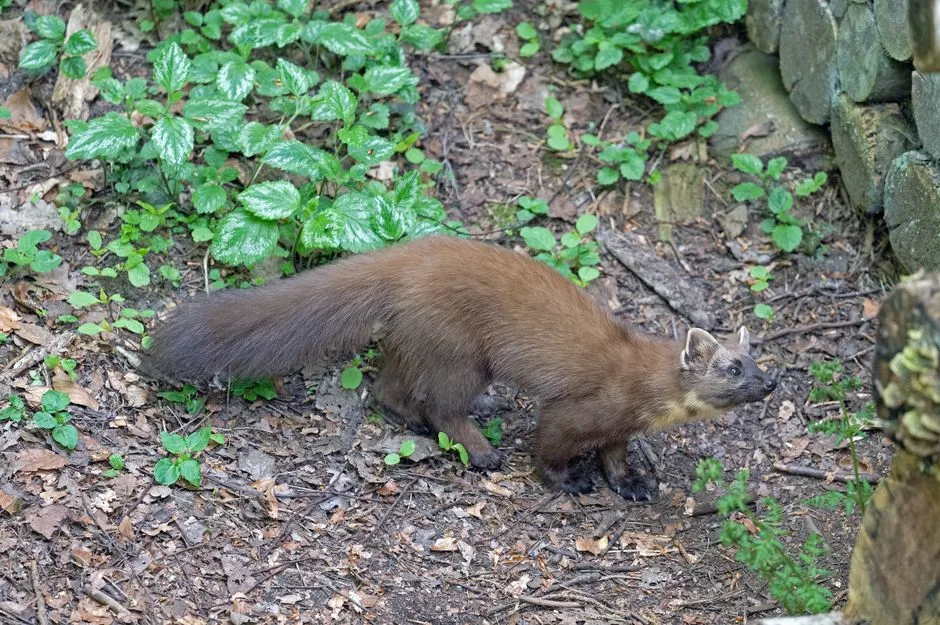
The American marten, sometimes called a pine marten, is a small, quick predator that looks a bit like a housecat crossed with a weasel. It thrives in the kind of unbroken conifer forest that the U.P. still has in abundance, hunting squirrels, mice, and birds among the treetops and forest floor alike. There’s more of these continuous, thick forests in the Upper Peninsula, where martens have done really well.
Down south, the story looks very different. A lot of prime marten habitat in the Lower Peninsula is cut up into little pieces, separated by highways and farms, which fragments the population and makes sightings scarce. Michigan did try to fix that. Martens used to live all over the forests of the upper Midwest until settlers came in and cut down stands of white pines and other conifers, and it wasn’t until the 1980s that Michigan’s Department of Natural Resources decided to reintroduce the species to the Lower Peninsula. Even so, wildlife biologists studying the reintroduced population have been cautious about calling it thriving, noting the numbers still lag well behind their U.P. counterparts.
#4 Canada Lynx
🔥 Would you like to save this?
We'll email this post to you, so you can come back to it later!
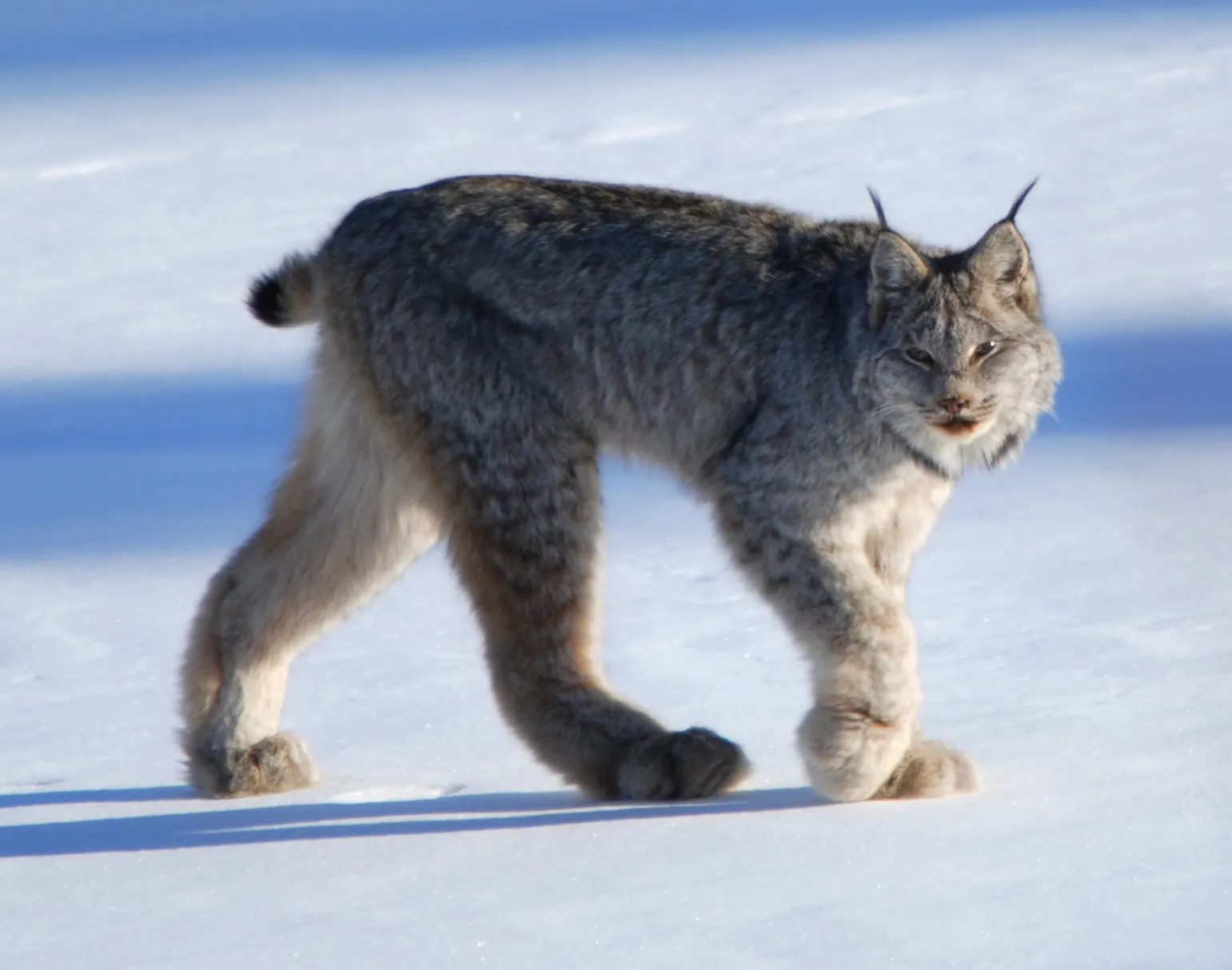
The Canada lynx is one of those animals most Michiganders have heard of but almost nobody has seen. It’s a cold-adapted cat built for deep snow, with oversized paws that act like natural snowshoes and a diet built almost entirely around snowshoe hares. Historically its range brushed into the northern reaches of the state, but sustained populations require the kind of boreal forest and consistent snowpack that only the Upper Peninsula reliably offers.
Sightings today are exceptionally rare, and most confirmed records come from the western and central U.P. rather than anywhere near the bridge, let alone downstate. The species is often lumped in travel guides alongside wolves and moose as one of the region’s headline predators, precisely because it’s so elusive. Anyone claiming a lynx sighting downstate is almost certainly describing a bobcat, which is far more widespread and considerably less shy.
#5 Snowshoe Hare
🔥 Would you like to save this?
We'll email this post to you, so you can come back to it later!
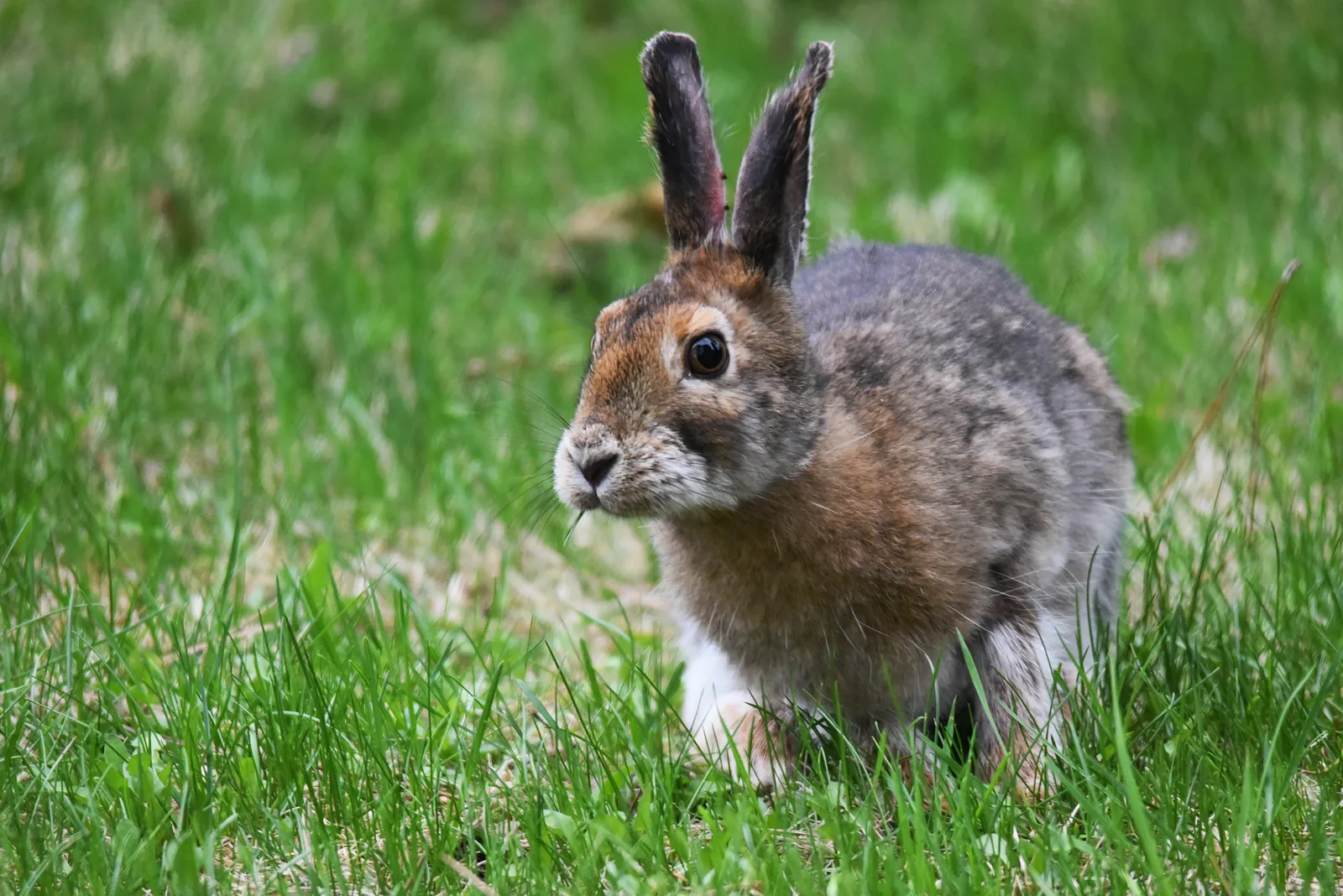
Snowshoe hares are built for winter in a way few animals manage. Their coats shift from brown to white with the seasons, and their oversized hind feet let them skim across deep snow while heavier predators sink. That adaptation makes them perfectly suited to the Upper Peninsula’s long, snow-heavy winters, where they remain a dependable food source for lynx, fishers, and owls alike.
Farther south, shrinking snow cover and warmer winters have worked against them. Without consistent snowpack, a hare’s white winter coat becomes a liability instead of camouflage, making it an easy target rather than a hidden one. That mismatch has pushed the species further north over the decades, leaving the U.P. as its most reliable stronghold in the state and downstate sightings increasingly uncommon.
#6 Spruce Grouse
🔥 Would you like to save this?
We'll email this post to you, so you can come back to it later!
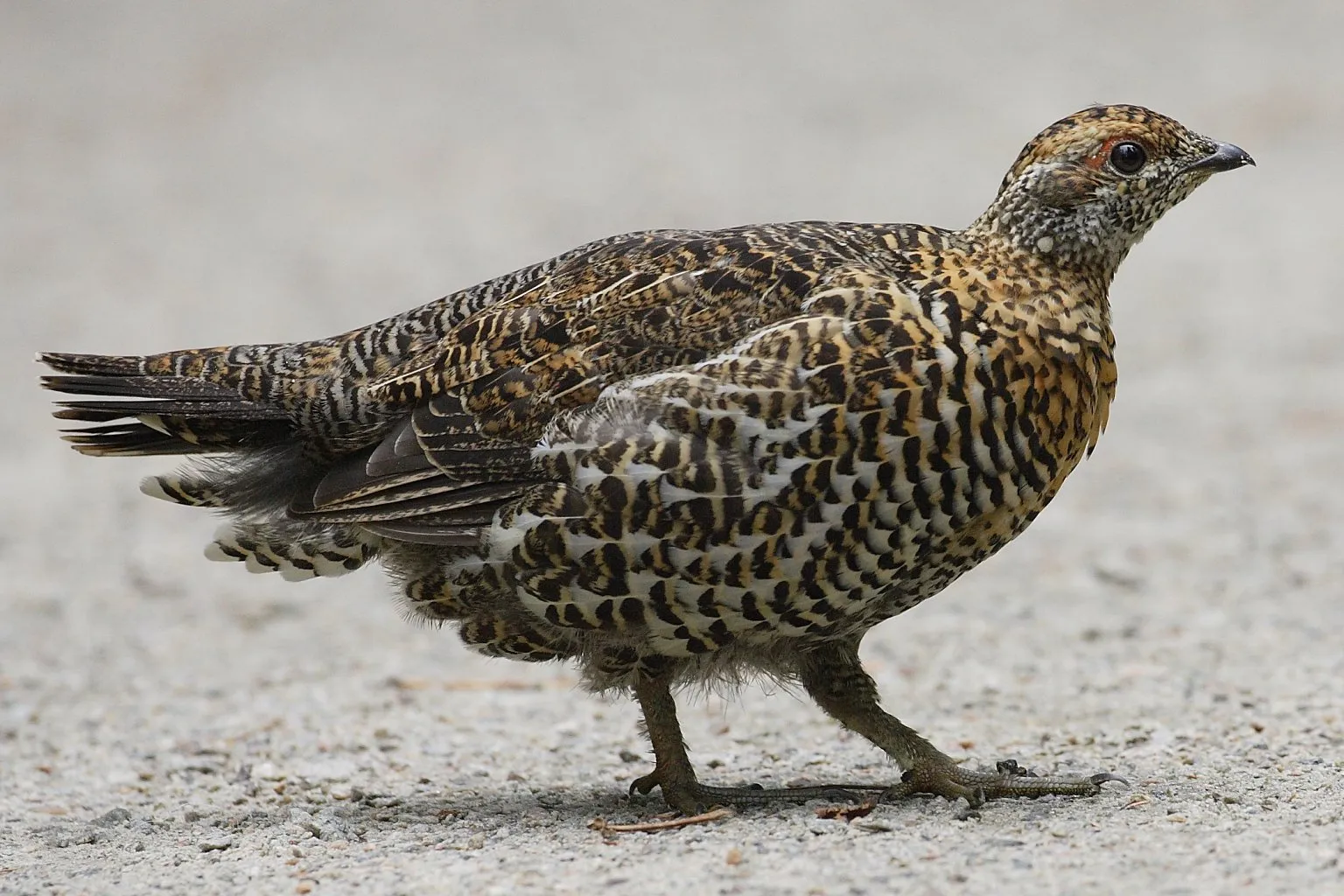
The spruce grouse is a bird that seems almost too calm for its own good. It’s a boreal forest specialist tied closely to stands of black spruce and jack pine, the kind of habitat concentrated heavily in the eastern and central Upper Peninsula. The abundant birdlife in areas like Tahquamenon Falls State Park includes spruce grouse, pileated woodpecker, bald eagle and a variety of waterfowl and songbirds.
Because the bird relies so heavily on conifer-dominated wetlands, it simply doesn’t have much suitable ground to occupy downstate. Its trusting, almost sluggish demeanor around humans has earned it the nickname fool hen among hunters, but that same trait means it rarely wanders into more developed landscapes where predators and people are far less forgiving. For birdwatchers, spotting one usually means committing to a hike deep into U.P. conifer country rather than hoping for a backyard surprise.
#7 Fisher
🔥 Would you like to save this?
We'll email this post to you, so you can come back to it later!
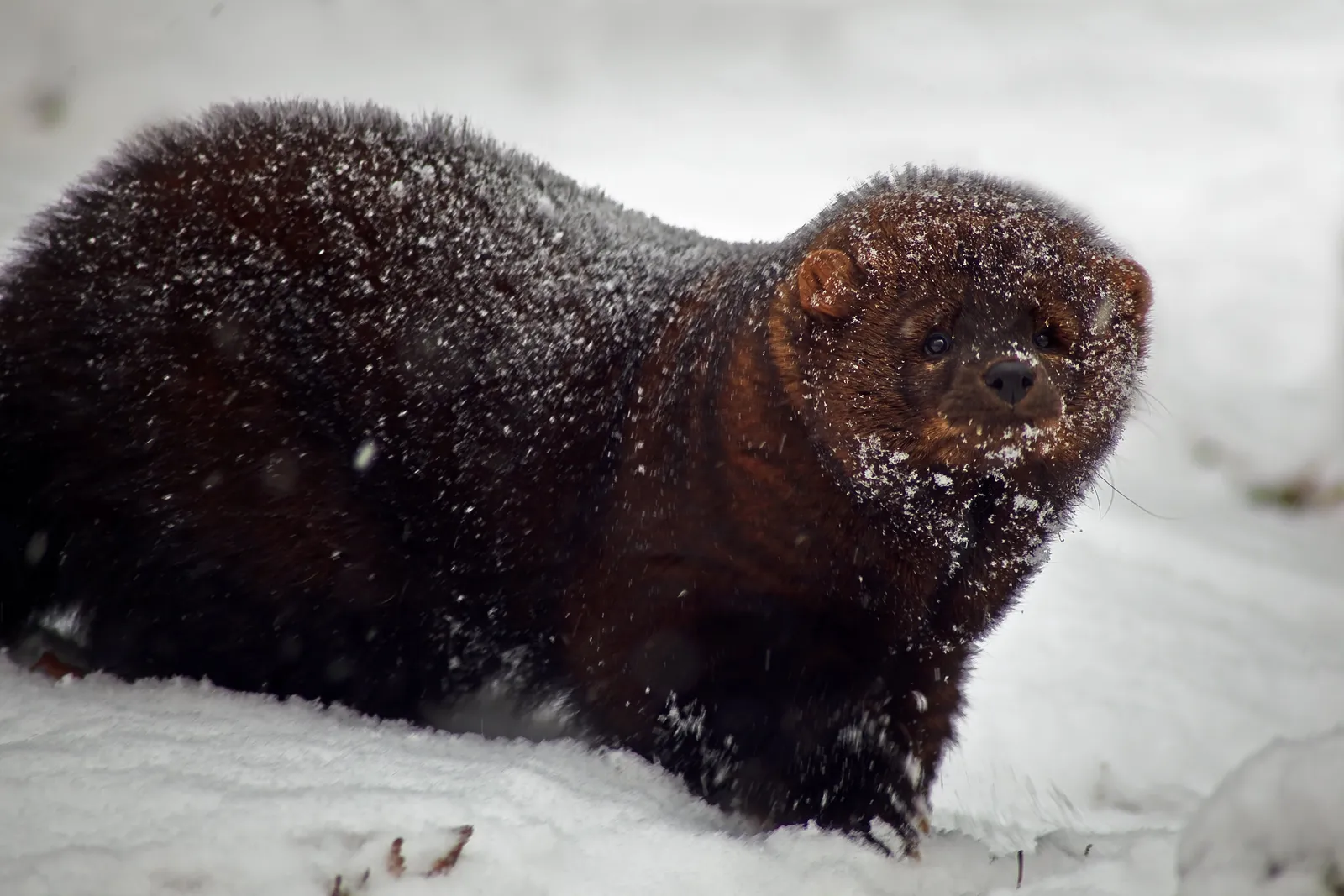
The fisher is often confused with its smaller cousin, the marten, but it’s a tougher, more adaptable predator capable of taking down prey as large as porcupines. It favors the same large, connected forest blocks that martens do, and the Upper Peninsula’s extensive public forestland gives it plenty of room to roam. Fishers were trapped heavily in the early twentieth century, and their recovery in the U.P. has tracked closely with the region’s forest regrowth.
Michigan did reintroduce fishers into parts of the northern Lower Peninsula decades ago, and small populations persist there, but sightings remain concentrated well north of most population centers. The farther south you go, the thinner and more fragmented suitable habitat becomes, which keeps fishers largely out of sight for the vast majority of downstate residents. It’s a quiet success story of forest recovery, just one that mostly plays out above the bridge.
The takeaway
🔥 Would you like to save this?
We'll email this post to you, so you can come back to it later!
What ties these seven animals together isn’t just geography, it’s habitat. The Upper Peninsula still has the unbroken forest, cold winters, and low development that species like wolves, lynx, and spruce grouse actually need, while the Lower Peninsula’s farmland and suburbs simply don’t offer the same shelter. Personally, I think that contrast is exactly what makes the U.P. worth protecting on its own terms, not as an extension of downstate Michigan but as one of the last genuinely wild corners of the Midwest.
If there’s a lesson here, it’s that seeing these animals shouldn’t be treated as a checklist item. Wolves, moose, and lynx aren’t performing for visitors, and the difficulty of spotting them is part of what makes the region feel authentic rather than curated. That’s worth remembering the next time someone insists downstate Michigan has all the same wildlife. It doesn’t, and that’s precisely the point.

- 7 Everyday Habits That Can Make Your Senior Dog Happier - November 5, 2026
- 10 Enigmatic Structures That Continue to Puzzle Scientists Today - November 5, 2026
- 10 Strange Ruins in the Americas That Challenge What We Know About Early History - November 5, 2026