

Sea turtles are often referred to as living fossils, having roamed the Earth’s oceans for more than 100 million years. With their existence tracing back to the era of dinosaurs, these ancient mariners have witnessed Earth’s dramatic transformations and survived numerous mass extinction events. But what are the secrets behind their incredible longevity and survival skills? Here, we reveal eight remarkable facts about these fascinating creatures and their adaptation strategies.
The Durable Shell

One of the most prominent features of sea turtles is their sturdy shells, which offer a significant evolutionary advantage. Unlike their land-dwelling counterparts, sea turtle shells are lighter and more streamlined, allowing for greater mobility underwater. Comprised of two distinct parts — the carapace on top and the plastron underneath — this natural armor provides not only protection from predators but also buoyancy regulation. This ingenious design has been a cornerstone of their survival across millennia.
Magnetic Navigation
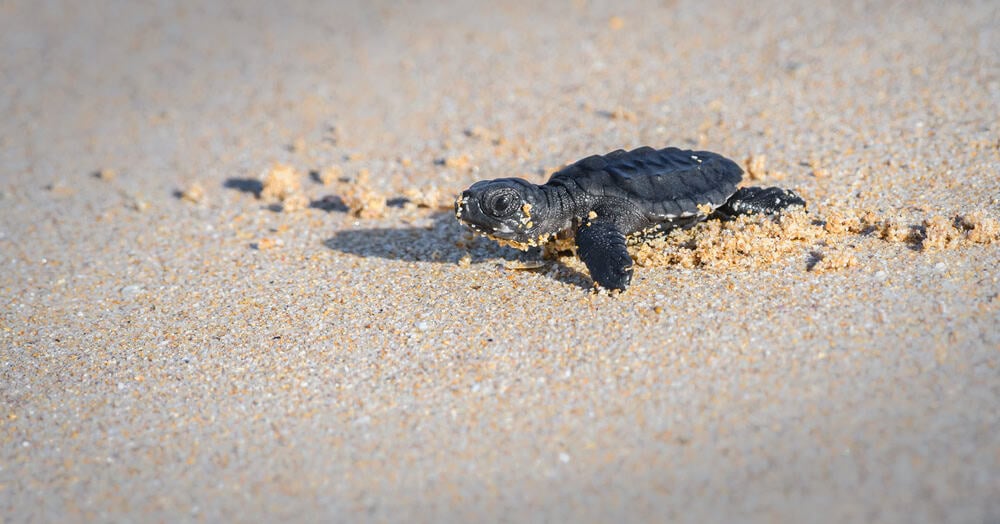
Sea turtles display an extraordinary navigational skill that has puzzled scientists for years: magnetic orientation. Hatchlings, just a few inches long, embark on an epic journey across the ocean, guided by the Earth’s magnetic field. This remarkable ability allows them to traverse thousands of miles and return to the beaches where they were born to lay their eggs — often with pinpoint precision. Researchers believe that sea turtles possess an innate ‘magnetic map’ that assists them in long-distance navigation.
The Flexible Diet

Sea turtles are not only resilient navigators but also adaptable feeders. Depending on the species, these reptiles exhibit a diverse range of dietary preferences, from herbivorous habits in green turtles, primarily consuming seagrass and algae, to the carnivorous diets of loggerheads and Kemp’s Ridley turtles, which include jellyfish, mollusks, and crustaceans. This dietary flexibility ensures that sea turtles can survive in various ocean habitats and cope with changing food availability.
Temperature-Dependent Sex Determination

Unlike most animals, the sex of sea turtle hatchlings is not determined by genetics but by the temperature of the sand where their eggs are incubated. Warmer sands typically produce females, while cooler sands yield males. This unique reproductive strategy, known as temperature-dependent sex determination, allows sea turtles to naturally adjust their gender ratios based on environmental conditions, potentially offering a survival advantage in changing climates.
Slow and Steady Wins the Race

Sea turtles have impressive lifespans, often exceeding 50 years in the wild, with some individuals living well beyond a century. Their slow growth rates and late sexual maturity are indicative of their evolutionary strategy, focusing on longevity and resilience. This extended development period allows turtles to build up body reserves, enhancing their ability to endure long migrations and periods of food scarcity.
Ocean Cleanup Crew
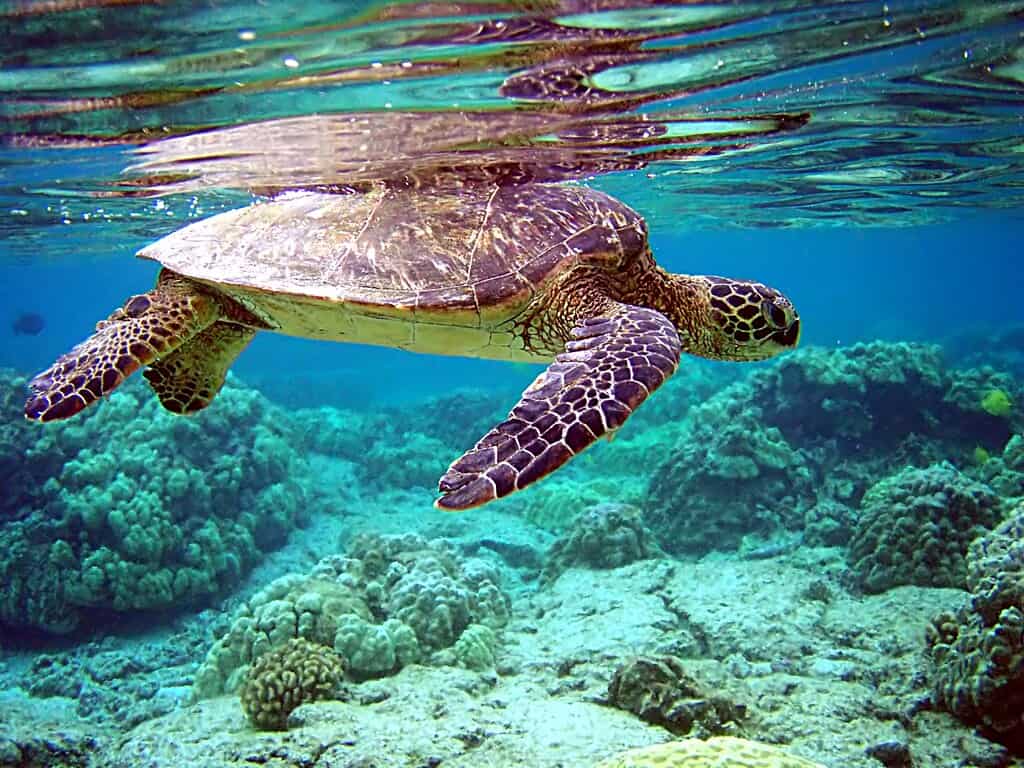
Sea turtles play a vital role in maintaining the health of marine ecosystems. As they graze on seagrass beds, green turtles help promote the growth of new shoots, contributing to the productivity of these underwater meadows and providing habitats for a diverse array of marine life. Additionally, by consuming jellyfish populations, leatherback turtles prevent these creatures from overwhelming planktonic communities, thus balancing the marine food web.
Remarkable Resilience
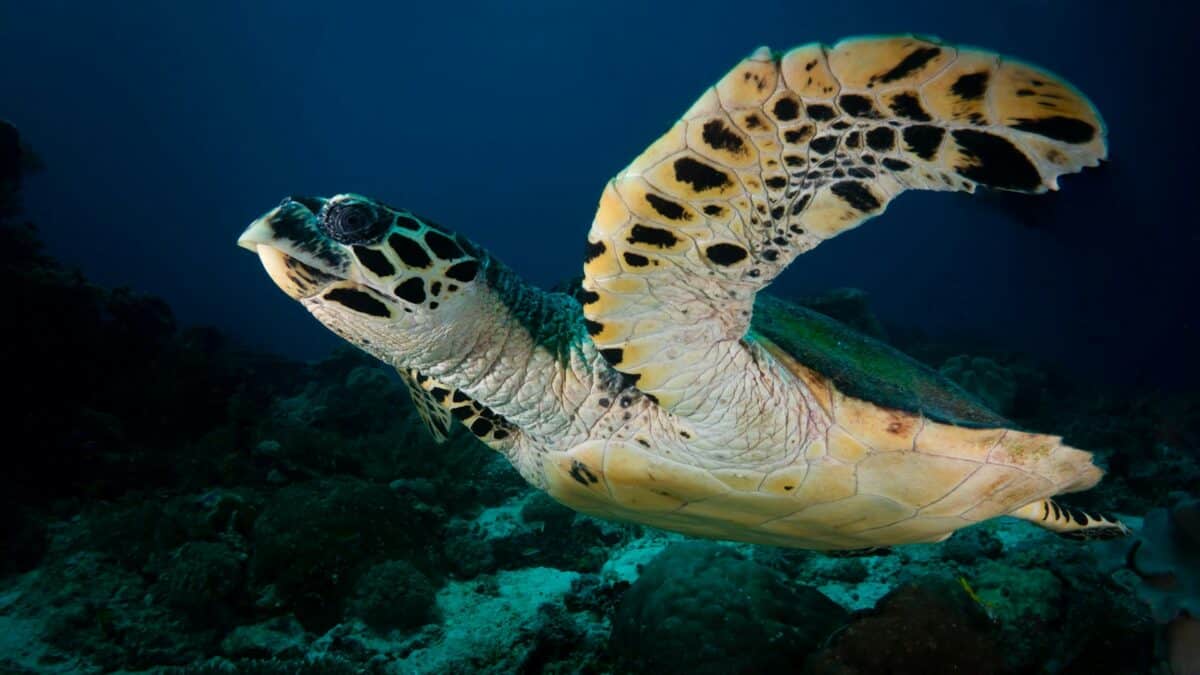
Throughout their long history, sea turtles have faced numerous existential threats, from predatory dinosaurs in the past to modern-day challenges like habitat destruction, climate change, and pollution. Yet, their ability to adapt and evolve in response to these challenges underscores their remarkable resilience. For instance, some species have developed behavioral strategies, such as nesting at night to avoid predators or adapting nesting times to match climate shifts, ensuring the continuation of their lineage.
The Next Chapter

Despite their ancient survival skills, sea turtles are vulnerable to human-induced pressures and are classified as endangered. Conservation efforts worldwide focus on protecting nesting sites, reducing bycatch in fisheries, and mitigating pollution and climate change impacts. Understanding and preserving the secrets of these incredible creatures not only safeguards their future but also enriches our understanding of marine life and the health of our oceans. With dedicated efforts, we can ensure that sea turtles continue to grace our seas for millions of years to come.

- The Most Powerful Earthquake Ever Felt in the U.S. - July 19, 2026
- How Rhinoceros Males Compete for Mating Rights in the Wild - July 18, 2026
- 13 Spider Species Thriving in Changing Environments - July 18, 2026