
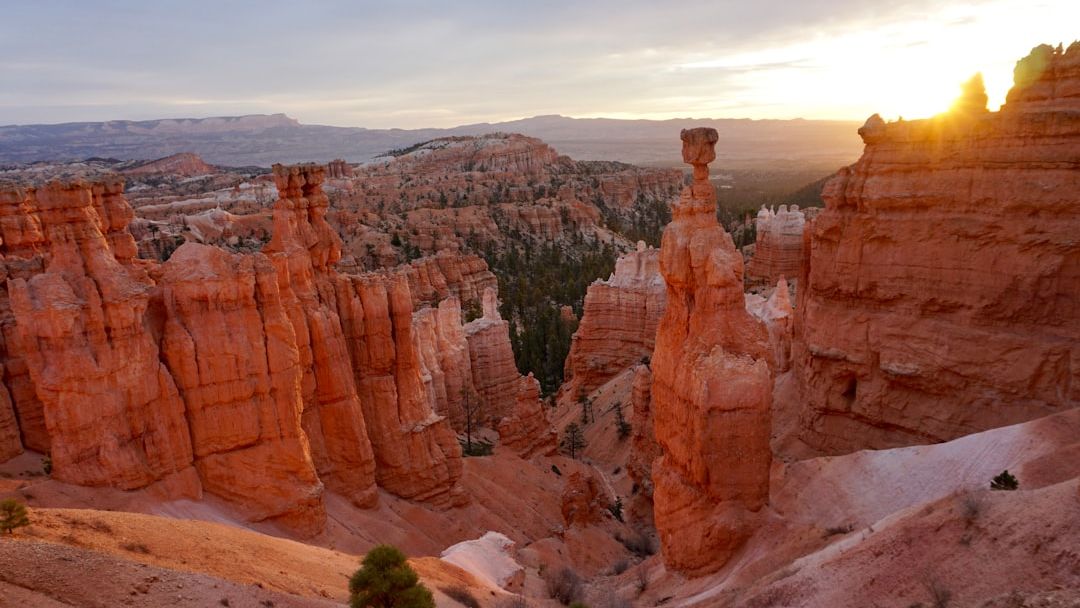
The Vanished Residents of Mesa Verde National Park
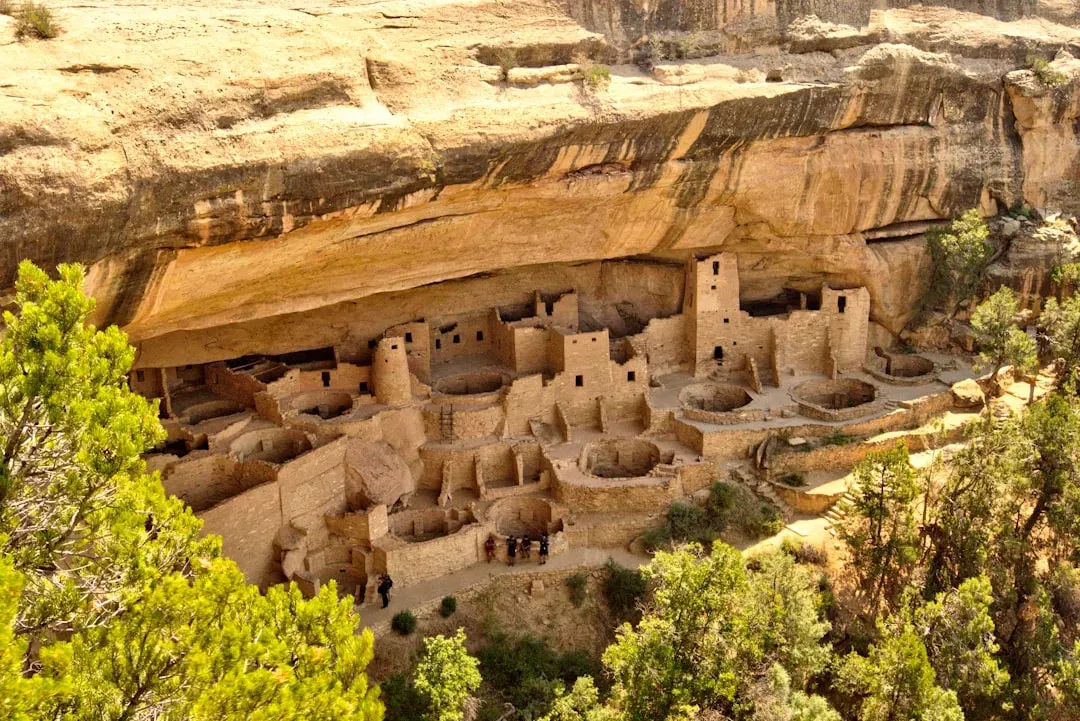
High on the cliffs of southwestern Colorado, Mesa Verde National Park shelters hundreds of stone dwellings built by Ancestral Puebloans more than seven centuries ago. These multi room complexes sit tucked into alcoves, complete with kivas and storage areas that once supported thriving villages. Archaeologists have mapped thousands of sites across the park, revealing a sophisticated society that farmed the mesa tops and crafted intricate pottery.
Yet around 1300 the people appear to have walked away from these homes. No signs of violence or sudden catastrophe mark the departure, leaving researchers to puzzle over possible causes like prolonged drought or shifting social patterns. Today the empty rooms stand as quiet reminders of lives that once filled the canyons with activity.
The Enigmatic Rock Art of Canyonlands National Park
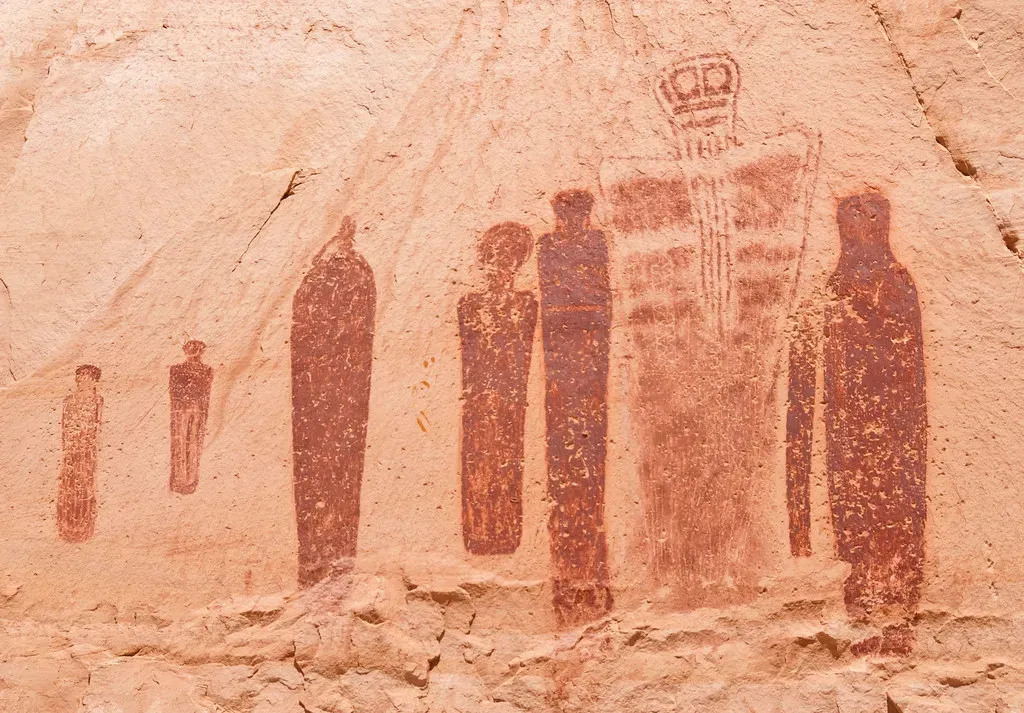
In the remote canyons of Canyonlands National Park, massive panels of pictographs and petroglyphs stretch across sandstone walls. The Great Gallery in Horseshoe Canyon features life sized figures painted in red and white, some dating back thousands of years. These images depict hunters, animals, and abstract shapes that continue to resist straightforward interpretation.
Visitors who hike the rugged trails often wonder what ceremonies or daily events inspired such detailed work. The artists used natural pigments and careful techniques that have withstood centuries of weather. Each panel adds another layer to the story of people who moved through these desert landscapes long ago.
Petroglyphs Along the Cliffs of Capitol Reef National Park
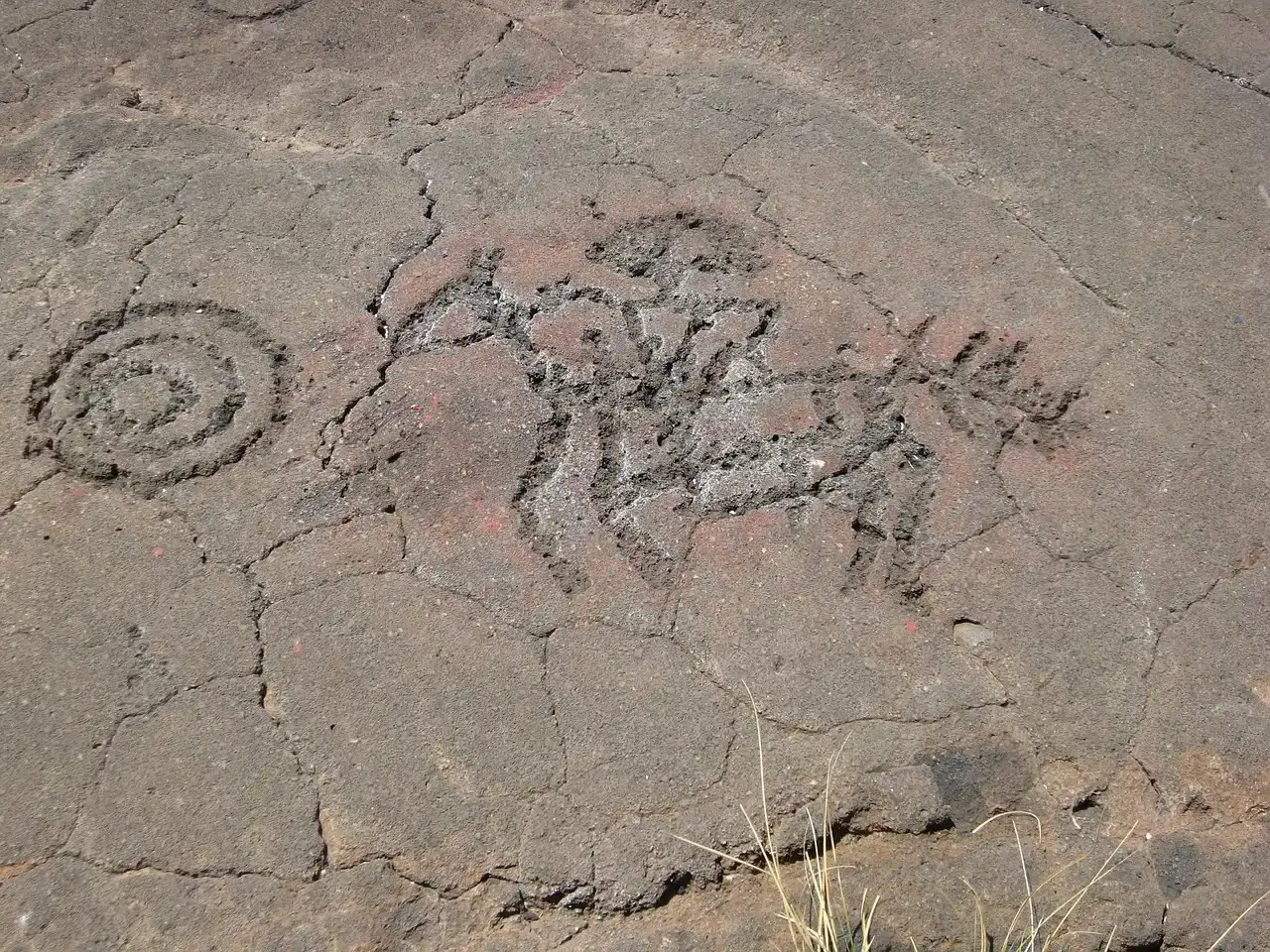
Capitol Reef National Park preserves a striking collection of rock carvings left by Fremont and Ancestral Puebloan peoples. Along the cliffs near the park’s scenic drive, images of bighorn sheep, human figures, and geometric designs appear in clusters. Some panels sit high above the valley floor, suggesting the artists chose spots with special meaning.
Researchers note that the carvings span several hundred years and show changes in style over time. The precise reasons for their placement remain unclear, though many align with seasonal routes or water sources. Walking the trails here gives a direct sense of how these early inhabitants marked their presence on the landscape.
Ancient Pictographs in Zion National Park
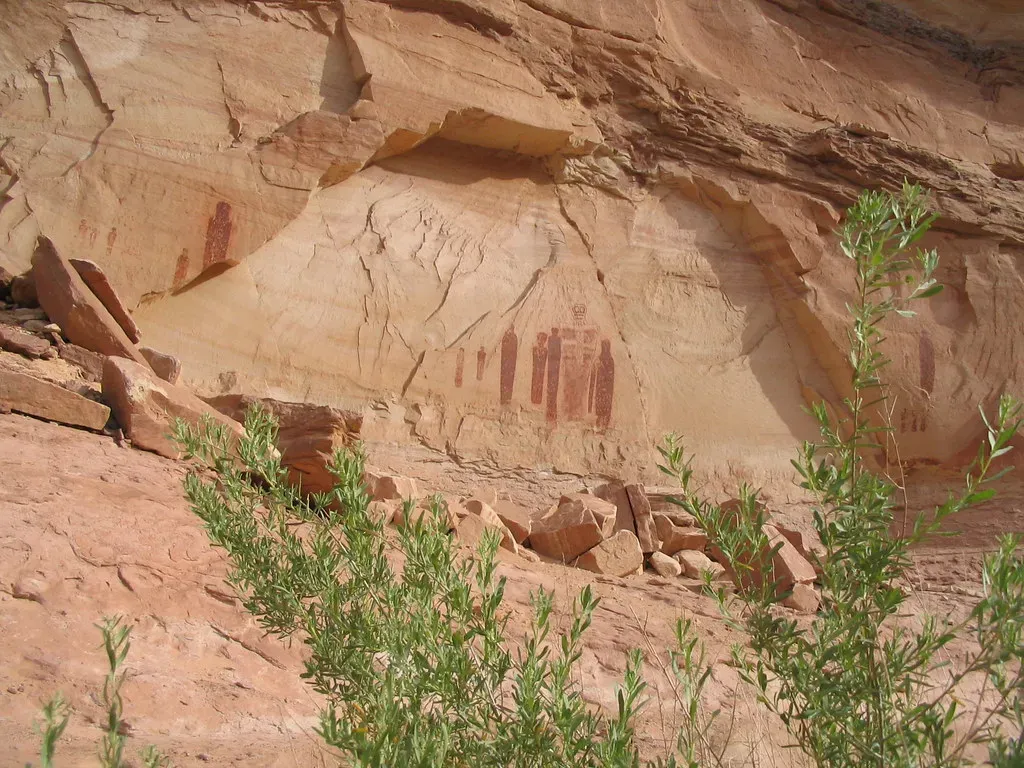
Zion National Park holds quiet evidence of people who lived among its towering sandstone cliffs thousands of years ago. Faint pictographs in shades of red and black appear in sheltered alcoves along the Virgin River. These images include handprints, animals, and human forms that hint at hunting practices and spiritual beliefs.
The park’s dramatic elevation changes supported a range of resources that sustained small communities through different seasons. Yet the exact stories behind the artwork stay open to interpretation. Modern visitors often pause at these sites to consider the hands that once reached up to create them.
Early Inhabitants of Arches National Park
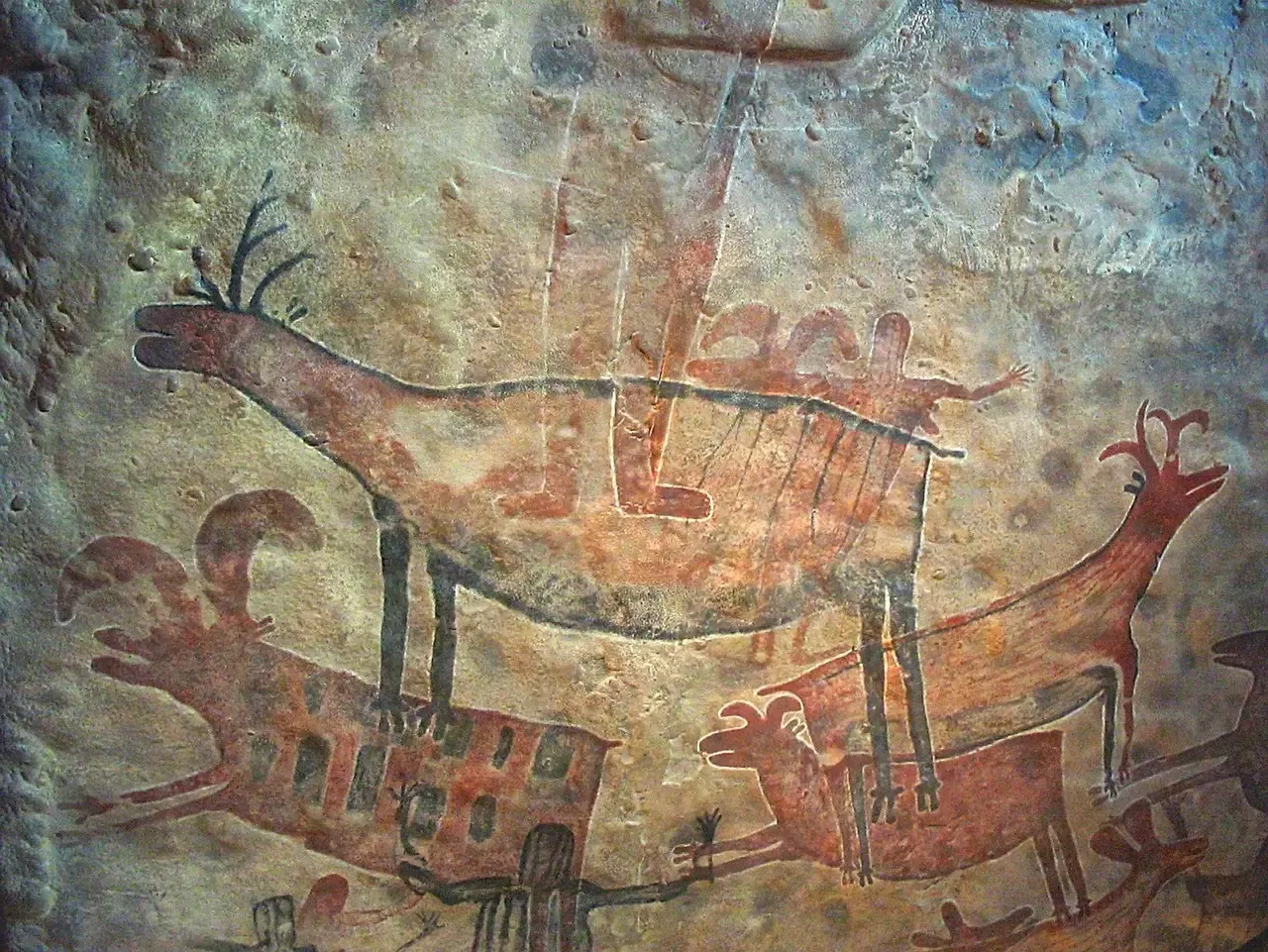
Arches National Park features more than just its famous stone spans. Scattered across the desert terrain are artifacts and rock art left by people who passed through the area centuries ago. Simple tools and faint carvings suggest groups that hunted and gathered in this arid environment.
The harsh conditions make survival here seem remarkable even today. Evidence points to seasonal use rather than permanent villages, raising questions about how these early travelers navigated the shifting sands and extreme temperatures. The arches themselves may have served as natural landmarks for those moving across the region.
Legends and Formations in Bryce Canyon National Park
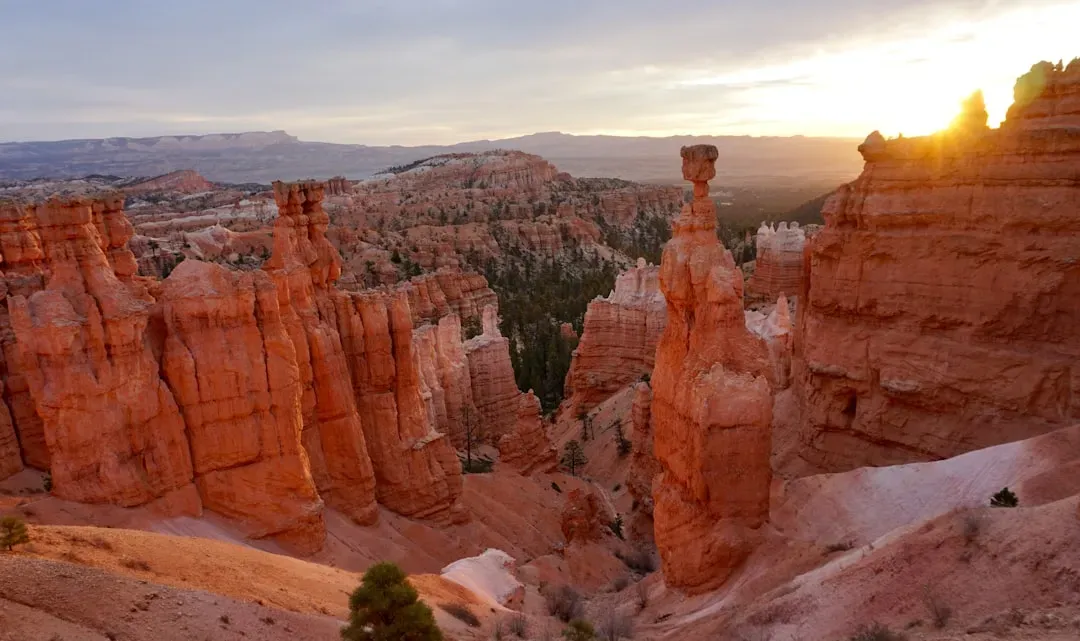
Bryce Canyon National Park’s hoodoos stand like silent sentinels, and local Paiute stories describe them as ancient people turned to stone. Archaeological finds in the area include tools and campsites that show human presence dating back thousands of years. These discoveries add depth to the dramatic landscape of pink and orange spires.
Researchers continue to study how early groups adapted to the high elevation and short growing season. The combination of natural wonders and cultural traces creates a place where geology and human history feel closely intertwined. Each viewpoint offers a fresh perspective on lives lived in the shadow of these unusual formations.
Prehistoric Traces in Grand Canyon National Park
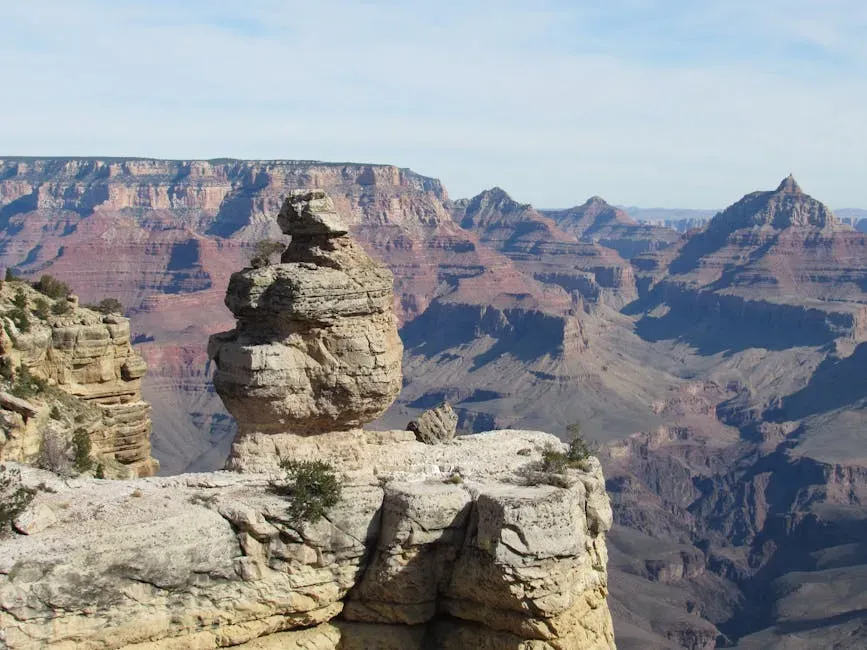
Grand Canyon National Park contains layers of human history alongside its geological record. Archaeological sites along the rim and inner canyon reveal evidence of people who lived here more than four thousand years ago. Basket fragments, tools, and rock shelters point to resourceful communities that used the canyon’s resources.
The vast scale of the landscape makes it easy to overlook these smaller signs of past presence. Yet careful surveys have uncovered patterns of movement and trade that connected distant groups. Standing at the edge of the canyon, it becomes clear how the river shaped both the rock and the lives of those who followed its course.
Ancient Pathways in Yellowstone National Park
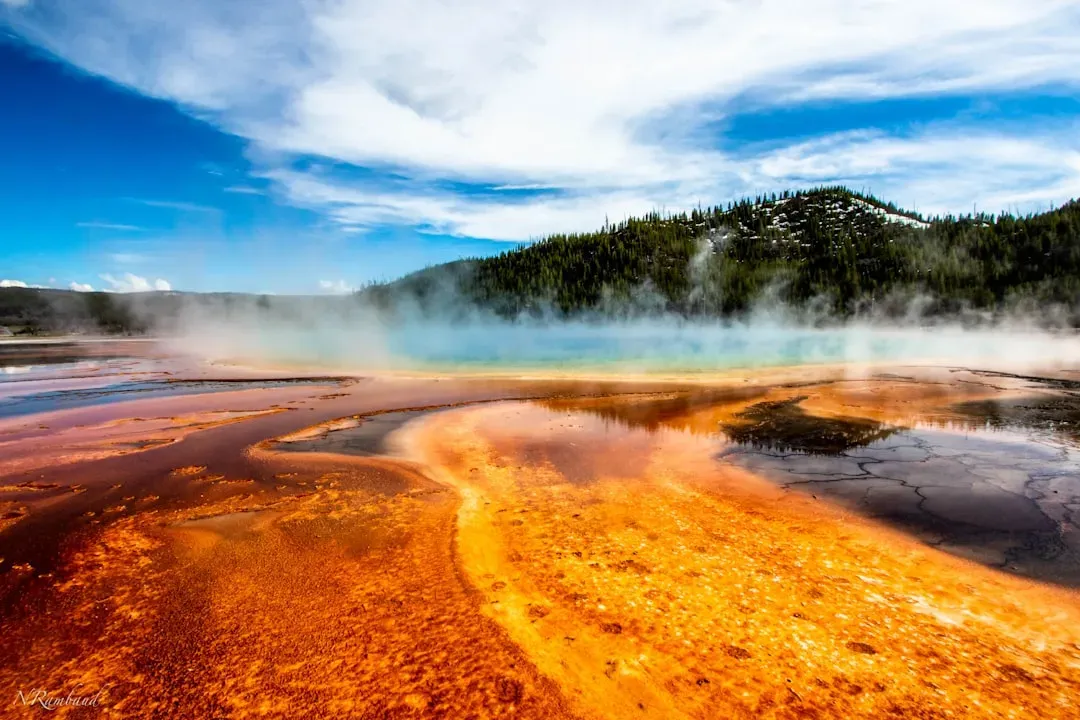
Yellowstone National Park holds clues to early human activity amid its geysers and forests. Obsidian tools found throughout the park trace back to trade networks that stretched across the region thousands of years ago. Petroglyphs and campsites near thermal areas suggest people returned to these spots repeatedly.
The park’s dramatic features likely served as both resources and challenges for those early travelers. Seasonal migrations followed game and plant cycles that still shape the ecosystem today. Exploring the trails reveals how the land supported human journeys long before it became a protected wilderness.
The parks remind us that these landscapes have always been places of human connection and adaptation. Standing among the ruins and carvings invites a quiet respect for the people who came before. Their stories continue to unfold with every careful step along the trails.
- The Story of Consciousness Through Evolution - August 1, 2026
- How to Create a Pet-Friendly Home on a Budget - August 1, 2026
- If a Shark Swims Close to You, Here’s What You Should Do - August 1, 2026