
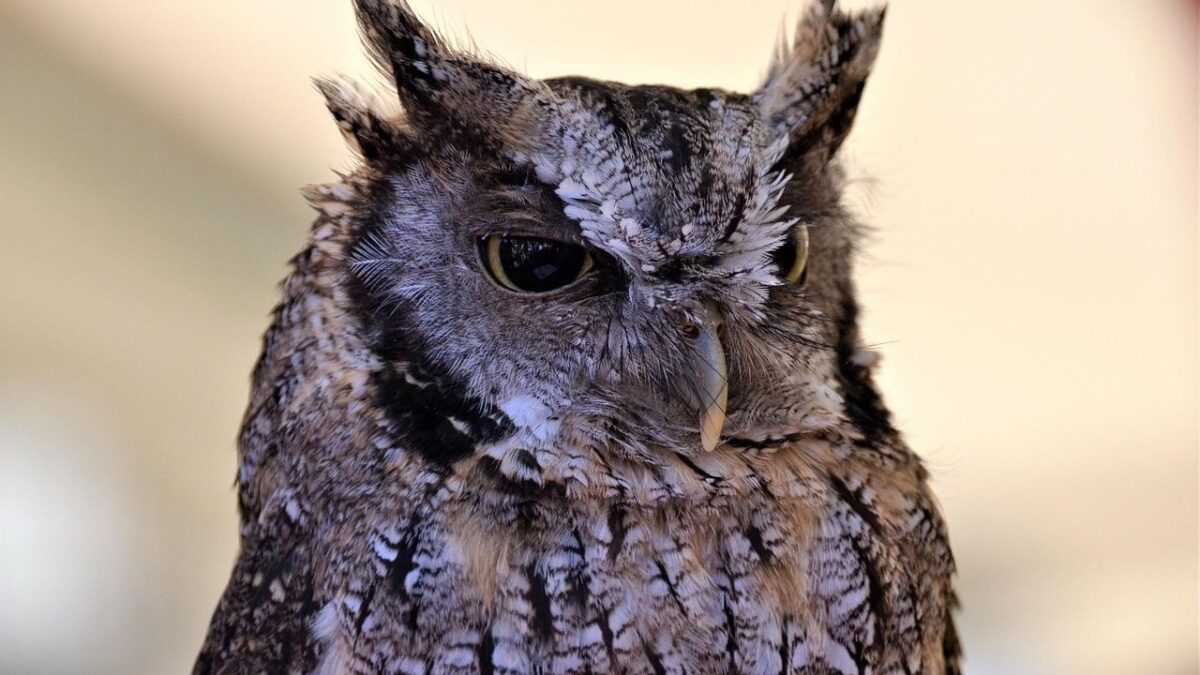
Your backyard is rarely as quiet as you think it is. Step outside on an early morning or a warm evening, and the air is filled with chirps, trills, screams, clicks, and wails that most people casually absorb without a second thought. We assume we know what we’re hearing. Often, we’re wrong.
Seeing a wild animal and hearing one are two different things, and identifying sounds is not always easy. The gap between what we think we’re hearing and what is actually out there can be surprisingly wide. The creatures responsible for those puzzling nighttime screams, those odd daytime chirps, and those eerie rhythmic trills are often not at all what you’d expect. Here are eight of the most commonly misidentified animal sounds in the backyard, and what they actually mean.
The Fox That Sounds Like a Screaming Person
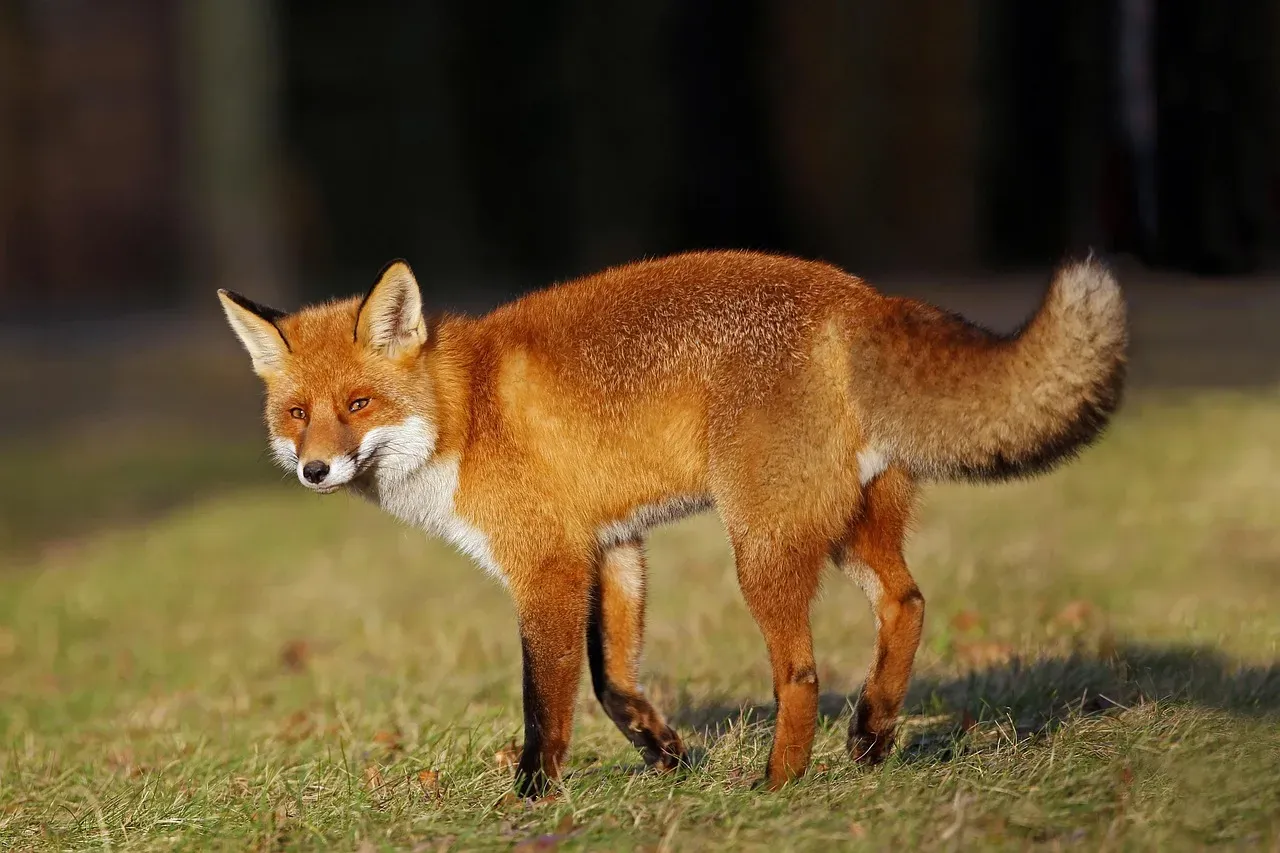
This is probably the most dramatically misread sound in suburban wildlife. People commonly report nighttime noises that sound like “screaming” in the woods, but these sounds are often just foxes going about their evenings. The sheer human quality of the sound can be genuinely startling.
The Maryland Department of Natural Resources regularly posts stories on Facebook assuring people that the screams, cries, and shrieks they hear are red foxes, not people being assaulted in their backyards. That tells you something about how convincing this sound really is.
Male red foxes make noises similar to the sound of a screaming woman to warn off competing mates. Foxes are crepuscular animals, meaning that they’re active around dusk and dawn. So if you hear what sounds like a distress call late at night, resist the impulse to panic. It’s almost certainly a fox on the move.
The Coyote Chorus That Seems Like a Pack
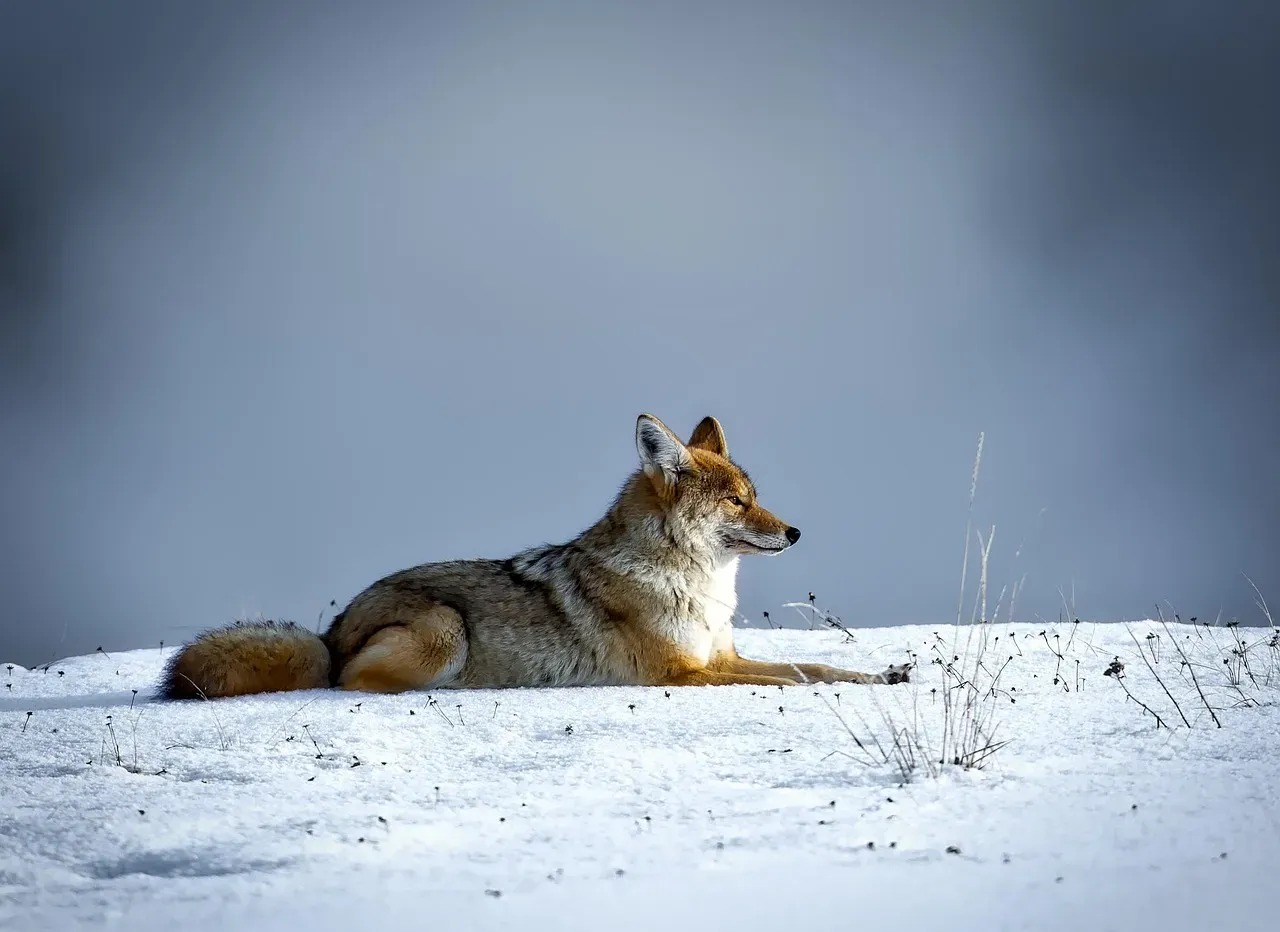
Coyotes are now widespread in North America and have made themselves at home in the suburbs, meaning a lot of people hear the howls, yips, and barks, particularly during the mating season between January and March. What many people don’t realize is how deceptive the sheer volume of those sounds can be.
At that time of year, pairs establish territories and howl to announce it. Other nearby pairs may then respond, announcing their own territories. At such times, it can sound like a cascade of howls across the landscape, leading distressed social media users to proclaim neighborhoods are “overrun” with coyotes. In reality, it may be just two or three animals.
Coyote howls are common to hear since they’re usually loud, but they can mean a variety of things. A lone howl could be a single coyote trying to find its pack, a group howl could be giving their location to others, and a loud bark-howl could be a distress signal. There’s a whole vocabulary happening out there, and most of us are only catching fragments of it.
The Barn Owl That Sounds Like a Horror Movie
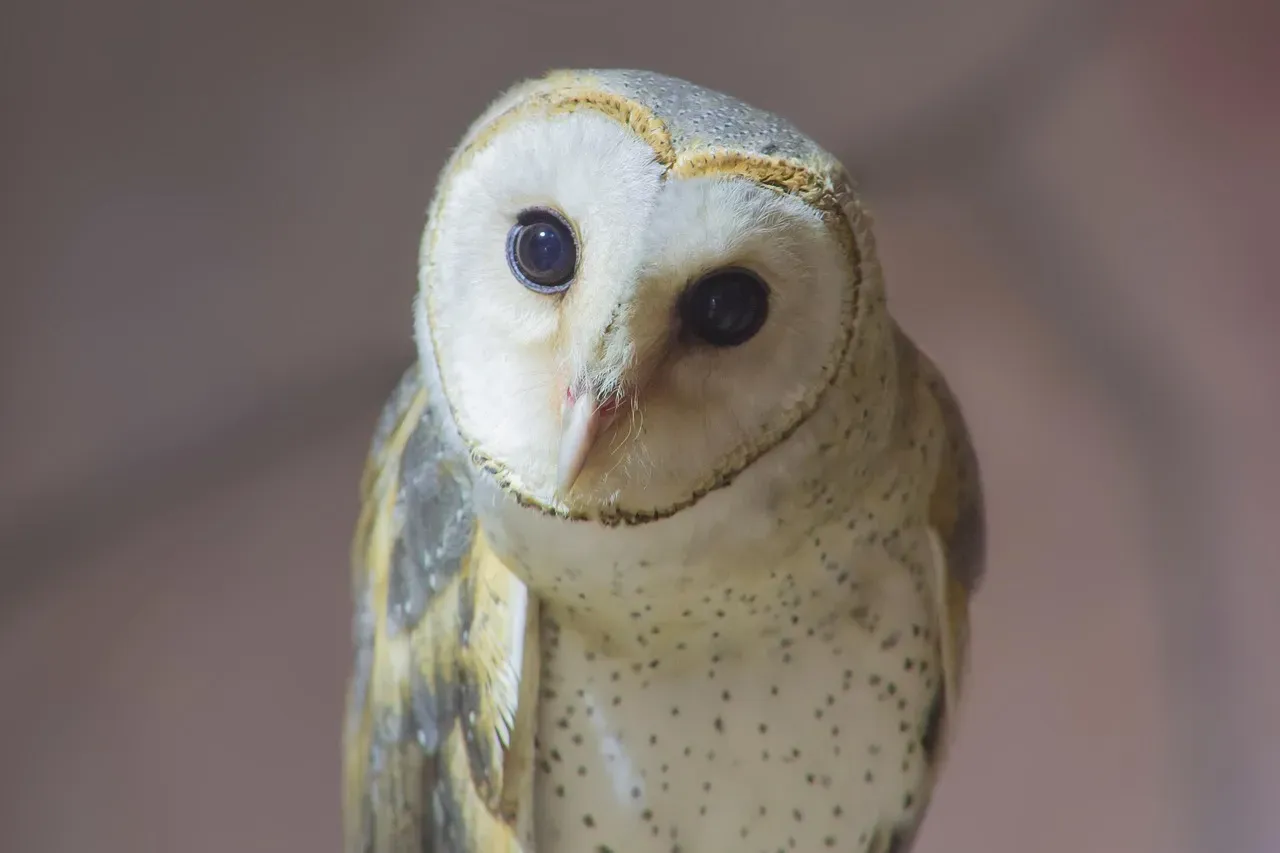
Many owls hoot in the night, but not the barn owl. Barn owls utter a rasping, harsh scream that sounds like it’s straight out of a low-budget horror movie. The sound is typically made by the male, calling while in flight. Most people hearing it for the first time assume something is badly wrong.
Birds of both sexes utter a variety of other creepy hissing sounds when disturbed on their nests, or when young are begging for food from their parents. Barn owls are found across nearly all of the lower-48 states, preferring open, grassy country where they hunt for rodents at night and roost in trees or old buildings during the day.
So that bloodcurdling shriek drifting across the yard after dark is far more likely to be a hunting barn owl than anything sinister. It’s a sound of nature doing its job, not a cause for alarm.
The Eastern Screech-Owl Trill Mistaken for Insects
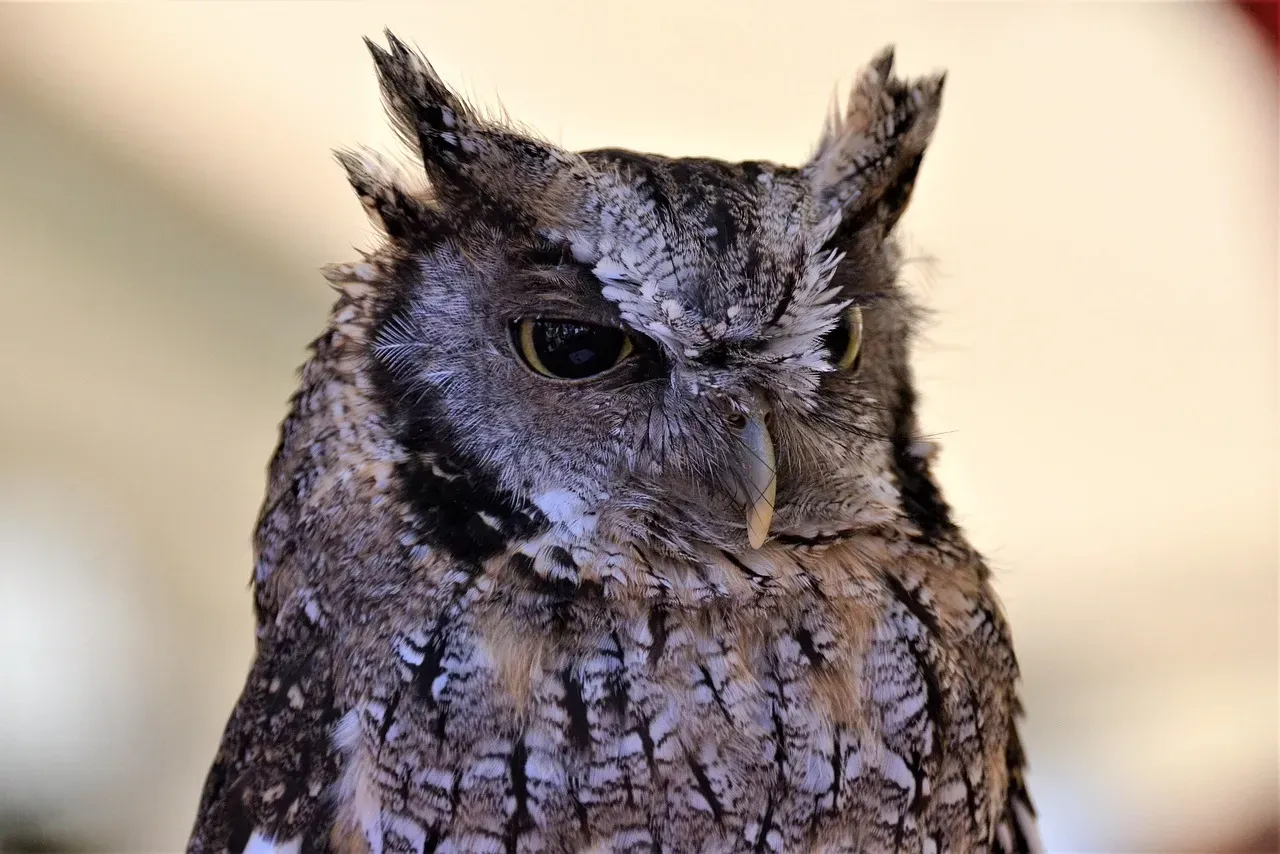
If a mysterious trill catches your attention in the night, the spooky sound may come from an owl no bigger than a pint glass, common east of the Rockies in woods, suburbs, and parks. Many homeowners write it off as a particularly persistent cricket or a strange mechanical hum.
The Eastern Screech-Owl’s most common sounds are an even-pitched trill, often called a “bounce song” or tremolo, and a shrill, descending whinny. The tremolo is used by pairs or families to keep in touch and is three to six seconds long. The whinny is used to defend territories.
Despite the name, screech-owls do not screech; the voice of this species features whinnies and soft trills. They are quite common and can often be found in residential areas. Due to their small size and camouflage, they are much more frequently heard than actually seen. That gentle, purring trill you’ve been attributing to the summer night? It might be an owl perched just overhead.
The Mockingbird’s Song Pretending to Be Everyone Else
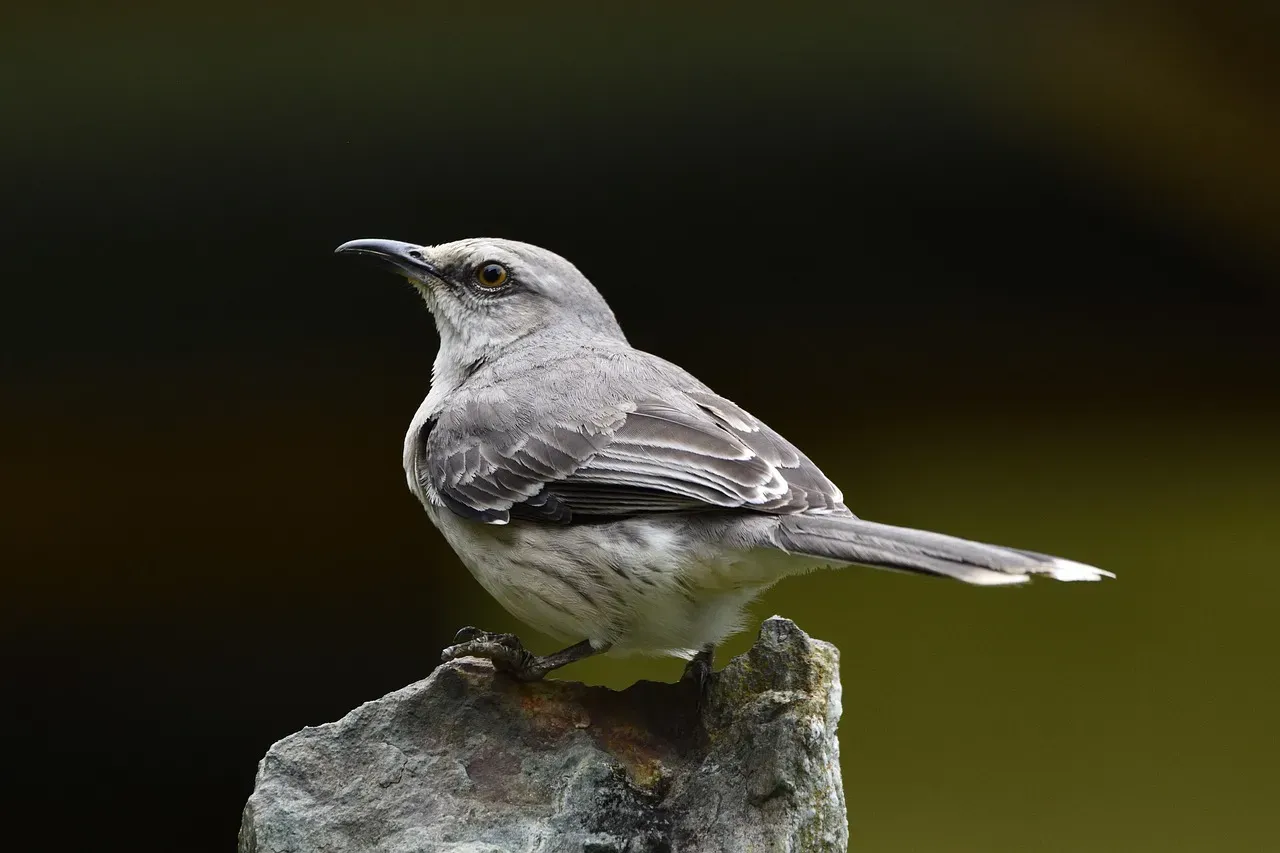
If you hear a bird singing loudly in the middle of the night, it’s likely to be the northern mockingbird. Skilled mimics, mockingbirds put together long, complex songs by combining imitations of other bird species, and sometimes non-avian sounds. The birds continue adding new sounds to their repertoires as long as they live.
The mockingbird is the most notable of the U.S. mimics. Capable of singing up to 200 different song variations, the species combines its vast collection of tunes with a crystal-clear quality that makes each one sound eerily similar to the real thing. Usually, all it takes to separate a Northern Mockingbird from the species they are imitating is a little patience, as they’re known to repeat phrases several times before moving onto the next sound.
Mockingbirds have been heard singing the songs of other birds, imitating frogs, cats and dogs, and even making the “truck-in-reverse” beeping sound. If you’re hearing a rotating variety of bird calls from one spot in the yard, the source is almost certainly a single mockingbird rather than an entire community of different species.
The Raccoon That Mimics Owls and Crying Babies
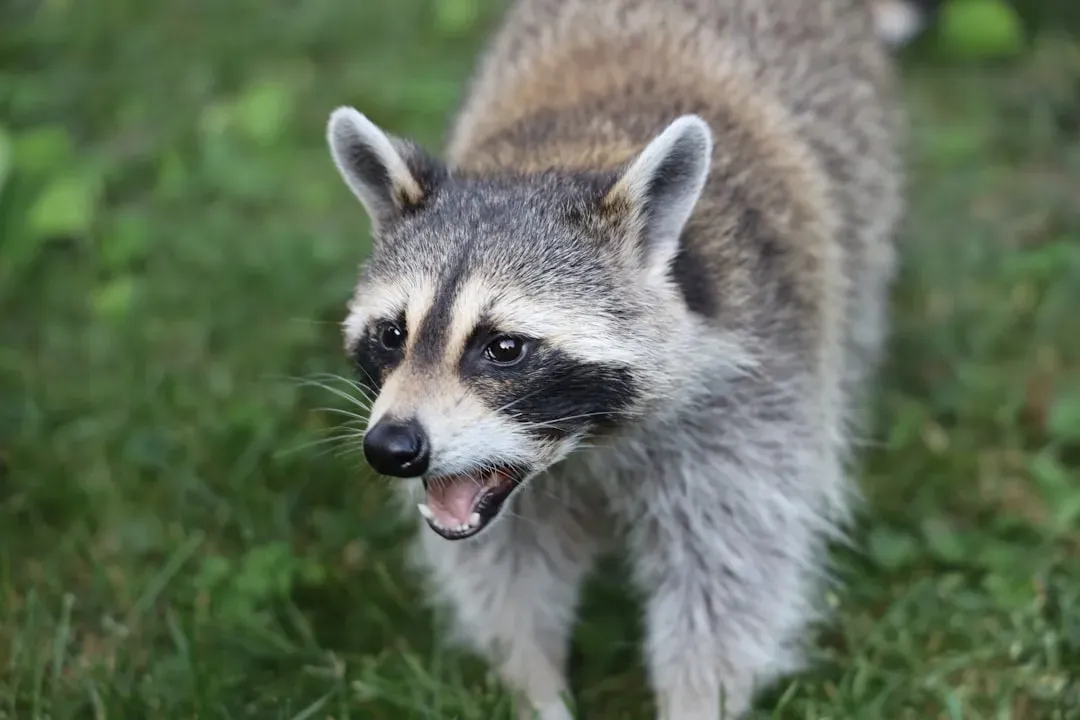
Raccoons can make over 200 vocalizations like growling, hissing, snarling, screaming, screeching, purring, chirping, mewing, whistling, and whining. Most people dramatically underestimate the vocal range of these animals, assuming they’re mostly silent nocturnal scavengers.
Raccoon kits make distinct sounds like chittering, chippering, mewing, crying, and whining. You might mistake their sounds for birds chirping simultaneously. When they feel threatened or annoyed, raccoon kits make a high-pitched chirping noise. Baby raccoons in a nearby tree hollow or under a deck can sound remarkably like a nest of distressed birds.
Raccoons have over 200 vocalizations, including purring, hissing, growling, snarling, and whimpering. They can even screech like owls. The next time you hear what sounds like an owl or a distressed infant near the porch at night, a raccoon family is not an unreasonable suspect.
The Mourning Dove That Sounds Like an Owl
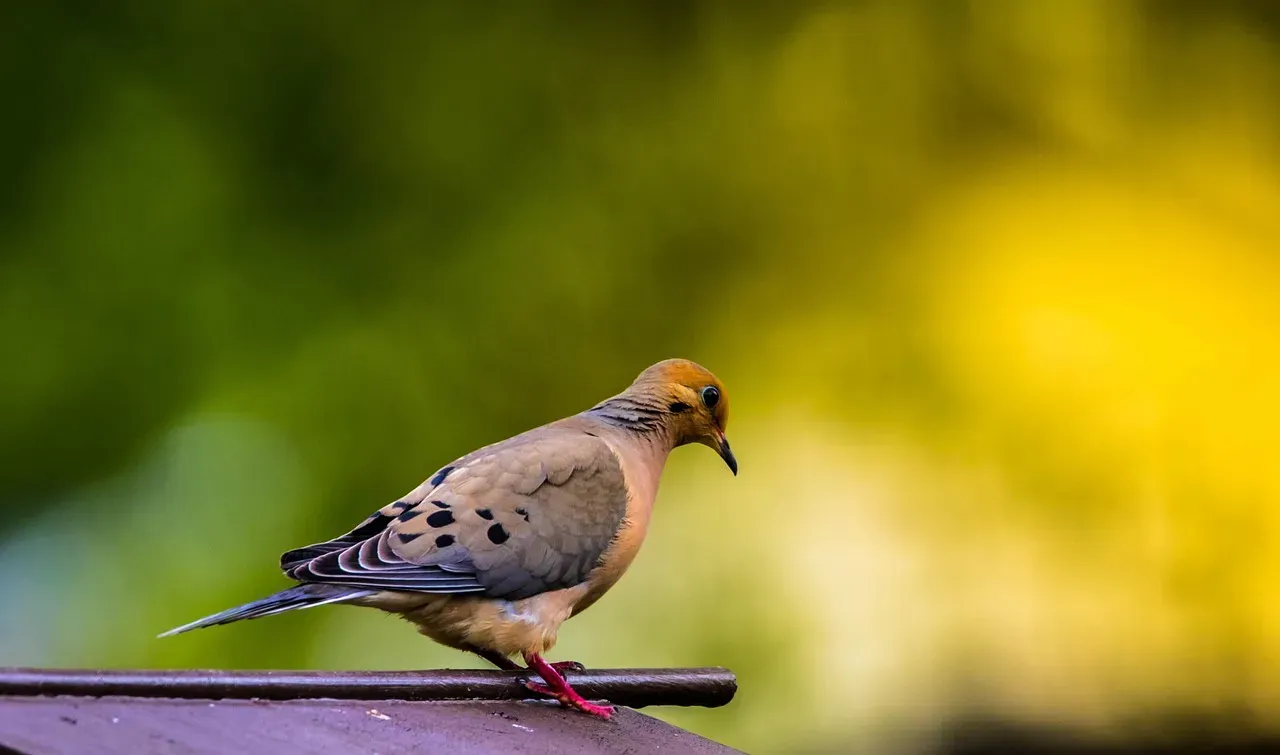
The soft cooing song of the Mourning Dove is often mistakenly thought to be the sound of an owl. This is one of the most common misidentifications in the backyard, and it happens in broad daylight just as often as it does at dusk.
The dove’s deep, slow, repetitive call has a hollow, resonant quality that genuinely resembles the pattern of a great horned owl. Another sound Mourning Doves make is the loud whistling their wings produce when they take off and land, which can itself be mistaken for a different animal entirely.
Early scientists believed the Mourning Dove’s high-pitched call in a minor key sounded a bit sad, which is how they earned their name. They are one of the most widespread and common birds in the United States. For such an abundant and familiar bird, it’s remarkable how routinely it gets attributed to something else entirely.
The Squirrel Alarm That Gets Mistaken for Birdsong
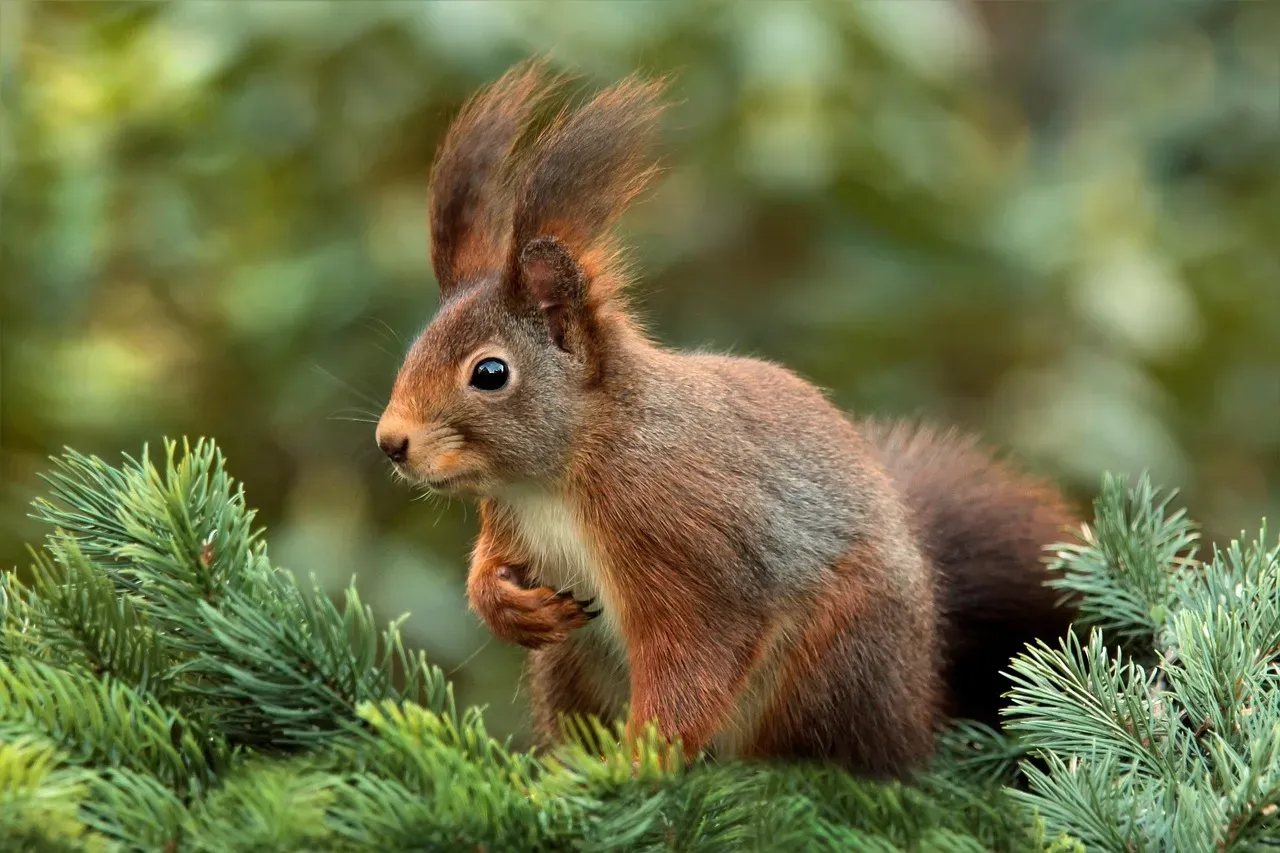
Squirrels emit a chirping noise that sounds similar to a bird. They can also be heard scratching, scraping, and thumping like other wildlife. It can be hard to distinguish squirrel sounds from other rodents. That sharp, repeating chirp you’ve been crediting to an unseen bird in the treetops may actually be an agitated squirrel.
Kuks are sharp alarm barks and are the most common squirrel noise you will hear. A squirrel will kuk multiple times in a row and is used when the squirrel sees an immediate threat. The sharp kuk is used to alert other squirrels of imminent danger and to let the predator know that they have lost the element of surprise.
When stressed or hungry, baby squirrels sound like young birds due to their soft, high-pitched chirping. The baby squirrel makes a kind of “mup-mup” sound followed by several high-pitched whistles that sound very similar to a variety of bird calls. The next time you spend time searching the branches for a hidden songbird, consider that the sound may be coming from a squirrel a few feet away, watching you right back.
Learning to Listen More Carefully
Knowing these eight sounds won’t make you an expert naturalist overnight, but it does change the experience of being in your own yard. There are so many strange animal sounds at night, whether animals are trying to attract mates, foraging for food, or warning off predators. These nighttime creatures range from insects and frogs to birds and mammals. The backyard, it turns out, is rarely dull.
Songs are typically longer, more complex vocalizations, often used for attracting mates or defending territory. Calls are usually shorter and simpler, used for communication like warnings, contact, or alarm. Paying attention to these differences gives you a useful starting framework for interpretation.
When a predator is in the area, birds will release an alarm call to warn other birds of the intruder, and learning the difference between these sounds will give you an incredible insight into the world around you. Most of what sounds chaotic is actually purposeful. The backyard, once you start truly listening, turns out to be one of the more eloquent places you’ll ever stand still in.

- 10 Plants That Repel Mosquitoes in Texas - July 24, 2026
- 8 Facts About the Ute People and Their Historic Ties to the Rocky Mountains - July 24, 2026
- 14 Tender Things Hummingbirds Do That Show They Have Learned to Trust You - July 24, 2026