

Nature has always had a way of making us feel like we’re missing something. You stare at a piece of coral, a flower, a snow-covered hillside, and there is something there, something alive, something watching, completely invisible to your eye. The animal kingdom is full of masters of disguise, creatures that have spent millions of years perfecting the art of becoming invisible.
In the wild, survival often depends on an animal’s ability to hide from predators or sneak up on prey, and throughout millions of years of evolution, countless species have developed remarkable camouflage abilities that seem nothing short of magical. Some vanish in a fraction of a second. Others take weeks to transform. All of them are genuinely mind-blowing. Let’s dive in.
1. The Chameleon: Nature’s Most Famous Quick-Change Artist
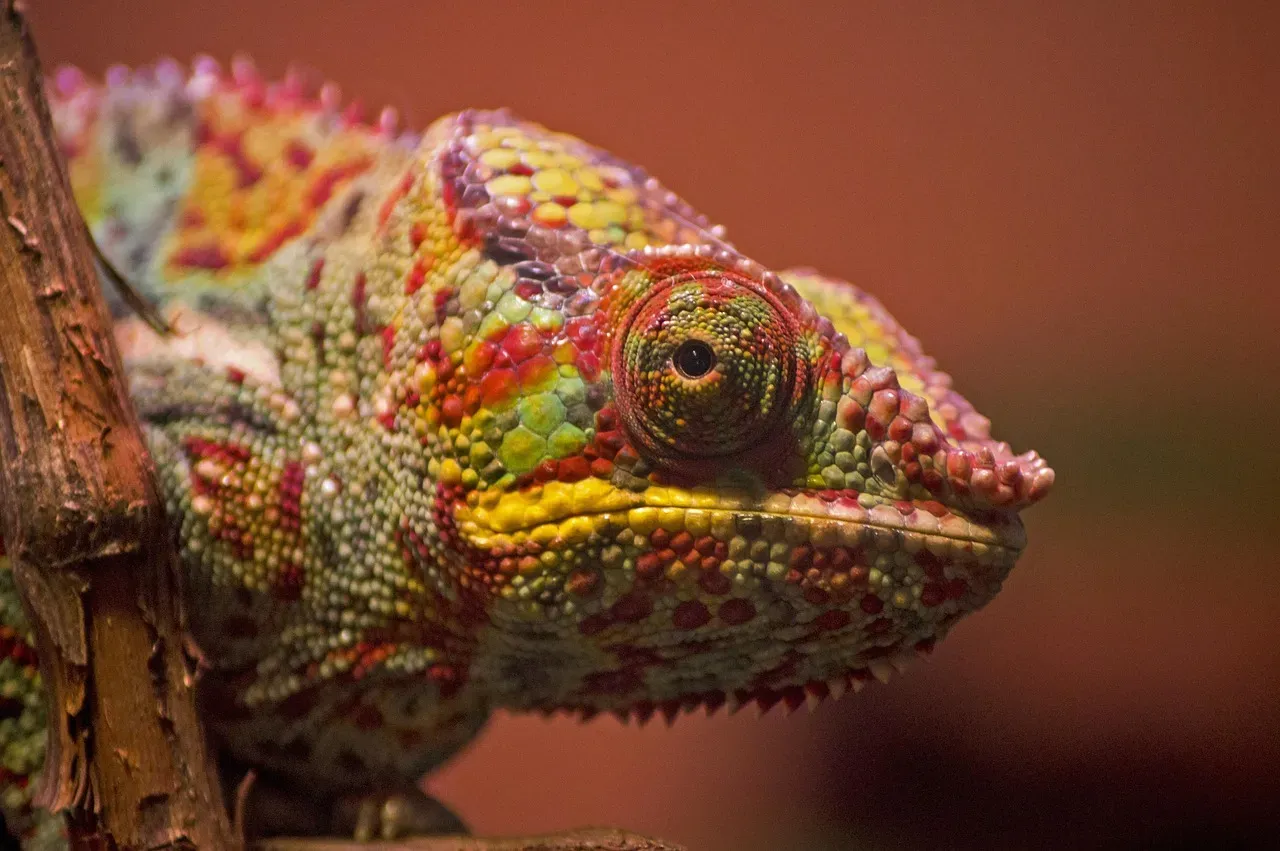
Here’s the thing most people get wrong about chameleons. They are not actually changing their color to match a leaf or a tree branch the way you were probably taught in school. Contrary to popular belief, chameleons don’t primarily change color to match their surroundings. Instead, these remarkable reptiles shift hues mainly to regulate body temperature, communicate with other chameleons, and express emotional states like aggression or submission.
Their color changes occur through specialized cells called iridophores, which contain nanocrystals that reflect different wavelengths of light when expanded or contracted. Beneath these cells lie melanophores containing dark pigment, which provide contrast.
The panther chameleon displays some of the most dramatic transformations, shifting from vibrant blues and greens to striking reds and oranges in minutes. Think of it less like a painter choosing a background color, and more like a mood ring with a neuroscience degree. In a relaxed state, the nanocrystals in a chameleon’s skin form a tight lattice, so they appear green or brown. When they’re feeling excited, like when trying to fight off a competitor or attract a mate, the nanocrystals will move apart to form a loose lattice, showing off their brighter red and yellow colors.
Chameleons lack traits such as sharp teeth or claws, venom, and speed. They must rely on being able to blend into their surroundings well to evade predators. So while their color changes are largely social, camouflage is still very much a survival skill.
2. The Octopus: The Undisputed Genius of Disguise
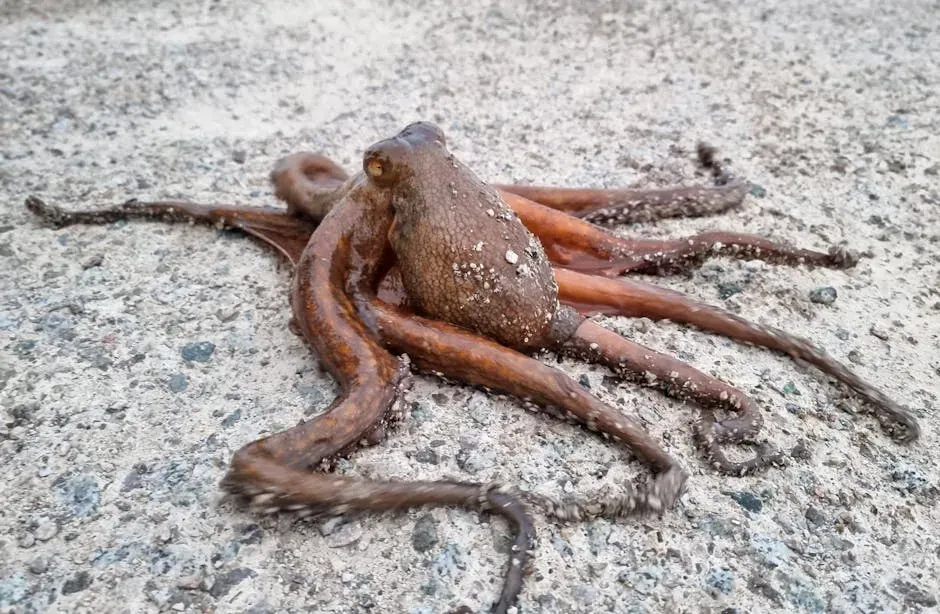
If chameleons are the celebrities of camouflage, octopuses are the true professionals working quietly behind the scenes. Perhaps no animal demonstrates more impressive camouflage abilities than the octopus. These cephalopods possess specialized skin cells called chromatophores, leucophores, and iridophores that allow them to change color, pattern, and even texture in less than a second.
Octopuses control these changes through a complex neural network, with their skin containing about two-thirds of their neurons. This allows them to match their surroundings with incredible precision even though they’re colorblind, a paradox that continues to puzzle scientists.
I know it sounds crazy, but an animal that sees the world without color can still replicate its exact color palette. Research has shown that octopuses can produce at least 30 distinct pattern variations, helping them evade predators or ambush prey in coral reefs and ocean floors worldwide.
The mimic octopus has a particularly unique way of camouflaging. Rather than blending in with the seafloor, it changes its skin color and how it moves its tentacles to take on the shape of other sea creatures. It has been known to impersonate more than 15 different marine species, including flounders, lionfish, and sea snakes. That is not camouflage. That is theater.
3. The Cuttlefish: The Colorblind Master of Illusion
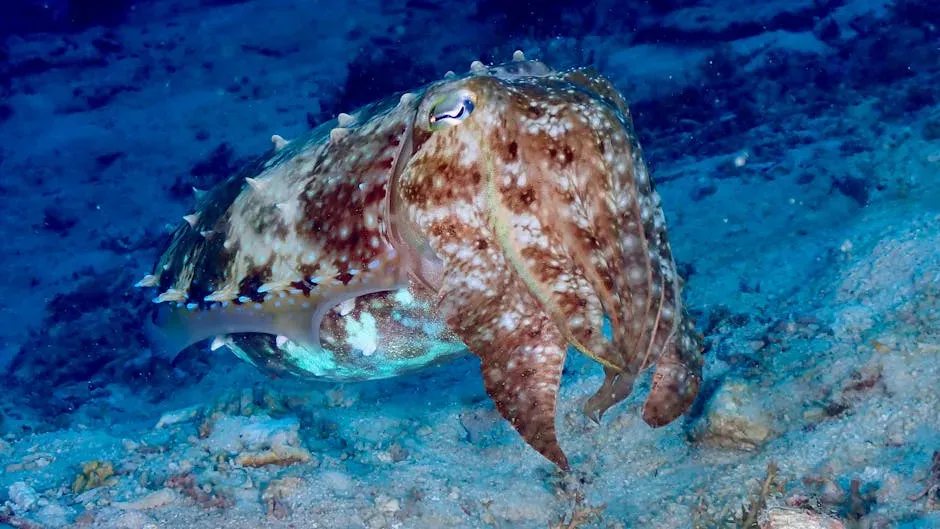
Cuttlefish are sometimes referred to as the “chameleons of the sea” because of their ability to rapidly alter their skin color, which can occur within one second. The nickname is charming, but honestly, cuttlefish deserve better. They make chameleons look like amateurs.
Unlike many animals, cuttlefish don’t rely on fur or feathers to hide in the background. Instead, they actively manipulate thousands of pigment cells in their skin to acquire the color of the environment around them. This intricate disguise process starts in their brains, as camouflage is a response to the animal’s perception of the external world. To conceal their bodies, cephalopods convert visual inputs into neural representations within their brain, ultimately transmitting signals all the way to the skin, where thousands of tiny structures called chromatophores adjust to allow color changes.
Cuttlefish are able to rapidly change the color of their skin to match their surroundings and create chromatically complex patterns, despite their inability to perceive color, through some mechanism which is not completely understood. They have been seen to have the ability to assess their surroundings and match the color, contrast and texture of the substrate even in nearly total darkness.
Cuttlefish are also able to change the texture of their skin. The skin contains bands of circular muscle which as they contract, push fluid up. These can be seen as little spikes, bumps, or flat blades. This can help with camouflage when the cuttlefish becomes texturally as well as chromatically similar to objects in its environment such as kelp or rocks. A living, breathing special effects department.
4. The Flounder: A Flat Fish With an Extraordinary Hidden Talent
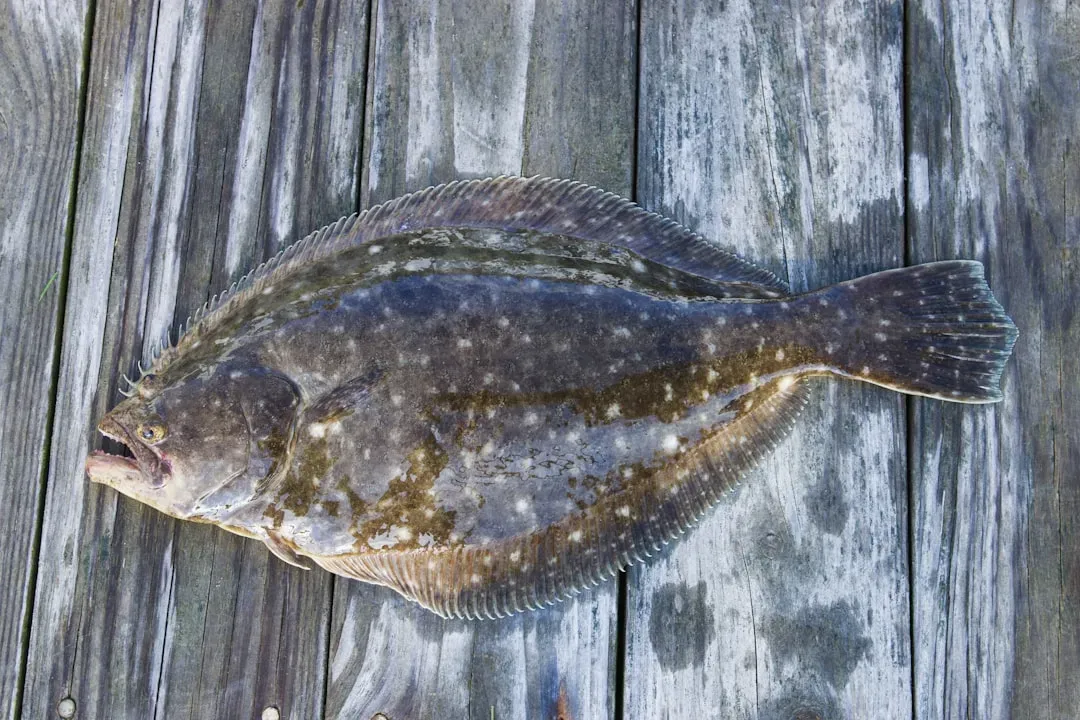
Flounders are not glamorous animals. They lie flat on the ocean floor and mostly look, well, bored. Yet lurking beneath that low-key exterior is one of the most precise color-matching systems in the entire animal kingdom.
Flounders are naturally brown, but they can change color to suit their surroundings. A flounder uses its vision and specialized cells inside the skin to change color. The cells have color pigments and are linked to the eyes of the flounders. When a flounder moves to a new environment, the retina in the eyes captures the new color. Consequently, the color seen by the eyes is transmitted to the cells. The cells adjust the pigmentation to match the surface color.
Scientists have discovered that flounders depend entirely on their vision to change color. When their eyes are damaged, they have difficulties in camouflaging to their surroundings. That detail alone is fascinating. Blind the fish, and its disguise simply stops working, like cutting the power to a hologram.
Some fish, such as flounder, can match new backgrounds in a matter of seconds; others, including sole, fine-tune over days. The peacock flounder is among the most capable of all species, capable of switching between remarkably different textures and tones almost instantaneously.
5. The Arctic Fox: A Seasonal Shapeshifter Built for Survival
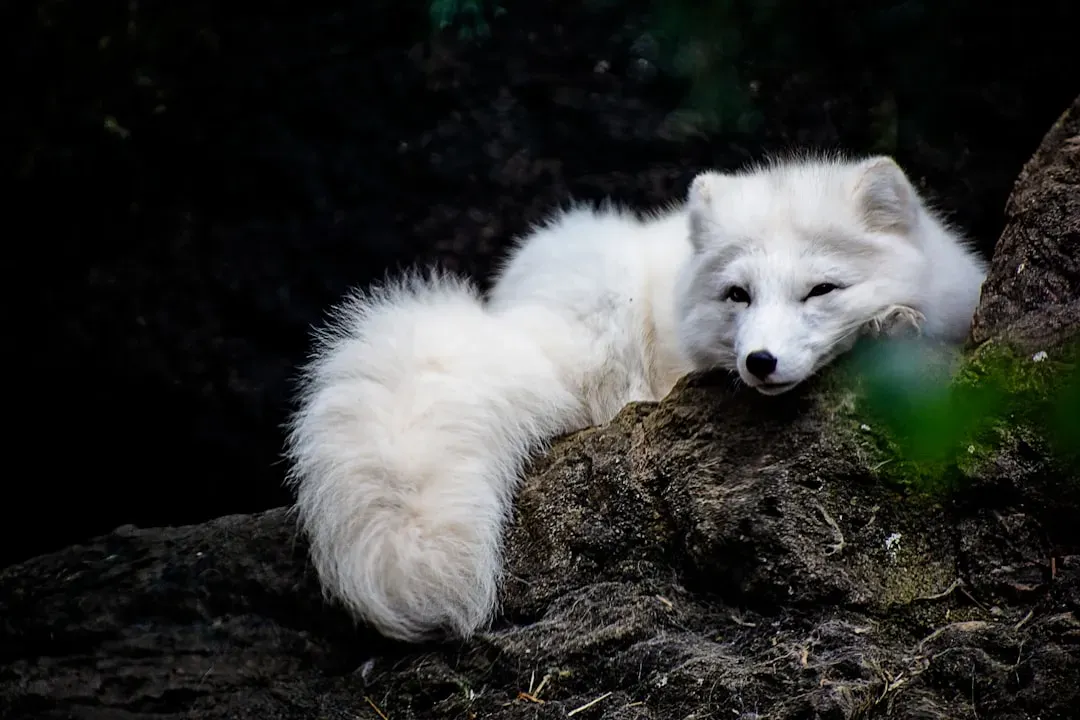
Not every color change involves nano-crystals and complex neural wiring. Sometimes, nature keeps it beautifully simple. The Arctic fox is proof that even a slow, seasonal transformation can be devastatingly effective.
The Arctic fox is a perfect example of an animal that changes its appearance according to the seasons. During the cold, snowy winter months, the fox’s fur becomes white, blending into the snow-covered environment. As the seasons shift and warmer months arrive, the fox’s fur changes to brown or gray, helping it blend into the rocky tundra. This seasonal color change allows the Arctic fox to maintain its camouflage year-round, enhancing its chances of survival in harsh conditions.
At the more relaxed end of color change, there is a handful of birds and mammals, including the Arctic fox, willow ptarmigan and snowshoe hare, that undergo a seasonal whitening triggered by waning day length. The transformation occurs as pigment disappears from fur and feathers. In mammal fur, this makes space for more air, which provides the added bonus of extra insulation as temperatures plummet.
Honestly, the fact that going white in winter also means better insulation is one of those elegantly practical evolutionary solutions that feels almost too good to be accidental. The fox gets camouflage and a warmer coat in the same package.
6. The Seahorse: Tiny, Fragile, and Surprisingly Crafty
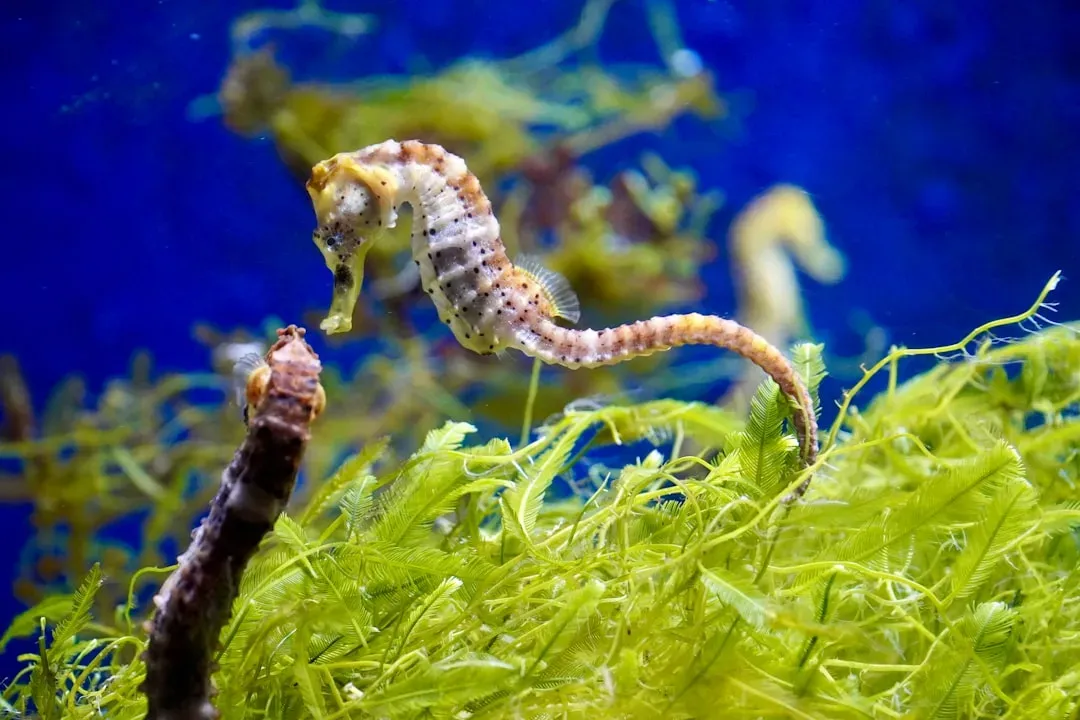
You might not think of seahorses as predators, but these delicate-looking creatures are actually surprisingly efficient hunters. A big part of their success comes down to one key ability: staying invisible.
The pygmy seahorse is a master of disguise, capable of changing its color to blend in perfectly with the coral and seagrass it inhabits. This small fish uses color change to avoid detection by predators. The seahorse can adjust its color to match the coral or sponges it clings to, providing effective camouflage. Its ability to hide in plain sight is crucial for both protecting itself and staying close to its food sources.
Like other fish, seahorses change color using small, sack-like organs known as chromatophores, which are embedded in their skin. Each chromatophore contains one of three or four pigments. Expansion or contraction of the chromatophores via tiny muscles results in different colors being displayed with varying intensity.
The purpose of changing their skin color is to camouflage, frighten predators, communicate their emotions, and for courtship. For an animal with almost no ability to flee at speed, color-shifting is essentially the seahorse’s entire survival toolkit. It is both practical and, in a way, poetic.
7. The Goldenrod Crab Spider: The Patient Hunter in Disguise
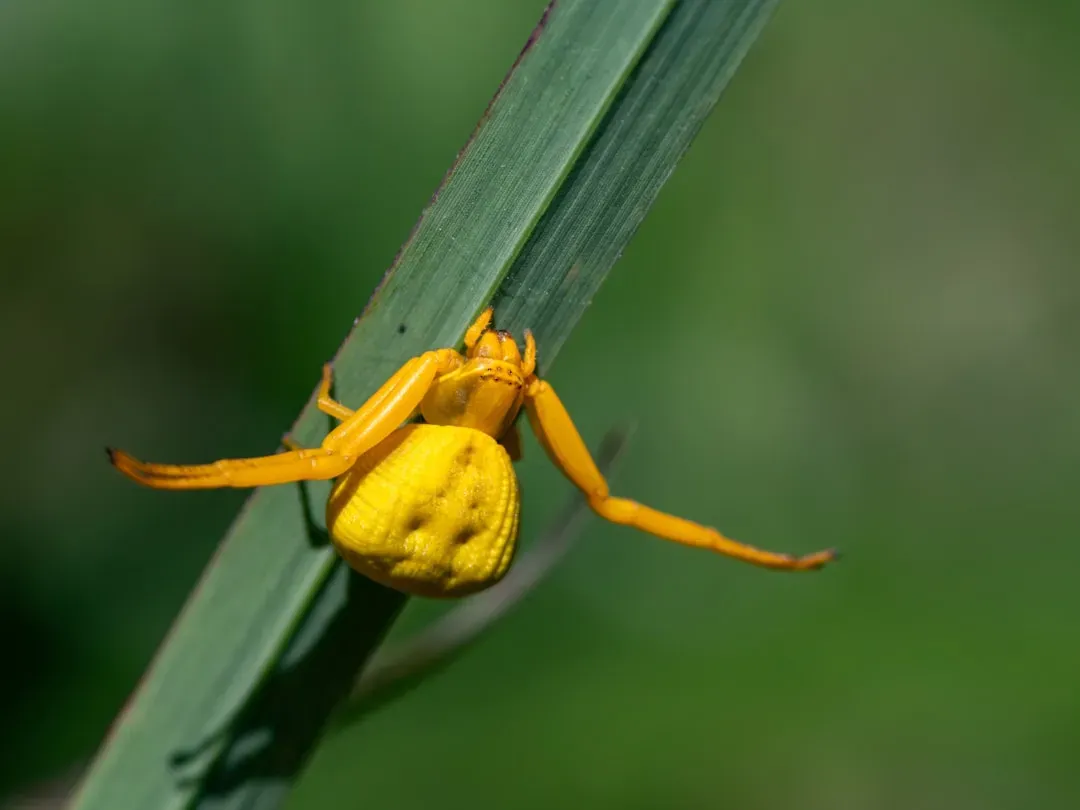
This one tends to surprise people. A spider changing color? It sounds like something from a science fiction film. Yet the goldenrod crab spider does exactly that, and with impressive, predator-level precision.
Goldenrod crab spiders can flip their camouflage if they change locations. They lie in wait for prey on white or yellow flowers, changing their colors to match the flower they live on. If a yellow spider moves to a white flower, it can move its yellow pigments underneath cells that contain white pigments, a process that takes several days.
Living throughout the United States and Canada, the female crab spider will quickly change color from white to yellow, and more slowly from yellow to white. They match the petals of flowers while they’re hunting pollinators like bees. The males are much smaller and can’t change color. Going from yellow to white seems to take more energy, which is why it takes longer.
It is a slow, calculated disguise, more like a long-term stakeout than a quick escape trick. The time it takes for a crab spider to complete the color-changing process can take up to three weeks. The crab spider earned its name for the way it walks, but they do so by actually changing the pigments that their body produces. A bee landing on what looks like an innocent flower has no idea what is waiting for it.
8. The Rock Ptarmigan: The Arctic Bird That Becomes the Landscape
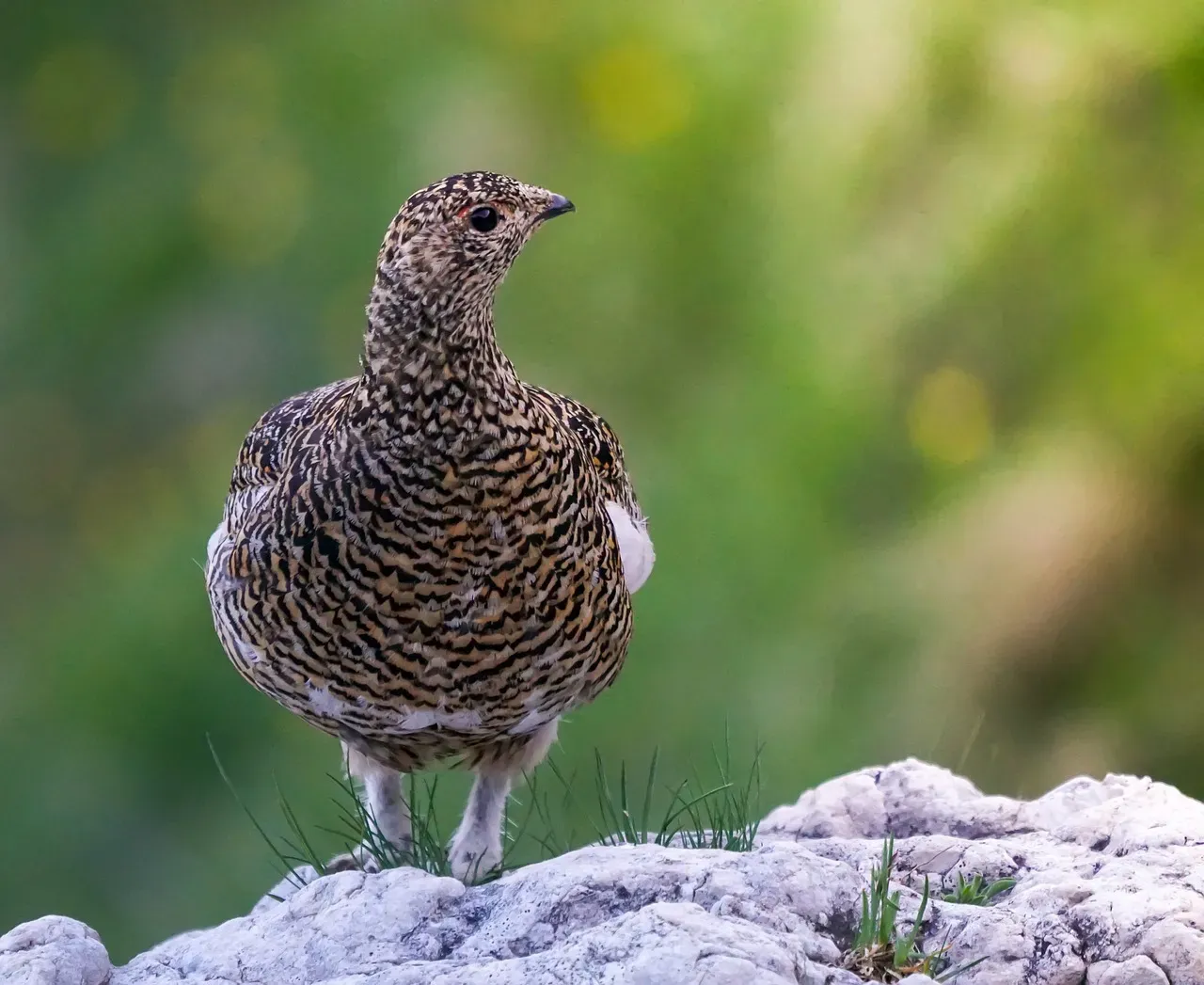
Most birds camouflage through fixed coloration. The rock ptarmigan does something far more sophisticated. It seasonally reinvents itself from head to tail, matching every shift in the Arctic landscape with a full wardrobe change.
The rock ptarmigan, a grouse found in the far north of Eurasia and North America, sports brown plumage in the summer. As autumn progresses, the ptarmigan molts. New, pure white feathers replace its earth-toned ones. By winter, the bird is snow white, allowing it to avoid detection by predators in its Arctic habitat.
The rock ptarmigan earned its name for its ability to blend in with the rock, or the snow or the dirt, depending on the time of the season, in the Arctic environments they call home. They molt seasonally in much the same way as arctic rabbits, shifting from white to gray to brown as the seasons demand.
That need for camouflage likely wouldn’t be the case if these birds spent less time on the ground. The ptarmigan is capable of flight, but regular flight requires a great deal of energy in an environment where food tends to be scarce. So instead of flying away from danger, the ptarmigan simply vanishes into it. A completely sensible solution when the alternative costs precious calories.
The Bigger Picture: Nature’s Invisible Arms Race
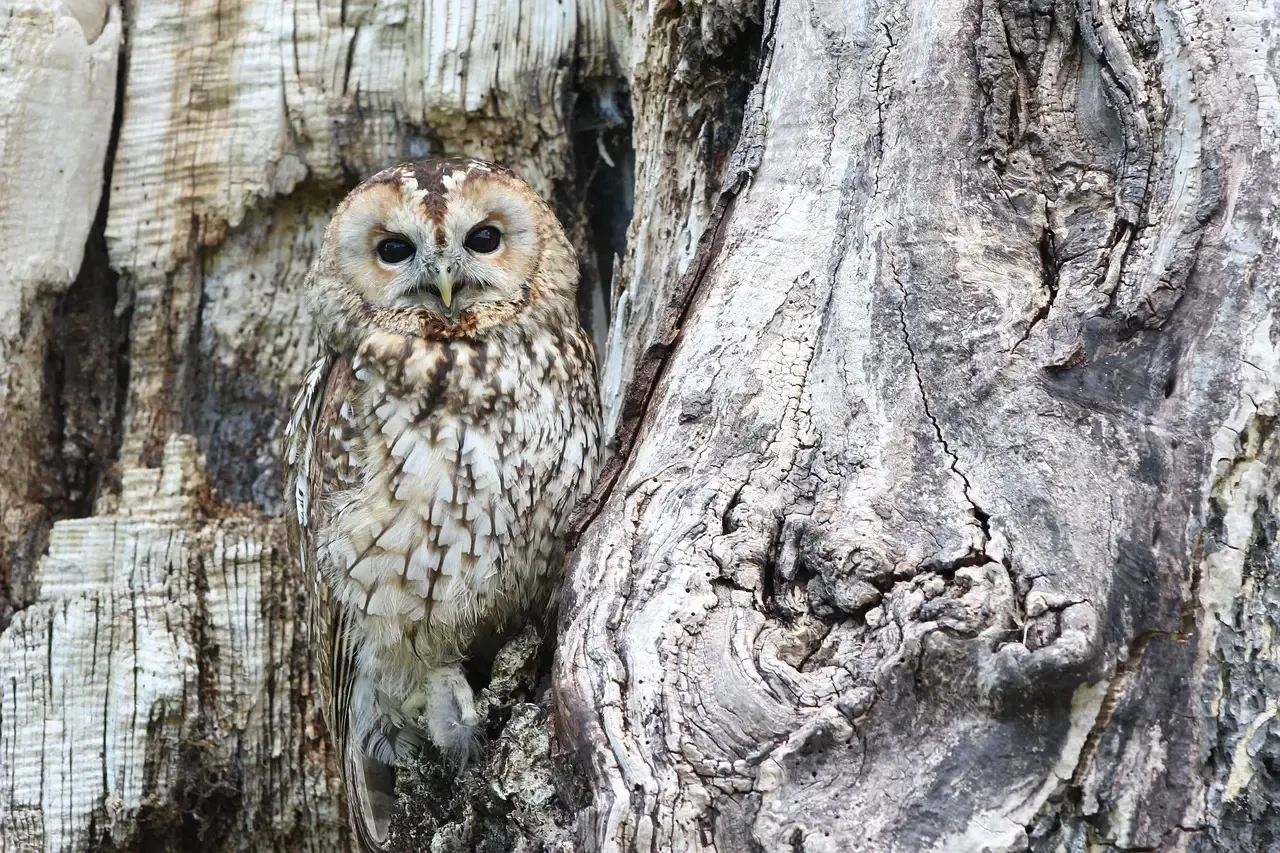
What ties all eight of these animals together is something deeper than just clever skin. Animals with better disguises survived longer and reproduced more successfully, passing their advantageous traits to offspring. The science behind camouflage involves several mechanisms, including cryptic coloration, disruptive coloration, and mimicry.
Some animals are capable of changing their colors with varying degrees of transformation. This may be a very gradual seasonal camouflage, occurring only twice a year. In other animals, more rapid changes may be a form of active camouflage, or of signalling. From a nanocrystal lattice in a chameleon’s skin to a seasonal fur exchange in an Arctic fox, the range of biological solutions nature has invented is staggering.
What is perhaps most humbling is this: many of these animals, the colorblind cuttlefish, the visually-guided flounder, the crystal-powered chameleon, are doing things that human engineers are still actively trying to replicate in materials science and display technology. We are not even close. Researchers report that chameleons change colors by rearranging a lattice of nanocrystals in one of the top layers of skin cells, and the new insights could help scientists design novel materials that stretch to change colors.
Nature figured all of this out long before we had laboratories. The next time you stare at a flower, a reef, or a white winter field and see nothing looking back, think again. Something might be watching. What would you have guessed was hidden there all along?

- 15 Unique Animal Habitats You Won’t Believe Exist in the United States - August 7, 2026
- What Your Birth Month Animal Reveals About Your True Spirit - August 7, 2026
- What Your Go-To Snack Reveals About Your Spirit Animal - August 7, 2026