
Long before plastic skeletons and porch pumpkins, people in the Celtic world marked the turn from harvest to winter with a festival called Samhain. It fell around the end of October and the start of November. Many later writers described it as a time when the line between the living and the dead grew thin.
Animals were part of that story. Folklore across Europe, and a few places beyond it, gave certain creatures a special kind of sight, as though they could notice what people couldn’t. Some of these beliefs are old and well documented. Others are murkier, passed along in tales that grew with every retelling, so it’s worth sorting the sturdy from the shaky.
Black Cats, the Watchers at the Threshold
🔥 Would you like to save this?
We'll email this post to you, so you can come back to it later!
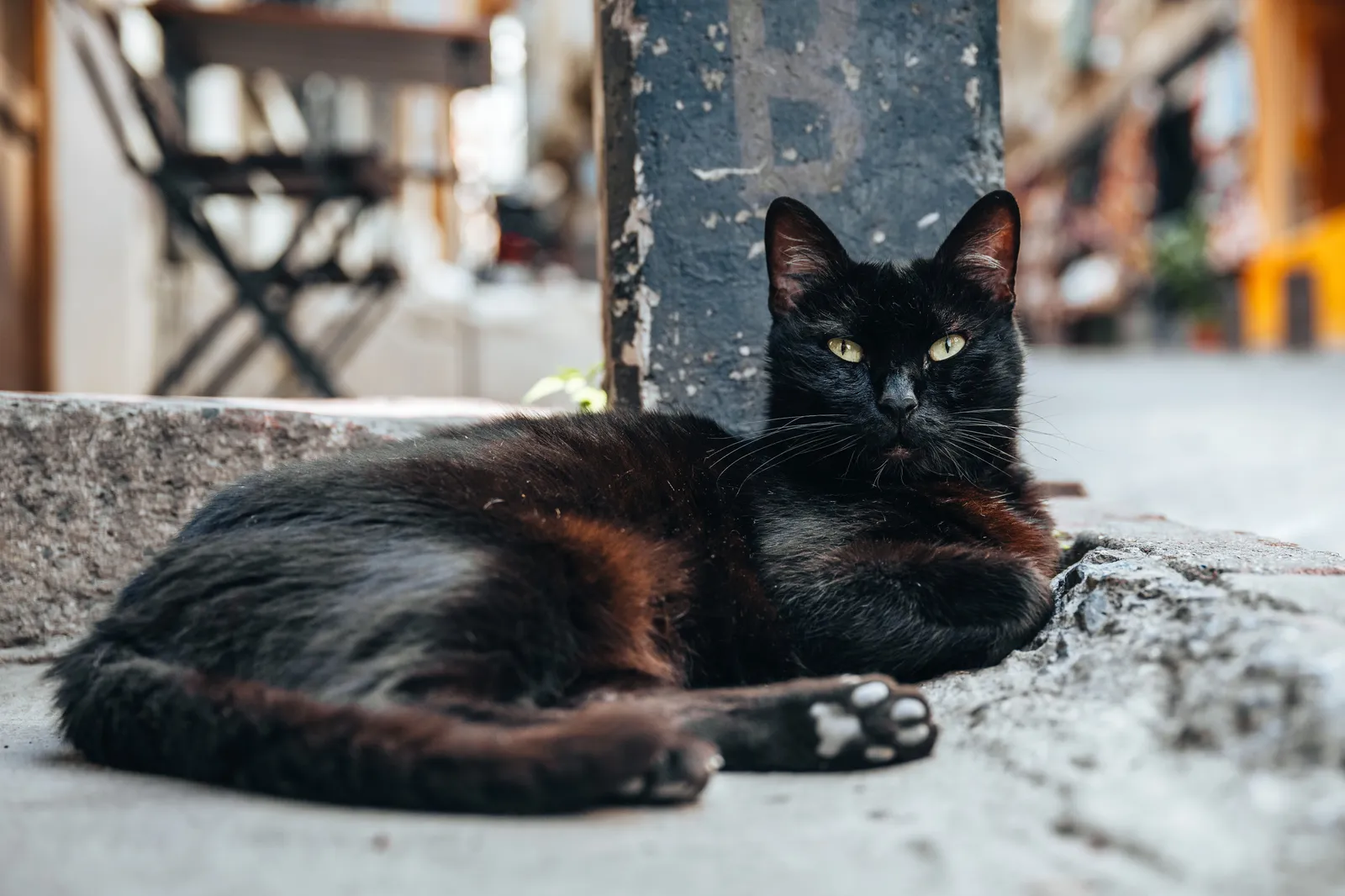
Cats have a reputation for staring at empty corners, and it’s easy to see how that fed a belief that they spot things we can’t. In medieval and early modern Europe, cats, especially black ones, became tangled up with suspicion about witchcraft. They were often described as companions or disguises for witches.
That reputation hasn’t entirely faded. Black cats are among the most familiar Halloween symbols today. Their darker side in folklore sits beside a much kinder history, since cats were honored in ancient Egypt, which shows how the same animal can be treated as sacred in one place and sinister in another.
Dogs and the Hounds of the Otherworld
🔥 Would you like to save this?
We'll email this post to you, so you can come back to it later!
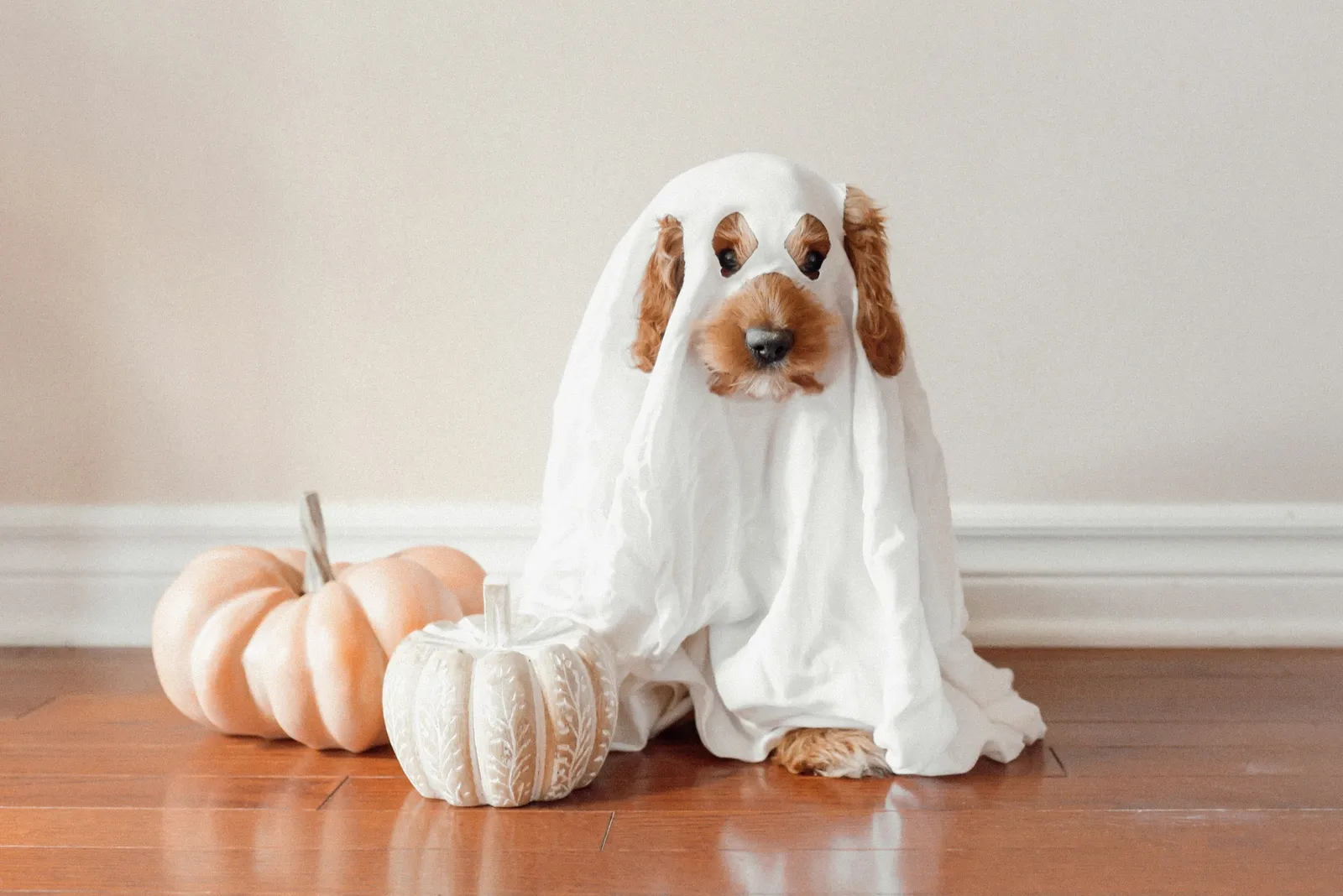
Dogs show up in spirit lore almost everywhere. In Welsh tradition, the Cŵn Annwn were spectral hounds linked to the Otherworld, and their howling was taken as a warning. In parts of England, tales of Black Shuck, a huge phantom dog, drifted through East Anglian folklore.
The idea that a dog can sense the unseen likely grew from everyday experience. A dog that growls at nothing or whimpers at a quiet doorway gets noticed, especially on a dark night. In Mexican tradition, dogs are also tied to guiding the dead, and the Xoloitzcuintli is often mentioned in that context around Day of the Dead.
Owls, Night Voices With a Heavy Reputation
🔥 Would you like to save this?
We'll email this post to you, so you can come back to it later!
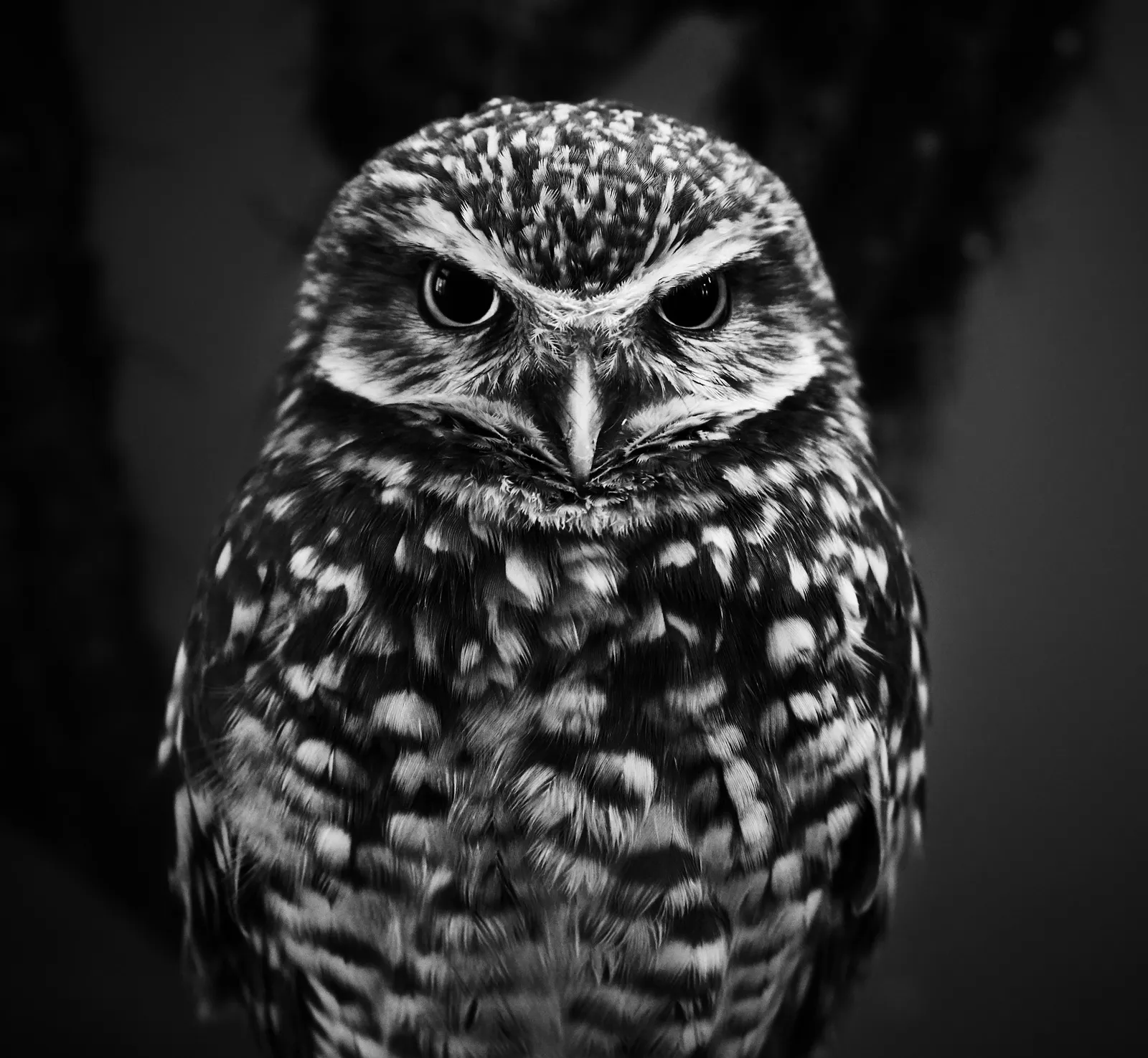
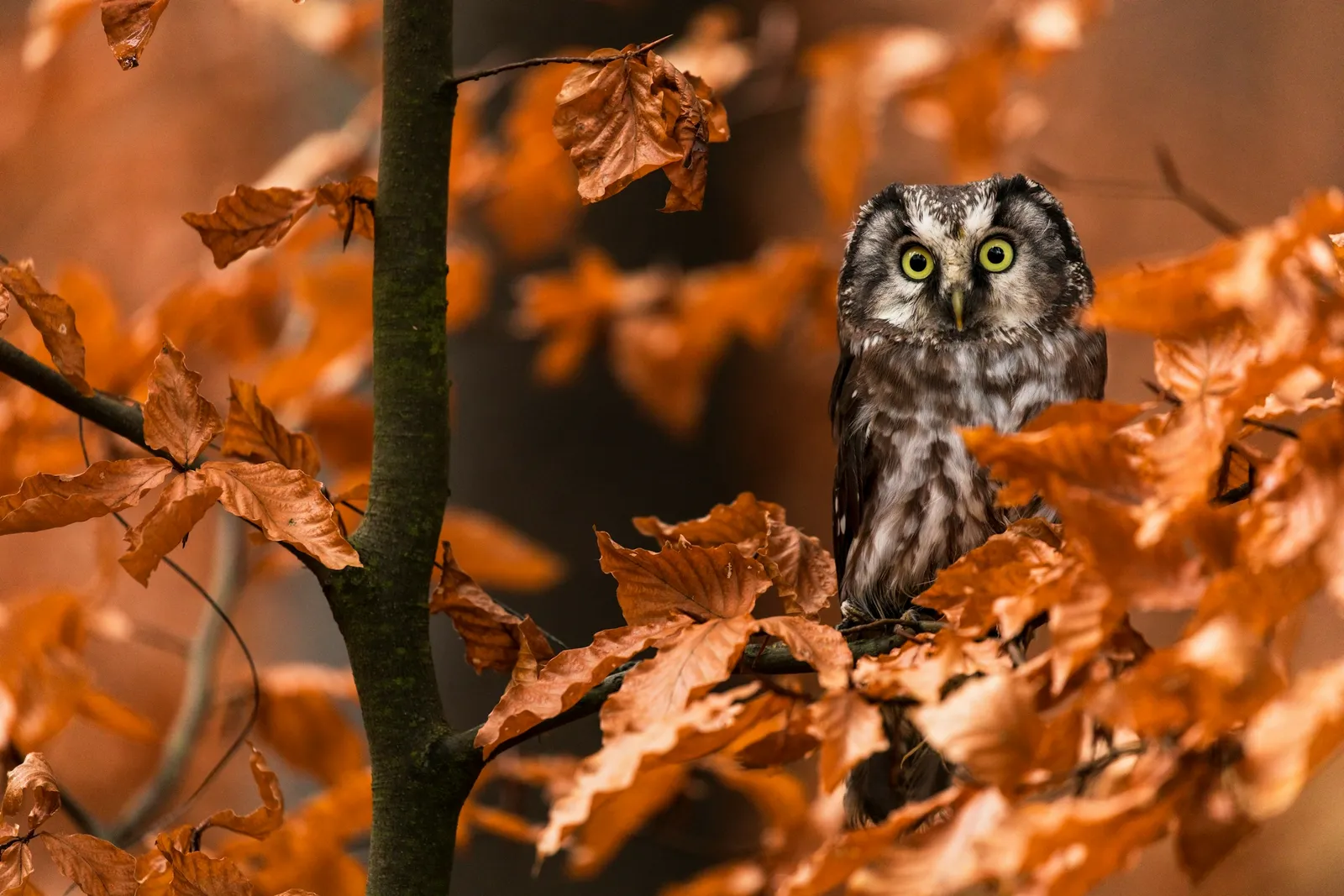
Few animals carry as much omen baggage as the owl. In ancient Rome, an owl’s call was widely treated as a sign of bad news. Many later European traditions kept that mood alive, hearing a death warning in a hoot outside the window.
The logic is not hard to follow. Owls are silent flyers, active when everyone else is indoors, with eyes that seem to take in everything. Yet the picture isn’t uniformly gloomy, because the Greeks linked the owl with Athena and wisdom. Halloween leans on the darker reading, but the older story was mixed.
Bats and the Smoke of the Bonfires
🔥 Would you like to save this?
We'll email this post to you, so you can come back to it later!
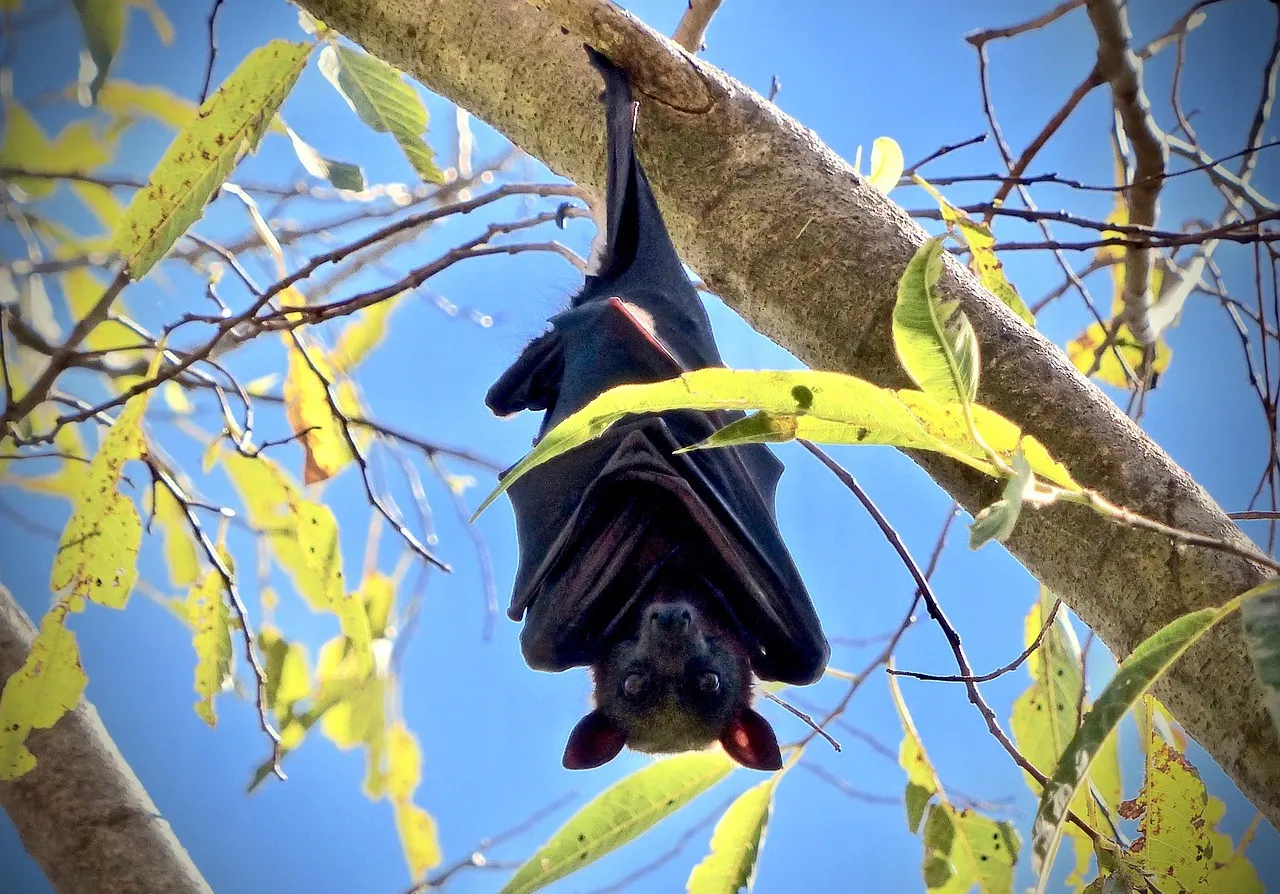
Bats are now a fixture of Halloween decor, and there’s a popular explanation for that. Samhain bonfires are said to have drawn swarms of insects, and bats came swooping in to feed. Watching dark shapes dart through firelight, it wasn’t a stretch to imagine something otherworldly at work.
That origin story is repeated often, though firm historical detail is thin. What’s clearer is how bats fit the mood on their own. They are creatures of dusk, they roost in caves and attics, and they move in ways people find hard to read. Folklore filled the gaps.
Ravens and Crows, Messengers of Battle and Death
🔥 Would you like to save this?
We'll email this post to you, so you can come back to it later!
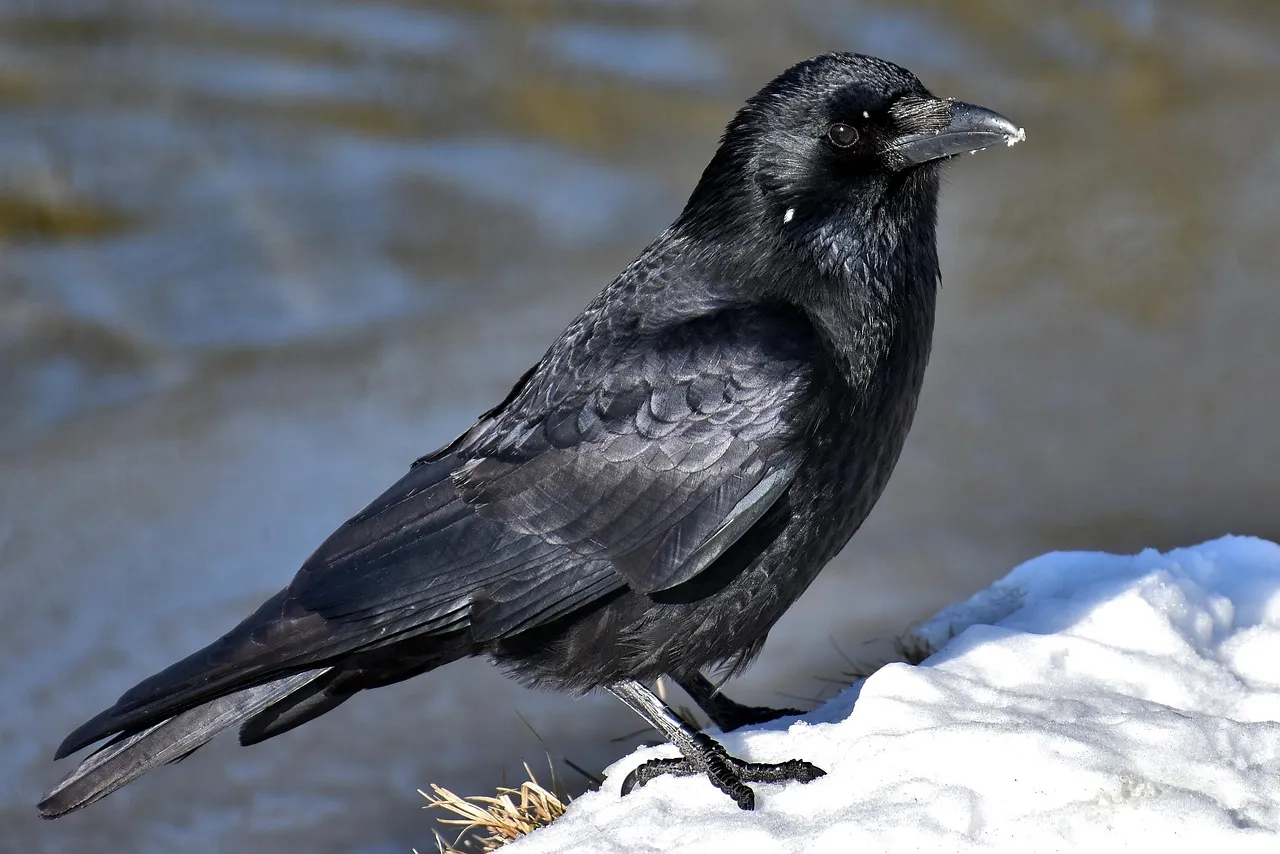
In Irish myth, the Morrígan and related figures such as Badb were associated with crows and ravens, often around battlefields and fate. The birds weren’t simply scavengers in these stories. They stood for the presence of death and prophecy.
That link carried into later European belief, where ravens and crows were treated as bearers of omens. Their intelligence probably helped the legend along, since people noticed how closely these birds watched human activity. A crow perched silently on a fence in late autumn does look like it knows something.
Toads, Familiars of the Hedge Witch
🔥 Would you like to save this?
We'll email this post to you, so you can come back to it later!
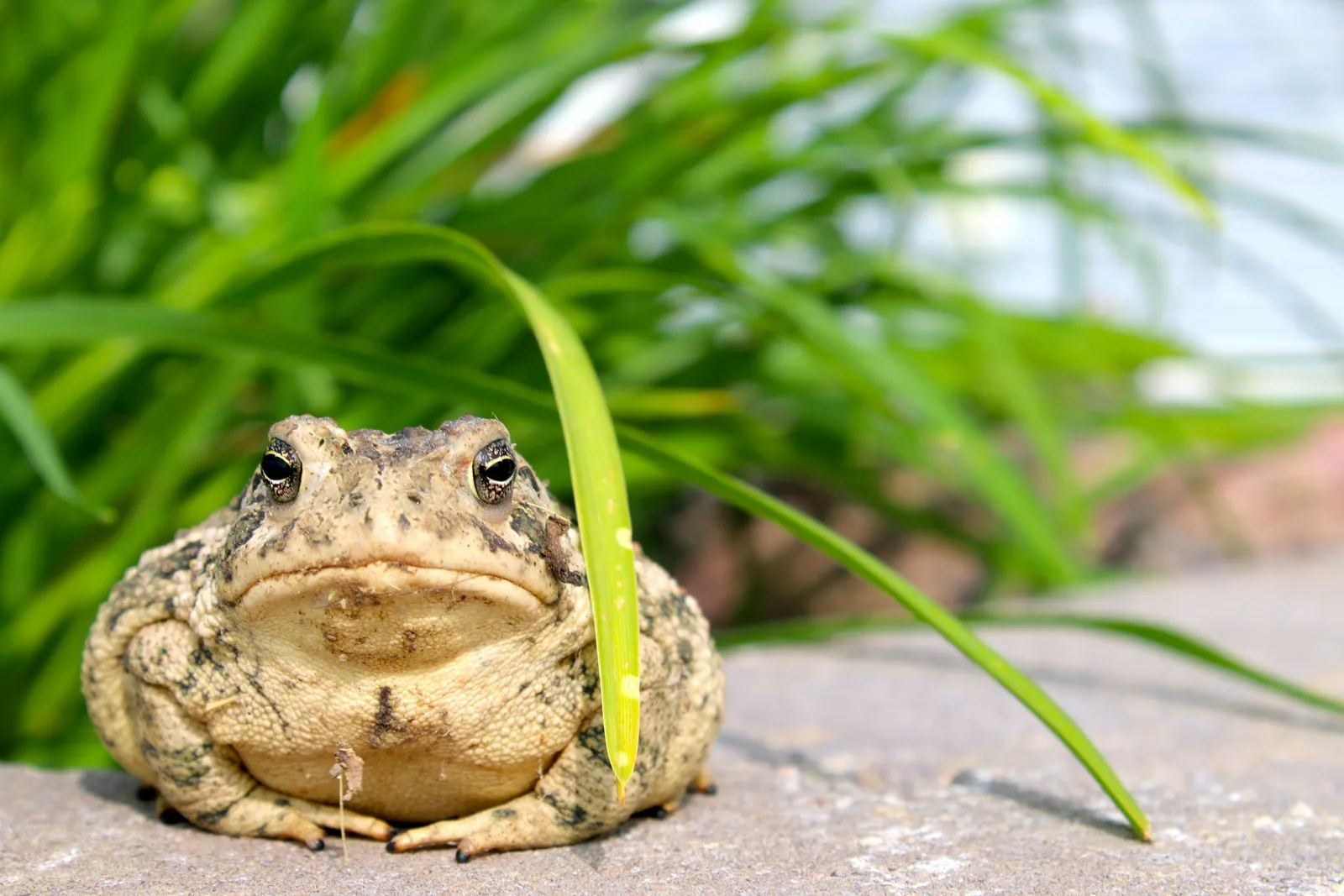
Toads weren’t just garden residents in older European lore. They appear in accounts of witch trials and folk tales as familiars, small helpers said to serve a witch and perhaps to sense the supernatural. Their damp, hidden habits and odd appearance made them easy to cast in that role.
Part of the reputation came from the toad’s skin secretions, which can irritate and which people knew could be harmful. Mix that with a creature that emerges after rain and hides under stones, and a spooky reputation follows. These days the toad is more likely to be admired as a helpful garden pest controller.
Spiders and the Visiting Ancestors
🔥 Would you like to save this?
We'll email this post to you, so you can come back to it later!
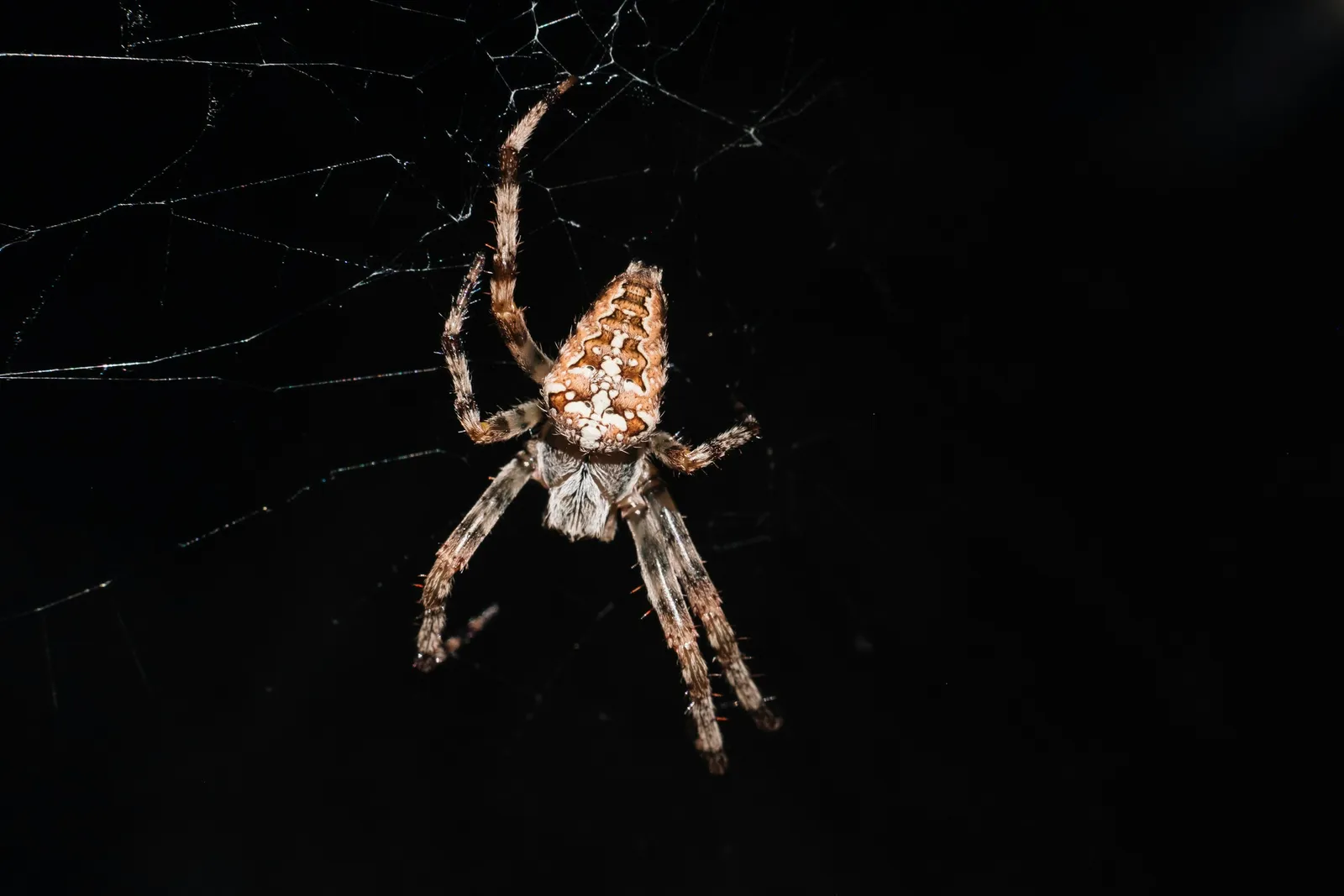
A tender strand of Halloween lore says a spider in the house around this time of year might be a deceased loved one checking in. The belief is commonly repeated in modern retellings of autumn folklore. Its exact age and origin are harder to pin down, so it’s best treated as a folk tradition rather than settled history.
It does explain why many people hesitate before swatting a spider in late October. Spiders also fit the season visually, with their webs dewy and visible in cooler mornings. The idea transforms a creepy crawler into a quiet visitor, which is a gentler take than most spirit stories offer.
Horses and the Púca of Irish Tradition
🔥 Would you like to save this?
We'll email this post to you, so you can come back to it later!
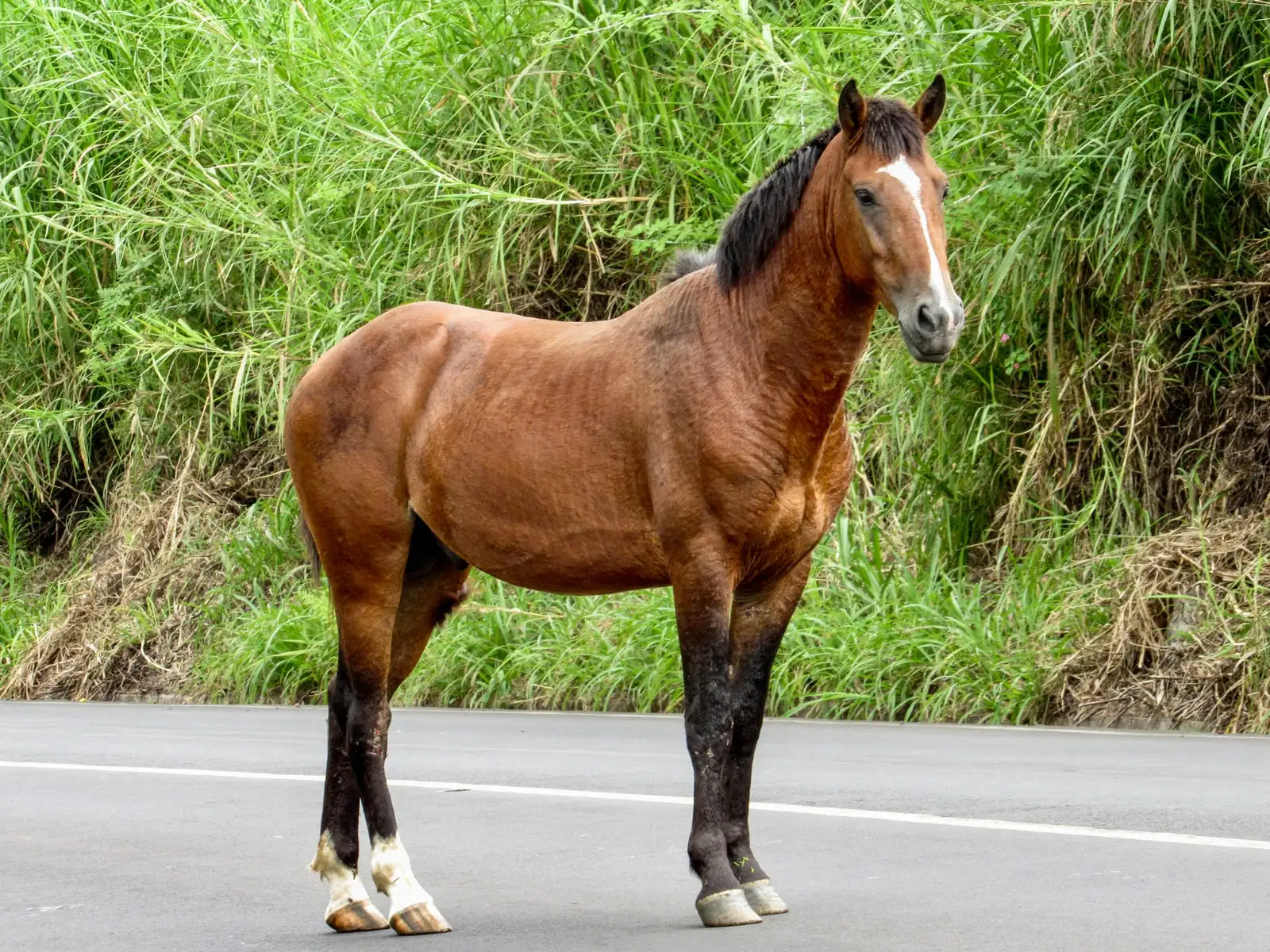
In Irish folklore, the púca is a shapeshifter, and one of its favorite forms is a dark horse with glowing eyes. Tradition links the creature strongly with the start of November, the period right after Samhain. Stories warn of being carried off on a wild ride across the countryside.
Horses more broadly have long been described as animals that spook at things unseen, which probably shaped this lore. Anyone who’s watched a horse balk at an empty patch of road understands the impulse. The púca turns that skittishness into a full legend, with a mischievous streak more than pure menace.
Final Thoughts
🔥 Would you like to save this?
We'll email this post to you, so you can come back to it later!
My view is that these animal beliefs say more about people than about animals. We noticed creatures that live at the edges of our routines, the nocturnal, the watchful, the unpredictable, and we gave them jobs in our stories about death. That’s a very human way to deal with the dark.
Still, I wouldn’t dismiss the folklore as silly. It kept people paying attention to the natural world during the year’s most uncertain stretch. So this Halloween, when the cat stares at a blank wall or an owl calls from the trees, enjoy the shiver, and then maybe thank the animal for the atmosphere.

- 7 Everyday Habits That Can Make Your Senior Dog Happier - November 5, 2026
- 10 Enigmatic Structures That Continue to Puzzle Scientists Today - November 5, 2026
- 10 Strange Ruins in the Americas That Challenge What We Know About Early History - November 5, 2026