

We tend to think of family as something distinctly human. Parents, children, shared bonds, shared responsibilities. But the more science peers into the lives of animals, the more that tidy picture starts to crack and crumble in the most extraordinary ways. Nature, it turns out, has been running its own experiments in family structure for millions of years, and the results are nothing short of astonishing.
Social behavior ranges from simple attraction between individuals to life in complex societies characterized by division of labor, cooperation, altruism, and a great many individuals aiding the reproduction of a relative few. These arrangements don’t just challenge our understanding of animals. Honestly, they force us to question what “family” even means in the first place. Let’s dive in.
The Naked Mole-Rat: A Living, Breathing Underground Kingdom
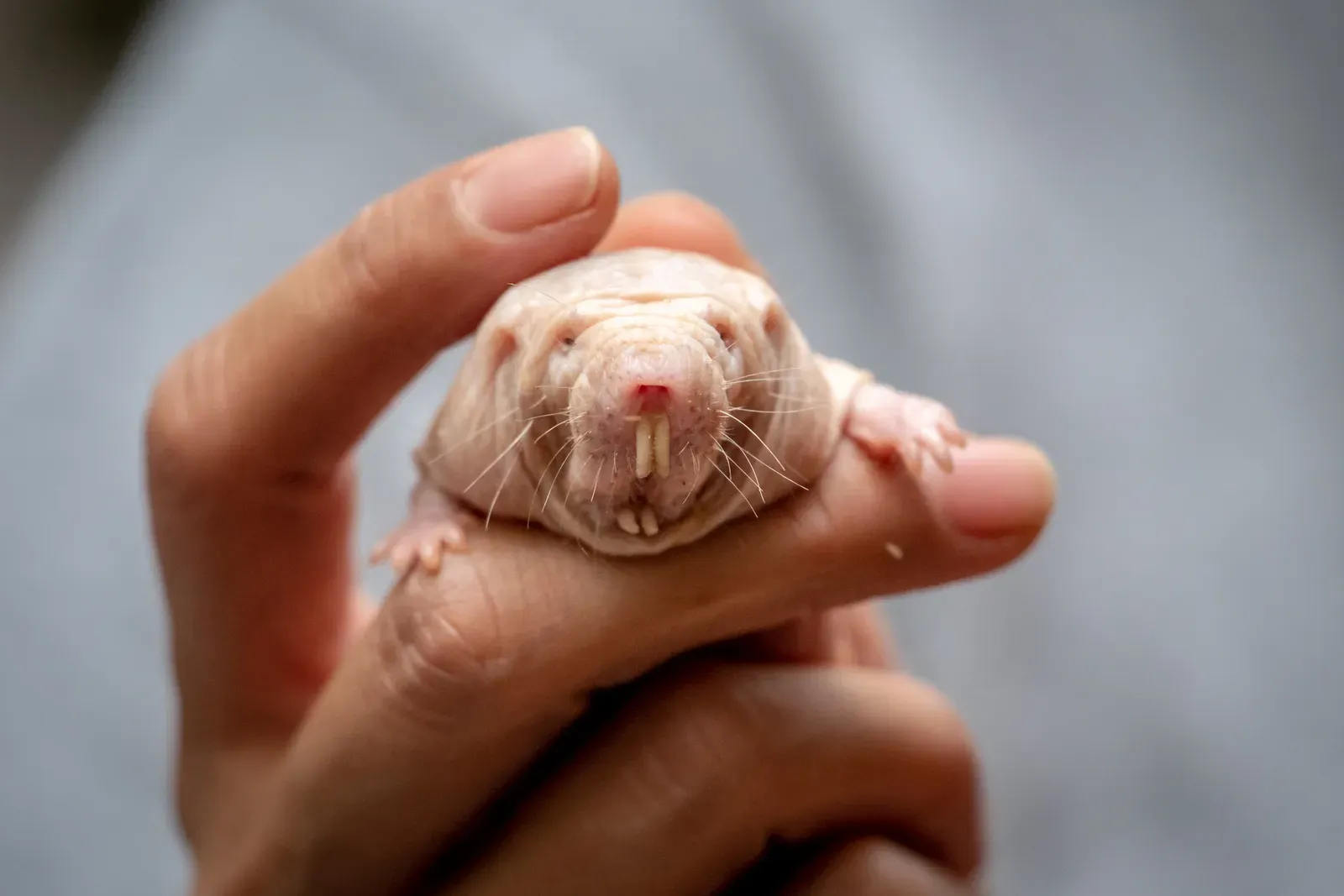
Here’s a creature that looks like a wrinkled pink sausage but runs one of the most sophisticated societies on Earth. Naked mole-rats are one of the only true eusocial mammals; they live in large colonies in which only one female breeds and the majority of individuals spend their lives working for the colony. Think about that for a moment. Hundreds of animals, every single one of them devoting their existence to supporting a single queen they may never even directly interact with.
Within each colony, reproduction is restricted to a single breeding female and one to three breeding males; all other colony members are reproductively suppressed and socially subordinate unless removed from the suppressive cues of the colony. The power dynamics are stunning. When a female becomes queen, she actually grows larger, even though she is already an adult, by increasing the distance between the vertebrae in her spine. A queen who physically transforms her own body just by claiming the throne. Now that is power.
African Elephants: Wisdom as the Foundation of Family
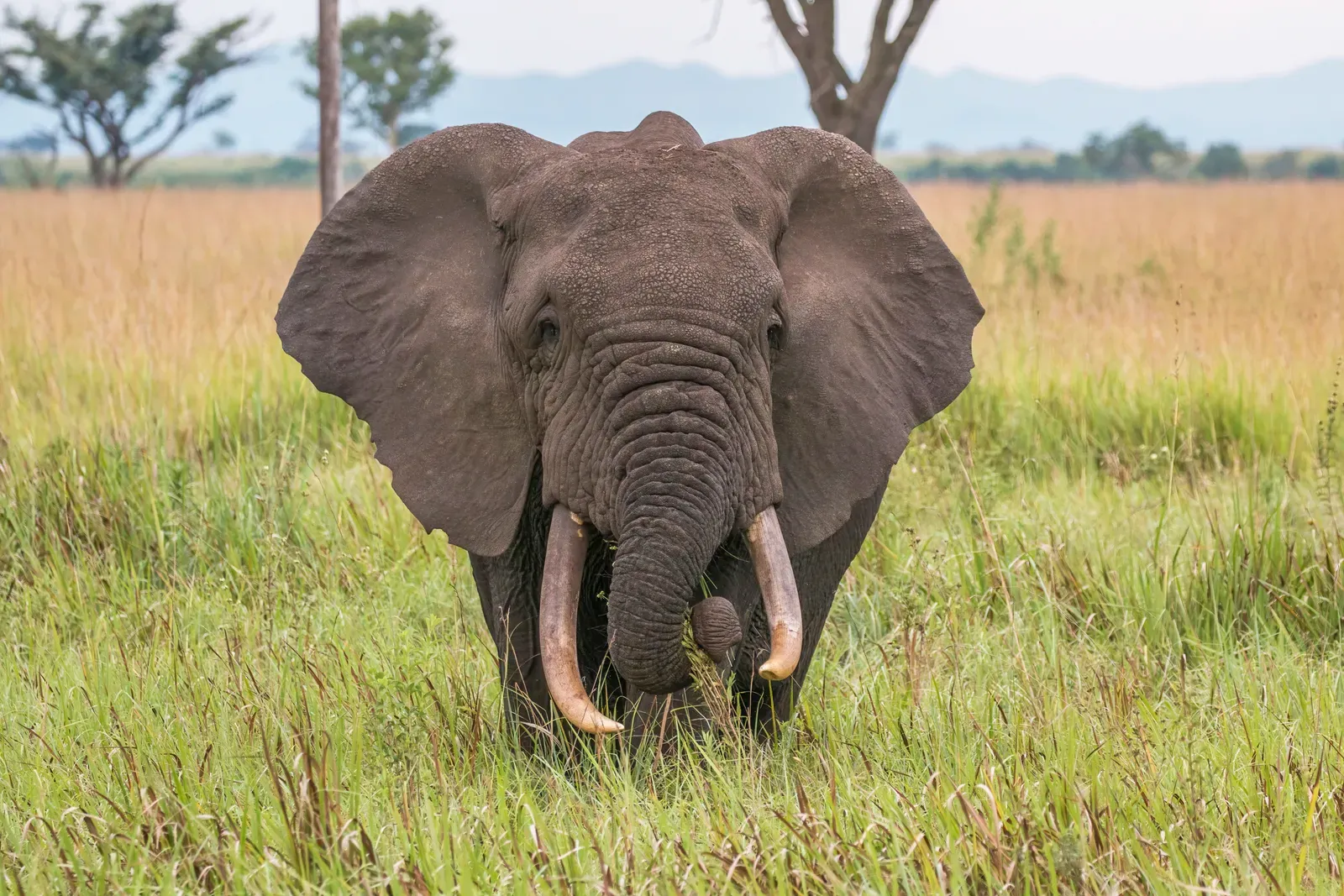
The matriarch, or the leader, is the oldest and most experienced female who typically guides her herd to food and water, while also making judgment calls about when to run away from predators. Elephant herds mainly consist of adult females who are all related and help each other raise elephant calves. There is something deeply moving about a society built not on strength or aggression, but on accumulated knowledge. Think of the matriarch as a living library.
Elephant matriarchs act as reservoirs of information about where to find food and water, and their presence is particularly important in times of famine or drought. In human terms, this is like the grandmother who remembers where the springs were during the last drought. Most of the time, only females will stick around, while adolescent males venture away from their birth groups. Males get the wandering life. The females build the civilization.
Bonobos: Where Female Alliances Rewrite the Rules of Power
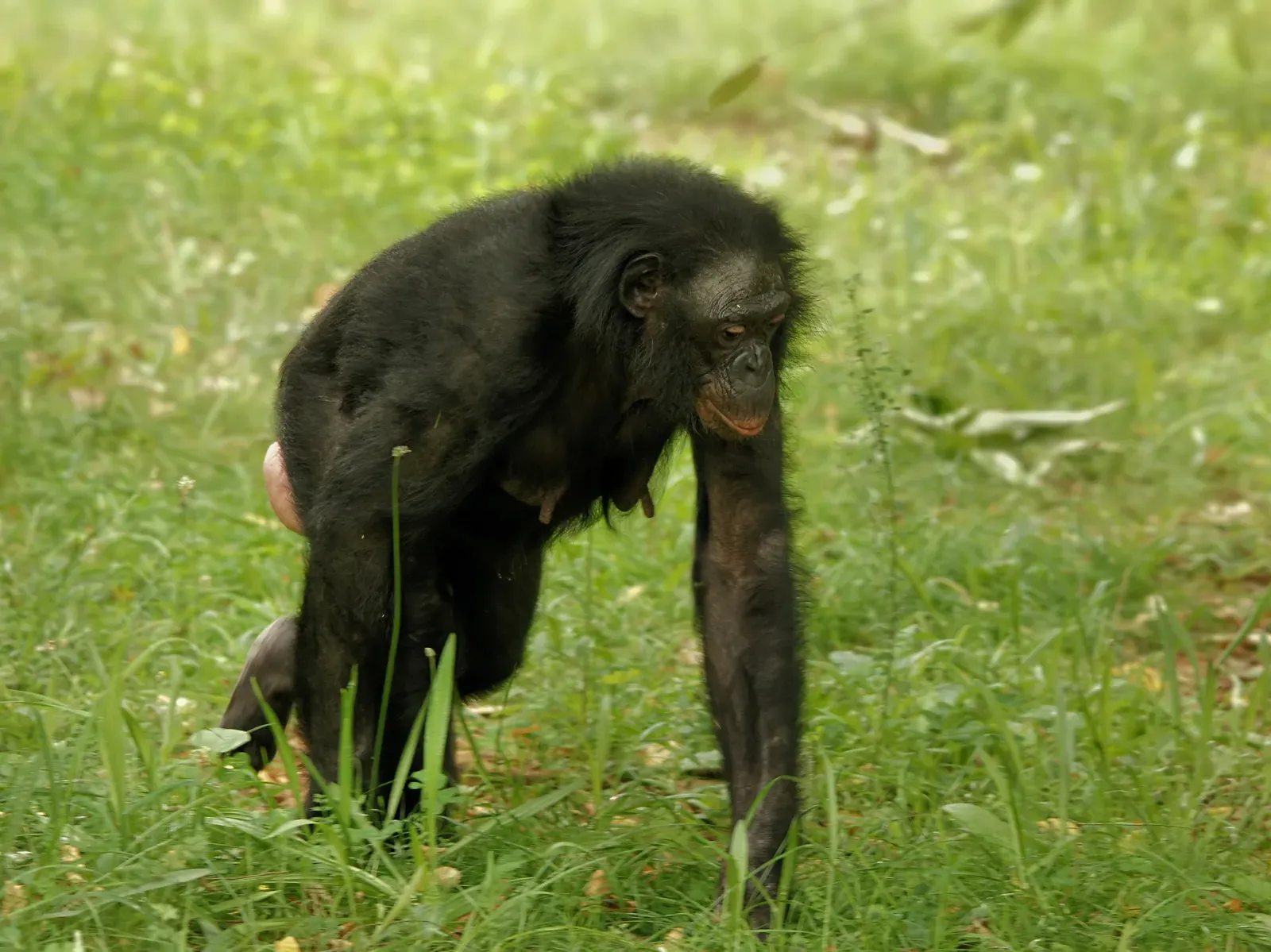
Bonobos are unusual among apes for their matriarchal social structure, with extensive overlap between the male and female hierarchies leading some to refer to them as gender-balanced in their power structure. In most of the animal world, size equals dominance. Bonobos simply decided that doesn’t have to be the case. Instead, cooperation replaced brute force.
By banding together in coalitions, meaning groups of two or more animals but usually three to five, female bonobos both reduce the danger posed by males and catapult themselves into positions of influence. Fully 85 percent of cases of female coalitionary aggression were directed at males, who also tend to be larger than females. I think that’s one of the most jaw-dropping statistics in all of animal behavior. While males remain within their natal groups, females disperse between groups when they reach sexual maturity and often form strong social bonds with unrelated females in new groups. The bond between strangers, chosen freely, becomes the spine of their whole society.
Spotted Hyenas: The Matriarchy That Turns Gender Norms Upside Down
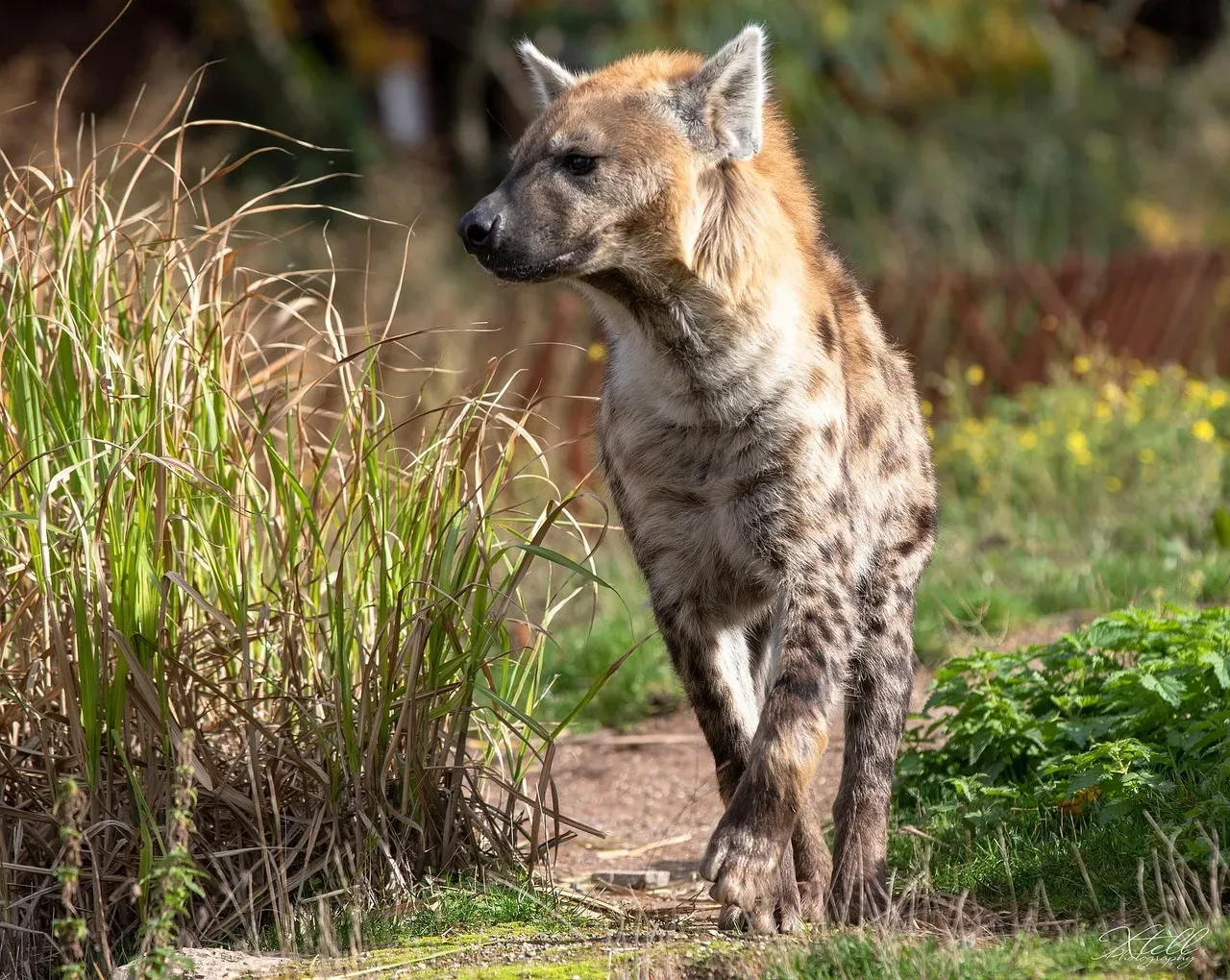
Spotted hyena clans can include 10 to 90 members, and females control access to food, territory, and social interactions within the group. Their matrilineal structure and strict dominance order make spotted hyenas one of the clearest examples of a true mammalian matriarchy. In a world where male dominance is often taken as the default setting of nature, hyenas stand as a magnificent, snarling exception.
As expected, mother hyenas outrank their daughters. Unexpectedly, younger daughters outrank their older sisters! That’s the kind of inheritance rule that would baffle even the most seasoned family law attorney. Once males reach sexual maturity, they leave their home clan as females won’t mate with males from their own clan. Males are essentially born into the lowest caste and must go seek their fortune elsewhere. The females stay. The females rule.
Orcas: A Family Built on Post-Reproductive Wisdom
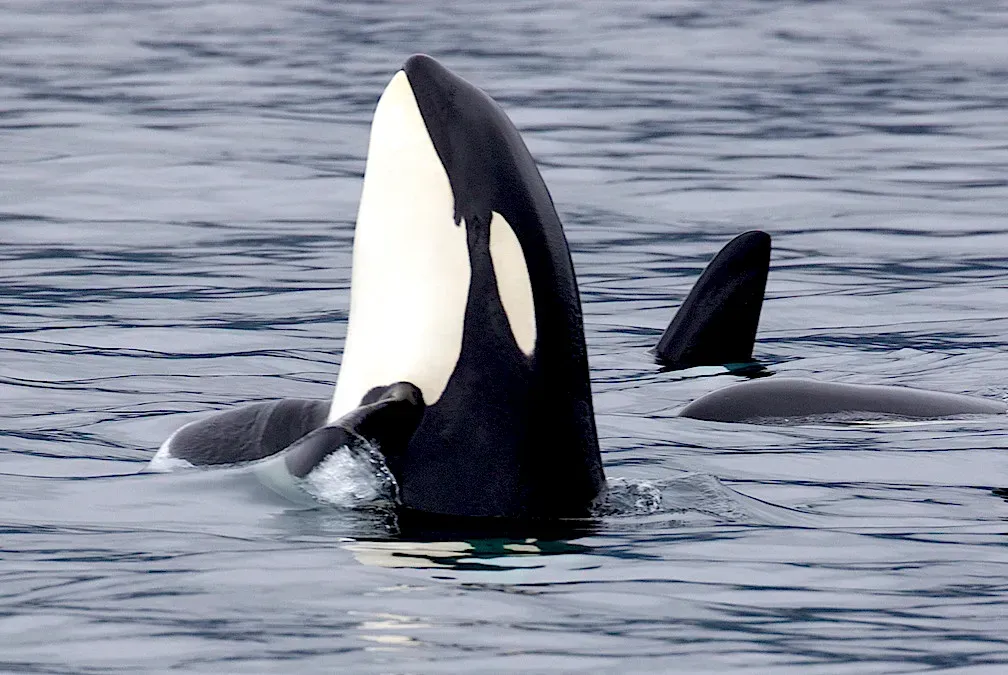
The Southern Resident Killer Whales that inhabit the waters of the Pacific Northwest have particularly complex and stable social structures. They live with their mothers for their entire lives. Groups of whales, called pods, are based on matrilines consisting of the matriarch and her descendants. Both sons and daughters. For life. That kind of intergenerational closeness puts most human family trees to shame.
As the oldest members in their pods, post-menopausal females have the most life experience. Scientists reason that younger orcas, especially males, tend to follow post-menopausal females because the matriarchs have a wealth of survival and ecological knowledge to share. Photographs reveal that post-menopausal females typically swim at the front of their pods and direct the pods’ movements in a variety of scenarios, including hunting. Nature invented the concept of the wise elder long before we did. Orcas simply never forgot it.
Meerkats: The Village Raises the Child
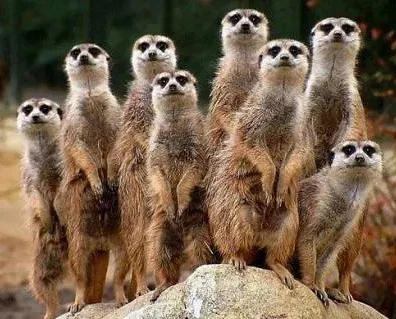
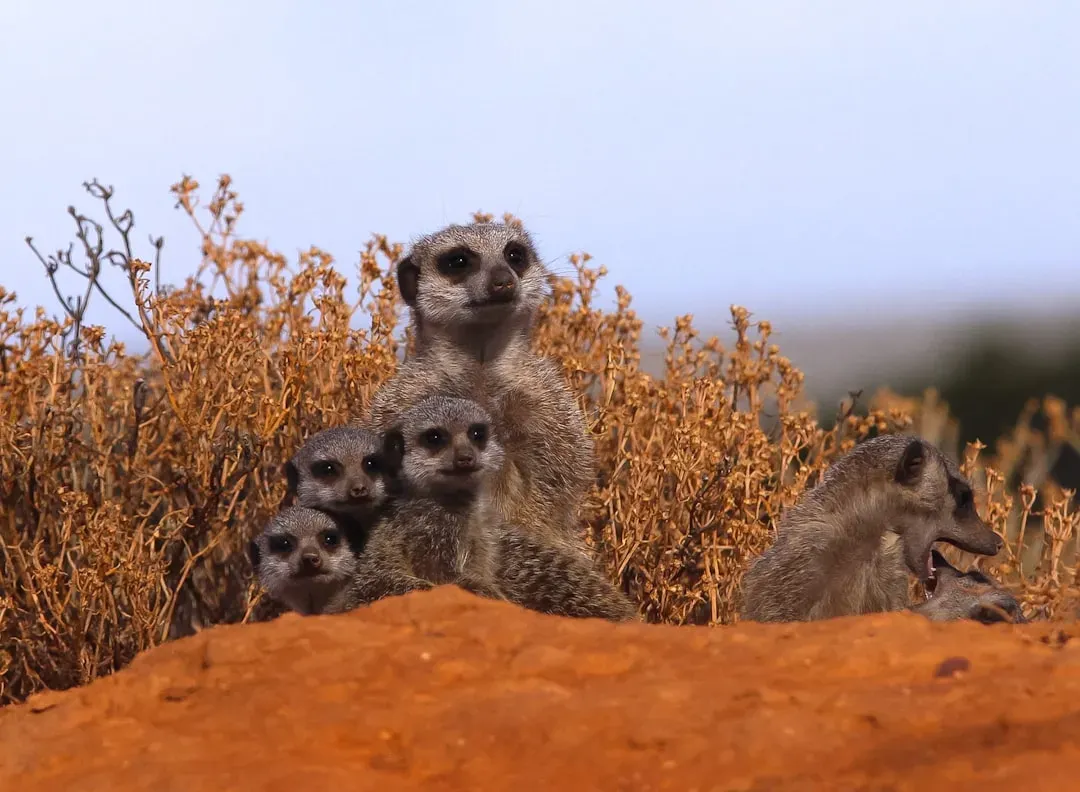
Meerkats are one of the few mammalian species that practice obligate cooperative breeding, a complex social system where the majority of group members forgo their own reproduction to help raise the offspring of a dominant pair. The phrase “it takes a village” gets thrown around casually in human contexts. For meerkats, it is not a metaphor. It is an absolute biological requirement for survival.
Unlike some social insects, meerkat helpers do not specialize in one specific task; instead, they rotate through roles based on the clan’s immediate needs. Sentinels take a high vantage point to watch for predators such as hawks, eagles, or jackals while the rest of the group forages. They use specific vocalizations to signal the level of danger. Meanwhile, while the clan forages, one helper stays behind at the burrow to protect the pups. This task is energetically expensive, as the babysitter often goes the entire day without food. That is a level of sacrifice most humans would find hard to muster.
Ant Colonies: The Original Superorganism
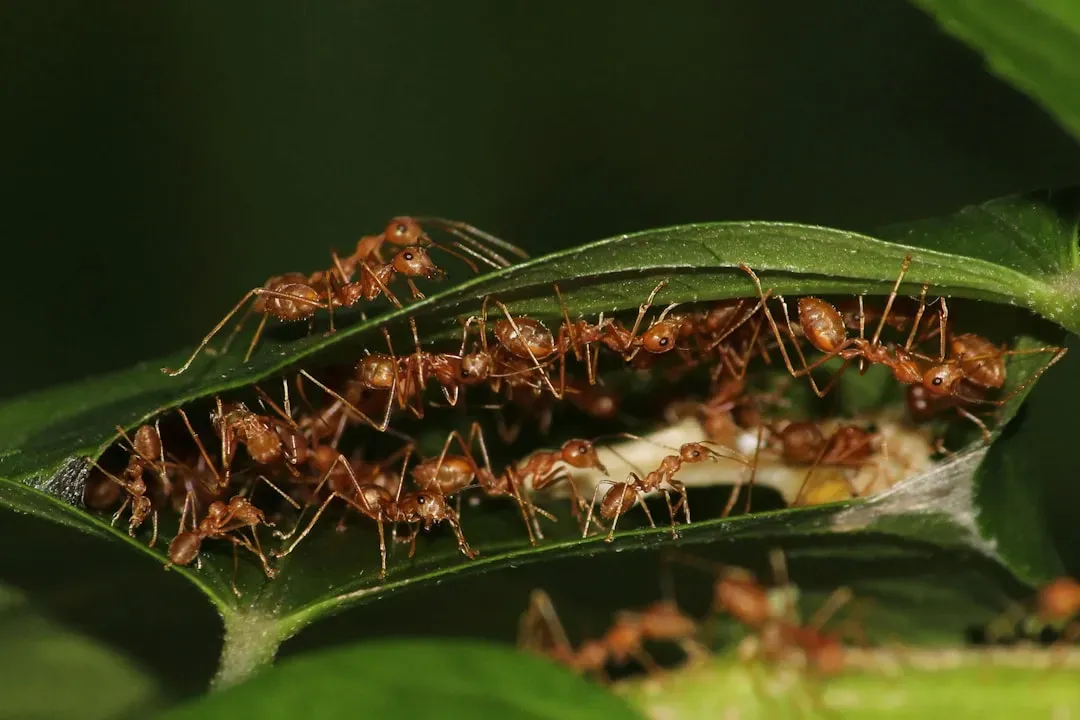
Eusociality is the highest level of organization of sociality. It is defined by cooperative brood care, overlapping generations within a colony of adults, and a division of labor into reproductive and non-reproductive groups. The division of labor creates specialized behavioral groups within an animal society, sometimes called castes. Ants didn’t just build a social structure. They built an entire living machine where the individual almost ceases to matter.
Ant societies are often described as centered around a queen, but the queen does not serve as a leader like mammals or primates have leaders. Her main role is reproduction, while almost all daily activities of the colony are performed by female worker ants. These workers handle foraging, defense, nest building, and brood care, and they make collective decisions about food sources and colony relocation. No CEO, no boardroom, no memos. Just collective intelligence acting as one. Eusocial colonies can be viewed as superorganisms, with individual castes being analogous to different tissue or cell types in a multicellular organism, fulfilling a specific role that contributes to the functioning and survival of the whole colony.
Bonobos Beyond Borders: Cooperation With Strangers
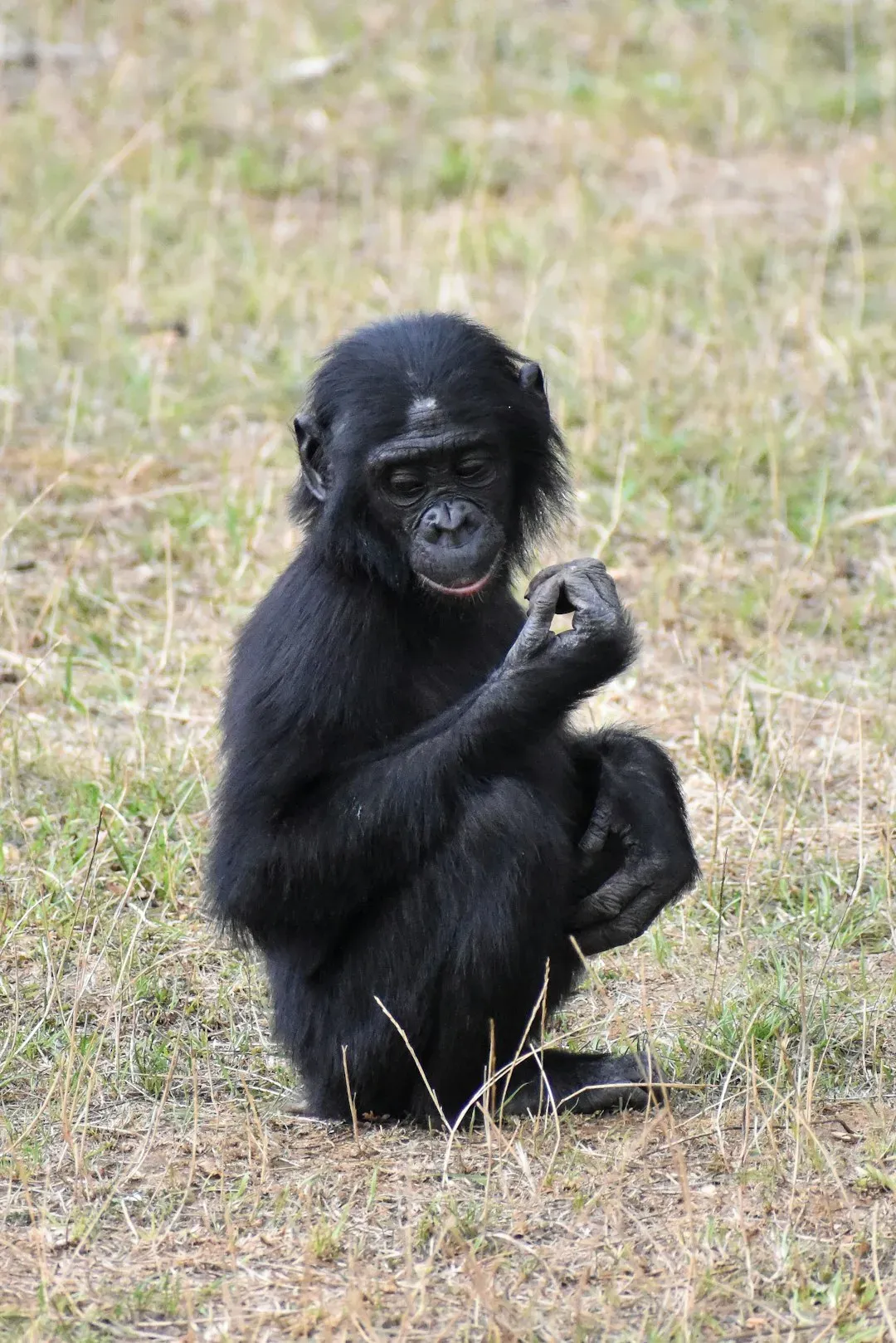
Let’s be real, this one genuinely surprised me. We tend to think inter-group cooperation, the kind that goes beyond bloodlines and familiar faces, is a uniquely human trait. Although cooperation among individuals within groups is also common in other animals, doing so outside of such groups has rarely been observed. Researchers found that bonobos who cooperated more within their own group were also more likely to cooperate with those in other groups. That is a kind of social generosity that goes far beyond any simple definition of family.
Encounters between two bonobo groups happened a lot. They interacted nearly 100 times. The groups spent one-fifth of their time in each other’s company during the two years they were studied. These were not strangers tolerating each other. During these meetups, the researchers saw lots of cooperation. They documented more than 3,700 instances of grooming. One in every ten instances involved bonobos from different social groups. Family, it seems, can be something you choose across borders you were never supposed to cross.
Conclusion: Nature’s Greatest Lesson About Family
What ties all eight of these remarkable societies together is a single uncomfortable truth: the concept of “family” is far more flexible, creative, and expansive than anything we once imagined. Social structures are adaptive. They evolve to maximize an animal’s chances of survival and reproduction within a specific ecological niche. Whether that means a wrinkled rodent queen who reshapes her own skeleton, or a post-menopausal orca leading her pod through freezing waters, nature always finds its own extraordinary answer.
Perhaps the most breathtaking takeaway is this: across the animal kingdom, the definition of family is not about biology alone. It is about commitment, cooperation, and the astonishing lengths living creatures will go to for the ones they belong to. Organisms are inherently competitive, yet cooperation is widespread. Genes cooperate in genomes; cells cooperate in tissues; individuals cooperate in societies. Animal societies, in which collective action emerges from cooperation among individuals, represent extreme social complexity.
So the next time someone tells you what a “real family” looks like, think about the meerkat babysitter who went hungry all day, or the orca grandmother still leading her pod at sixty. What would you say defines family after reading this?

- The Perfect Pet for Each Zodiac Sign - July 7, 2026
- The Wild Animal That Embodies Your Zodiac Sign’s Spirit - July 6, 2026
- 7 Steps to Planting Admirably Beautiful Bluebonnets - July 6, 2026