

Ever tried teaching a cat to come when called? Some feline friends practically race over at the sound of their name, while others simply stare at you as if to say, “I heard you. I’m choosing not to respond.” Cats have long been regarded as independent, even aloof creatures, making trainability seem like a myth. Yet, the reality might surprise you.
The truth is that some breeds possess an eagerness to please and a quick wit that rivals even the most obedient dog. They’ll play fetch, master commands, and might even walk on a leash with you. Meanwhile, other breeds seem genetically programmed to do exactly what they want, when they want. So, let’s dive in and uncover which cats are ready to learn and which ones are quietly ruling your home on their own terms.
Abyssinian: The Eager Student
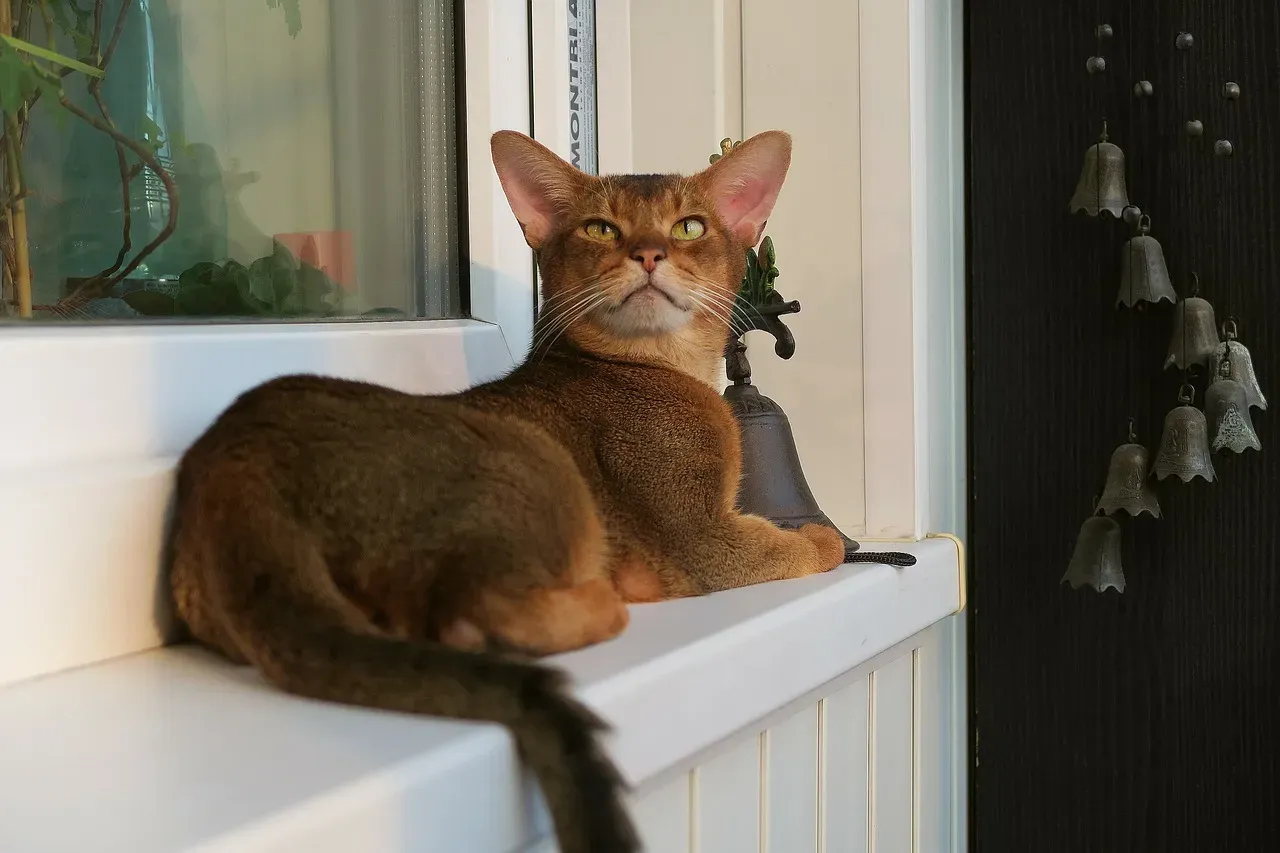
Abyssinians are playful, extroverted, energetic and highly intelligent, making them one of the top contenders for trainability. These gorgeous cats, with their ticked coats and expressive eyes, seem to thrive on interaction and mental challenges. Think of them as the valedictorians of the cat world.
Many of them can learn to walk on a leash and harness, and some can even do cat tricks. Their curiosity drives them to explore every corner of your home, and that same inquisitiveness translates beautifully into training sessions. Honestly, if you’re looking for a cat that’ll keep you on your toes and actually enjoy learning, the Abyssinian is a brilliant choice.
Siamese: The Social Scholar
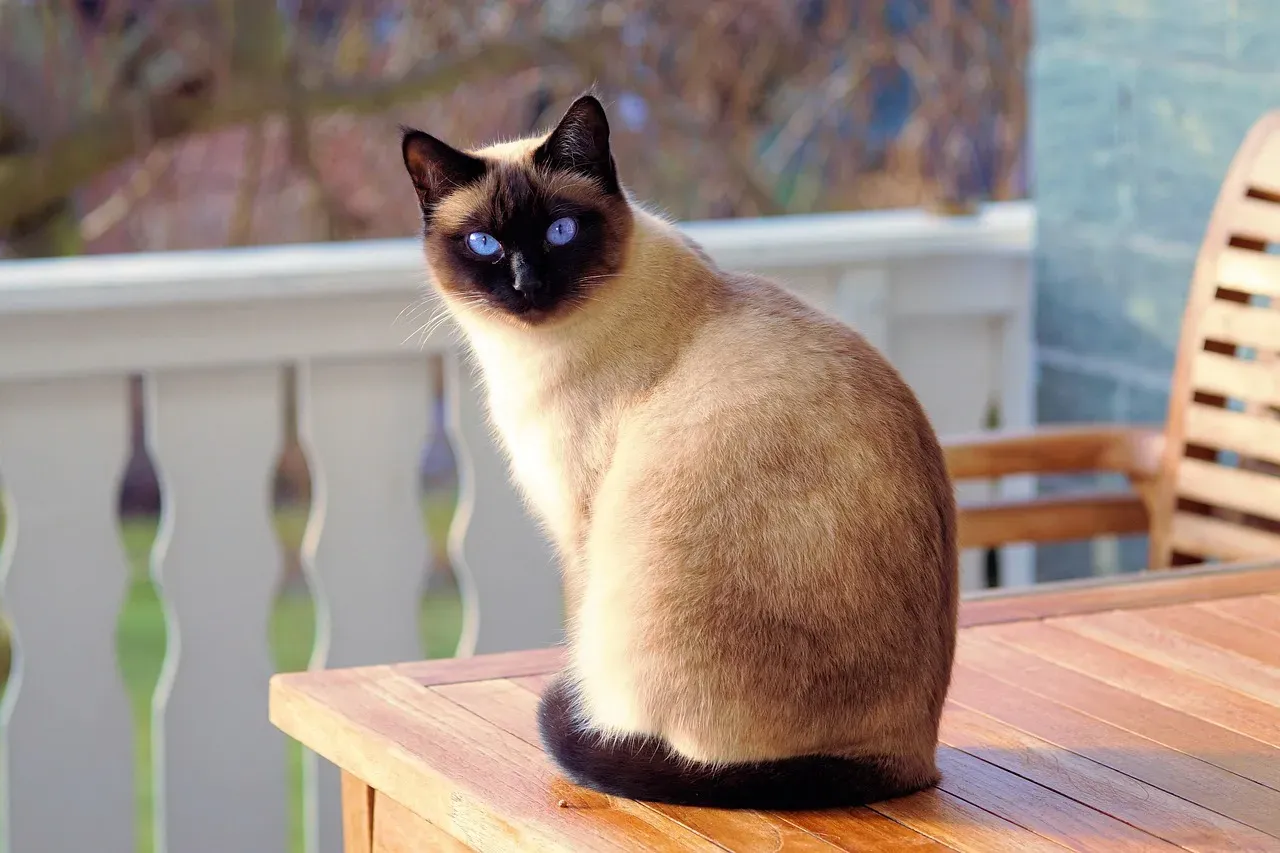
Siamese cats thrive on attention and want to be involved in everything you are doing, and will love the extra attention that comes with training. Their vocal nature means they’re constantly communicating with you, which actually makes training a bit more engaging. They’re not just learning commands, they’re having a full conversation about it.
These cats form deep bonds with their families and genuinely seem to enjoy pleasing their humans. Siamese cats are known for their curious nature, which makes them easy cats to train as they are always ready to learn something new. They might even surprise you by inventing tricks of their own. It’s hard to say for sure, but many owners swear their Siamese understands far more than they let on.
Bengal: The Playful Prodigy
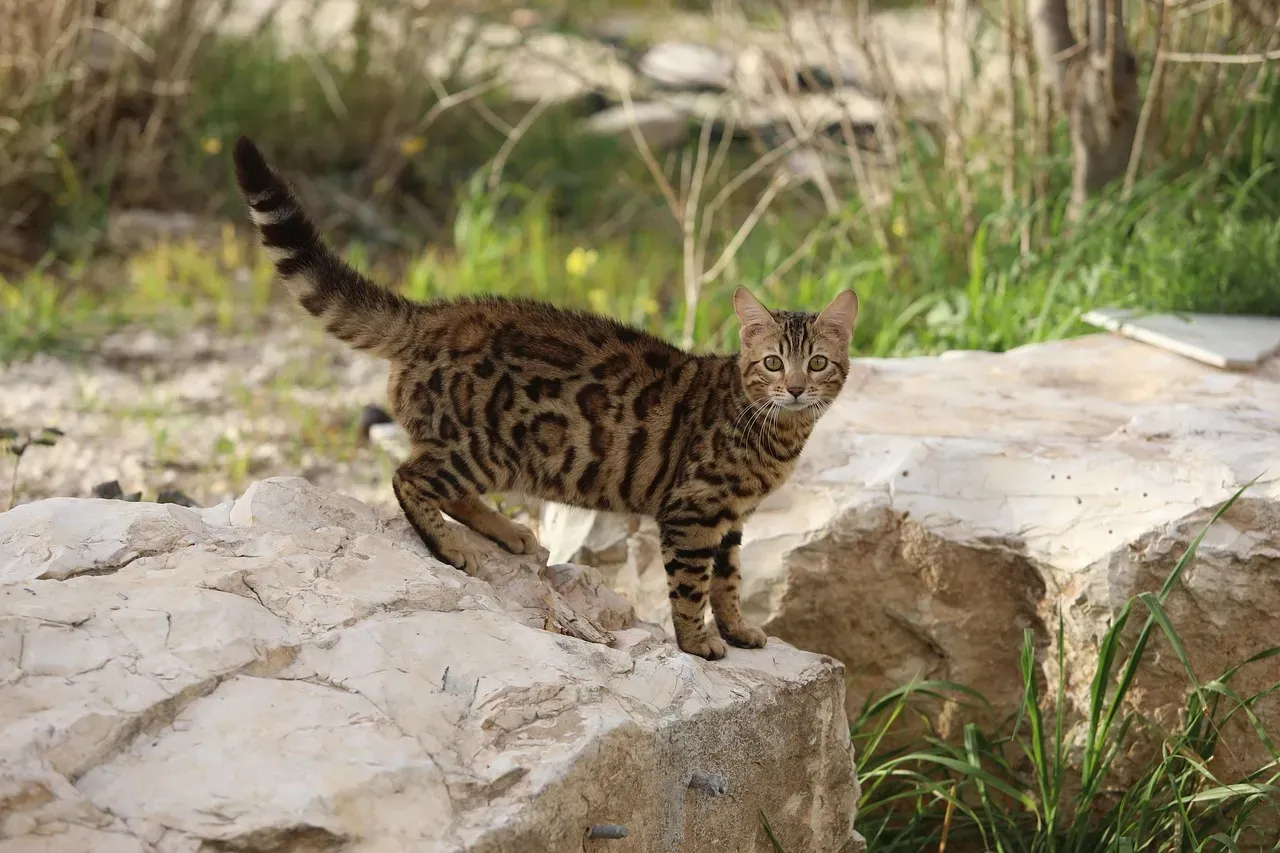
Bengals are among the most intelligent cat breeds, learn quickly, and have a doglike eagerness to please their people. With their wild, exotic appearance and boundless energy, Bengals are natural entertainers. They view training as another game, which makes the whole experience feel less like work and more like playtime.
The Bengal especially enjoys learning anything that resembles play. Their mischievous tendencies need an outlet, and training provides exactly that. If you don’t give them something constructive to focus on, they’ll find their own entertainment, and trust me, that might involve knocking your favorite vase off the counter.
Maine Coon: The Gentle Giant Scholar
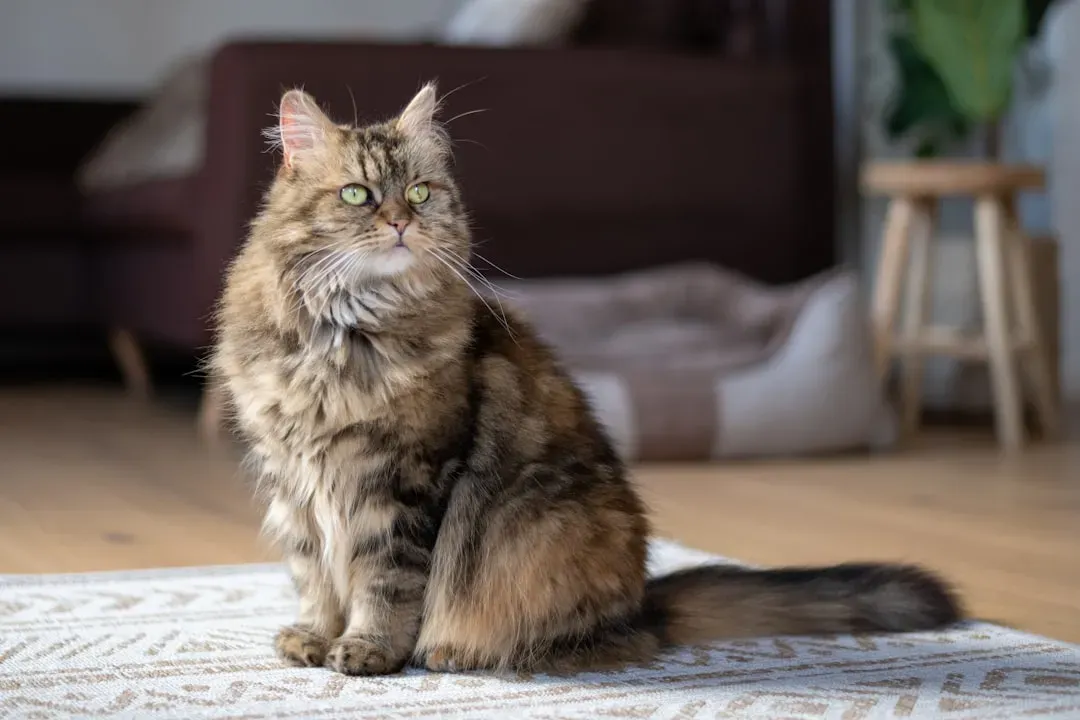
Maine Coons are calm, resilient, intelligent, and adaptable to many different situations and people, making them good for training, and they learn quickly. Despite their impressive size, these fluffy felines have the patience and temperament that makes training feel effortless. They’re like the quiet kid in class who aces every test without breaking a sweat.
Their laid back disposition means they’re not easily stressed by new experiences. Maine Coons can learn tricks, respond to commands, and even be leash-trained with relative ease. Kids can even join in on training sessions, making it a wonderful family activity.
Japanese Bobtail: The Energetic Achiever
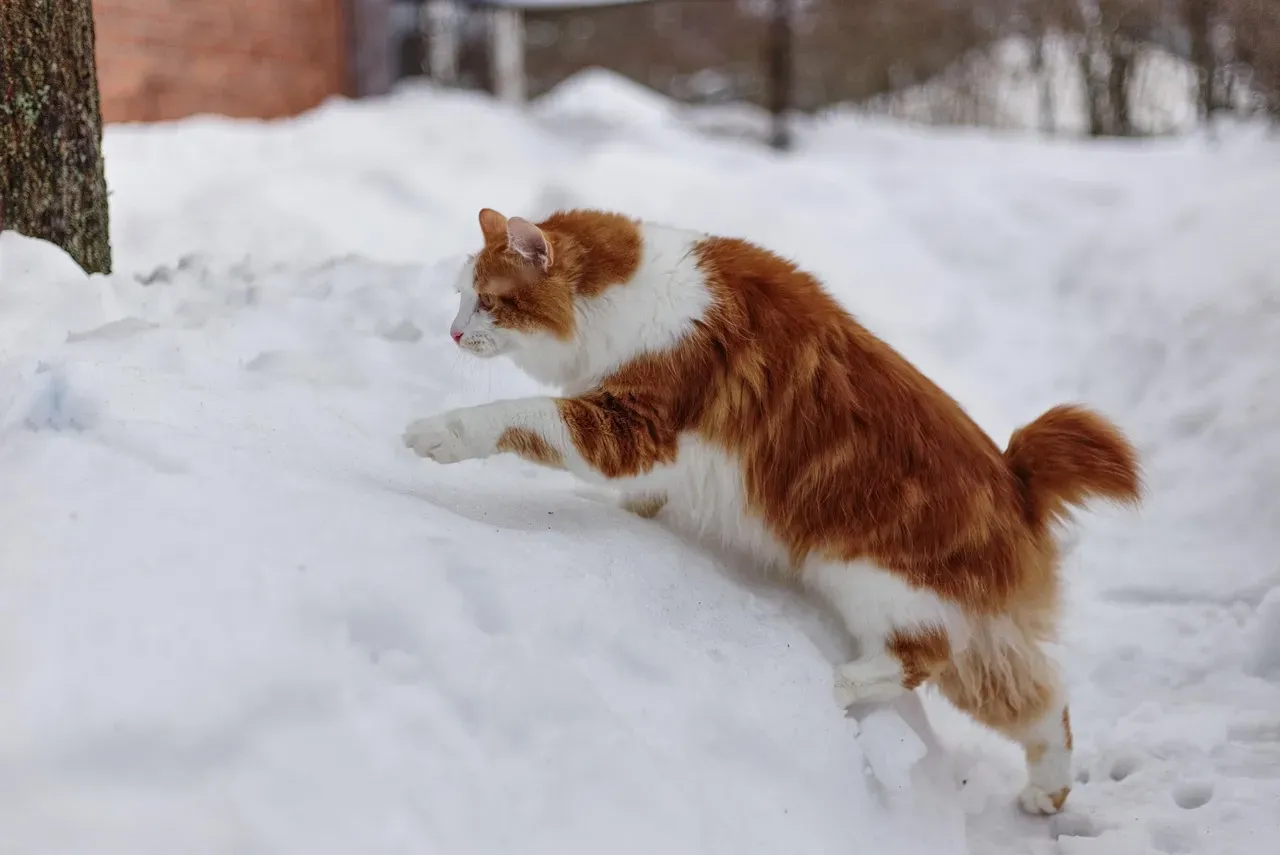
Japanese Bobtails are known to be smart and love attention from their families and strangers alike, and their high energy and love for interaction can be directed easily. These cats seem to operate on a completely different energy scale. Imagine a cat with endless enthusiasm for absolutely everything.
With some praise and rewards, these Bobtails are ideal companions for homes that thrive on quality time with their pets. Their boundless spirit means they need something to occupy them constantly, and training provides exactly that. Let’s be real, a bored Japanese Bobtail is a recipe for chaos.
American Shorthair: The Cooperative Companion
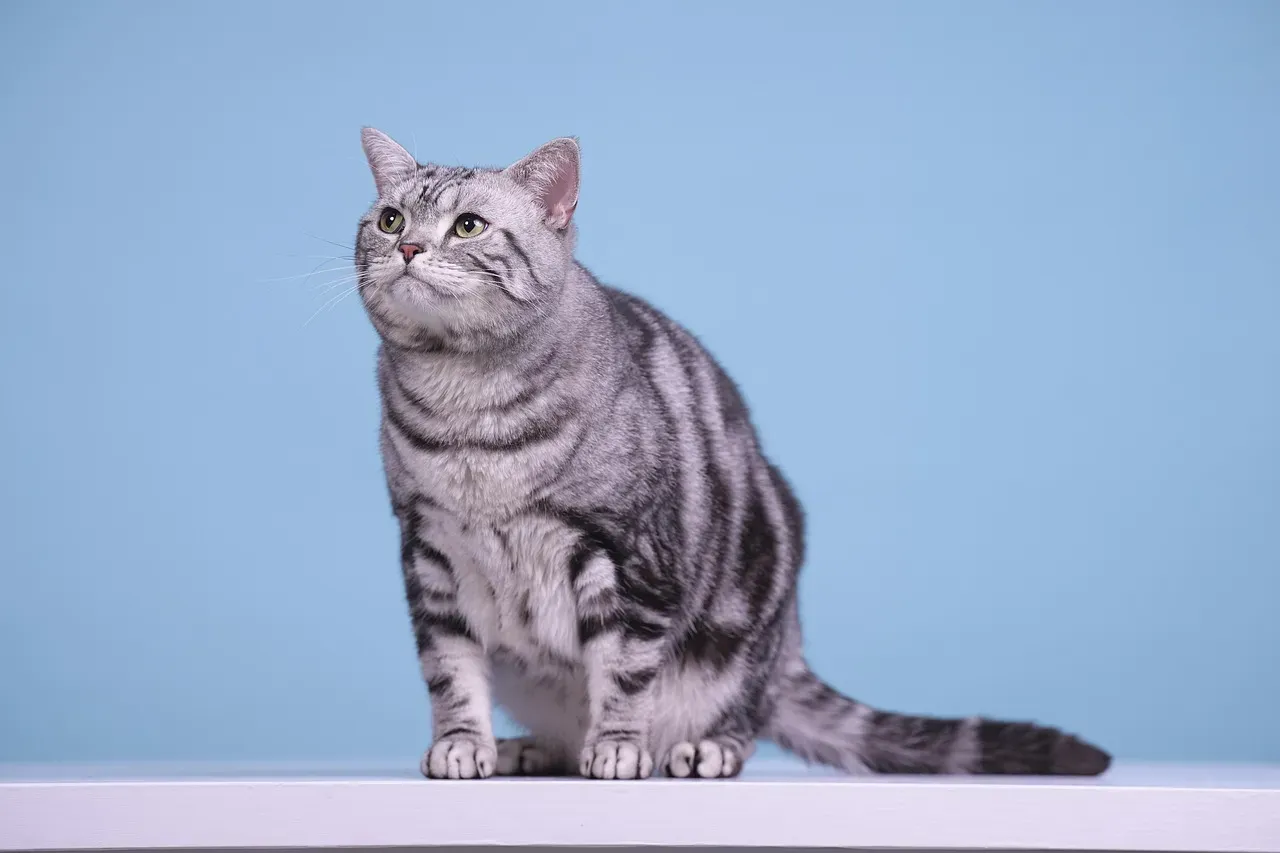
American Shorthairs have a calm, even demeanor that lends itself to learning, and their capacity for learning makes them ideal for acting and modeling roles. These all-American cats are the dependable, steady types who take instruction well. They don’t necessarily crave attention like Siamese cats, but they’re more than willing to cooperate when you initiate training.
Their easygoing nature means they adapt well to different training methods and environments. You won’t find them throwing tantrums or refusing to participate. They simply show up, do the work, and earn their treats like professionals.
Burmese: The Devoted Learner
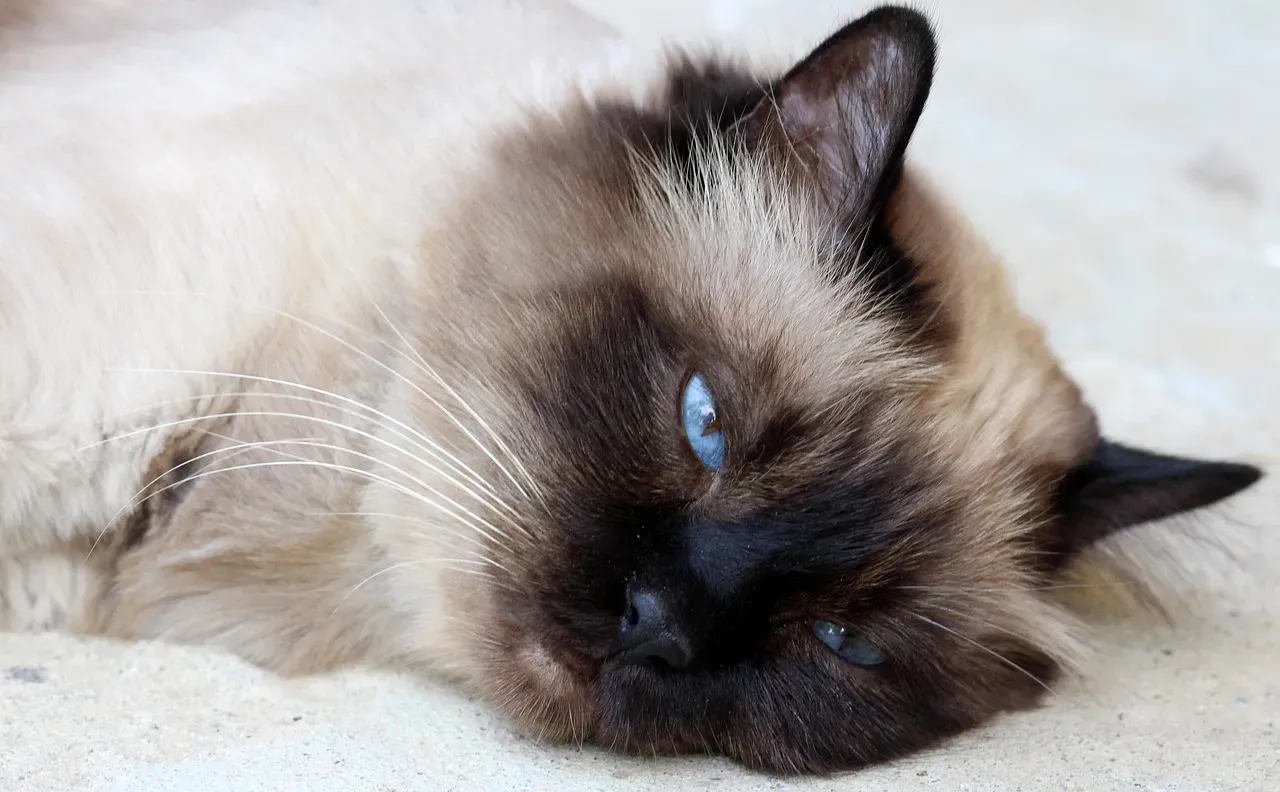
While not always on the official lists, Burmese are extremely devoted to humans and choose to spend most of their waking hours involved in their humans’ activities, making them extremely intelligent and trainable. They have this intense focus on their owners that’s almost dog-like in nature. Their attachment to people makes them naturally attentive during training sessions.
These cats pay attention in ways that many independent breeds simply don’t. They want to be part of your life, and that includes learning whatever you’re willing to teach them. The bond you form during training only strengthens their already fierce loyalty.
Tonkinese: The Affectionate Genius

Tonkinese show high intelligence and affectionate companionship, and excel at problem-solving with a reputation for learning basic words and phrases. As a cross between Siamese and Burmese, they inherit the best traits from both parents. They’re sociable, clever, and eager to interact with their humans in meaningful ways.
Their adaptability means they quickly pick up on household routines and expectations. Training a Tonkinese feels almost effortless because they’re genuinely interested in what you’re trying to communicate. They might even anticipate your next move before you make it.
Persian: The Relaxed Ruler
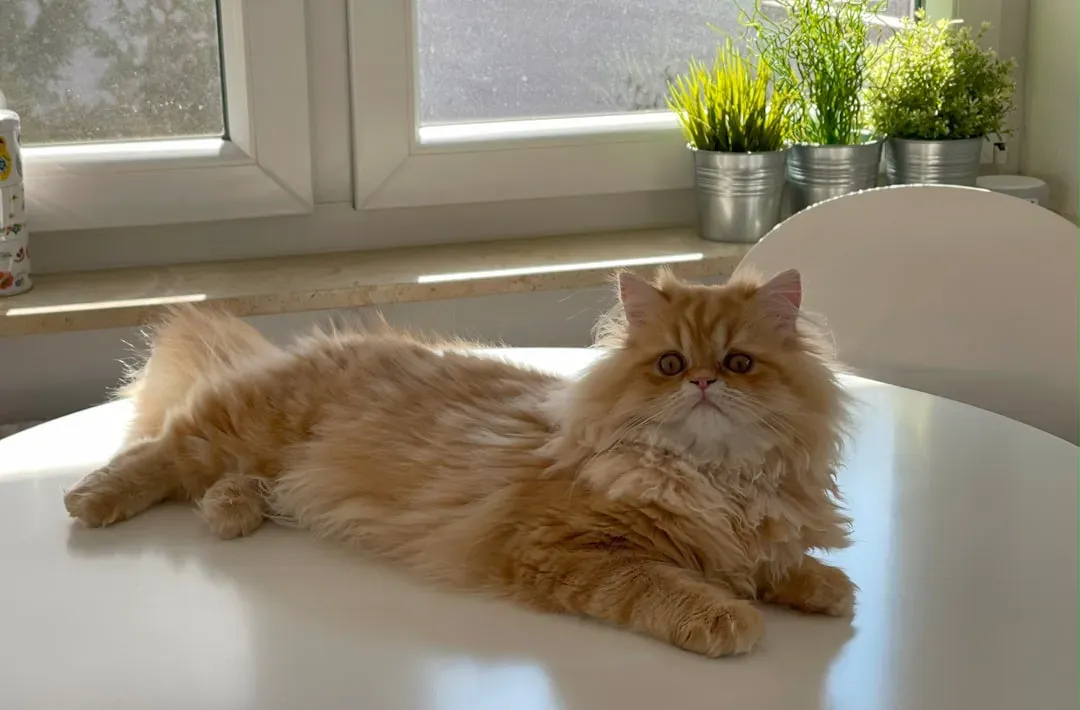
Persians can be affectionate and good companions, but they are incredibly difficult to motivate, constantly ignoring their owners. These luxurious, fluffy cats have a more laid-back approach to life. Training? That sounds like effort, and Persians would much rather spend their time grooming their magnificent coats.
Getting a Persian cat to listen to their owner will be incredibly difficult unless training starts when they are kittens. Their independent streak isn’t mean-spirited, they simply have priorities that don’t always align with yours. You can try all the treats in the world, but a Persian will participate only if they feel like it.
Himalayan: The Stubborn Sweetheart
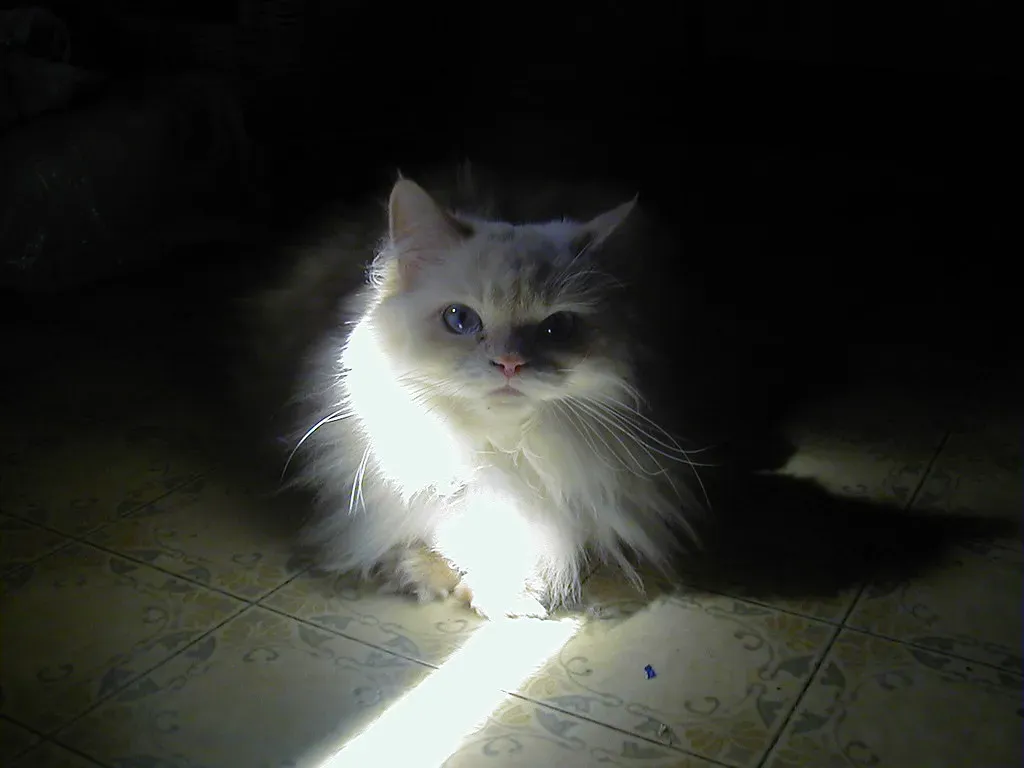
Himalayans are incredibly stubborn animals with loving hearts, and the breed is highly intelligent in most categories but frequently dismisses their owners’ commands. These beautiful cats are problem solvers when it comes to their own needs, but convincing them to care about your training goals is another story entirely.
Despite proving capable of problem solving, they prefer to wait for their owners to solve their problems for them. It’s not that they can’t learn, it’s that they’ve decided not to. Himalayans have mastered the art of selective hearing, especially when your commands interfere with their nap schedule.
Russian Blue: The Reserved Observer
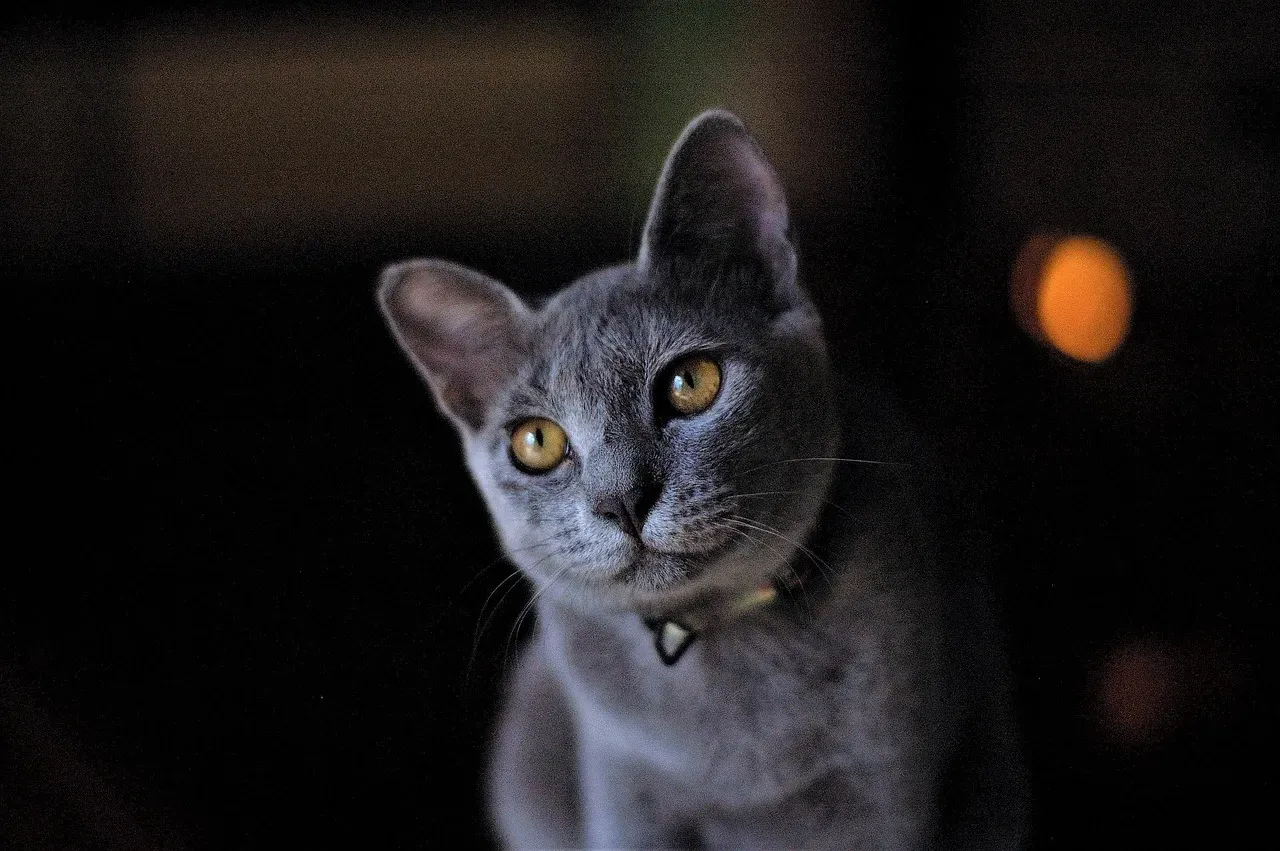
Russian Blues may refuse to come out from under the bed on a whim, and become stubborn when you try to change up routine or invite new people over. These elegant cats prefer watching from the sidelines rather than participating in whatever training activity you’ve planned. They’re not unfriendly, just incredibly particular about their comfort zones.
Russian Blues are observant and persistent, needing plenty of alone time. Training disrupts their carefully maintained routine, and they’re not fans of disruption. You might succeed occasionally, but don’t expect consistent cooperation from this cautious breed.
Scottish Fold: The Selective Listener
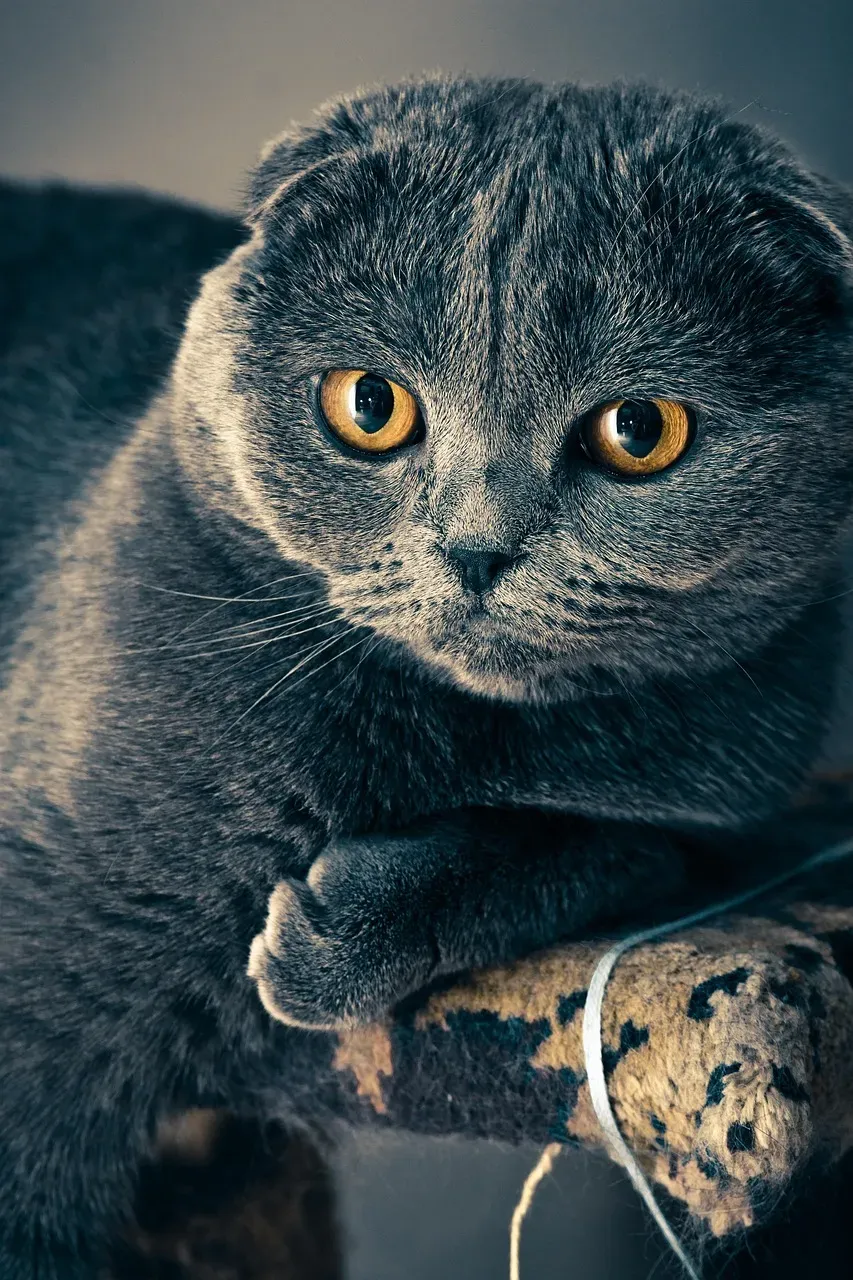
Scottish fold owners debate whether the breed has trouble hearing or prefers to just ignore their owners, and veterinarians indicate Scottish folds have good hearing, making it likely the breed is stubborn. Those adorable folded ears might make them look innocent, but don’t be fooled. They hear you just fine, they’re simply choosing not to respond.
Their observant nature means they’re always assessing their surroundings, but that doesn’t translate into obedience. Scottish Folds have their own agenda, and your training plans rarely factor into it.
Devon Rex: The Food-Motivated Manipulator
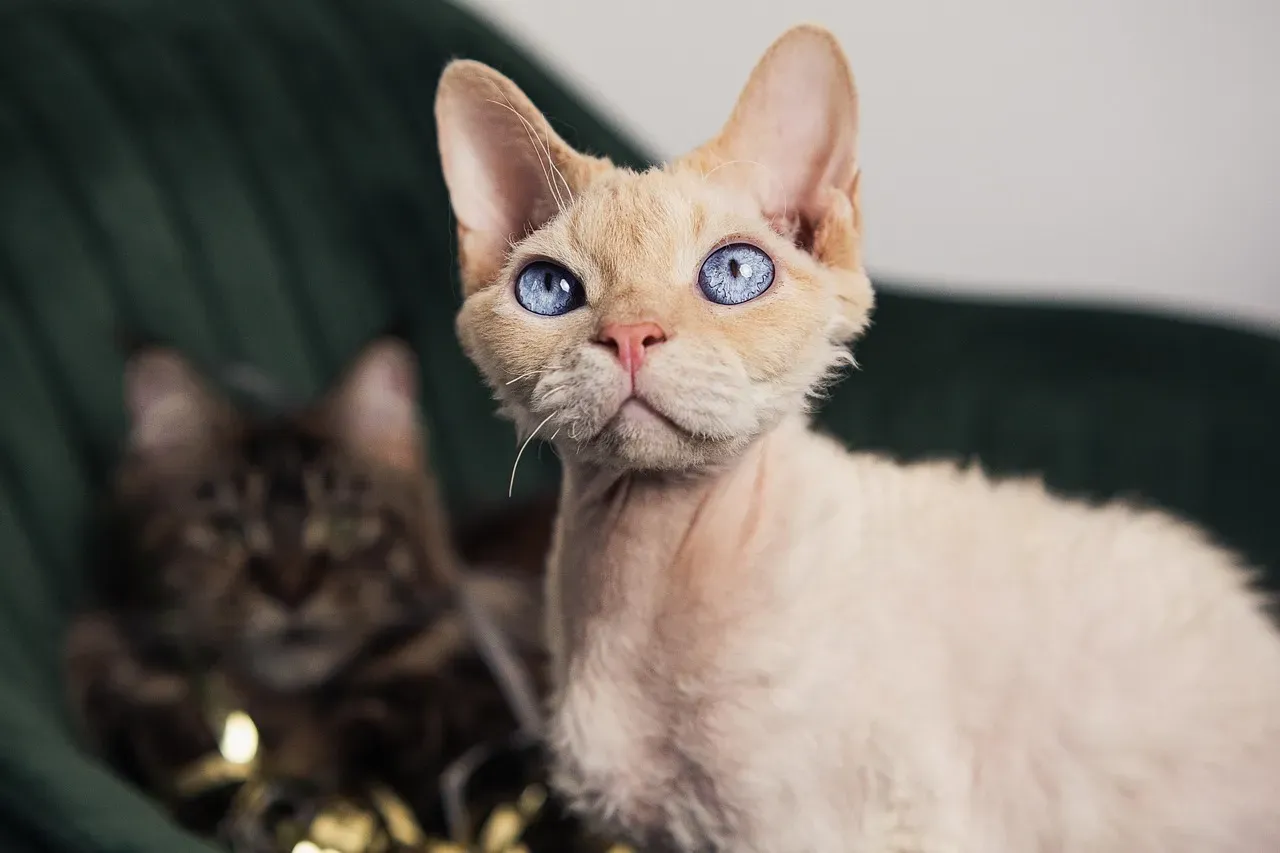
Devon Rex are known for begging for food off your dinner plate and meowing at you as though you’ve neglected their appetites completely, trying to wear you down with their big, pleading eyes. These cats are clever, there’s no doubt about that. The problem is they use their intelligence to train you rather than the other way around.
Their intense devotion can work against training efforts because they want what they want immediately. Delayed gratification isn’t in their vocabulary. You’ll spend more time negotiating with a Devon Rex than actually teaching them anything useful.
Balinese: The Demanding Diva
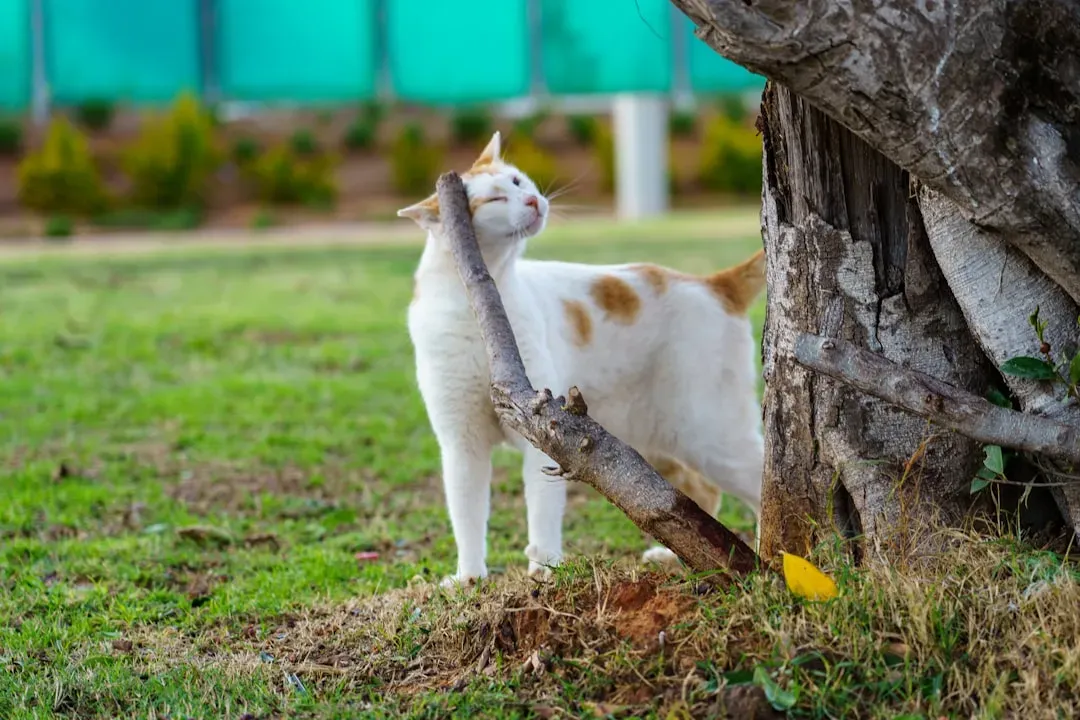
Balinese will follow you everywhere and make sure you know where they are at all times, and leaving a Balinese alone too long isn’t wise. These cats demand constant attention and interaction, but on their terms. They’re emotionally intelligent and deeply attached to their owners, yet that doesn’t mean they’ll cooperate during structured training.
Their insistence on being involved in everything can actually make training harder. They’re so focused on getting your attention that they might completely ignore whatever command you’re trying to teach. They love you intensely, but they’re not particularly interested in following your rules.
Chausie: The Wild Adventurer
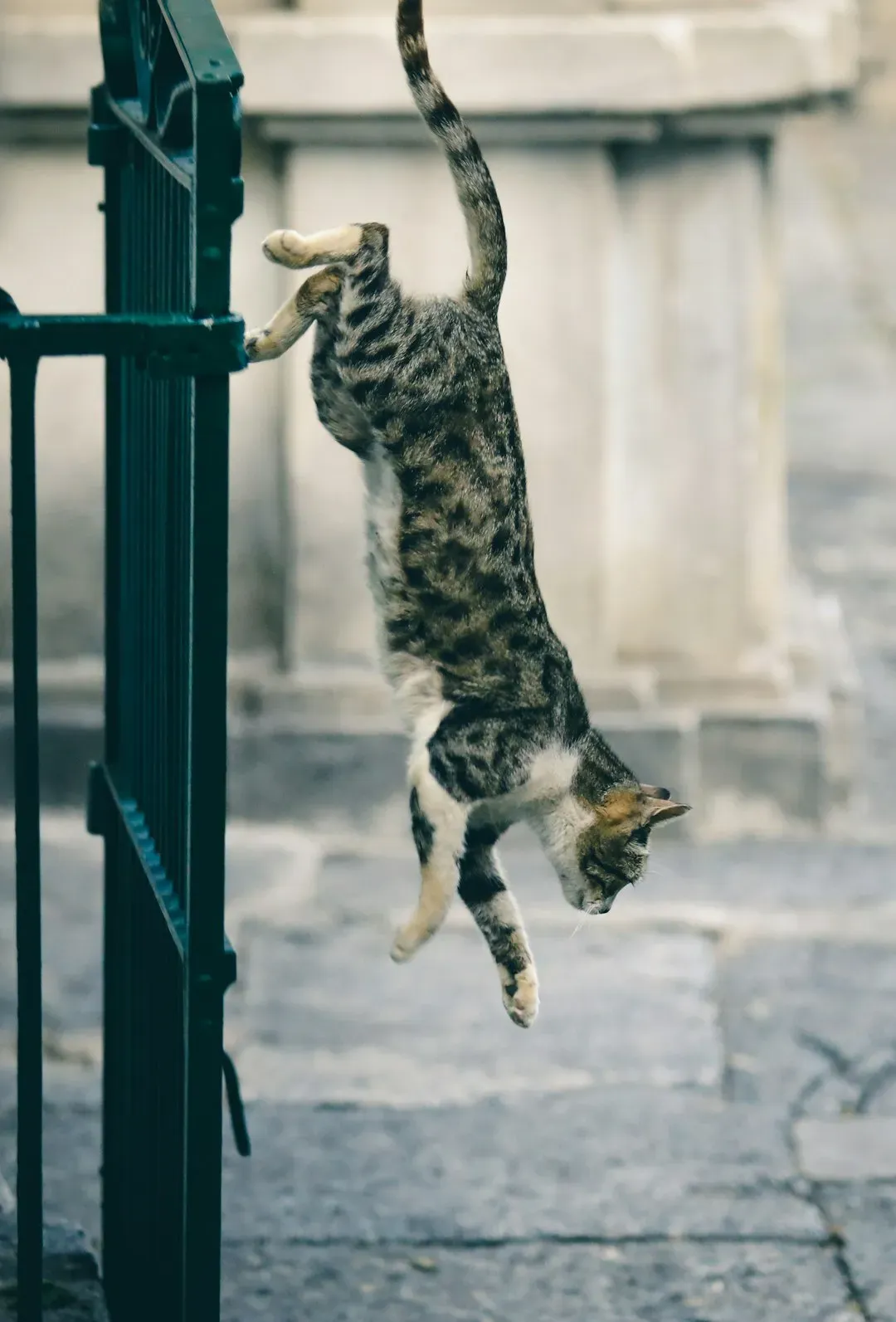
Chausies will take over tables, shelves, and small spaces, and these curious adventure seekers won’t give up until they’ve seen it all. These large, athletic cats retain strong wild instincts that make traditional training methods feel pointless. They’re intelligent but completely uninterested in performing tricks for your amusement.
Their incredible jumping ability and vocal nature mean they’re always exploring new territories. Training requires their cooperation, and Chausies would much rather explore that high shelf you thought was unreachable. Good luck redirecting that energy into obedience.
Norwegian Forest Cat: The Independent Explorer
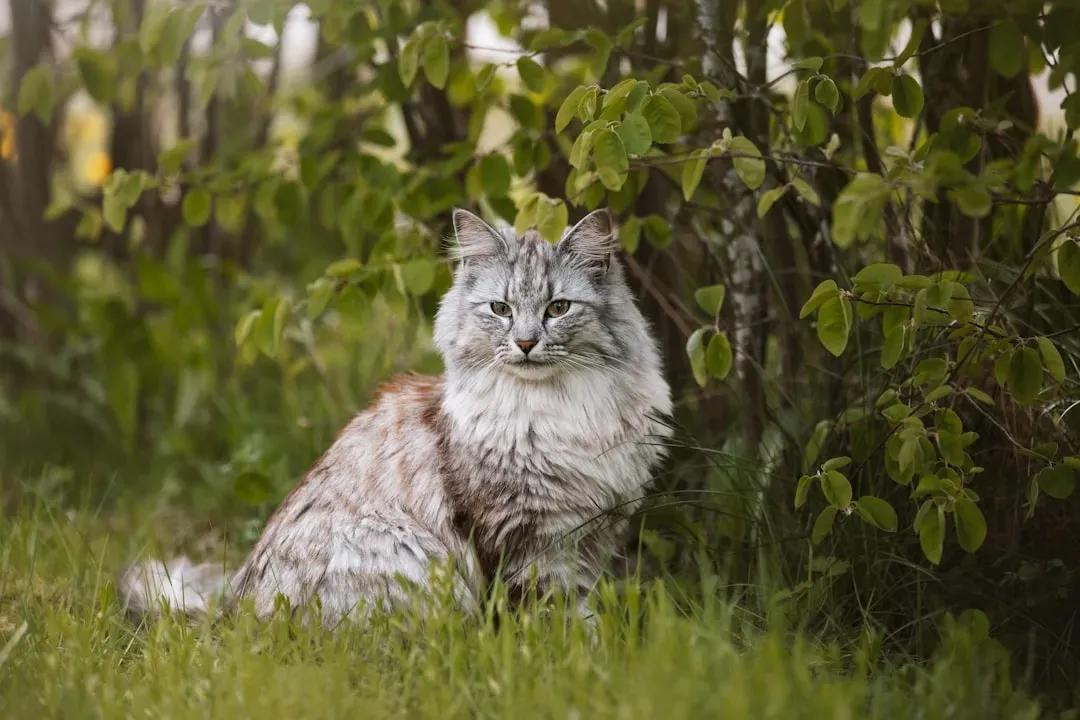
Norwegian Forest Cats are known for their independent streak and may be less inclined to grasp training exercises. These majestic cats were bred to survive harsh Scandinavian climates, developing a fierce self-sufficiency that persists today. They’re perfectly capable of understanding what you want, they just don’t see the point in complying.
Their independent nature means they’d rather figure things out on their own terms. Training feels unnecessary to a breed that’s been solving problems without human intervention for centuries. They’ll tolerate your attempts, but don’t expect enthusiasm or consistent results.
Conclusion
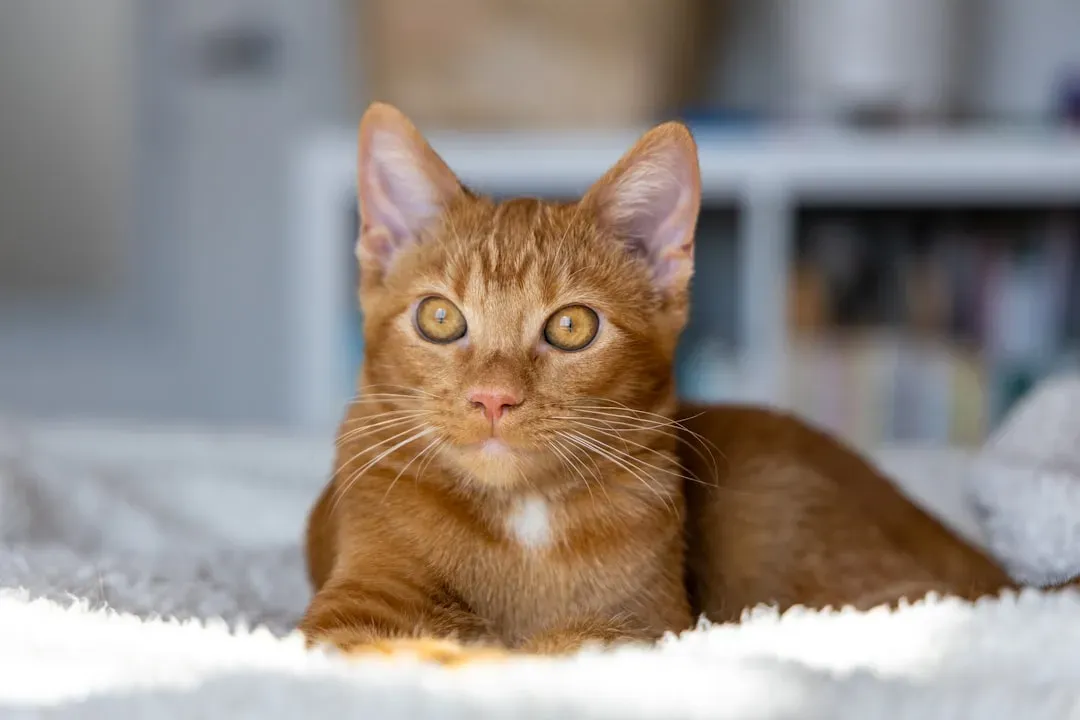
Training a cat ultimately depends on the individual animal’s personality, but breed characteristics certainly play a significant role. The eager learners like Abyssinians and Siamese approach training as an opportunity for bonding and mental stimulation, making the process rewarding for everyone involved. Meanwhile, the independent thinkers like Persians and Norwegian Forest Cats remind us that not every cat is interested in our human expectations.
Whether you end up with a feline Einstein or a stubborn ruler, understanding your cat’s natural tendencies helps you appreciate their unique personality. The most trainable cat in the world is ultimately the one you love spending time with, tricks or no tricks. What’s your cat’s training style? Are they eager students or independent spirits? Share your experiences in the comments below!
