
Ask a room full of cat owners whether their pet follows them from room to room, and a few hands will go up fast. Some of those cats greet people at the door, trot along on walks, or park themselves in a lap the moment someone sits down. It doesn’t match the aloof stereotype, does it?
Certain breeds have earned a reputation for exactly this kind of devotion. Nobody can promise how an individual cat will behave, since personality varies a lot even within a litter. Still, these eight breeds come up again and again when people talk about cats that act a bit like dogs.
Ragdoll: The Floppy Lap Companion
🔥 Would you like to save this?
We'll email this post to you, so you can come back to it later!
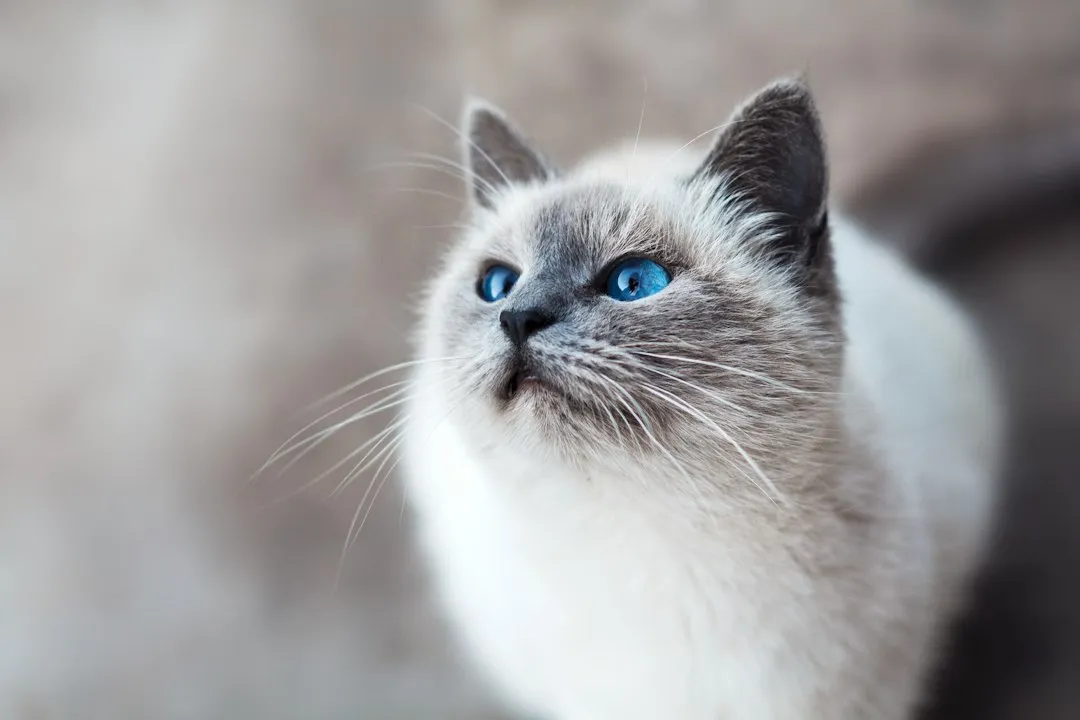
Ragdolls are famous for going limp when picked up, which is where the name comes from. They’re large, semi-longhaired cats with blue eyes and a mellow temperament. Many owners describe them as shadows that settle wherever the family is.
They tend to greet people at the door and often follow their humans around the house. They aren’t usually demanding or loud about it, though. If you want a calm companion who simply wants to be near you, this breed is a common recommendation.
Maine Coon: The Gentle Giant With a Big Heart
🔥 Would you like to save this?
We'll email this post to you, so you can come back to it later!
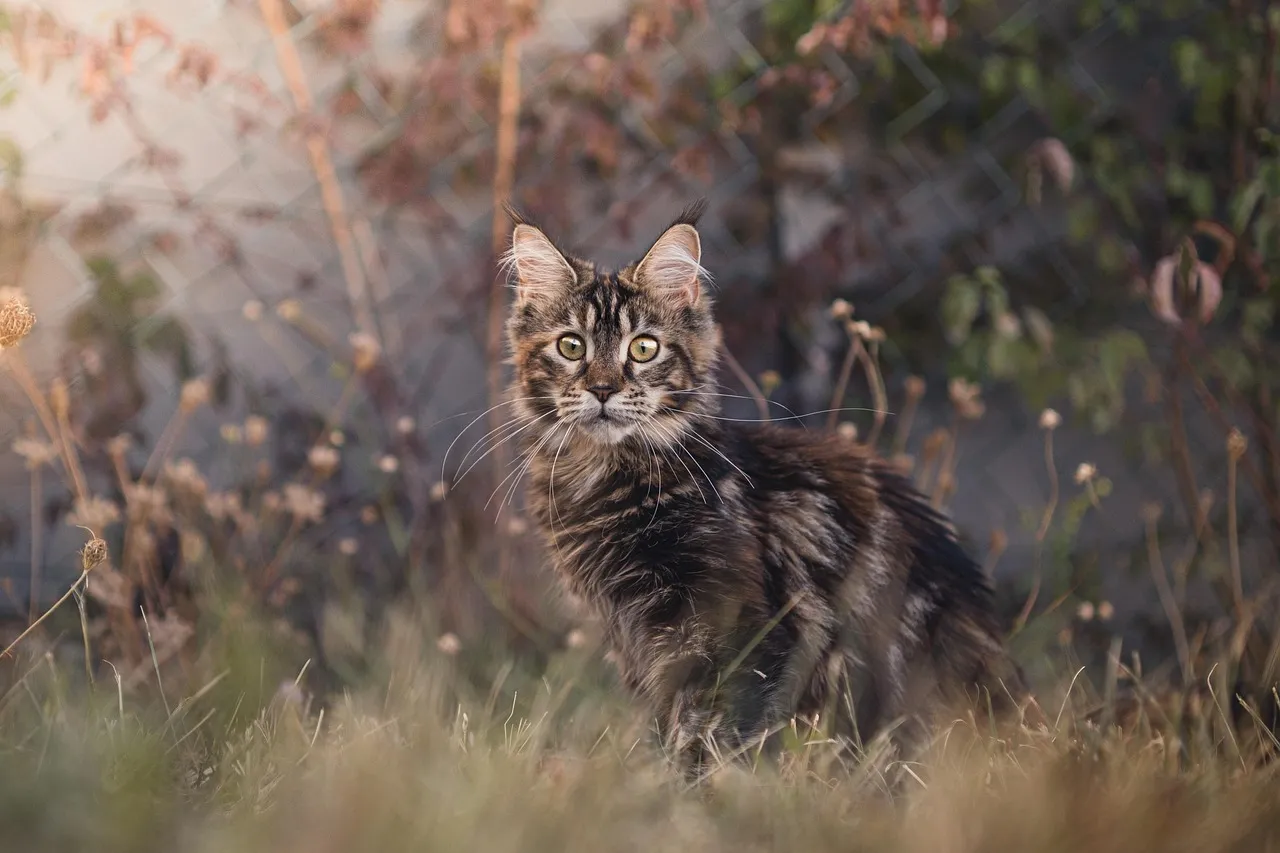
Maine Coons are among the largest domestic cat breeds, yet they’re widely described as friendly and easygoing. They’re social cats that often like being part of whatever’s going on at home. Plenty of owners say they’ll trail along from kitchen to bedroom without being asked.
They’re also known for a soft, chirpy voice that doesn’t match their size. Many enjoy interactive play and some can learn to fetch. Their thick coats need regular brushing, so the affection comes with a grooming routine.
Siamese: The Talker Who Wants to Be Involved
🔥 Would you like to save this?
We'll email this post to you, so you can come back to it later!
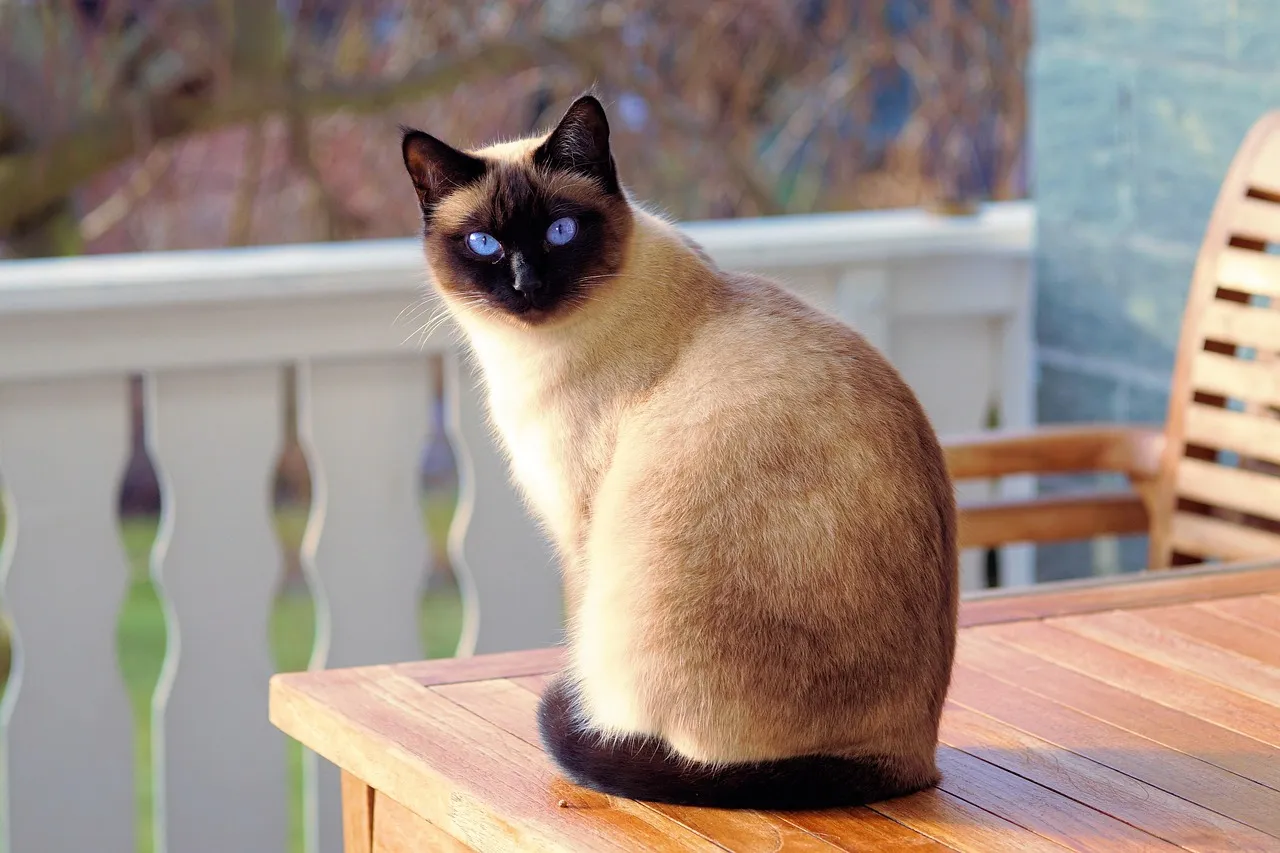
Siamese cats are vocal, attention loving, and famously people focused. They’ll often comment on your day in a loud, distinctive voice. Owners frequently say a Siamese expects to take part in every household activity.
That devotion has a flip side. They generally don’t enjoy long stretches alone and can get bored or fretful without company. A second pet or plenty of interaction usually helps keep them content.
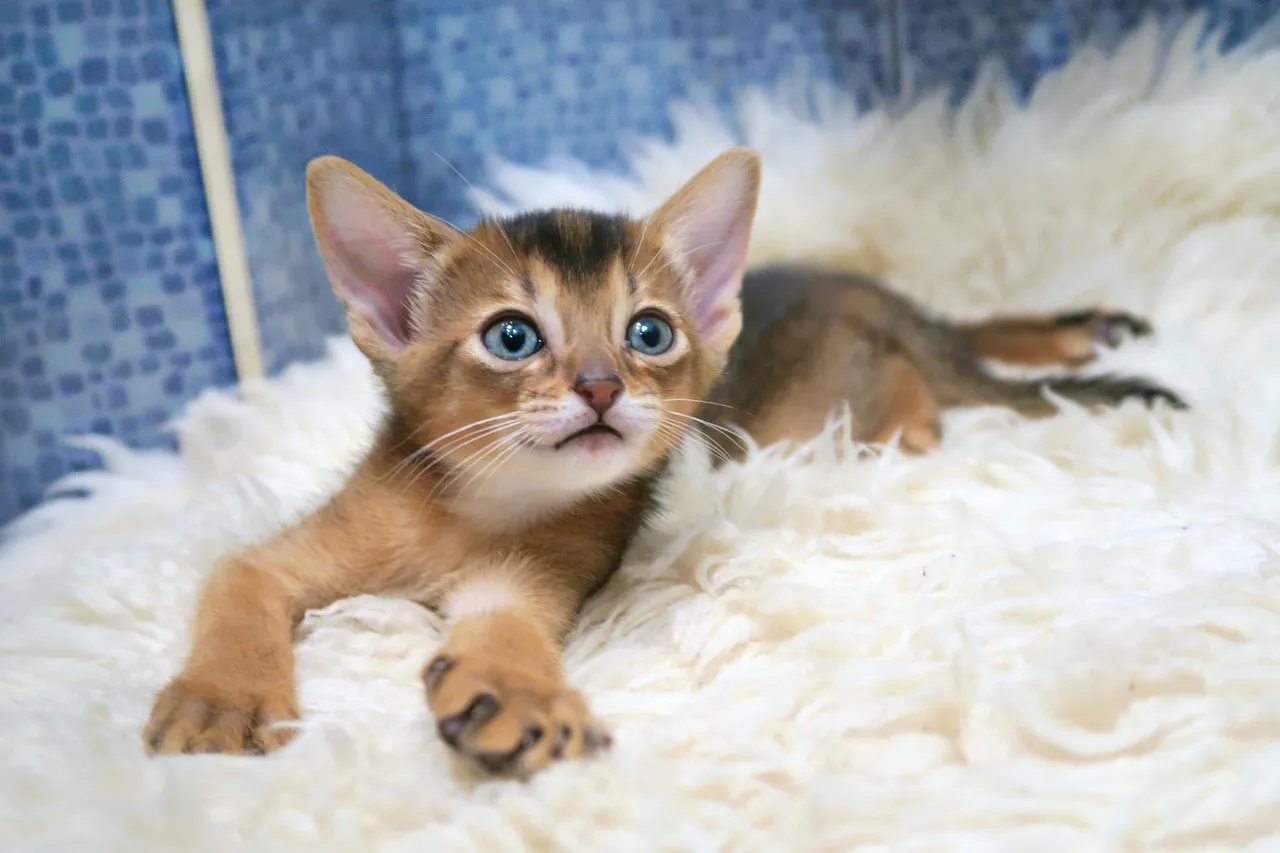
Abyssinian: The Active Sidekick
🔥 Would you like to save this?
We'll email this post to you, so you can come back to it later!
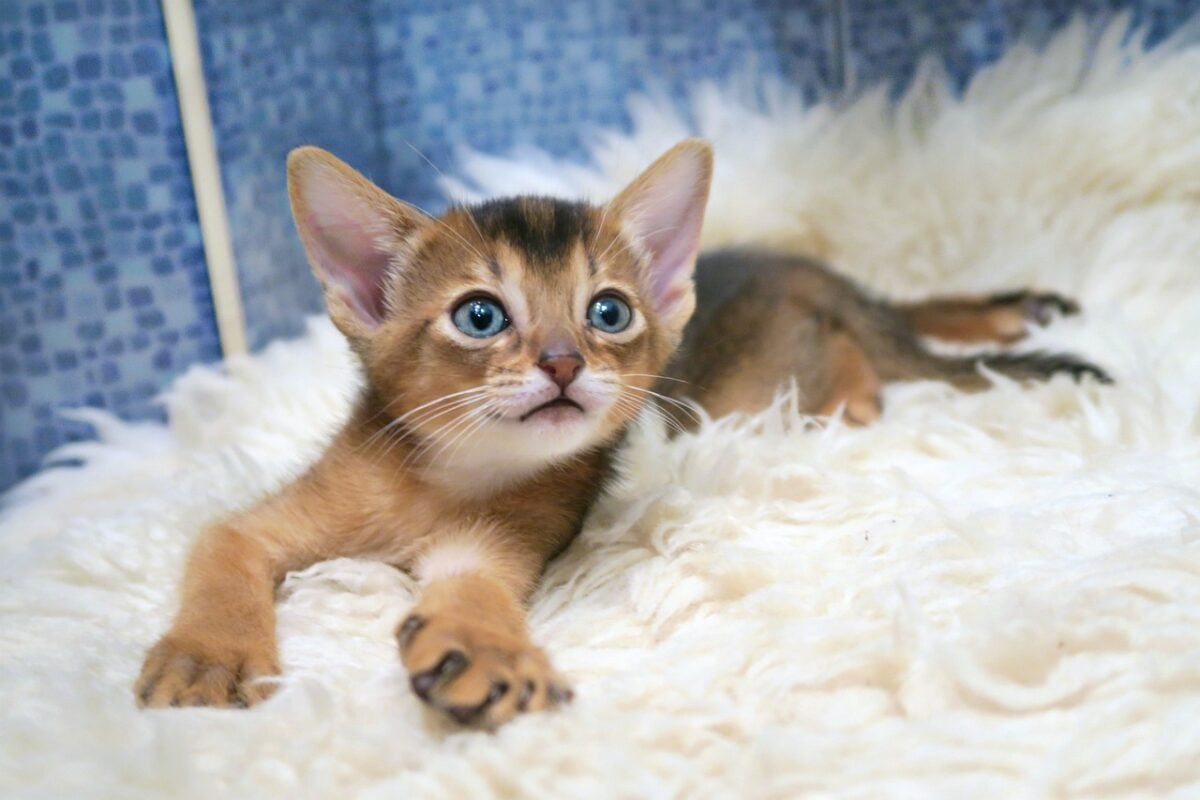
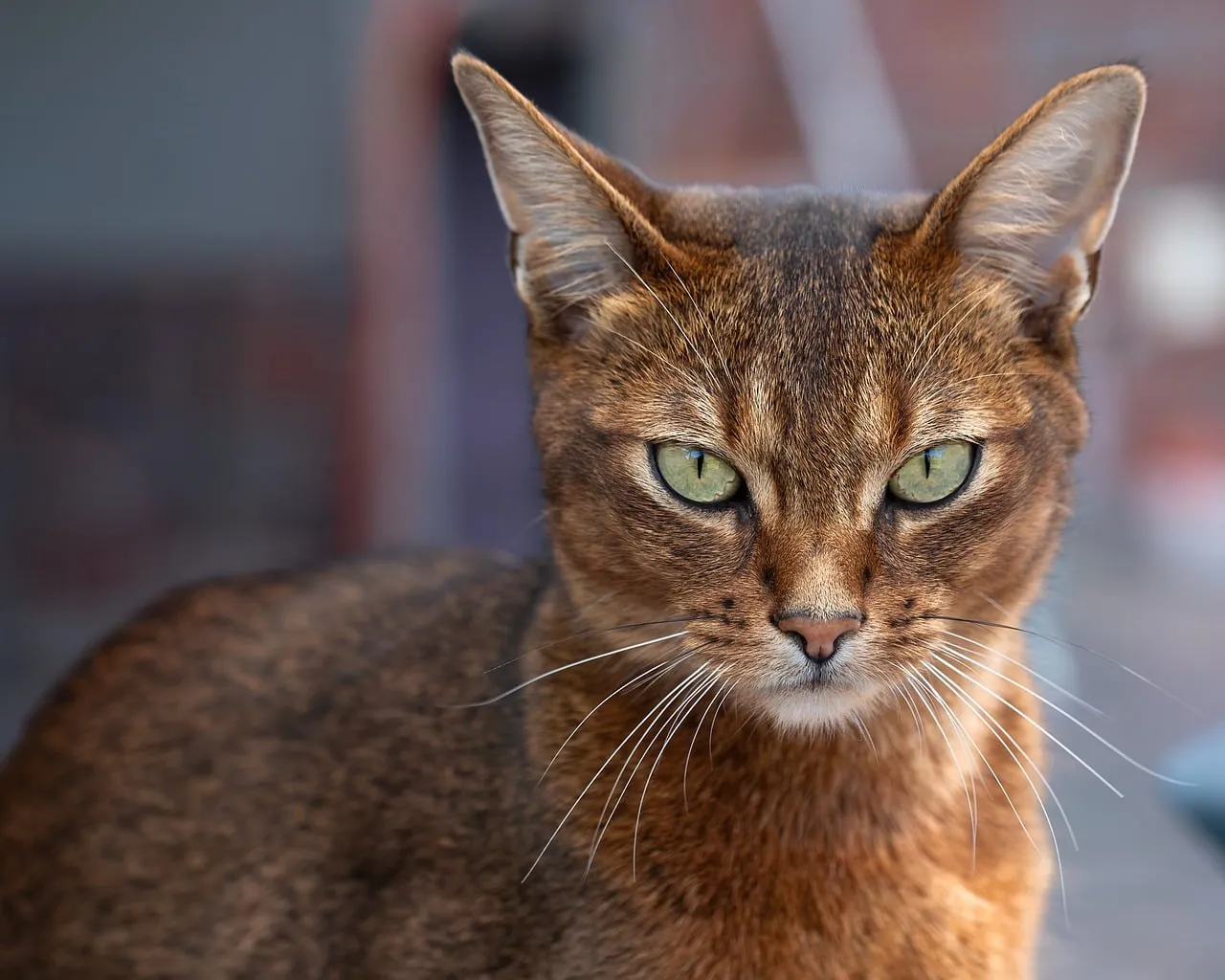
Abyssinians are lean, athletic cats with a ticked, sleek coat and endless curiosity. They’re known for being energetic and very engaged with their people. Rather than lounging nearby, they prefer to be involved, climbing, investigating, and supervising.
Their loyalty shows up as constant participation more than quiet cuddling. Puzzle toys, tall perches, and daily play are worth planning for. An under stimulated Abyssinian can find its own entertainment, and you may not like the results.
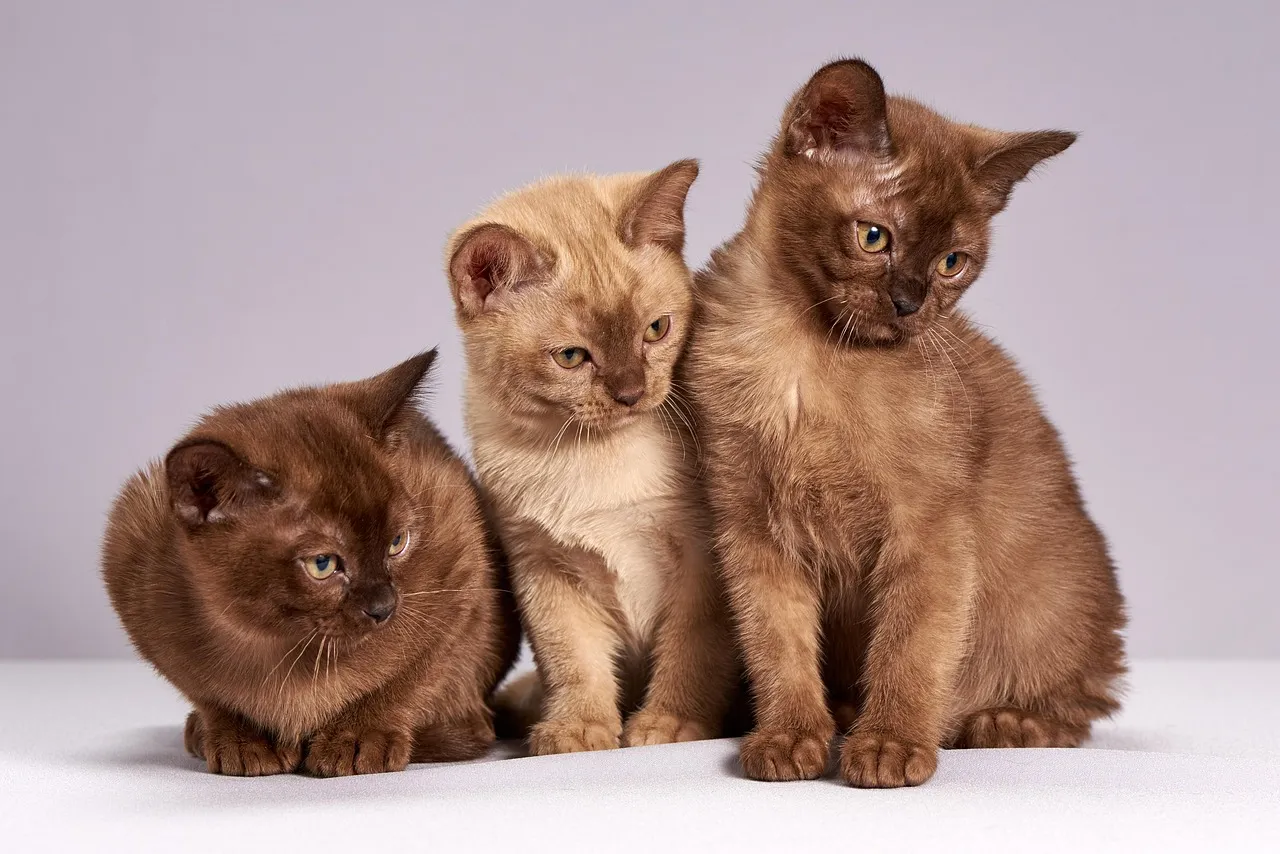
Burmese: The Velvet Shadow
🔥 Would you like to save this?
We'll email this post to you, so you can come back to it later!
Burmese cats have a reputation for being affectionate, people oriented, and quite clingy in the best sense. Many are happy to sit on a lap, sleep close by, or follow you around. They’re often described as playful well into adulthood.
They’re also sturdy for their size, which surprises some first time owners. They do best in homes where someone is around a good deal of the time. Leave one alone all day and it will probably let you know how it feels.
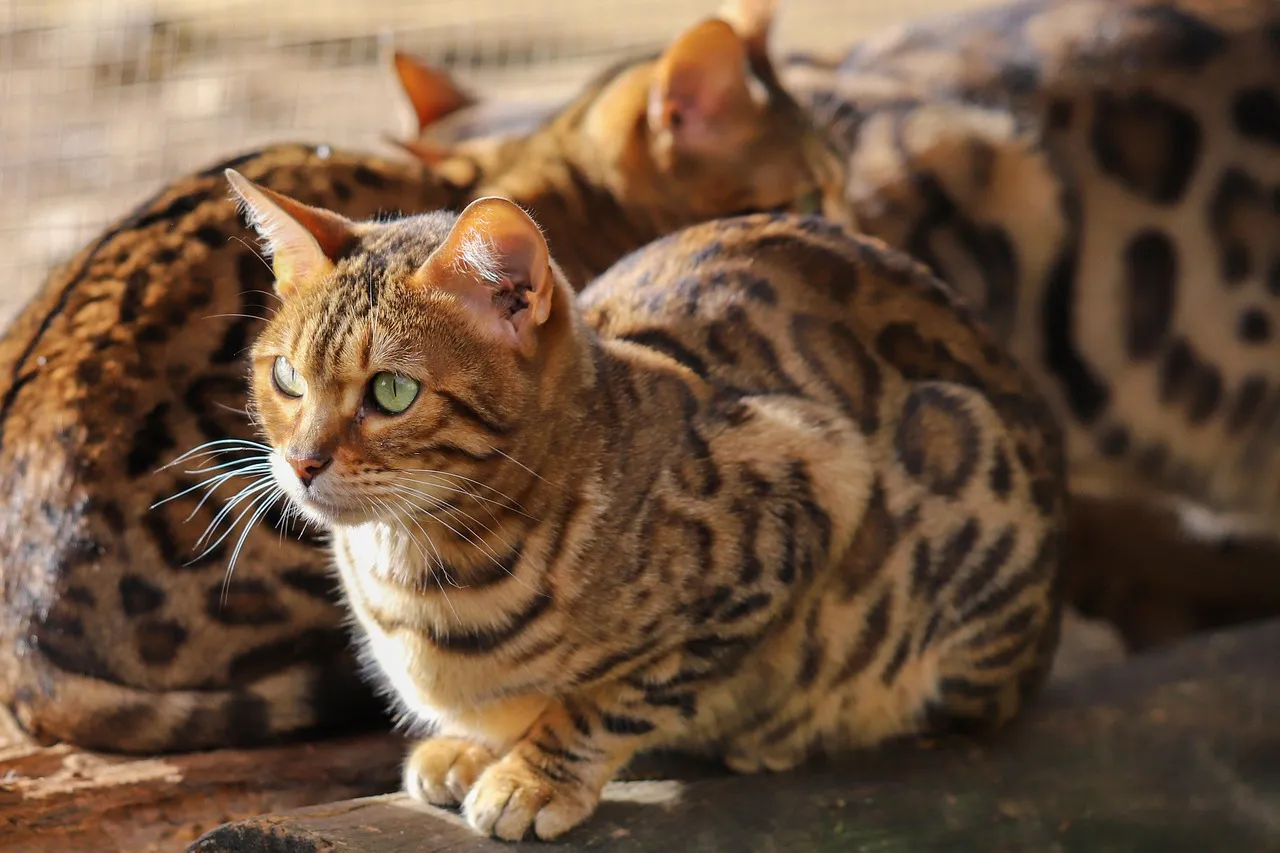
Bengal: The Adventurous Partner in Crime
🔥 Would you like to save this?
We'll email this post to you, so you can come back to it later!
Bengals are energetic, intelligent cats with wild looking coats, and many enjoy water, climbing, and games that involve problem solving. Some owners train them to walk on a harness or play fetch. That eagerness to join in is a big part of why people compare them to dogs.
Their loyalty often looks like persistent teamwork. They want to be where you are and doing something. This isn’t a breed for people wanting a low key pet, since boredom can lead to chaos around the house.
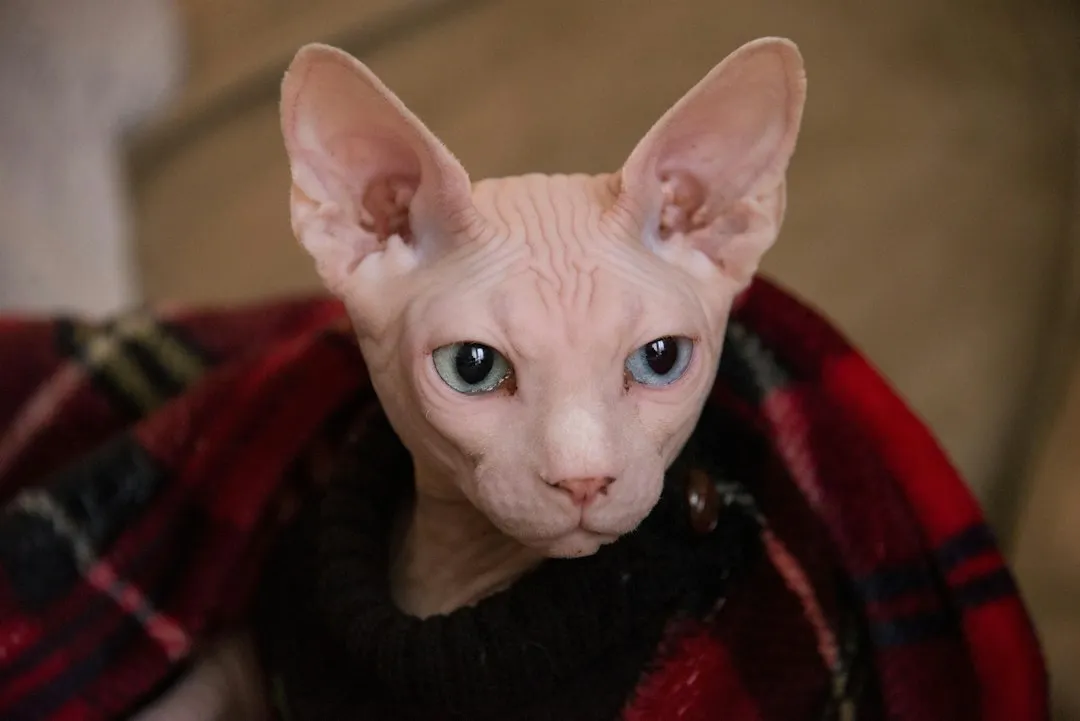
Sphynx: The Warm Cuddle Seeker
🔥 Would you like to save this?
We'll email this post to you, so you can come back to it later!
Sphynx cats are hairless, and they’re often described as outgoing and highly affectionate. Many seek out warm spots, which frequently means your lap or your blankets. They tend to greet visitors with real enthusiasm and love attention.
Their care needs are different from most cats. Without fur to absorb skin oils, they usually need regular bathing, and they can get cold easily. For the right owner, that extra effort is part of the bond.
Manx: The Playful Homebody
🔥 Would you like to save this?
We'll email this post to you, so you can come back to it later!
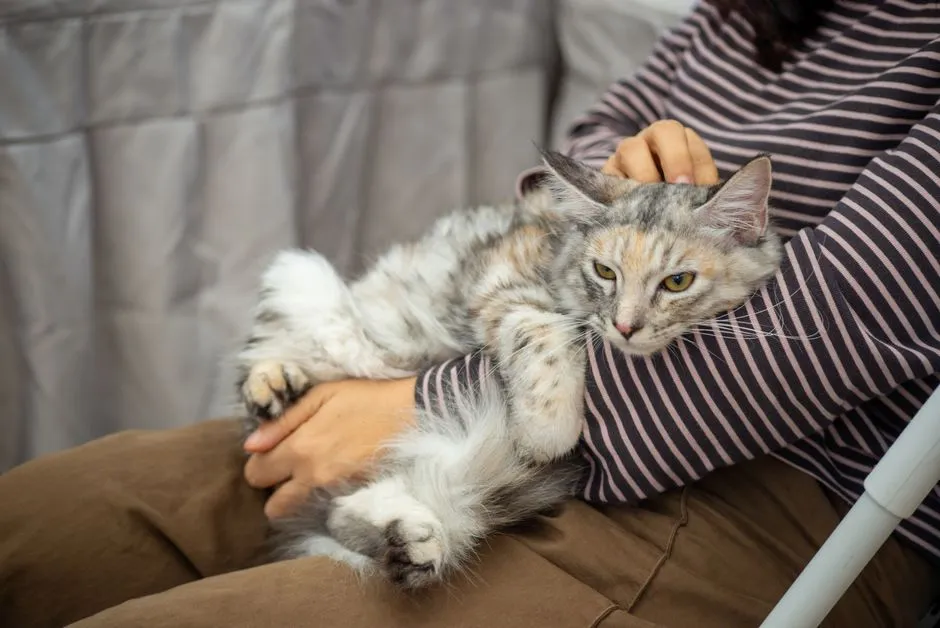
Manx cats, best known for being tailless or having a very short tail, are often called loyal and social. Owners describe them as attached to their families and eager to play. Some are known to fetch or follow people around the house.
They’re also said to be good hunters with a strong sense of fun. Because the gene behind their short tails can be linked to spinal health issues, it’s worth choosing a responsible breeder and talking with a vet. Their devotion is lovely, but health deserves attention too.
Final Thoughts
🔥 Would you like to save this?
We'll email this post to you, so you can come back to it later!
Here’s my take: breed gives you odds, not guarantees. A well socialized cat from a shelter can be just as clingy and loyal as any pedigreed one, and some purebreds couldn’t care less about you.
If you want a dog-like cat, meet the individual animal, spend time with it, and ask how it behaves around people. Loyalty is built daily, with play, patience, and presence. Pick the cat that picks you, and the breed label becomes a footnote.

- 7 Everyday Habits That Can Make Your Senior Dog Happier - November 5, 2026
- 10 Enigmatic Structures That Continue to Puzzle Scientists Today - November 5, 2026
- 10 Strange Ruins in the Americas That Challenge What We Know About Early History - November 5, 2026