

Most people think they know raccoons well enough. They’re the masked bandits raiding your trash on a Tuesday night, right? Probably rabid. Definitely solitary. Almost certainly just dumb opportunists who got lucky near a garbage can.
The reality is considerably more interesting. Raccoons are one of the most misread animals sharing our urban and suburban spaces, and the gap between their reputation and their actual nature is wider than most people realize. Here’s where the popular story falls apart.
Raccoons Are Not the Aggressive Menaces They’re Made Out to Be
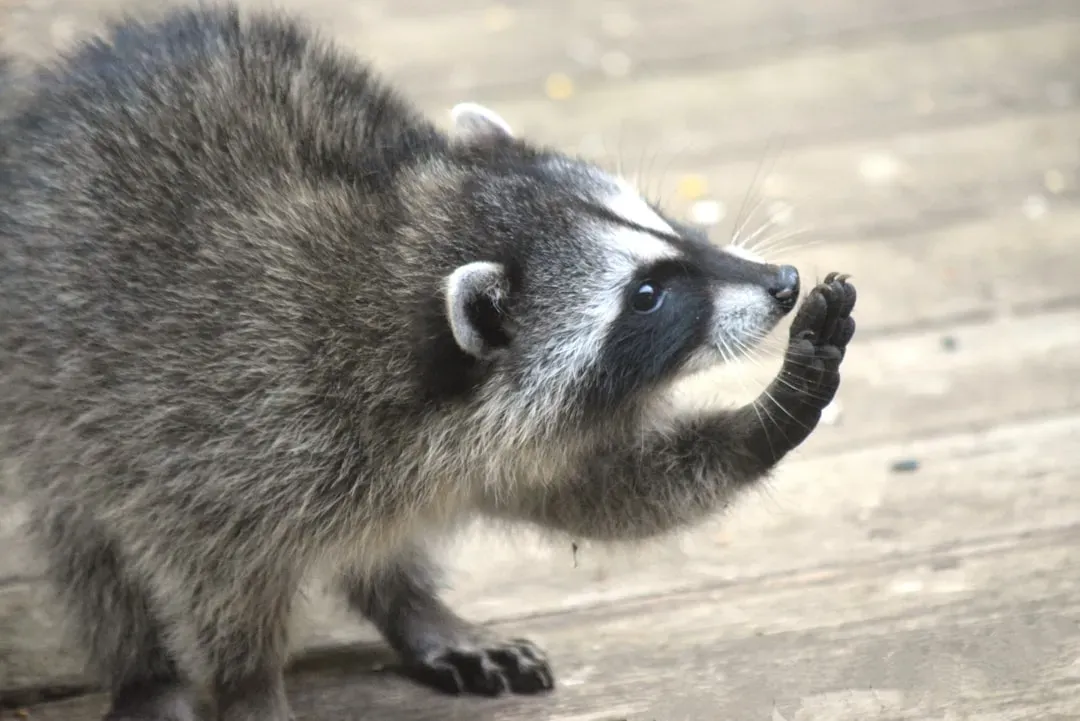
Few myths about raccoons are as persistent as the idea that they’re inherently dangerous. One of the most common misconceptions is that raccoons are inherently aggressive and pose a significant threat to humans. In reality, they generally prefer to avoid confrontation and will typically only display aggression if they feel threatened or cornered.
Raccoons are generally shy and prefer to avoid conflict. They may act defensively if they feel threatened, especially when protecting their young, but they are not naturally aggressive creatures.
Research supports this nuance. Studies underline that raccoons can have different personalities, debunking the myth that all raccoons are uniformly aggressive. That means the raccoon on your porch is far more likely to retreat than to charge.
Seeing One in Daylight Doesn’t Mean It Has Rabies
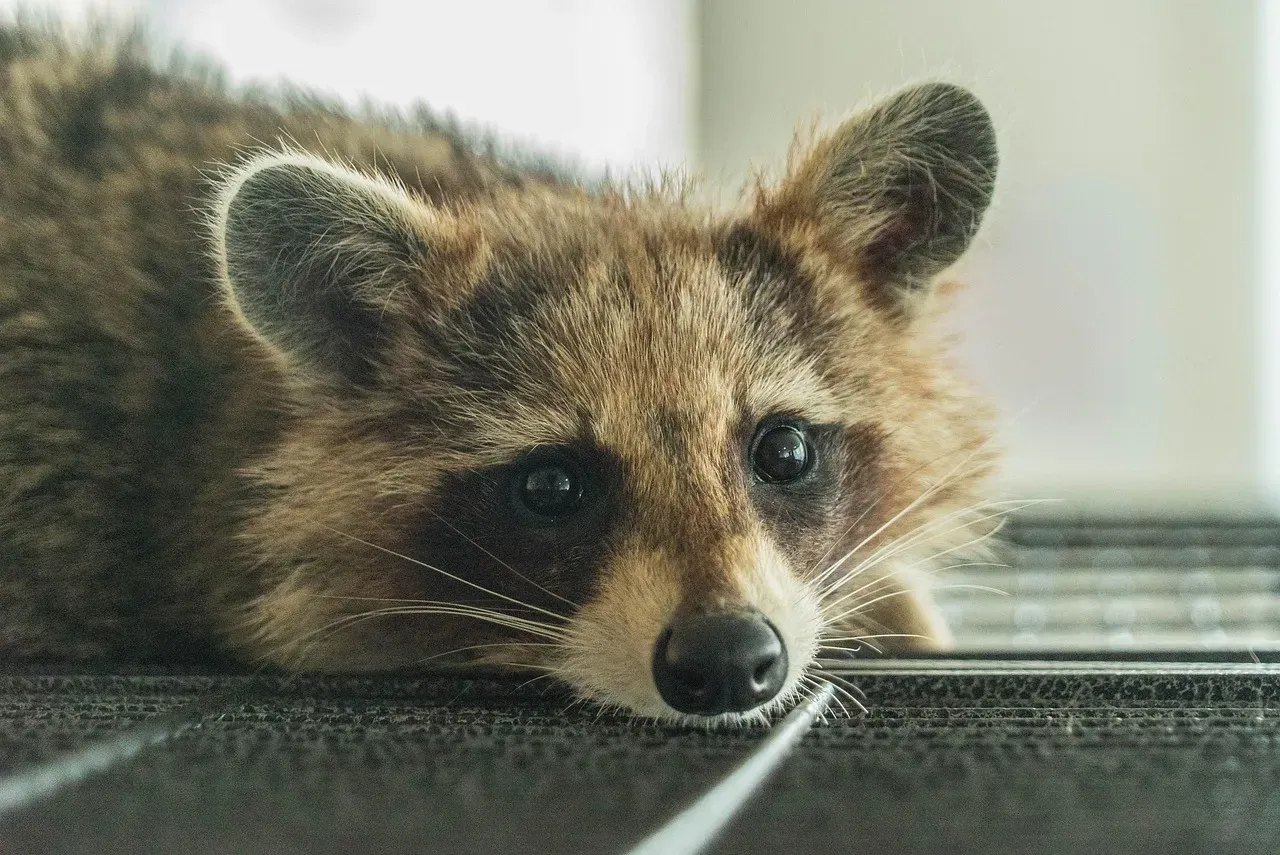
A raccoon spotted during the day tends to send people into a minor panic. The assumption is immediate: it must be sick, it must have rabies. Although raccoons are nocturnal animals, there are many possible reasons you may see one during the day, and spotting one during the day is not automatically a sign it has rabies.
It’s a common misconception that raccoons are strictly nocturnal and that seeing one during the day is a cause for concern. In urban environments, where food sources like garbage bins, pet food, and garden produce are plentiful, raccoons often adjust their foraging schedules to take advantage of available resources during daylight hours.
Raccoons can be seen during the day, especially if they are hungry or their habitat is disturbed. Context matters far more than the time of day when it comes to reading raccoon behavior.
The Rabies Risk Is Vastly Overstated
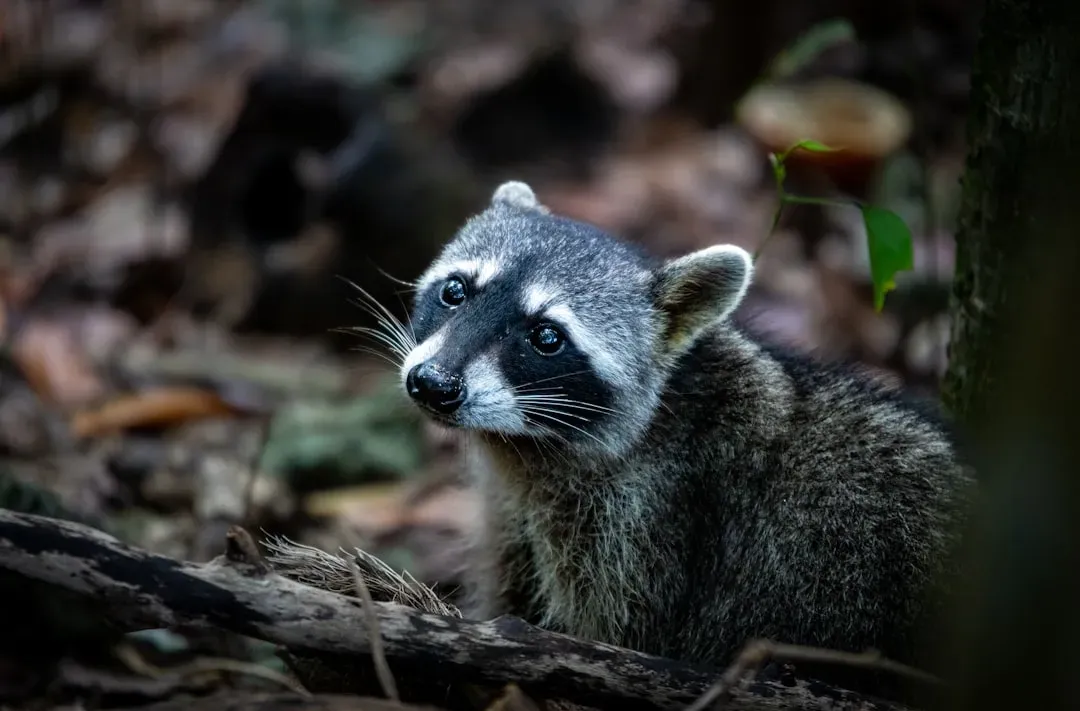
Rabies and raccoons have become almost synonymous in popular imagination, but the actual data tells a more measured story. While it is true that raccoons can carry rabies, the incidence of rabies in raccoons is relatively low. According to the Centers for Disease Control and Prevention, less than ten percent of raccoons tested positive for rabies in recent years. Still, it’s always wise to exercise caution and avoid direct contact with raccoons.
Not all raccoons carry rabies. While some can be carriers, the vast majority are healthy. Assuming all raccoons are rabid is simply inaccurate.
Caution around any wild animal remains sensible. The point isn’t to dismiss risk entirely, but to keep it proportionate to what the evidence actually shows.
Raccoons Don’t Hibernate – Not Even Close
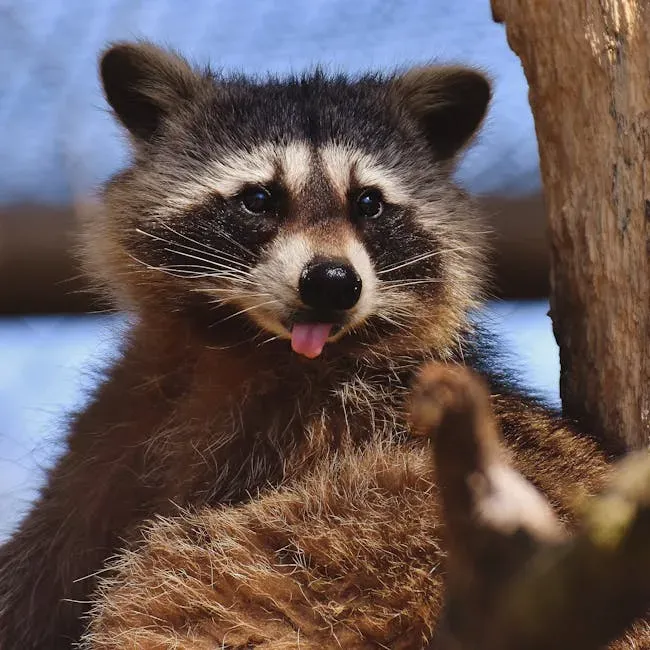
Ask most people what raccoons do in winter and you’ll hear “hibernate.” It’s a reasonable guess, but it’s wrong. Despite popular belief, raccoons do not hibernate during the winter. It is true that raccoons may enter a state called torpor, where they lower their body temperature and sleep for a longer period of time.
Torpor is similar to hibernation, with the key difference being that raccoons will still wake up on warmer days to forage for food. True hibernators, like bears in their deepest sleep phase, don’t do this. In torpor, raccoons lower their body temperature and metabolic rate to save energy, but they can wake up and venture out during warm spells.
So if you see raccoon tracks in fresh snow after a mild afternoon, you’re not imagining things. They simply never fully checked out for the season.
Raccoons “Washing” Their Food Is a Misleading Image
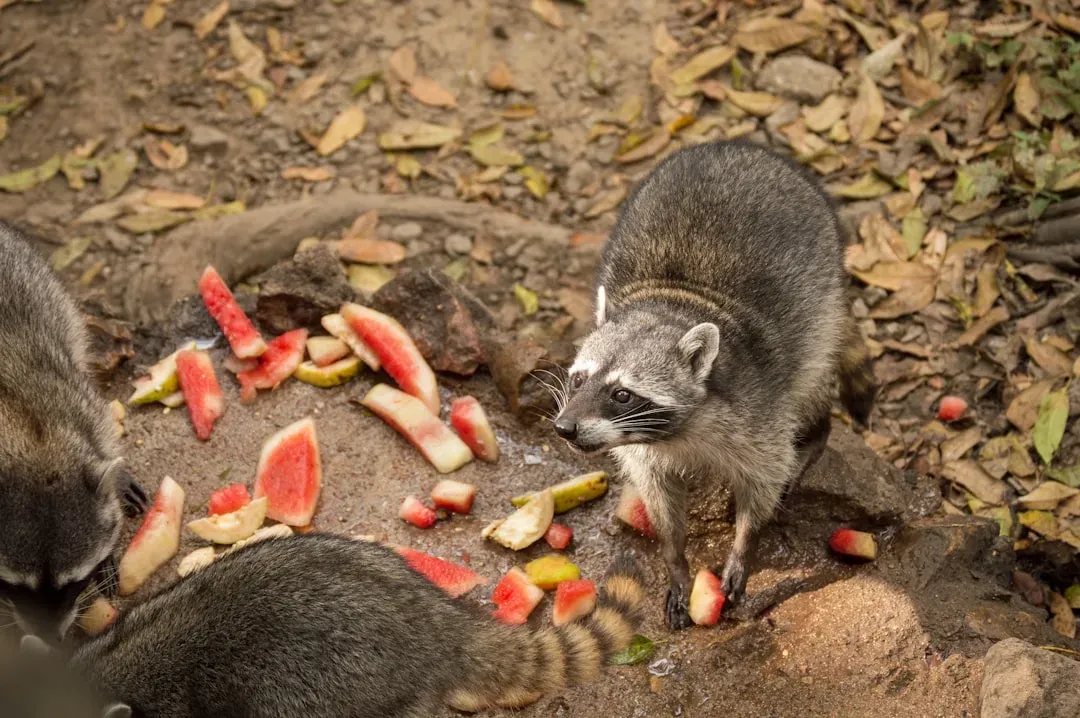
The image of a raccoon carefully rinsing its meal under running water is one of the most charming animals stories out there. It’s also not quite accurate. It’s commonly thought that raccoons “wash” their food before eating. However, they often dunk food items in water as part of their complex tactile exploration, not for cleanliness. They have highly sensitive front paws, and wetting the food increases their sensitivity, allowing them to examine their food more thoroughly.
The behavior of rinsing food is more likely to occur near water sources where they hunt for aquatic prey. Otherwise, raccoons may eat without any dunking at all, especially in urban environments where water isn’t readily available.
It’s less about hygiene and more about information gathering. Their paws are so sensitive that adding moisture effectively sharpens their sense of what they’re holding.
Raccoons Are Far Smarter Than Anyone Gives Them Credit For
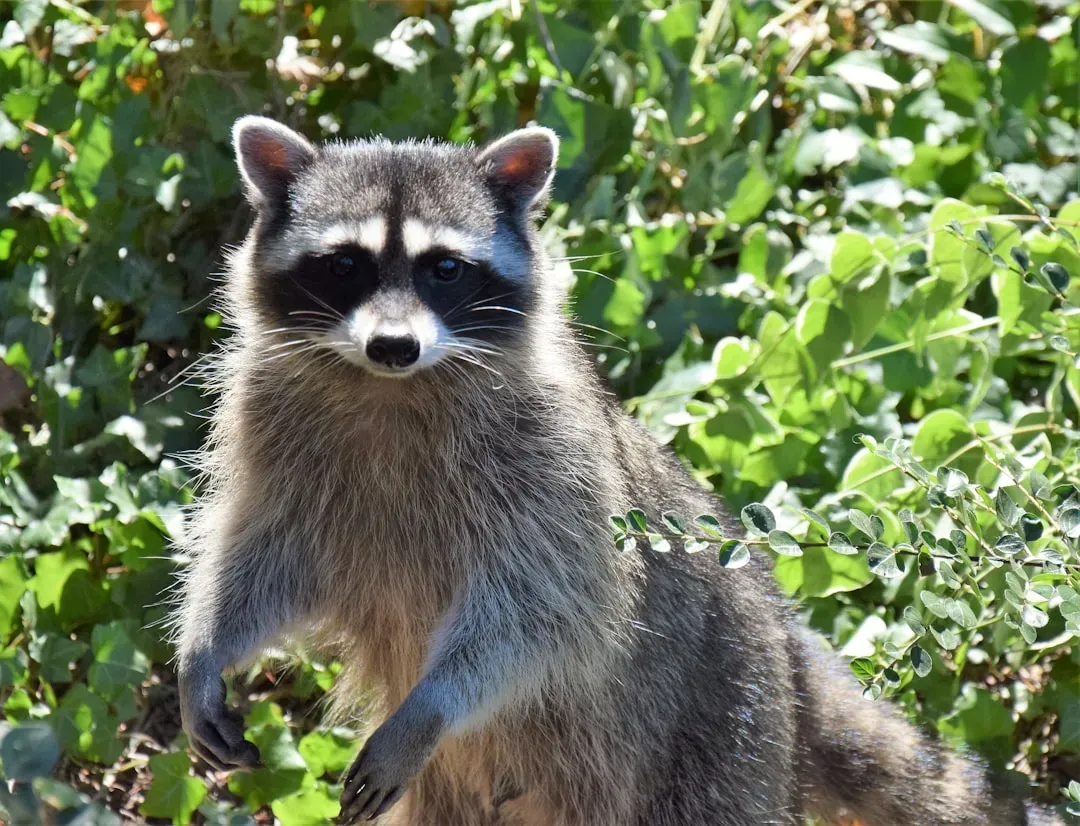
The “dumb trash panda” label couldn’t be further from reality. The raccoon is noted for its intelligence, and studies show that it can remember the solution to tasks for at least three years. That kind of long-term memory is genuinely remarkable for a non-primate mammal.
In a study by ethologist H. B. Davis in 1908, raccoons were able to open eleven of thirteen complex locks in fewer than ten tries and had no problems repeating the action when the locks were rearranged or turned upside down. Davis concluded that they understood the abstract principles of the locking mechanisms, and their learning speed was equivalent to that of rhesus macaques.
Research by neuroscientists found that raccoons are comparable to primates in the density of neurons in the cerebral cortex, which has been proposed as a neuroanatomical indicator of intelligence. Long before rats dominated psychology labs, raccoons were actually a leading candidate for animal models of problem-solving and intelligence. That ended when scientists realized they’d met their cognitive match: in one study, all raccoon participants escaped through the laboratory ventilation system.
Raccoons Are Not the Solitary Loners People Assume
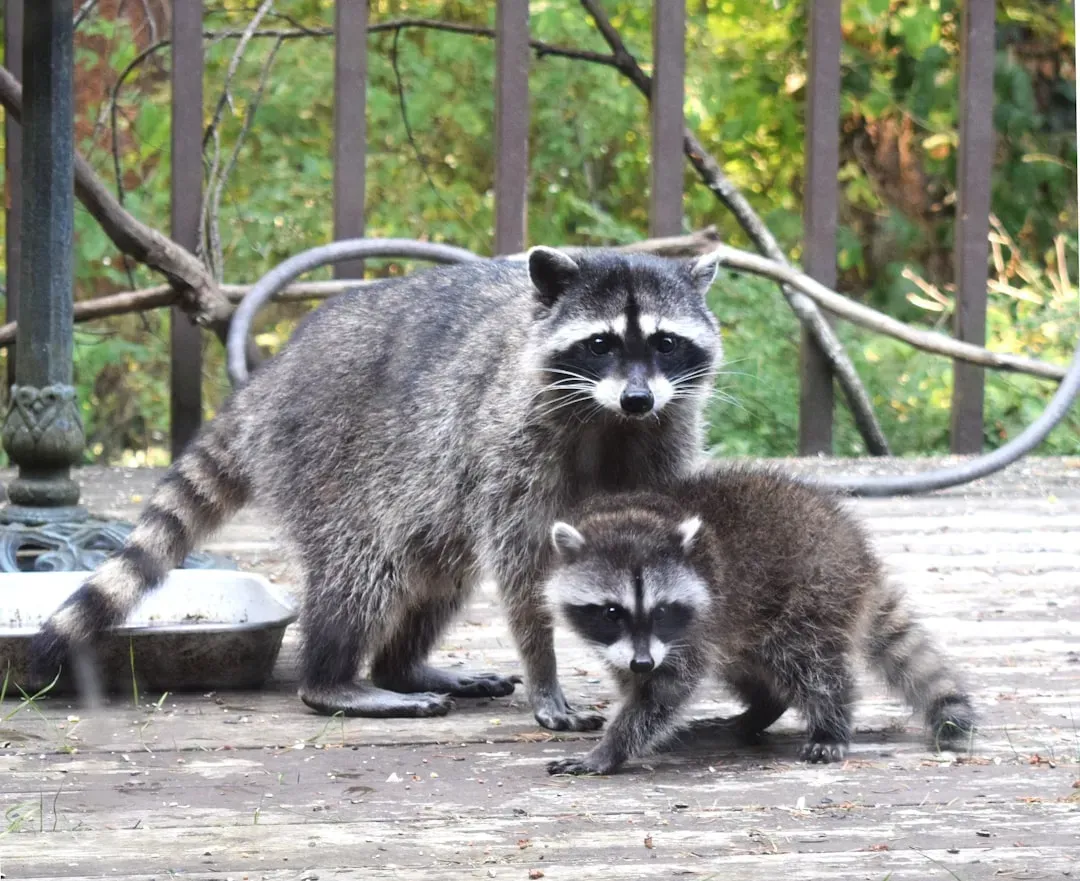
Raccoons tend to be pictured as lone operators, showing up solo, answering to no one. Raccoons have a reputation for being solitary animals, but their social structure is more complex than it appears. They are quite social, particularly females with their young, and they often form family groups and may share dens, especially in colder climates.
Studies by ethologists Stanley D. Gehrt and Ulf Hohmann suggest that raccoons engage in sex-specific social behaviors and are not typically solitary. Related females often live in a so-called “fission-fusion society,” sharing a common area and occasionally meeting at feeding or resting grounds.
The solitary image probably comes from their quiet, self-sufficient foraging style. It’s easy to mistake independence for isolation, especially in an animal that prefers to stay out of sight.
Raccoons Are Not Ecological Nuisances – They Actually Play a Role
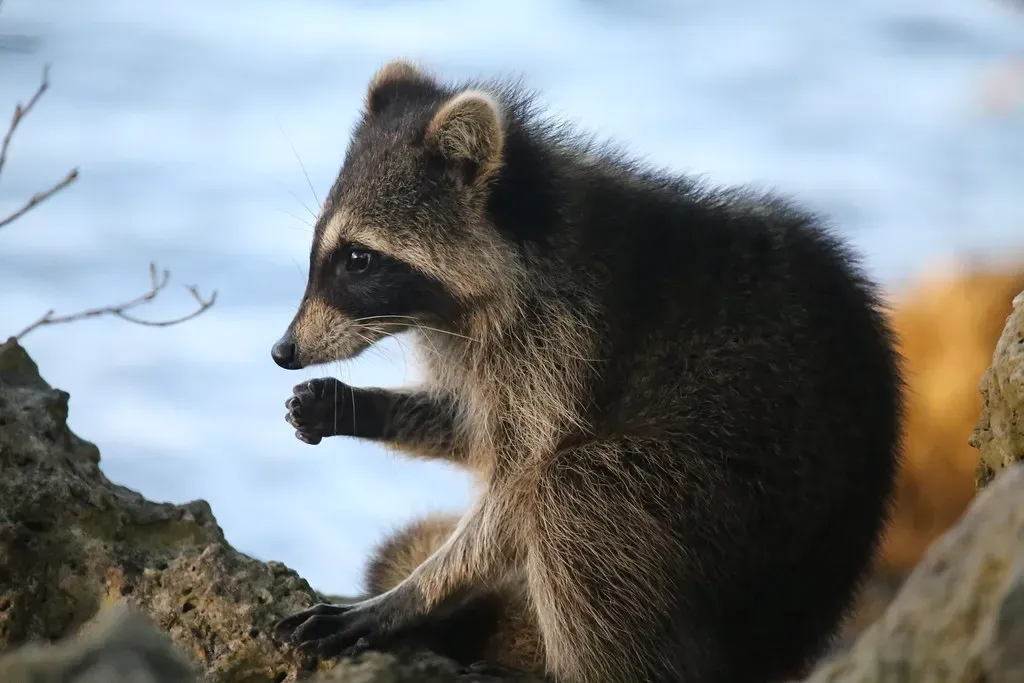
Between the overturned bins and the occasional attic intrusion, raccoons have earned a firmly negative reputation in many neighborhoods. The ecological picture, though, is more nuanced. Raccoons are actually considered keystone species in many ecosystems. They have a crucial impact on seed dispersal, promoting the growth of diverse plant communities, and they also help control populations of small rodents and insects, making them valuable contributors to the balance of local ecosystems.
A raccoon’s role in the ecosystem is important as both predator and prey. They are omnivorous, with a diet that includes insects, small animals, fruits, nuts, and even carrion. This diverse diet helps regulate the populations of many species within their habitats, maintaining ecological balance.
The raccoon’s native range in North America is currently expanding, and raccoons are now found in many parts of Europe and Asia owing to human-mediated introductions. That expansion raises legitimate conservation questions in regions where raccoons are non-native, but within their original habitats, they remain a functioning part of a wider ecological web.
Conclusion: The Animal Behind the Mask
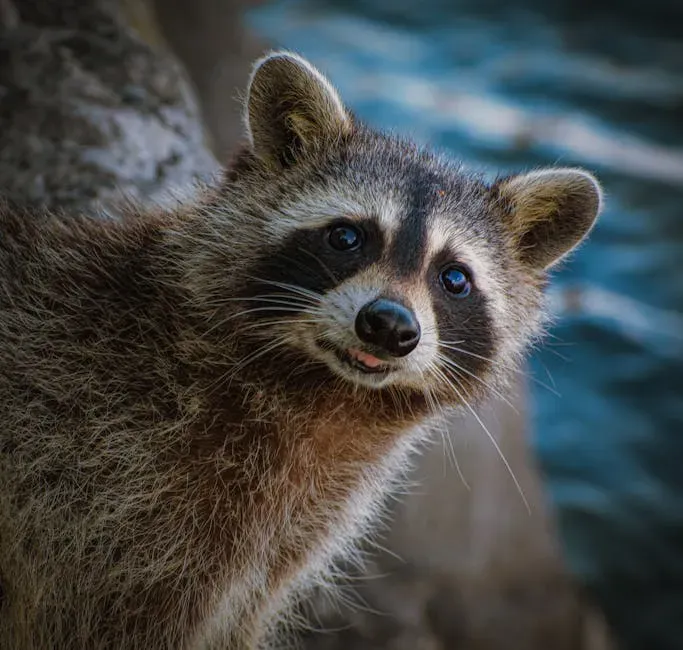
Raccoons occupy a strange place in our imagination. Too familiar to seem exotic, too wild to seem trustworthy, they get reduced to a handful of unflattering clichés that don’t hold up well under scrutiny.
The actual raccoon is a neurologically complex, socially nuanced, highly adaptable animal that has managed to live alongside expanding human civilization with remarkable success. That’s not an accident. It reflects genuine cognitive ability and behavioral flexibility that most urban wildlife simply doesn’t have.
Getting the facts right about raccoons doesn’t mean inviting them inside. It just means seeing them more clearly, which, given how long they’ve been quietly watching us from the other side of the fence, seems only fair.
