
Most gardeners know the obvious cast of characters: bees on the lavender, robins pulling worms from the lawn after rain. What’s less obvious is the far wider community of critters quietly holding the whole system together. Some are tucked under rocks. Some only work the night shift. A few look like something you’d rather not touch.
The truth is, a garden is never just a garden. It’s a layered, living ecosystem, and many of its most valuable contributors are the ones most people either ignore or reach for a spray bottle to eliminate. Getting familiar with them changes how you garden, and more importantly, how you see the ground beneath your feet.
1. Earthworms: The Underground Engineers
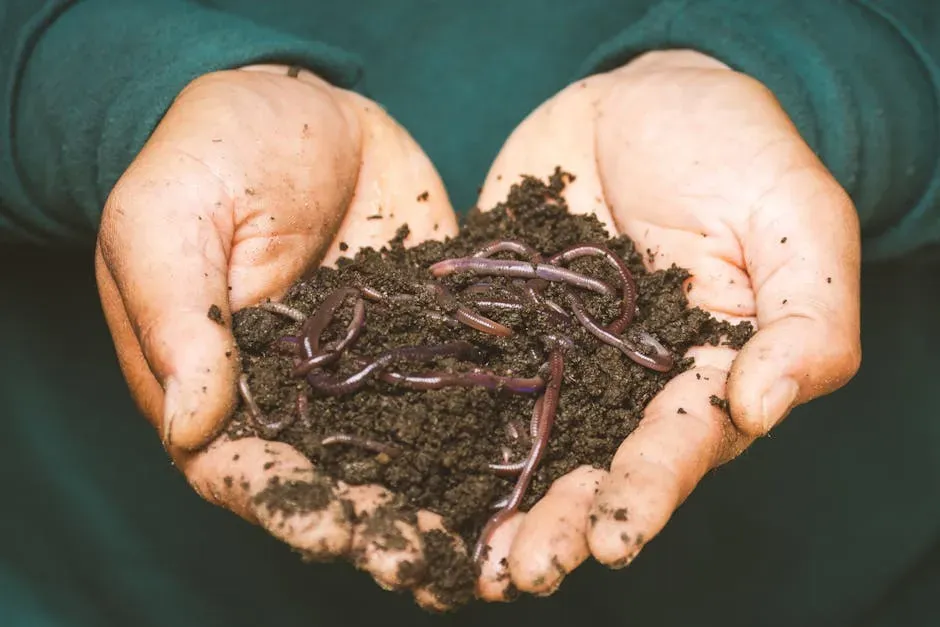
There are two different kinds of worms doing important work in gardens: composting worms and earthmoving worms. Composting worms process organic material in the soil and turn it into nutrients for the plant to enjoy.
Earthworms loosen the soil structure through their tunnels, provide better aeration and water infiltration, work residual plant matter into the soil, and excrete valuable worm humus, which is a great natural plant fertiliser.
Earthworms accelerate decomposition by consuming organic matter and excreting nutrient-rich castings. Their digestive processes transform locked-up nutrients into plant-available forms. The result is darker, richer topsoil that most gardeners spend money on bags trying to replicate. A garden with an active earthworm presence tends to have richer, darker topsoil and far more accessible nutrients.
2. Ground Beetles: The Nocturnal Hunters Nobody Notices
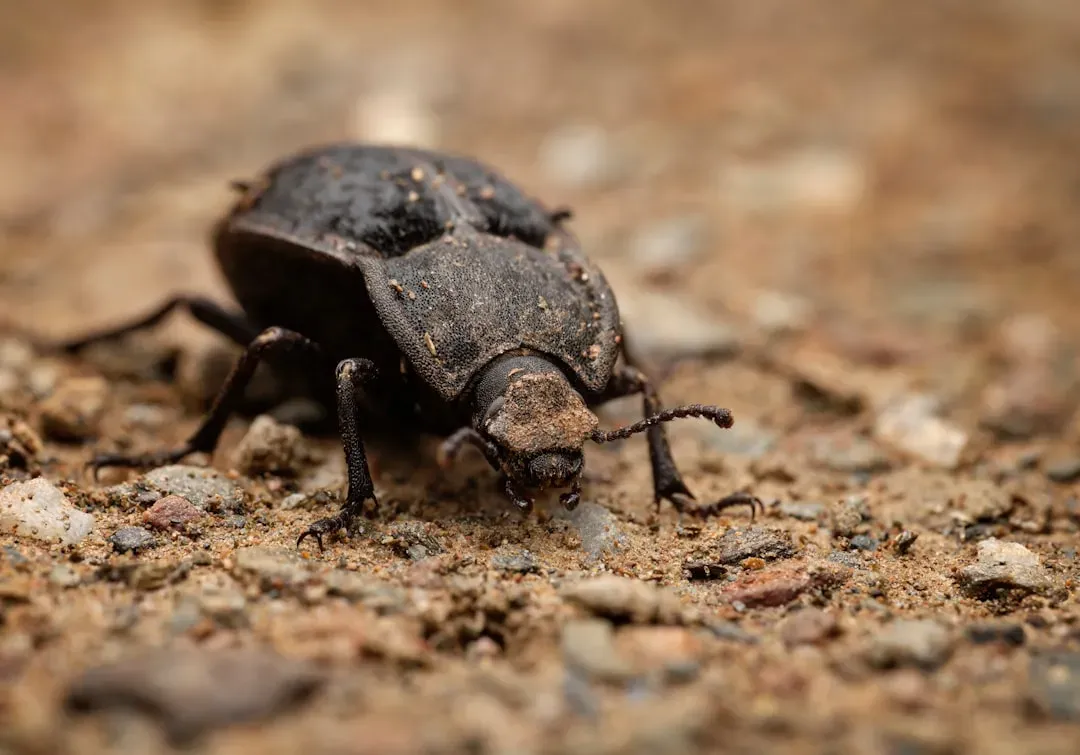
Ground beetles are not the most beautiful beneficial insects of all, and most people tend to avoid them because they emit a smelly secretion when in danger. As ground beetles are nocturnal, we do not see them very often anyway.
Nevertheless, these dark beetles with sturdy legs can consume three times their body weight in food per day, making them great to have in your garden. Due to their predatory lifestyle, their diet consists mainly of the eggs and larvae of growing insects, worms, and snails. They also eat aphids, caterpillars, wireworms, and various mites.
Ground beetles feel particularly at home under leaves and brushwood, under piles of stones, or in well-hidden, shady, damp places. If your garden has any of these features, there’s a reasonable chance you already have a ground beetle patrol working for you after dark.
3. Ladybugs: Tiny Predators With an Outsized Appetite
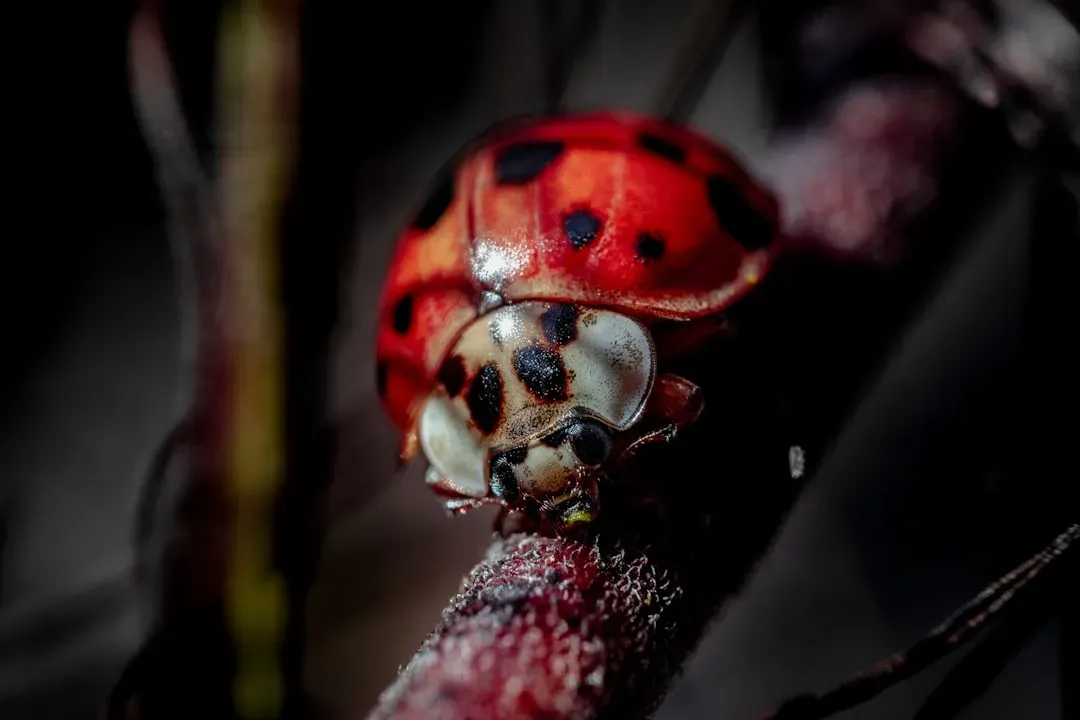
An adult seven-spotted ladybird can eat up to 150 aphids a day, and its larvae are insatiable. That kind of pest control, delivered consistently and without a single drop of chemical spray, is hard to overvalue.
Ladybugs also eat spider mites, scale insects, firebugs, and various beetle and sawfly larvae. If they run out of insects, they simply switch to pollen and fruit. Some species even chow down on powdery mildew, a harmful fungus.
Ladybugs have two main food groups: insects and pollen. They’re particularly attracted to plants like chives, cilantro, dill, fennel, marigold, and sweet alyssum. A few of these plants dotted around the garden are enough of an invitation.
4. Garden Spiders: The Web-Weavers Keeping Pest Populations Balanced
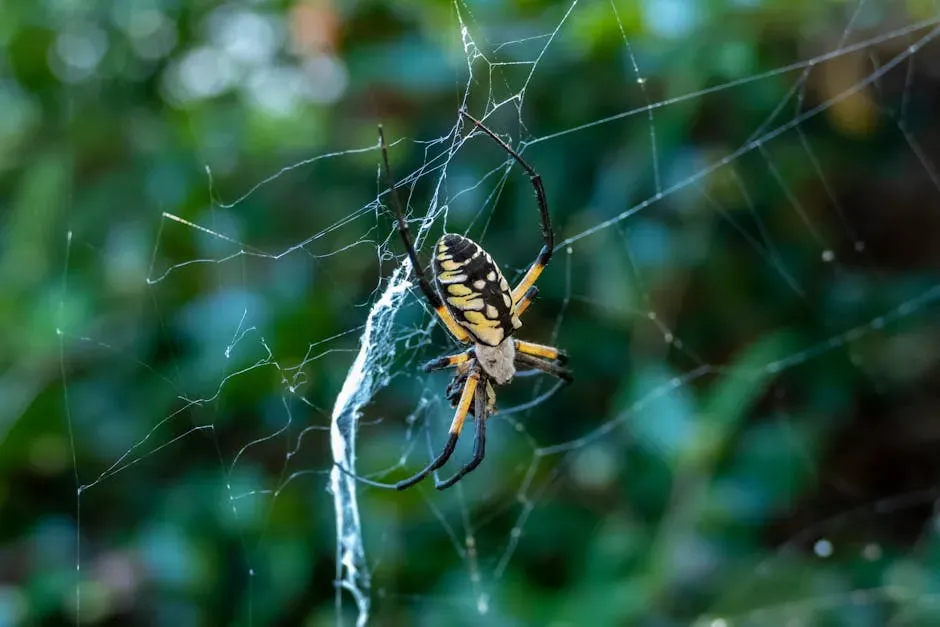
Spiders might not be the first creatures you think of when it comes to garden health, but they play a key role in controlling pest populations. By preying on insects, spiders help maintain a balanced ecosystem. Their presence in the garden is a sign of ecological balance, as they keep harmful insect numbers in check.
Even daddy longlegs, which are arachnids but not true spiders, are among the most harmless and widely identifiable garden bugs around. Yet they’re voracious predators and welcome garden visitors.
Avoiding broad-spectrum pesticides is the single most effective way to keep spiders around. Beneficial spiders tend to make their webs around outdoor lights. Placing solar lights around target areas can help draw them in. It’s a small, low-effort trick with surprisingly consistent results.
5. Toads: The Unsung Pest Controllers of the Night
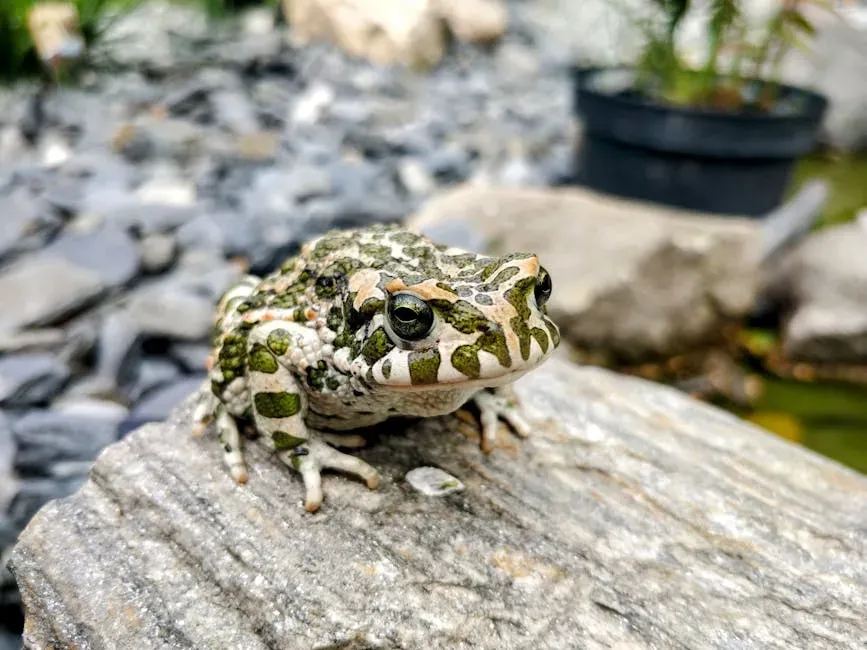
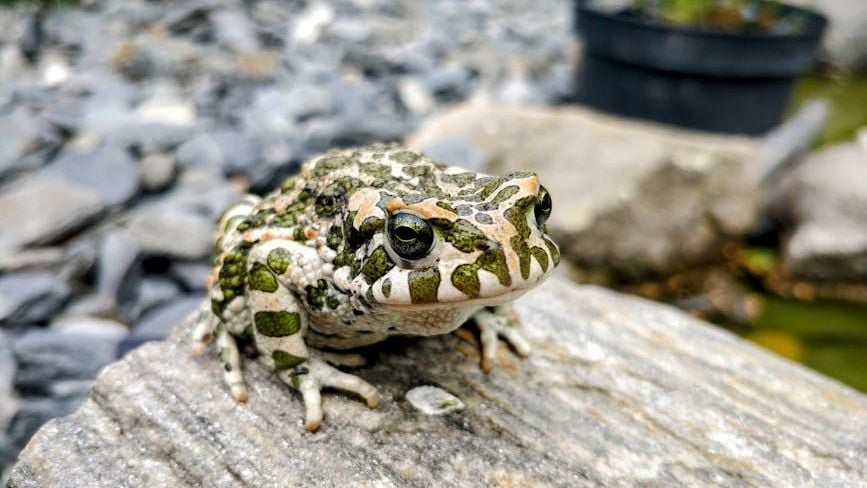
Toads feed on slugs, snails, and insects that could otherwise wreak havoc on your garden. They can eat up to 10,000 bugs in one summer, making them an efficient and earth-friendly alternative to common pesticides. That figure alone deserves a moment of appreciation.
Toads don’t live in water but do prefer to live in moist places. A toad house made out of an old log or overturned terracotta pot will provide an ideal environment.
Whether it’s as small as a square foot or large enough for a human to swim in, toads and frogs will flock to a body of water. Including daytime hideouts like rocks, bricks, and logs gives your amphibian friends a place to rest until their night shifts begin. They’re working while you sleep, and they ask for almost nothing in return.
6. Millipedes: The Slow, Patient Decomposers
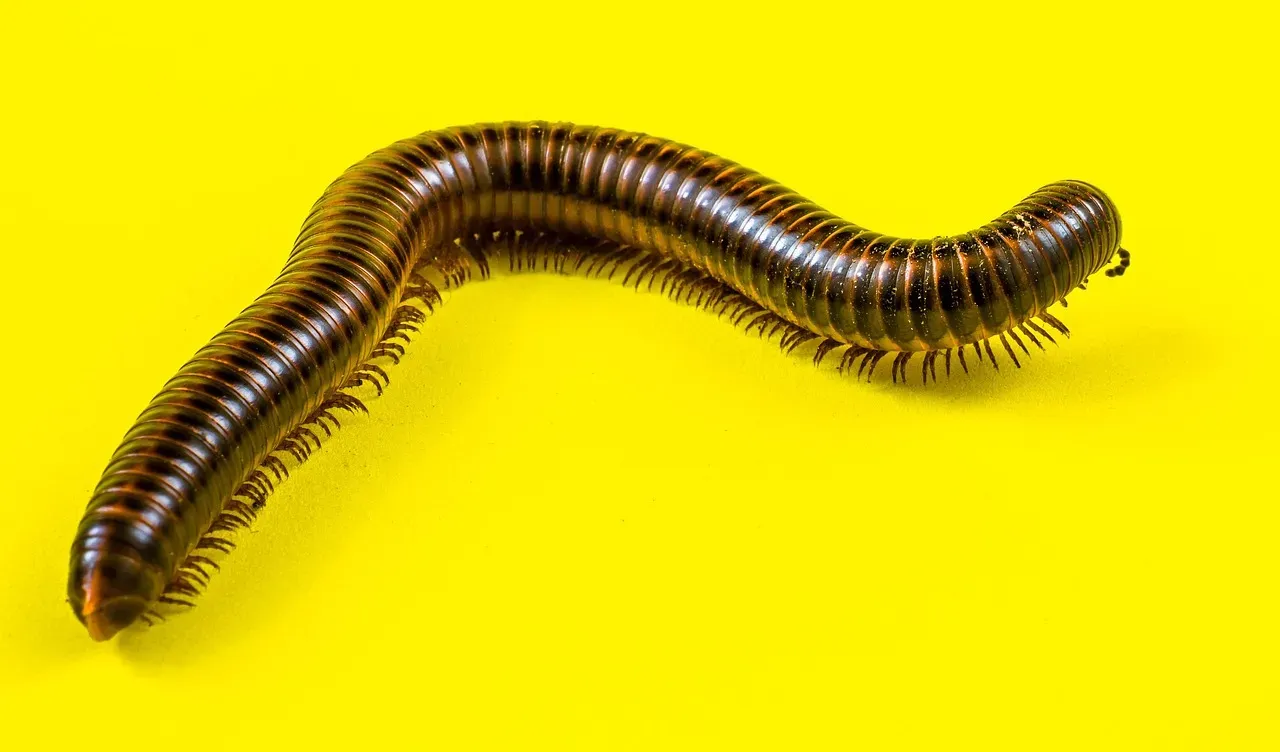
Millipedes are essential soil residents that specialize in breaking down tough organic material that other decomposers might avoid. With their cylindrical, segmented bodies and numerous legs, these quiet workers play a crucial role in maintaining healthy soil ecosystems. They excel at processing fibrous plant debris like tough leaves, wood chips, and bark.
They shred these materials into smaller pieces, accelerating decomposition by increasing surface area for microbial action. Their digestive systems add valuable enzymes that help convert complex carbon compounds into nutrient-rich humus, releasing locked-up minerals for plant uptake.
As millipedes tunnel through soil and leaf litter, they create microhabitats perfect for beneficial bacteria and fungi. Their constant movement aerates compacted soils, while their excrement serves as microbial hotspots. They’re not glamorous, but very little of what keeps a garden genuinely healthy ever is.
7. Lacewings: The Delicate-Looking Predators Worth Protecting
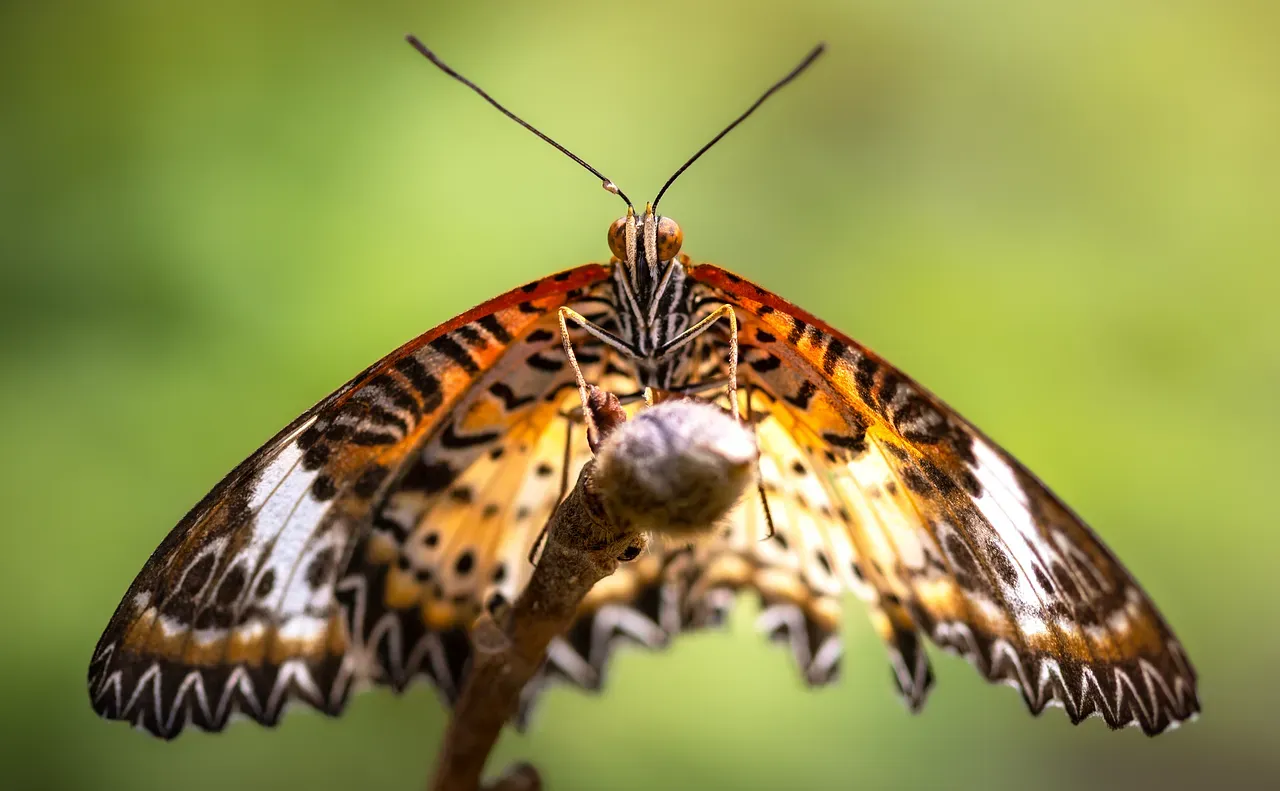
Lacewings guard gardens from destructive pests like aphids and whiteflies through powerful predatory skills. Populations of these beneficial insects help balance garden ecosystems by controlling potential pest outbreaks.
Some bugs, such as the lacewing, are very sensitive to pesticides. This makes them one of the first casualties when gardeners reach for chemical controls, which is worth keeping in mind before treating a minor aphid problem with something that wipes out the predators too.
If you have an aphid infestation, try spraying a plant or two with a sugar-water solution, which may help attract lacewings. Garden centres often sell lacewing-attracting pheromones and bug houses too. Their role in local ecosystems is genuinely significant given how small they are.
8. Soil Mites: The Microscopic Balancers Most People Never See
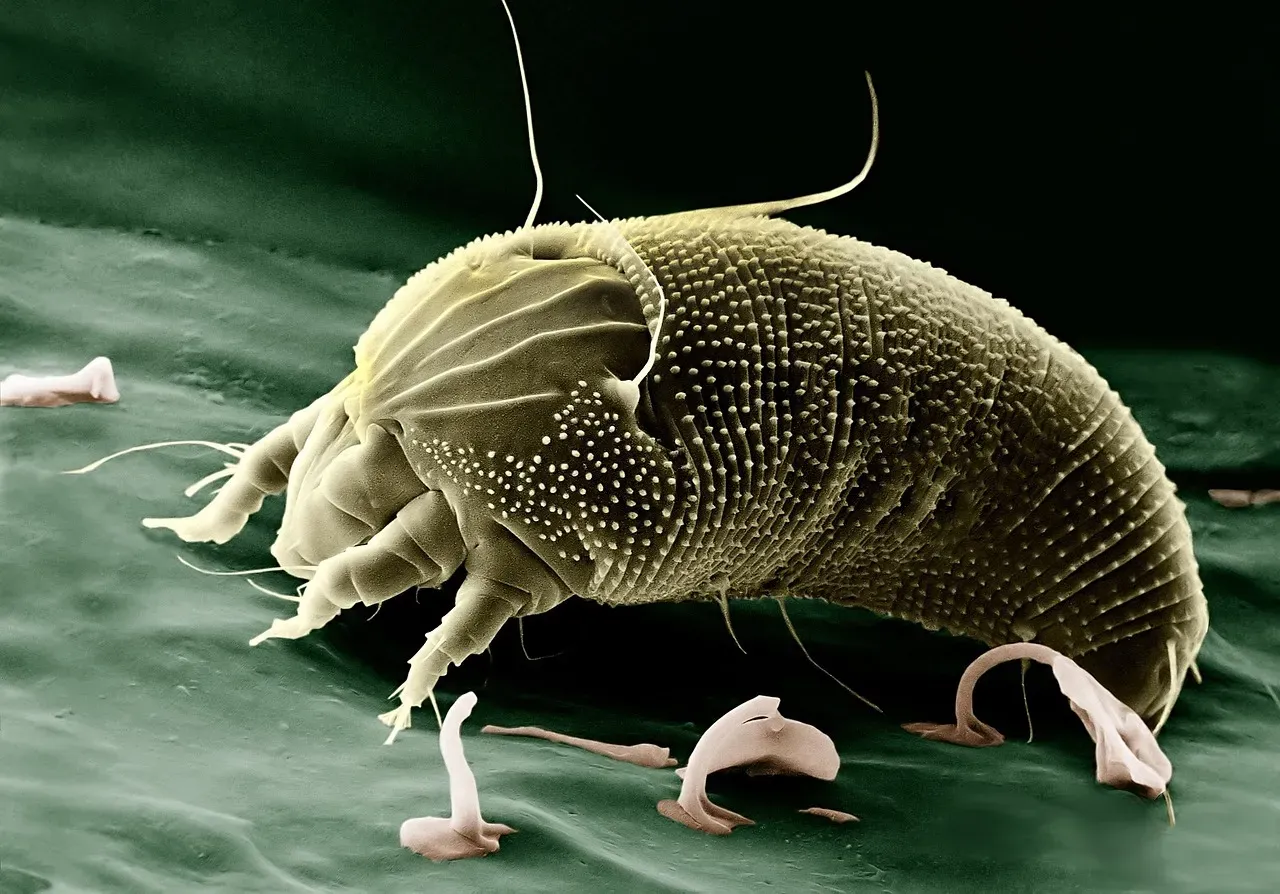
Soil mites feed on decaying leaves, fungi, and organic debris, breaking down material that would otherwise attract harmful pathogens. They speed up decomposition, recycle nutrients, and keep fungal populations balanced.
Healthy soil is teeming with life, and that life is what makes your garden thrive. Microscopic bacteria alongside earthworms work together to break down organic matter, cycle nutrients, and keep everything in balance. They loosen compacted ground, support root development, and even fight off harmful pathogens before they reach your plants.
The roles that beneficial insects and soil creatures perform in the garden are sometimes referred to as “ecosystem services,” processes that occur in the ecosystem that happen to benefit humans. Soil mites are perhaps the purest expression of that idea. Invisible to the naked eye most of the time, working at a scale we rarely think about, quietly doing something that no bag of fertilizer can fully replicate.
Conclusion: The Garden You Don’t See Is the One Doing the Most Work
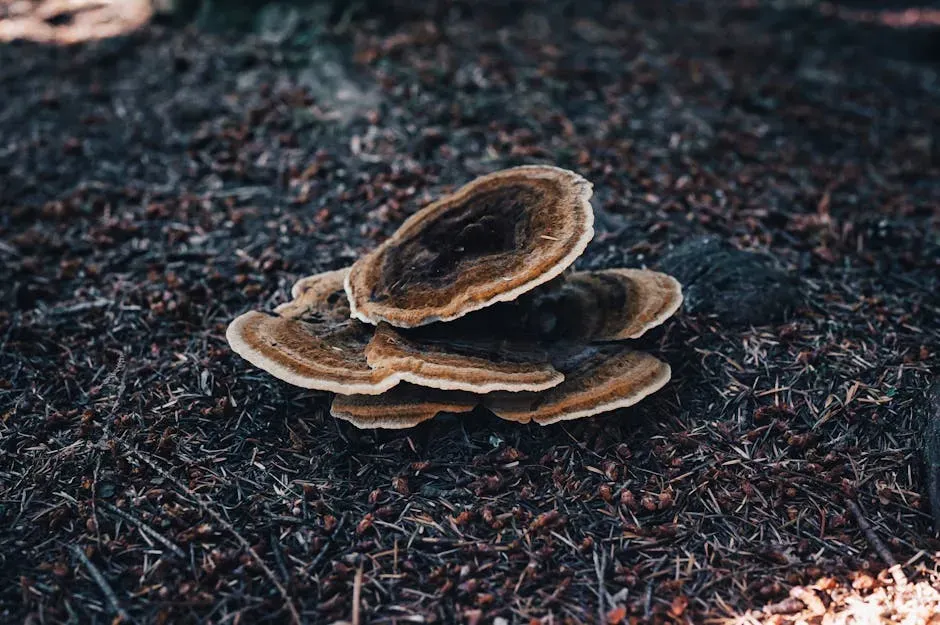
There’s a tendency to think of a garden as something we build and maintain by ourselves, with tools and products and weekend effort. The reality is more collaborative than that. Decomposers eat decaying plant matter, dead insects, dung, and even natural mulches. These are broken down into smaller and smaller bits, eventually contributing structure to soil and nutrients to plants. Decomposers are a valuable part of a healthy soil ecosystem.
Avoiding over-tilling, which disrupts soil structure and harms existing organisms, and cutting back on chemical pesticides that wipe out beneficial creatures alongside harmful ones, are two of the most important steps any gardener can take.
The critters listed here don’t need much to thrive: a little shelter, reduced chemical interference, and the patience to let natural systems find their own rhythm. Give them that, and they return the favor in ways that go far beyond what any single product can deliver. A garden that’s genuinely alive beneath the surface is one that takes care of itself, season after season, in ways you’ll keep noticing the longer you pay attention.
