

There’s a moment every dog owner knows. You look over at your pup – maybe they’re chasing a ball, or curled up warm at your feet – and you think: I wish we had more time. It’s one of the most universally felt aches of loving a dog. Their years fly by so fast.
Here’s the thing, though: science and veterinary research are painting a genuinely hopeful picture. The daily choices you make – what you feed them, how you move with them, how often you take them to the vet – can meaningfully shape not just how long your dog lives, but how well they live. It’s not about chasing miracles. It’s about building habits. Let’s dive in.
1. Feed Them Right for Every Stage of Life

Growing puppies, adults, and mature dogs all have different nutritional needs, and a diet must be adjusted at each stage of life to ensure your dog remains as healthy as possible. Think of it like this: what fuels a marathon runner is not what a toddler needs. Your dog is the same way.
Healthy dogs need a balanced diet containing vitamins, minerals, protein, carbohydrates, and fats, served in appropriate portions for their age, size, and lifestyle. Both nutrition experts and vets recommend choosing pet food that meets AAFCO nutritional standards, and looking for an AAFCO nutritional adequacy statement on the packaging, which guarantees the food is complete and balanced.
A 14-year study showed that dogs fed a balanced diet with fewer calories lived nearly two years longer, and proper nutrition helps prevent obesity, which is a leading cause of diabetes, arthritis, and heart disease. That’s not a small detail. That’s potentially two more birthday mornings with your best friend.
2. Keep Their Weight in Check – It Really Is That Important

Let’s be real: chubby dogs look adorable. But underneath that extra fluff, something concerning is happening. Obesity increases a dog’s risk of developing conditions such as arthritis, puts strain on muscles, tendons, ligaments, joints, and even the heart, and fat cells produce hormones that increase inflammation throughout the body.
Obesity has been linked to a shorter lifespan of about two and a half years less, per some estimates, while having a lean body mass is linked to a longer lifespan. Research confirms that leaner dogs live longer and have fewer health problems. You can feel the difference when you run your hands along your dog’s ribs – you should be able to feel them without pressing hard, but not see them.
3. Make Exercise a Daily Non-Negotiable
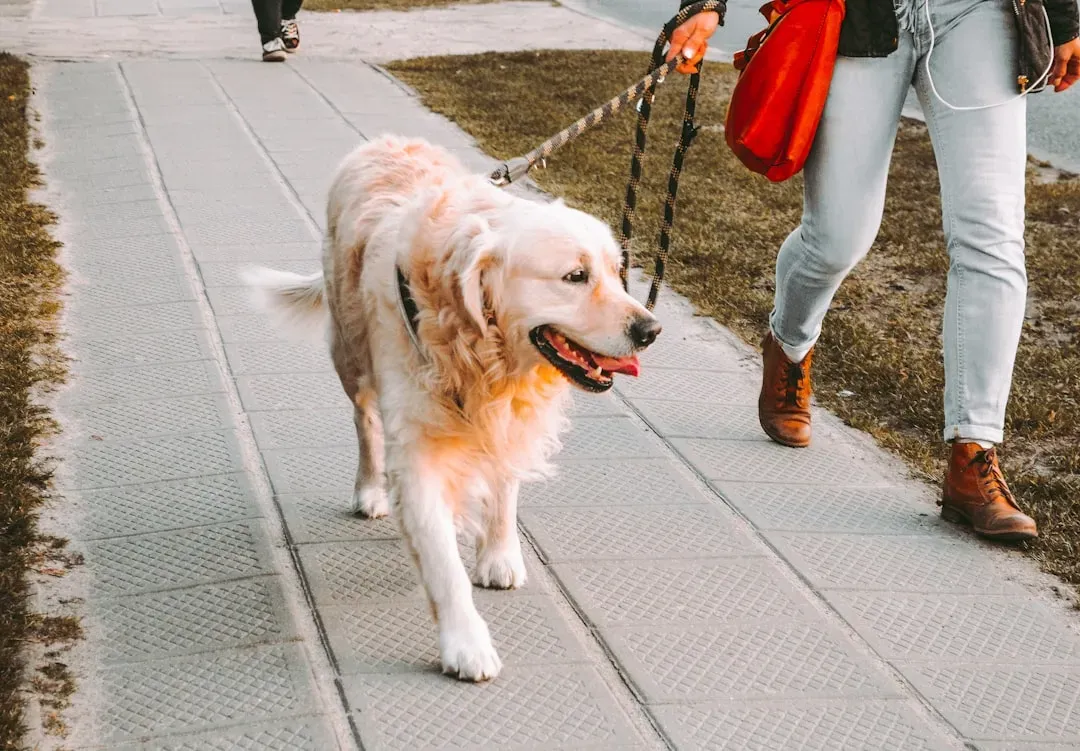
The key, no matter the breed, is consistency. Weekend warriors – dogs that are largely sedentary and then do short bursts of excessive activity – can experience a whole host of health issues. It’s similar to a person who sits at a desk all week and then runs a half marathon on Saturday. The body just isn’t ready for it.
Studies show that dogs who exercise regularly are less likely to develop obesity and joint issues, and exercise also promotes mental health, reducing anxiety and stress. Walking may be the most obvious solution, but you can also jog, hike, swim, enroll them in agility classes, or play fetch. If you’re time-crunched, hiding treats at home and encouraging your dog to seek them out, or going on a quick 10-minute trot around the block, counts too.
4. Don’t Skip the Vet – Even When They Seem Perfectly Fine
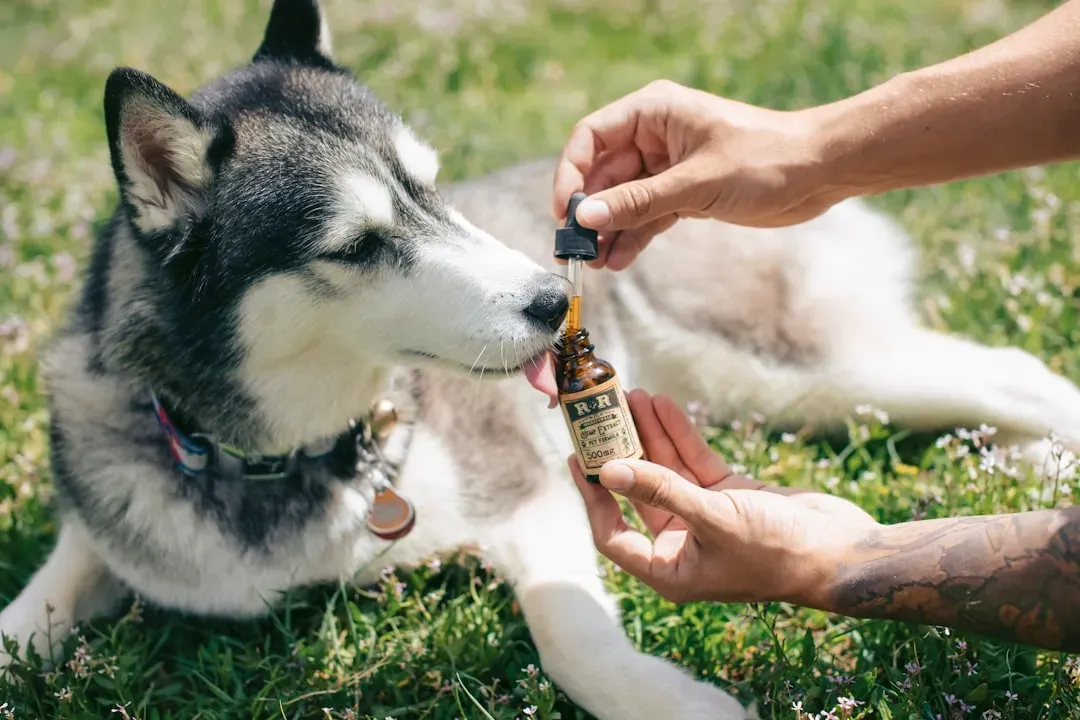
This one trips up so many well-meaning dog owners. Your pup seems happy and energetic, so why bother with a vet visit? Here’s the sobering truth: dogs have innate survival instincts that allow them to hide pain and illness well, so as not to seem vulnerable. By the time you notice something is wrong, the disease may already have progressed significantly.
Since dogs age faster than humans, an annual veterinary exam with diagnostic testing is equivalent to a human visiting the doctor every four to five years, which makes preventive health care even more important. Scheduling routine exams can help you catch diseases earlier, start treatment sooner, and improve your dog’s long-term health outcomes and lifespan. For senior dogs especially, twice-yearly visits are strongly recommended.
Periodontal disease affects the vast majority of dogs over three years old, yet owners often don’t recognize it until it’s advanced because early stages show no obvious signs. Routine visits are truly your first line of defense.
5. Prioritize Dental Health – It’s More Than Just Fresh Breath
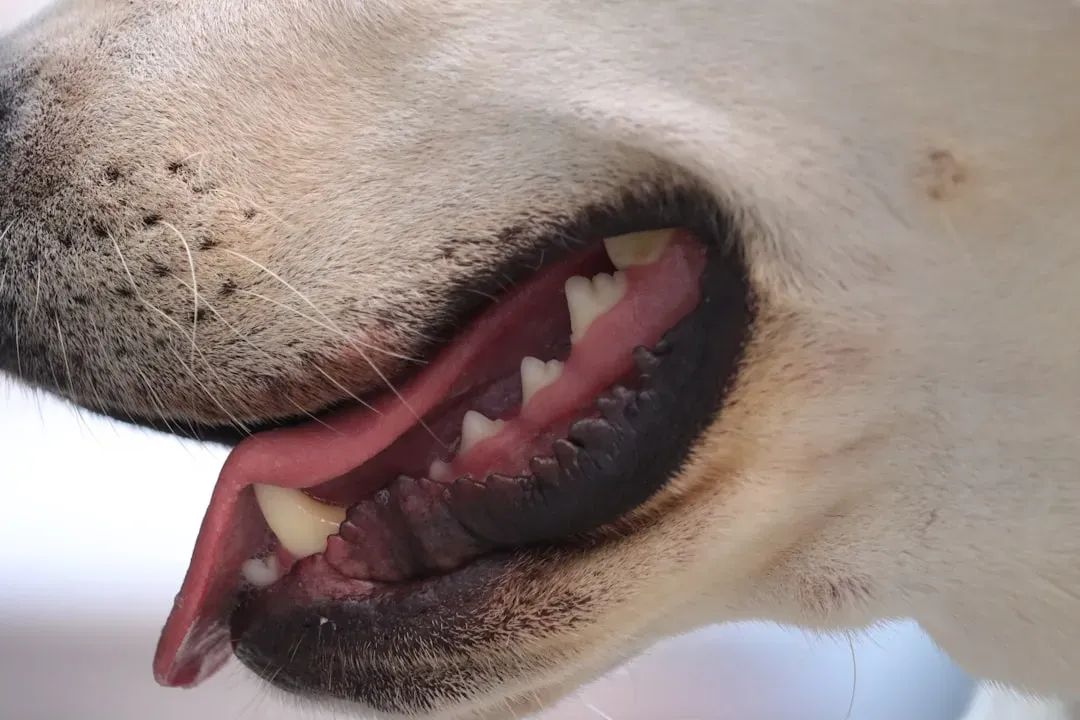
Honestly, dental care might be the most underrated item on this entire list. Most dog owners brush the topic aside (pun intended), not realizing how directly the mouth connects to the rest of the body. Studies have shown a link between periodontal disease and canine heart disease. As tartar builds up, the immune system sends white blood cells to the gumline to fight bacteria, which can result in deterioration of the gums and create a weak spot for bacteria to enter the bloodstream.
A dog’s quality of life, which includes living without dental discomfort or disease, may increase their lifespan by three to five years with regular dental care, cleaning, and maintenance. Three to five years. Let that sink in. Dental issues can cause pain, tooth loss, and may also affect the health of the heart, liver, and kidneys. Start brushing, add dental chews approved by your vet, and schedule professional cleanings regularly.
6. Stimulate Their Mind Every Single Day
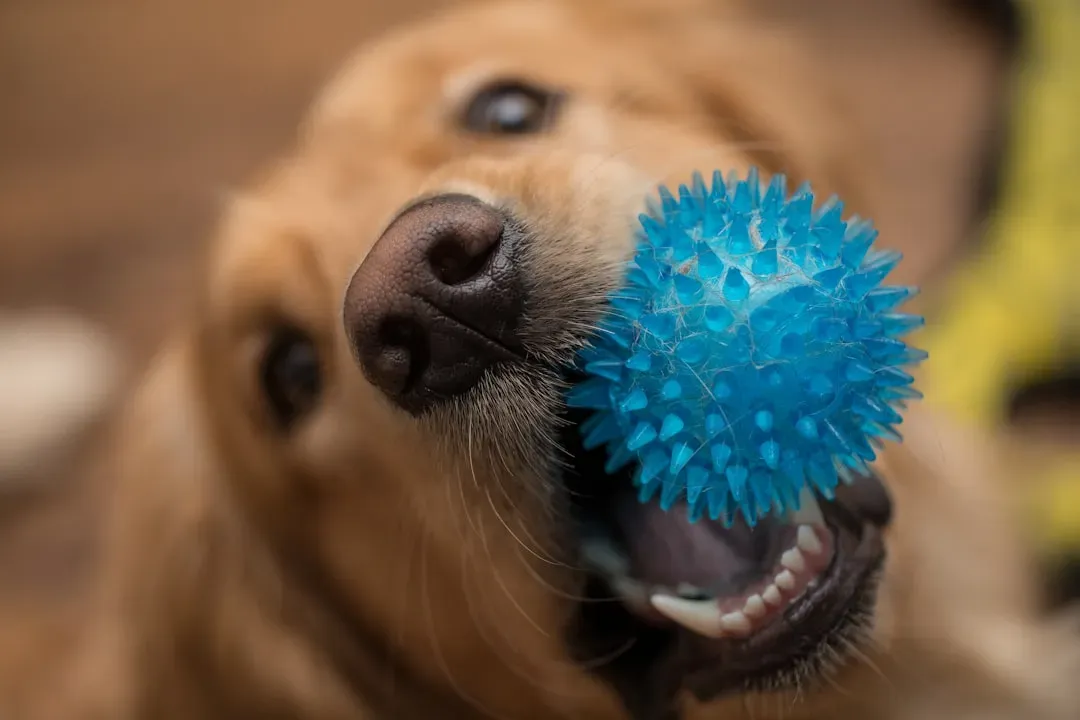
Research shows that dogs living in enriched environments with stimulating toys and lots of playtime are mentally sharper later in life, because enrichment promotes the generation of new neural pathways that keep a canine’s brain healthy and adaptable. Think of it as a gym workout, but for the brain.
Mental stimulation through training, food puzzles, and new experiences helps combat cognitive decline, and contrary to popular belief, older dogs absolutely can learn new behaviors, with this mental engagement actively supporting brain health. Try rotating new toys, teaching a new trick each month, or letting them sniff and explore a new trail. Older dogs especially benefit from gentler “sniffathon” style walks rather than intense exercise, while swimming and scent work provide low-impact options that engage both body and mind.
7. Nurture Their Social and Emotional Wellbeing

Dogs are social creatures at their core. A dog left isolated and under-stimulated day after day is quietly suffering, even if they’re physically healthy on paper. Dogs may be man’s best friends, but dogs need friends too, and Dog Aging Project researchers have discovered that social connectedness can have a profound impact on a dog’s well-being.
Well-socialised dogs with strong emotional bonds experience less stress, and reduced stress levels can lead to a longer, healthier life. It’s hard to say for sure exactly how much stress shortens a dog’s life, but the science consistently points in one direction. Playdates with other dogs, quality time with you, rides in the car, or simply a long lazy cuddle on the couch – all of it matters more than we sometimes give it credit for.
8. Consider Spaying or Neutering at the Right Time
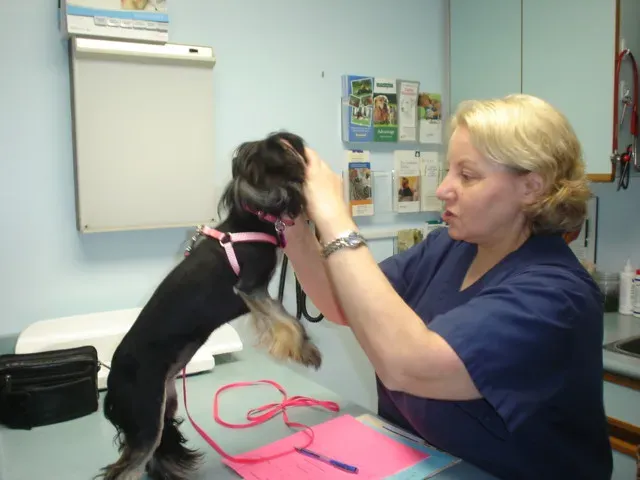
Studies have consistently shown that dogs who are spayed or neutered live longer than dogs who are not. The reasons go deeper than just behavior. In female dogs, spaying dramatically reduces the risk of mammary cancer and eliminates the risk of uterine and ovarian cancer. In males, neutering prevents testicular cancer and lowers the risk of prostate disorders.
Research from the University of Georgia found that spayed and neutered dogs live up to roughly a quarter longer than those who are not. That’s genuinely remarkable. Spaying or neutering can have numerous health and behavior benefits, helping to prevent infections and some types of cancer, and your veterinarian will discuss these benefits and the ideal timing of the surgery for your specific dog. Timing can vary by breed and size, so the conversation with your vet is key.
The Bottom Line: Every Good Habit Adds Up
Beyond genetic and biological determinants, modifiable behaviors such as nutrition, physical activity, and environmental exposures play a substantial role in shaping your dog’s healthspan. None of these habits require a huge budget or a complete lifestyle overhaul. They require consistency, attention, and love – all things you already have.
Helping your dog live longer isn’t about chasing a magic bullet – it’s about consistently choosing health-promoting habits that reduce risk, nourish the body, and support the mind. Whether your pup is two or twelve, it’s never too late to make changes that add life to their years and years to their life.
Your dog gives you everything they have, every single day, without hesitation. These eight habits are simply your way of giving some of that love right back. So here’s a question worth sitting with: of these eight habits, which one could you start improving today?

- 10 Theories That Challenge What We Know About Evolution - August 3, 2026
- 9 Signs Your Dog Is Secretly Trying to Protect You - August 3, 2026
- 12 Animals That Defy Science With Their Incredible Survival Skills - August 3, 2026