
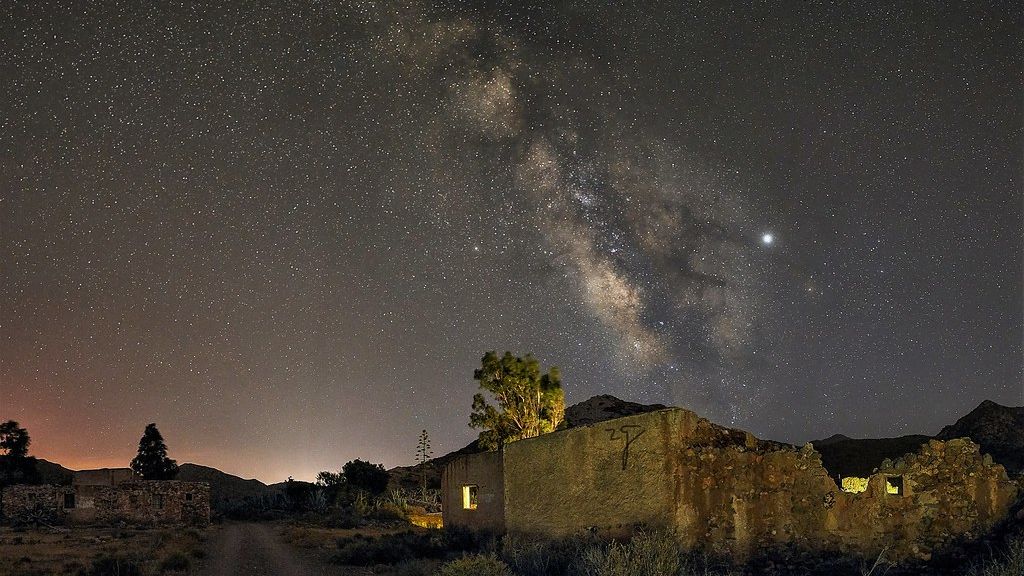
Have you ever looked up at the night sky and felt a little disappointed? Maybe you squinted hard, hoping to catch a glimpse of those millions of stars you’ve heard so much about, only to see a handful of dim dots scattered across an orange haze. You’re not alone in that frustration.
Nearly 80 percent of Americans have never gazed upon our home galaxy, the Milky Way, due to the relentless spread of light pollution blanketing our cities and suburbs. It’s become a kind of modern tragedy, really, that something so fundamental to the human experience has slipped away from most of us. So where can you go if you want to witness the real deal, the kind of night sky that made our ancestors marvel and navigate by the stars? Let’s explore some of the darkest corners of the United States where the Milky Way still reigns supreme.
Death Valley National Park, California
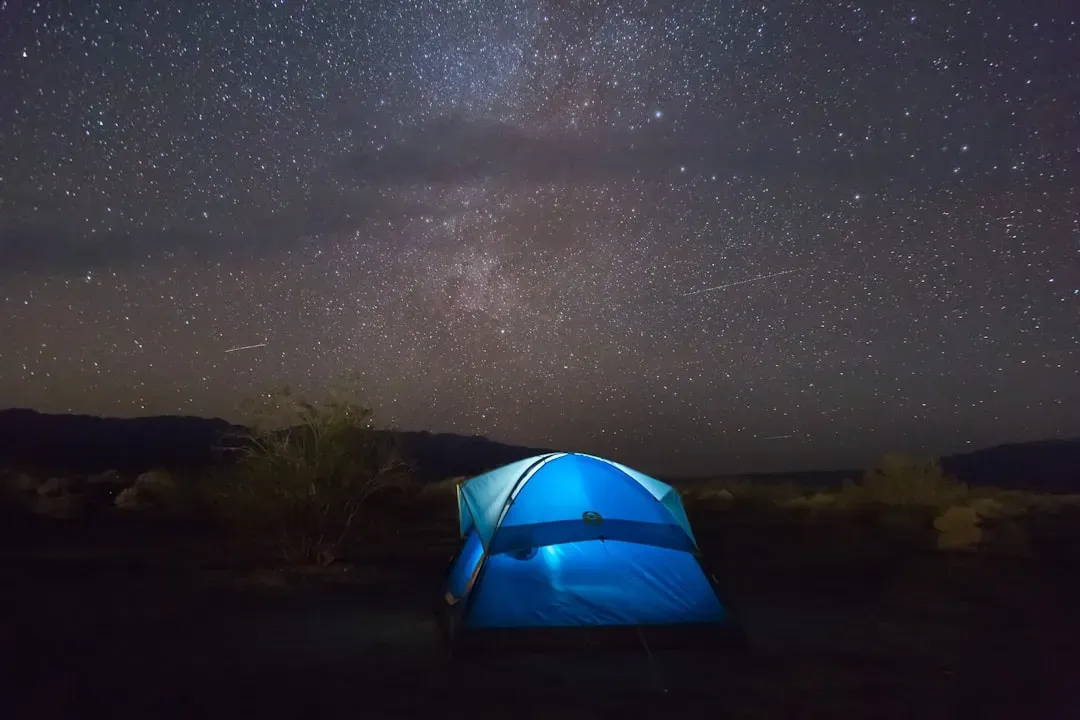
Thanks to its remoteness and below-sea-level elevation, Death Valley National Park is perfect for sighting constellations and the hazy Milky Way. It’s a place where extremes meet in the most unexpected ways. By day, Death Valley earns its reputation as one of the hottest spots on Earth, with temperatures that can make you question your life choices.
Yet when the sun finally dips below those rugged mountain ridges, the park transforms into something almost otherworldly. You can find pristine views of the night sky throughout the park, but Mesquite Flat Sand Dunes, the Ubehebe Crater, Harmony Borax Works and Badwater Basin are recommended by rangers. The park also hosts the annual Dark Sky Festival in March, giving visitors a chance to learn from astronomy experts while soaking in views that stretch infinitely upward. Honestly, there’s something humbling about standing in the lowest point in North America and looking up at billions of years of cosmic history.
Big Bend National Park, Texas
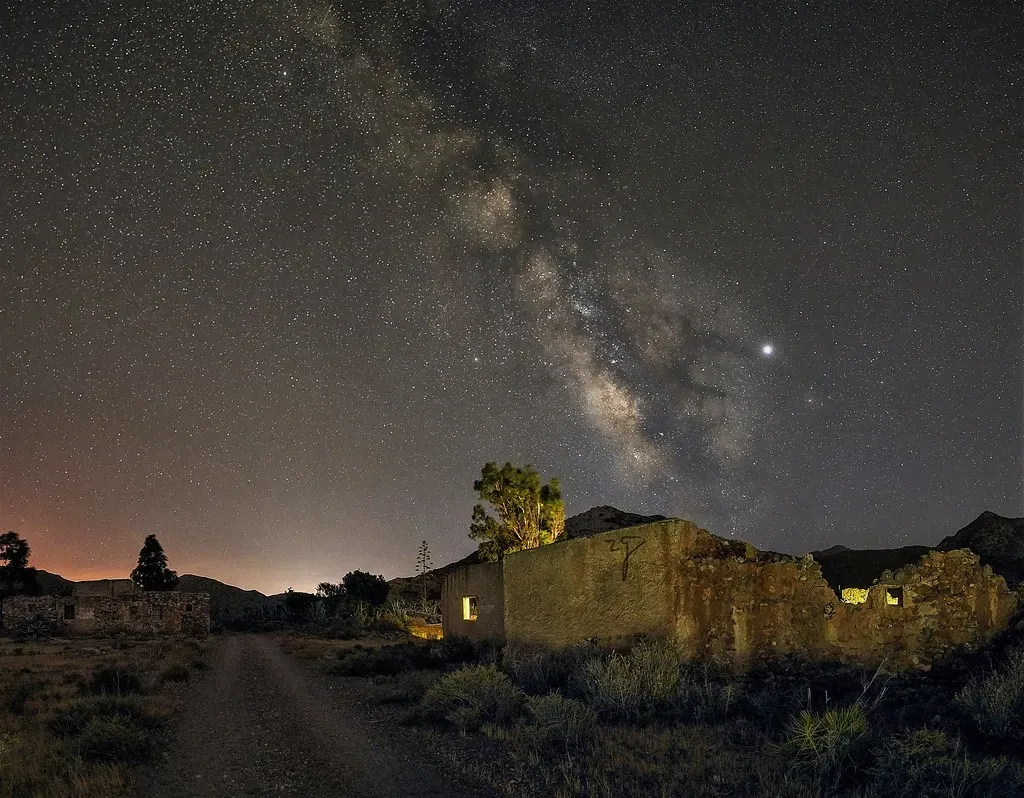
To find some of the darkest skies in the US, you’ll want to visit Big Bend National Park in southwest Texas. This remote wilderness sits far removed from major metropolitan areas, tucked into the bend where the Rio Grande River curves along the Mexican border. It has the least light pollution of any other National Park unit in the lower 48 states.
When you’re standing beneath Big Bend’s night sky, it’s almost disorienting how many stars appear. Realistically one can see approximately 2,000 stars on a clear night here compared to perhaps a few hundred in a medium-sized city. I think that contrast really puts things into perspective. The park has been working hard to eliminate artificial lighting, so the darkness here feels authentic and uncompromised. Some visitors have described the Milky Way as being so bright overhead that it feels like you could reach up and touch it.
Cherry Springs State Park, Pennsylvania
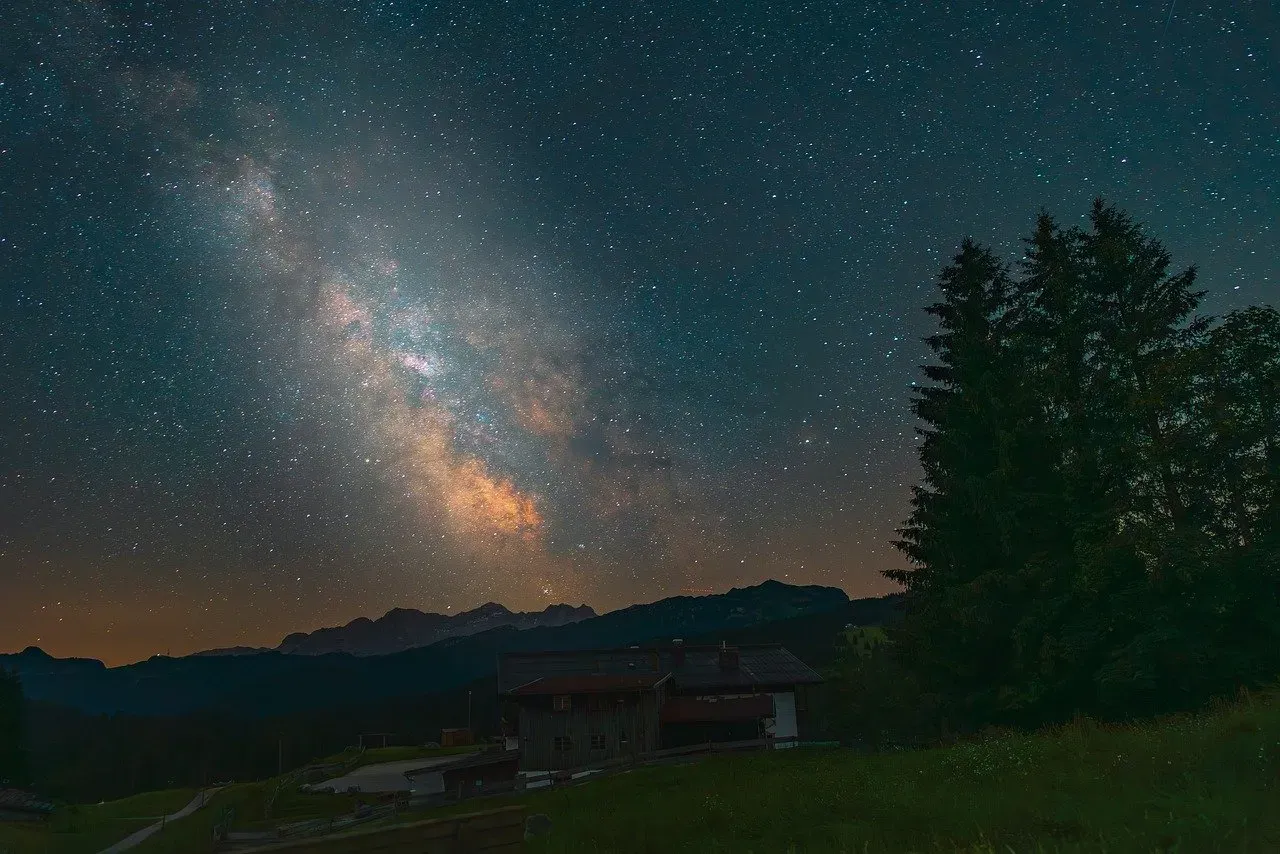
Let’s head east now, because people often assume you need to trek out west for truly dark skies. Cherry Springs State Park, Pennsylvania, is one of the darkest places in the North East, and it has been designated as a Gold Level Everywhere Dark Sky Park, with Class 2 Bortle skies. It’s perched on a plateau, which helps shield it from light emanating from nearby valleys and towns.
The park is the first International Dark Sky sight on the east coast, where up to 30,000 stars and celestial features are visible on a clear night. What makes this place particularly special is its accessibility. You don’t have to embark on a multi-day expedition to reach it. There’s even a dedicated public viewing area where casual stargazers can set up blankets and binoculars for a few hours without committing to overnight camping. For anyone living along the Eastern Seaboard, this is your golden ticket to the universe.
Great Basin National Park, Nevada
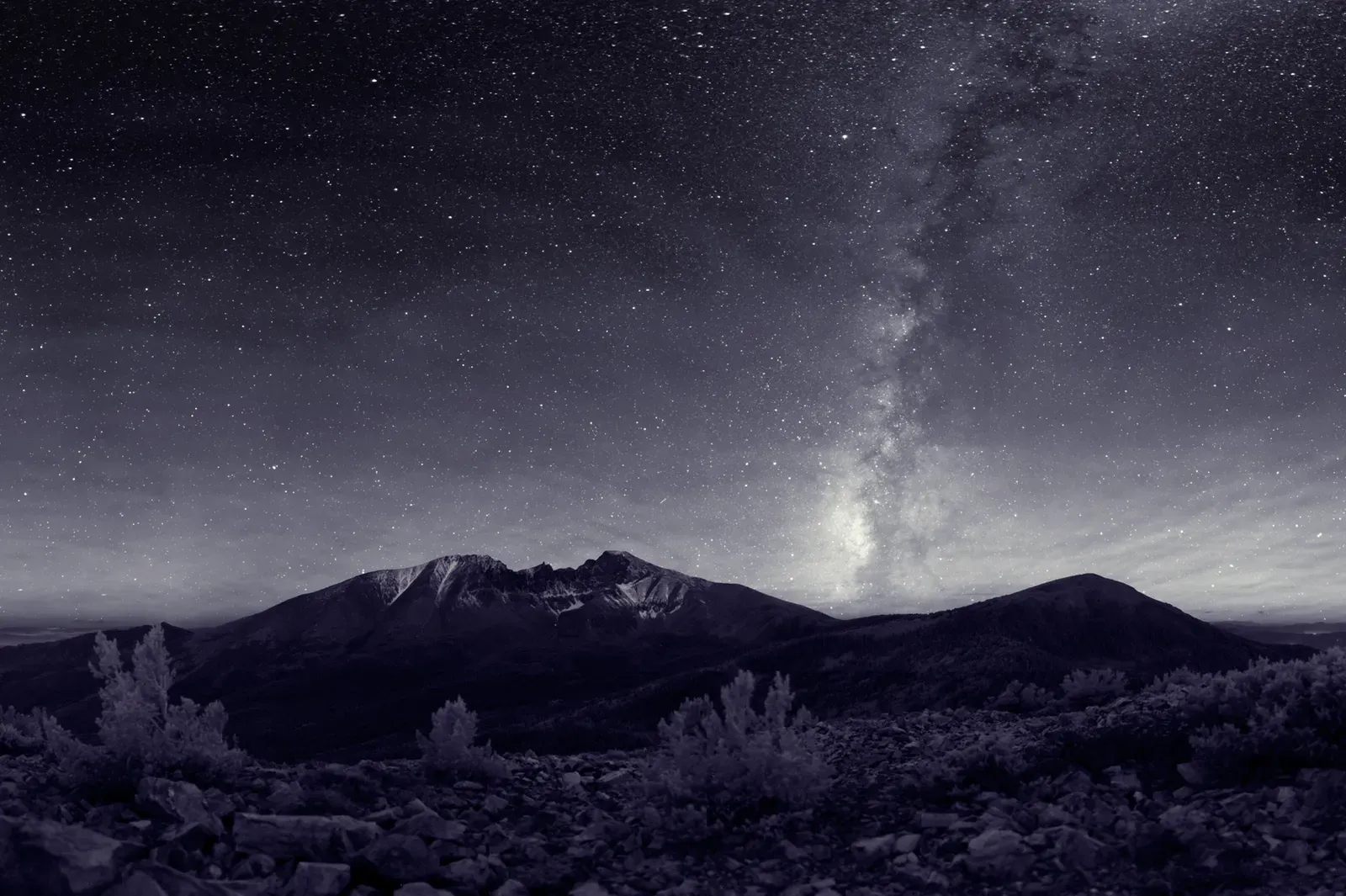
If you are in the Midwest, Great Basin National Park, Nevada, is an excellent option. This park doesn’t get nearly the attention of its more famous Nevada neighbor, but that obscurity works in its favor. On a clear, moonless night in Great Basin National Park, thousands of stars, numerous planets, star clusters, meteors, man-made satellites, the Andromeda Galaxy, and the Milky Way can be seen with the naked eye.
Great Basin offers more than just incredible celestial views. During the day, you can explore ancient bristlecone pine forests and venture into the cool depths of Lehman Caves. During the astronomy festival, there are ‘star parties’ every night, allowing Milky Way enthusiasts to pitch up their telescopes and catch a glimpse of planets, clusters of stars, and even galaxies beyond our own. It’s this combination of activities that makes Great Basin feel less like a pilgrimage and more like a complete adventure. You get caves, hiking, and then an encore performance from the cosmos itself.
Bryce Canyon National Park, Utah
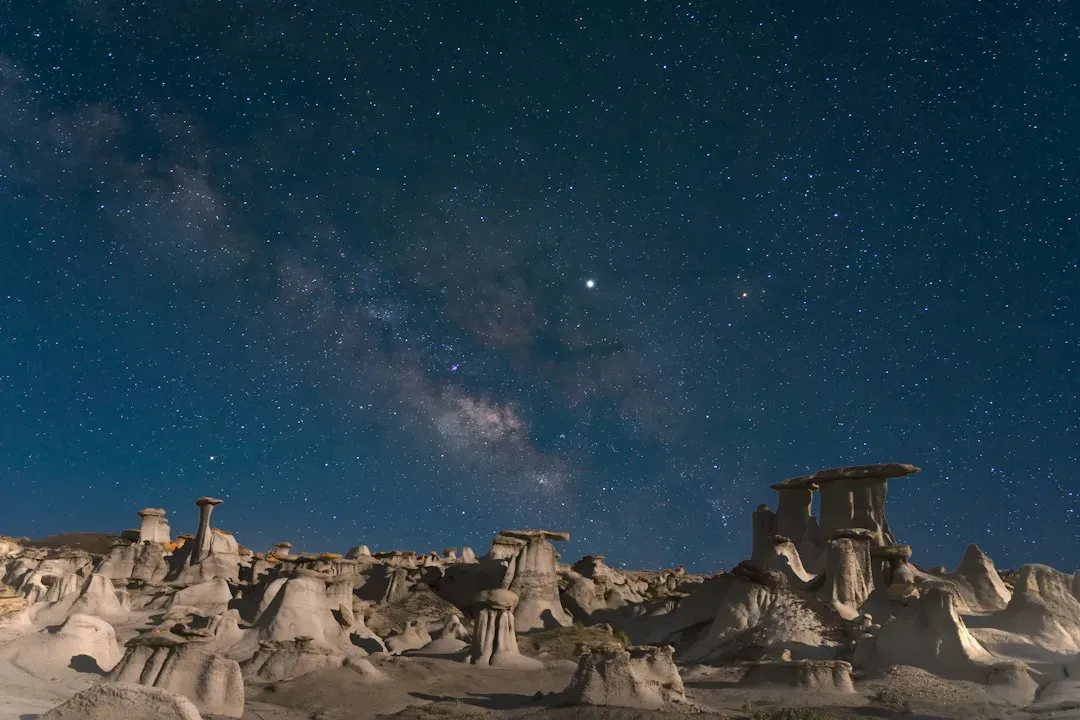
Achieving the prestigious International Dark Sky Park Gold Tier designation in 2019, Bryce Canyon National Park stands as a premier destination for both geological wonders and celestial observation. The park’s famous hoodoos, those towering spire-shaped rock formations glowing orange and red, create an already surreal landscape by daylight. When darkness falls, though, the show becomes downright magical.
During moonless and clear nights, 7,500 stars will welcome you to their domain. The high elevation here, combined with Utah’s famously dry air, creates conditions that astronomers dream about. Bryce Canyon also has an annual Astronomy Festival, which draws stargazers from around the world. Imagine standing on the rim, surrounded by those alien rock formations silhouetted against a river of stars overhead. It’s hard to say for sure, but moments like that might just change how you see your place in the universe.
Voyageurs National Park, Minnesota
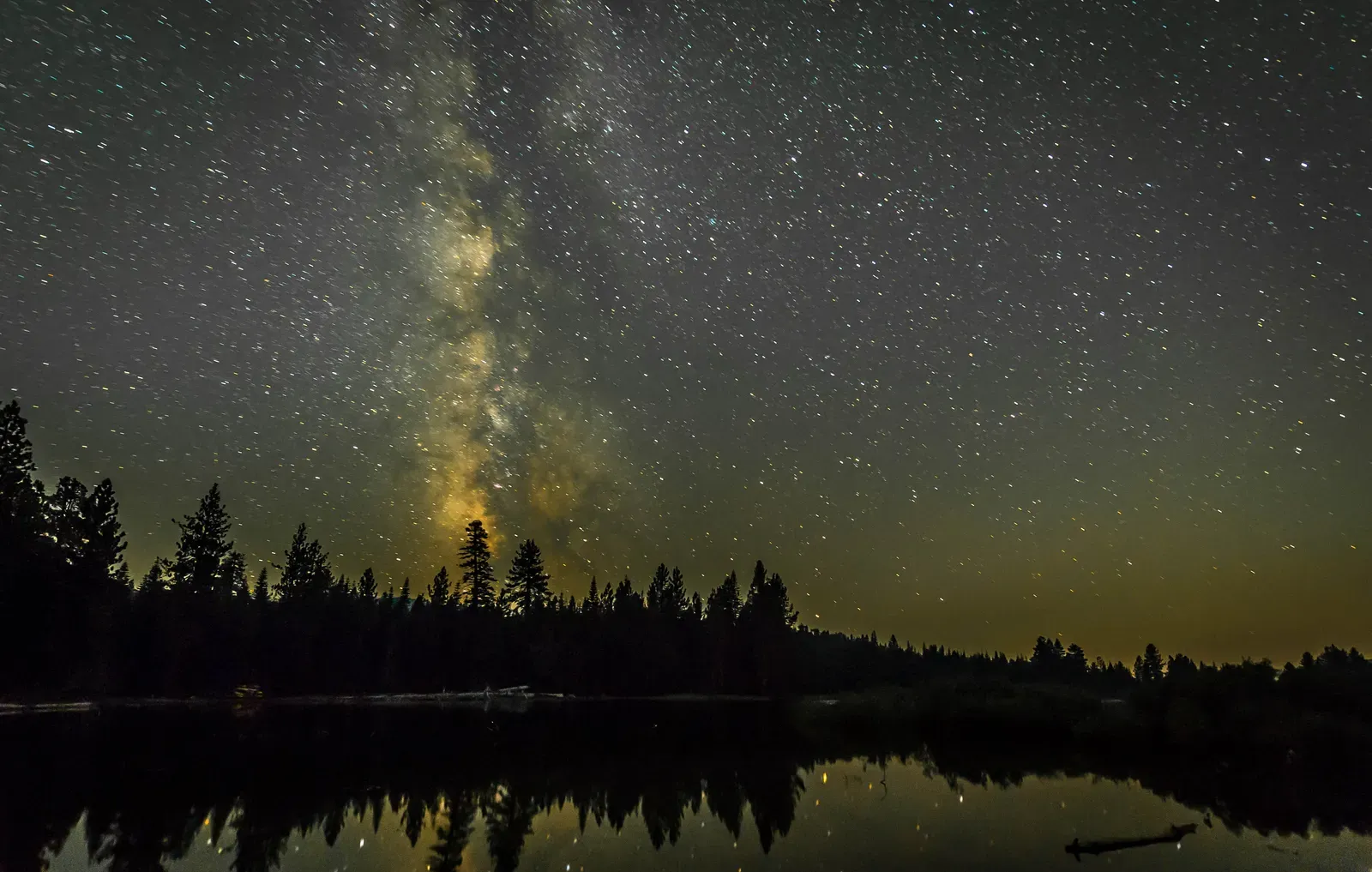
If you want the chance to photograph reflections in water of (occasional) auroras as well as stars and the Milky Way, head to the remote wilderness of Voyageurs National Park in northern Minnesota. This water-based park sits right on the Canadian border, far from the light domes of major cities. It’s a maze of interconnected lakes, islands, and channels carved by ancient glaciers.
It welcomes less than 250,000 yearly visitors – and naturally, low light pollution, making it an underrated gem for Midwestern stargazers. What sets Voyageurs apart is the opportunity to paddle out onto one of those glassy lakes at night, kill your lights, and float beneath the stars. The Milky Way reflecting on calm water creates a surreal, almost disorienting effect where you lose track of which way is up. Throw in the occasional appearance of the Northern Lights dancing across the horizon, and you’ve got yourself an unforgettable night under the stars.
Canyonlands National Park, Utah
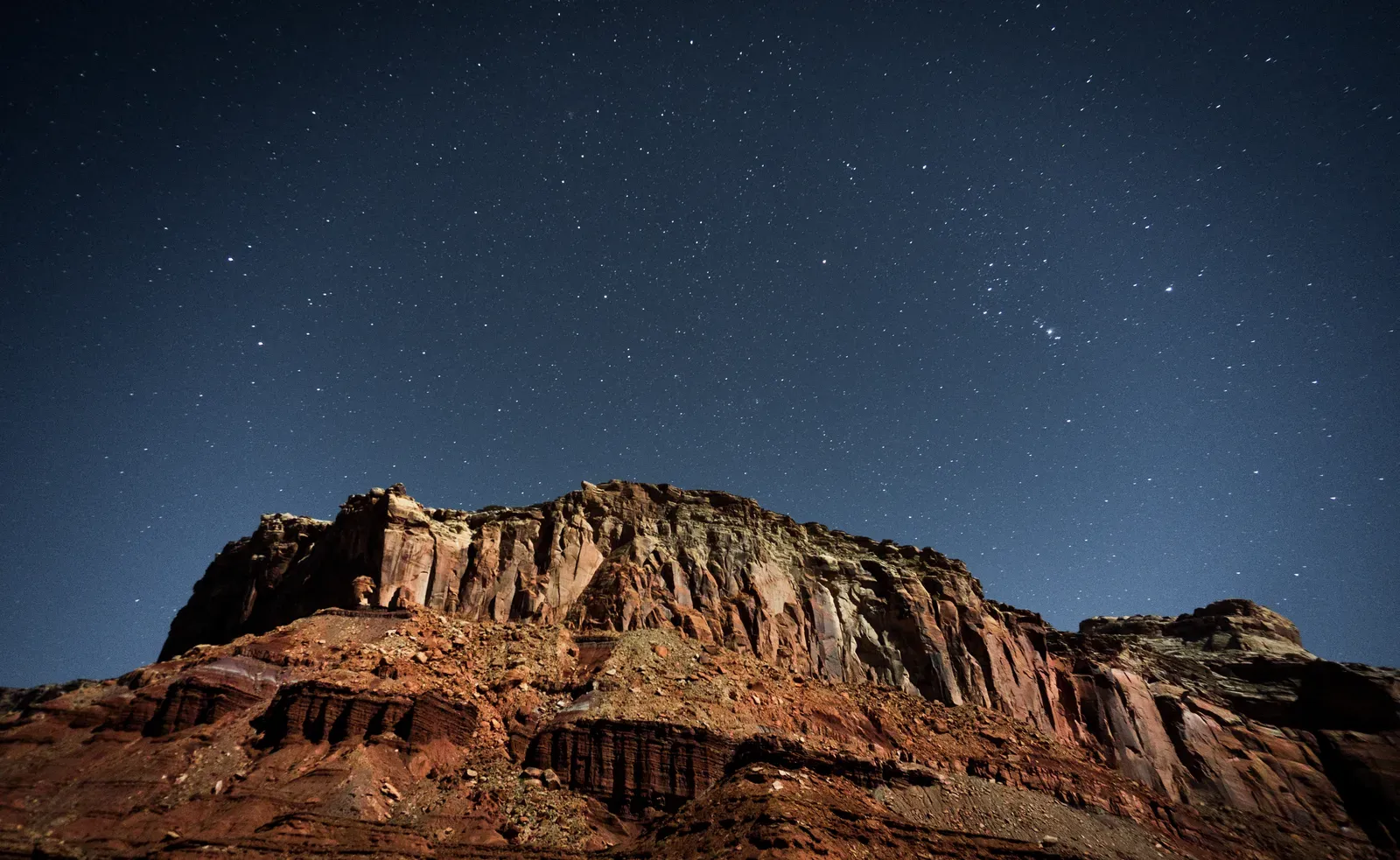
This national park boasts one of the darkest skies in the USA, which is why it’s been deemed a Gold-Tier International Dark Sky Park. Canyonlands sprawls across a massive expanse of sculpted stone, carved by the Colorado River and its tributaries into a labyrinth of canyons, mesas, and buttes. The sheer remoteness of this landscape keeps artificial light at bay.
With pristine panoramic views and over 337,000 acres of desert landscape, it’s also one of the best national parks to gaze at the stars. The park’s distinct districts offer different perspectives, but each one provides unobstructed views in every direction. You could watch the Milky Way arc across the sky from Mesa Arch or find a secluded spot in the Needles district where the only sounds are the whisper of wind and the occasional call of a distant coyote. There’s something deeply peaceful about being surrounded by such ancient geology while contemplating equally ancient starlight.
Joshua Tree National Park, California
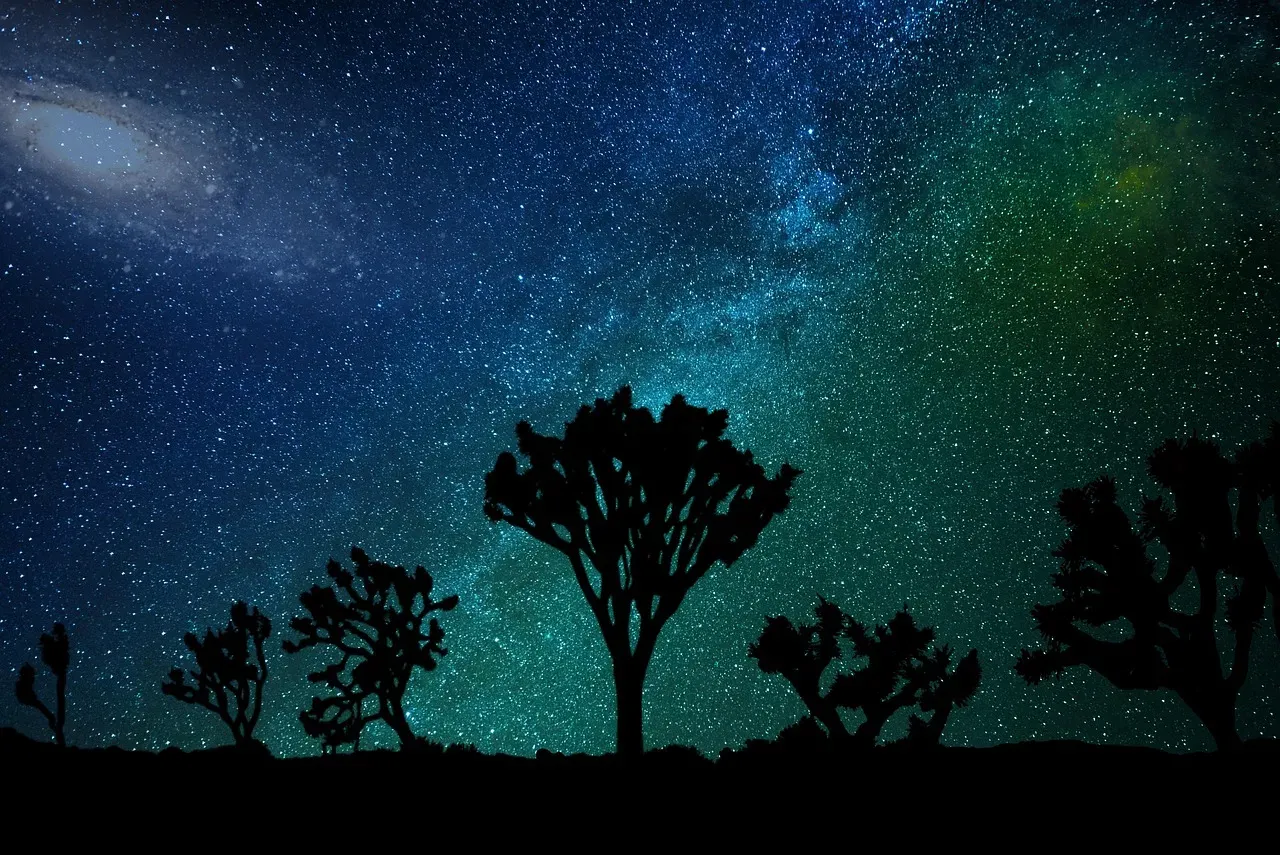
Joshua Tree National Park in southern California may be known for its wildlife, rock formations, and other-worldly desert landscape, but it was also designated a Dark Sky Park in 2017. The park’s namesake trees, those twisted and spiky yuccas, create fantastic foreground subjects against the star-studded sky. It’s become a favorite destination for astrophotographers, and for good reason.
In the winter months, the darkness is even more prominent – and lengthy. In December, sunset can start as early as 4:30pm with the sky going completely dark by 5pm. That gives you hours and hours of prime stargazing time before midnight even rolls around. There are four designated stargazing areas in the park with parking available: Quail Springs, Hidden Valley, Cap Rock and Ryan Mountain. Each spot offers its own unique vantage point, so you can return multiple times and still discover something new. Just remember to bring layers, because those desert temperatures drop faster than you’d expect once the sun disappears.
Conclusion
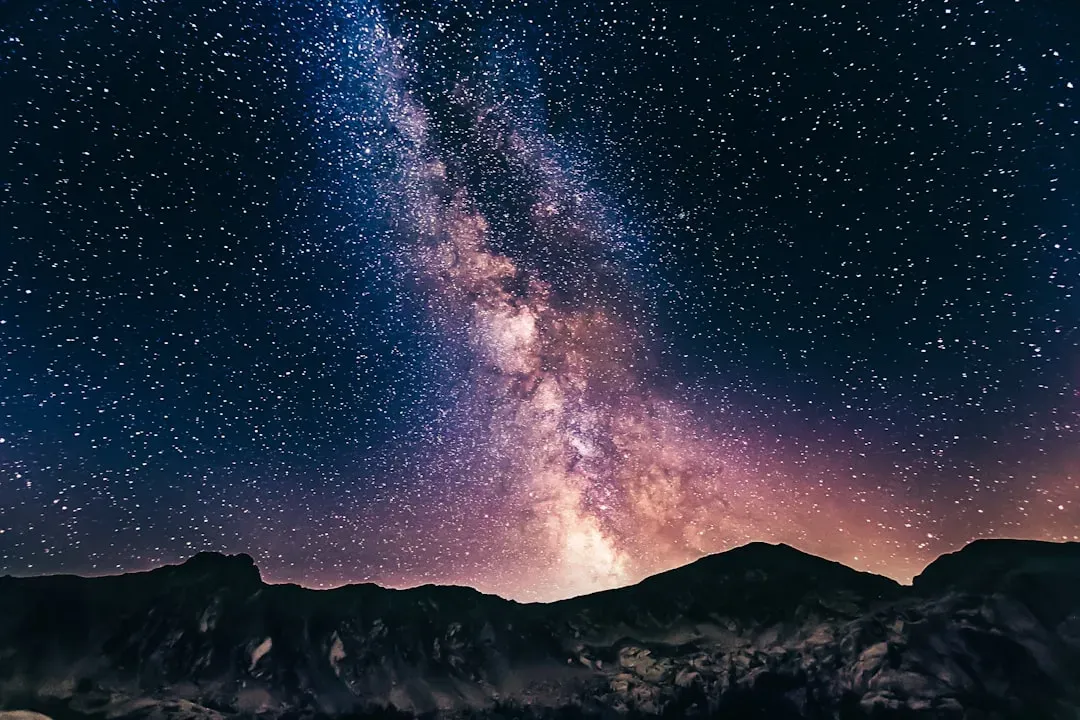
The night sky is a treasure we’ve almost lost without realizing it. Light pollution has crept across our landscapes so gradually that many of us don’t even know what we’re missing. These eight locations represent more than just dark patches on a map; they’re windows into our cosmic heritage, places where you can reconnect with the universe in ways that were once commonplace for every human being.
Whether you’re drawn to the desert expanses of Death Valley and Joshua Tree, the dramatic canyons of Big Bend and Canyonlands, or the remote forests and waterways of Cherry Springs and Voyageurs, each destination offers its own flavor of darkness and wonder. The Milky Way doesn’t care about state borders or park boundaries. It’s been shining overhead for billions of years, patient and unchanging, waiting for us to simply look up. Have you experienced the Milky Way stretching across a truly dark sky? If not, which of these places speaks to you most?

- These 7 Historic US Battlefields Are Sacred Grounds Of Remembrance - August 2, 2026
- The JWST Found A Jekyll-and-Hyde Galaxy In The Early Universe - August 2, 2026
- 10 Heartwarming Ways A Chihuahua Shows They’ve Bonded With You - August 2, 2026