
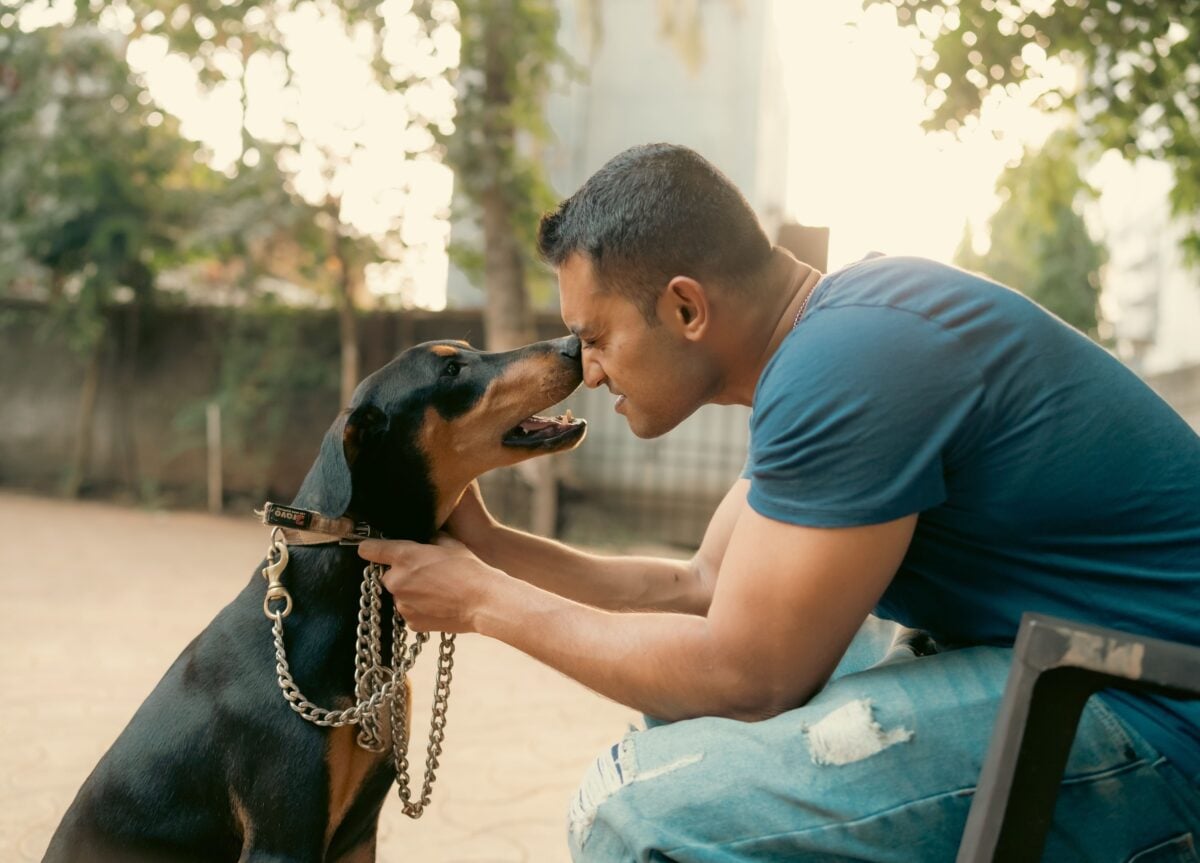
Anyone who has come home after a long trip knows the scene. The dog hears the door, skids across the floor, and greets you as if you’d been gone for years. It’s hard not to wonder what’s going on in that head, and how much of you is stored in there.
Science can’t read a dog’s mind, and “forever” is a big word. Still, research on canine memory, scent, and attachment gives us a surprisingly rich picture. Some of what dogs hold onto may be more emotional than most of us assume.
Your Scent, Which Acts Like a Personal Signature
🔥 Would you like to save this?
We'll email this post to you, so you can come back to it later!
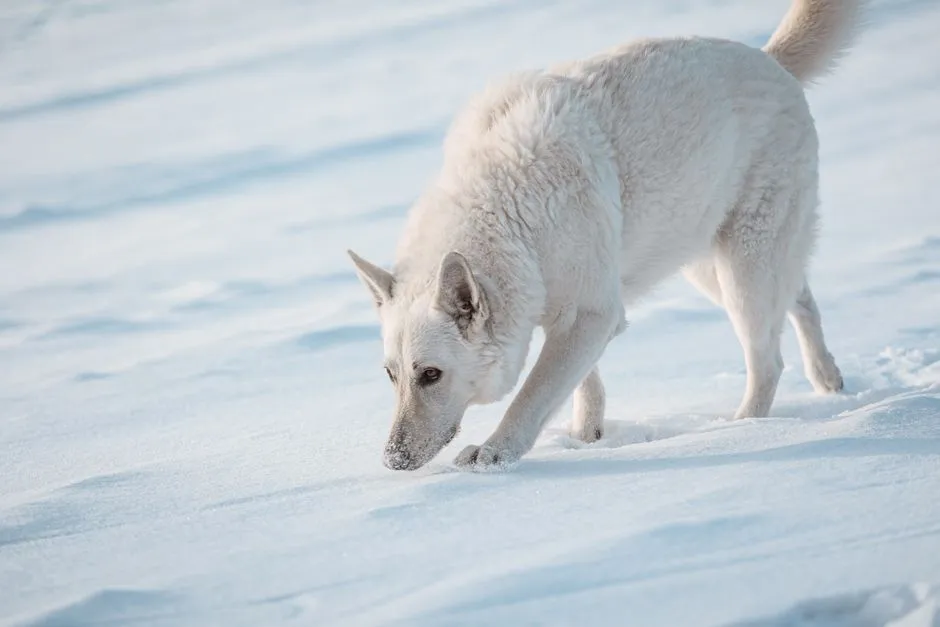
A dog’s sense of smell is far more powerful than ours, and it plays a huge role in how they recognize people. Your scent is a kind of identity card, built from your skin, your clothes, your home, and even your mood. Dogs tend to pick it up in a split second.
Researchers have used brain imaging to show that dogs respond differently to the scent of familiar people than to strangers. Reward-related brain areas appear to light up for a familiar human smell. So when your dog presses their nose into your worn sweatshirt, there’s likely something comforting going on.
The Sound of Your Voice
🔥 Would you like to save this?
We'll email this post to you, so you can come back to it later!
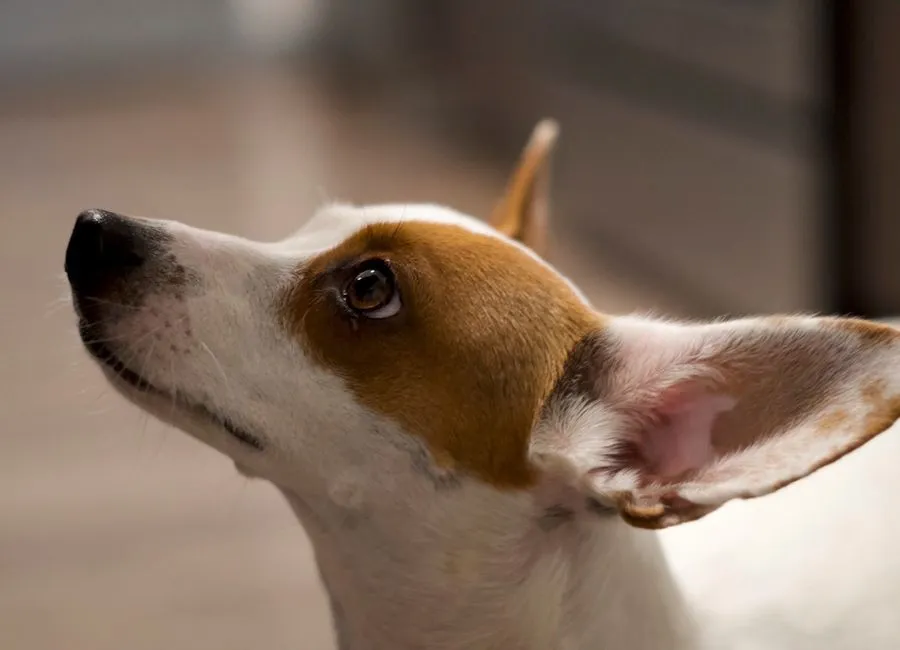
Dogs learn voices quickly, and they seem to process them in ways that look a lot like ours. Studies using brain scans have found that dogs have areas that respond to the emotional tone of human voices. A warm, happy voice doesn’t just get attention, it registers.
That’s why a dog can pick you out from the next room or over a speakerphone. Many owners notice their dogs perk up at a familiar voice on a video call. It’s not a trick, it’s recognition built over thousands of small moments.
The Way Your Face Looks and Feels
🔥 Would you like to save this?
We'll email this post to you, so you can come back to it later!
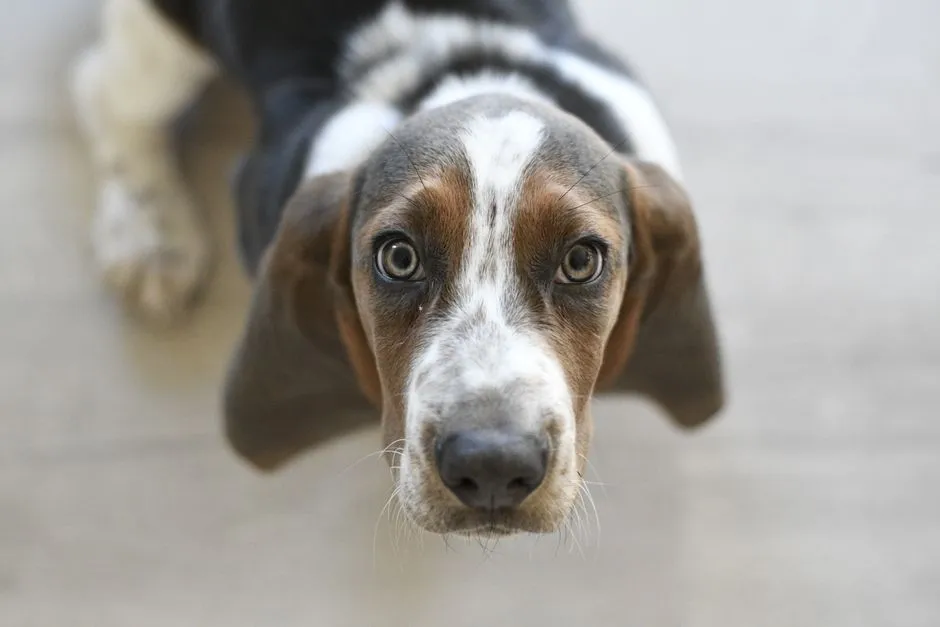
Dogs read human faces with real skill. Research has shown they can tell the difference between happy and angry expressions, and they spend more time looking at faces they know. Eye contact matters too, since it’s a social signal that dogs have adapted to over a long history with people.
Interestingly, studies suggest that mutual gazing between dogs and owners may be linked with a rise in oxytocin, a hormone tied to bonding. That’s the same hormone involved in the bond between parents and babies. Your face isn’t just familiar, it’s tied to a feeling.
Your Daily Routines and Rituals
🔥 Would you like to save this?
We'll email this post to you, so you can come back to it later!
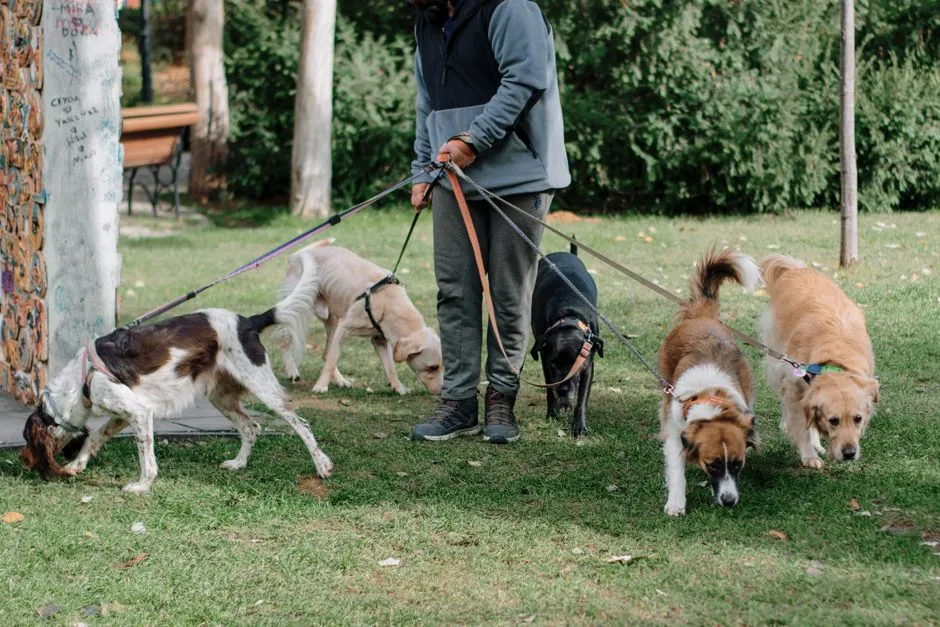
Ask any dog owner about the 6 a.m. stare or the dog who somehow knows when the walk is due. Dogs are very good at learning patterns, and they link them with the people who create them. The jingle of keys, the sound of a certain cupboard, the putting on of shoes, all become cues.
These rituals carry emotional weight. A morning walk or an evening cuddle becomes part of how a dog understands safety and belonging. When routines change, such as after a move or a schedule shift, many dogs show signs of stress, which hints at how much they rely on these shared habits.
Moments of Kindness and Comfort
🔥 Would you like to save this?
We'll email this post to you, so you can come back to it later!
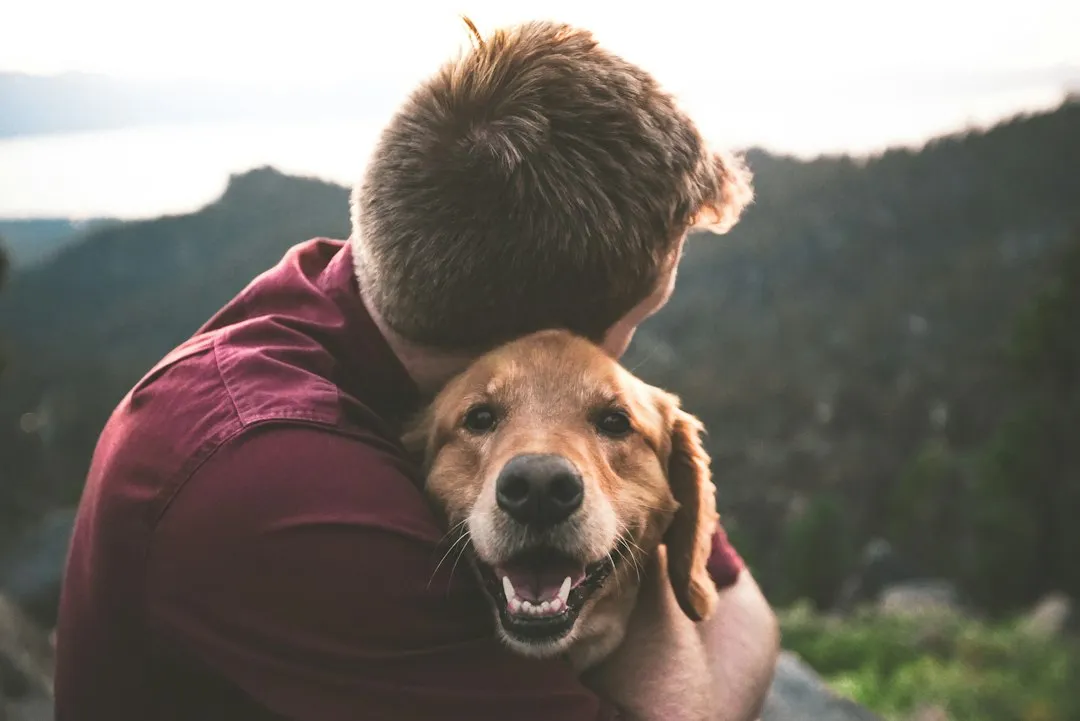
Dogs seem to remember how people make them feel. Experiments have found that dogs prefer people who’ve been helpful or kind to their owners, and they can avoid those who behaved unkindly. That suggests social experiences leave a lasting impression.
Dogs also appear to respond to human distress. In some studies, dogs approached crying people more than people who were humming or talking. We can’t be sure what a dog is feeling in those moments, but the pattern suggests that comfort given and received is something they notice.
The Hard Moments, Including Fear and Mistreatment
🔥 Would you like to save this?
We'll email this post to you, so you can come back to it later!
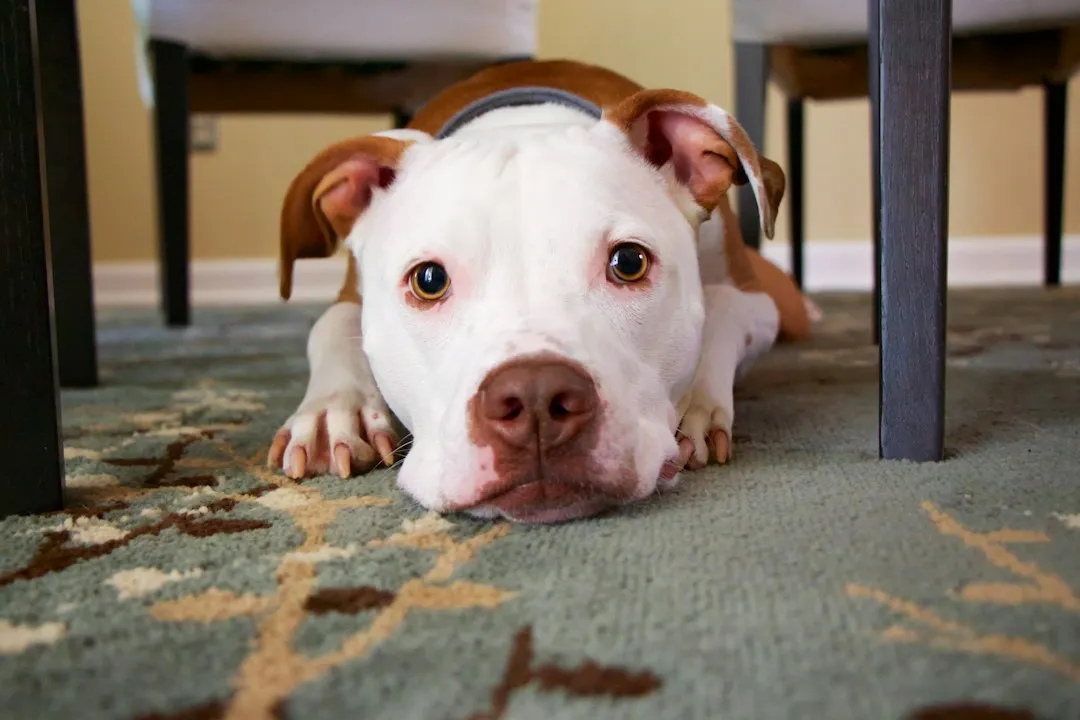
This one’s tougher to read. Dogs that have been through neglect or harsh treatment often show lingering wariness, which suggests that strong negative experiences can stick. Rescue workers and behaviorists regularly see dogs who flinch at certain gestures or sounds long after they’ve moved to a safe home.
The hopeful part is that dogs can also learn new associations. With patience, predictable routines, and gentle handling, many fearful dogs gradually build trust. Healing takes time, and it looks different for every dog, but kindness does seem to count.
The Feeling of Being Away From You
🔥 Would you like to save this?
We'll email this post to you, so you can come back to it later!
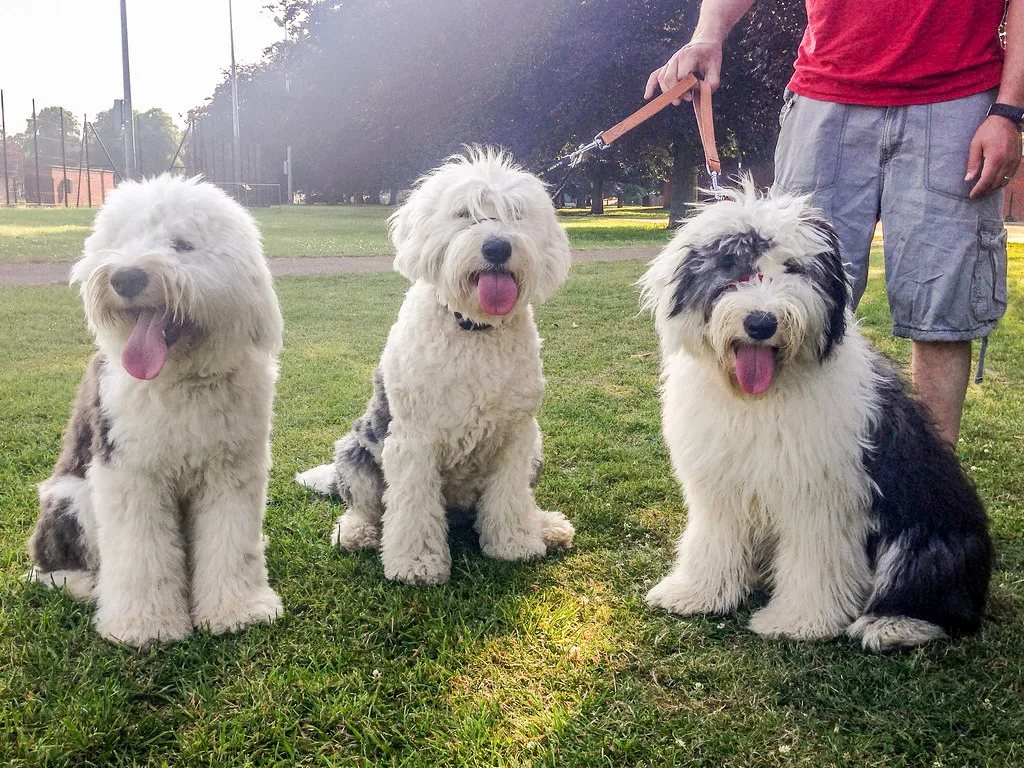
Separation is one of the clearest windows into a dog’s emotional life. Many dogs get visibly anxious when left alone, and others celebrate reunions with obvious joy. Some research suggests dogs respond more strongly to their owners’ return after longer absences, which hints at a sense of time passing, even if it’s not the way we experience it.
Stories of dogs waiting for owners are moving, but it’s wise to be careful about reading too much into them. We don’t have solid proof of exactly how a dog perceives months or years apart. What we do know is that dogs can recognize familiar people after long separations, especially through scent and voice.
The Bond Itself, the Feeling of Being Yours
🔥 Would you like to save this?
We'll email this post to you, so you can come back to it later!
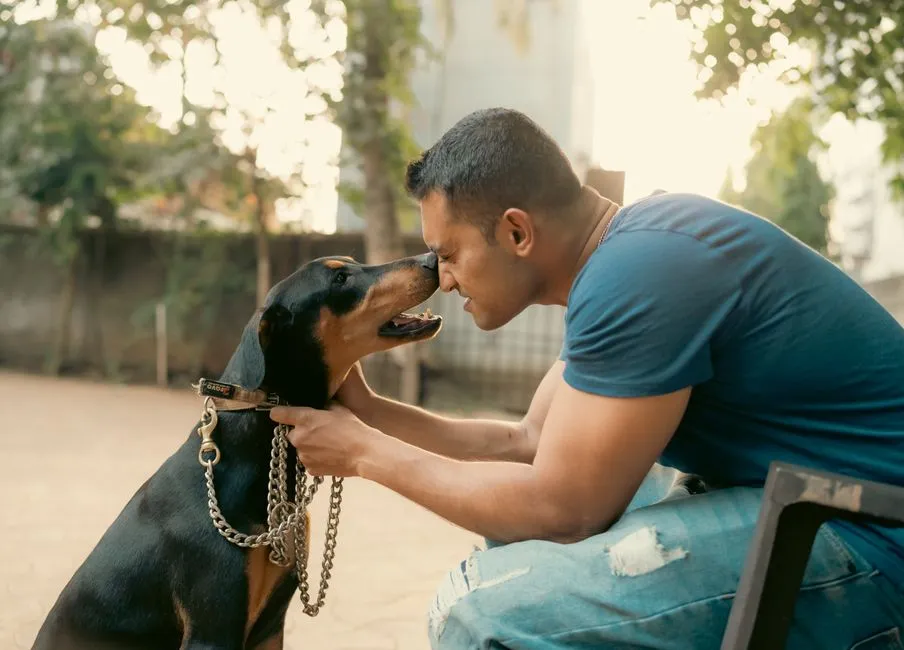
Beyond any single memory, dogs seem to hold onto the relationship as a whole. Attachment research shows that many dogs treat their owners as a secure base, a person to return to when the world feels uncertain. That’s similar to the way young children behave around a trusted caregiver.
It’s an association built on years of meals, walks, naps, and quiet company. Scientists are still working out how dogs store these emotional memories, and “forever” can’t be proven. Yet the evidence points to a bond that runs deep and sticks around.
Final Thoughts
🔥 Would you like to save this?
We'll email this post to you, so you can come back to it later!
I’ll say it plainly: dogs probably don’t remember us the way we remember them, with neat stories and dates. They remember in smells, sounds, routines, and feelings, and honestly, that might be the more honest form of memory.
So the practical lesson is simple. Be the person your dog would be glad to remember. Show up, be gentle, keep the walks coming, and know that these small, ordinary acts are probably what stays with them most.

- 7 Everyday Habits That Can Make Your Senior Dog Happier - November 5, 2026
- 10 Enigmatic Structures That Continue to Puzzle Scientists Today - November 5, 2026
- 10 Strange Ruins in the Americas That Challenge What We Know About Early History - November 5, 2026