

Your dog’s curious nature is part of what makes them so lovable, yet it can also lead them straight into danger. Every day, thousands of dogs across the country end up in emergency veterinary clinics because they’ve gotten into something they shouldn’t have. The scary part? Most of these incidents happen at home, with items you probably never considered threatening.
Thousands of pets are poisoned in the U.S. each year. The good news is that most of these emergencies are completely preventable once you know what to watch for. Let’s explore the hidden dangers lurking in your home and learn how to keep your furry friend safe.
Cleaning Products That Pack a Punch
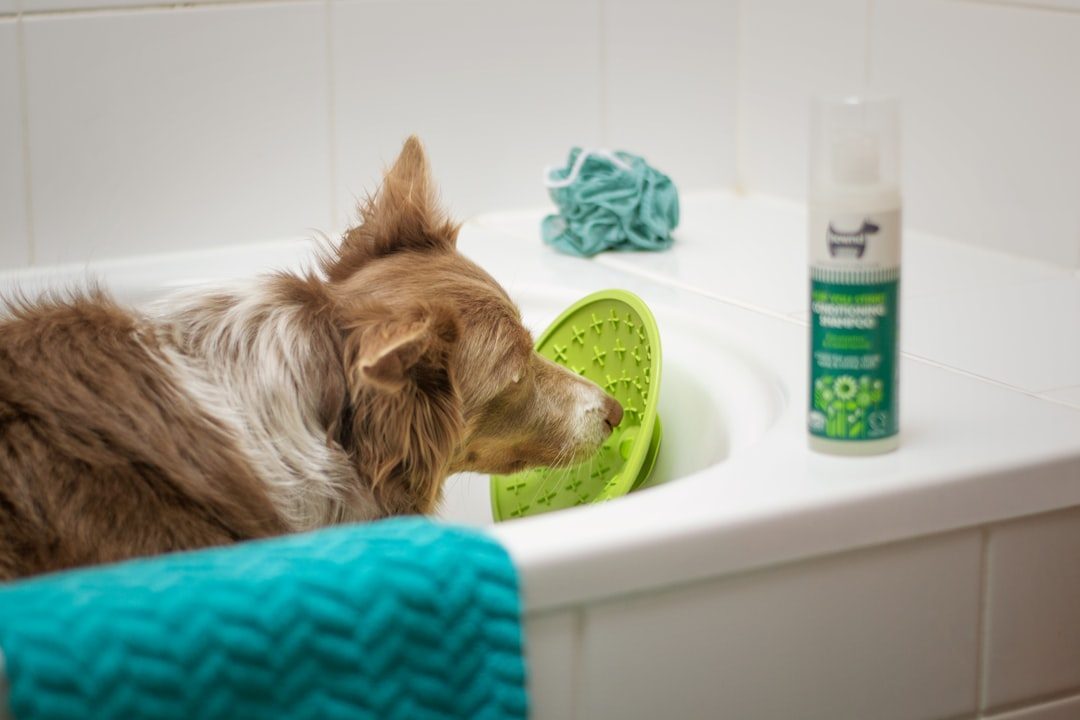
Your spotless home might be hiding one of the biggest threats to your dog’s health. Cleaning products made with chemicals like bleach, chlorine, and phenols can have a corrosive effect on your dog’s skin, eyes, and lungs (if they inhale it). What makes these products particularly dangerous is their accessibility – they’re often stored under sinks or in low cabinets where curious pups can easily reach them.
Ingesting undiluted chlorine bleach can cause stomach upset, vomiting, diarrhea, eye irritation, ulcers, and severe burns to your dog. The symptoms can range from mild irritation to life-threatening chemical burns, depending on what your dog ingested and how much.
Human Medications: A Deadly Mix-Up
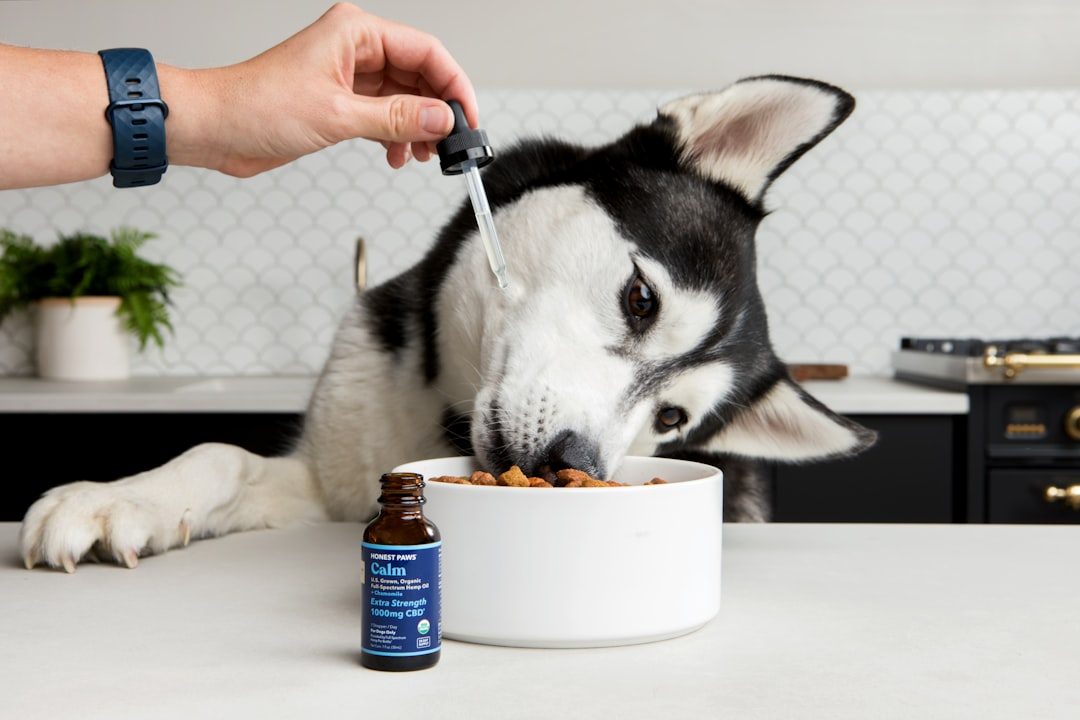
As of 2022, over-the-counter (OTC) human medications had topped the list for five years running. These medications are easily accessible in most homes, purses, backpacks, and cars. It’s heartbreaking how often dogs get into pill bottles left on nightstands or medications dropped on the floor.
Ibuprofen, acetaminophen, cold medicine, and even some herbal remedies can cause serious harm or even death in cats and dogs because their systems metabolize these drugs differently than ours do. Even a single pill can be toxic to smaller dogs, making this category particularly terrifying for pet parents.
The Hidden Danger in Your Laundry Room
Most dog owners never suspect their laundry room could be a minefield of dangers. Many people use fabric softener sheets, but they may not have considered that they can be dangerous for dogs. Fabric softener sheets work because they’re coated in chemicals designed to remove static cling; these chemicals move from the sheets to the clothing when in the dryer. Depending on the type, the chemicals can be poisonous to canines.
It may take as little as a single detergent pod for your dog to show signs of toxicity, like vomiting and lethargy. However, the most lethal outcome for dogs who consume laundry detergent is aspiration pneumonitis, or an accumulation of fluid in the lungs after something poisonous is ingested or inhaled. Those colorful laundry pods look remarkably like toys to curious dogs.
Batteries: Small but Lethal
Alkaline batteries contain dangerous ingredients like sodium or potassium hydroxide. When a dog punctures or swallows a battery, acidic material can severely scald the dog’s mouth and cause other tissue damage. The damage happens incredibly quickly, often before you even realize your dog has gotten into trouble.
These highly corrosive acidic or alkaline chemicals leak out when pets bite or chew on batteries and can lead to serious internal burns. Pets can suffer from painful tissue damage in the oral cavity or anywhere along the digestive tract, including the esophagus, stomach, or intestines. Remote controls, toys, and small electronics scattered around your home all contain these dangerous power sources.
Rodent Control: The Bait That Backfires
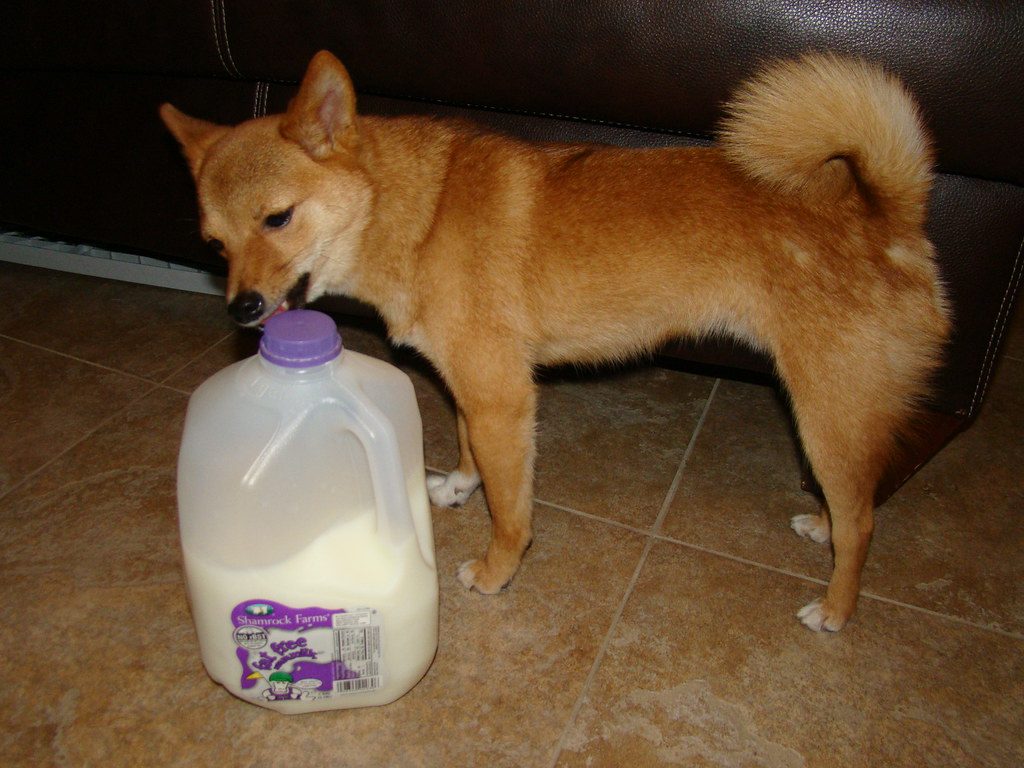
Rat and mouse baits (i.e., rodenticides) are designed to kill rodents through uncontrollable bleeding, brain swelling, or sudden kidney failure. Unfortunately, these poisonous products affect all mammals, including pets, the same way. It’s a cruel irony that the very products meant to protect your home can destroy your dog’s life.
Sadly, rodent bait is scented and flavored to attract rats and mice, so dogs mistake it for food or treats and consume large quantities. And, by the time illness signs are visible, which may be hours or days, their injuries are often irreversible and their prognosis is poor. This delayed reaction makes rodenticides particularly insidious.
Common Foods That Turn Toxic
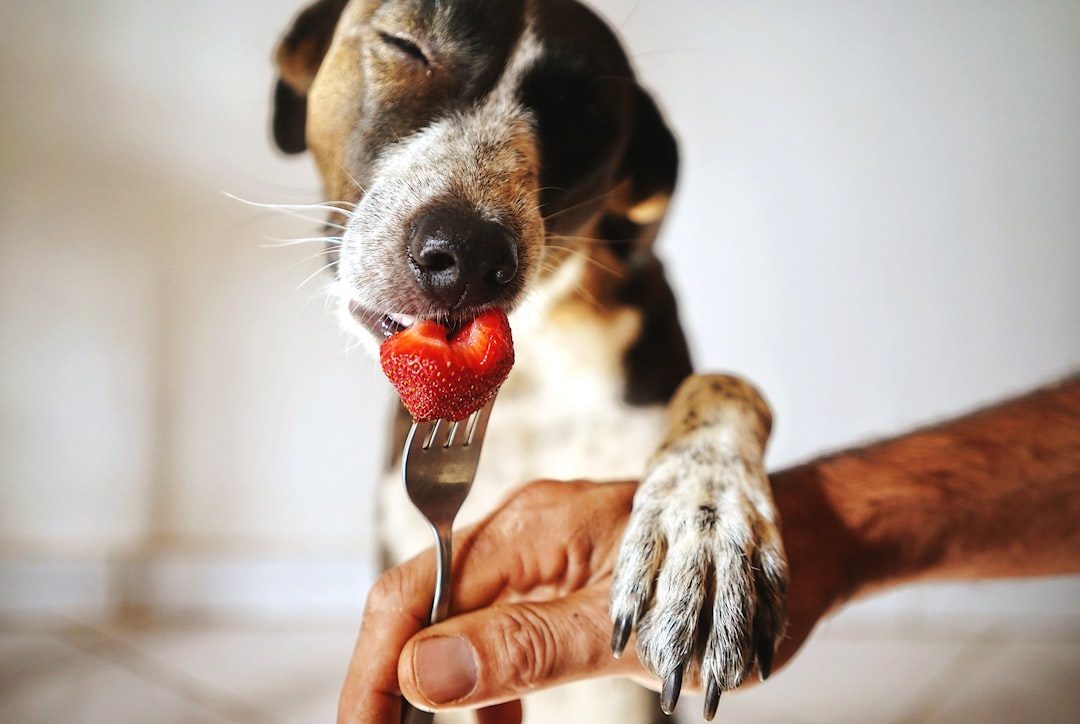
Your kitchen counter holds more dangers than you might imagine. All onion-family foods (including chives, garlic, and leeks) can cause a dangerous form of anemia when ingested in sufficient amounts. Even small amounts of these everyday cooking ingredients can be problematic for dogs over time.
Xylitol is a very dangerous sugar alcohol sweetener found in many common household products including sugar-free chewing gum, mints, candy, cough syrup, mouthwash, and toothpaste. Often found in sugar-free gum, peanut butter, and baked goods, xylitol can cause dangerously low blood sugar levels (hypoglycemia) and even liver failure in dogs. Signs of hypoglycemia include weakness, tremors, and seizures.
Fabric Items and String-Like Objects
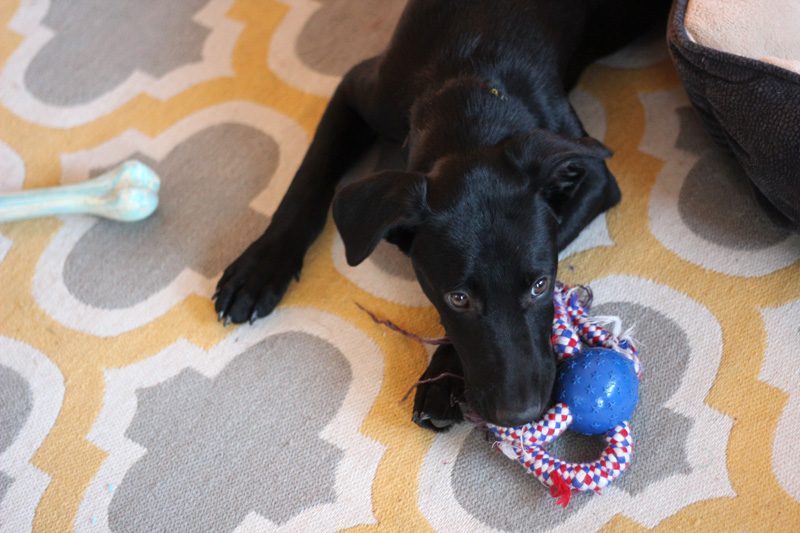
Chewing or ingesting items such as socks, underwear, shoelaces, and hosiery can cause choking and/or internal blockages. Dogs, especially puppies and young adults, seem drawn to the texture and smell of fabric items, making this a surprisingly common emergency.
String-like items such as ribbons or tinsel can become trapped in your pet’s intestines, requiring surgical removal. So make sure nothing is left on the floor or on tables within reach. The consequences of intestinal blockages can be severe, often requiring emergency surgery that’s both expensive and risky.
Household Plants: Beauty with a Bite
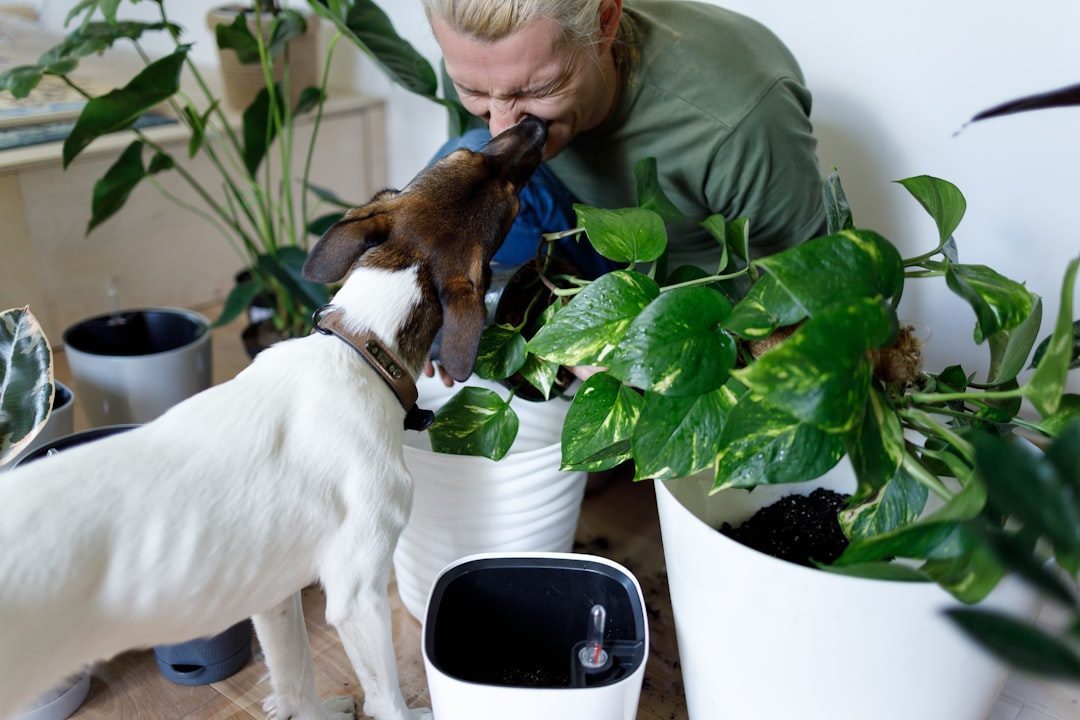
The same plants that breathe life into your space could put your dog’s health and safety at risk. Some are downright deadly, and others cause oral irritation and digestive upset when consumed. Your beautiful indoor garden might be more dangerous than you realize.
Lilies are especially toxic for cats, causing kidney failure, while other plants like tulips, daffodils, and azaleas can irritate their mouths and stomachs or cause other health concer[ns]. Even more toxic are shrubs like oleander, azalea, and rhododendron. The severity varies dramatically between plant species, but it’s better to assume any unknown plant poses a risk.
Conclusion
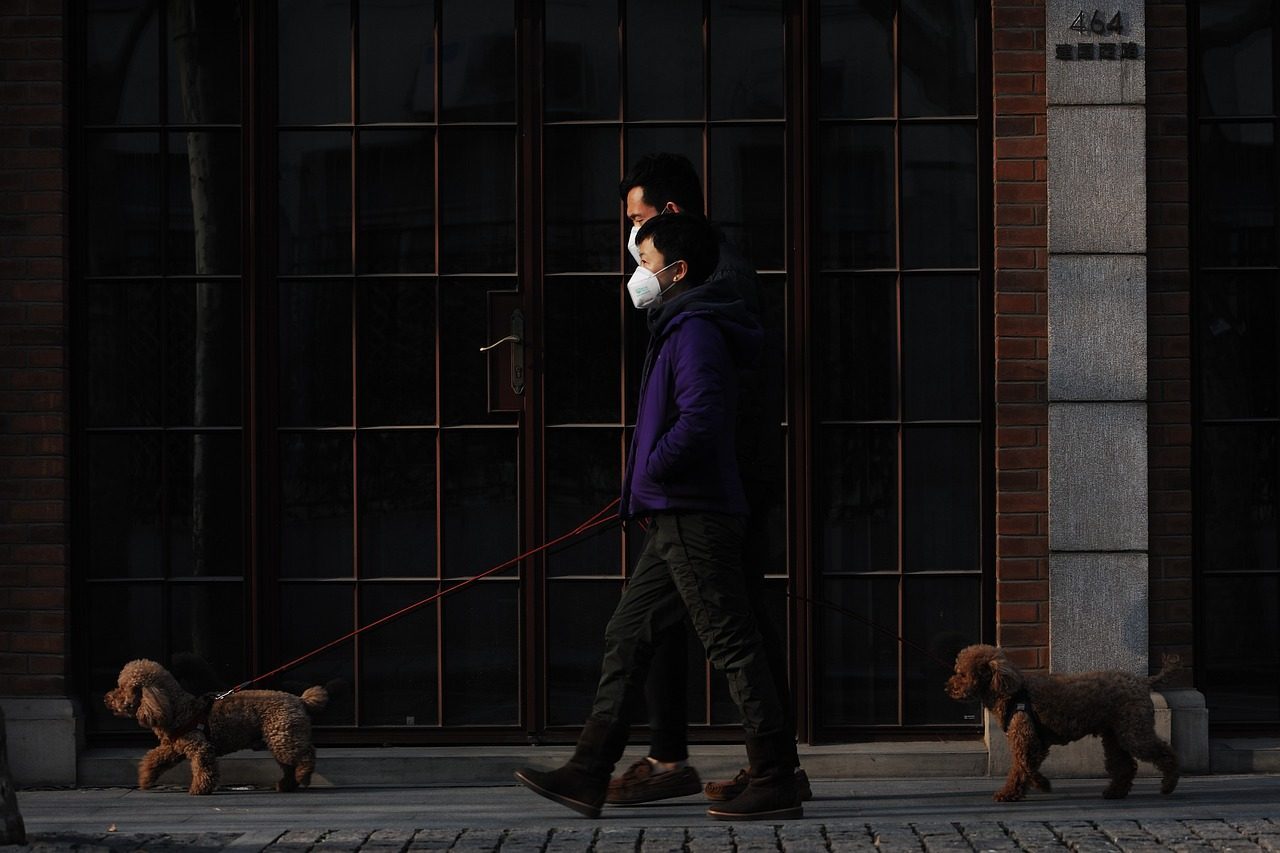
Protecting your beloved dog from household dangers doesn’t require turning your home into a sterile environment. It simply means being aware of the risks and taking reasonable precautions. The best thing you can do to prevent your pet from ingesting something toxic is to limit their exposure to the items. Don’t let them get into plants while on walks, and ensure that foods, medications, plants and household items are secured (use childproof locks if necessary) and out of your pets’ reach.
Remember, time is critical for successfully treating poisoning. Pick up the phone and call your veterinarian, or the ASPCA Animal Poison Control Center (1-888-426-4435) or Pet Poison Helpline (1-855-764-7661). Your dog’s curiosity will never disappear, but with awareness and preparation, you can create a safe haven where their adventurous spirit can thrive without putting them in harm’s way.
What surprises you most about these hidden household dangers? Share your thoughts and help other dog parents stay informed.
