
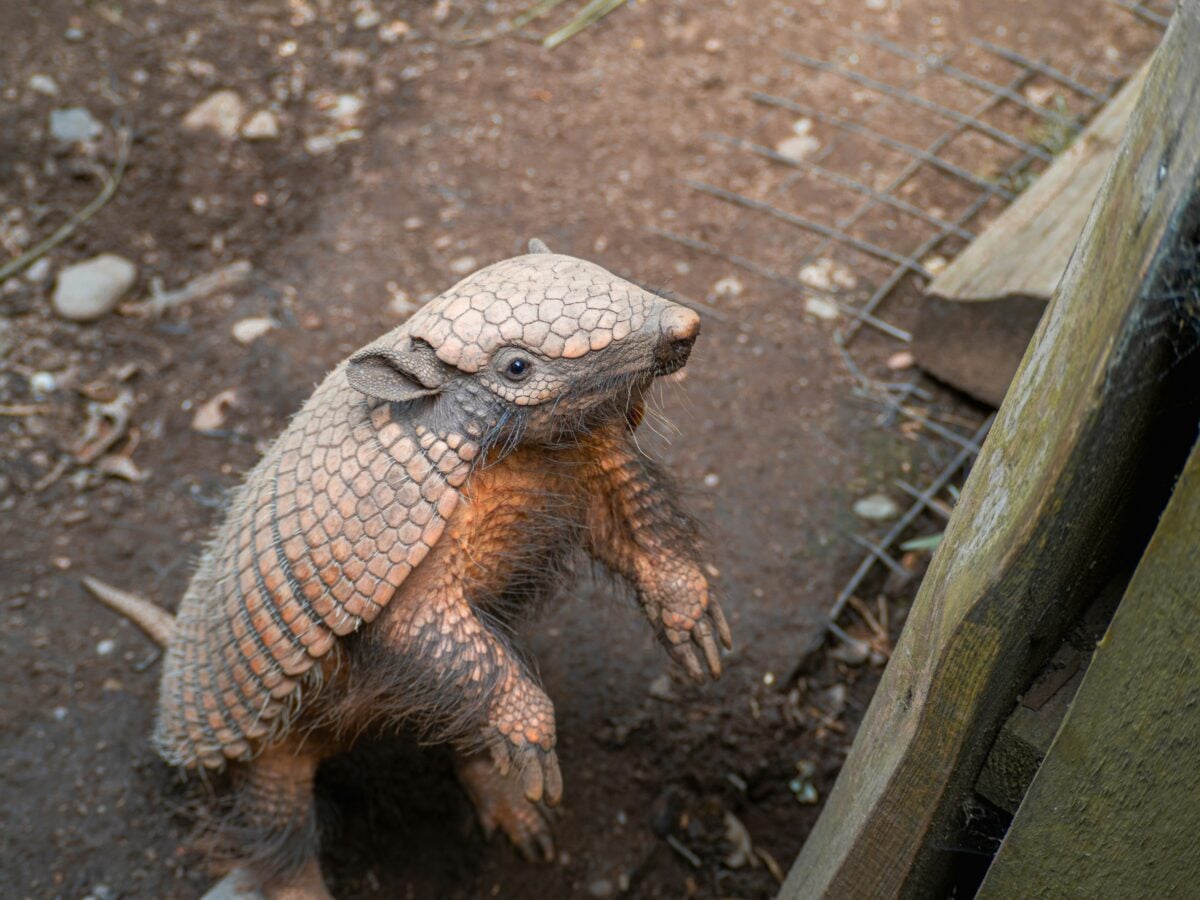
Picture a hole in the ground in a Brazilian wetland, dark and quiet. A bird hops in, and later a small anteater ambles past. A frog may be tucked somewhere near the entrance. None of them dug it.
The architect is one of South America’s least seen mammals, a heavily armored digger that mostly works at night. Researchers have pointed cameras at its homes for years, and what they recorded says a lot about how one animal can quietly support many others.
1. It’s the Largest Armadillo Alive, Built for Serious Digging
🔥 Would you like to save this?
We'll email this post to you, so you can come back to it later!
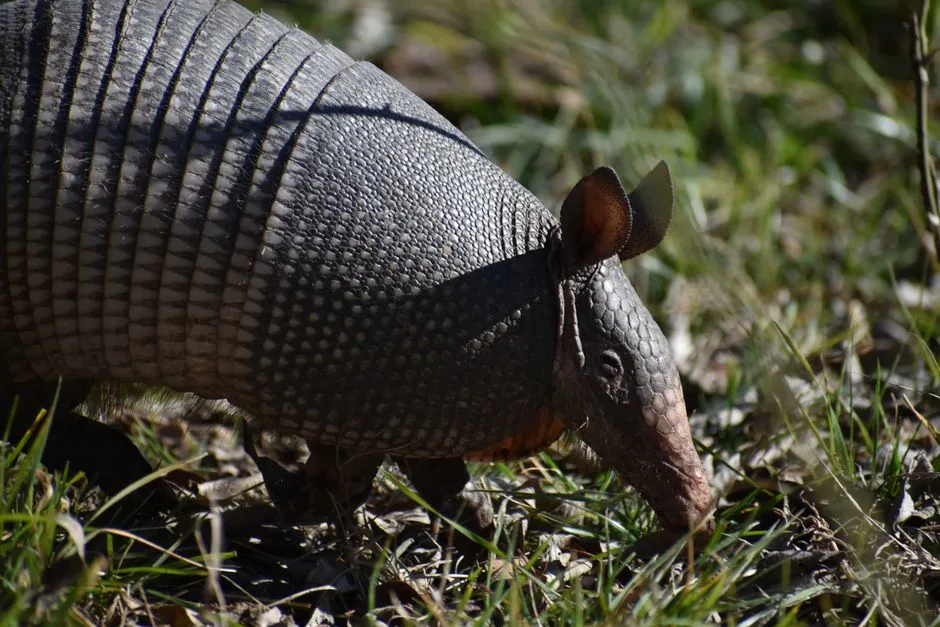
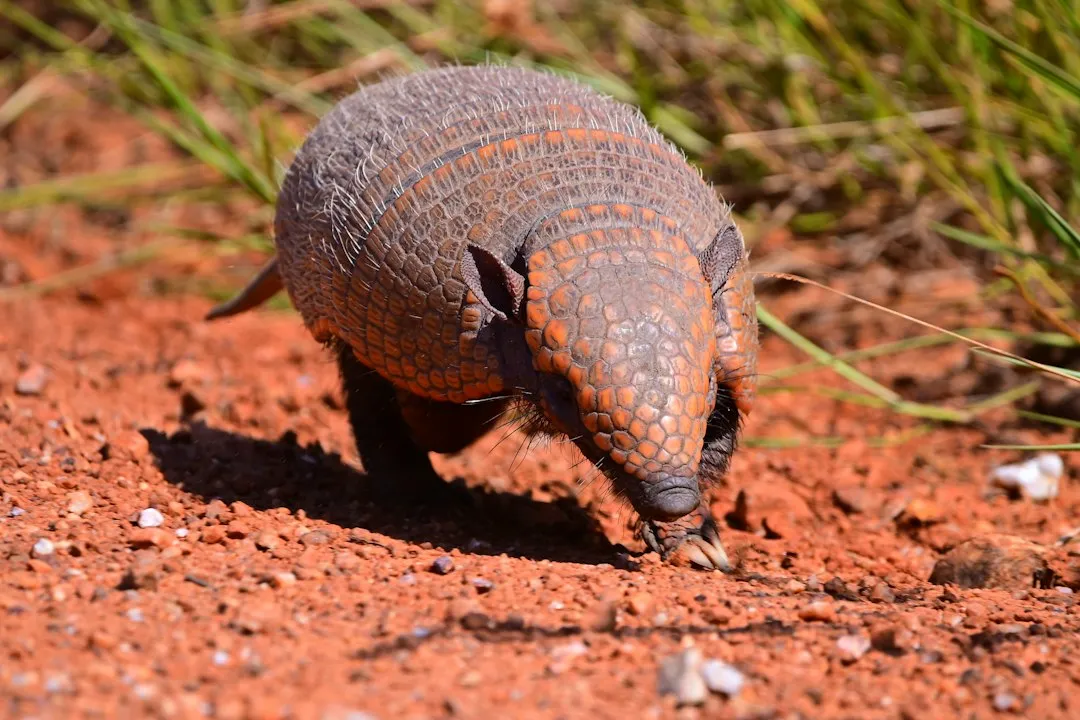
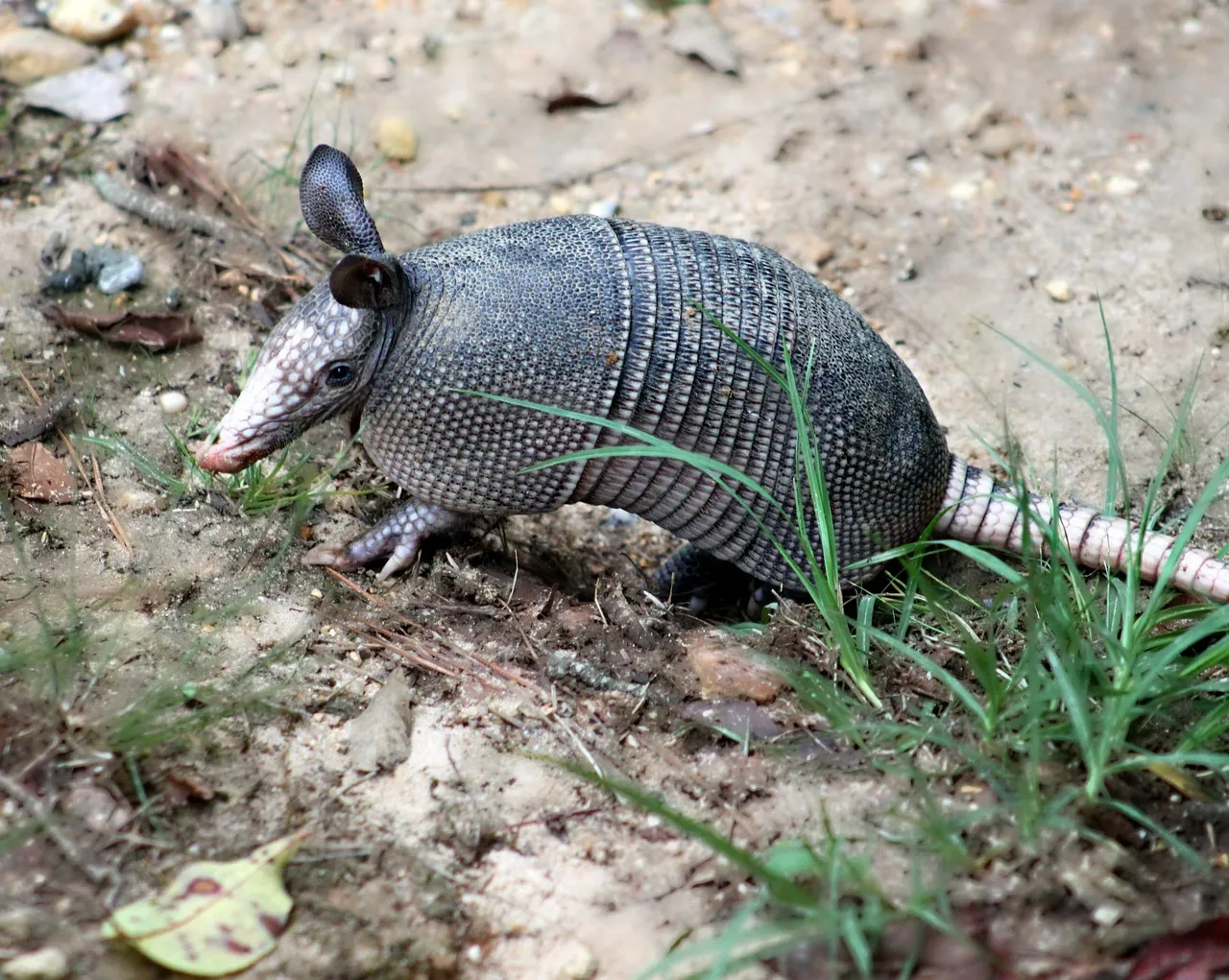
The giant armadillo (Priodontes maximus) is the largest living armadillo. It also has the claws to match that title, and it uses them to dig constantly.
Its burrows can reach up to about five meters in length and around a meter and a half in depth. That’s a lot of excavated soil, and it leaves behind real, lasting structures. Other animals notice.
2. Scientists Call It an Ecosystem Engineer
🔥 Would you like to save this?
We'll email this post to you, so you can come back to it later!
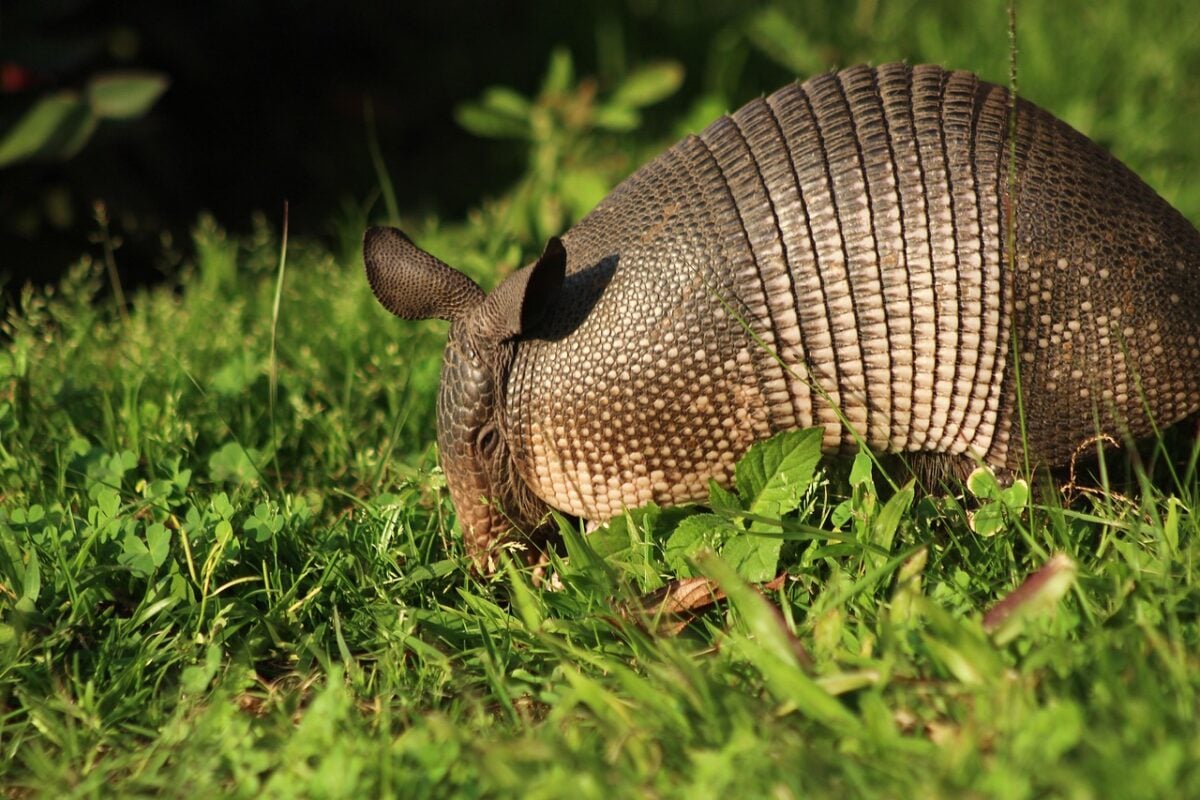
The term sounds technical, but the idea is simple. An ecosystem engineer changes its surroundings so much that other species benefit. Beavers and elephants are well known examples.
For the giant armadillo, its digging promotes soil aeration and creates new habitats. The burrow isn’t a side effect of its life. For many neighbors, it becomes part of the landscape they rely on.
3. Camera Traps in the Pantanal Revealed a Crowded Guest List
🔥 Would you like to save this?
We'll email this post to you, so you can come back to it later!
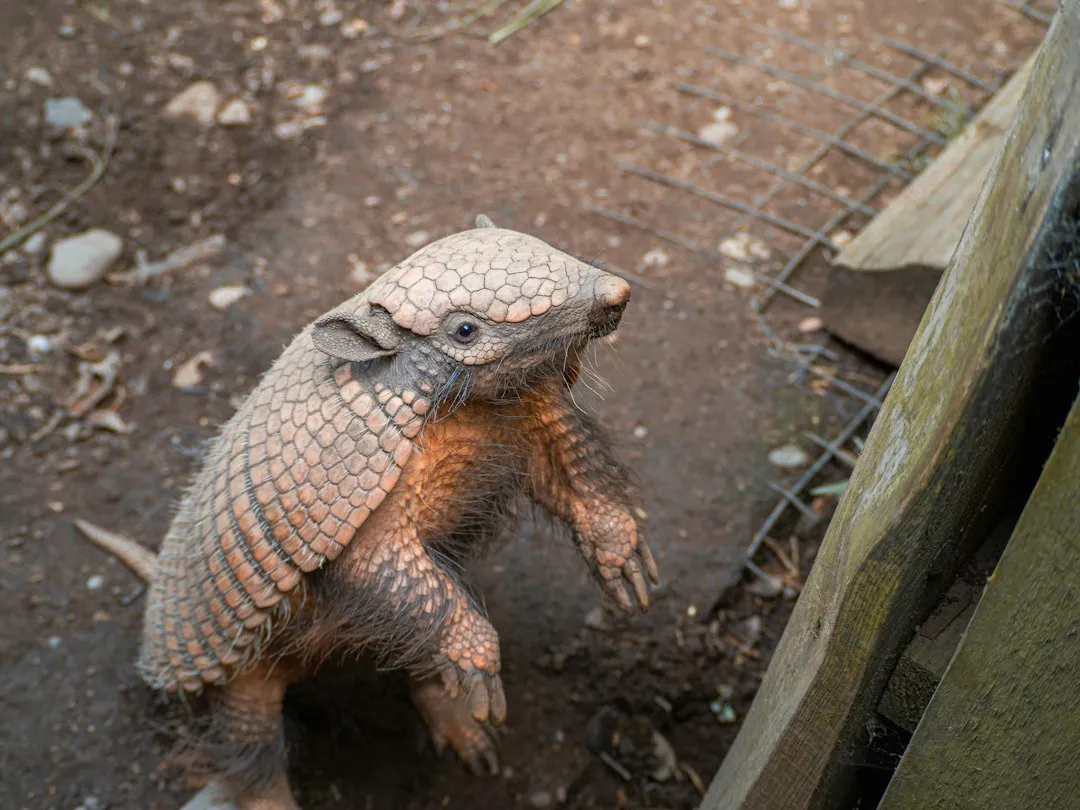
The picture came into focus when researchers started watching burrows around the clock. Using remote cameras at 70 burrows in the Brazilian Pantanal, Desbiez and his team recorded over two dozen species visiting for reasons from keeping cool to hunting.
Those cameras showed the armadillo homes to be a small biodiversity hotspot for Pantanal wildlife. A single hole in the ground, it turns out, can draw a surprisingly varied crowd.
4. The Numbers Grow the More Places Researchers Look
🔥 Would you like to save this?
We'll email this post to you, so you can come back to it later!
The Pantanal isn’t the only place this has been documented. Biologist Renata Leite Pitman found the same engineering role in the Amazon, including use by a rare canid.
Pooling studies across South America, one paper notes that over 70 species have been described using the burrows. Counts differ by site, which makes sense, since the local wildlife differs too. Still, the pattern holds from one region to the next.
5. The Burrows Offer Cool Air, Cover, and Food
🔥 Would you like to save this?
We'll email this post to you, so you can come back to it later!
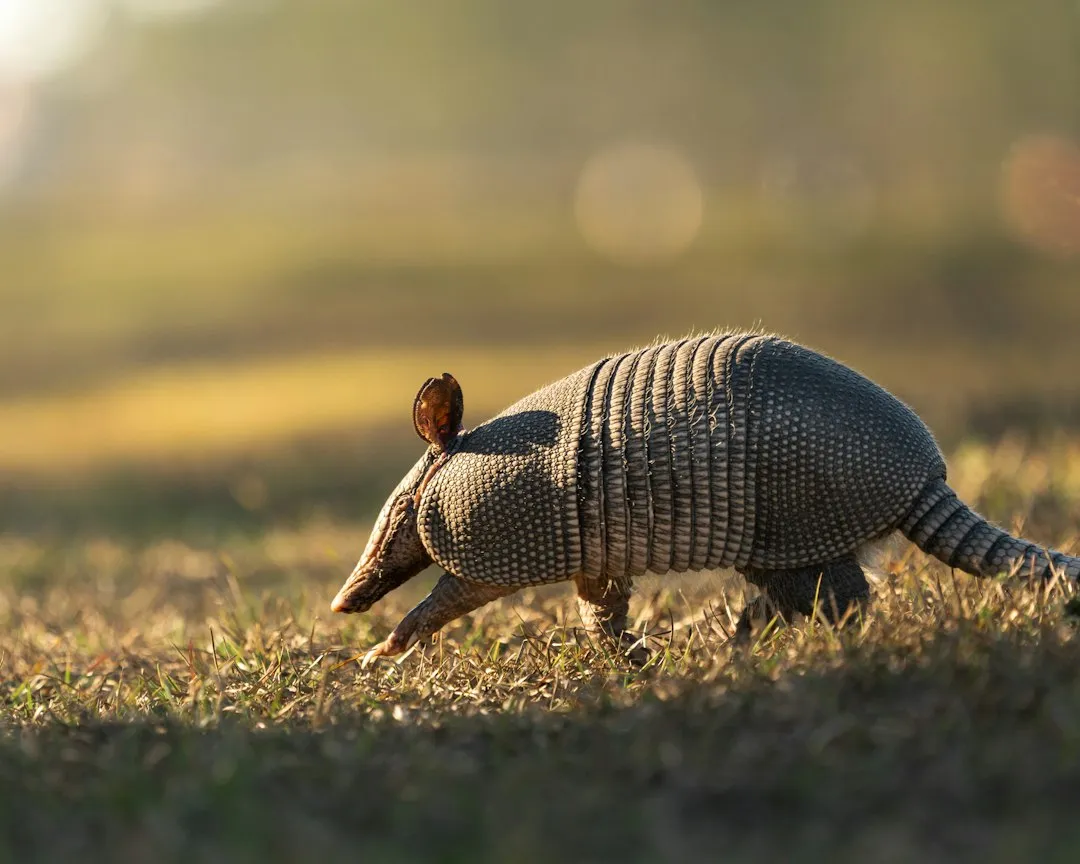
Why would so many animals bother? The burrows offer thermal refuge, shelter from predators, food sources, and resting sites for other vertebrates. In hot, open country, a cool tunnel is valuable real estate.
There’s a nuance worth knowing. In one Atlantic Forest study, animals other than giant armadillos weren’t recorded staying inside burrows for more than a few seconds. Many visitors seem to be foraging or inspecting, so “shelter” covers a range of uses, not just long stays.
6. Even a Tree-Climbing Anteater Pays Visits

🔥 Would you like to save this?
We'll email this post to you, so you can come back to it later!
One of the stranger guests is the lesser anteater, also called the southern tamandua. Desbiez said it was the animal he was most surprised to see using the burrows in the Pantanal.
A 2025 study dug into that relationship using camera trap data from long term monitoring in the Pantanal between 2011 and 2020. Researchers looked at how the animals entered and left, and when they slept. It was a first attempt to understand what the visitors actually gain.
7. Frogs Use Them as Dry Season Refuges
🔥 Would you like to save this?
We'll email this post to you, so you can come back to it later!
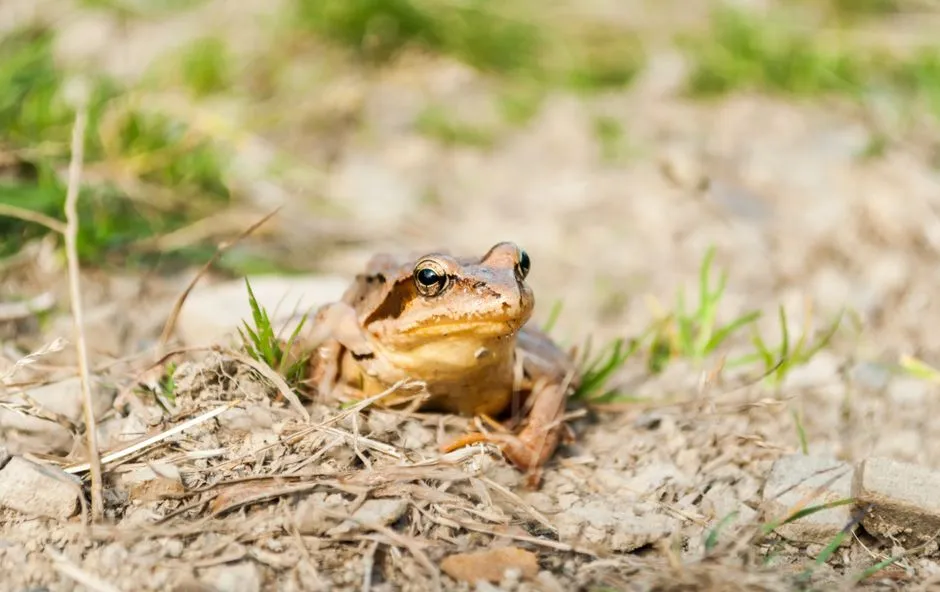
Amphibians might seem like unlikely tenants. Yet a recent study in the Pantanal recorded four frog species in the burrows. Their abundance inside burrows was significantly greater than at control sites.
The authors suggest the tunnels combine stable humidity, mild temperatures, loose soil, and abundant prey. For an animal that dries out easily, that’s a lifeline during the dry season.
8. The Guest List Keeps Growing, and So Does the Stake
🔥 Would you like to save this?
We'll email this post to you, so you can come back to it later!
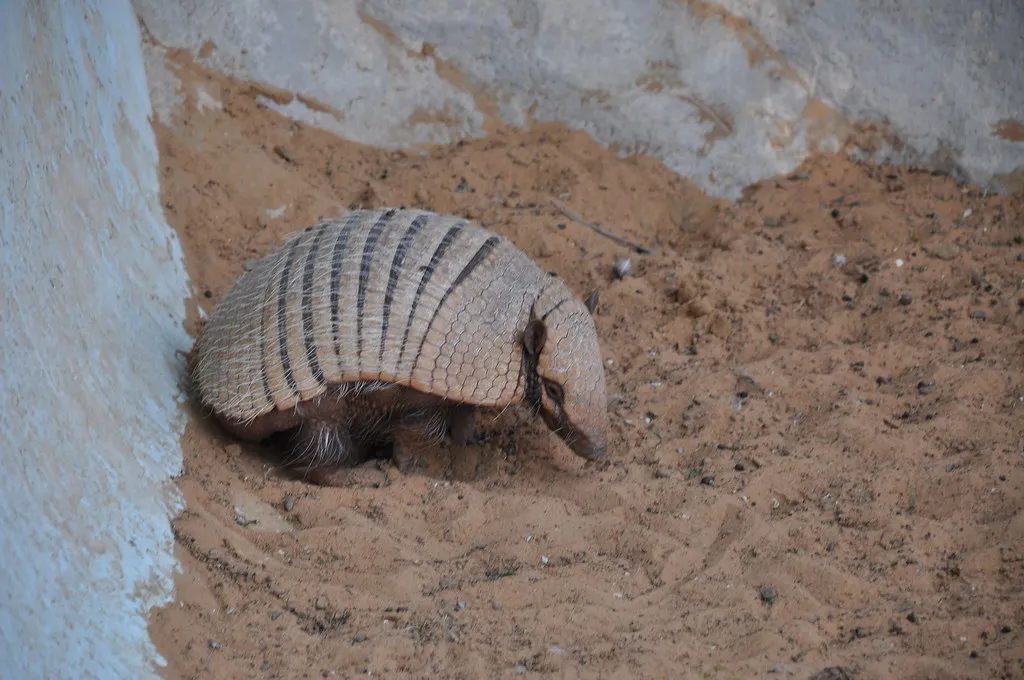
Research is still adding names. A 2023 to 2024 survey in central Brazil watched 20 burrows and recorded 654 observations of 32 vertebrate species, including mammals, birds, reptiles, and an amphibian.
That matters because the animal is vulnerable. Researchers warn that a shrinking range would likely affect biodiversity and species that forage in the burrows. Losing the digger could mean losing its guests’ resources too.
Final Thoughts
🔥 Would you like to save this?
We'll email this post to you, so you can come back to it later!
I think the giant armadillo is one of the most underrated animals in conservation. It doesn’t get the attention that jaguars do, yet its holes quietly support animals from frogs to anteaters. Protecting a shy, nocturnal digger may be one of the more efficient ways to protect many species at once.
We tend to measure conservation by the animals we can see. This one reminds us that some of the most important work happens underground, where nobody’s watching.

- 7 Everyday Habits That Can Make Your Senior Dog Happier - November 5, 2026
- 10 Enigmatic Structures That Continue to Puzzle Scientists Today - November 5, 2026
- 10 Strange Ruins in the Americas That Challenge What We Know About Early History - November 5, 2026