

Santa Cruz Island rises from the Pacific, part of California’s Channel Islands chain. A deep blue flash among the oaks signals the Island Scrub-Jay, a corvid that knows no other home. These birds embody isolation’s power to sculpt life.
Hop through scrub and pine, and you might feel their gaze. Unfazed by people, they dart close, ever watchful for a snack. Their world feels vast within tight bounds.
1. Exclusive to Santa Cruz Island
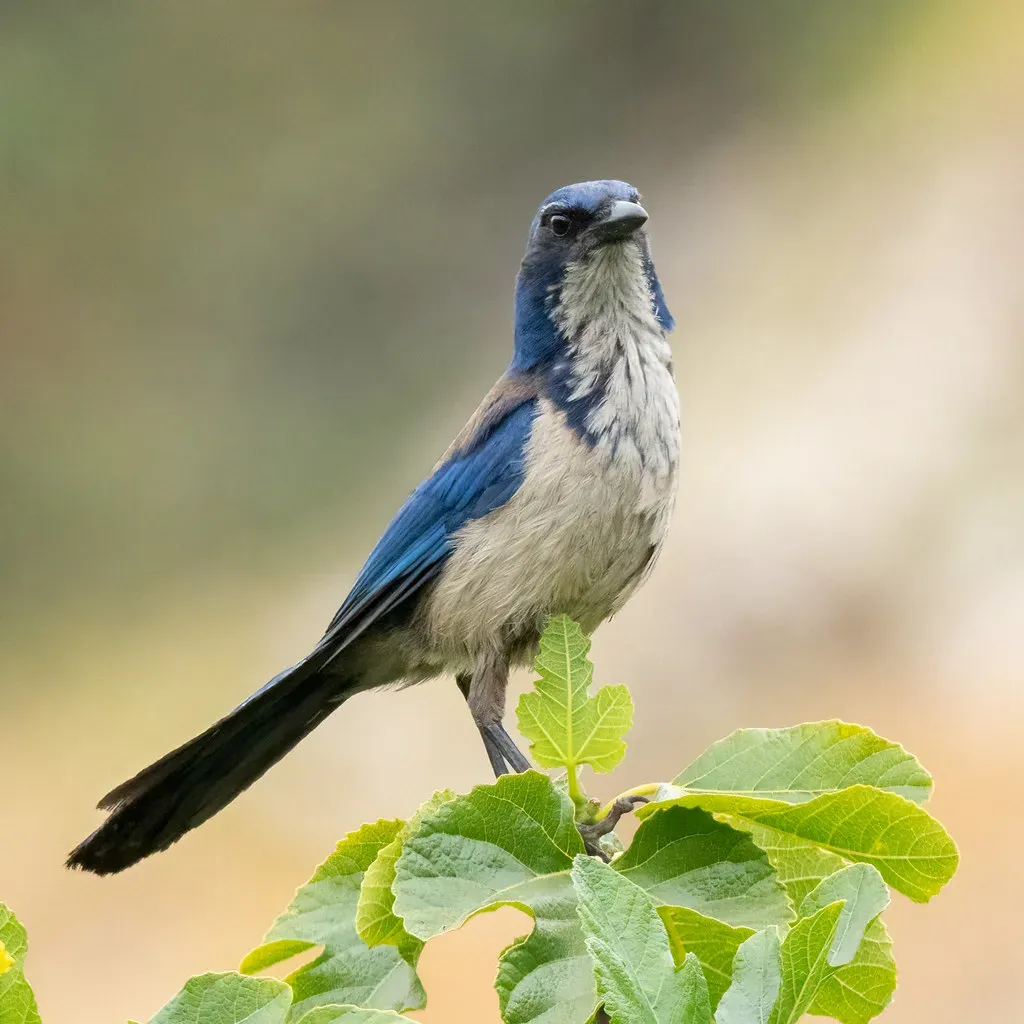
The Island Scrub-Jay lives solely on Santa Cruz Island, giving it the smallest range of any North American bird species.[1][2] This 250-square-kilometer spot off California holds every one of them. Fossils suggest ancient presence on nearby islands like Santa Rosa, now gone.
No flights cross to the mainland or other channels. Genetic isolation spans about 150,000 years from mainland kin.[3] Their story underscores how seas carve unique fates. Today, a few thousand persist here alone.
2. A Prime Example of Island Gigantism
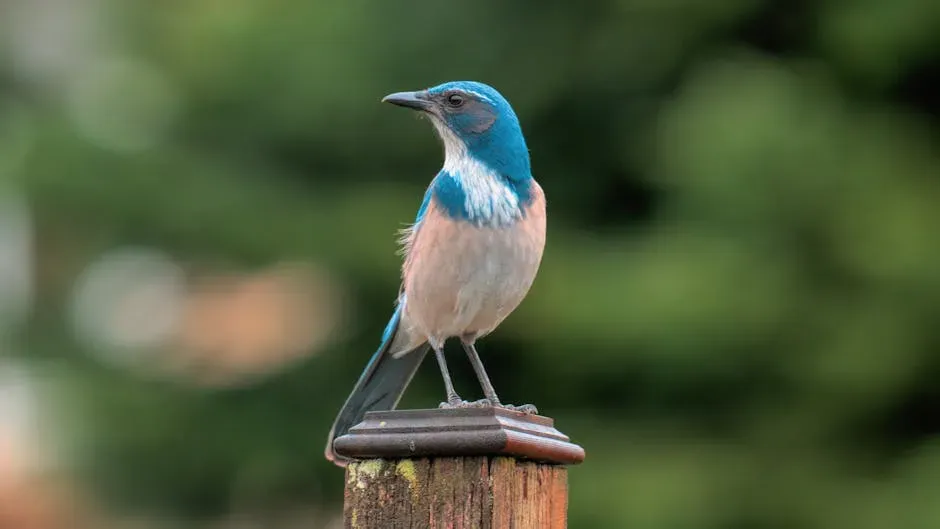
Larger than mainland scrub-jays, these birds show island gigantism clearly. They measure about 13 inches long, nearly a third bigger overall.[1] Heavier bodies and longer bills suit their isolated larder. This growth ties to plentiful food without mainland rivals.
Compared to California Scrub-Jays just 18 miles away, they look beefier, with deeper blue hues. Bills vary by habitat, stouter in oaks for cracking nuts.[3] Such traits evolved fast in their confines. Size brings advantages, like better yearling breeding odds.
3. Vibrant Blue Plumage and Bold Features
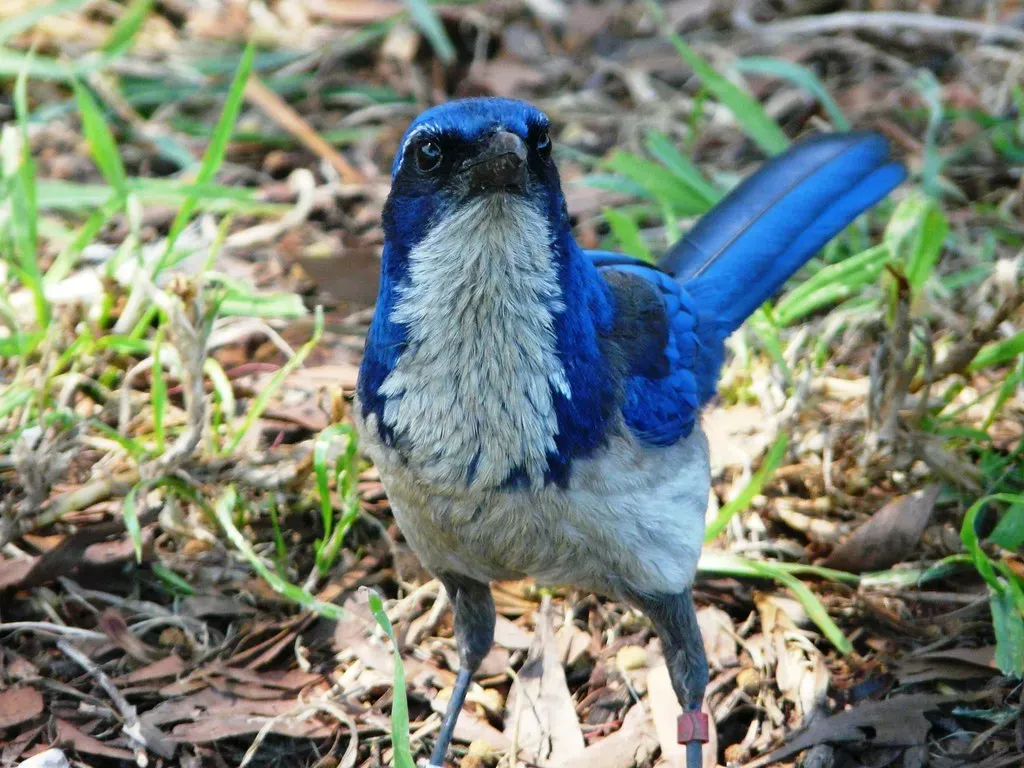
Deep blue crowns, wings, and tails mark these jays, richer than relatives. A black mask frames white throats, with gray-brown backs.[2] No crest adorns their heads, unlike some corvids. Juveniles start duller, grayish with blue accents.
Large black bills dominate broad heads. Long tails aid undulating flights. Raspy “shreep” calls echo through canyons.[1] These looks fit chaparral life perfectly. Spot them easily in Scorpion Canyon or Prisoners Harbor.
4. Acorn Hoarders Extraordinaire
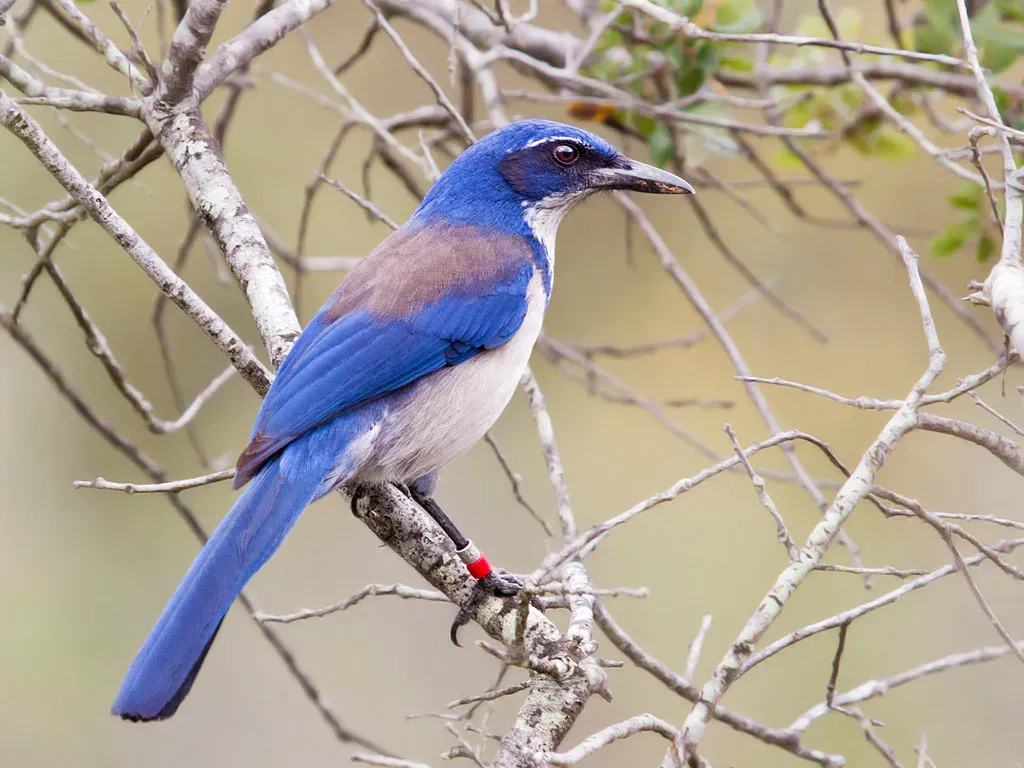
Acorns fuel their world, cached by thousands each fall. Big bills crack thick shells, a trait honed here.[4] They scatter-hoard, forgetting some to sprout oaks later. This plants woodlands vital to the island.
Diets mix seeds, insects, lizards, even nestlings. Ground hops flip leaves for bugs; air grabs snatch fliers. Pine cones yield treats too.[3] Omnivores thrive opportunistically. Caches sustain lean times months ahead.
5. Brash and Unafraid of Humans
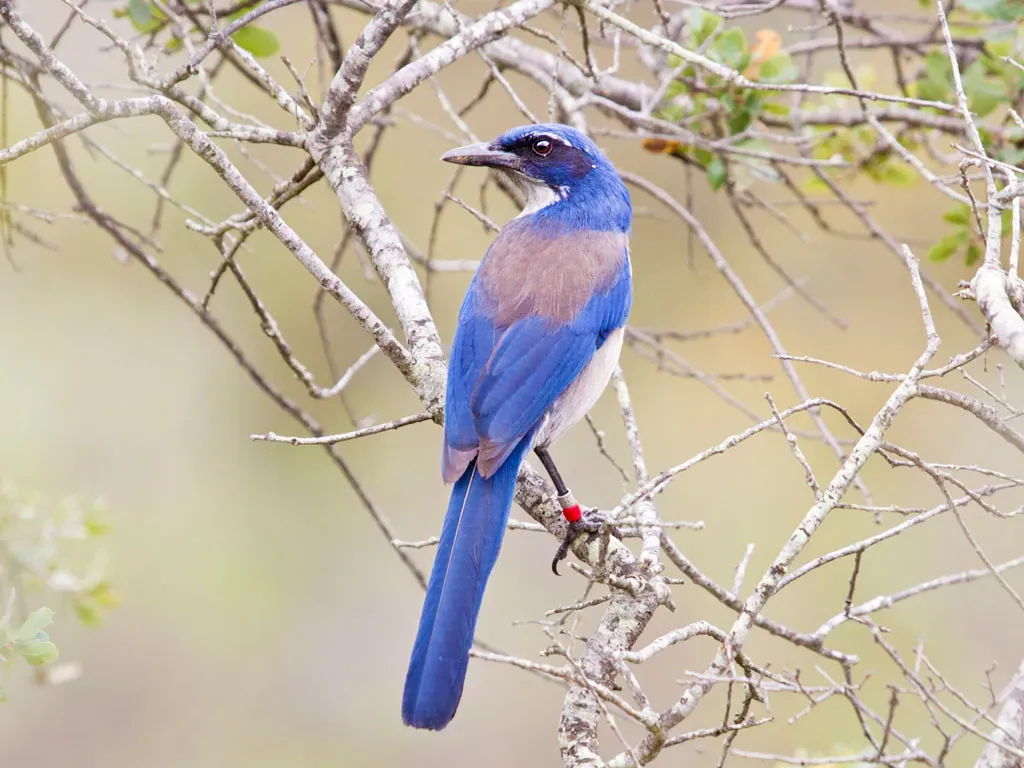
Curious corvids, they land near hikers, eyeing hands for food. Brash hops bring them close, unafraid.[4] Intelligence shines in memory for caches, tool use hints. Pairs call constantly, staying linked.
High survival tops 90 percent yearly for breeders. Non-breeders roam in loose flocks. Territories hold firm year-round.[2] Such boldness suits predator-scarce isles. Watch them flip bark for insects mid-stride.
6. Monogamous Pairs for Life
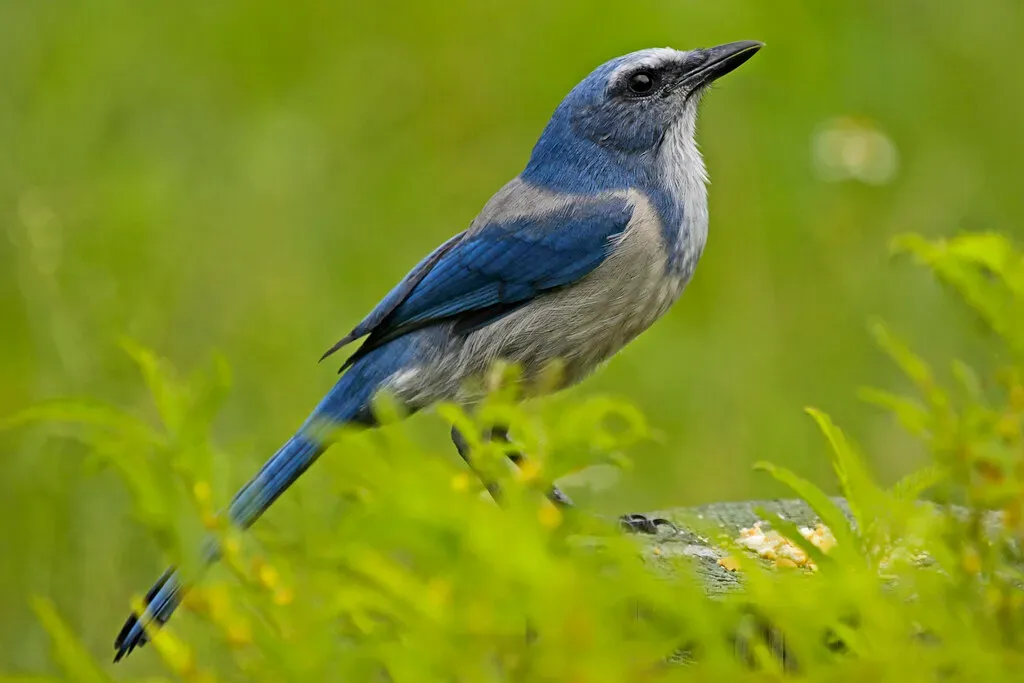
Breeding pairs bond lifelong, rare among birds. They defend territories with calls and chases.[1] Nests hide in dense twigs, bulky cups of oak sticks. Clutch sizes hit three to five eggs.
Males feed incubating females, guard from foxes or ravens. Young fledge after weeks, linger briefly. Not cooperative breeders, parents solo rear.[4] Half adults float, delaying nests. Lifespans reach 20 years.
7. Precarious Population and Threats
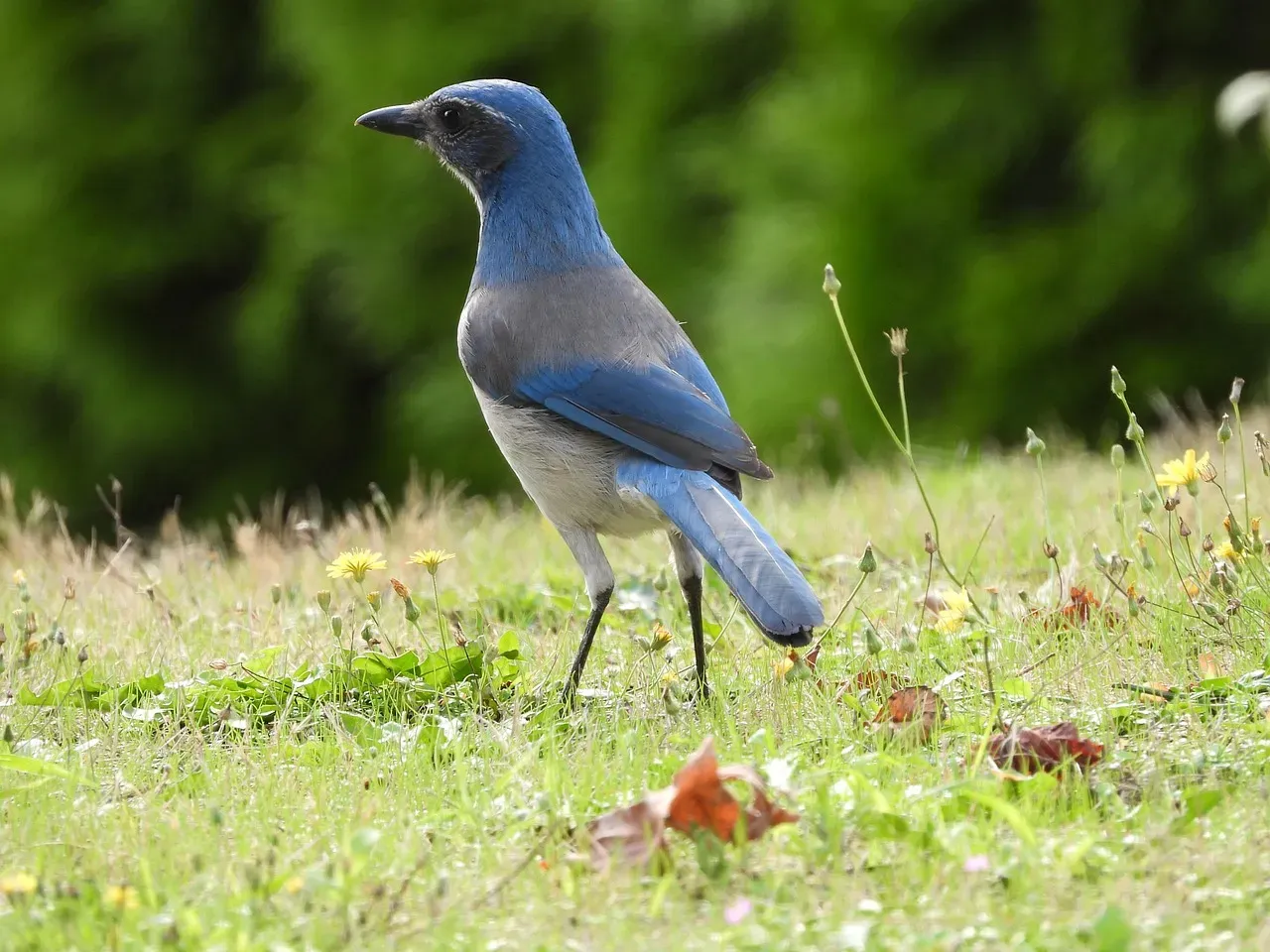
Just 1,700 to 2,300 birds roam, among rarest songbirds. Vulnerable per IUCN, high concern lists.[5] Past grazing wrecked half the oaks; removals help now. Fires, drought loom larger with climate shifts.
West Nile virus threatens corvids; island cool so far. Invasives like ants persist. Protected lands cover all, monitoring ongoing.[3] Single-site risk amplifies every woe. Reintroduction talks target nearby isles.
8. An Ancient Island Lineage
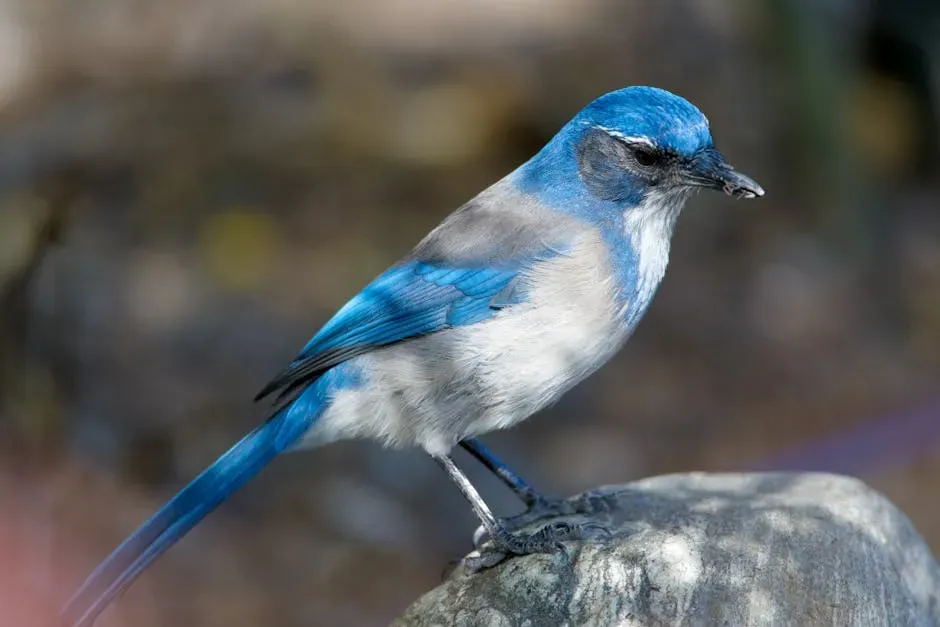
Divergence from California Scrub-Jays dates 150,000 years back. DNA marks a million-year split in some views.[5] Isolation bred extremes unseen elsewhere north of Mexico. Bill shapes adapt locally, heritable traits.
Ecological engineers, they shape oaks via caches. Top island predators keep balances. Their tale mirrors Darwin’s finches close up.[1] Evolution hums on this speck. Uniqueness demands our watch.
Protecting an Island Icon
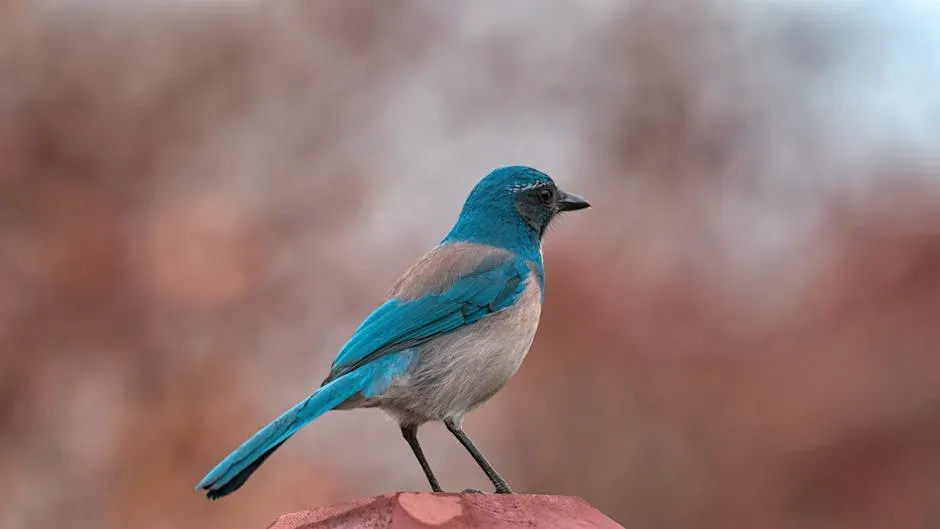
The Island Scrub-Jay thrives through careful stewardship. Feral removals restored habitats; vigilance curbs new risks. Its persistence reminds us small places hold big wonders.
Next island visit, listen for that raspy call. One bird’s world, fragile yet fierce, urges broader care for wild edges.

- What Kind of Ocean Predator Are You Based on Your Zodiac Sign - August 13, 2026
- The Silent Hunters: Rare Glimpses Into The World of Nocturnal Predators - August 13, 2026
- 15 of the World’s Most Beautiful Blue-Eyed Animals - August 13, 2026