

Picture this: a shadowy figure with a black bandit mask slips through the moonlit savanna, its ringed tail flicking like a secret signal. The African civet might remind you of a raccoon gone wild, but this nocturnal prowler hides layers of surprises in its spotted coat and secretive life.[1][2]
From perfume secrets to a diet that defies its carnivore label, these creatures thrive across sub-Saharan Africa in ways that still puzzle experts. Honestly, the more you learn, the harder it is to spot one in the wild. Let’s uncover eight facts that reveal their hidden world.[3]
The Musk-Making Marvel
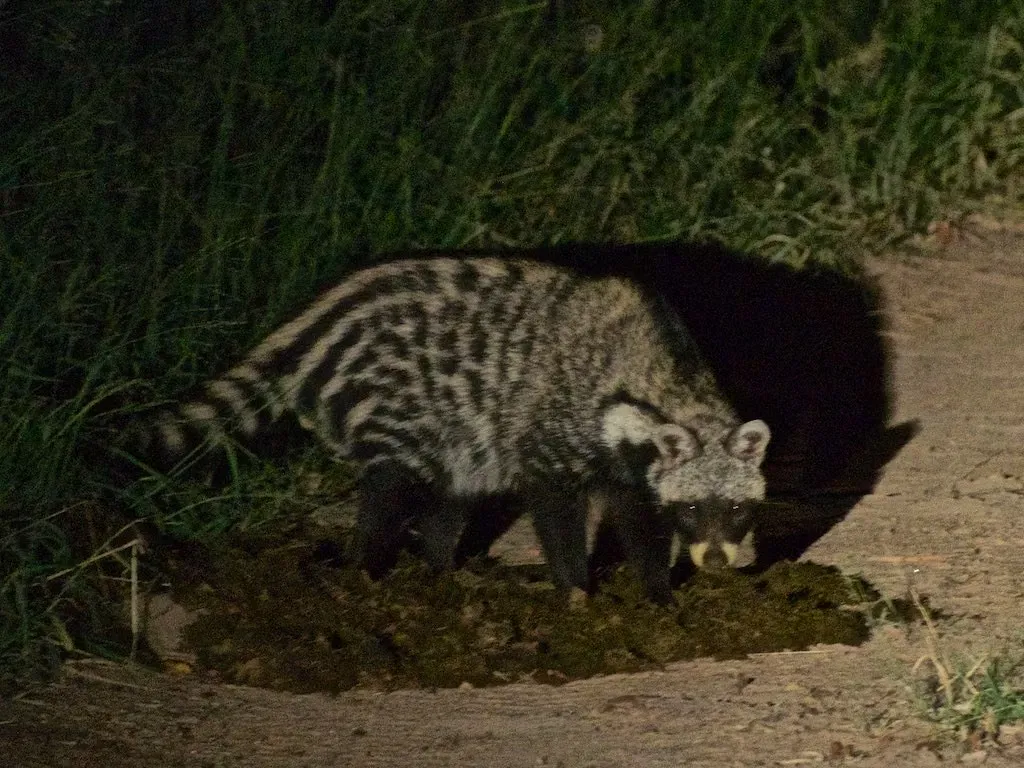
African civets pack a punch with their perineal glands, churning out a waxy secretion called civetone right near the tail base. This musk reeks up close but turns enchanting when diluted, landing it a starring role in perfumes for centuries. Males produce more than females, using it to claim territory or woo mates.[1][2]
One civet can secrete up to four grams weekly, and the scent lingers for months on marked spots. Though synthetic versions exist now, wild harvesting once involved cruel methods. It’s a reminder of how humans tap into nature’s odd toolkit.[3]
Not Your Typical Cat Family Member
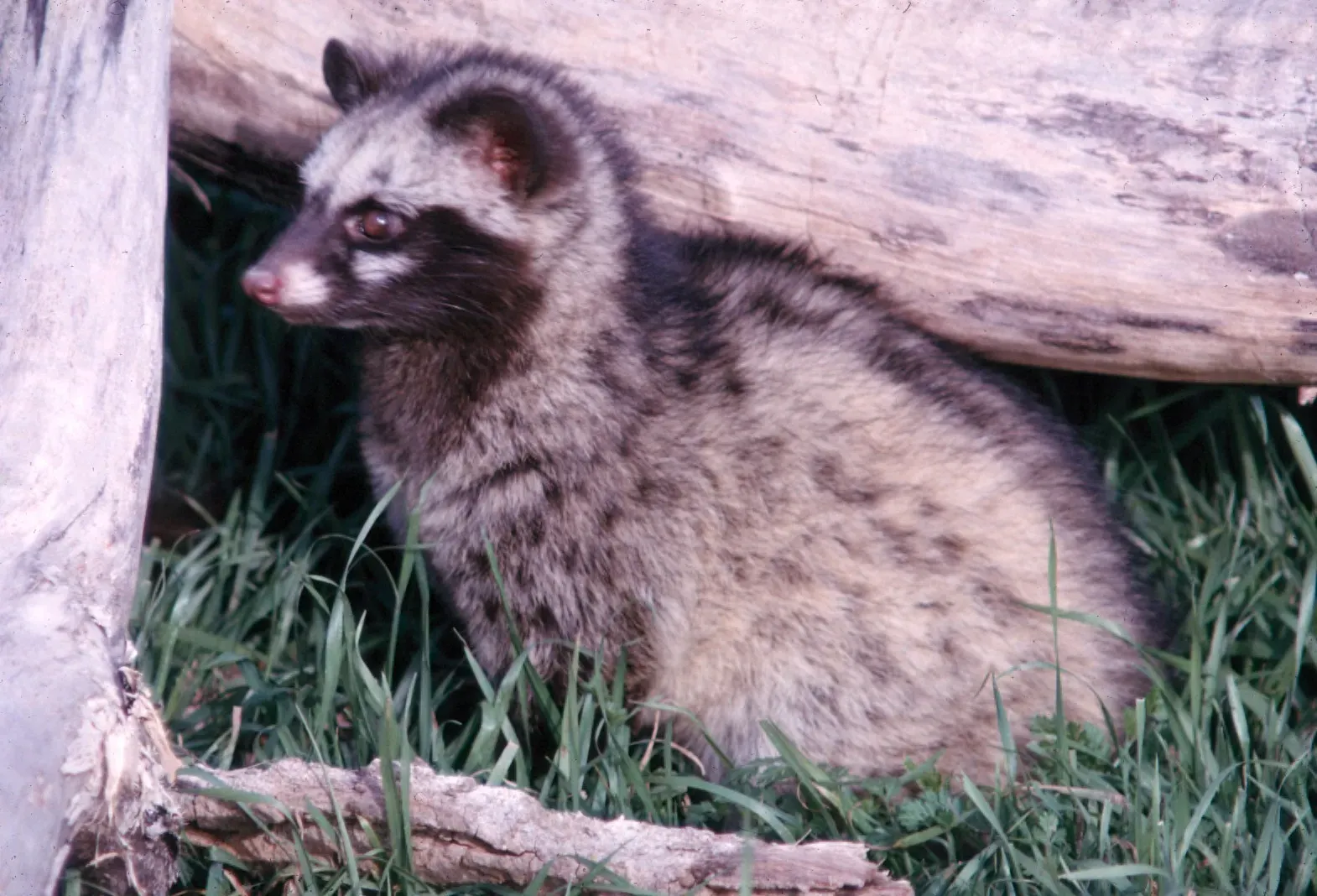
Don’t let the sleek moves fool you; the African civet belongs to the Viverridae family, kin to mongooses and genets, not cats. Its genus, Civettictis, stands alone, with feet and teeth setting it apart from Asian cousins. That raccoon-like mask? Pure camouflage coincidence.[1]
Coarse fur in creams and grays sports black spots, stripes, and blotches, unique to each individual like fingerprints. Short legs keep the head low for stealthy prowls. I think this mix of familiar looks and odd relations makes it endlessly fascinating.[4]
Shadows of the Night Hunter
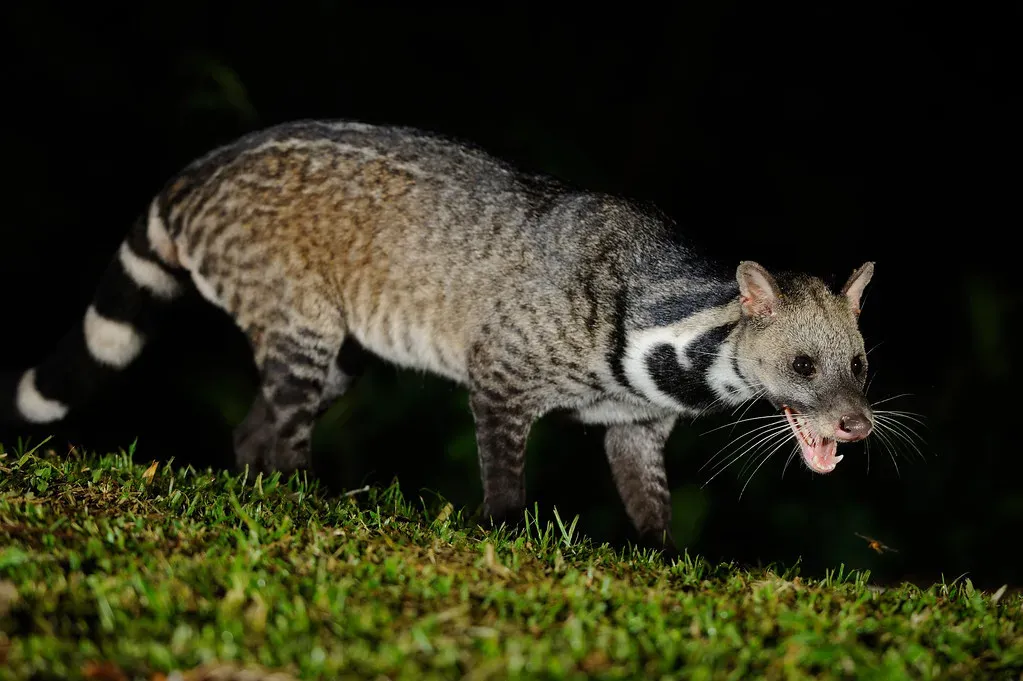
These wanderers kick into gear at dusk, peaking one to two hours before sunset and fading by midnight. Dense thickets or burrows hide their daytime naps, keeping sightings rare even in busy habitats. Cloudy days might coax them out early, but night vision rules their realm.[3][2]
They patrol fixed paths, nose to the ground, sniffing out prey with acute senses over sight. Swimmers too, snagging crabs in streams. Their elusiveness? A survival ace in predator-packed lands.[1]
Diet Beyond Carnivore Expectations
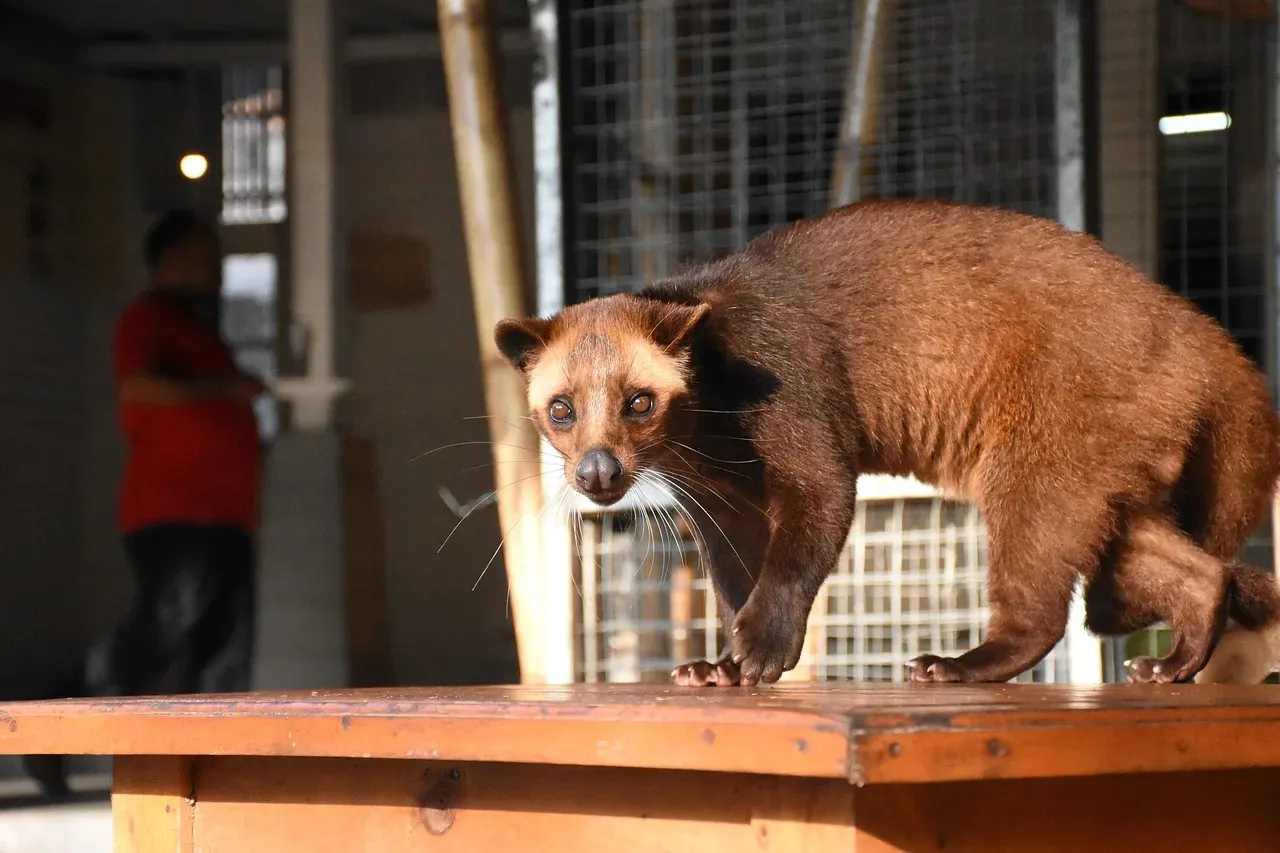
Omnivores at heart, civets devour fruits, berries, and veggies alongside rodents, birds, eggs, and insects. Carrion, frogs, snakes, even toxic millipedes and termites fall prey to their tough guts. One favorite? Strychnos fruits, testing their poison tolerance.[1][2]
Forty teeth help crush it all, from crunchy beetles to soft carrion. They scavenge farms too, blending wild feasts with human scraps. Here’s the thing: this flexibility lets them thrive anywhere from savannas to suburbs.[4]
Territorial Lone Rangers
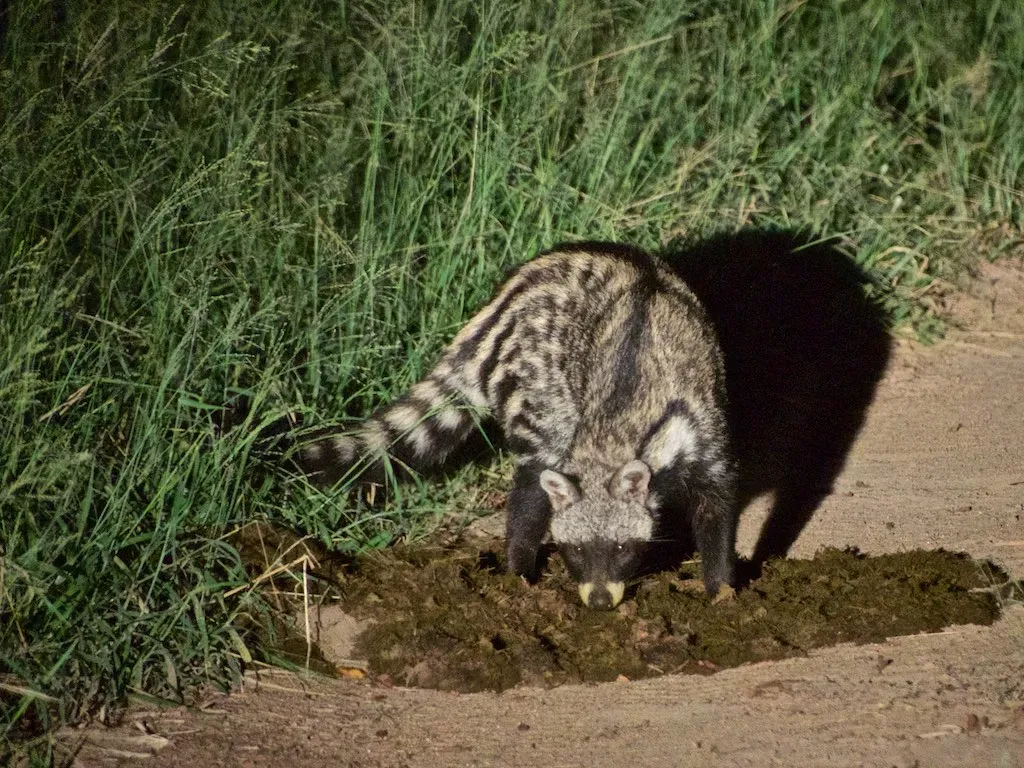
Solitary souls roam vast ranges, males covering more ground than females. “Civetries” – piles of dung and scent marks – dot their domains, signaling ownership or mate availability. Urine sprays and gland rubs reinforce the boundaries.[1]
Growls, screams, and “ha ha ha” calls fill the air during rare meetups. Only breeding draws them social. Their independence feels almost defiant in Africa’s crowded wilds.[3]
Africa’s Heavyweight Viverrid
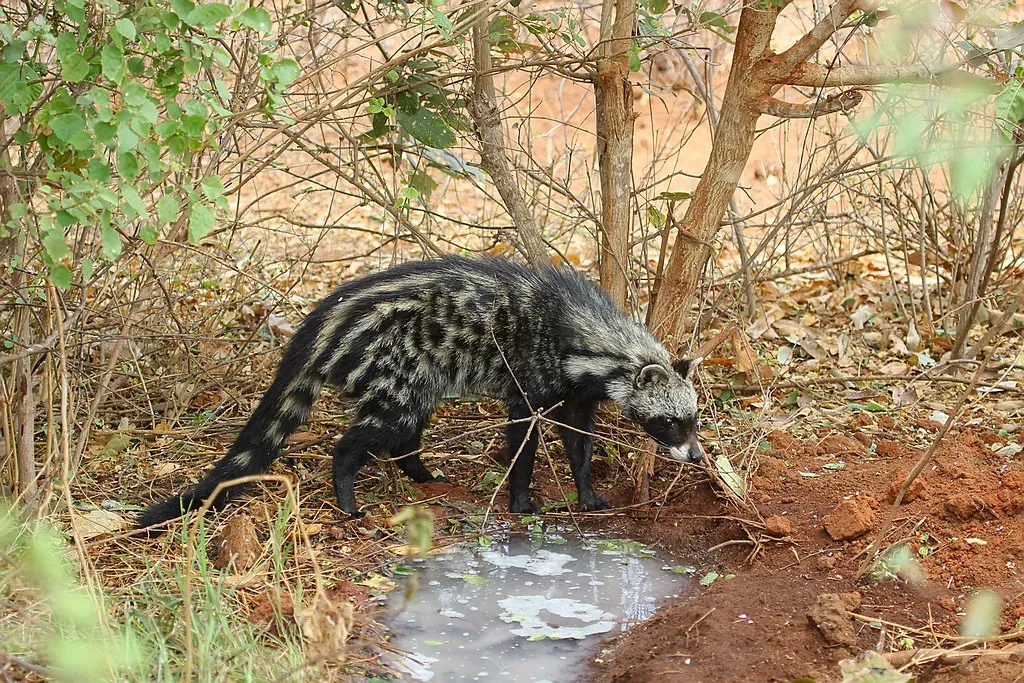
Weighing seven to twenty kilograms, with head-body lengths up to eighty-four centimeters, it’s the bulkiest African in its family. Bulky hindquarters balance a long tail ringed in black and white. An erectile crest flares along the spine when danger looms, puffing them up like spiky warriors.[1][4]
Five toes per paw sport non-retractable claws for grip. Shoulder height hovers at forty centimeters, perfect for low stalks. Size meets stealth in this powerhouse prowler.[2]
Super Moms and Ready Cubs
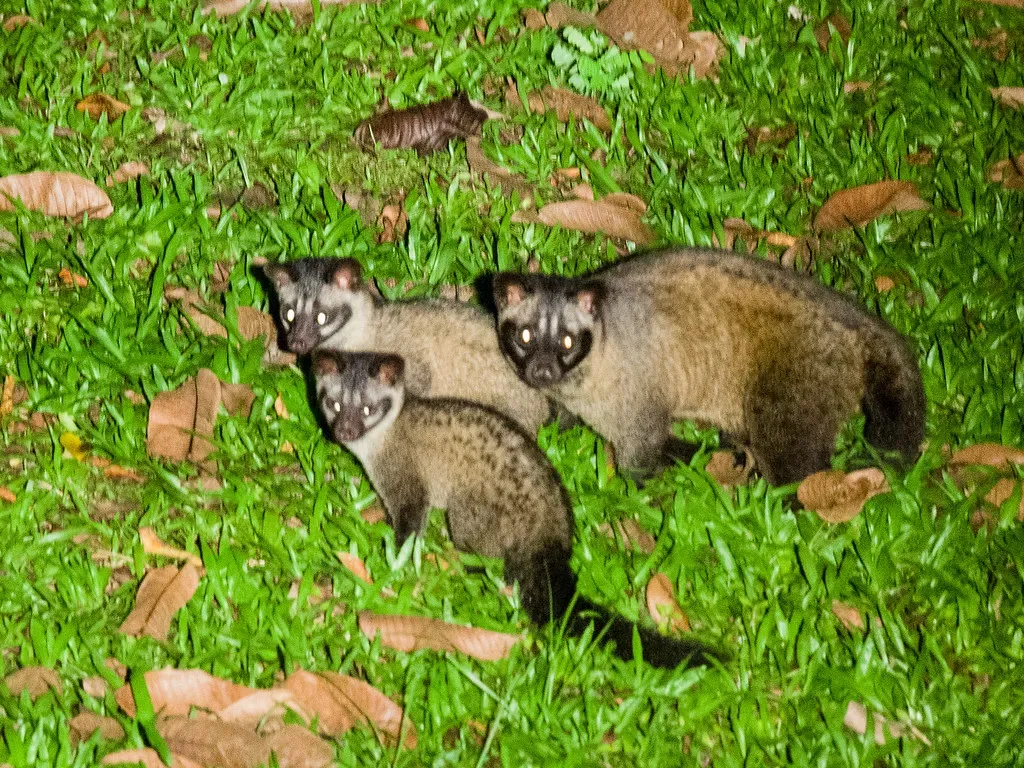
Females breed year-round in warm climes, birthing one to four precocial pups after two months’ gestation. Cubs arrive furred and crawling, eyes open, scampering from the nest in days. Mom nurses for six weeks, then solids kick in.[3][1]
Two to three litters yearly keep populations steady. Nests tuck into burrows or thickets. It’s a fast start that mirrors their opportunistic lives.[2]
Endurance in the Wild
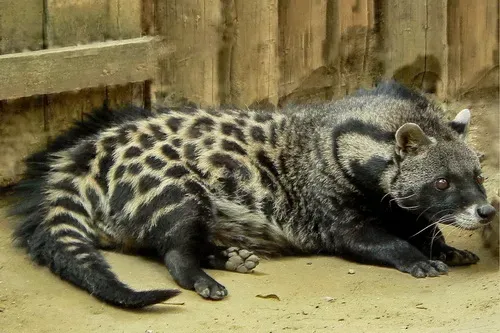
Captive civets stretch to twenty years or more, wild ones hitting ten to fifteen despite lions and leopards lurking. Adaptable homes span forests, savannas, even farmlands across sub-Saharan reaches. Least Concern status holds, though bushmeat hunts nibble edges.[3][1]
They dodge deserts, hugging watery spots with cover. Resilience defines them. Who knew such shadows pack such staying power?[4]
Final Thoughts on the Night’s Enigma
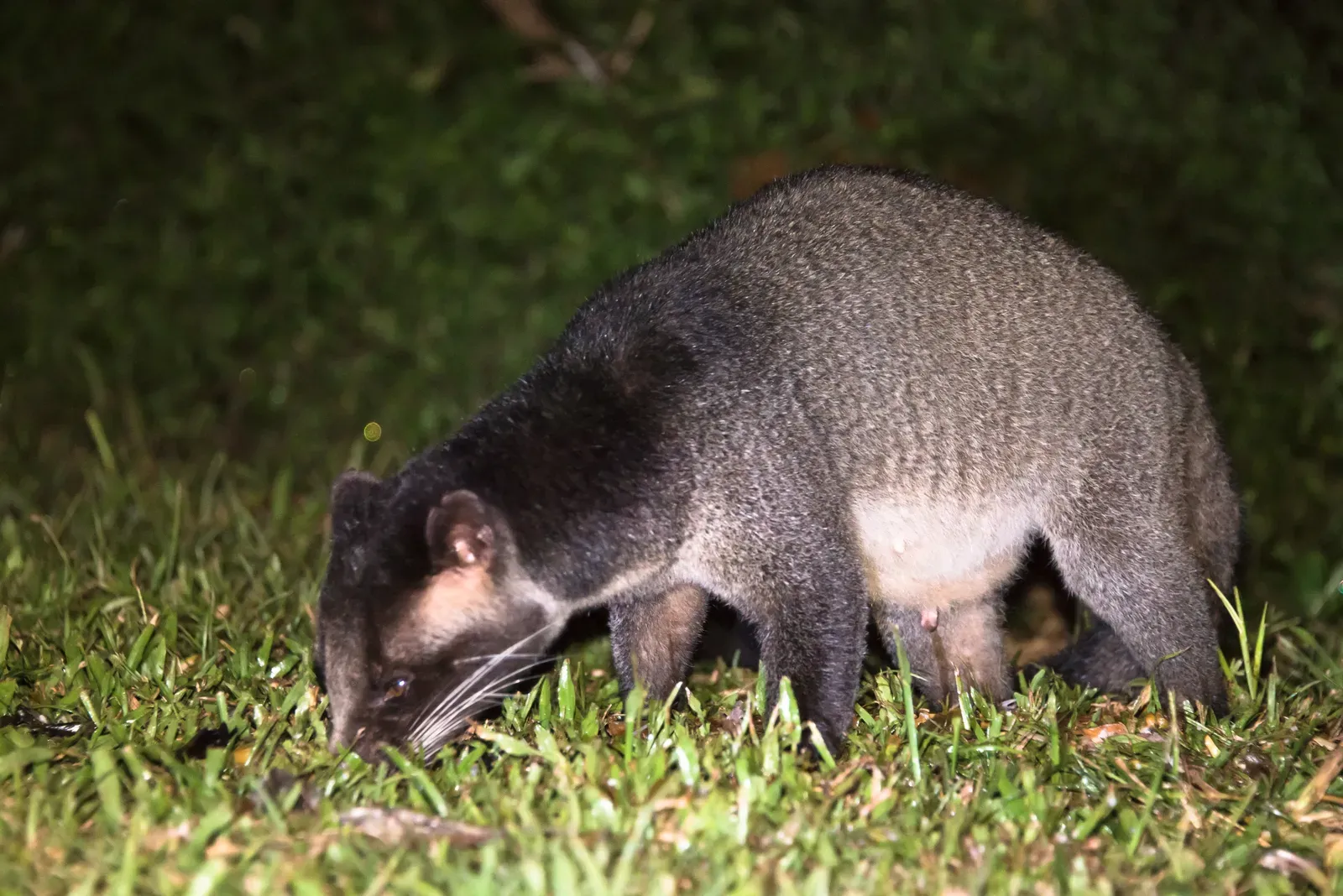
The African civet weaves mystery into Africa’s nights, blending beauty, brawn, and bizarre adaptations that keep us guessing. From perfume legacies to poison-munching guts, it proves nature’s wild creativity runs deep.
What surprises you most about this masked marvel? Share your thoughts below – I’d love to hear if you’ve ever crossed paths with one.
