
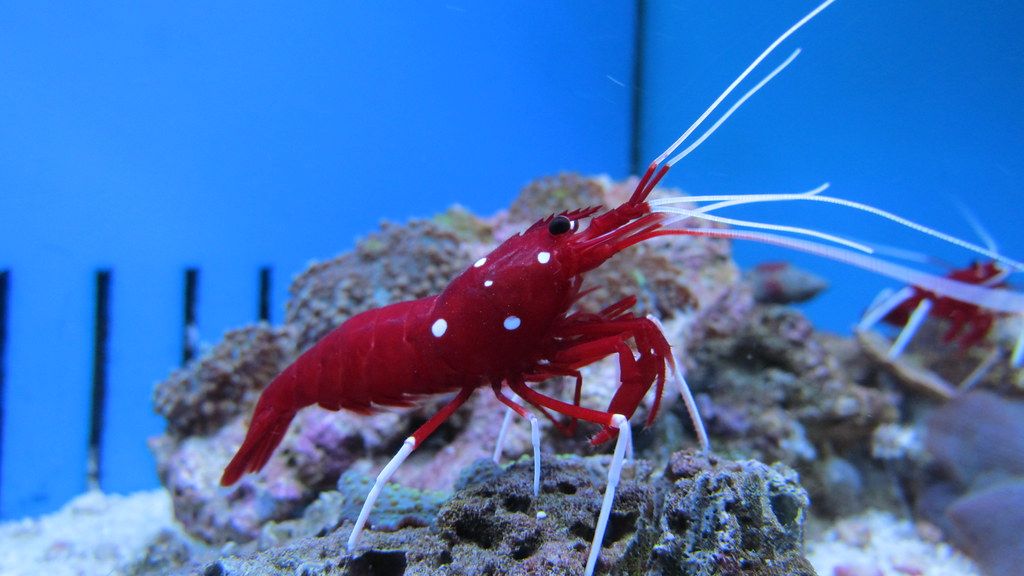
Think you know everything about the ocean’s tiniest creatures? Here’s the thing: one small shrimp has been hiding a secret that rivals the power of the sun itself. It’s not about size or strength in the way you might expect.
This tiny crustacean typically measures only a few centimeters in length, yet it wields one of nature’s most extraordinary weapons. Let’s be real, when you see one for the first time, it doesn’t look like much. Still, what happens when it snaps its oversized claw will completely change your perspective on ocean life.
Their Bubbles Reach Nearly the Temperature of the Sun
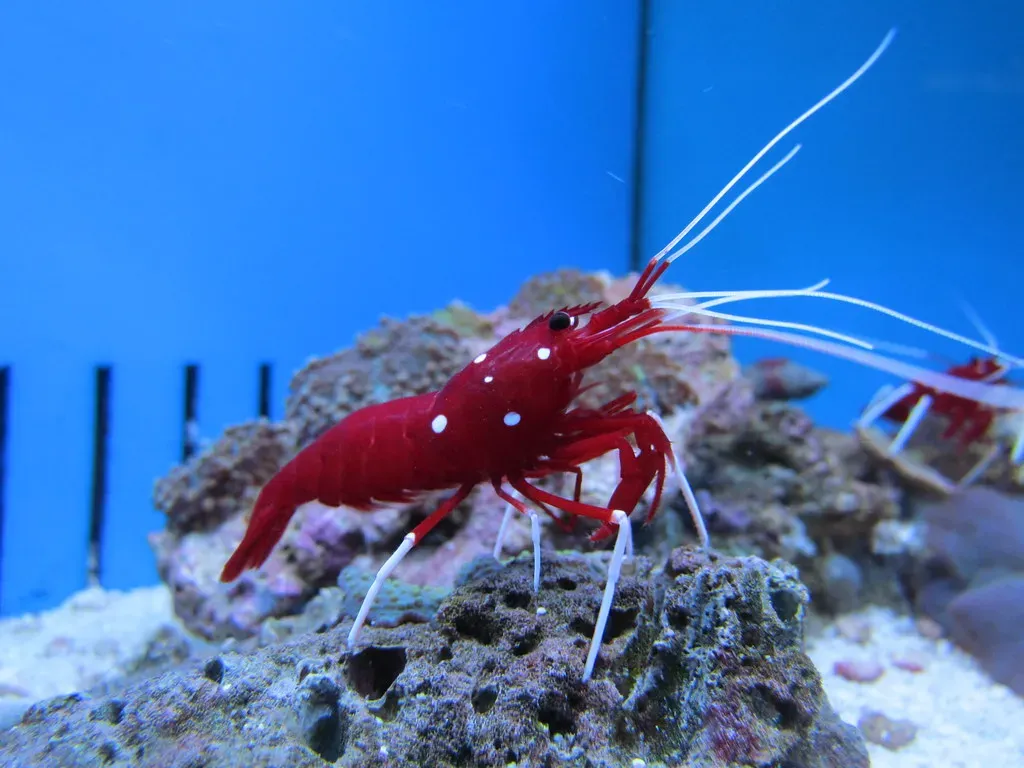
When the cavitation bubble collapses, the water inside heats up to temperatures exceeding 4,000 degrees Celsius. This requires a temperature of over 5,000 K (4,700 °C), while the surface temperature of the Sun is estimated to be around 5,772 K (5,500 °C). Imagine something smaller than your thumb creating heat comparable to a star’s surface.
The remarkable part isn’t just that this happens, but how briefly it occurs. The whole process, from the snapping of the claw to the popping of the bubble, occurs within 15 microseconds, which is 15 millionths of a second. The heat dissipates so quickly that the surrounding water barely feels a thing, yet prey caught in the zone are instantly stunned or killed.
They’re Louder Than an Actual Gunshot
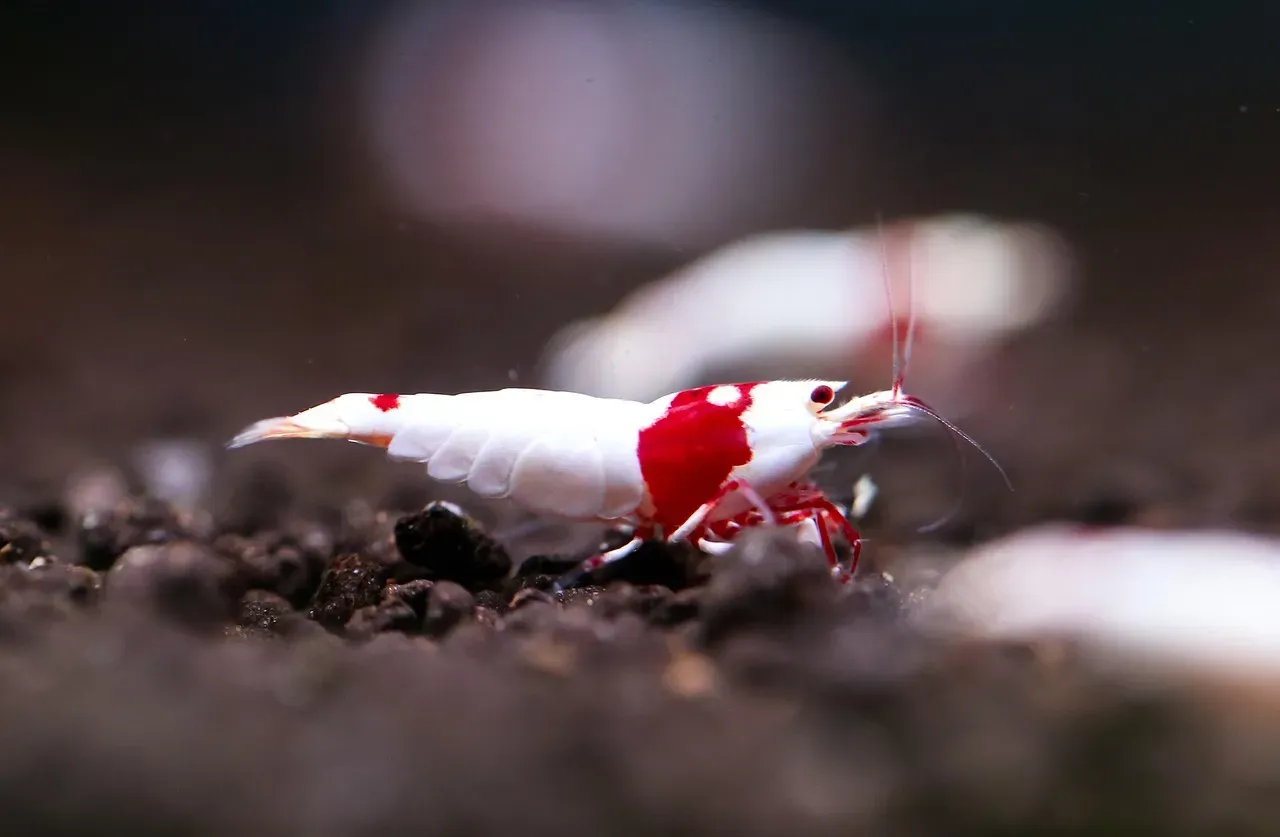
You’d expect whales to dominate ocean acoustics. The snap of one species called Synalpheus pinkfloydi can reach 210 decibels, which is louder than an actual gunshot at around 140 to 175 decibels. To put that in perspective, that’s also louder than most rock concerts, jet engines, and nearly every sound you’ll encounter in daily life.
The snapping shrimp competes with much larger animals, such as the sperm whale and beluga whale, for the title of loudest animal in the sea. During World War II, something unusual happened. The pistol shrimp threw an unlikely wrench into the U.S. Navy’s defense plan when their snap-crackle-pop sound began interfering with sonar used to detect enemy ships. Sailors had to learn to distinguish between enemy vessels and entire colonies of snapping shrimp.
The Sound Doesn’t Actually Come from Their Claw Snapping
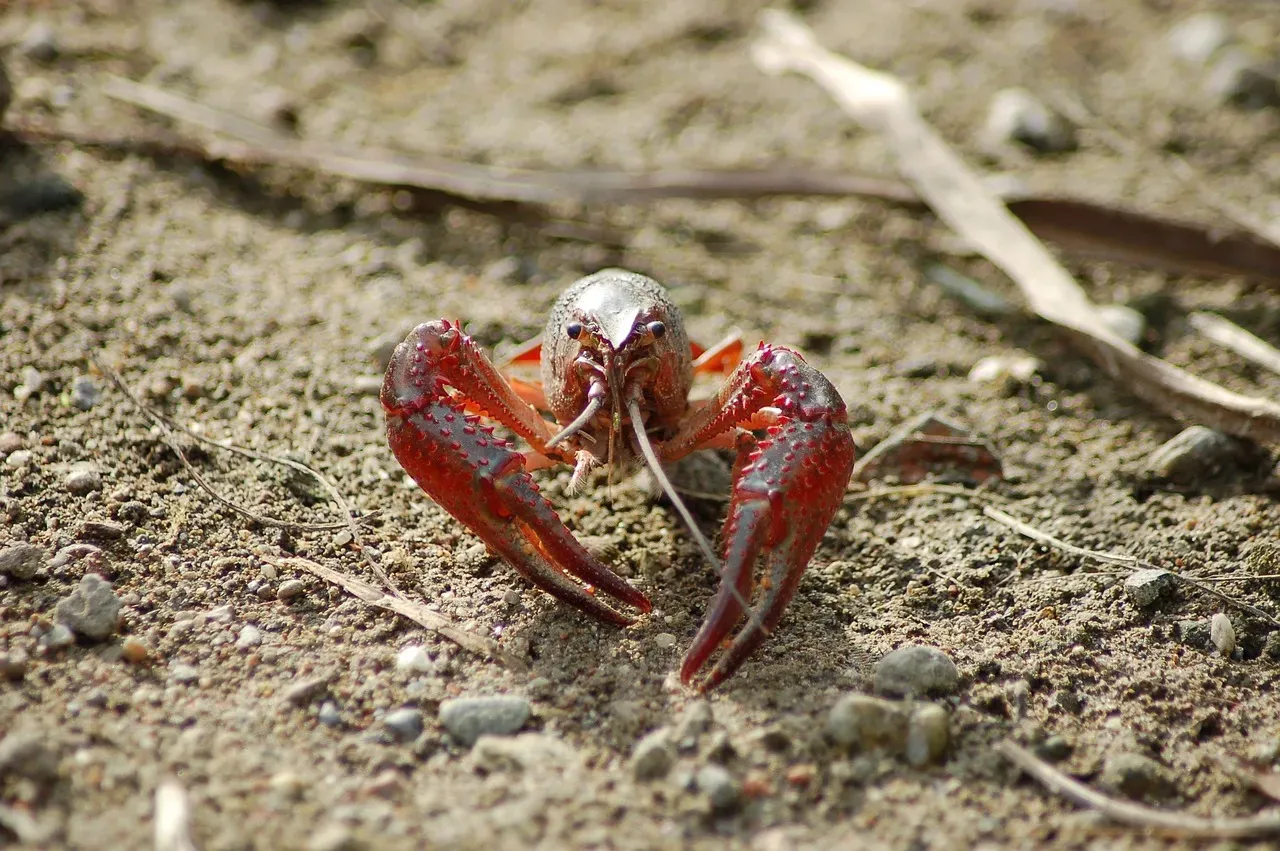
Here’s where it gets fascinating. The monstrous sound isn’t caused by the parts of the claw impacting each other but by a plunger-like piece shooting water out at speeds as fast as a car traveling down the highway, creating a powerful bubble that pops. It’s a common misconception that the claws themselves make the noise.
Hydrophone measurements in conjunction with time-controlled high-speed imaging demonstrate that the sound is emitted at the cavitation bubble collapse and not on claw closure. Think of it like cracking a whip: the sound comes from the tip breaking the sound barrier, not from your arm moving. The pistol shrimp’s weapon works on a similar principle, except underwater and with bubbles instead of leather.
They Can Regenerate and Swap Their Weapon to the Other Side
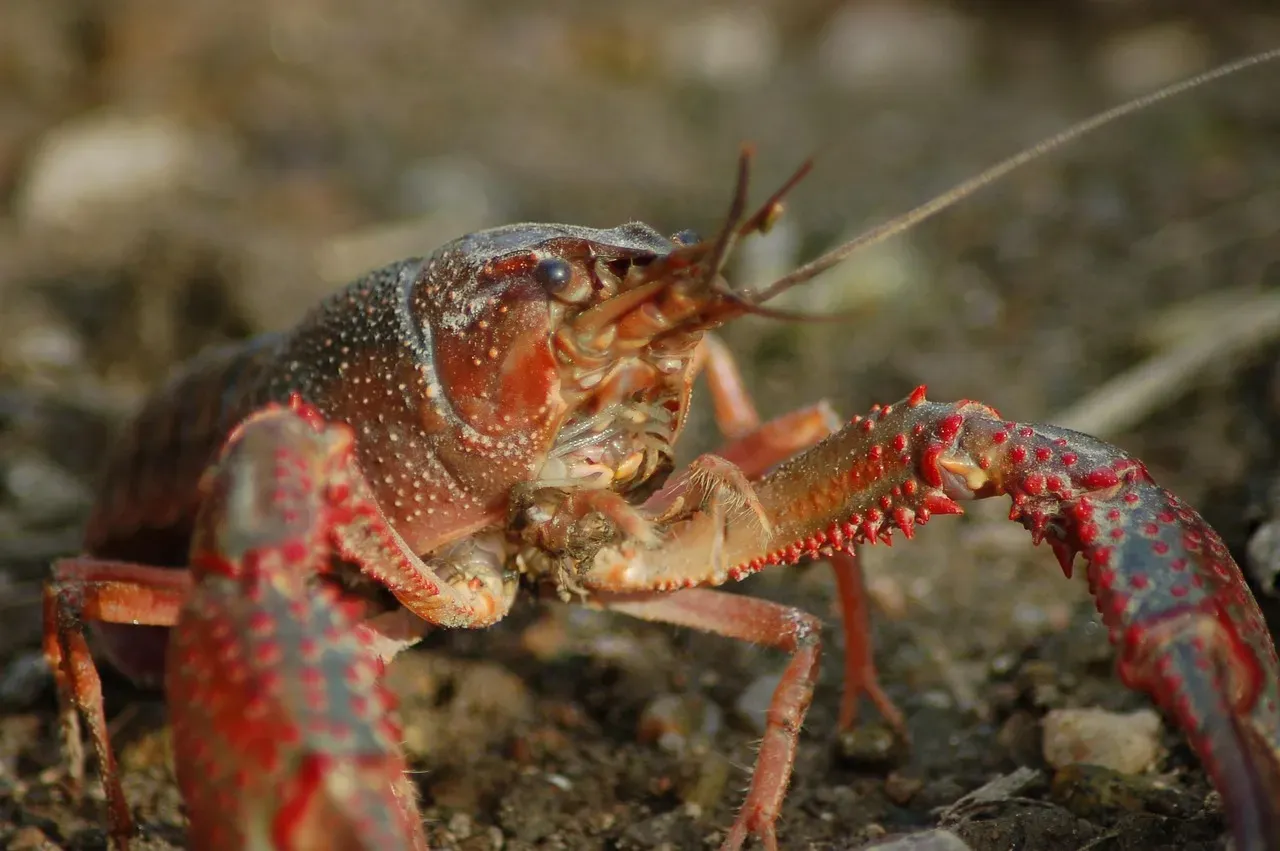
Losing your primary weapon would be devastating for most creatures. When the snapping claw is lost, the missing limb regenerates into a smaller claw and the original smaller appendage grows into a new snapping claw. Essentially, the shrimp just switches which side carries the big gun.
The reversal of claw asymmetry in snapping shrimp is thought to be unique in nature. I know it sounds crazy, but imagine if you lost your dominant hand and your other hand just decided to become dominant while the lost one grew back as your new off hand. That’s essentially what these shrimp can do, making them remarkably resilient creatures in a dangerous ocean environment.
They Create Actual Flashes of Light Underwater
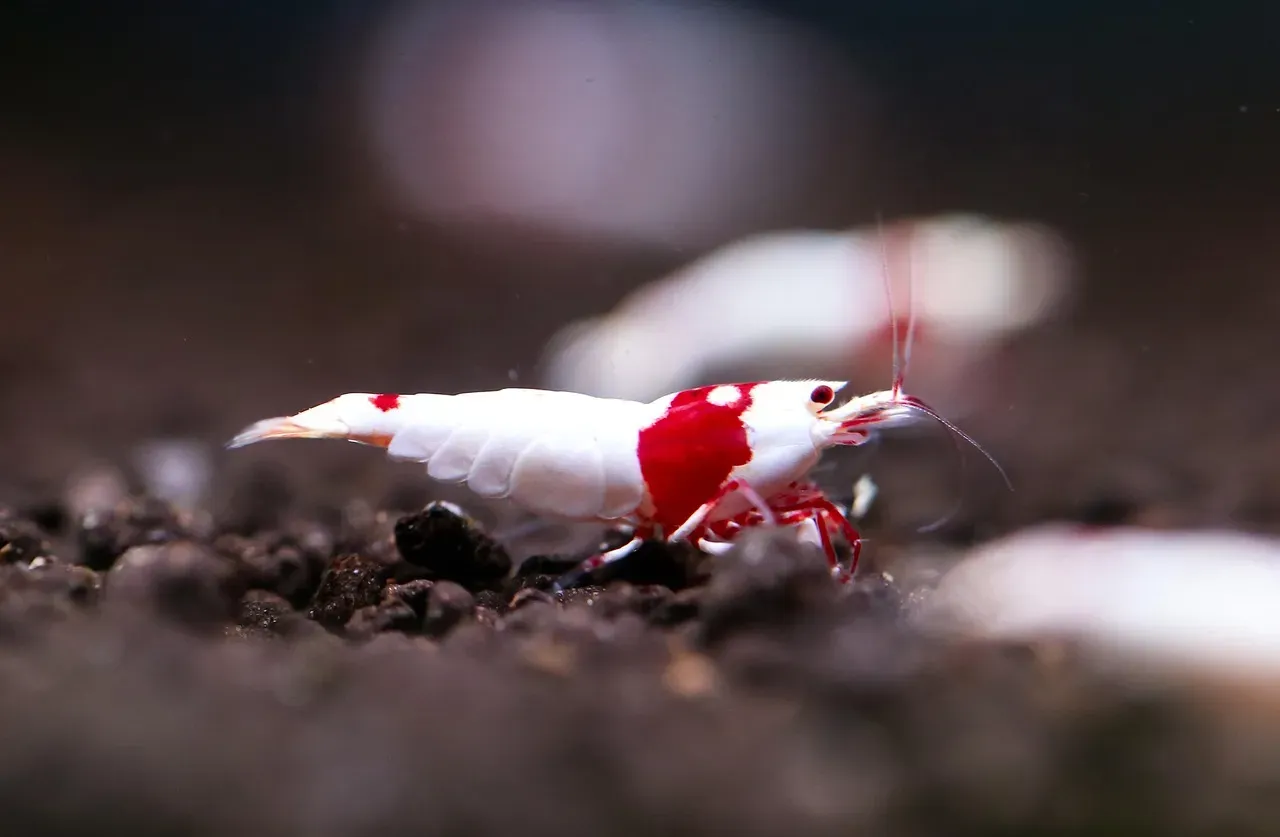
The collapsing bubble doesn’t just create heat and sound. As the bubbles formed by the water jets collapsed, they emitted an intense flash of light, with extremely high pressures and temperatures above 5,000 degrees Celsius occurring. Scientists call this phenomenon sonoluminescence, or more whimsically, shrimpoluminescence.
The flash duration is extremely short, shorter than 10 nanoseconds, with the total number of photons emitted amounting up to 50,000 photons, which cannot be detected with the naked eye. This was whimsically dubbed “shrimpoluminescence” upon its discovery in 2001. Even though you can’t see it without specialized equipment, knowing these tiny shrimp are creating literal sparks underwater makes them even more incredible.
Some Species Live in Eusocial Colonies Like Bees
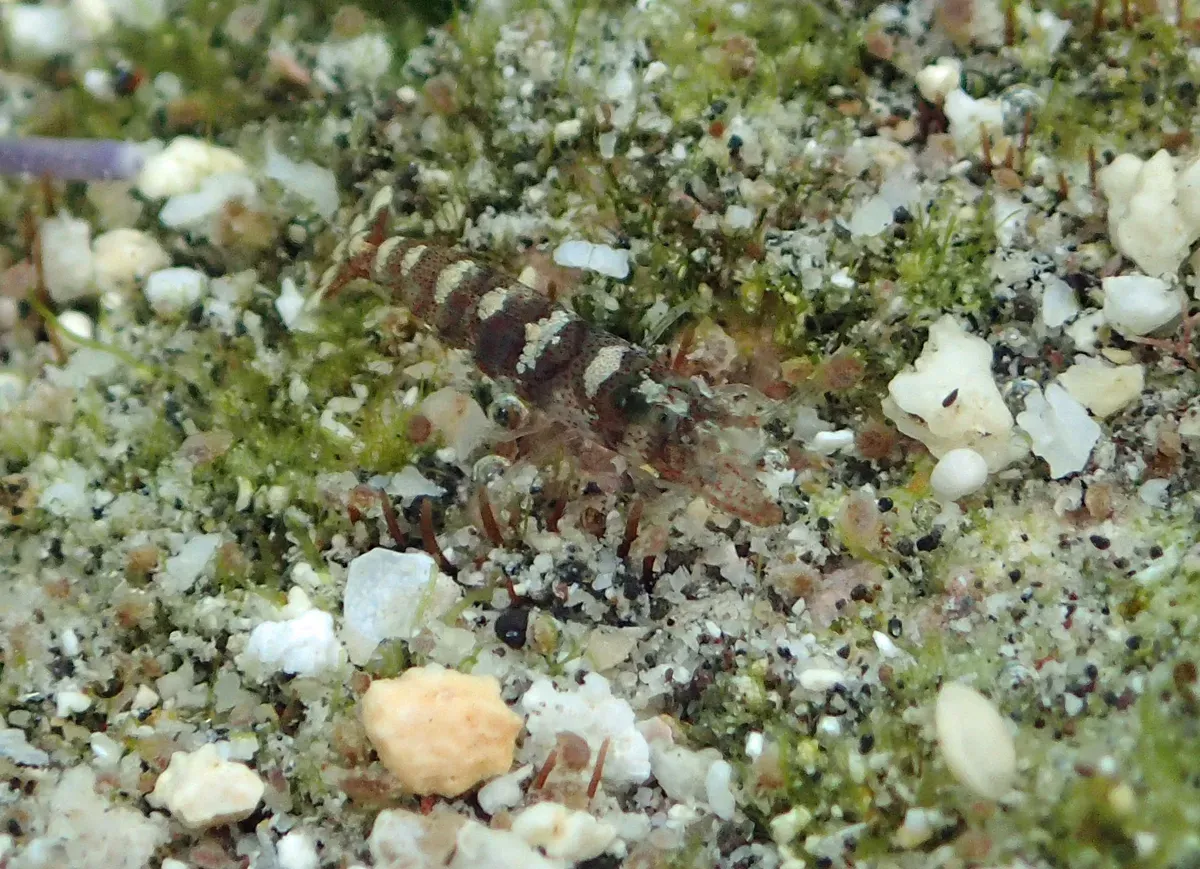
Most people associate colony behavior with insects. The species Synalpheus regalis lives inside sponges in colonies that can number over 300, where all are the offspring of a single large female, the queen, with offspring divided into workers that care for the young and predominantly male soldiers that protect the colony.
This reversal of claw asymmetry in snapping shrimp is thought to be unique in nature. They’re the only known marine animals to develop this kind of social structure. It’s hard to say for sure, but this bee-like organization in the ocean challenges everything we thought we knew about marine life social structures. The soldier shrimp even use their massive claws to defend the colony, snapping in unison to ward off intruders.
They Form Unlikely Friendships with Goby Fish
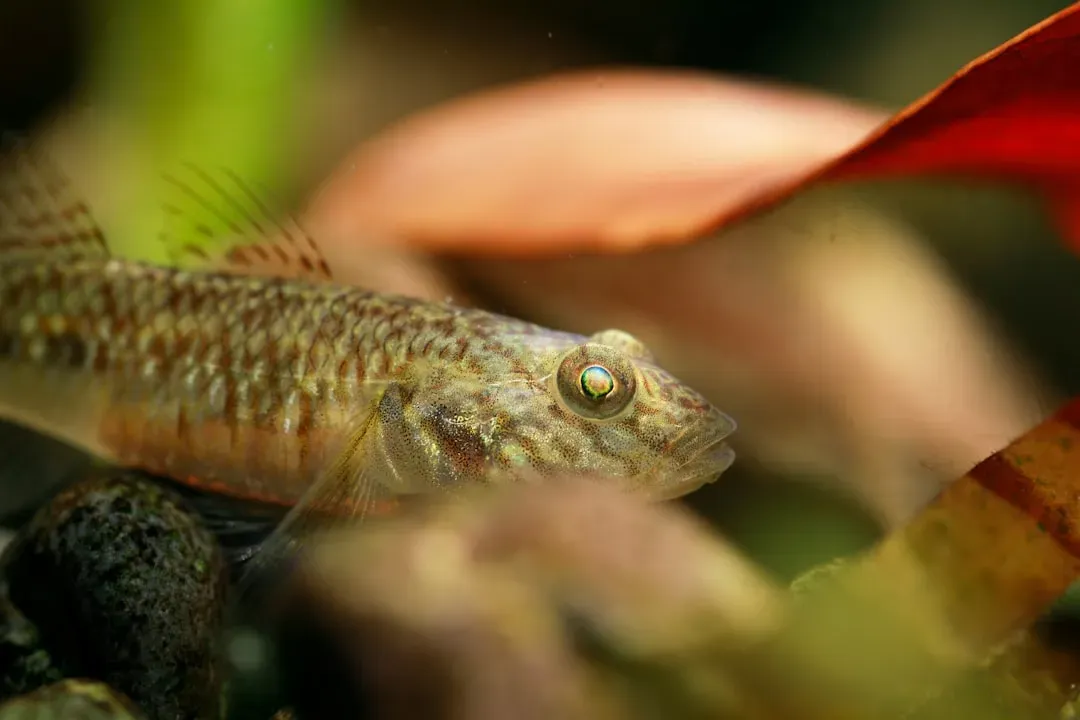
Nature often surprises us with unusual partnerships. Some species share burrows with goby fish in a mutualistic symbiotic relationship where the burrow is built and tended by the pistol shrimp, the goby provides protection by watching out for danger, and when both are out, the shrimp maintains contact with the goby using its antennae, with the goby alerting the shrimp of danger using a characteristic tail movement.
This partnership makes perfect sense when you consider their strengths and weaknesses. Pistol shrimp have relatively poor eyesight compared to the sharp-eyed goby. The goby, meanwhile, benefits from having a home builder and maintenance crew. Together, they’re like an odd couple roommate situation that actually works perfectly, each compensating for what the other lacks.
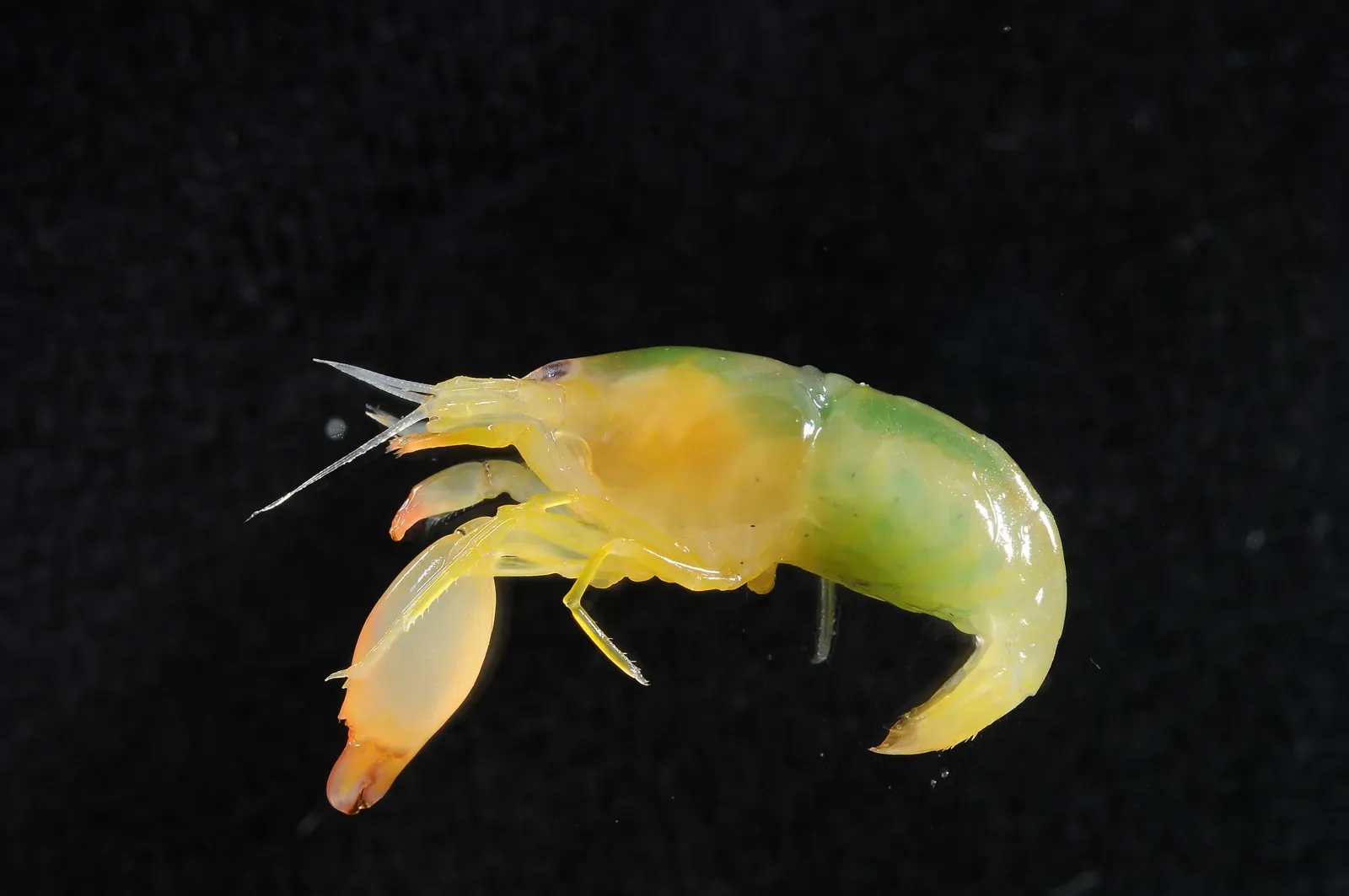
Their Claw Can Be Half the Size of Their Entire Body
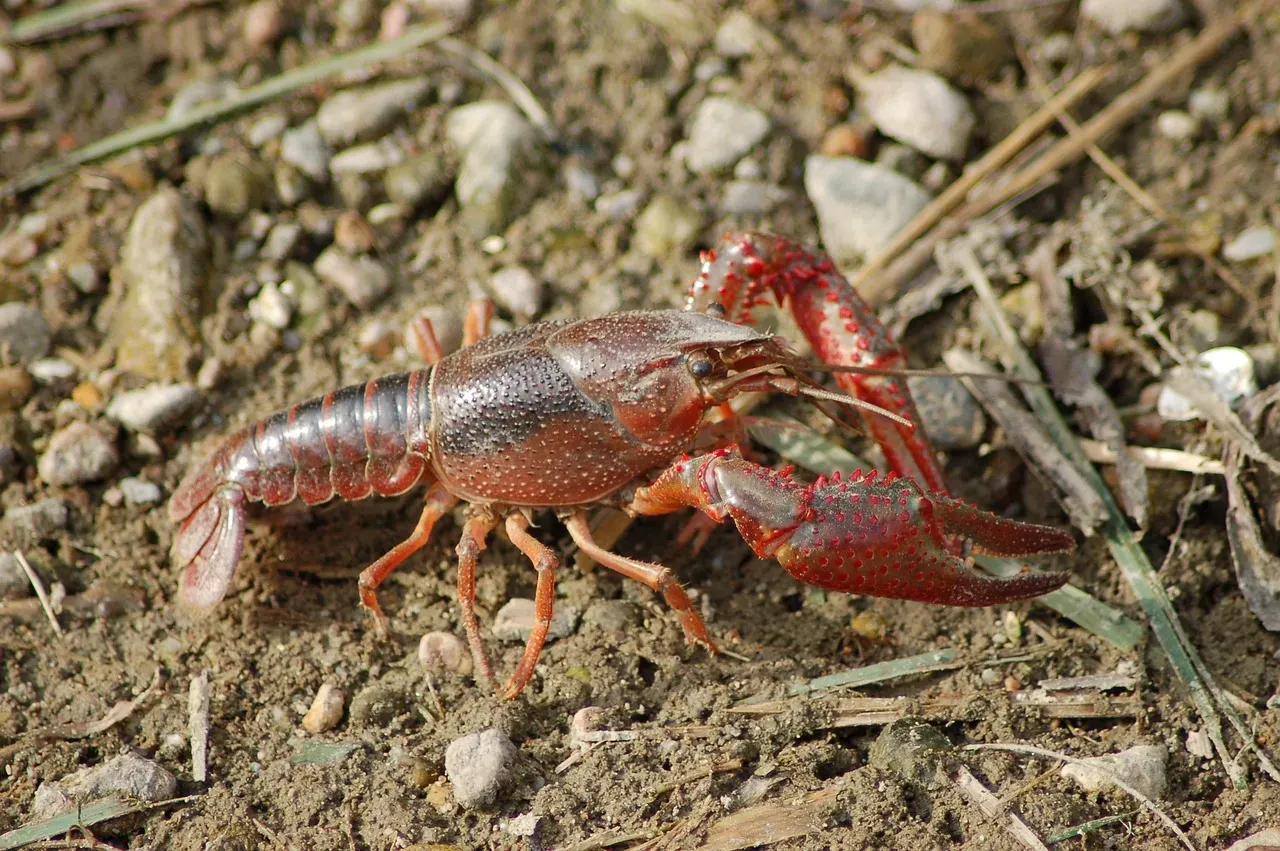
The shrimp only reaches a few inches in size, but its large claw can grow to half its body length and is larger than half the shrimp’s body. Imagine walking around with one arm that weighs as much as your entire torso. The energy requirements and balance adjustments would be enormous.
The claw can be on either arm of the body and has a pistol-like feature made of two parts. The oversized claw isn’t just about firepower. Larger claws suggest the males are better mates, making them more attractive to females. So essentially, the pistol shrimp’s superweapon also functions as a dating profile, proving to potential partners that they’re capable defenders and providers.
Conclusion
The pistol shrimp proves that the ocean’s most remarkable creatures aren’t always the biggest or most fearsome looking. From generating temperatures rivaling the sun to creating sounds louder than gunshots, these tiny crustaceans pack more power per square inch than almost any other animal on Earth.
Scientists continue to study them, hoping to harness their cavitation abilities for everything from water filtration to medical applications. Whether they’re forming bee-like colonies, partnering with fish, or simply defending their territory, pistol shrimp remind us that nature’s ingenuity knows no size limits. Did you expect a creature smaller than your finger to be one of the ocean’s most powerful predators?

- The Secret Lives of Nocturnal Animals: What Happens After Dark - August 10, 2026
- 12 Incredible Facts About Monarch Butterflies and Their Migration - August 10, 2026
- Why the World is Obsessed with This Iridescent Spider: The Psychedelic Earth Tiger - August 10, 2026