
Long before anyone studied toxicology in a lab, people noticed that certain plants could change the mind, slow the heart, or kill. Stories filled the gaps. A healer who knew which roots were safe and which weren’t could easily end up with a reputation she never asked for.
Many of the plants tied to witchcraft in European folklore are still growing in gardens, hedgerows, and woodlands today. Some are pretty enough to sell at a nursery. Here’s what the legends said about eight of them, and what science says about the harm they can actually do.
8. Belladonna: The Beautiful Killer
🔥 Would you like to save this?
We'll email this post to you, so you can come back to it later!
Belladonna, also called deadly nightshade, is a shrubby plant with dull purple flowers and glossy black berries. Its Latin name, Atropa belladonna, nods to Atropos, the Greek Fate who cut the thread of life. The common name is usually explained by a Renaissance habit of using the juice to dilate pupils, a look considered attractive.
In folklore, belladonna was linked to witches’ gatherings and to the sensation of flying. Those tales probably grew from its effects: hallucinations, delirium, and a racing heart. The plant contains tropane alkaloids such as atropine and scopolamine, which block the nervous system’s acetylcholine signals.
The real danger is simple arithmetic. A small number of berries can seriously poison a child, and all parts of the plant are toxic. Symptoms include dry mouth, blurred vision, fever, confusion, and a dangerously fast pulse. Ironically, atropine is still an important medicine, used carefully in hospitals for certain heart problems and as an antidote to some poisonings.
7. Henbane: The Plant of Trances
🔥 Would you like to save this?
We'll email this post to you, so you can come back to it later!
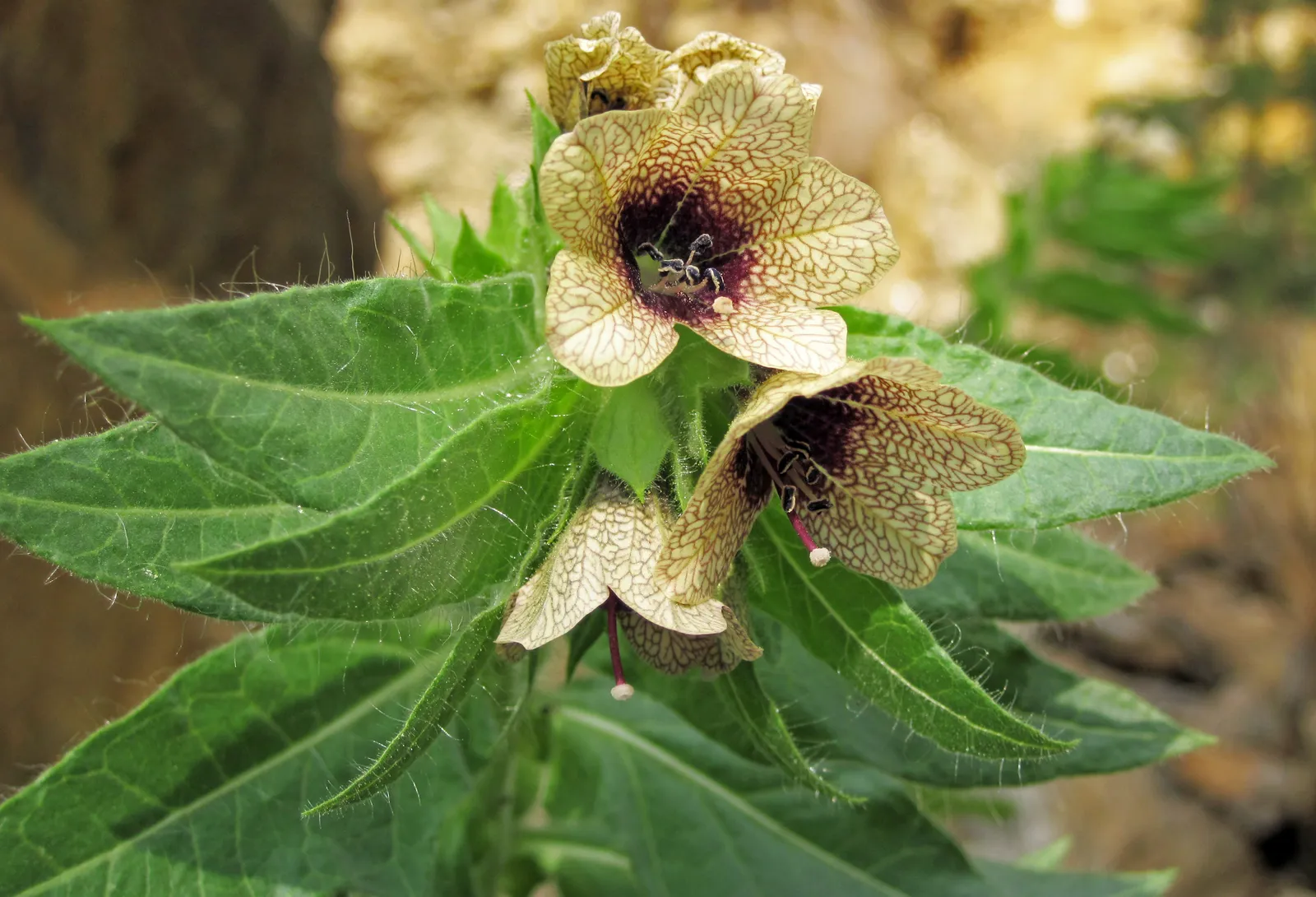
Henbane is a sticky, foul-smelling plant with creamy, purple-veined flowers. It turns up in medieval and early modern writings about herbal remedies and sorcery. Old accounts connect it with visions, prophecy, and so-called flying ointments.
Like belladonna, henbane is rich in tropane alkaloids, especially hyoscyamine and scopolamine. That chemistry explains why it was associated with trances and strange dreams. It also explains why it was risky: the gap between a dose that dazes and a dose that harms is narrow.
Modern poisoning reports describe agitation, hallucinations, flushed skin, widened pupils, and a rapid heartbeat. Historians generally treat the flying ointment idea with caution, since the evidence for how these preparations were really used is limited and often comes from hostile sources. What’s solid is the pharmacology. Henbane can scramble the mind long before it threatens life, which made it both fascinating and frightening.
6. Mandrake: The Root With a Scream
🔥 Would you like to save this?
We'll email this post to you, so you can come back to it later!
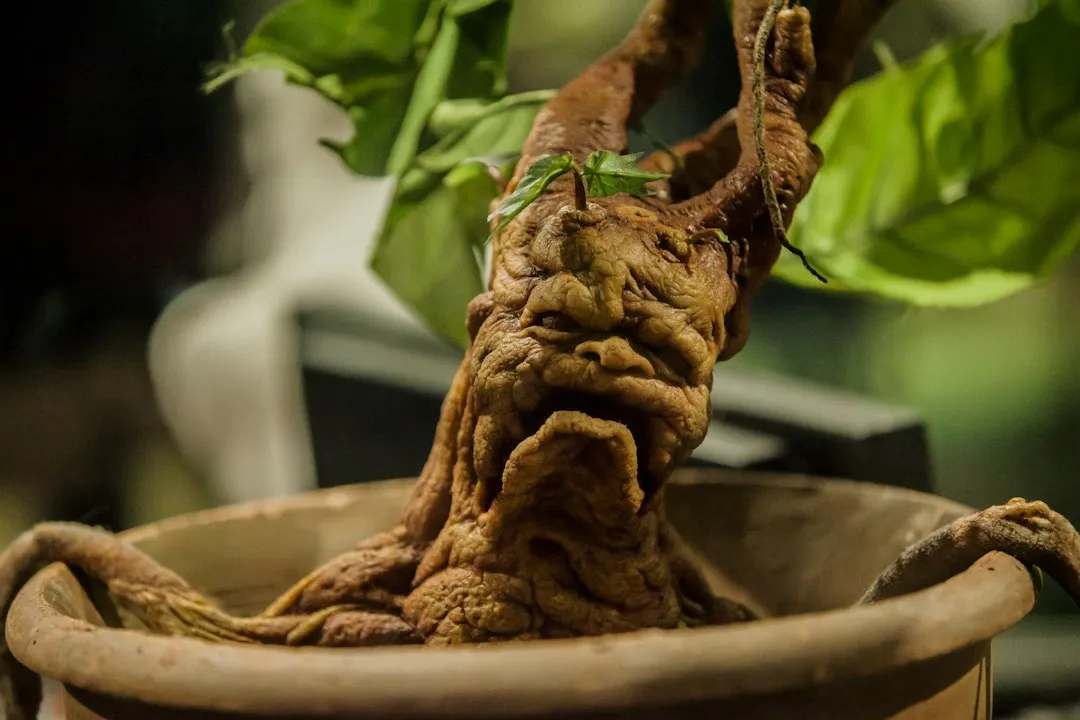
Few plants have a better story than mandrake. Its forked root can look vaguely human, and legend claimed it shrieked when pulled from the ground, killing whoever heard it. People supposedly tied a dog to the plant to do the dirty work instead.
The scream is pure myth, but the plant is not harmless. Mandrake, Mandragora officinarum, contains tropane alkaloids similar to those in belladonna and henbane. In the ancient world it was used as a sedative and pain reliever, and writers mentioned it in connection with surgery.
Eating it can cause vomiting, blurred vision, confusion, and a racing heart, and larger amounts can be dangerous. Its supposed magical uses, from love charms to fertility aids, have no scientific support. The legend lasted largely because the root looked strange and the effects of the plant were real enough to feel supernatural.
5. Datura: Thorn Apple and Its Wild Nights
🔥 Would you like to save this?
We'll email this post to you, so you can come back to it later!
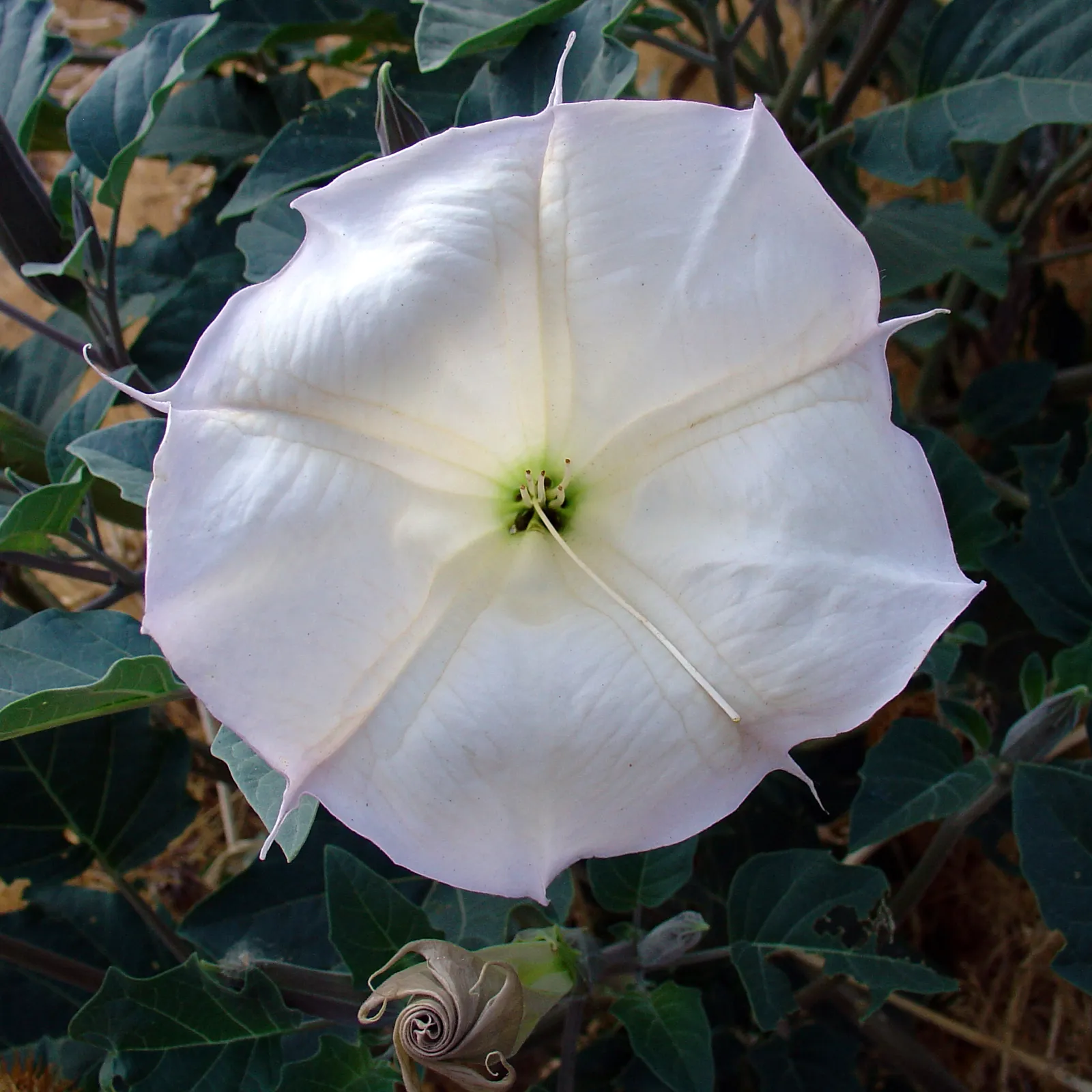
Datura, often called jimsonweed or thorn apple, has trumpet shaped flowers and spiny seed pods. It’s a weed in many parts of the world, which is part of the problem. Its tropane alkaloids make it another plant associated with visions and madness in folk tradition.
Although it belongs more to a global history of poisonous plants than to classic European witch trials, it fits the same pattern. People encountered it, saw strange behavior in those who ate it, and wove the experience into stories. Poison control literature describes the effects as intense and unpleasant, not a pleasant trip.
Typical symptoms include hot dry skin, dilated pupils, confusion, agitation, and frightening hallucinations that can last a long time. Emergency visits happen when teens or curious adults experiment, or when seeds are mistaken for something edible. Dosing is unpredictable because the alkaloid content varies between plants, which is exactly what makes it hazardous.
4. Foxglove: Fairy Gloves With a Catch
🔥 Would you like to save this?
We'll email this post to you, so you can come back to it later!
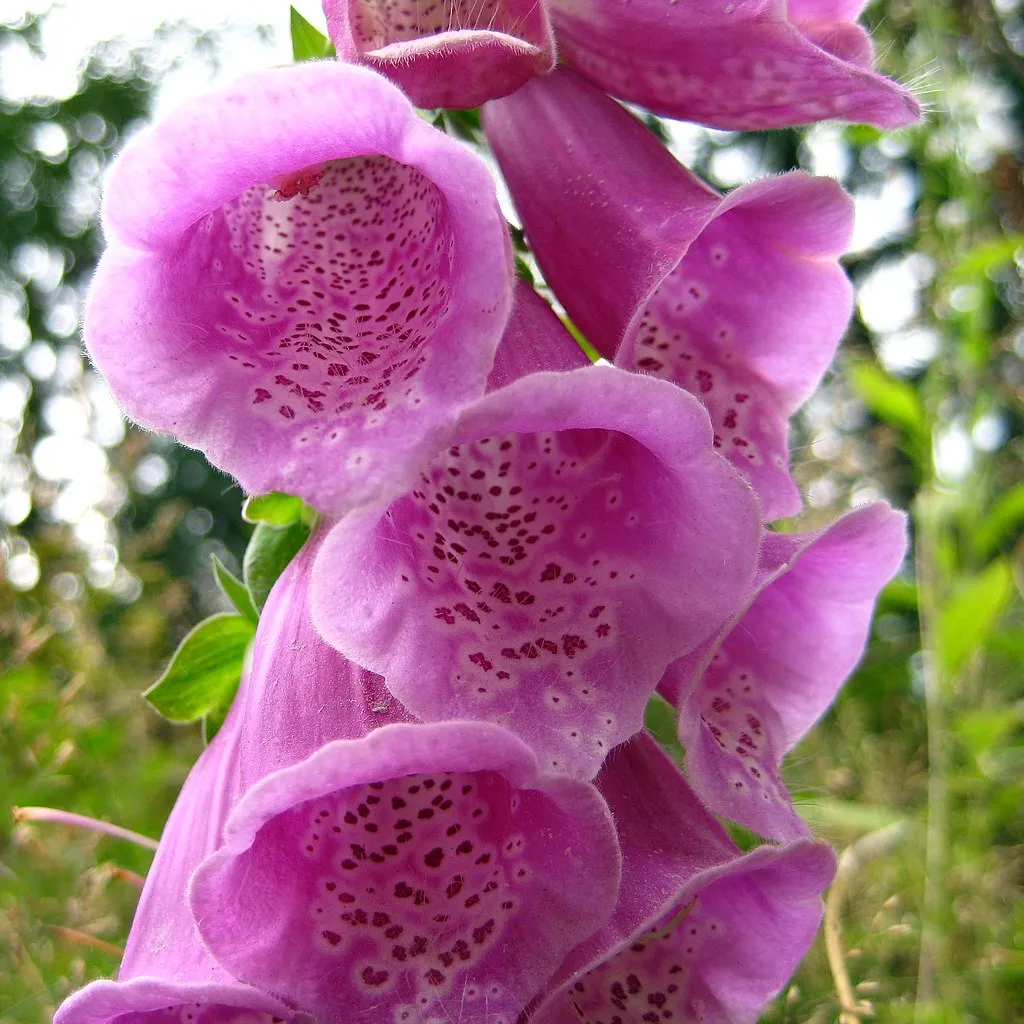
Foxglove looks like something from a storybook, with tall spikes of speckled bells. In British and Irish folklore it was tied to fairies and sometimes to witchcraft. The names fairy gloves and witches’ thimbles show how thoroughly the plant got folded into the supernatural.
Its leaves contain cardiac glycosides, compounds that affect how the heart contracts. Digoxin, a drug derived from a related foxglove species, is still used in medicine for some heart conditions. In 1785 the physician William Withering published an influential account of foxglove’s medical use, helping move it from folk remedy to measured treatment.
The trouble is that the therapeutic dose and the toxic dose sit close together. Poisoning can cause nausea, vomiting, vision changes, slow or irregular heartbeat, and in serious cases death. Foxglove leaves have been confused with comfrey by foragers, which is a reminder that a pretty garden plant can still be a hazard.
3. Monkshood: Queen of Poisons
🔥 Would you like to save this?
We'll email this post to you, so you can come back to it later!
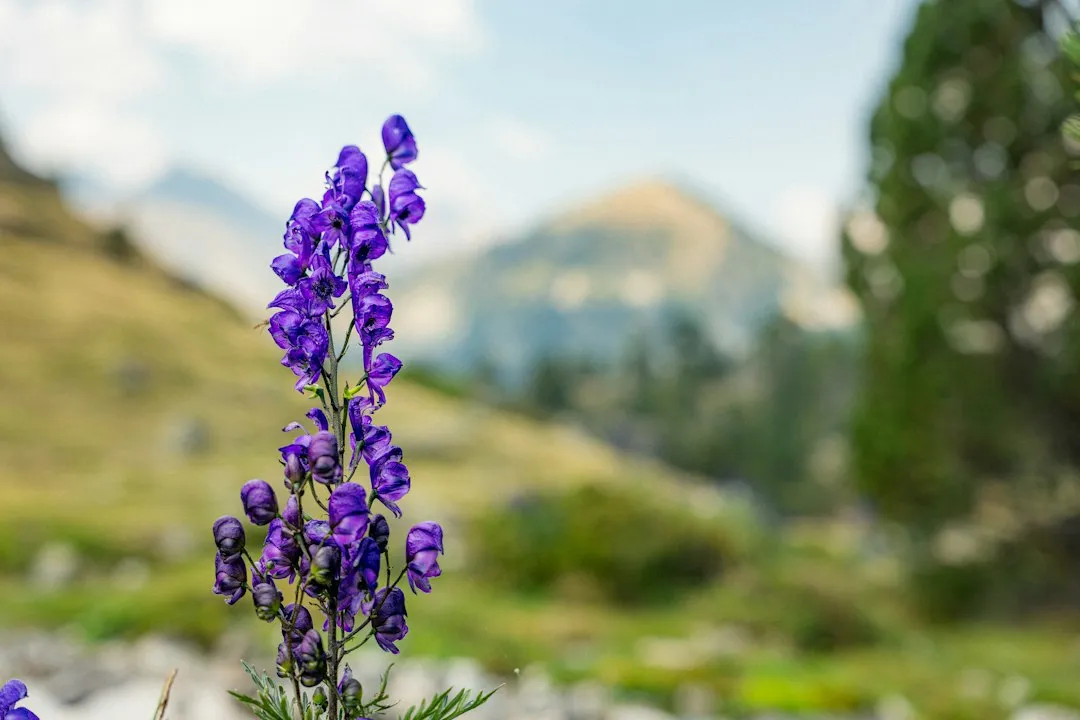
Monkshood, or wolfsbane, is a handsome plant with hooded blue-violet flowers. Its folklore is dark: it was associated with werewolves, witches, and poisoned arrows. Ancient writers also described it as a deadly poison.
The key toxin is aconitine, which disrupts sodium channels in nerve and heart cells. Even handling the plant can cause tingling or numbness, and ingestion can lead to vomiting, weakness, dangerous heart rhythms, and death. Poisonings still occur today, including from misuse of traditional herbal preparations and from mistaken identity.
Because it’s so potent, monkshood earns its reputation without any help from legend. Gardeners are usually advised to wear gloves when working with it and to keep it away from children and pets. No spell required, just basic chemistry.
2. Hemlock: A Poison With a Famous Past
🔥 Would you like to save this?
We'll email this post to you, so you can come back to it later!
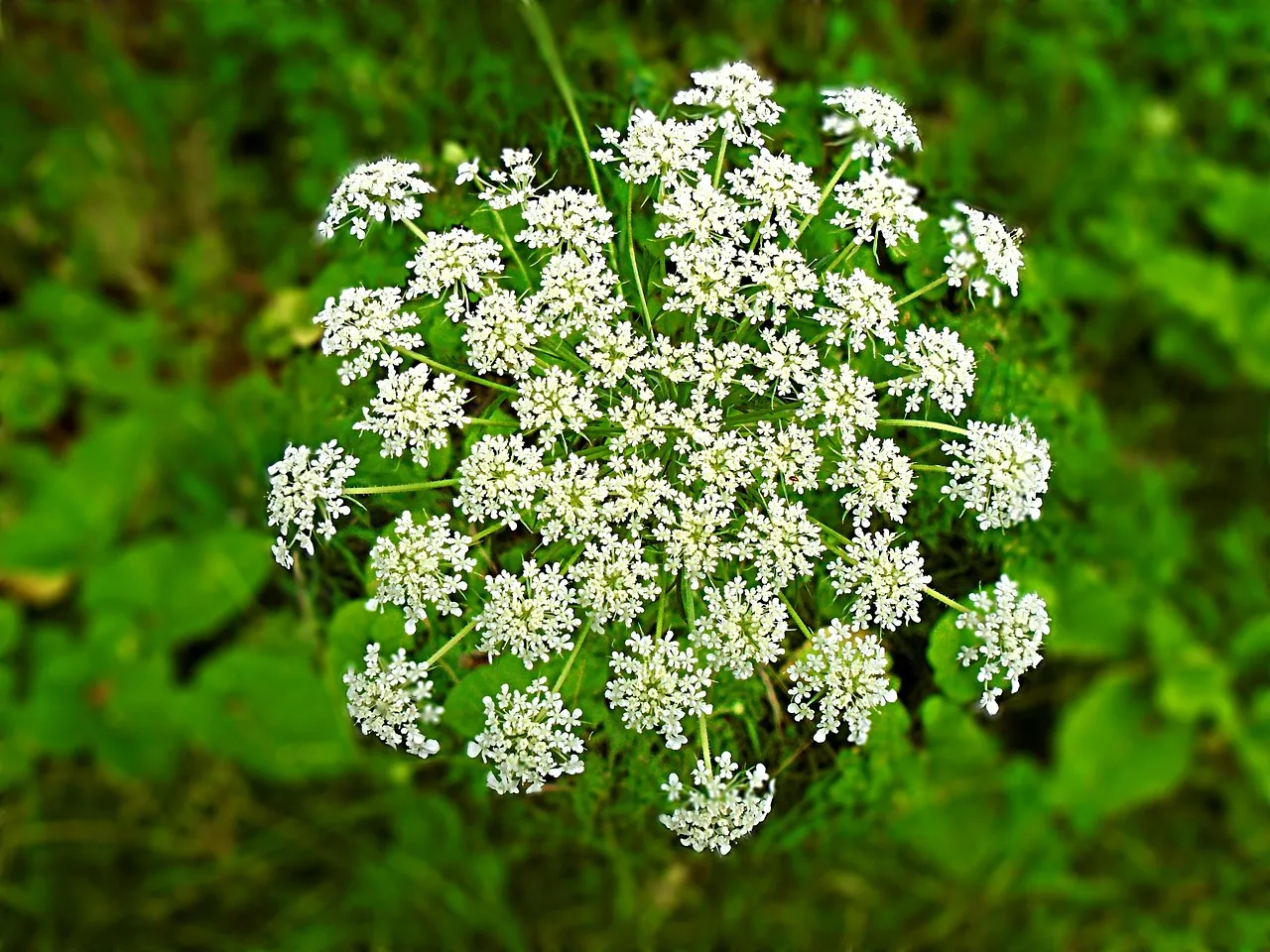
Poison hemlock, Conium maculatum, resembles wild carrot or parsley, with lacy leaves and a stem often marked by purple blotches. It’s best known as the poison associated with the execution of Socrates in ancient Athens. In later folklore it was sometimes listed among the ingredients attributed to witches’ brews.
The plant contains alkaloids, including coniine, that interfere with nerve signaling. Poisoning can cause tremors, drooling, weakness, and eventually respiratory failure while the mind may remain clear. That chilling combination helps explain why it’s been remembered for so long.
Today the main risk is mistaken identity. People have confused its leaves, roots, or seeds with edible plants like parsley, wild carrot, or anise. If you forage, certainty matters more than confidence, and many experienced foragers will tell you to skip any look-alike you can’t identify perfectly.
1. Yew: The Graveyard Tree
🔥 Would you like to save this?
We'll email this post to you, so you can come back to it later!
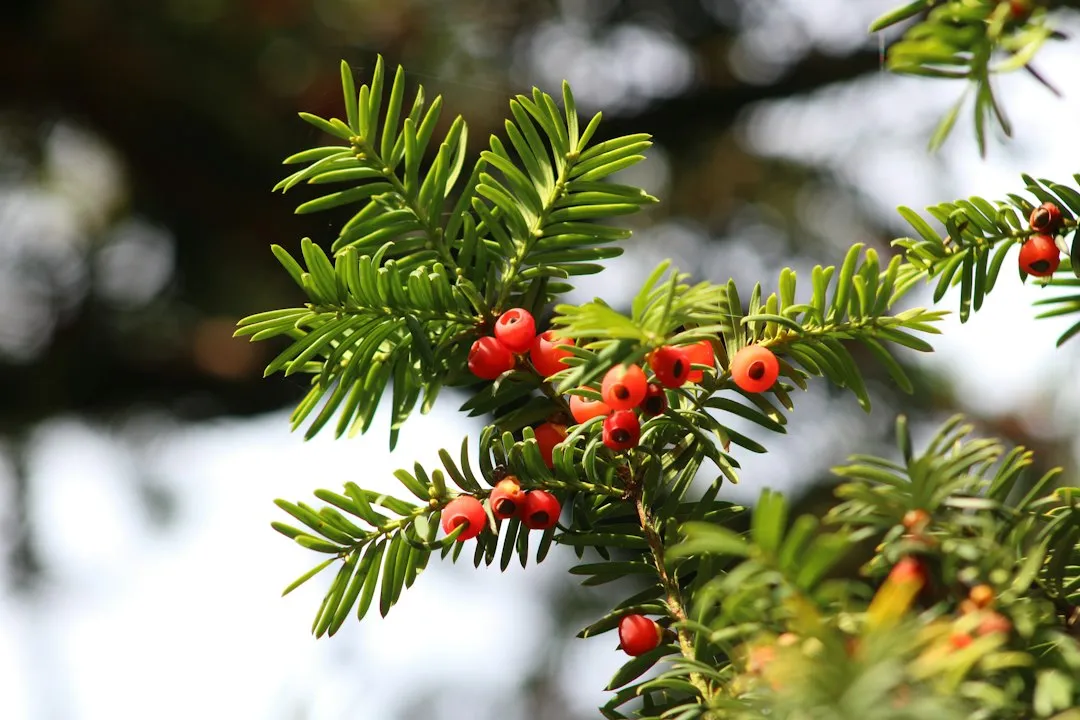
Yew trees often grow in churchyards across Britain and Europe, some of them extraordinarily old. Their dark evergreen needles and red fleshy arils gave them a solemn, uncanny air. In folklore the tree was linked with death, immortality, and sometimes sorcery.
Almost every part of the tree contains taxine alkaloids, with the exception of the red aril flesh around the seed. The seed inside is the problem. Poisoning can affect the heart and has been fatal in people and livestock, especially when clippings are eaten.
Yew also has a remarkable medical footnote. Compounds from yew species led to the development of taxane chemotherapy drugs such as paclitaxel. It’s a neat illustration of how the same living thing can be a danger in one context and a lifesaver in another, depending on dose, purification, and expertise.
Final Thoughts
🔥 Would you like to save this?
We'll email this post to you, so you can come back to it later!
My take: the witch stories weren’t really about magic. They were about fear of what people didn’t understand, and a lot of that fear landed on women who knew plants well. The plants themselves were never villains, just chemistry with consequences.
That’s why the better lesson isn’t to dread the garden. It’s to respect it. Learn what’s growing near you, never eat anything you can’t identify with certainty, and call poison control or emergency services if someone has swallowed an unknown plant. The legends were exaggerated, yet the danger underneath them was often very real.

- 7 Everyday Habits That Can Make Your Senior Dog Happier - November 5, 2026
- 10 Enigmatic Structures That Continue to Puzzle Scientists Today - November 5, 2026
- 10 Strange Ruins in the Americas That Challenge What We Know About Early History - November 5, 2026