
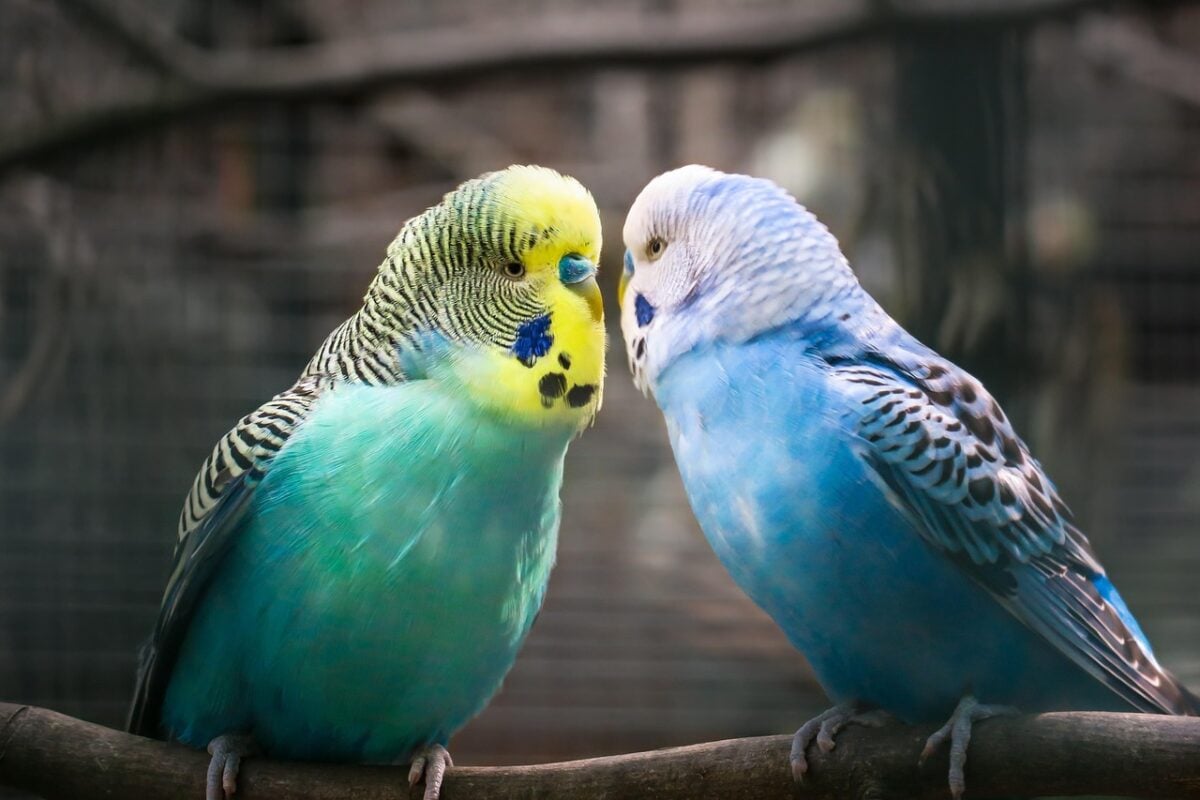
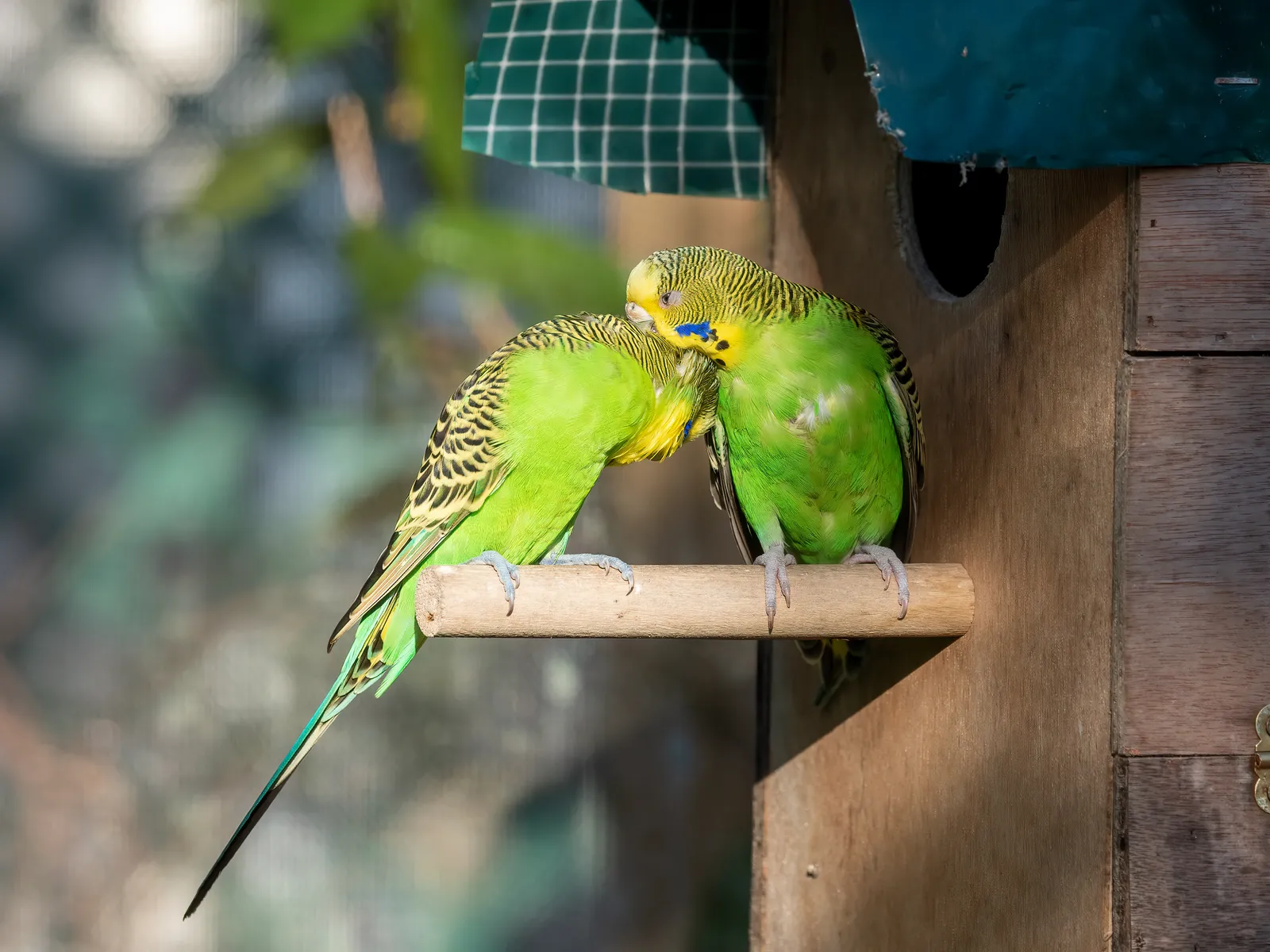
If you’ve ever watched two budgies gently working their beaks through each other’s feathers, you know it’s one of the cutest things on the planet. But that adorable mutual preening is not just a sweet moment for your camera roll; it’s a deeply meaningful behavior that keeps their bodies healthy and their relationships strong. When they focus on spots they can’t reach alone – like the back of the head, neck, and face – they’re doing something your bird simply can’t DIY.
I still remember the first time I saw a shy, newly adopted budgie finally lean into another bird’s beak for a good head preen. It almost felt like watching someone finally relax into a hug after being tense their whole life. That simple behavior said more about trust, comfort, and bonding than any words could. Let’s dig into what’s really happening when budgies preen one another in those hard‑to‑reach places – and why you should pay close attention when they do.
1. Reaching the Spots They Physically Cannot Clean Alone
🔥 Would you like to save this?
We'll email this post to you, so you can come back to it later!
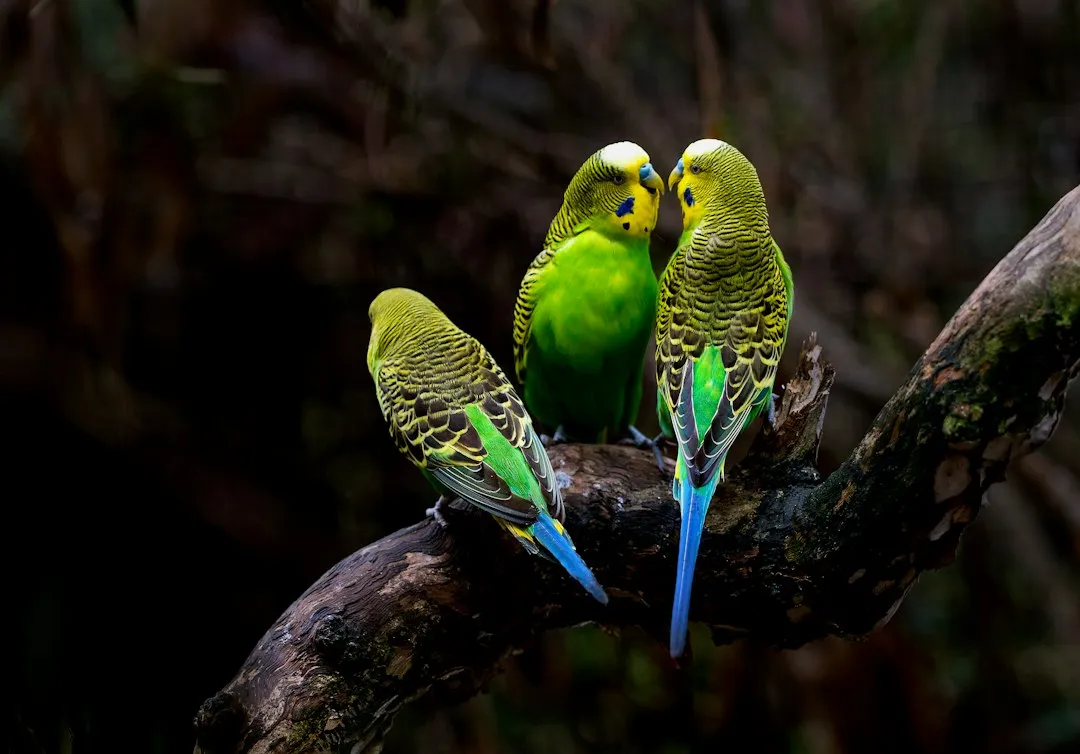
Let’s start with the obvious but important reason: some feathers are almost impossible for a budgie to reach on their own. The back of the head, the nape of the neck, and sometimes around the face and cheeks are awkward angles for that tiny beak. So when another bird steps in to groom those areas, it’s not just being nice; it’s filling a literal gap in their self‑care routine.
Think of it like trying to wash your own back in the shower with no loofah or long brush. You can twist and reach a bit, but there will always be spots you can’t really get to properly. Budgies solve that problem socially. Their flock becomes their extra pair of hands, and mutual preening becomes nature’s way of making sure no feather is left unkempt, even in the hardest‑to‑access spots.
2. Strengthening Social Bonds and Emotional Trust
🔥 Would you like to save this?
We'll email this post to you, so you can come back to it later!
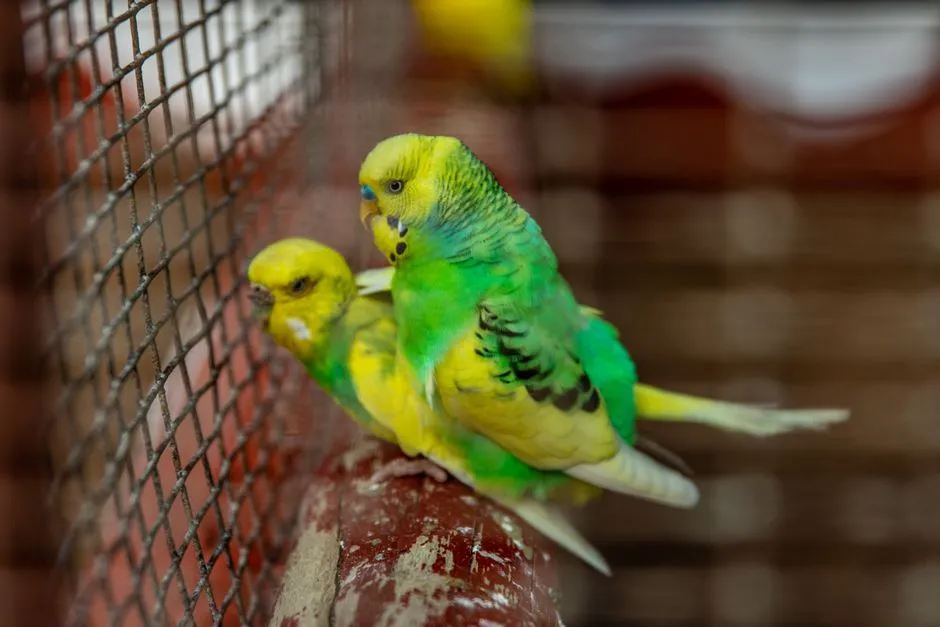
When budgies preen each other’s unreachable spots, they’re saying something like: “I trust you enough to let your beak near my eyes and neck.” Those are vulnerable areas, and in the animal world, exposing a vulnerable spot is a big deal. So this behavior is more than cleaning; it’s emotional glue that holds the flock together. Birds that preen each other regularly are usually the ones that share perches, food bowls, and naps.
In many small parrot species, mutual preening is one of the clearest signs of a close bond, almost like humans holding hands or leaning on each other’s shoulder. You’ll often see bonded pairs pause their own activities just to check in and give each other a quick head preen. When that happens in your home, you’re not just seeing grooming – you’re witnessing their version of affection and loyalty in real time.
3. Helping With Feather Maintenance and Molting
🔥 Would you like to save this?
We'll email this post to you, so you can come back to it later!
Budgies go through molts where old feathers fall out and new ones grow in, often covered in little sheathes called pin feathers. Those new feathers can be stiff and itchy, especially around the head where the bird can’t easily reach. Another budgie’s beak is perfect for gently cracking and removing those sheaths so the new feather can open fully. It’s like getting help scratching the world’s most annoying itch in the one place you can’t reach.
Without this assistance, some of those head and neck feathers may stay a bit rough or poorly opened, and the bird can be more uncomfortable and irritable. Within a flock, mutual preening spreads the workload so each bird gets its turn being the helper and the helped. If you’ve ever watched one bird patiently nibbling away at another’s pin feathers, you’re seeing an essential grooming service, not just a cute moment.
4. Dislodging Dust, Dander, and Tiny Parasites
🔥 Would you like to save this?
We'll email this post to you, so you can come back to it later!
Even in clean homes, budgies produce fine dust and dander as old keratin and feather bits flake away. Most of this they can deal with on their own, but those awkward spots on the head and neck can still collect debris. A partner’s beak can get into tight spaces between feathers and around the base of the head where one bird alone can’t quite maneuver. It’s a bit like having a friend help you remove something stuck in your hair.
In the wild, this behavior is even more crucial because external parasites and insects can hide in dense feather areas, including around the neck and head. Mutual preening helps dislodge or expose unwanted hitchhikers before they become a real problem. Even for pet budgies that rarely face parasites, the instinct is deeply wired: another bird’s careful attention to those unreachable zones is a built‑in safety check, like a living, breathing inspection team.
5. Reducing Stress and Providing Comfort
🔥 Would you like to save this?
We'll email this post to you, so you can come back to it later!
Head and neck preening is often incredibly soothing for budgies. When one bird fluffs up and leans into another’s beak, eyes half‑closed, that’s basically their version of a spa treatment. Gentle preening in places they can’t reach themselves can lower their arousal levels and help them relax, especially after something stressful like a sudden noise, a vet visit, or changes in their environment. You’ll often see them do it just before settling down to roost for the night.
I’ve seen nervous new birds slowly calm down when accepted into a small flock and finally included in mutual preening circles. One day they’re pacing nervously; the next, they’re melting into another budgie’s beak scritches like a cat into a sunbeam. That comfort is not just cute to watch; it’s a sign that their emotional world is becoming more stable, and their daily stress is easing thanks to the tactile reassurance of a trusted companion.
6. Reinforcing Pair Bonds and Potential Mating Relationships
🔥 Would you like to save this?
We'll email this post to you, so you can come back to it later!
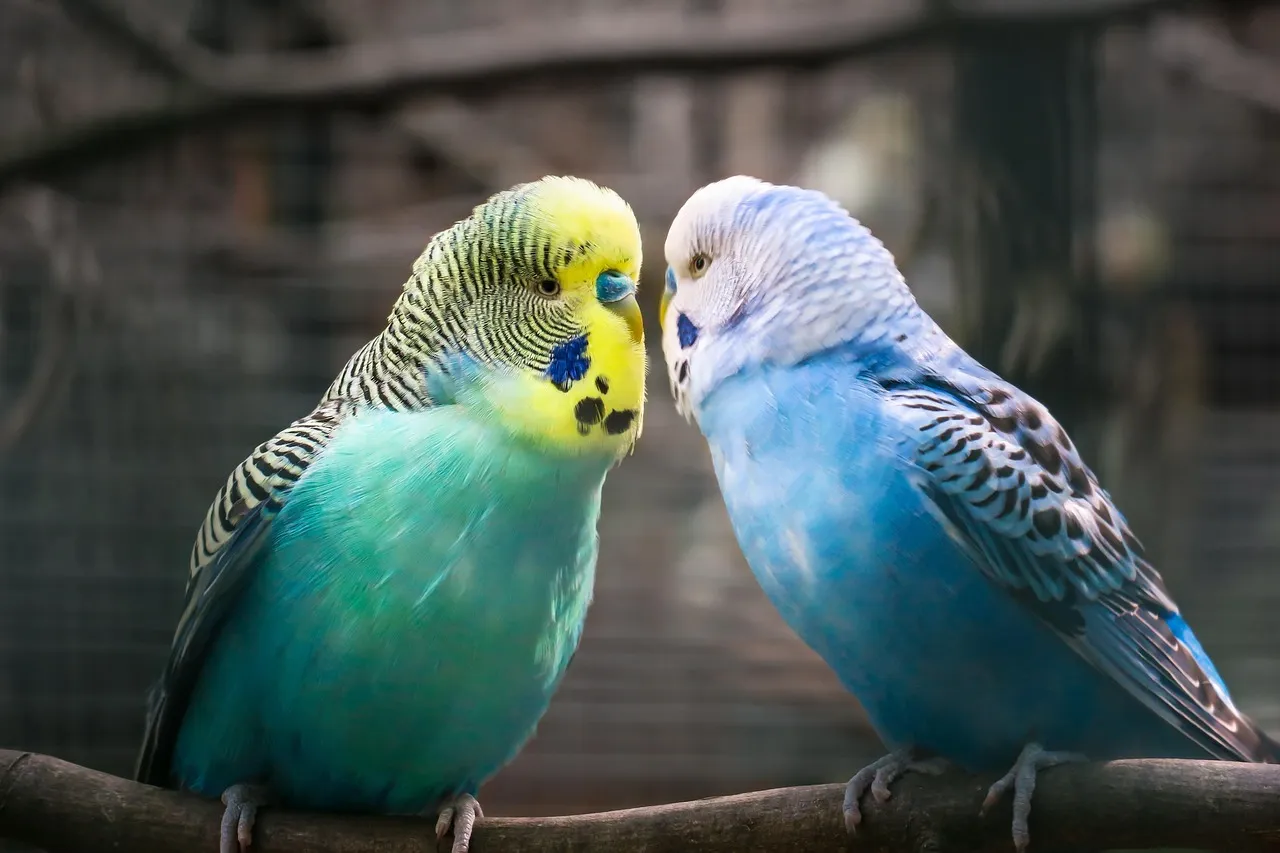
Not all mutual preening is romantic, but in many cases, head and neck preening plays a role in pair bonding and courtship behavior. When two budgies focus on preening each other frequently in those intimate areas, it often signals that they are very close companions and, in some cases, may be forming or reinforcing a breeding pair. It’s one piece of a broader bonding puzzle that can also include feeding each other, sitting very close, and calling to one another more than to the rest of the flock.
From a practical viewpoint, those hard‑to‑reach spots become the perfect excuse to stay close and interact more often. Over time, that repeated contact cements the connection between the two birds. You might notice that even when there are several budgies in a cage, only particular pairs really go all‑in on preening each other’s heads. That selectiveness is a clue that this behavior is partly about partnership, not just hygiene.
7. Maintaining Flock Harmony and Social Hierarchy
🔥 Would you like to save this?
We'll email this post to you, so you can come back to it later!
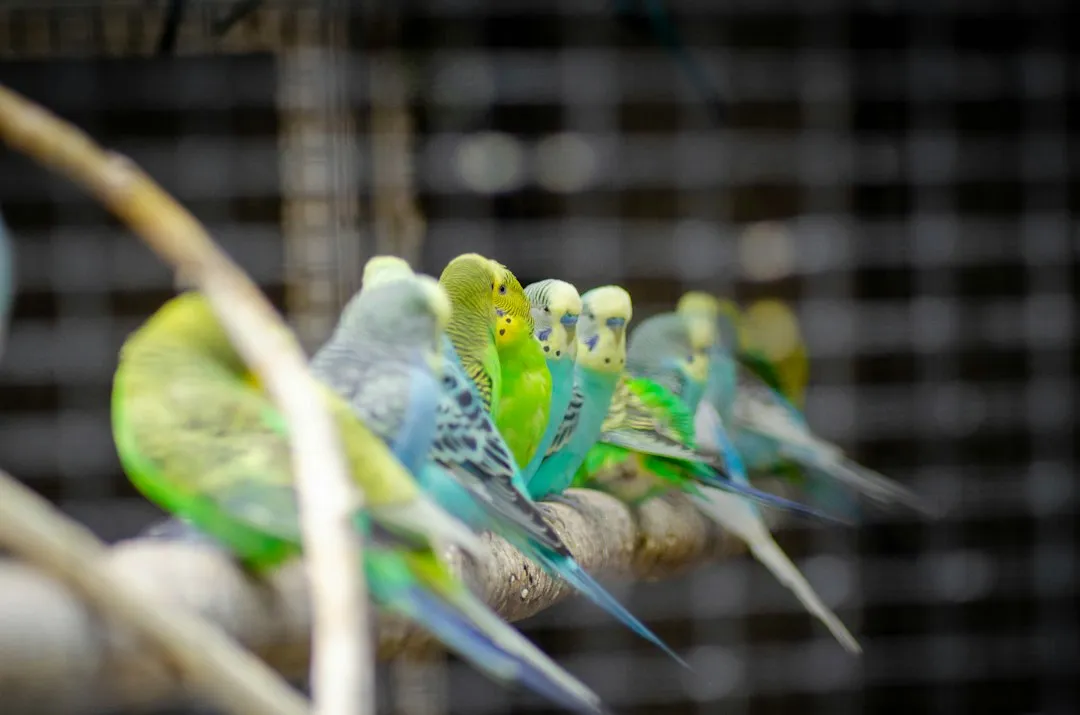
In a group of budgies, mutual preening often has a political side to it. Birds that groom each other’s unreachable areas are doing more than staying tidy; they’re negotiating relationships and building alliances within the flock. Sometimes a slightly more confident bird will offer preening to a more anxious one, or two birds will mutually preen to smooth over a minor squabble that just happened on the perch. It is social glue and conflict management wrapped into one quiet ritual.
Over time, these tiny moments shape who likes whom, who trusts whom, and how secure each bird feels in the group. A flock where birds regularly preen one another’s heads and necks tends to feel more cohesive and calmer. On the flip side, if one bird is never included in that grooming circle, it can be a clue it feels or is treated as an outsider. In that sense, those unreachable spots are not just physical; they’re symbolic of how far another bird is willing to go to include a flockmate.
8. Expressing Personality, Preference, and Individual Quirks
🔥 Would you like to save this?
We'll email this post to you, so you can come back to it later!
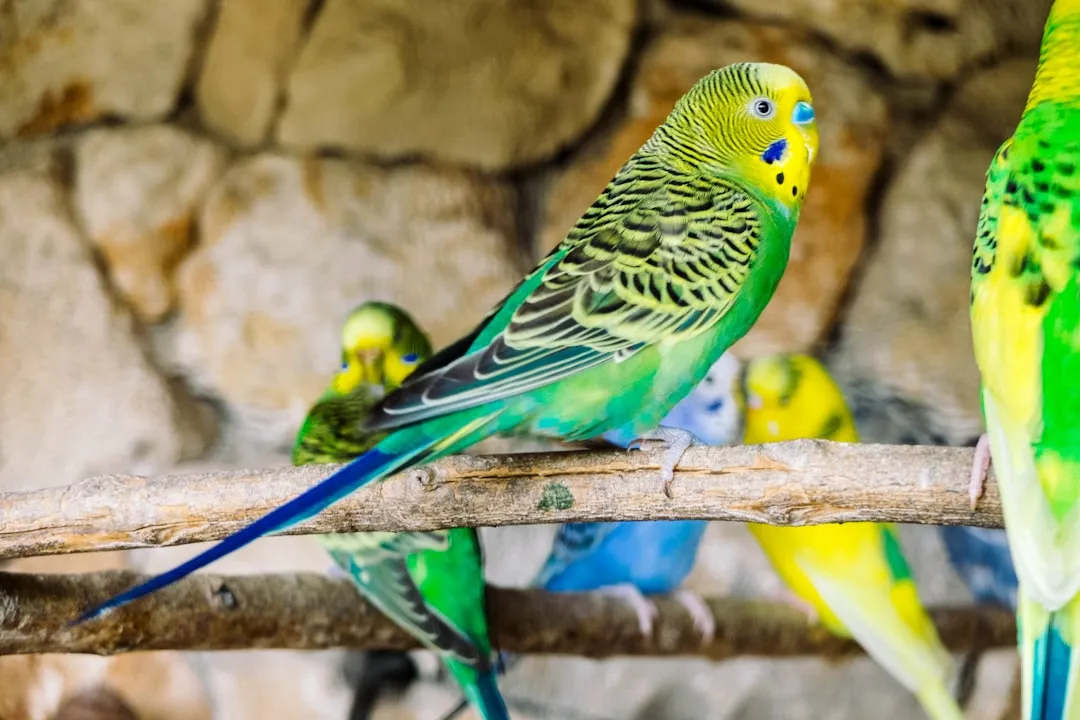
Just like people, individual budgies have different comfort levels with touch and closeness. Some are obsessed with preening others; some are more reserved and only accept preening on their head when they really trust another bird. When they allow another budgie to work on those delicate, unreachable areas, it tells you a lot about their personality and current mood. A bird that used to refuse contact but suddenly leans into head preening is showing you, in the clearest way it can, that something inside has softened.
I’ve known budgies that would happily groom every bird in the cage but only let one specific buddy touch their head. That selectiveness feels very familiar if you think about how humans are with hugs, back scratches, or even just personal space. By watching who preens whom, and especially who gets access to those tricky spots, you get a window into each bird’s character – the social butterfly, the introvert, the peacekeeper – all revealed through a behavior that looks simple but carries a lot of emotional depth.
Conclusion: More Than Just “Being Cute”
🔥 Would you like to save this?
We'll email this post to you, so you can come back to it later!
When budgies preen each other in the spots they can’t reach alone, they’re not just killing time or showing off for you. They’re caring for each other’s bodies, easing stress, cementing friendships, and sometimes even announcing pair bonds right under your nose. To shrug it off as “just grooming” is a bit like watching two people share a quiet, meaningful hug and assuming they’re just standing close for warmth. There’s a lot more going on beneath those tiny feathers than we tend to give them credit for.
Personally, I think head and neck preening is one of the clearest signs that a budgie’s social and emotional needs are being met, not just its basic physical ones. When you see your birds helping each other with the places they can’t reach, you’re watching trust, care, and cooperation in action – something many humans struggle with far more. Next time you catch your budgies in a little preening session, you might ask yourself: if our friendships were measured by the care we give to each other’s “unreachable spots,” how would we compare to them?

- Beyond the Bark: Decoding Your Dog’s 12 Most Common Vocalizations - November 5, 2026
- 12 Surprising Facts About North American Mountain Lions You Never Knew - November 5, 2026
- Wild Salmon Populations Are Rebounding in the Pacific Northwest, A Sign of Healthier Rivers - November 5, 2026