
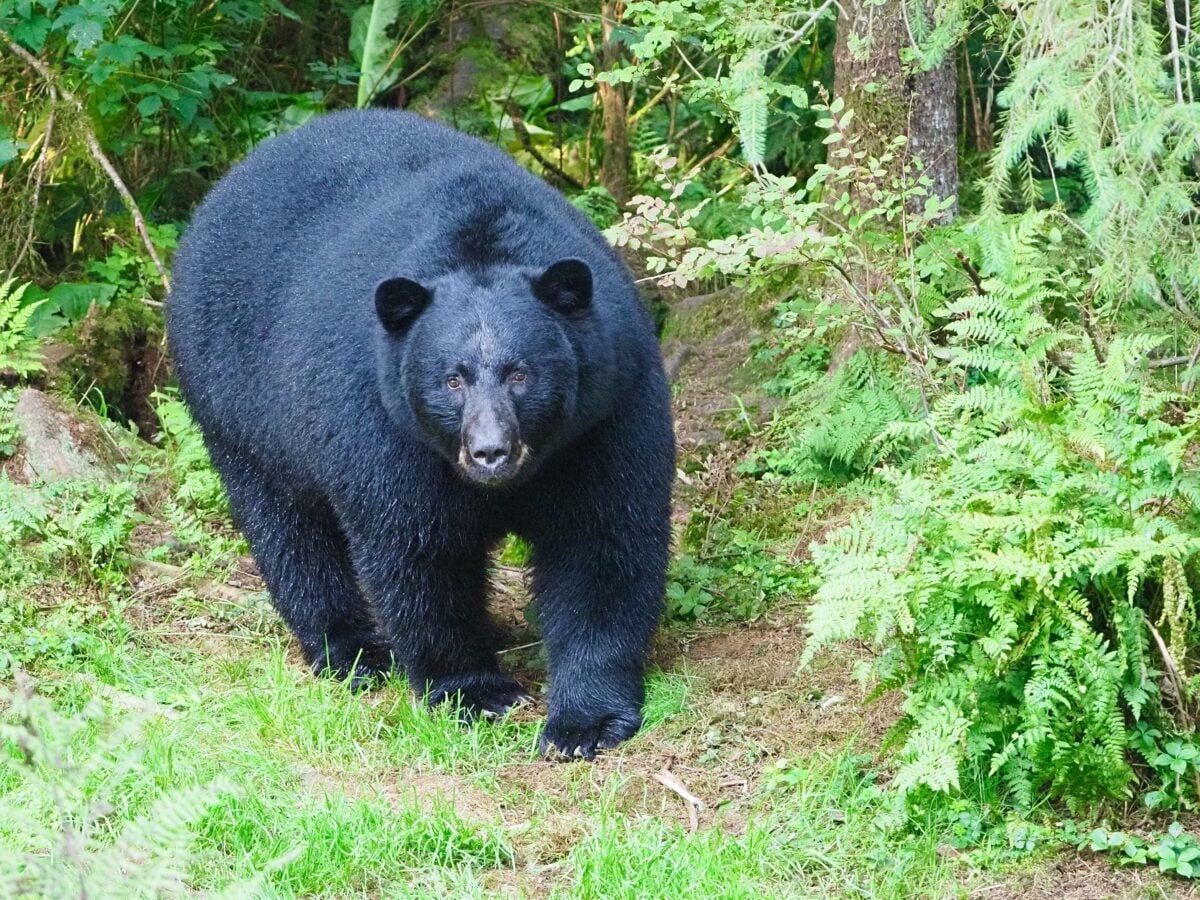
Imagine settling into your campsite, the crackling fire casting a warm glow as you prepare for a night under the stars. The last thing you want is an uninvited guest – especially one as formidable as a black bear. These creatures possess an extraordinary sense of smell, capable of detecting scents from miles away. Understanding which odors repel or attract them can be the key to ensuring your campsite remains bear-free.
Ammonia: A Pungent Deterrent

Ammonia’s strong, acrid scent is highly offensive to black bears. Soaking rags in ammonia and placing them around your campsite can create an olfactory barrier that discourages bears from approaching. However, it’s essential to handle ammonia with care, as its fumes can be harmful to humans and the environment.
While ammonia can be effective, it’s not a standalone solution. Combining this method with proper food storage and campsite cleanliness enhances its deterrent effect. Remember, a bear’s curiosity and hunger can sometimes override their aversion to unpleasant smells.
Pine-Based Cleaners: Nature’s Repellent

The strong aroma of pine-based cleaners, such as Pine-Sol, is known to be unappealing to black bears. Spraying these cleaners around your campsite or on trash containers can help mask food odors and deter bears. However, it’s crucial to avoid using cleaners with fruity or sweet scents, as these can have the opposite effect.
While pine scents can be a useful tool, they should be part of a broader bear deterrence strategy. Relying solely on scent-based repellents is not advisable, as their effectiveness can vary based on individual bear behavior and environmental factors.
Bleach: A Chemical Shield

Bleach emits a potent chemical odor that black bears find repulsive. Using bleach to clean areas where food has been prepared or stored can help eliminate residual scents that might attract bears. Additionally, placing bleach-soaked rags around your campsite can serve as a deterrent.
It’s important to use bleach responsibly, ensuring it doesn’t come into contact with natural water sources or vegetation. Always store bleach securely and never mix it with ammonia, as this combination produces toxic fumes.
Cider Vinegar: An Acidic Aversion

Cider vinegar’s sharp, acidic smell is another scent that black bears tend to avoid. Spraying a mixture of cider vinegar and water around your campsite can create an unwelcoming environment for bears. Some campers also soak cloths in cider vinegar and hang them near food storage areas as an additional precaution.
While vinegar can be a helpful deterrent, its effectiveness may diminish over time as the scent fades. Regular reapplication and combining this method with other deterrents can improve its efficacy.
Capsaicin: The Heat They Hate
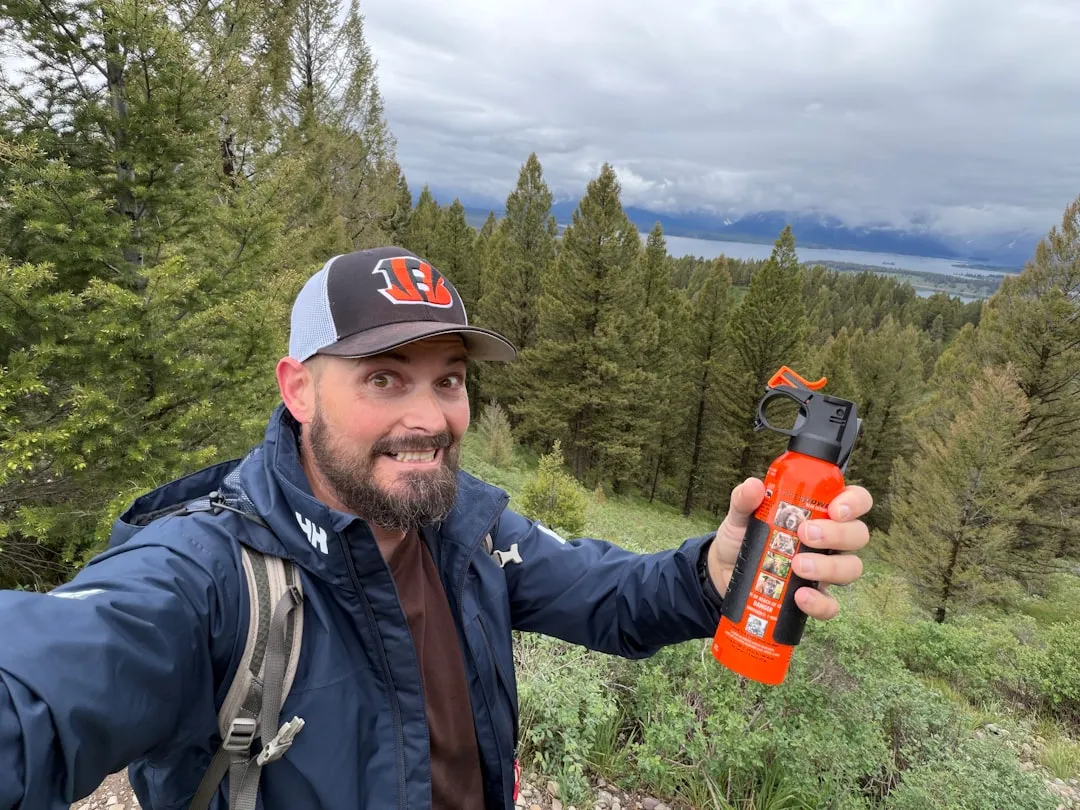
Capsaicin, the active component in chili peppers, is the primary ingredient in bear spray. When deployed, it causes an intense burning sensation in a bear’s eyes and respiratory system, effectively deterring aggressive behavior. While bear spray is designed for close encounters, some campers use capsaicin-based deterrents around their campsite to discourage bears from approaching.
It’s crucial to use capsaicin products responsibly, as they can also irritate humans and other wildlife. Always follow the manufacturer’s instructions and consider local regulations regarding their use.
Human Urine: A Natural Repellent?

There’s a common belief that human urine can deter bears due to its strong scent. Some campers urinate around their campsite’s perimeter, hoping to create a natural barrier. However, the effectiveness of this method is debated, and it may not be a reliable deterrent.
Relying on human urine as a primary bear deterrent is not recommended. It’s best to use proven methods and maintain proper campsite hygiene to minimize the risk of bear encounters.
Mint: An Unexpected Attraction

While minty scents might seem refreshing to humans, they can attract black bears. Items like mint-flavored toothpaste, gum, and lotions can pique a bear’s curiosity, leading them to investigate your campsite. It’s advisable to avoid using mint-scented products when camping in bear country.
If you must bring mint-scented items, ensure they are stored securely in bear-proof containers and kept away from sleeping areas. Being mindful of the scents you introduce to your campsite can significantly reduce the likelihood of attracting bears.
Vanilla: A Sweet Invitation

The sweet aroma of vanilla is highly attractive to black bears. Products like vanilla extract, scented candles, and lotions can draw bears to your campsite. To minimize this risk, avoid bringing vanilla-scented items when camping in bear-prone areas.
If you do have vanilla-scented products, store them in airtight, bear-resistant containers and keep them away from your sleeping area. Being cautious about the scents you carry can help prevent unwanted bear encounters.
Decomposing Matter: A Rotting Risk
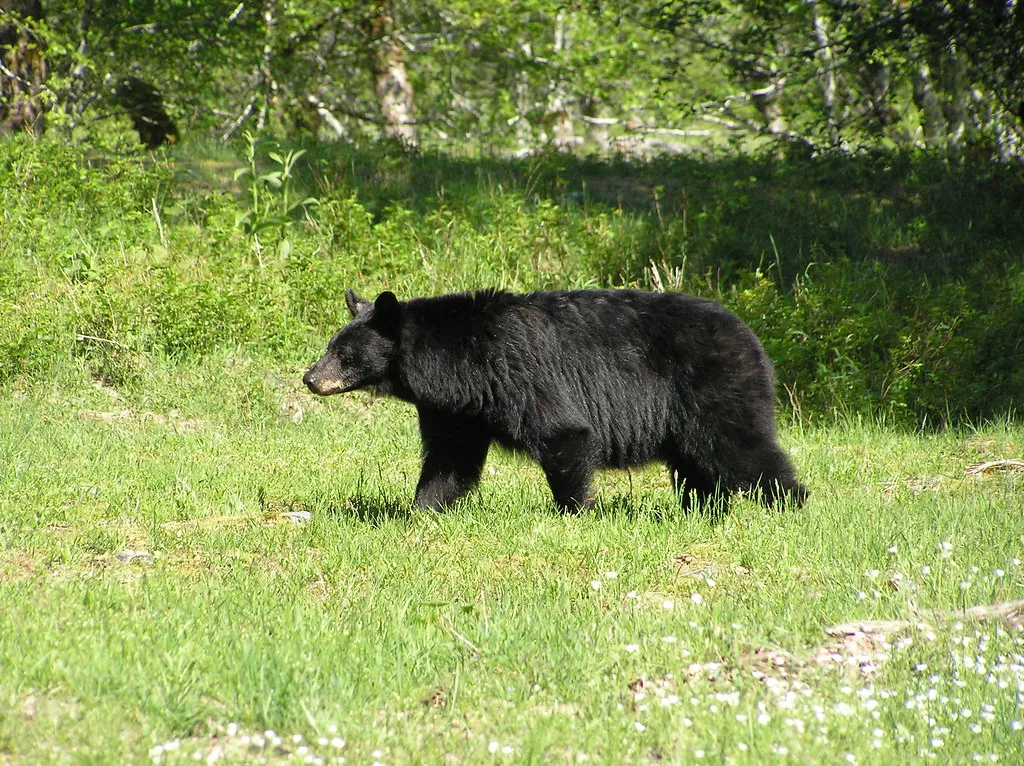
The scent of decomposing organic matter, such as food scraps and garbage, is a powerful attractant for black bears. Ensuring that all waste is properly stored and disposed of is crucial in keeping bears away from your campsite. Using bear-proof containers and following Leave No Trace principles can help minimize this risk.
Regularly cleaning your campsite and avoiding leaving food out can further reduce the chances of attracting bears. Remember, a clean campsite is a bear-free campsite.
In conclusion, while certain scents can deter black bears, others can inadvertently attract them. Combining scent-based deterrents with proper food storage, campsite cleanliness, and awareness of your surroundings is the most effective strategy for preventing bear encounters.�
