
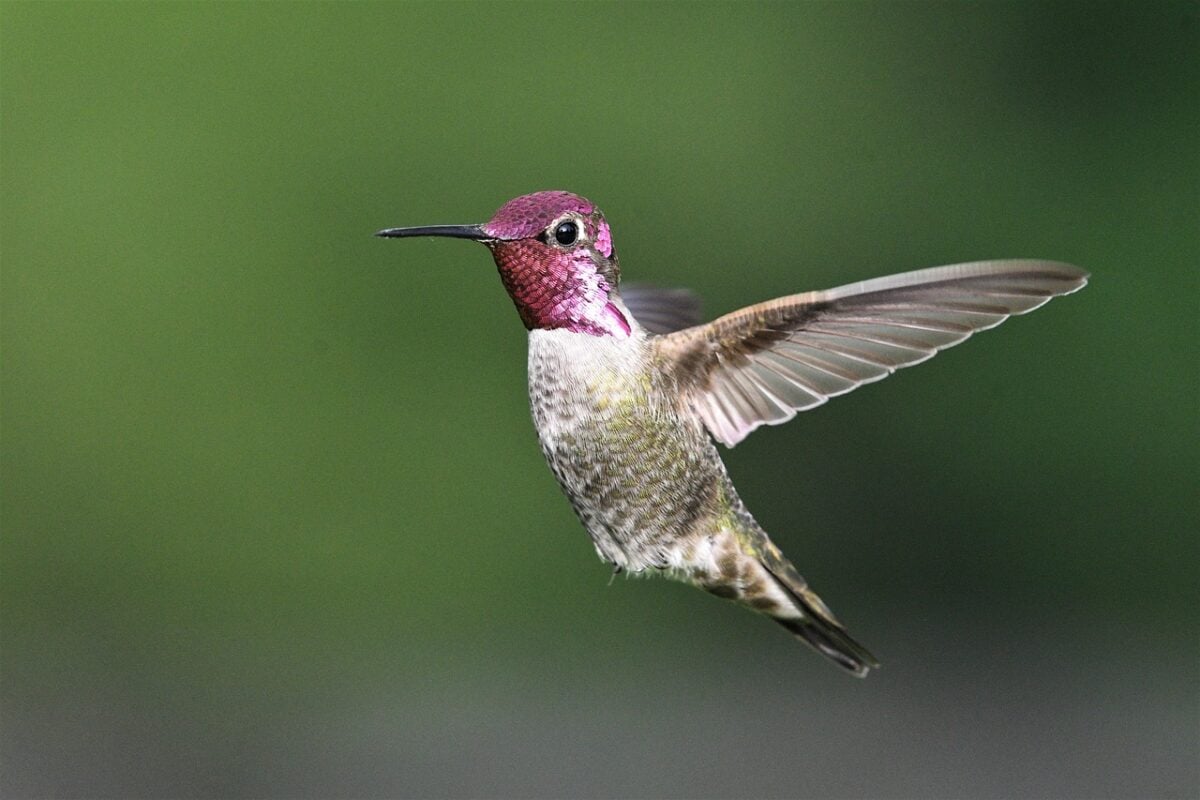
Most people assume hummingbirds just vanish overnight when migration calls – one day they’re zipping around your feeder, the next day the yard is silent and you’re left wondering what happened. But backyard data and years of banding studies tell a very different story. These birds actually broadcast a whole series of quiet, specific signals before they ever take off, and most people simply don’t know how to read them.
If you’ve only ever watched the feeder level to gauge whether your hummingbirds are still around, you’ve been missing the real story playing out just a few feet from your porch. The subtle shift in one bird’s routine – how it perches, how it eats, even how it flies away – can tell you whether it’s settling in for the rest of the season or already counting down the days. Here are the actual signs experienced birders and banders look for when a hummingbird has quietly , and what each one really means.
#8 – The “Sudden Calm” Around Your Feeder
🔥 Would you like to save this?
We'll email this post to you, so you can come back to it later!
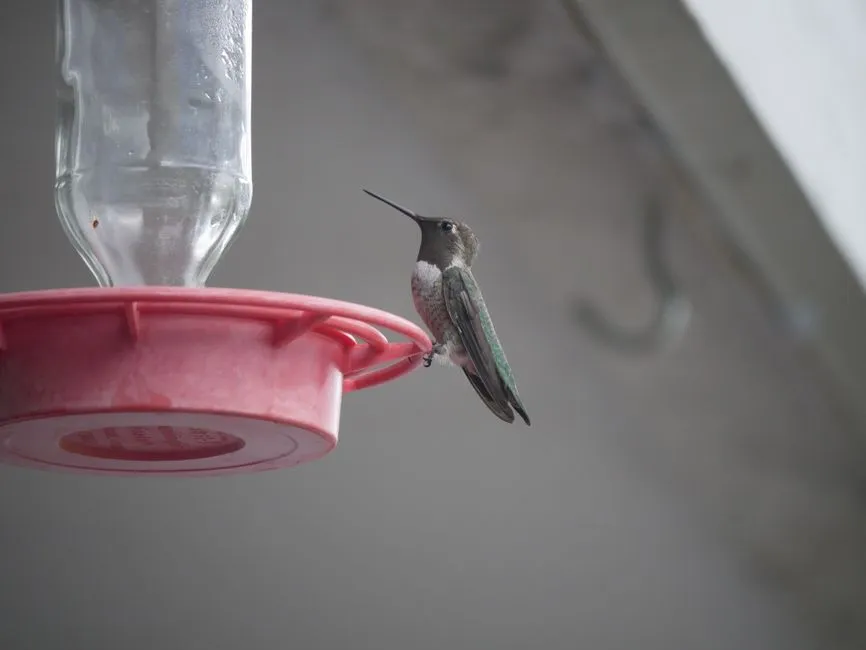
Most people assume that fewer visits mean the birds are already gone. But the first real sign is often the opposite: things get strangely calm, not empty. The chaotic, all-day chase scenes slow way down, and the shift is easy to miss if you’re not paying attention.
Your dominant bird – the one that guards the feeder like a tiny dragon – suddenly stops defending it so aggressively. Instead of strafing every newcomer that dares approach, it may sit quietly in a nearby tree, feed briefly, and move on without a fight. That’s not laziness. It’s energy budgeting.
Many hummingbirds intentionally cut back on unnecessary aerial battles once migration is locked into their internal calendar, because every calorie will be needed for the long flight ahead. Look closely and you might still see birds, just not the same personalities you’re used to.
- Your usual “bully” starts behaving more like a passerby.
- Territorial chases drop from constant to occasional.
For experienced observers, that behavior shift is a classic early-departure flag. The resident bird is essentially checking out of its summer job – and the next sign is even easier to miss.
#7 – A Quiet but Noticeable Drop in Weight (Yes, You Can See It)
🔥 Would you like to save this?
We'll email this post to you, so you can come back to it later!
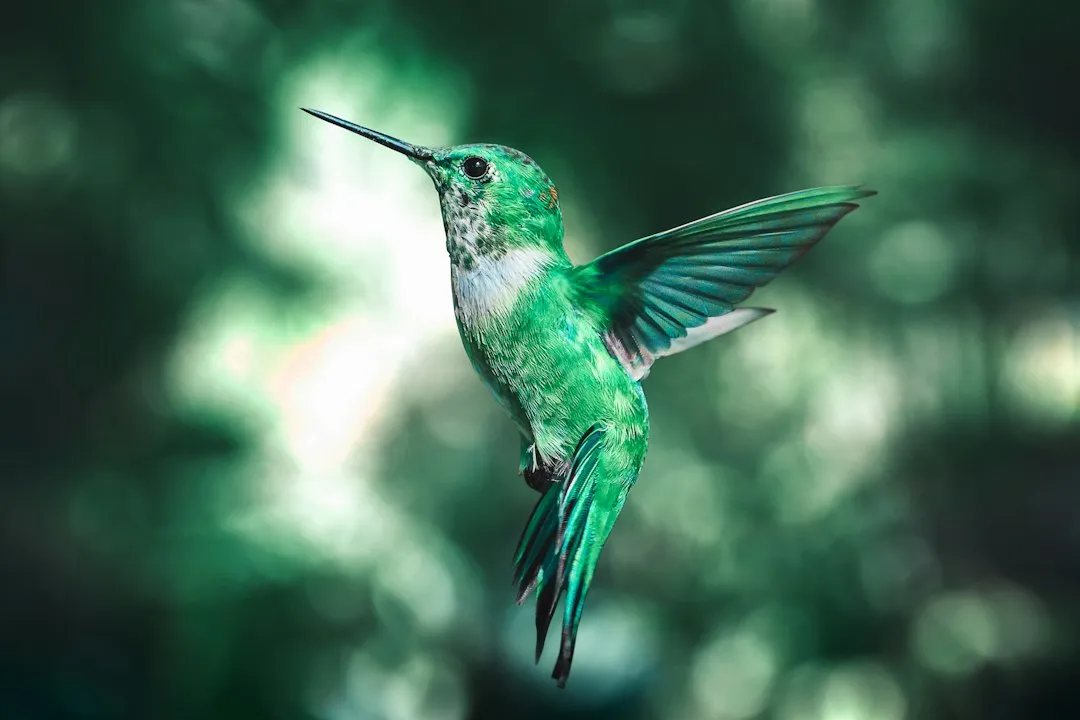
This one sounds strange until you’ve seen it a few times: a hummingbird that has decided to leave early often looks a little sharper, leaner, and tighter around the chest and belly. It runs completely against the popular myth that hummingbirds get visibly fat before they leave.
Before the massive pre-migration fattening kicks in, many individuals go through a short phase where muscle tone is prominent but the body hasn’t rounded out yet. Think of an athlete right before a long training block starts – primed and tight, but not yet bulked up for the event.
- The bird’s chest looks sleek rather than puffed.
- The body appears more torpedo-shaped than pear-shaped.
Fast Facts
- Ruby-throated hummingbirds can pack on 25-40% of their body weight in fat before migrating.
- That stored fat is burned almost entirely as flight fuel, not muscle.
- Some individuals nearly double their normal weight right before crossing large bodies of water.
- Heavy fueling usually ramps up hard in the final one to two weeks before departure.
Some banders have reported that early leavers tend to hold a leaner baseline and then pack on fat rapidly, right before a narrow departure window opens. Backyard watchers often misread this transitional phase as the bird “looking thin or unwell,” when it’s actually a sign of a bird that has already shifted into migration gear. If your regular hummer suddenly looks more like a speeding dart than a floating gumdrop, combined with the calmer behavior from before, it may have quietly put in its two weeks’ notice.
#6 – The Switch from All-Day Snacking to Intense “Top-Off” Visits
🔥 Would you like to save this?
We'll email this post to you, so you can come back to it later!
Most casual bird lovers never notice this pattern change, but feeder-watchers who keep notebooks swear by it. A hummingbird that has decided to leave early usually changes how it eats before it changes how often it appears.
Instead of random quick sips scattered throughout the day, you’ll start seeing tighter, more intense feeding sessions clustered around key times, especially:
- Early morning, shortly after first light.
- Late afternoon into early evening.
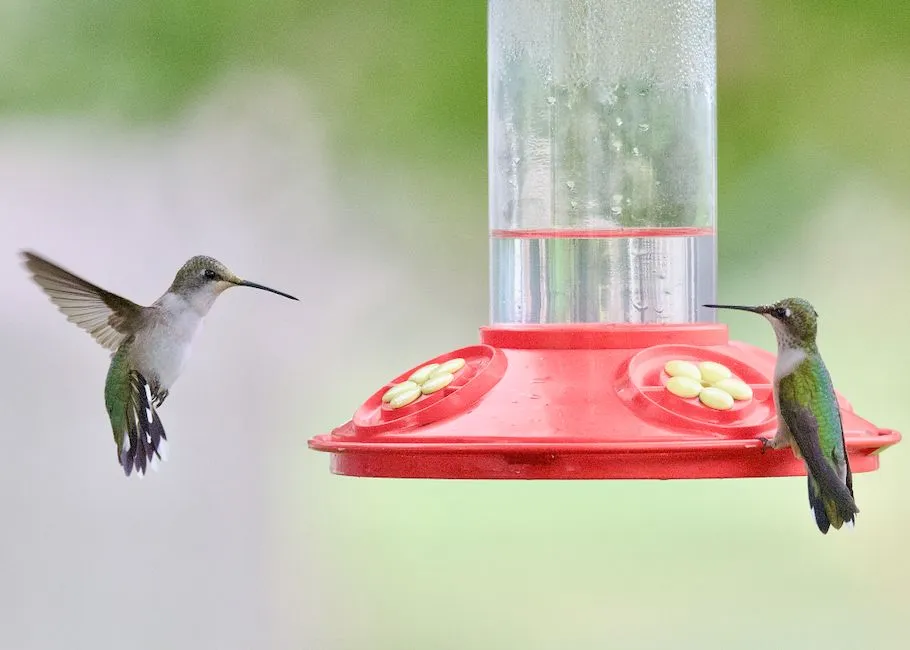
During these windows, the bird may stay at the feeder noticeably longer per visit, circling to multiple ports instead of grabbing one sip and dashing off. It’s like watching someone deliberately top off a gas tank before a long road trip. Scientists know migration flights demand enormous fuel reserves – some species nearly double their body weight in a matter of days – and that process starts with aggressive sugar loading.
What’s surprising is that this shift can happen even when the weather still feels warm and stable outside. That’s exactly why so many people think their birds left “suddenly,” when in reality the feeding strategy changed first. If your hummingbird starts showing up like clockwork for heavy fueling sessions and loses interest in random mid-day snacks, it’s quietly getting serious about travel.
#5 – Expanded Patrols and “Test Flights” Beyond Your Yard
🔥 Would you like to save this?
We'll email this post to you, so you can come back to it later!
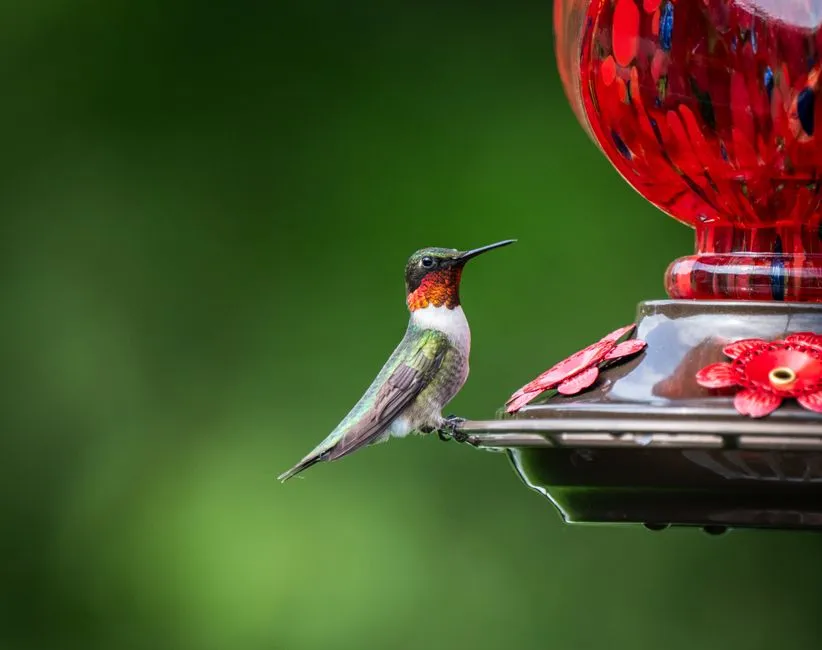
One of the strangest early signs is that your usually loyal hummingbird starts acting almost disloyal. You’ll see it less often, but when it does show up, it blasts in from higher or farther away and leaves almost immediately.
Long-time observers call this the “I’m just passing through” phase. The bird may approach from tree lines or airspace it never used regularly before, zipping in at high speed, feeding once, and vanishing in a straight, determined line rather than lingering.
What’s actually going on? Many researchers and experienced birders believe these are short-range reconnaissance flights, where the bird scouts new stopover spots, alternate feeding sites, and safe cover along its upcoming route. It isn’t wandering aimlessly – it’s pre-scouting the migration highway before committing to it.
This is also when you might suddenly notice brand-new hummingbirds at your feeder for a day or two. Those aren’t “your” birds acting strange; they’re most likely migrants doing exactly the same stopover scouting your regular is now doing somewhere else down the line. If your familiar bird starts feeling like a stranger doing quick drive-bys, it may already consider your yard old territory in the rearview mirror.
#4 – Subtle Molt and Feather Condition Changes
🔥 Would you like to save this?
We'll email this post to you, so you can come back to it later!
Most people notice bright colors and cute hovering. Very few pay attention to feather condition, but early leavers often reveal themselves here first, long before their behavior changes at all.
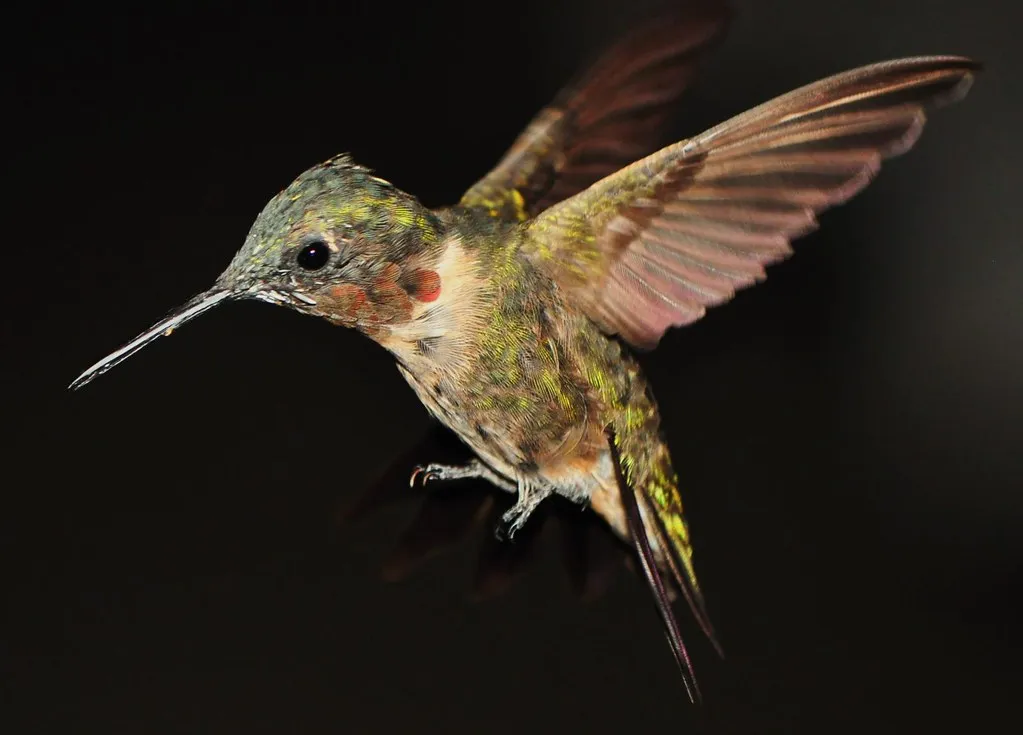
Before undertaking a long migration, many hummingbirds go through partial molt phases, replacing worn feathers to maximize flight efficiency. To the naked eye, that can look like:
- Slightly ragged edges on tail or wing feathers, followed by a sudden “cleaner” look.
- Tiny gaps or unevenness along the edges of the wings when spread.
- Duller, patchy spots that seem to snap back to sharp coloration within a week or two.
Worth Knowing
- Most hummingbird species molt at least once a year, with adult males often molting earliest.
- Feather replacement can take several weeks from start to finish.
- Fresh, undamaged feathers cut down on drag, which matters enormously on long nonstop flights.
- Juveniles and late breeders typically molt later, which is part of why some birds linger longer in fall.
Here’s the twist: a bird that leaves early often finishes critical molt stages sooner than the others sharing your yard. While your late-staying birds may still look a bit patchy or worn, the early leaver will suddenly appear sharp, smooth, and almost polished – right before it disappears for good. This isn’t just cosmetic. Fresh feathers reduce drag and improve maneuverability, which becomes crucial for sustained flights over open water or desert.
Some birders argue that if you see your regular hummer go from scruffy to sleek quickly, especially mid to late summer, it’s a strong hint it’s gearing up to beat the crowd south. Most backyard viewers never connect “that bird looks oddly freshly groomed” with “migration is next on its calendar.”
#3 – Strategic Perching and Longer “Lookout” Sessions
🔥 Would you like to save this?
We'll email this post to you, so you can come back to it later!
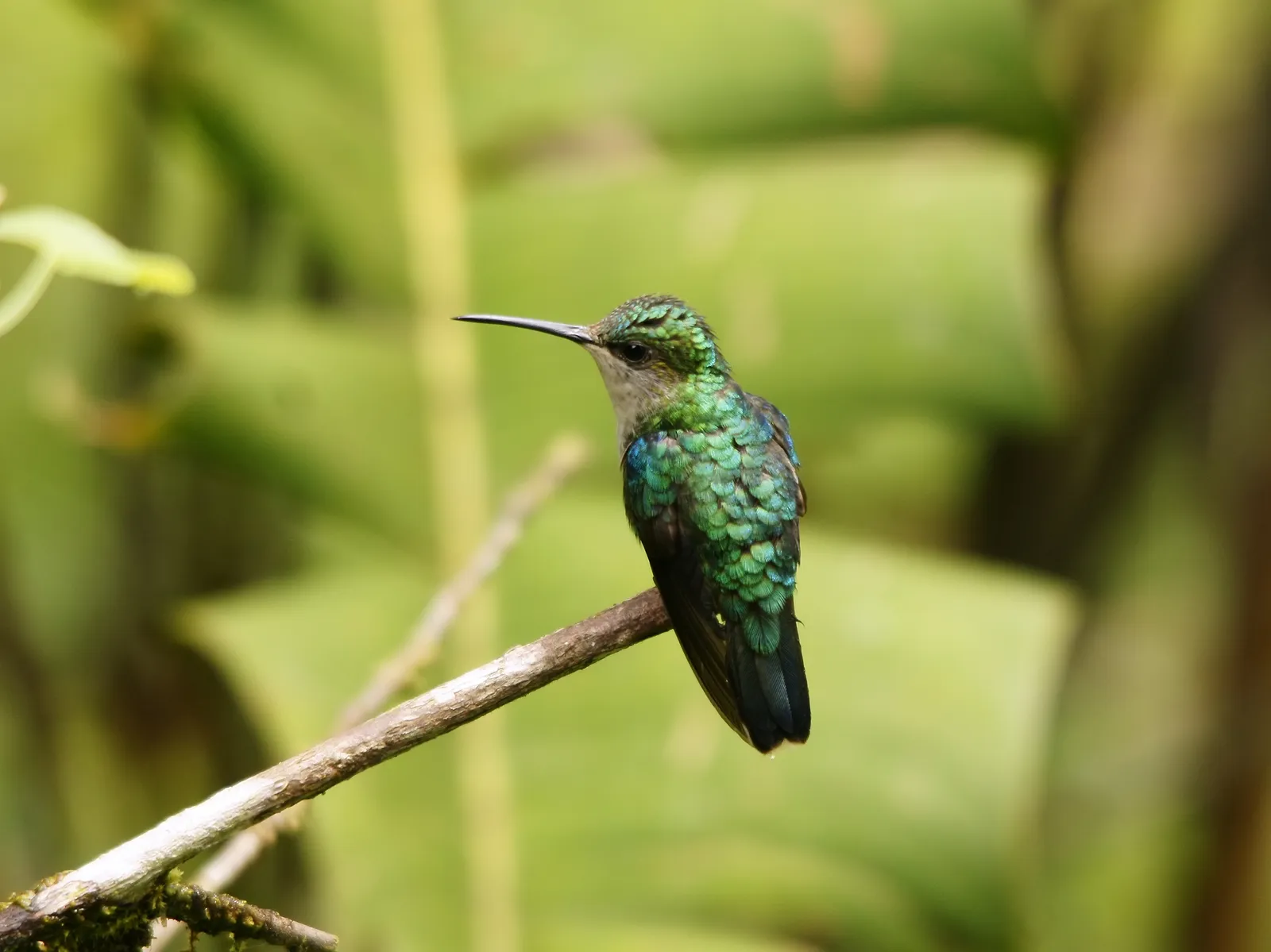
Here’s a sign almost no one talks about: where the hummingbird chooses to sit when it isn’t feeding. Early leavers often shift from low, sheltered perches to higher, more exposed lookout spots with a clear view of the sky and horizon.
You might notice your bird spending more time on the topmost twigs or antennae, sitting quietly and facing into open sky rather than toward the feeder, and holding longer, motionless perches between feeding bouts. At first glance it looks like simple resting, but it’s actually a bird managing risk and information.
From a higher vantage point, it can scan for predators quickly, watch shifting weather patterns and wind, and monitor other migrating birds moving through the area. Some observers swear their regular hummers become noticeably “more serious” in posture – less playful hovering around flowers, more time just watching the horizon.
Migratory birds don’t wait for a calendar date. They respond to a combination of daylight, weather, and fat reserves that tells their body it’s time to go.
Cornell Lab of Ornithology
While that sounds like anthropomorphizing, it lines up with what we actually know about migration timing being driven by subtle environmental cues, not just cold temperatures or the flip of a calendar page. If your bird seems to be on lookout duty rather than garden-hopping, that’s a quiet hint it’s already mentally in travel mode.
#2 – Ignoring Fresh Blooms and Natural Food Sources
🔥 Would you like to save this?
We'll email this post to you, so you can come back to it later!
This one shocks a lot of gardeners. You spend all season building the perfect hummingbird buffet of salvias, bee balm, and trumpet vine – and then, right when everything looks its absolute best, your hummingbird starts ignoring the flowers entirely.
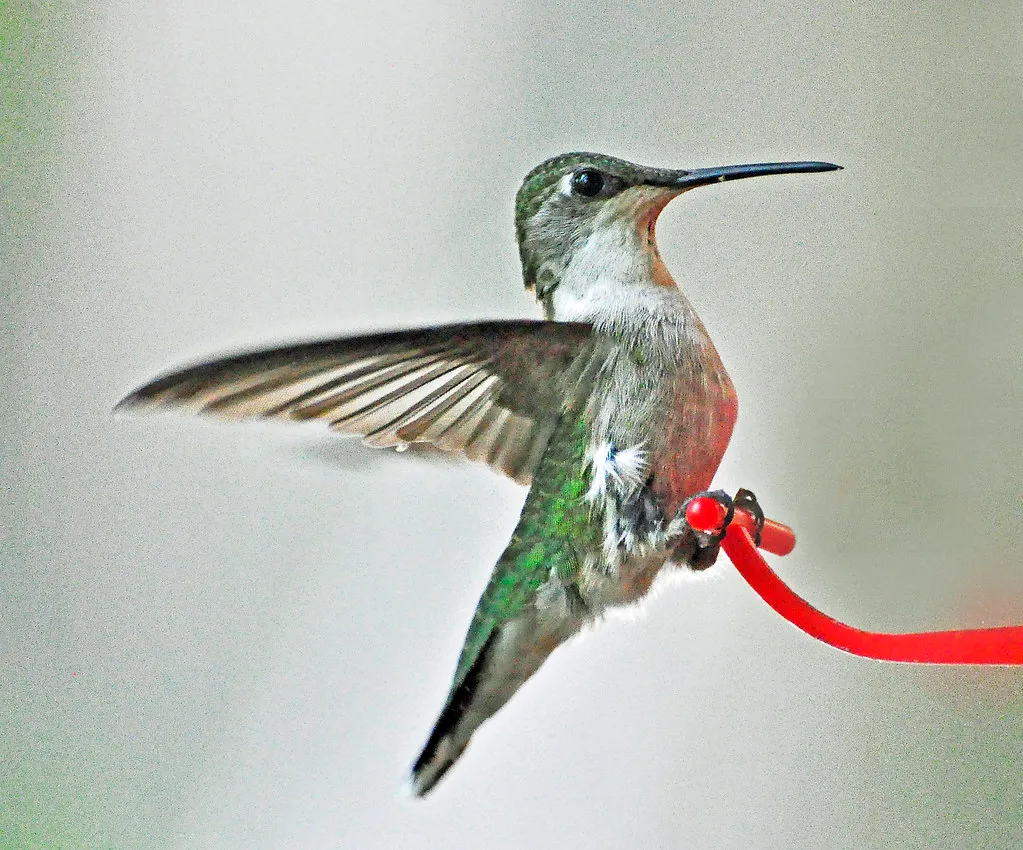
When a bird has truly decided to leave early, you’ll often see a sharp preference for efficient, high-yield feeding. It chooses dense nectar sources, like feeders or large flower clusters, over scattered blossoms. It skips hovering at ornamental flowers it used to visit daily, and it cuts back on exploratory feeding flights around your yard.
- Feeders win out over pretty but scattered blooms.
- Daily flower visits drop off almost overnight.
- Feeding flights become short, focused, and efficient.
From a survival standpoint, this makes brutal sense. Pretty flowers don’t matter; calories per unit of energy spent do. A properly maintained feeder can offer a far more dependable and concentrated energy hit than chasing nectar around a scattered yard. Here’s the controversial take: while many people believe taking feeders down “forces” birds to migrate, the science-backed reality is that hummingbirds leave based on internal and environmental signals, not because you cut off the buffet. A bird that has truly committed to migrating starts acting like every flap has to pay off in fuel – and it shows.
#1 – The One-Way “Goodbye Flight” Pattern
🔥 Would you like to save this?
We'll email this post to you, so you can come back to it later!
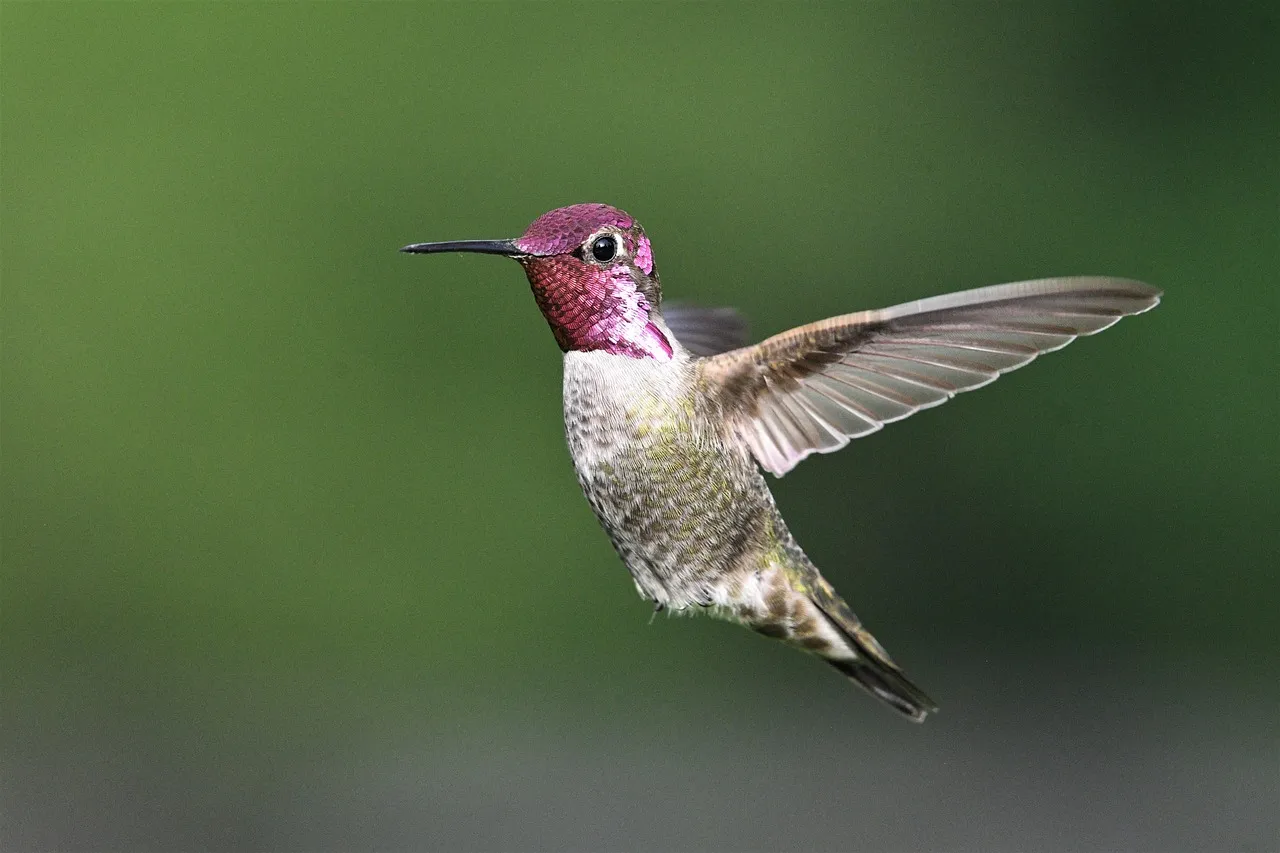
The most emotional, and most misunderstood, sign is the final flight pattern itself. Many people think their hummingbirds simply don’t show up one day, but observant backyard watchers often report a very specific kind of last visit.
Here’s what it tends to look like: the bird arrives early or right on its usual schedule, feeds thoroughly and sometimes visits multiple ports, and perches briefly in a familiar spot. Then it takes off in a straight, high, purposeful line – not the usual zigzag loop around the yard.
What’s chilling is how consistent that last part can be. Instead of darting around, checking every corner, or circling back a few times like it normally would, the bird disappears in a committed direction and simply doesn’t return. Some longtime observers describe it as “more like a launch than a departure.”
At a Glance: The 8 Signs Recap
- #8 Sudden calm – less chasing, less drama at the feeder.
- #7 Leaner look – sleek and tight before the real fattening starts.
- #6 Top-off visits – heavy fueling at dawn and dusk.
- #5 Test flights – quick, high-speed scouting runs beyond the yard.
- #4 Fresh feathers – a sudden sharp, polished appearance.
- #3 Lookout perching – higher, more watchful, less playful.
- #2 Ignoring blooms – efficiency over scenery.
- #1 The goodbye flight – one straight, committed launch, no return.
Of course, you can’t prove from one backyard that a given bird just crossed a continent. But when this pattern lines up with the earlier signs – the calm behavior, the top-off feeding, the test flights, and the right seasonal window for your region – it’s extremely likely you’ve just watched a hummingbird execute its early exit. The next morning, your feeder may still be full, and your yard suddenly feels a little too quiet.
The truth is, hummingbirds hardly ever vanish out of nowhere. By the time your feeder looks abandoned, most early leavers have already been broadcasting their intentions for days or weeks, through body condition, feeding strategy, flight patterns, and even choice of perch. The sudden calm, the sleeker silhouette, the top-off fueling, the one-way launch – none of it is random. It’s a tightly choreographed survival strategy, refined over thousands of years of migration.
My honest opinion after digging into all of this: the “confusing them by leaving feeders up” myth needs to die. The birds are in charge of their own clocks, not us. You’re just providing options along the way. Once you learn to actually read these eight signs, your backyard stops being a mystery and starts feeling like a front-row seat to one of the most extreme endurance journeys on Earth. Did you catch any of these behaviors in your own yard this year, or do you flat-out disagree with one of them? Tell us which sign you’ve actually seen play out.

- 7 Everyday Habits That Can Make Your Senior Dog Happier - November 5, 2026
- 10 Enigmatic Structures That Continue to Puzzle Scientists Today - November 5, 2026
- 10 Strange Ruins in the Americas That Challenge What We Know About Early History - November 5, 2026