
Every year, as October creeps in and the nights turn colder, people start looking at the world a little differently. A sudden gust of wind, a restless animal, an oddly glowing moon – they stop being background noise and start to feel like hints that something is coming. Long before store‑bought decorations and horror movies, people watched nature itself for warnings and whispers, especially in the days leading up to Halloween.
Folklore is full of eerie little rules: if the owls call too close to the house, if the wind shifts at sunset, if the sky glows the wrong color, you’re supposed to take note. Most of these beliefs grew out of old rural life and early attempts at understanding the seasons, but many of them are surprisingly in tune with what science knows about weather patterns, animal behavior, and seasonal change. That mix of superstition and science is exactly what makes them so fascinating today.
Let’s walk through eight of the most intriguing signs from nature that people have traditionally watched for as Halloween approaches. Whether you see them as spooky omens, interesting old stories, or just another excuse to go outside and actually notice what’s happening around you, they might change the way you experience late October nights.
1. Crows Gathering in Unusual Numbers Near Your Home
🔥 Would you like to save this?
We'll email this post to you, so you can come back to it later!
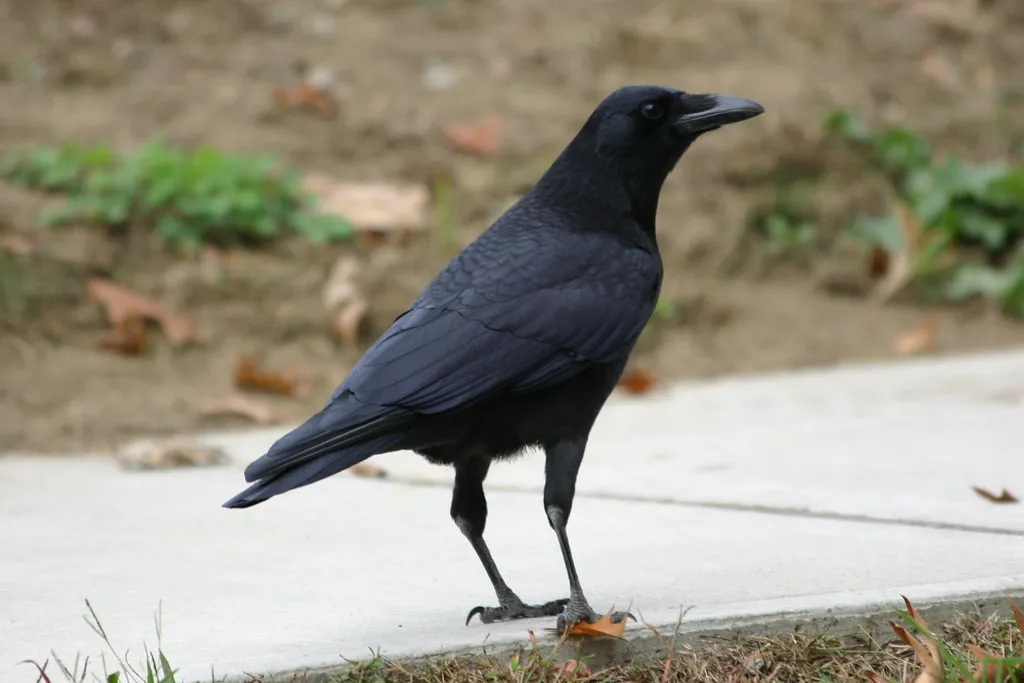
Imagine stepping outside on a chilly October afternoon and seeing a big, restless cloud of crows circling above your street or filling the trees around your house. In old European and American folklore, that kind of gathering was rarely taken as a good sign, especially close to Halloween. Crows have long been linked with death, graveyards, and the “other side,” partly because they feed on carrion and often show up where something has died.
Before modern science, people assumed that animals who hovered near death must somehow sense or even guide it. So if large numbers of crows suddenly appeared in a quiet place, especially near a home, folks might whisper that a spirit was passing, that bad luck was near, or that the veil between worlds was thinning. Around Halloween – already seen as the time when spirits wandered – the sight of a crow flock felt like nature doubling down on that warning.
What we know now is that crows are extremely intelligent, social birds. They gather in bigger and more visible groups in autumn as food sources shift and they form roosts for warmth and safety. They also remember where food and trash are plentiful – neighborhoods, fields after harvest, or roadsides. So if they suddenly show up by your house, it might be because someone put out new garbage cans, not because doom is coming. Still, there is something undeniably chilling about the sky going black with wings just as Halloween rolls in.
If you spot an unusual influx of crows right before October 31, folklore would suggest you: – Keep an eye on any health issues or tensions in the family – Be extra cautious with travel and important decisions – Light a candle or say a quiet blessing for protection, “just in case”
2. An Owl Calling Repeatedly Near Your Window at Night
🔥 Would you like to save this?
We'll email this post to you, so you can come back to it later!
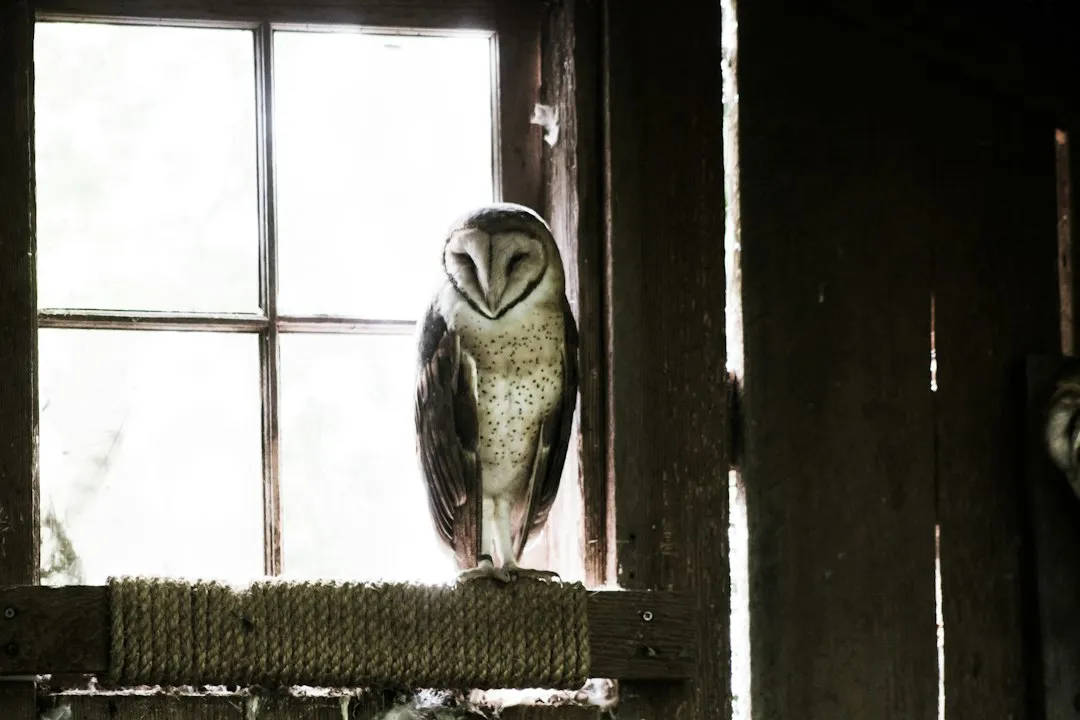
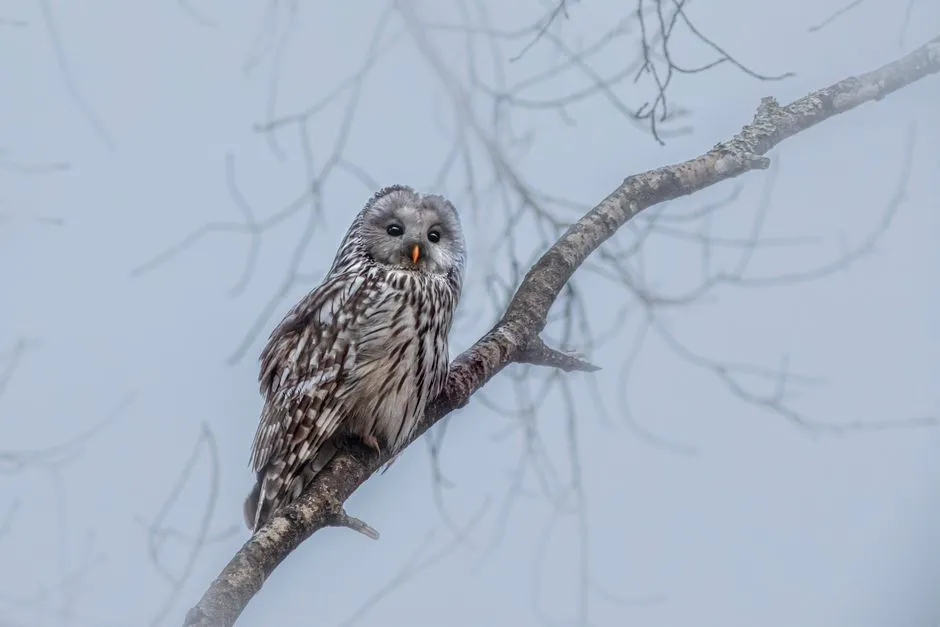
Few sounds cut through a cold October night like the call of an owl. When that call comes from right outside the window and keeps repeating, old stories say you should pay attention. In many European traditions, an owl hooting near a house – especially if it seemed to be “calling” to someone inside – was thought to be a sign that a death, serious illness, or major change was on the way.
The eerie reputation makes sense when you think about it. Owls are mostly silent, hidden hunters. You often do not notice them at all until they choose to make their presence known in the dark. In times when people were surrounded by forests and had limited artificial light, that sudden, haunting sound would have felt like a direct message from the night itself. Around Halloween, when people already expected spirits to be roaming, an owl at the window felt almost like a messenger crossing worlds.
Scientifically, an owl calling near a house usually has much more ordinary reasons. It might be claiming territory, searching for a mate, or hunting rodents that have moved closer to human homes as temperatures fall. Rural areas and older neighborhoods with big trees are especially attractive. But it’s still notable that folklore teaches people to stop, listen, and think when the owl calls. That instinct to pause and reflect – even if you no longer believe in omens – can be strangely grounding.
If you hear persistent owl calls before Halloween, old sayings would nudge you to: – Check in on older relatives or anyone who’s been sick – Be honest with yourself about changes you’ve been ignoring – Treat the sound as a reminder that time is passing and nothing stays the same
3. Sudden, Strong Winds at Dusk on an Otherwise Calm Day
🔥 Would you like to save this?
We'll email this post to you, so you can come back to it later!
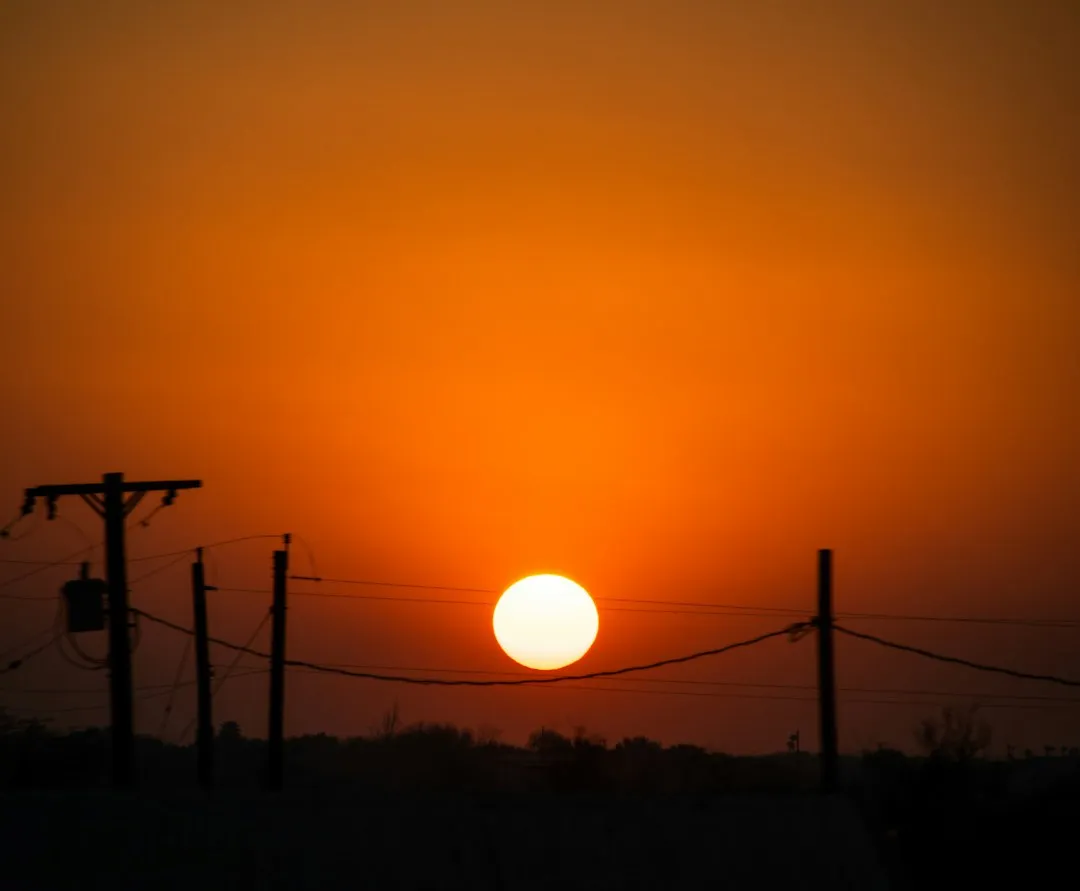
There is something unsettling about a day that has been perfectly calm suddenly whipping into gusts right around sunset. Folklore from coastal and farming communities often treated those surprise winds near twilight as a warning to stay inside, secure the house, and avoid unnecessary travel, particularly in the days leading up to Halloween. People spoke of spirits riding the wind or doors between worlds being blown open.
From a scientific angle, it is not mysterious that winds often shift or pick up around sunset. As the ground cools and temperatures change, air currents respond. As autumn intensifies, passing weather systems can cause sharp, sudden gusts even if the rest of the day felt peaceful. To people living without modern forecasts, these shifts felt random and personal, like nature suddenly changing its mind.
Because Halloween lines up closely with the old Celtic festival of Samhain, which marked the start of the darker half of the year, any unusual weather near that time took on extra meaning. Dusk itself was already a thin line between day and night, and late October a thin line between seasons. A burst of wind at that double‑edge moment felt loaded, as if the world were briefly less solid and more open to invisible things.
Old sayings would have you treat strange Halloween‑season winds as a nudge to: – Double‑check windows, doors, and anything fragile outdoors – Skip unnecessary late‑night drives, especially on rural roads – Take a moment to “batten down” mentally too, by planning for colder, darker months ahead
4. Black Cats Crossing Your Path More Than Once
🔥 Would you like to save this?
We'll email this post to you, so you can come back to it later!
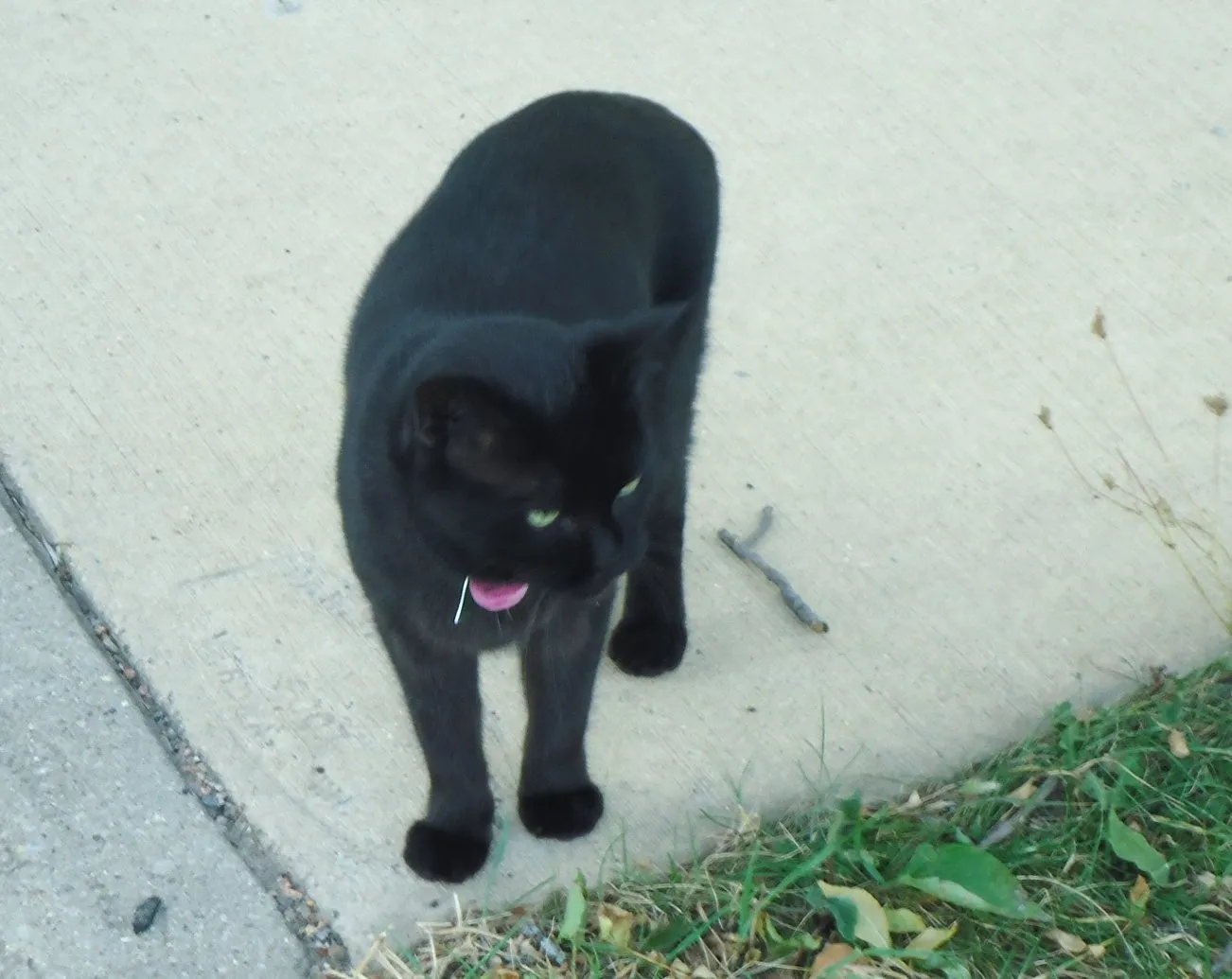
Black cats and Halloween are practically glued together in modern imagery, but long before they showed up on greeting cards, their appearance meant something specific in folk belief. A single black cat crossing your path has been seen as unlucky in some cultures and lucky in others. But if the same black cat, or multiple black cats, keep showing up in your path in the days before Halloween, older stories often treated that as a cosmic highlighter pen: pay attention.
Historically, black cats were tangled up with witchcraft accusations in Europe and colonial America. People believed witches could turn into cats, especially black ones, or send them out as spirit helpers. A cat that seemed unusually bold, that watched you closely, or that showed up repeatedly might be labeled a sign that magic – or trouble – was close. Around Halloween, when witches and spirits were thought to be especially active, those repeated sightings felt like deliberate messages.
Today, we know that coat color has no impact on behavior or magical properties. Many shelters report that black cats are simply more common than people realize, and in some regions they have a harder time getting adopted because of old superstitions. So seeing more of them in late October may be partly because people are decorating outdoors with pumpkins, lighting porches, and putting out food, which attracts curious strays and outdoor pets.
Still, the folklore can be a useful prompt instead of a curse. If black cats keep crossing your path before Halloween, you might take it as a sign to: – Notice patterns you have been ignoring in your own life – Question old fears or beliefs you inherited without thinking – Show a little extra kindness or protection to vulnerable beings, animal or human
5. Strange Behavior in Household Pets Right Before Midnight
🔥 Would you like to save this?
We'll email this post to you, so you can come back to it later!
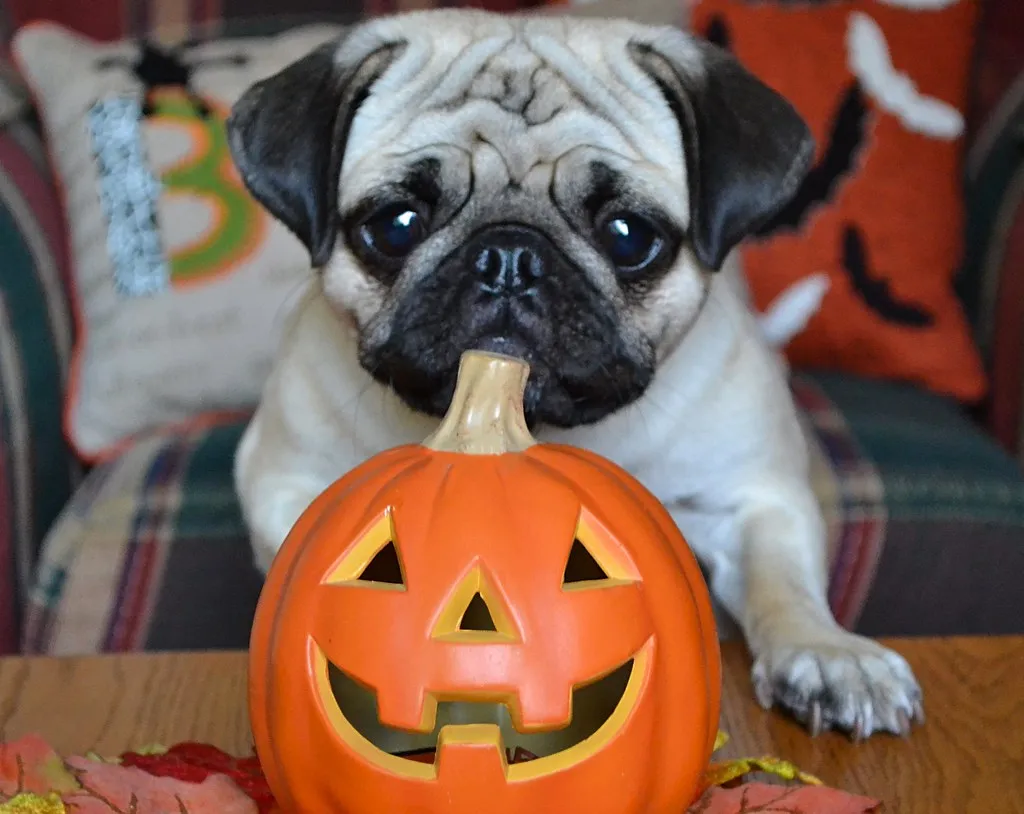
If you have ever watched a cat suddenly stare at an empty corner or a dog bark anxiously at nothing you can see, you know how quickly the imagination kicks in. Folklore from many cultures says animals can sense things we cannot, especially spirits or shifts in energy. So when pets start acting oddly in the final days of October – pacing, growling, refusing to walk down a hallway – those behaviors have long been interpreted as warnings.
Before electricity and smartphones, animals were a key early‑warning system. People noticed that dogs might grow restless before storms, or cows act agitated before earthquakes. They logically extended that idea to the supernatural: if animals notice subtle changes in the environment, maybe they also notice invisible presences. Halloween, framed as the time when the dead come closest, made late‑night pet behavior seem even more loaded.
Today, animal behavior researchers point out that pets are incredibly tuned in to small sounds, shifts in barometric pressure, changes in human mood, and even very faint smells. A dog staring at a “blank” wall may hear a distant siren or smell a rodent. Cats can detect higher‑pitched noises and tiny movements that we simply miss. Around Halloween, there is also more street activity, fireworks in some areas, costume rustling, and doorbells ringing, all of which can make animals edgy.
If your normally calm pet acts strangely right before midnight in late October, folklore would suggest you: – Comfort them, dim loud stimuli, and give them a safe place to rest – Take a quiet moment yourself to breathe, reflect, and ground your own nerves – Consider it a reminder to respect how sensitive other creatures are to the world we share
6. A Ring Around the Moon on a Clear October Night
🔥 Would you like to save this?
We'll email this post to you, so you can come back to it later!
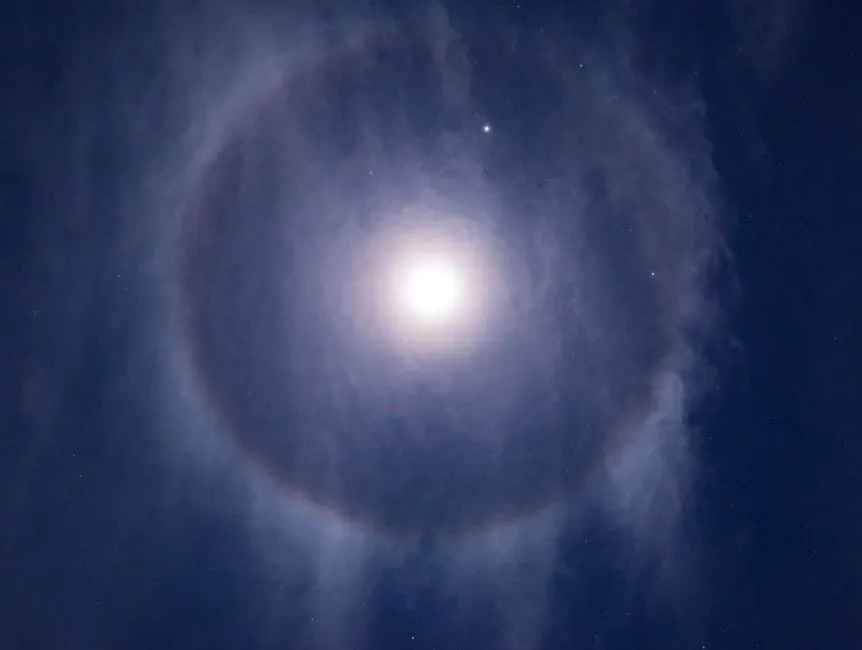
Few sights are more breathtaking than looking up at a bright October moon and seeing a pale, ghostly ring around it. Old weather lore treats this “halo” as a signal that change is coming, usually warning that rain or storms are on the way. When it appears just before Halloween, many traditions add an extra layer: not just a storm, but a stirring in the unseen world.
Scientifically, a ring around the moon – called a lunar halo – usually forms when there are thin, high ice‑crystal clouds in the upper atmosphere. Light passing through these crystals is bent at a certain angle, creating that circle of light. Meteorologists have long noted that those high, icy clouds often show up ahead of approaching fronts or storms. So the old saying that a ring around the moon means coming weather trouble has a solid base in observation.
Folklore gives the phenomenon a more mystical flavor. A halo was sometimes described as a protective shield or, in more ominous tales, a sign the moon was “veiling” itself from something it did not want to see. In a season already linked with ghosts, a ringed moon could feel like the sky itself was warning or watching. Some households would take it as a cue to finish outdoor work quickly, bring animals closer, and prepare for both physical and spiritual turbulence.
If you spot a ring around the moon on a clear October night, old sayings might encourage you to: – Expect a change in weather within a day or two – Treat the sight as a rare and sacred moment worth pausing for – Use that pause to think about the “storms” you may need to prepare for in your own life
7. Unseasonably Active Insects or Spiders in the House
🔥 Would you like to save this?
We'll email this post to you, so you can come back to it later!
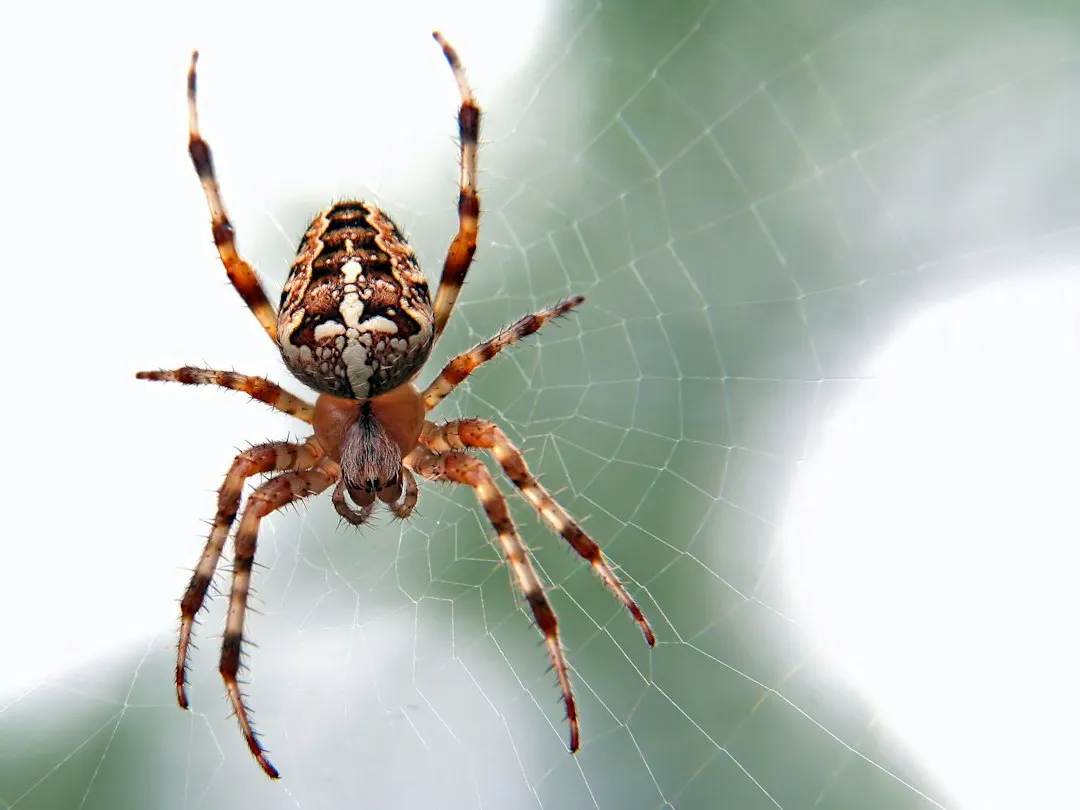
Right before Halloween, you might notice an odd pattern: more spiders in the corners, more insects along baseboards or buzzing at windows even as the weather cools. Folklore from many rural areas treats a sudden surge in creepy‑crawlies as a sign that something is off. Depending on the region, people might say it signals an early winter, a coming visitor, or in darker tales, restless spirits seeking warmth inside the home.
On a practical level, insects and spiders become more visible in autumn for very down‑to‑earth reasons. As outside temperatures drop, many of them instinctively move toward warmth and shelter, which often means your living room. Some species also have mating seasons in late summer and fall, so you simply see more of them looking for partners, hiding spots, or new eggs to lay. What felt like a sinister invasion was, and is, a basic survival strategy.
That said, older generations were not entirely wrong to see insects as little messengers. They noticed that a steep increase in activity often lined up with shifts in weather, humidity, or nearby environmental changes like crop harvests. In a time before scientific instruments, watching how the “smallest neighbors” behaved was one of the easiest ways to guess at what was coming. Around Halloween, when everyone’s nerves were already on edge, that kind of sudden scuttling took on a haunted edge.
If you suddenly see far more insects or spiders than usual in late October, folklore traditionally nudges you to: – Deep‑clean corners and hidden areas, as clutter attracts both bugs and bad energy – Reflect on what you have been avoiding dealing with, the way you avoid looking into certain dark corners – Respect the role these creatures play in the ecosystem, even as you gently relocate or control them at home
8. Heavy Morning Fog That Refuses to Lift
🔥 Would you like to save this?
We'll email this post to you, so you can come back to it later!
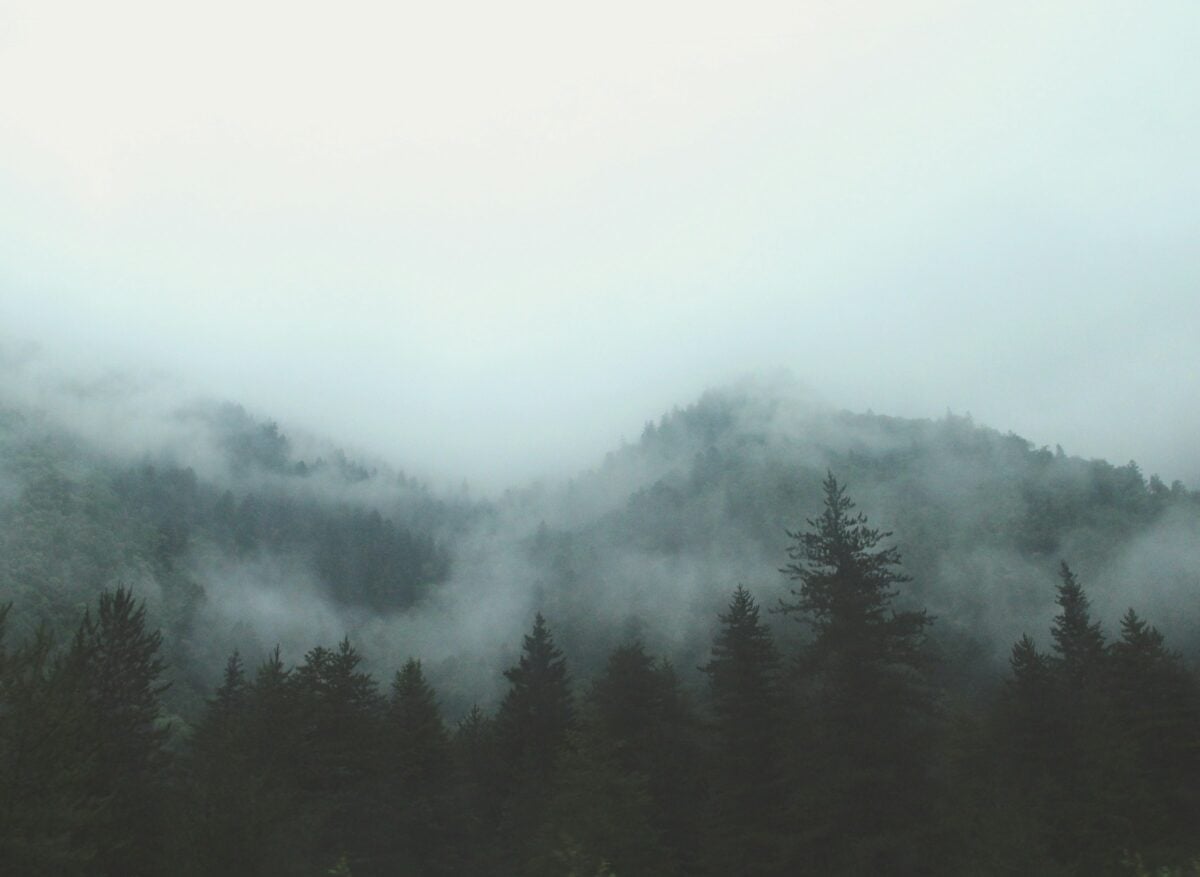
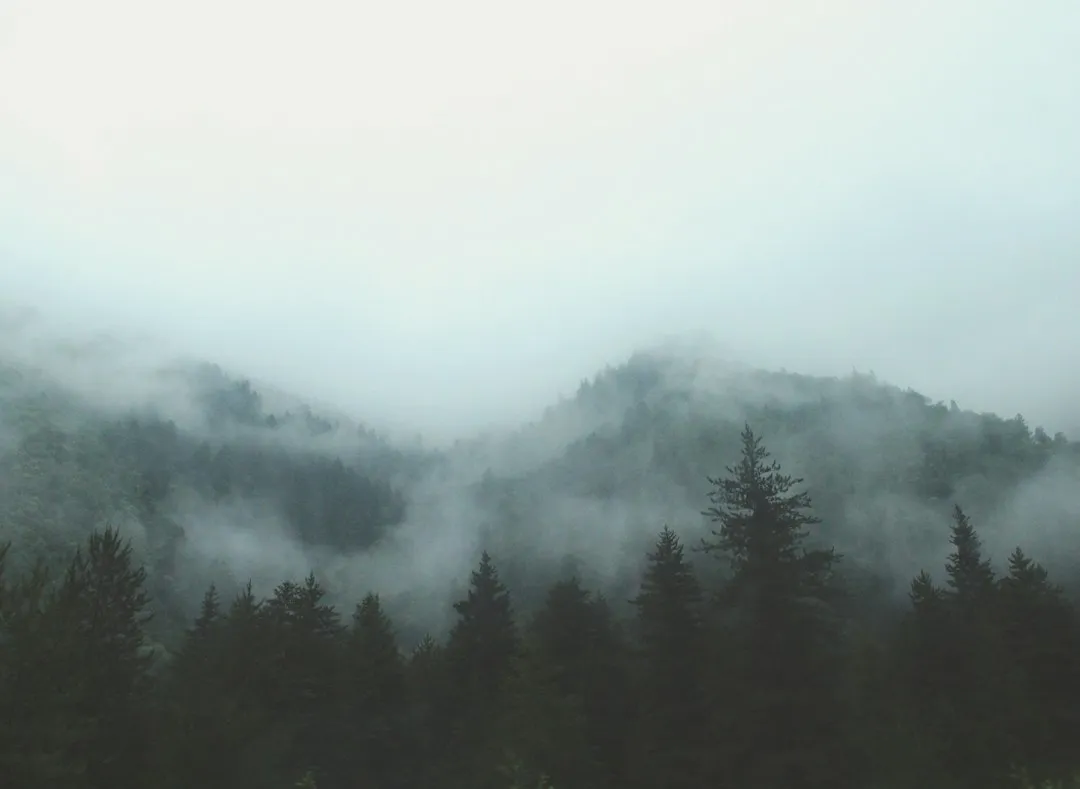
Waking up to a world swallowed by fog can feel like stepping onto a movie set, especially close to Halloween. In many old traditions, thick fog that lingers much longer than usual was seen as a shroud between worlds. People said spirits could move more easily when the air itself looked blurred, and that messages and warnings might come in dreams on those mornings.
Fog is, of course, a natural result of moisture, temperature, and air conditions lining up in a particular way. In autumn, warm ground from daytime sun can mix with cooler night air and higher humidity to produce dramatic banks of fog that sit low and stubborn. Near bodies of water or in valleys, that fog can take hours to burn off. What looks otherworldly is actually the atmosphere doing exactly what physics predicts.
Still, it is hard to deny the emotional effect. Walking through quiet streets where shapes loom only at the last moment can make you feel like reality is thinner than usual. Folklore leans into that feeling. People would postpone important decisions, avoid long journeys, and stay extra close to family on days when the fog felt “wrong.” They might see it as a time to be gentle with themselves and others, assuming that everyone was moving through a sort of shared, temporary confusion.
When you encounter that heavy, refusing‑to‑lift fog right before Halloween, traditional wisdom might push you to: – Slow your pace, both literally and figuratively, instead of forcing productivity – Pay attention to intuition and gut feelings, which tend to surface when the outside world is muffled – Treat the day as a liminal, in‑between time, good for reflection and quiet preparation more than bold action
Conclusion: Old Omens, New Eyes
🔥 Would you like to save this?
We'll email this post to you, so you can come back to it later!
Looking at these eight signs together, what stands out is not that nature is secretly plotting against us, but that people have always been desperate to understand patterns in a world that can feel frighteningly random. Before Halloween, when darkness grows and crops die back, it makes sense that our ancestors looked harder at birds, winds, animals, and skies, asking what they might be saying. That instinct to search for meaning is deeply human, and in my view, it is not something we should be quick to throw away.
We now know a lot more about atmospheric science, animal behavior, and seasonal cycles. A ring around the moon does not mean a ghostly procession is forming, and an owl at your window is almost certainly following prey, not calling your name. But there is value in holding both truths at once: the scientific explanation and the old story. Paying attention to signs from nature, especially around Halloween, can be less about fearing bad luck and more about honoring our connection to the living world and the people who came before us.
Personally, when I hear an owl on a cold October night or step out into a street wrapped in fog, I do not think something terrible is coming – but I do take it as a reminder to slow down, listen, and treat the moment as special. That is the real power of these old omens: they pull us out of autopilot. You do not have to believe that crows are messengers from beyond to let their sudden gathering make you look up from your phone and look around. Maybe the real question is not whether the omen is “true,” but whether it helps you live more awake. The next time one of these signs shows up before Halloween, what will you choose to notice?

- 7 Everyday Habits That Can Make Your Senior Dog Happier - November 5, 2026
- 10 Enigmatic Structures That Continue to Puzzle Scientists Today - November 5, 2026
- 10 Strange Ruins in the Americas That Challenge What We Know About Early History - November 5, 2026