

Most people think of rabbits as shy, skittish little creatures that bolt at the slightest sound. But when a rabbit truly trusts you, they turn into something completely different: a relaxed, curious, surprisingly expressive friend. The tricky part is that rabbits do not show affection in the same obvious ways as dogs or cats, so it is easy to miss the signs that your bunny is absolutely devoted to you.
Once you know what to look for, though, you start seeing all the tiny ways your rabbit is saying, in their own quiet language, that they feel safe, understood, and at home with you. Let’s walk through the clearest signs, from the subtle body language to the almost comically obvious behaviors, that mean your rabbit really does trust .
#1 They Flop Over Around You Like a Tiny Fallen Tree

The first time you see a rabbit suddenly flop onto their side, eyes half closed, legs stretched out, it can be a little shocking. A lot of new rabbit owners panic and think something is wrong. In reality, this dramatic “bunny flop” is one of the strongest signs of trust you can get. Rabbits only knock themselves over like that when they feel completely safe, because in the wild, lying flat and relaxed would make them very vulnerable.
If your rabbit flops near you, or even with their back facing you, that is an even stronger statement. It means they are not worried you will startle or hurt them, and they are comfortable letting their guard down in your presence. I still remember the first time my rabbit did this next to my foot on the couch; I barely moved for 20 minutes because I did not want to break the spell.
#2 They Choose to Approach You (Instead of You Chasing Them)
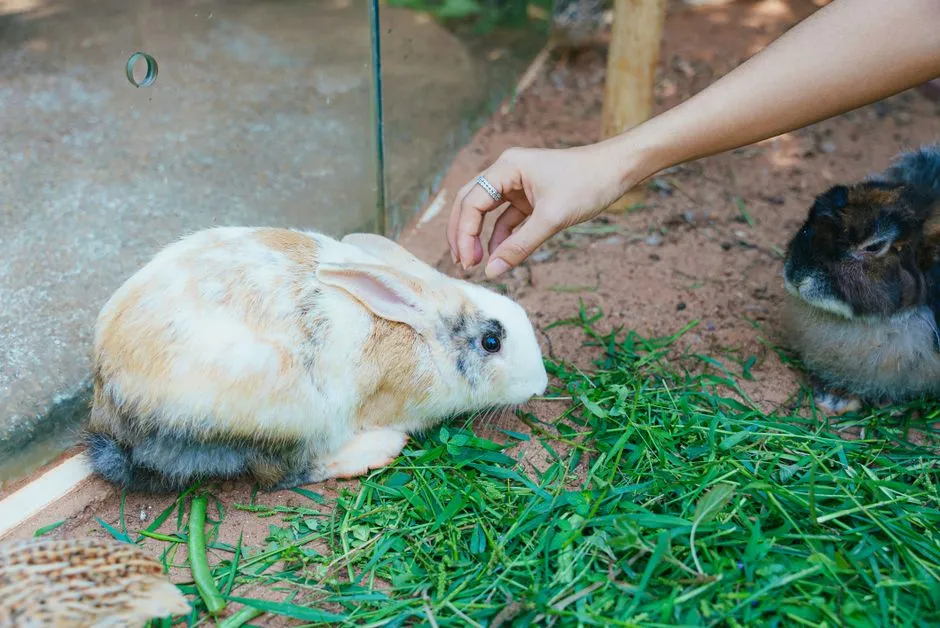
Rabbits are prey animals, so being chased – even for play – can feel threatening. A rabbit who trusts you will flip that script and come to you on their own terms. They might hop over when you sit on the floor, nudge your leg with their nose, or quietly appear beside you while you are scrolling on your phone. That voluntary approach is huge in rabbit language.
Pay attention to the context, too. Do they only come when you have food, or do they approach just to investigate or hang out? A rabbit that comes over even when there is no treat in sight is showing social curiosity, not just snack motivation. It is like the difference between a coworker who only talks to you near the vending machine and a friend who texts you just to share a funny thought.
#3 They Let You Touch “Vulnerable” Areas
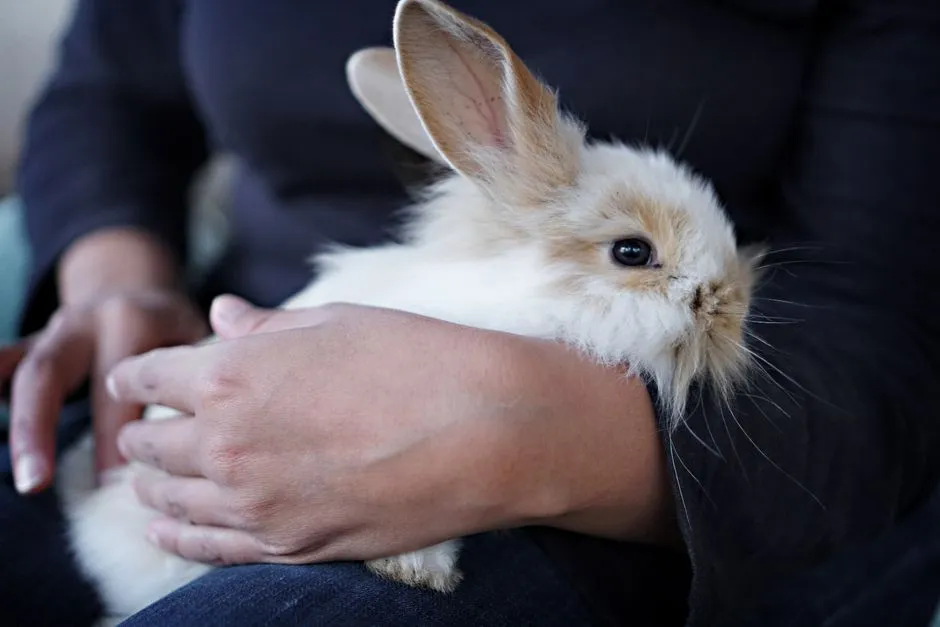
For a rabbit, certain body parts are off-limits unless you are really trusted. Many rabbits hate having their chin, belly, or feet handled, and being grabbed or restrained is especially scary. When a rabbit allows you to gently pet their forehead, cheeks, behind the ears, and maybe even along their body without tensing, darting away, or thumping, that is a strong sign they feel secure with you.
Over time, some rabbits will even tolerate nail trims, light grooming, or gentle checks around their ears and rear if you pair these things with calm handling and rewards. You can almost see them learning that “this human sometimes does weird things, but nothing terrible ever happens.” That quiet acceptance is not flashy, but it is real-world, hard-earned trust.
#4 They Relax Their Body Completely in Your Presence

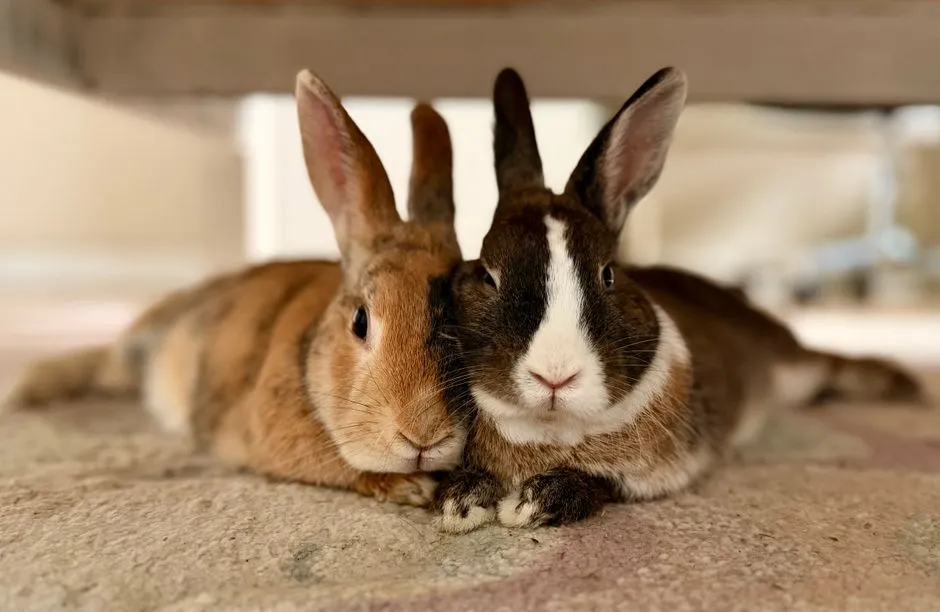
Rabbit body language is everything. A tense rabbit sits upright, ears stiff, muscles ready to bolt, eyes wide and scanning. A trusting rabbit looks like they are melting. They might stretch out with their back legs kicked behind them, loaf up with their feet tucked under their body, or even rest their head flat on the floor. When this happens next to you, or while you move around the room, it means your presence is part of their “safe zone.”
Notice the small details: slow blinking, ears resting in a neutral position, and soft, almost lazy movements when they adjust their position. Rabbits do not have the same facial expressions that we do, so these subtle shifts are their way of saying they feel calm. In a world where everything could be a potential predator, choosing to fully relax is a pretty powerful statement.
#5 They “Groom” You With Gentle Nibbles or Licks
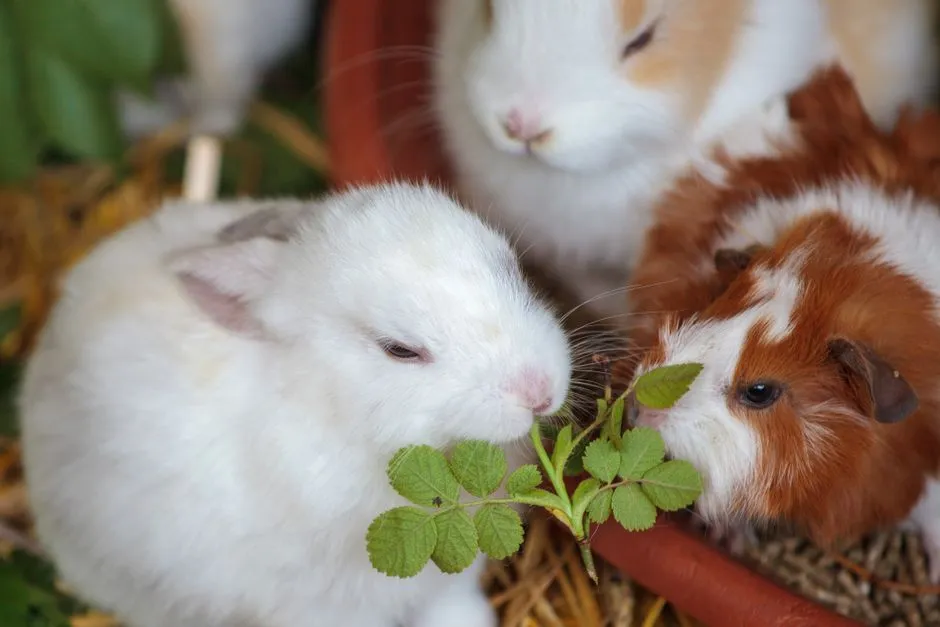
In rabbit social behavior, grooming is a big deal. Bonded rabbits lick and nibble each other’s fur to strengthen their relationship and show affection. When your rabbit leans in to give your hand, arm, or even your pants a few little licks or soft nibbles, they are basically treating you like a member of their group. It is one of the clearest bridges between rabbit language and human interpretation.
Some rabbits will even respond to you petting their head by eventually “returning the favor” and grooming your skin or clothes. The first time it happens, it can feel almost ceremonial, like you just got promoted from “food dispenser” to “honorary rabbit.” Not every rabbit is super licky by nature, but when they do choose to groom you, it is rarely casual; it is trust and affection rolled into one tiny gesture.
#6 They Binky and Zoom Around When You Are Near
A binky is one of the most joyful rabbit behaviors: a sudden jump and twist in the air, often with a little head flick, like they are trying to shake off gravity. Zoomies – those fast, silly sprints around the room – often go along with it. These are signs of happiness and high confidence, and they show that your rabbit feels both physically and emotionally secure in their environment.
When your rabbit does this while you are sitting nearby, following you from room to room, or even running joyful loops around you, they are integrating you into their safe play space. It is the rabbit version of a kid sprinting across the playground while frequently glancing back to see that their parent is watching. They are not just existing around you; they are enjoying life with you as part of the scenery.
#7 They Eat, Drink, and Groom Themselves Right Next to You
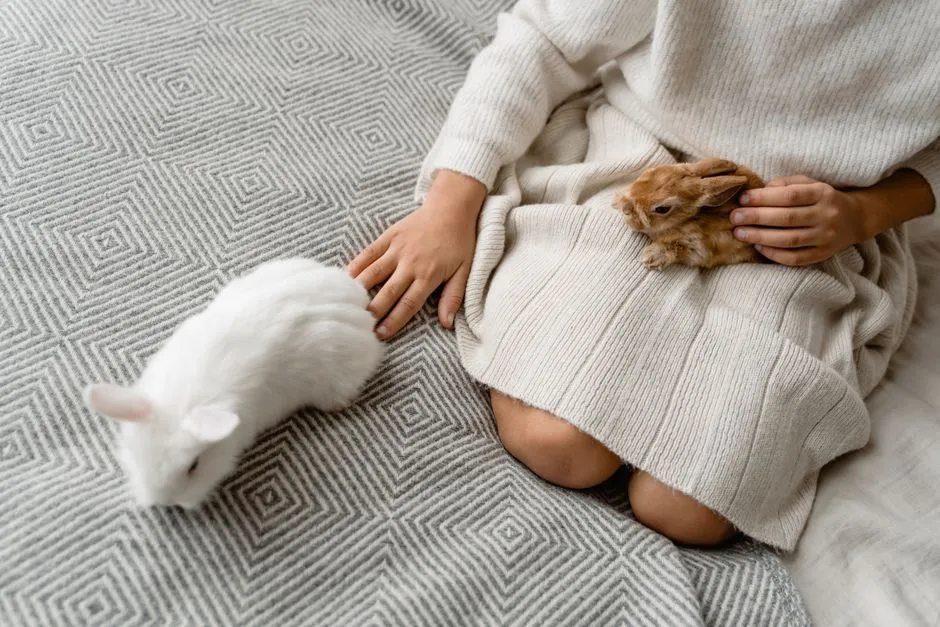
For prey animals, eating and grooming are vulnerable activities. A nervous rabbit will grab food and retreat to a hiding place, or only groom when it feels absolutely safe. When your rabbit casually munches hay, crunches pellets, or settles into a serious grooming session while you are sitting nearby, that shows a deep level of comfort. They are confident you are not a threat and that you will not interfere in a scary way.
I have had rabbits who would drag their favorite toy or piece of cardboard closer to where I was sitting before starting to chew or play. It felt like they were saying, “I am going to do my bunny thing, but I want to do it near you.” That quiet coexistence – where the rabbit is busy, content, and not watching you like a hawk – is one of the most underrated signs of real trust.
#8 They Come When You Call (At Least Most of the Time)
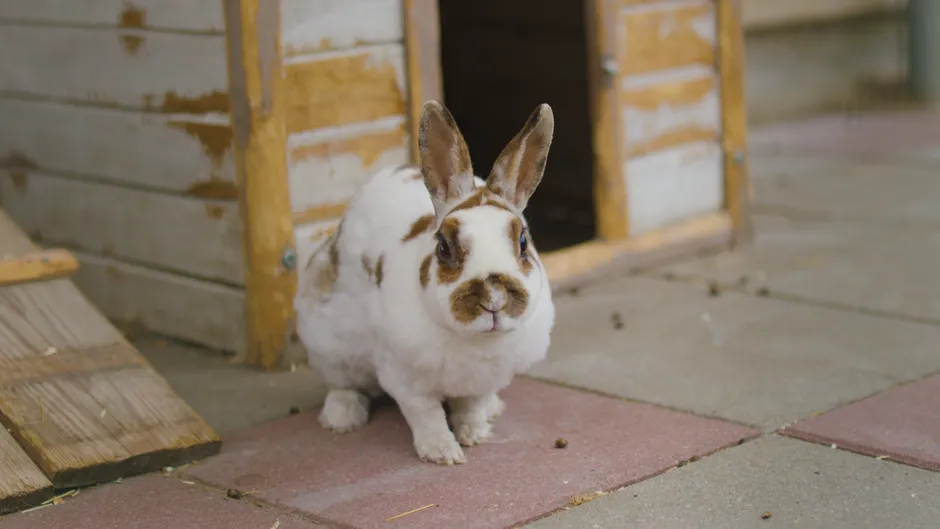
Rabbits are not dogs, and expecting perfect recall is unrealistic. But many rabbits will learn their name or specific sounds and choose to respond, especially if you are consistent, gentle, and reward them. If your rabbit usually hops over when you call their name, rustle a particular bag, or make a familiar sound, that is a mix of training, habit, and trust working together.
Think about what it means from their perspective: they hear you, they know you want their attention, and they decide it is safe and worthwhile to come closer. That decision relies on a mental file they have built up over time: this person is safe, this person is predictable, and good things usually happen when I go to them. It is not obedience in the dog sense; it is voluntary cooperation born from a relationship that feels secure.
Conclusion: Trust Is Slow, Quiet, and Absolutely Worth It

When you look at all these signs together, a pattern appears: rabbit trust is not loud or showy. It is a series of small choices your rabbit makes every day – to lie down instead of run, to groom instead of hide, to hop toward you instead of away from you. In my opinion, that slow-building, quietly won trust is one of the most rewarding feelings in pet ownership, precisely because you cannot rush it or demand it.
If your rabbit already shows a few of these signs, you are on the right track; if not, patience, gentle handling, a calm environment, and respect for their boundaries can slowly change that story. There is something deeply moving about the moment a prey animal decides you are not part of the danger in their world but part of their safety instead. When you think about it that way, every flop, every little lick, and every relaxed stretch beside you feels almost miraculous – how many of these trust signals have you already spotted in your own rabbit?

- 8 Signs Your Rabbit Trusts You Completely - August 1, 2026
- 10 Most Beautiful Buildings In New York City - August 1, 2026
- How Can You Attract More Butterflies to Your Texas Garden - August 1, 2026