
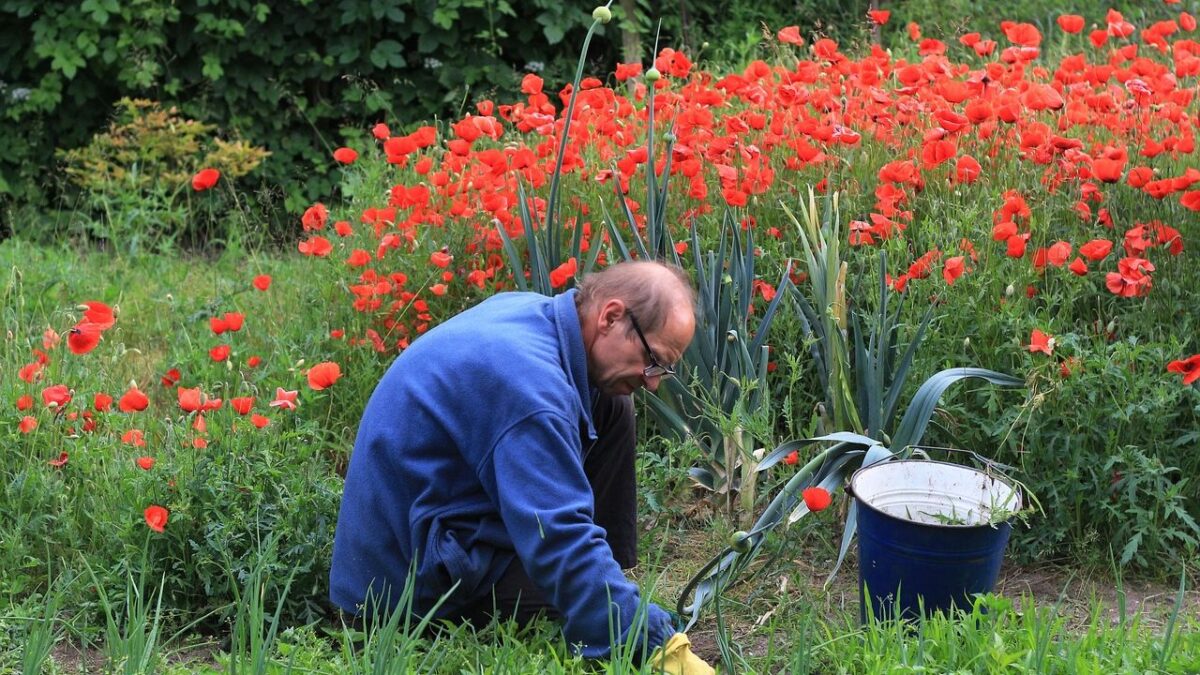
There’s something almost magical about watching a seed push through the soil. It doesn’t matter if you’re gardening on a sun-drenched balcony in the city, a sprawling suburban backyard, or a tiny patch of ground behind a rented apartment. Plants, honestly, don’t care much about your address. What they do care about is whether you understand a few fundamental things. And that’s exactly what most gardening advice gets wrong. It drowns you in complexity when the real secrets are surprisingly simple.
The good news? Whether you’ve killed a dozen plants or never grown a thing in your life, there are core principles that translate to any climate, any soil, any setting. Get ready to be surprised by just how accessible great gardening really is. Let’s dive in.
Tip 1: Start With the Soil, Not the Plant
Here’s the thing most beginners miss entirely. They walk into a garden center, fall in love with the prettiest tomato seedling on the shelf, take it home, shove it in the ground, and then wonder why it struggles. The answer is almost always the soil.
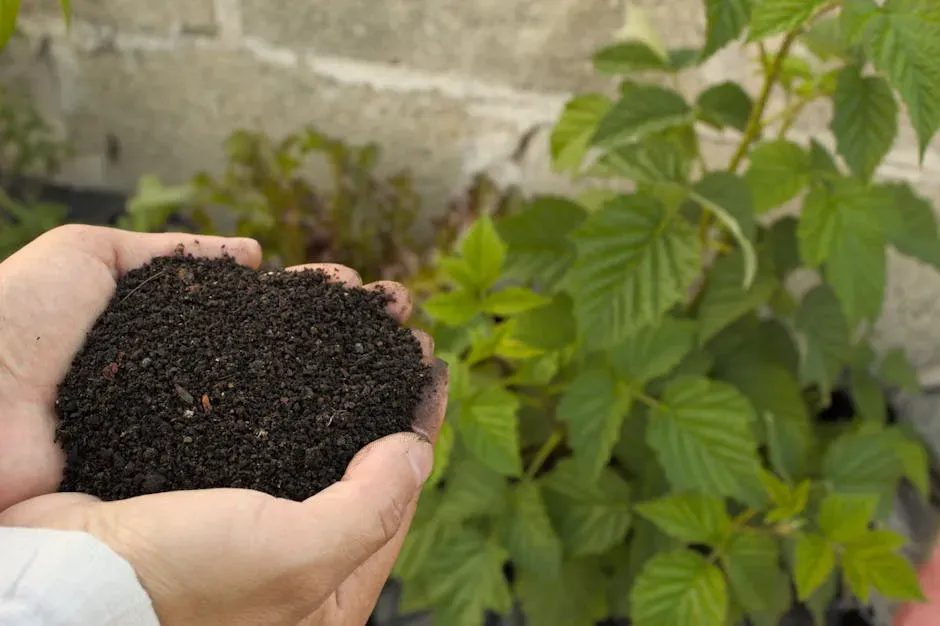
If there is one thing to reframe about gardening, it’s this: stop focusing on the plant itself and start focusing on the soil. Think of soil as a living ecosystem, not just dirt. Healthy soil feeds plants, retains moisture, drains when needed, and hosts billions of microscopic organisms that do more work than any fertilizer bottle ever could.
Healthy soil is important for growing healthy plants. A simple test you can do anywhere? The type of soil, whether clay, sandy, chalk, or loam, will impact how your plants grow. To get to know your soil, simply collect a small handful of soil and add a little water so you can roll it into a ball. Clay holds together tightly. Sandy soil crumbles apart. Loam, which is the gardener’s holy grail, holds its shape loosely. Knowing what you have saves you enormous time and heartbreak down the road.
Tip 2: Respect the Sun Before You Plant Anything
I know it sounds almost too obvious, but you’d be shocked how many people plant sun-loving vegetables in shadows and then blame themselves when nothing grows. Sunlight is the single most powerful variable in your garden, and getting it right costs you nothing.
You want a spot that gets as much sunshine as possible. At least 8 hours of direct sun a day is ideal, though if the only space you have gets less than this, don’t worry; there’s still plenty you can grow. The trick is understanding what you have before you decide what to plant there.
When designing your gardening space, consider more than aesthetics. Monitor the planting area and note how many hours of direct sunlight it gets throughout the day. Research plants that fit the light conditions, and always check the label before impulse buying at the garden center. Spend just one full day observing where the light falls. It’s the single best investment of time you can make before touching a single seed.
Tip 3: Water Deeply, Not Constantly
Overwatering kills more plants than underwatering. Let that sink in for a moment. Most new gardeners treat watering like a daily ritual, giving their plants a little drink every morning as if they’re having coffee together. The plants, unfortunately, don’t share the enthusiasm.
It’s better to water deeply than frequently. Apply water at the plant’s base, directing the moisture down to the roots where it does the most good. When you water shallowly every day, roots stay near the surface, making the plant fragile and dependent. Deep, less frequent watering forces roots to chase moisture downward, building stronger, more resilient plants.
Conservation means irrigating the landscape and edible garden efficiently even in a non-drought year. Look for leaks and repair them. Adjust irrigation controllers. Avoid runoff and overwatering. A good rule of thumb is to water until moisture reaches several inches below the surface, then let the top layer dry out before watering again. Your plants will genuinely thank you.
Tip 4: Mulch Like Your Garden Depends on It (Because It Does)
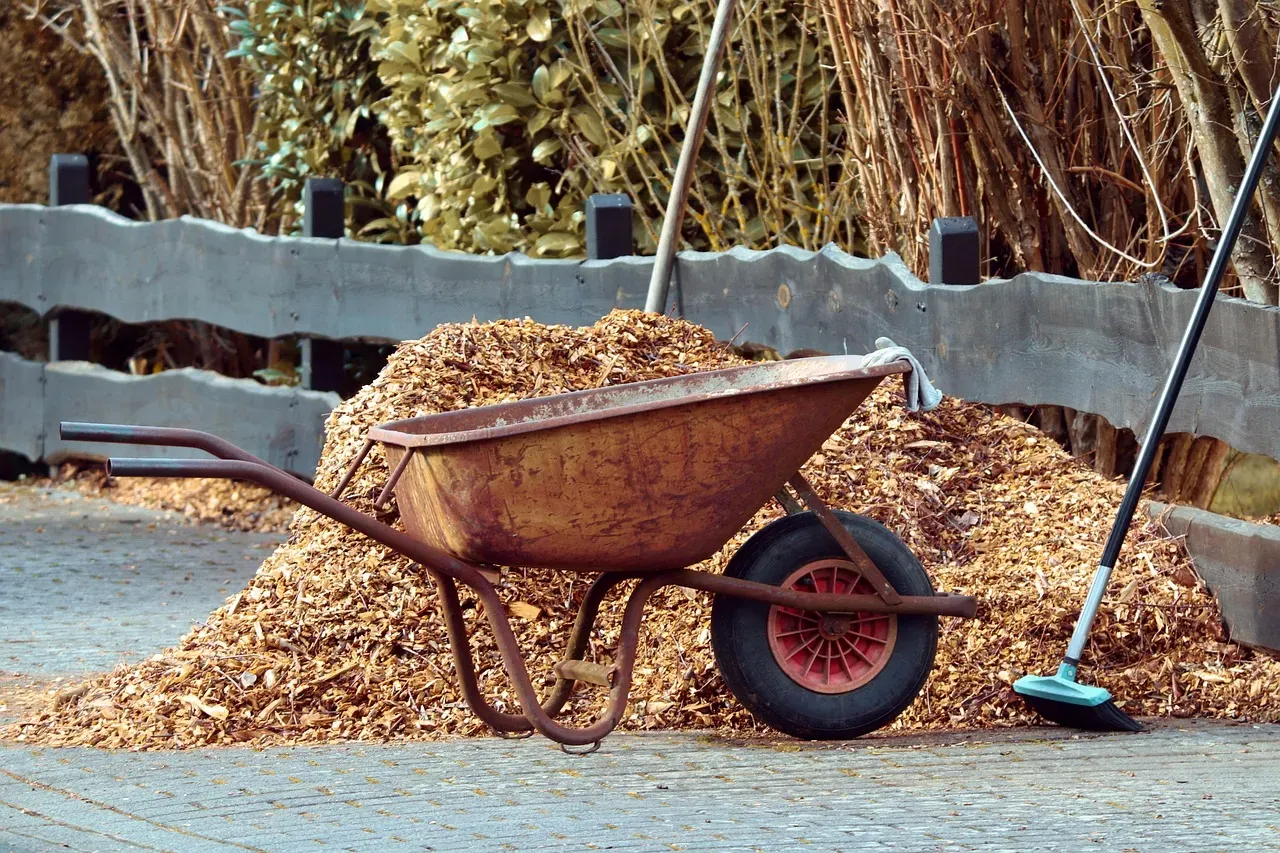
If there’s one gardening habit that separates struggling gardens from thriving ones, it’s mulching. Honestly, it might be the single most underrated tip in all of gardening. A few inches of mulch on top of your soil does something close to miraculous.
Think of mulch like a babysitter that is helping protect your plants when you’re not there. Mulch helps soil retain moisture and suppress weeds. It also keeps roots cool during hot summer days and keeps them warm when the temps drop. Mulch comes in lots of different types, including shredded wood, evergreen needles, and straw.
The biggest bonus tip when growing is to mulch. It can’t be emphasized enough. Straw mulch is wonderful. Think of mulch as a protective blanket. It locks in moisture so you water less, blocks weeds so you weed less, and slowly decomposes to feed the soil. It is, quite simply, the laziest and most effective gardening move you can make.
Tip 5: Start Small and Grow From There
Let’s be real. Every new gardener does the exact same thing. They get inspired in spring, plan an enormous garden, plant everything at once, and then feel completely overwhelmed by midsummer. It is the most predictable story in gardening, and almost nobody escapes it on their first attempt.
Smaller gardens are often more productive and enjoyable. A small, well-tended garden almost always outperforms a large, neglected one. The idea that bigger is better simply does not apply here. A tiny raised bed full of herbs and cherry tomatoes can deliver more joy, more food, and more satisfaction than a sprawling plot gone to weeds.
Think about the amount of time and money you want to invest in your garden based on your goals. You can start small and gradually increase the size of your garden as you gain experience. Starting small also means you learn faster. You see what works in your specific environment without catastrophic losses. It’s like learning to swim in the shallow end first. Nothing wrong with that.
Tip 6: Choose Plants That Actually Want to Grow Where You Are
There’s a peculiar stubbornness in gardeners who try to grow tropical plants in cold climates or frost-loving crops in scorching heat. I get it. The photos in seed catalogs are irresistible. Everything looks lush, vibrant, and effortless. Reality, of course, is another story.
Starting with easy-to-grow plants will build your confidence. You don’t want to get discouraged on your first try. Herbs like mint, basil, and parsley are very forgiving and grow quickly. Salad greens like lettuce and spinach are perfect for containers and can be harvested multiple times. Cherry tomatoes are a fun and rewarding choice for a sunny spot.
Research your exact hardiness zone and choose plants that are suitable for your climate. This expert gardening tip will ensure your beautiful plants survive the winter. A plant that thrives in your neighbor’s yard tells you more about your local growing conditions than any guide ever could. Look around your neighborhood before you spend a cent. Nature is already showing you the answers.
Tip 7: Fight Weeds Smarter, Not Harder
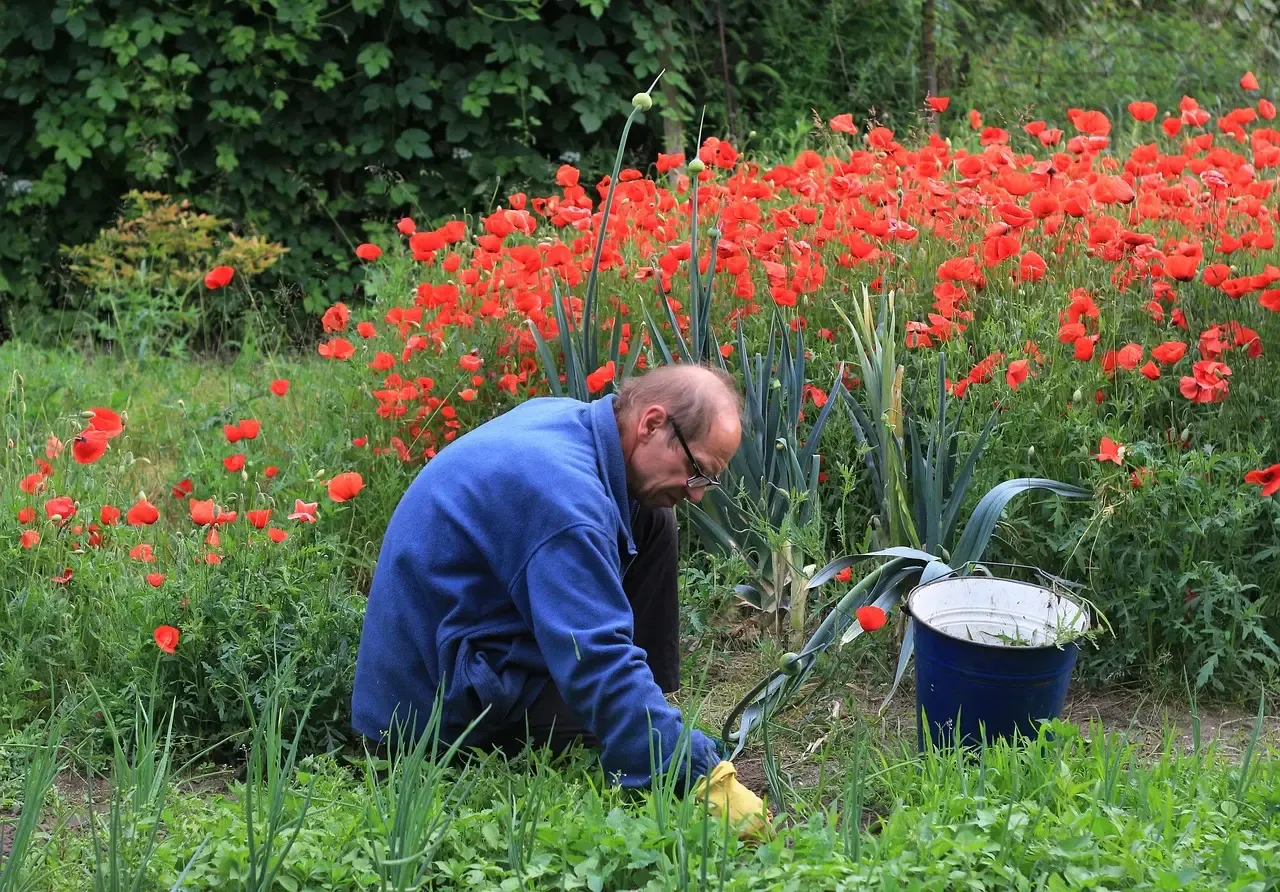
Weeding is the chore that drives people out of gardening entirely. Hours spent on your knees, pulling the same weeds that were there last week, wondering why you started any of this. Sound familiar? The good news is there are smarter approaches that dramatically reduce the battle without resorting to harsh chemicals.
One of the best easy gardening tips is to stop leaving bare soil. Fill every inch of your bed like a puzzle, and the plants will protect each other. Intensive planting saves space, reduces weeds, and increases harvests with less work. Weeds are essentially nature filling empty spaces. The more space you leave, the more they fill it. Dense planting is your first line of defense.
A homemade weed killer approach that works for many gardeners involves tackling weeds using two simple ingredients: vinegar and salt. For a structural fix, here’s an easy gardening tip that will save you hours: many experienced gardeners don’t pull weeds from raised beds at all. Instead of black plastic weed barrier, which suffocates soil and blocks water, laying down cardboard, ramboard, or brown paper smothers weeds, feeds the soil as it breaks down, and makes gardening life much simpler. It’s a surprisingly elegant solution.
Tip 8: Build a Routine and Stick to It
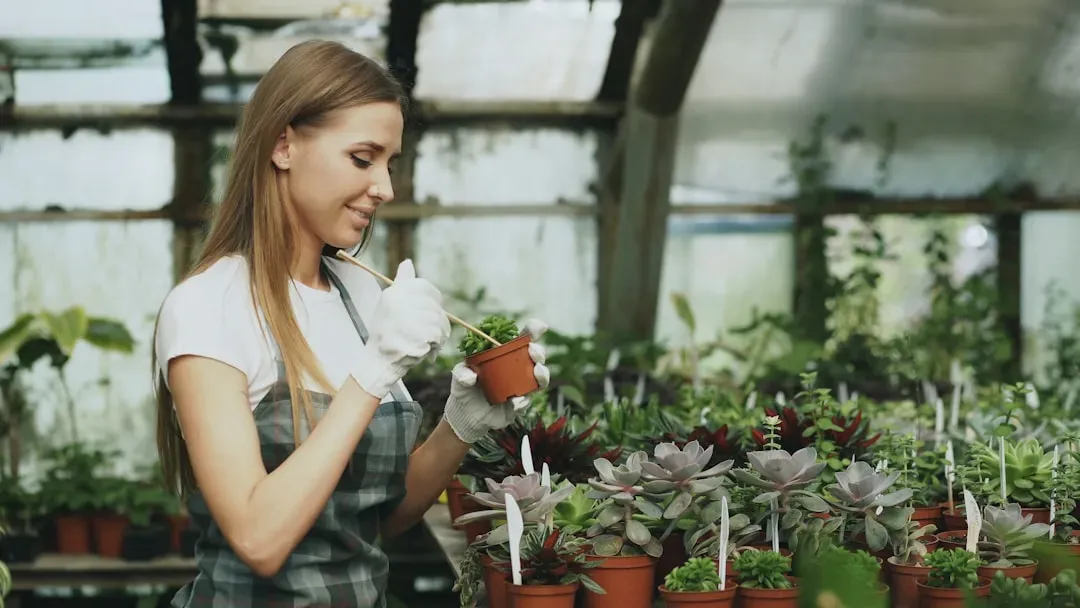
Great gardens are not built on inspiration alone. They are built on small, consistent habits. Think of it less like a project and more like a relationship. Show up regularly, even briefly, and your garden will reward you far more than someone who shows up twice a month in a frantic rush to catch up.
Running a garden on a steady rhythm, one month at a time, is the key. Some months you’re building, others you’re pruning or trellising, and a couple months of the year you’re mostly observing and planning. It’s not about doing everything at once. It’s about doing the right small thing at the right time. Pull a weed when you spot it. Water before a plant wilts. Harvest before things overripen.
Take notes on what thrived and what struggled in your garden, including specific varieties, planting locations, and bloom timing. Document challenges like pest problems, watering issues, or plants that didn’t match your zone’s conditions. Review your garden photos from different seasons to identify gaps in color or interest, and note which plants provided the best return on investment. Keeping even the simplest garden journal transforms your second season dramatically. You stop repeating mistakes and start building on what actually worked.
Conclusion: The Garden Is Simpler Than You Think
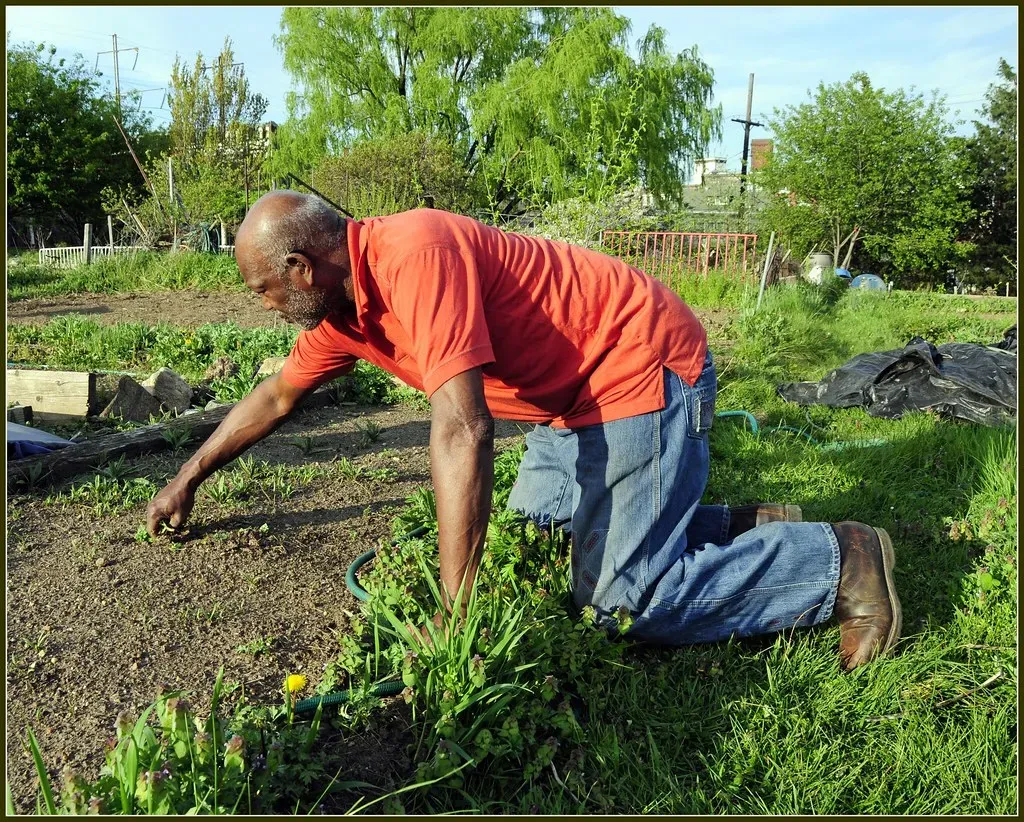
Gardening carries this intimidating reputation, as if you need years of formal training, the perfect climate, and an encyclopedia of botanical knowledge just to grow a decent tomato. That simply isn’t true. The most successful gardeners aren’t necessarily the most knowledgeable ones. They’re the most consistent, the most observant, and the most willing to learn from their plants.
These eight tips cost nothing to implement, work in virtually any environment, and are backed by the same logic gardeners have been quietly practicing for centuries. Start small. Know your soil. Respect your sunlight. Water deeply. Mulch generously. Pick suitable plants. Outsmart weeds. Show up regularly.
Honestly, the garden doesn’t ask for much. It mostly just asks that you pay attention. So here’s a thought to leave you with: of these eight tips, which one have you been skipping all along? Drop your answer in the comments. You might be surprised how many other gardeners have been making the same exact mistake.

- 10 Fascinating Facts About Wolves That Most People Never Learn - August 10, 2026
- Dog Breeds That Can Sense When Death Is Near - August 10, 2026
- Why Elephants Quietly Return to the Bones of Their Dead - August 10, 2026