

Most dog owners pride themselves on knowing their pet inside out. Yet subtle vocal changes often slip by unnoticed until a bigger problem surfaces. Those odd little noises around the house might be your dog trying to tell you something important.
Recognizing them early can make all the difference in comfort and recovery. Here are eight common sounds that frequently get misinterpreted.
Soft Whimpering That Gets Dismissed as Attention Seeking
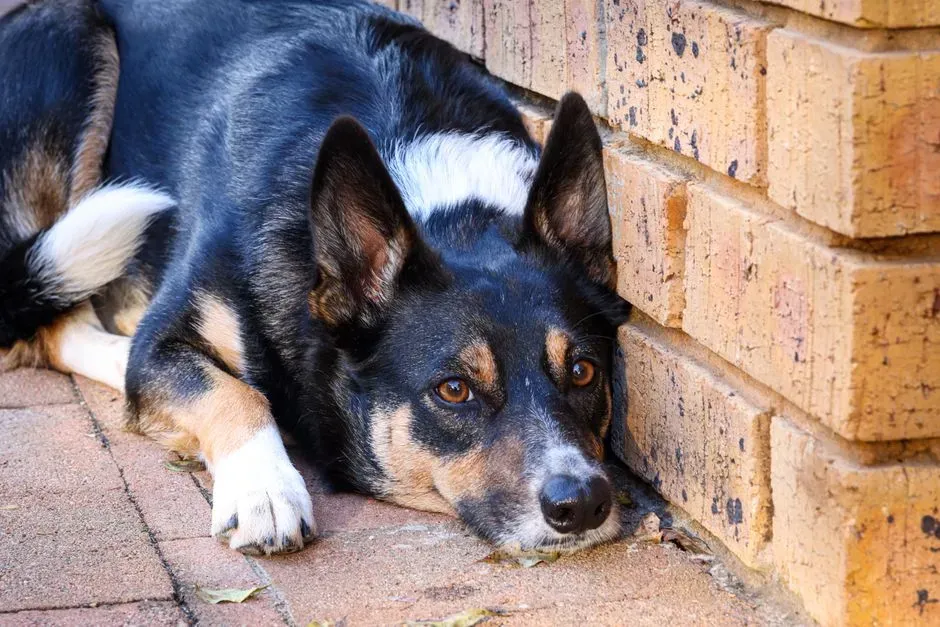
Dogs often produce a low, drawn out whimper when discomfort sets in. Owners frequently brush this off as a bid for treats or playtime. The sound tends to happen at rest or during gentle movement rather than when the dog is actively seeking interaction.
Over time the whimper may become more frequent during specific activities like climbing stairs. It differs from excited vocalizing because the tone stays consistent and lacks the rising pitch of anticipation. Paying closer attention to timing helps separate routine requests from genuine signals of unease.
Low Growling During Routine Handling

A quiet rumble sometimes emerges when a dog is touched in a sensitive area. People assume this signals aggression or a bad mood. In reality the growl often serves as a warning that pressure causes sharp discomfort rather than a challenge to authority.
The sound usually stops once contact ends and rarely escalates into full barking. It appears most often around the hips, shoulders, or belly. Learning to read accompanying body language such as stiffening or turning away clarifies the true meaning behind the rumble.
Sudden Short Yelps When Jumping or Turning
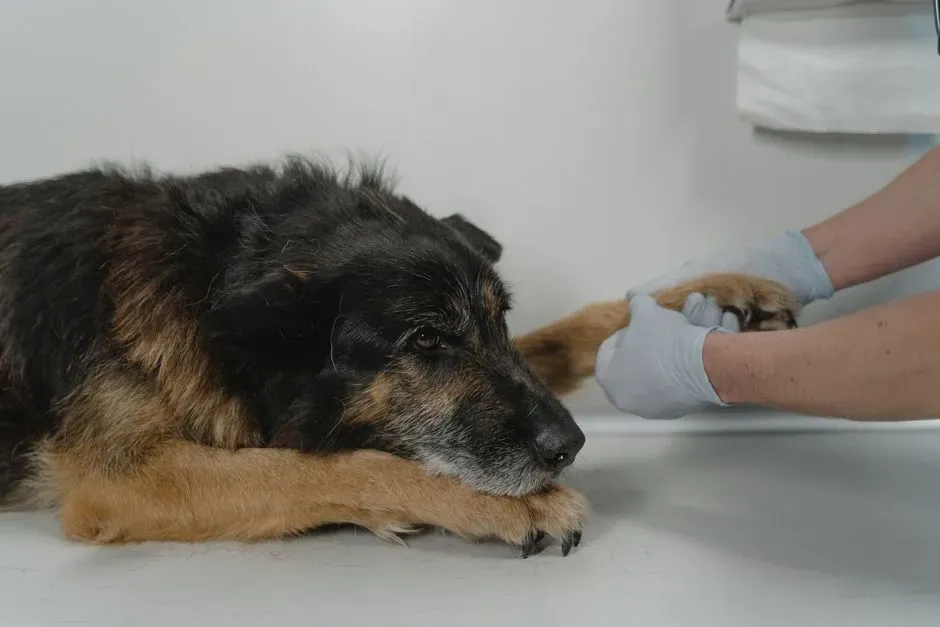
A quick yelp can occur during everyday motions like leaping onto furniture. Many owners chalk it up to surprise or excitement. The yelp tends to be brief yet sharp and may repeat if the same movement happens again.
Unlike playful yips this version carries a higher pitch and comes with an immediate pause in activity. Dogs may then favor one side or hesitate before trying again. Tracking these moments reveals patterns tied to specific joints or muscles.
Heavy Panting Without Obvious Heat or Exercise
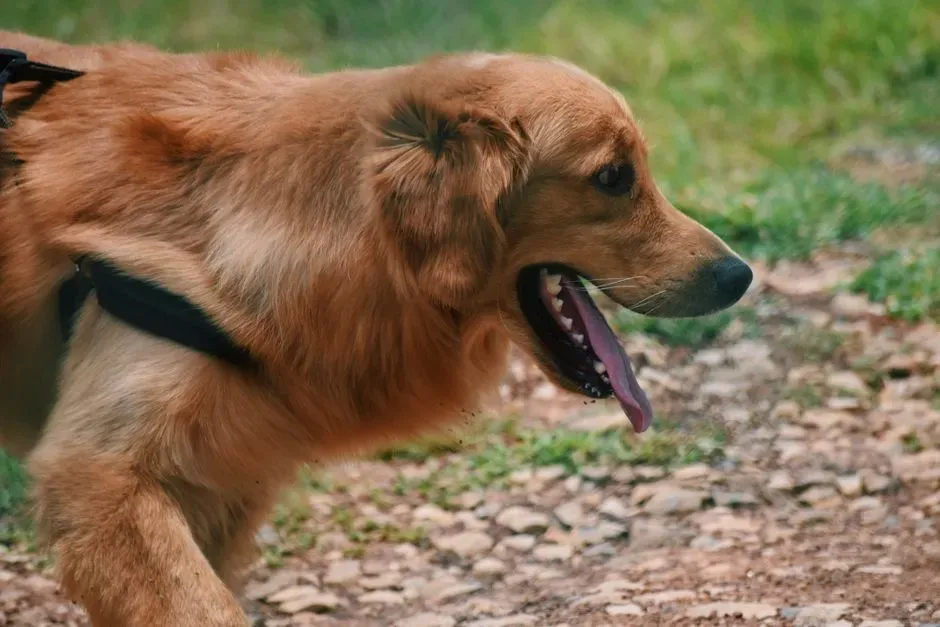
Some dogs begin panting steadily even in cool rooms after minimal activity. Owners often link it to normal temperature regulation or leftover energy. The breathing stays rapid and shallow with little tongue lolling compared to true cooling efforts.
This pattern can persist for minutes after the dog has settled. It sometimes pairs with restlessness or shifting positions. Noting the absence of warm weather or recent play narrows down whether the panting points to internal discomfort.
Nighttime Howling That Seems Like Separation Distress

A mournful howl at odd hours gets attributed to loneliness or boredom. The sound carries a drawn out quality and may echo through the house. Yet it often surfaces when the dog lies alone in the dark and movement is limited.
Unlike attention seeking howls this version lacks response to owner calls or nearby activity. It may fade once the dog adjusts position or receives gentle reassurance. Observing whether the behavior ties to specific times or locations helps identify underlying causes.
Grunting or Groaning When Settling Down

A low grunt sometimes accompanies the act of lying on the floor or a bed. Owners treat it as a normal settling noise similar to human sighs. The sound appears consistently with certain postures and may increase in frequency over days.
It differs from contentment noises because the dog often shifts again shortly after. The grunt carries a strained edge rather than relaxed release. Watching for repetition during transitions between standing and resting highlights its significance.
Repetitive Sighing That Owners Ignore as Normal Breathing

Deep sighs repeated at intervals can pass for ordinary respiration. The exhale sounds heavier and more deliberate than casual breaths. Dogs may produce them while lying still with eyes partially closed.
Unlike relaxed breathing these sighs occur in clusters and sometimes follow minor movements. They tend to ease when the dog finds a more comfortable spot. Noting the rhythm and context separates routine sounds from those tied to ongoing discomfort.
Sharp High Pitched Barks During Gentle Play

A sudden high bark can interrupt otherwise calm interactions. Owners assume it reflects excitement or a request to continue. The bark stands out for its abrupt start and quick stop without further vocal escalation.
It often coincides with contact to a particular area or sudden change in direction. The dog may then back away or lower its head briefly. Recognizing the contrast with typical play barking helps owners respond with appropriate caution rather than continued engagement.
Listening closely to these vocal cues builds a stronger bond between owner and dog. Small adjustments in daily routines often bring noticeable relief once the signals are understood. Over time this awareness turns ordinary moments into opportunities for better care.

- Animal Science Says Songbirds Practice Their Calls Quietly Before Performing Them in Public - August 10, 2026
- 8 Scents That Cockroaches Hate - August 10, 2026
- 10 Worst Dog Breeds For People Over 50 - August 10, 2026