

Most dog owners get used to the everyday soundtrack of their pets. A bark here, a sigh there. Yet some noises stand out as signals that something deeper may be off, even if they seem small at first.
Paying attention to these can make a real difference in catching issues early. The list below highlights eight particular sounds worth noting, with one that tends to get overlooked more than the rest.
1. High Pitched Whining That Comes Out of Nowhere

Dogs whine for many reasons, but a sudden shift to high pitched sounds often points to discomfort. This can happen when they move in certain ways or after resting for a while. Owners sometimes brush it off as attention seeking.
Yet repeated episodes may tie into joint problems or internal pain. Watching for patterns helps separate normal requests from something more concerning. A vet visit can clarify whether it stems from an injury or another cause.
2. Low Growling During Routine Activities

A low growl that appears during petting or simple movements deserves notice. It differs from the playful rumble some dogs make during play. This sound can reflect irritation from sore muscles or even dental trouble.
Many owners assume it is just moodiness and move on. Still, tracking when it occurs reveals if it links to specific triggers like touch on certain areas. Early checks prevent minor issues from growing larger.
3. Howling at Unusual Hours or Without Trigger

Howling sometimes signals loneliness or a response to distant sounds. When it starts without any clear reason and happens at odd times, it may indicate distress. Pain or confusion can drive this behavior in older dogs especially.
Families often chalk it up to the dog being vocal by nature. Listening for changes in tone or duration helps spot when it crosses into a warning sign. Consistent howling without cause calls for a closer look at overall health.
4. Persistent Coughing or Hacking Sounds

Coughing ranks as one of the most commonly dismissed noises in dogs. Owners hear it and think of a simple cold or something minor in the throat. Yet ongoing coughs can connect to heart conditions or lung concerns that need attention.
The sound often starts soft and builds over days or weeks. Noticing whether it worsens after exercise or at night provides useful details for a checkup. Many cases improve with timely care once identified.
5. Sudden Yelps Without Visible Cause

A sharp yelp can stop owners in their tracks because it sounds like acute pain. When it happens without an obvious bump or fall, it may come from nerve issues or hidden injuries. Dogs hide discomfort well, so these outbursts stand out.
Some people wait to see if it repeats before acting. Recording the context around each yelp helps professionals understand the pattern. Quick responses often lead to faster relief for the dog.
6. Heavy Grunting When Getting Up or Lying Down
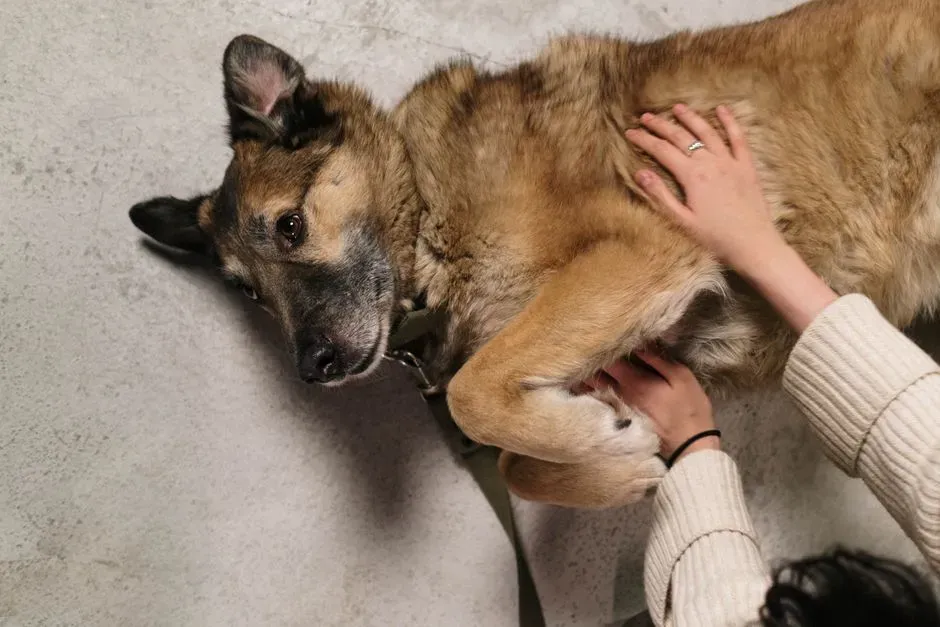
Grunting during basic position changes can reflect stiffness or pressure in the body. Younger dogs rarely make this noise unless something feels off. Older ones may do it more, yet it still warrants watching.
Owners frequently view it as normal aging and skip further thought. Noting if the grunts increase or pair with slower movement adds important context. Addressing it early supports better mobility over time.
7. Excessive Panting With Added Noises

Panting helps dogs cool down, but noisy versions that linger after rest raise flags. The added sounds might include rasps or wheezes that point to breathing difficulties. Heat or excitement explains some cases, yet persistence does not.
Families sometimes wait for the dog to settle before worrying. Observing how long the noisy panting lasts after activity gives clues about possible respiratory or heart strain. Professional evaluation sorts out the everyday from the serious.
8. Unusual Silence or Lack of Normal Sounds

Dogs that suddenly grow quiet can signal as much as noisy ones do. A normally chatty pet that stops vocalizing may feel unwell or withdrawn. This shift often gets missed because silence feels peaceful rather than alarming.
Changes in energy or appetite alongside the quiet period strengthen the case for concern. Owners who know their dog’s baseline notice these drops more readily. Checking in with a professional restores peace of mind either way.
Listening to your dog means catching small changes before they grow. These sounds serve as their language when words are not an option. Staying attentive builds a stronger bond and supports longer health.
Most issues caught early respond well to care. Your pet relies on you to notice what others might miss. That quiet attention makes all the difference in the end.

- The Wild Animal Each Zodiac Sign Would Become Under Pressure - August 5, 2026
- The Desert Town in Nevada Slowly Being Buried by Moving Sand - August 5, 2026
- Do Animals Feel Emotions Like Humans? New Studies Reveal Surprising Truths - August 5, 2026