
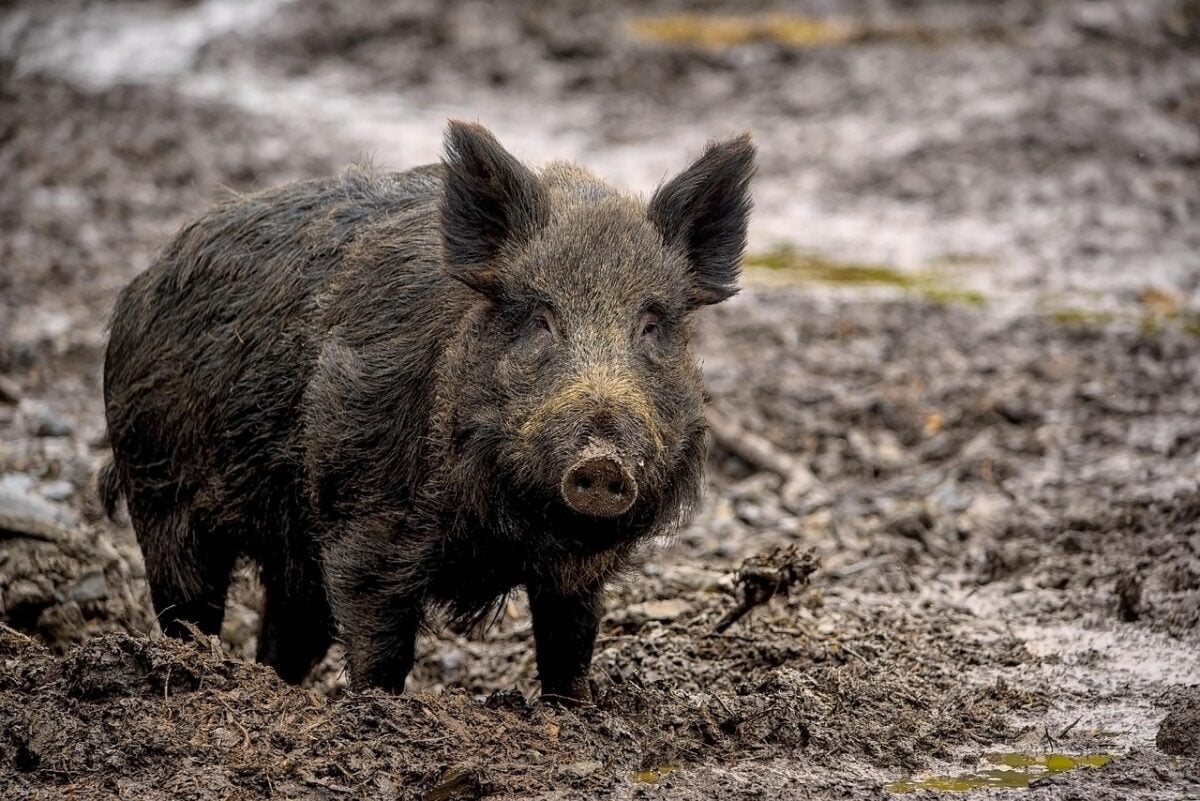
Walk through a patch of woods or a wet meadow after feral pigs have worked it over, and you’ll understand the problem quickly. The ground looks like it’s been plowed by someone with no plan, and the plants that belonged there are simply gone. Pigs aren’t browsing so much as excavating.
These animals are now a national issue, not a regional quirk. Descended from both wild boars and escaped domestic pigs, feral hogs have overtaken at least 35 states in the past 40 years. Some states are hit harder than others, and the pattern of damage differs from the Gulf Coast to the Pacific islands. Here are eight places where the story is especially worth knowing.
Texas
🔥 Would you like to save this?
We'll email this post to you, so you can come back to it later!
Texas is usually the first state people think of, and it’s often described as having the biggest feral pig population in the country. The state’s size and its mix of rangeland, river bottoms and farmland give the animals plenty of room to spread. Their rooting tears up pasture and the native grasses that hold it together.
USDA has noted that feral swine wallowing in seasonal pools in parts of Texas is one of the ways they alter fragile habitats. Seasonal pools are small, but they matter to plants and wildlife that depend on them. Once pigs churn them into mud, that function can be lost for a long time.
Florida
🔥 Would you like to save this?
We'll email this post to you, so you can come back to it later!
Florida’s pigs have a long history, and early Spanish explorers are generally credited with bringing swine to the region centuries ago. Today the animals move through wetlands, pine flatwoods and coastal areas. Soft, damp soil is exactly what they like to dig.
That matters because rooting exposes bare ground, and bare ground invites weeds. USDA notes that feral swine will root up and consume native plants and introduce invasive plant seeds to the freshly disturbed soil. In a state already fighting many invasive species, pigs make the job harder.
Georgia
🔥 Would you like to save this?
We'll email this post to you, so you can come back to it later!
Georgia is part of the Southeast’s long running feral swine problem, and it’s one of the states included in USDA’s 2026 pilot program funding. That program was set up to respond to the threat feral swine pose to agriculture, native ecosystems, and human and animal health. The fact that Georgia is on the list says something about how seriously the damage is taken.
In forests and wet bottomlands, pigs eat acorns, roots and seedlings. USDA has pointed to decreasing tree diversity in forests as one of the consequences of this kind of feeding. Forests don’t recover quickly from losing young trees.
Hawaii
🔥 Would you like to save this?
We'll email this post to you, so you can come back to it later!
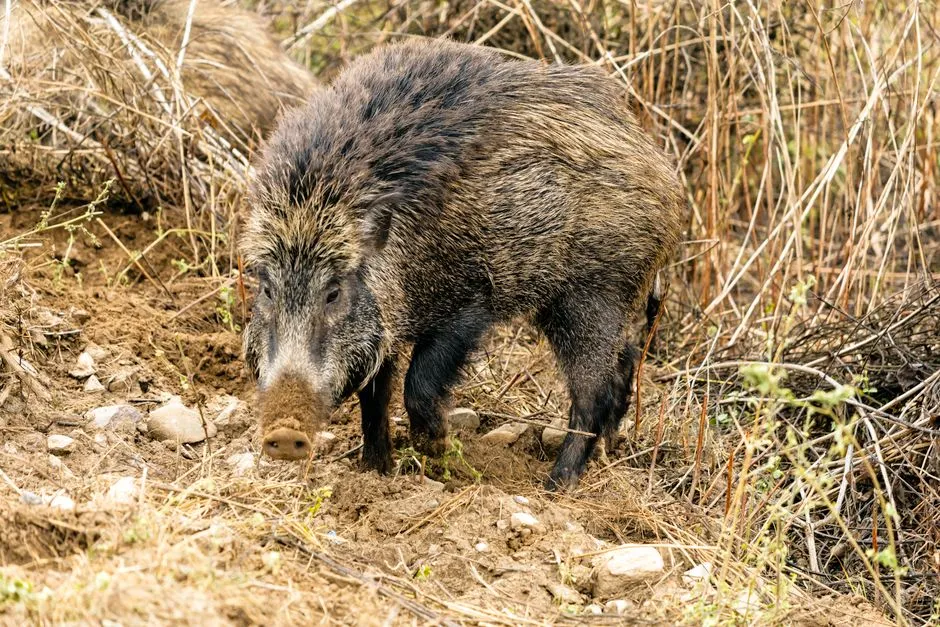
Hawaii is a different case because its native plants evolved without large hoofed mammals at all. Pigs are not just another competitor there. They’re a completely new kind of disturbance in island ecosystems that have little defense against it.
USDA has made Hawaii eligible for new money to fight the animals, since feral swine damage crops, soil, water quality and wildlife habitat. Reporting has also noted that they have taken to gnawing through the pseudostems of banana plants in Hawaii. Farms feel it, though the bigger loss may be in the native forest.
California
🔥 Would you like to save this?
We'll email this post to you, so you can come back to it later!
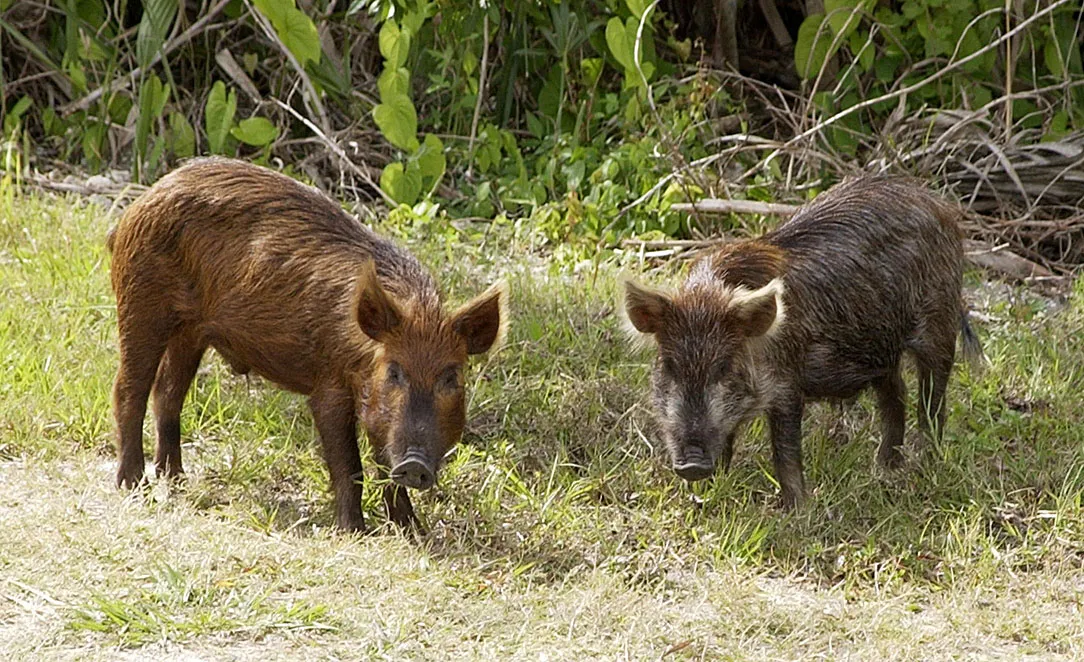
California may not be the state most people link with feral pigs, yet it’s part of the 2026 federal funding effort. Oak woodlands and grassy hills offer food through much of the year, and pigs take full advantage. Acorns are a major draw.
When pigs eat acorns and dig through the soil beneath oaks, they can hurt the young trees that would eventually replace old ones. They also compress and loosen soil in ways that encourage erosion on slopes. Streamside areas, where the ground is soft, tend to suffer first.
Oklahoma
🔥 Would you like to save this?
We'll email this post to you, so you can come back to it later!
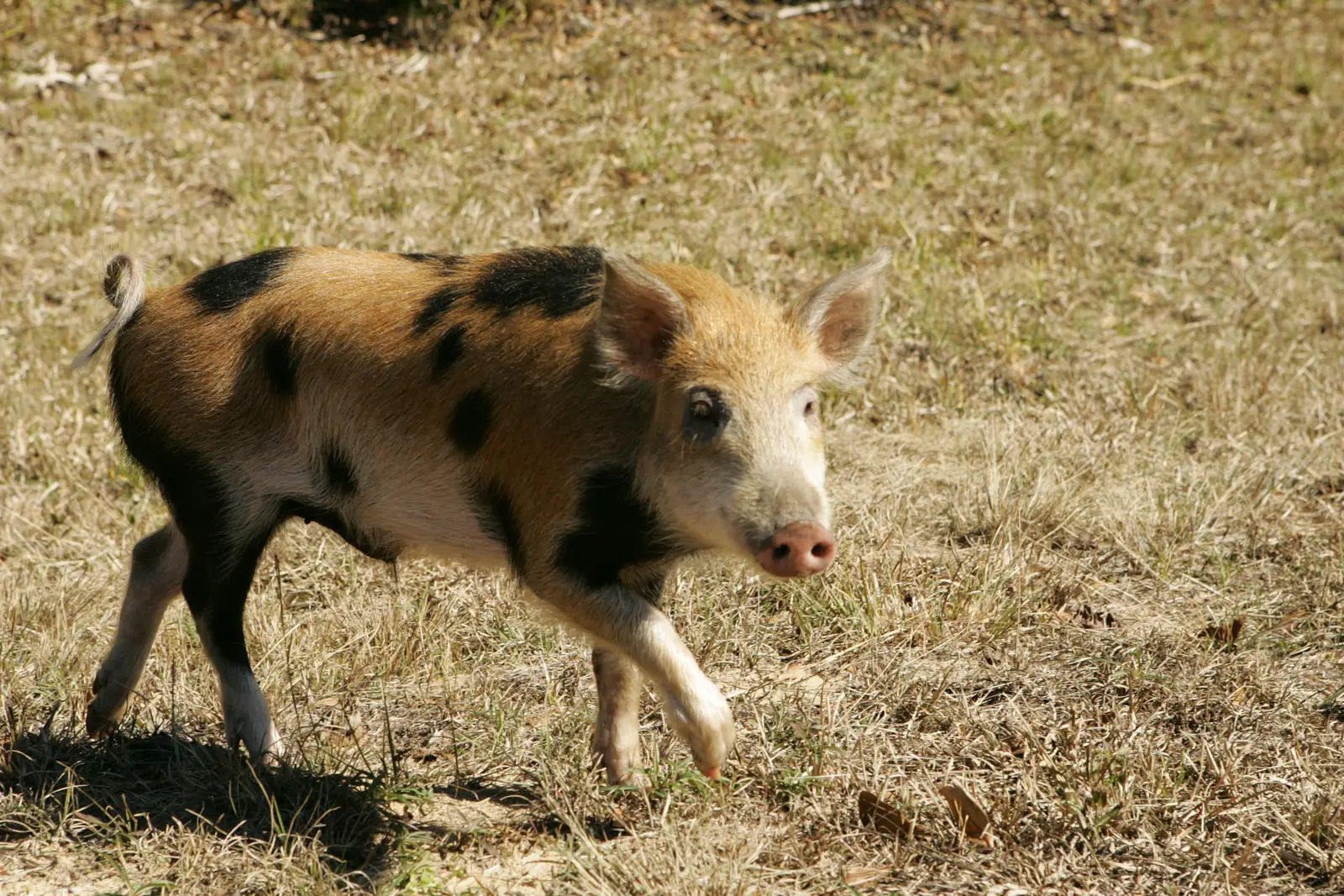
Oklahoma sits among the 2026 pilot program states, and the pilot projects there are organized around specific watersheds. Pasture and cropland take heavy hits, and native prairie isn’t spared either. Reporting this fall noted that their destructive rooting and wallowing behaviors tear up established pasture, degrade soil quality and ruin crops like winter wheat.
Native grassland is slow to rebuild once the sod is broken. Bare, rooted patches dry out, wash away in storms and often get colonized by whatever weedy species show up first. For ranchers and conservationists alike, it’s a frustrating cycle.
South Carolina
🔥 Would you like to save this?
We'll email this post to you, so you can come back to it later!
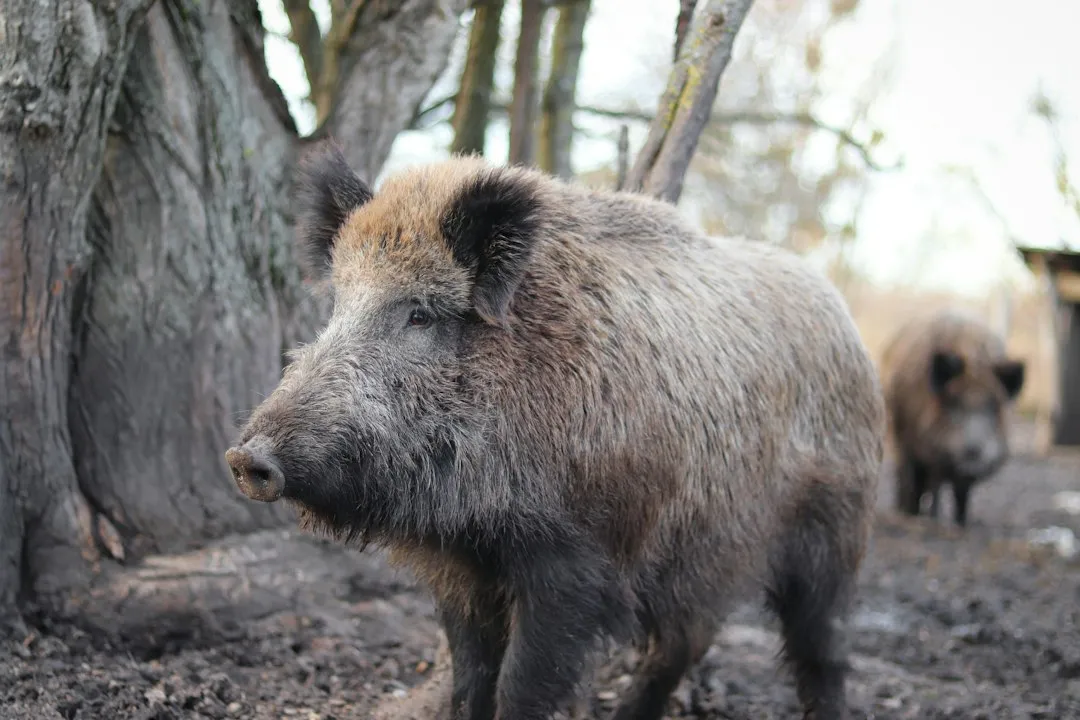
South Carolina has some of the most structured control work, with separate projects for the coast, the Lowcountry and the Upstate. That layout reflects how varied the terrain is, from tidal marsh to hardwood river swamps. Pigs thrive in nearly all of it.
Federal reporting on the pilot program found that crop damage fell where control efforts were applied. That’s encouraging, though it speaks mostly to farms, not to how fast native plant communities rebound. Wild habitats usually take longer to show results than fields do.
Alabama
🔥 Would you like to save this?
We'll email this post to you, so you can come back to it later!
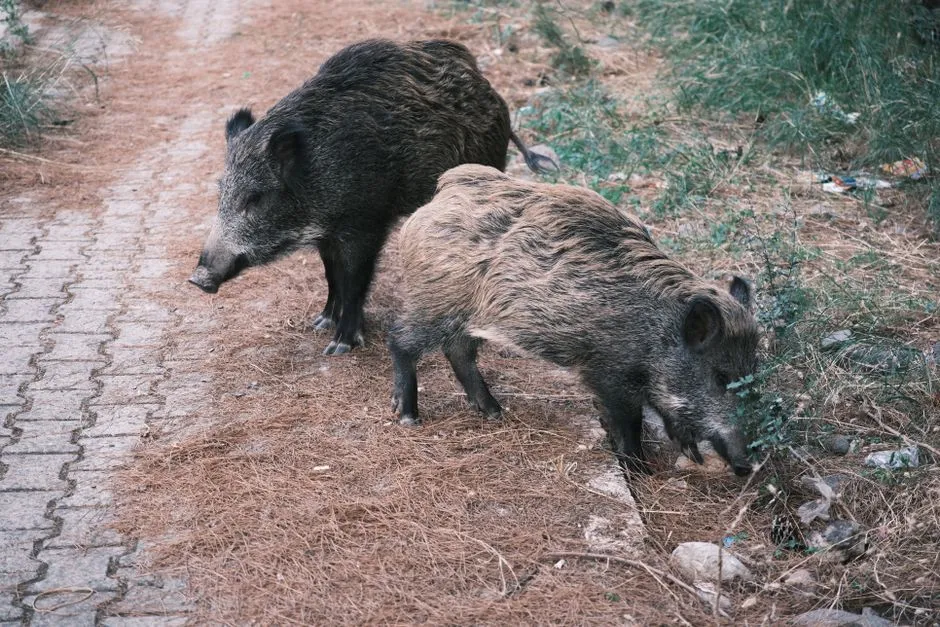
Alabama has several county based pilot projects, spread from the Gulf side up through the Black Belt region. Rivers, floodplains and mixed forest give pigs wet soil and steady food. Those same places often hold rich native plant life.
USDA describes how swine rooting in moist soil in search of roots, tubers damages soil quality and causes erosion. Washed away topsoil ends up in streams, which means the harm doesn’t stay where the pigs dug. It travels downstream.
Final Thoughts
🔥 Would you like to save this?
We'll email this post to you, so you can come back to it later!
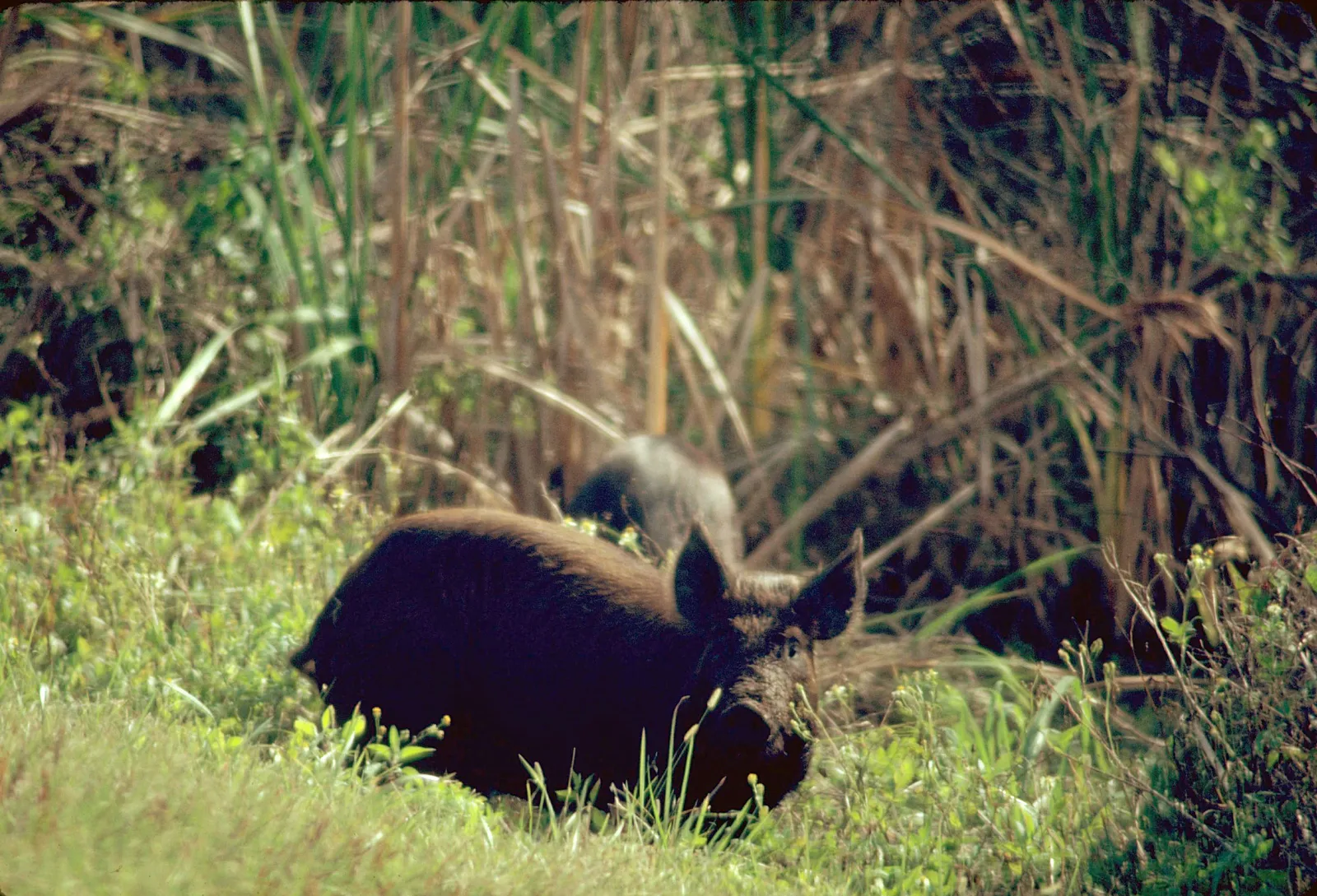
I think the soil is the part we underestimate. Plants can sometimes be replanted, but topsoil that has washed away or been compacted into wallows doesn’t come back on any human timeline. The economic numbers are big, with USDA estimating costs from feral swine damage and control at about $2.5 billion each year, yet those figures can’t capture a lost prairie or a hollowed out creek bank.
Control works best when it’s sustained and well coordinated, and the current funding push suggests officials know that. What can’t be repeated is the mistake of moving pigs to new places, which USDA specifically warns against. Prevention is cheaper than cleanup, and the animals we’ve already got are proof of that.

- 7 Everyday Habits That Can Make Your Senior Dog Happier - November 5, 2026
- 10 Enigmatic Structures That Continue to Puzzle Scientists Today - November 5, 2026
- 10 Strange Ruins in the Americas That Challenge What We Know About Early History - November 5, 2026