
Worried about unexpected vet bills?
Pet insurance can cover thousands in unexpected vet costs. Get a free quote from Lemonade in under 2 minutes.
Get My Free Quote →Sponsored · Opens Lemonade.com
Nature’s fury comes in many forms, yet few phenomena strike fear into the hearts of Americans quite like tornadoes. These rotating columns of destruction have carved their way through communities for generations, leaving behind stories of survival, loss, and remarkable resilience. When we think about tornado-prone regions, certain images come to mind: endless plains under dark skies, sirens wailing across rural towns, and families huddled in storm shelters.
While the traditional concept of “Tornado Alley” remains firmly rooted in public consciousness, the reality of tornado distribution across the United States tells a more complex story. Recent data reveals that 2024 became one of the most active years on record for tornadoes, with more than 1,735 confirmed twisters touching down across America. Let’s explore which states truly bear the heaviest burden when nature unleashes its most violent storms.
Texas: The Tornado Capital
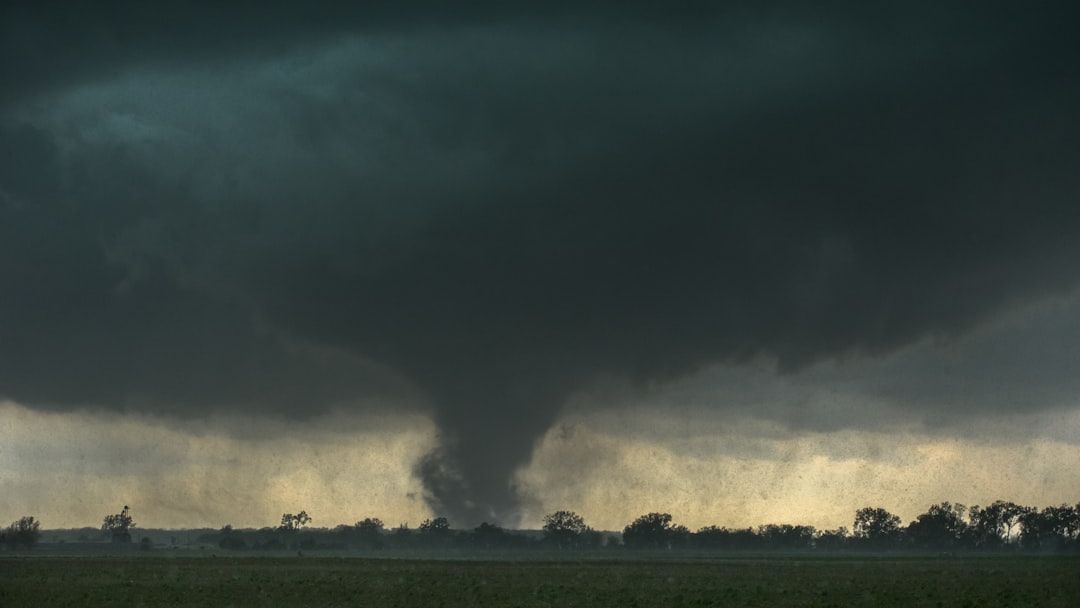
Texas leads the nation with an overwhelming average of 155 tornadoes annually, and 2024 saw the Lone Star State experience 169 confirmed tornadoes. The sheer size of Texas plays a significant role in these staggering numbers, but geography and climate create the perfect storm conditions. From the Panhandle plains to the Gulf Coast, different regions of Texas face unique tornado threats throughout the year.
The state’s position at the intersection of multiple weather patterns makes it particularly vulnerable, with Hurricane Beryl alone contributing numerous tornadoes to 2024’s record-breaking count. Dallas-Fort Worth and surrounding North Texas communities have become unfortunately familiar with the devastating power of these storms, experiencing some of the most destructive tornadoes in recent memory.
Iowa: The Surprising Runner-Up
Iowa secured second place in 2024 with 131 tornadoes, tying with Nebraska for this position in the year’s final tallies. This might surprise those who associate tornado activity primarily with southern states, yet Iowa’s position in the heart of the Great Plains makes it a prime target for severe weather systems. The state’s relatively flat terrain provides little to disrupt the formation and movement of powerful storm systems.
The most notable event was the devastating EF4 tornado that struck Greenfield, Iowa, in May 2024, with measured winds reaching 185 mph. This violent tornado served as a stark reminder that Iowa’s seemingly peaceful agricultural landscape can become a battlefield when atmospheric conditions align perfectly for tornado development.
Nebraska: Plains State Powerhouse
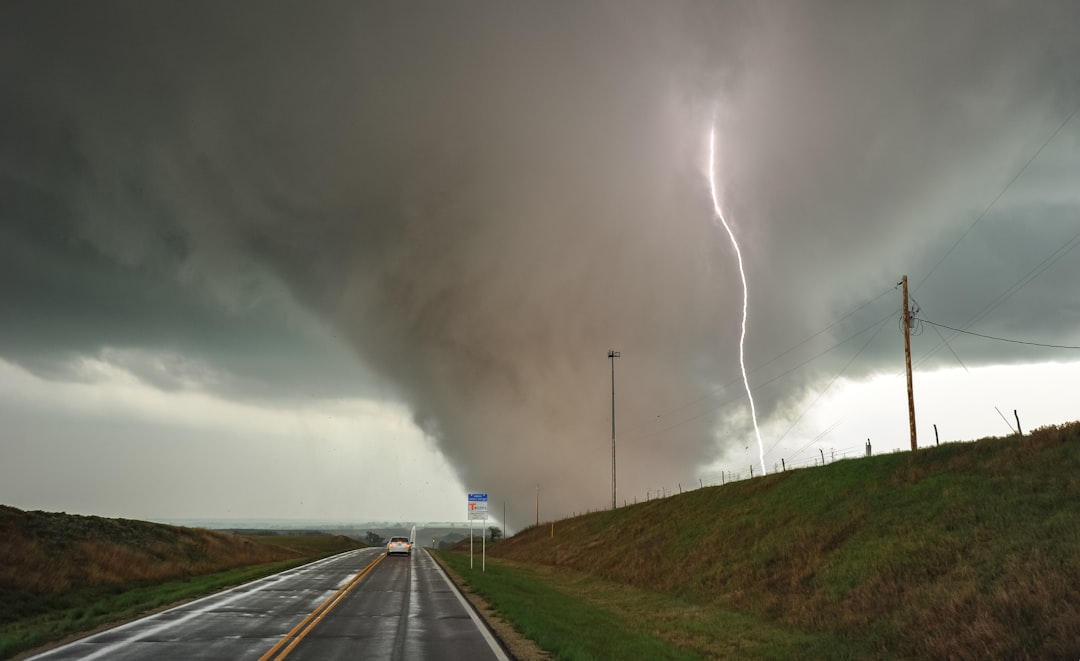
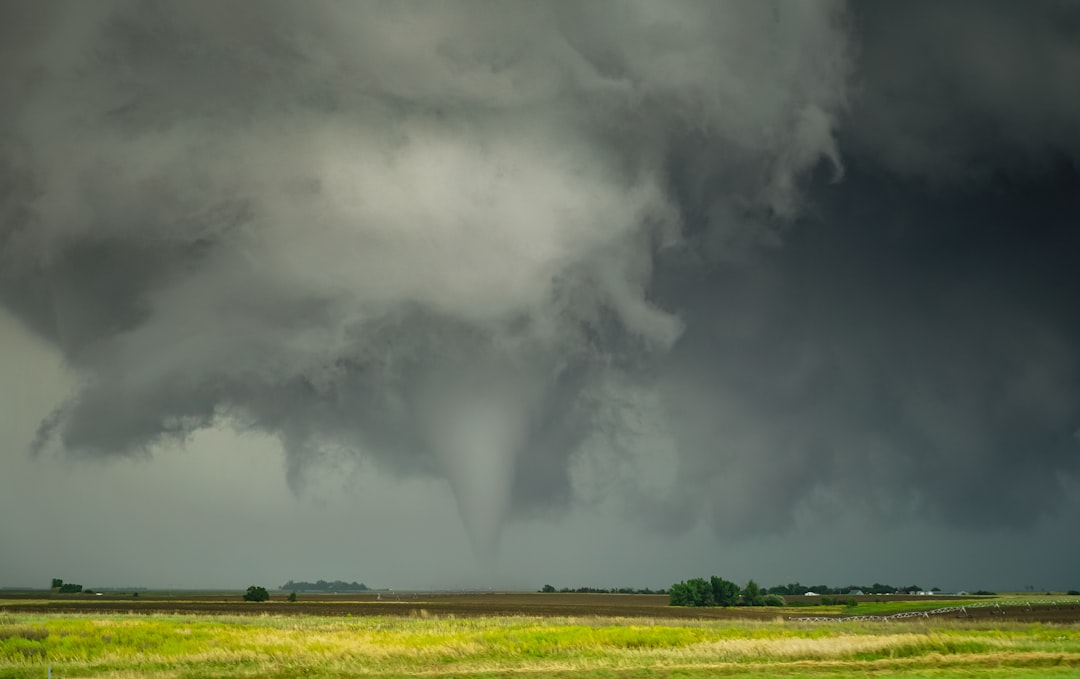
Nebraska matched Iowa’s 2024 tornado count at 131 confirmed tornadoes, while maintaining an average of 57 tornadoes annually over longer periods. The Cornhusker State sits squarely within the traditional Tornado Alley boundaries, where cold, dry air masses from Canada collide with warm, moist air flowing northward from the Gulf of Mexico. This atmospheric battle zone frequently produces the supercell thunderstorms that spawn the most dangerous tornadoes.
Nebraska ranks fifth overall nationally for sheer tornado numbers throughout recorded history. The state’s wide open spaces and sparse population sometimes mask the true frequency of tornado activity, as many twisters touch down in rural areas with minimal property damage but significant meteorological impact.
Illinois: The Eastern Shift
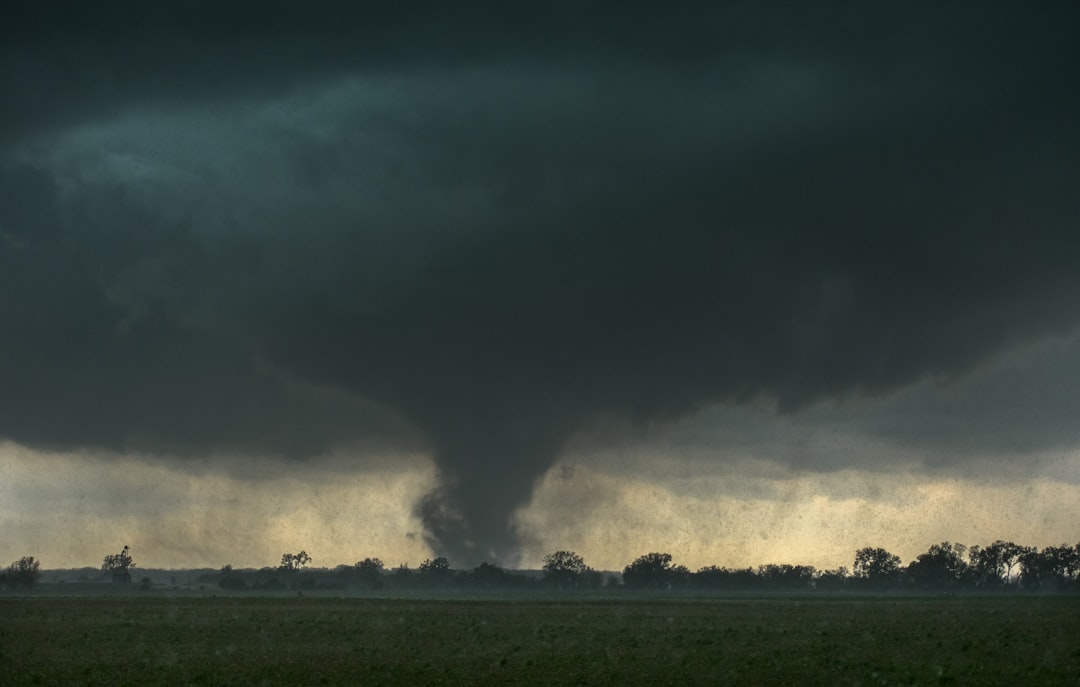
Illinois surprised meteorologists in 2024 by recording 126 confirmed tornadoes, representing a significant increase from previous years. The Prairie State averages 54 tornadoes annually, though not traditionally considered part of Tornado Alley. This uptick reflects what scientists call the eastward shift of tornado activity, as changing climate patterns alter traditional storm tracks across the American heartland.
Remarkably, despite Illinois recording 491 tornadoes between 2020 and 2024, the state reported no tornado-related deaths during this period and only 10 injuries. This success story highlights the importance of early warning systems and public preparedness in minimizing tornado casualties, even as storm frequency increases.
Missouri: Show-Me State Storms
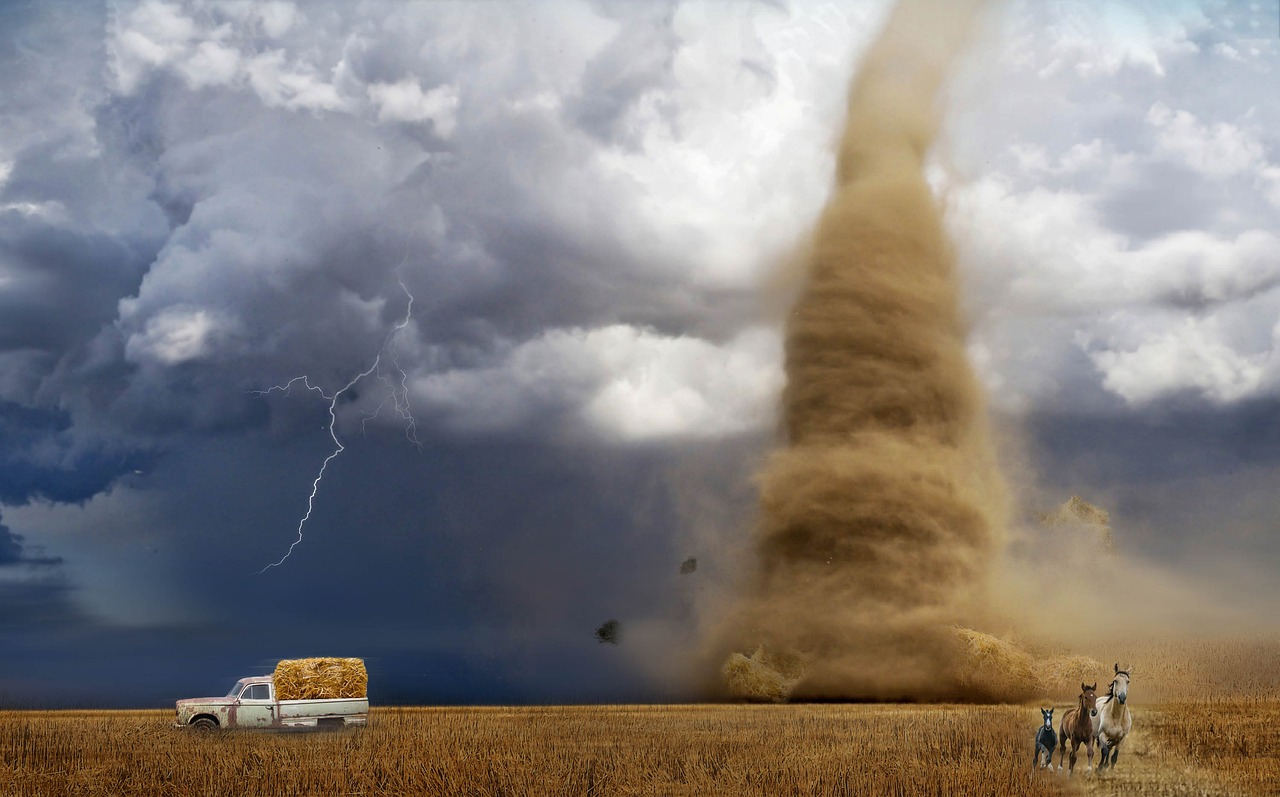
Missouri completed the top five tornado states in 2024 with 105 confirmed tornadoes, maintaining its average of 45 tornadoes per year. The state’s position at the crossroads of multiple climate zones creates volatile conditions during spring and early summer months. From the Ozark Mountains to the Mississippi River plains, Missouri’s diverse topography influences how storms develop and move across the region.
Missouri holds a tragic place in tornado history, having been struck by the deadliest tornado in American history – the 1925 Tri-State Tornado that killed 695 people, and more recently, the devastating 2011 Joplin tornado that claimed 158 lives. These catastrophic events underscore why Missouri remains vigilant in tornado preparedness and response efforts.
Oklahoma: Traditional Tornado Territory
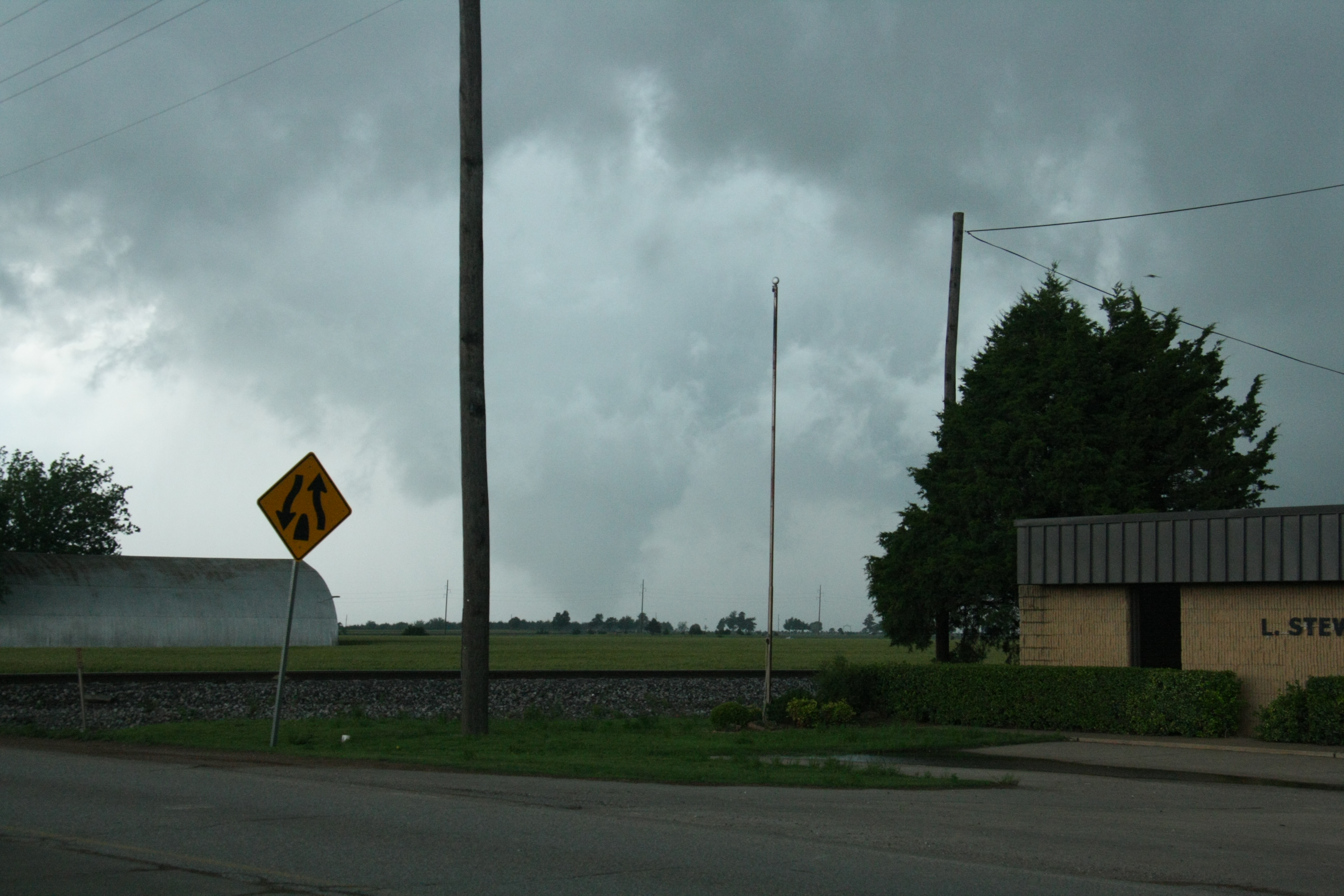
Oklahoma experiences an average of 62 tornadoes annually, firmly establishing its reputation as a tornado-prone state. The Sooner State holds the distinction of experiencing more violent EF-4 and F4+ tornadoes than any other state, with 65 recorded between 1950 and 2016. This concentration of intense tornadoes reflects Oklahoma’s position at the heart of Tornado Alley, where atmospheric conditions frequently favor supercell thunderstorm development.
Oklahoma’s relatively small geographic size means tornado density per square mile ranks among the nation’s highest. The state has invested heavily in meteorological research and warning systems, hosting the National Weather Service’s Storm Prediction Center in Norman. Despite these advanced preparations, Oklahoma communities continue facing regular tornado threats each spring and summer.
Kansas: Twister Territory
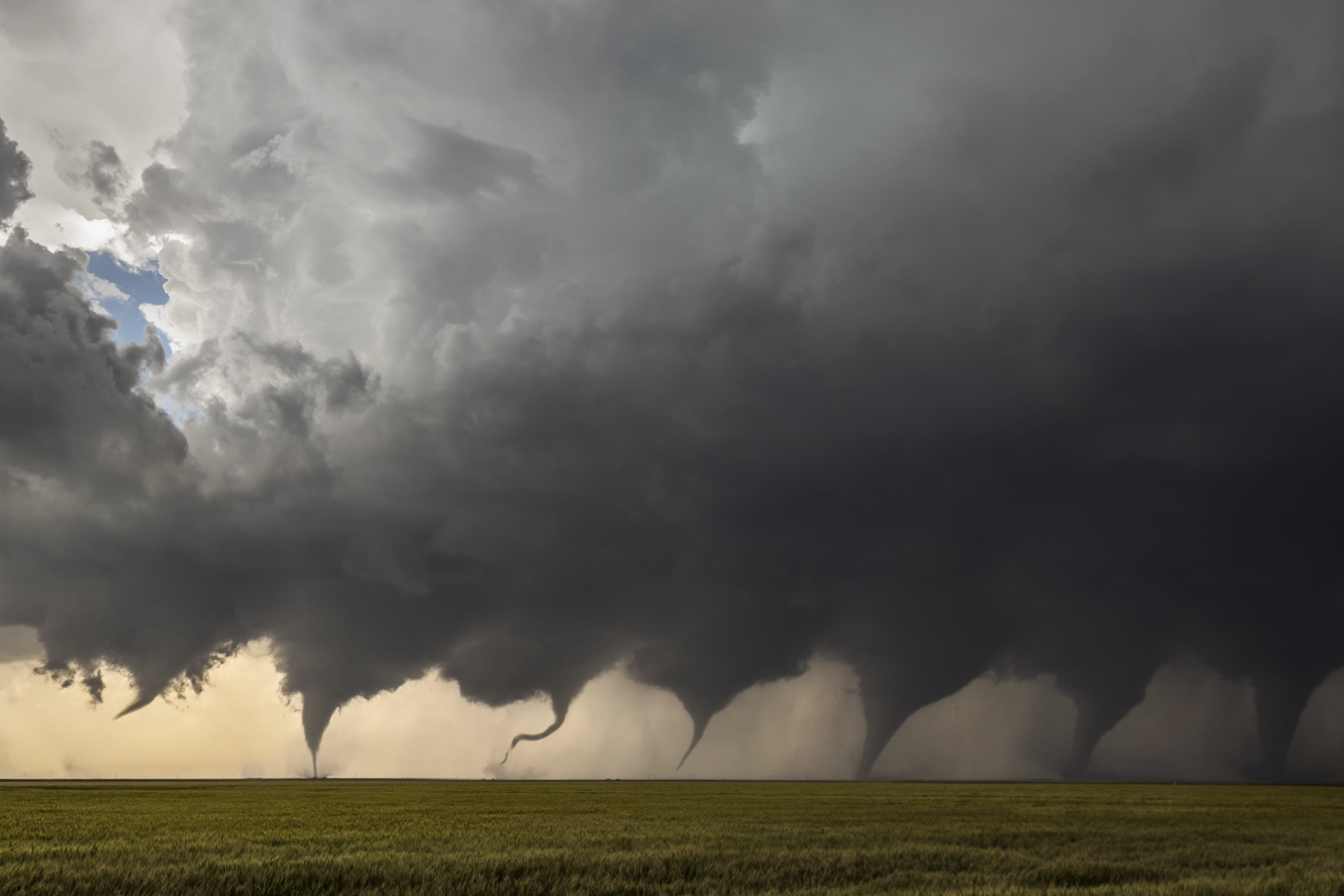
Kansas typically experiences 91-96 tornadoes annually, making it consistently one of America’s most tornado-active states. The state’s position in the center of Tornado Alley means it regularly experiences the collision of contrasting air masses that create ideal tornado conditions. From Dodge City to Kansas City, communities across the state have developed deep expertise in tornado preparedness and recovery.
Kansas experienced one of the most powerful tornadoes ever recorded when an EF5 tornado devastated Greensburg in 2007, measuring 1.7 miles wide with winds exceeding 205 mph. The complete destruction of Greensburg and its subsequent rebuilding as a green, sustainable community demonstrates both the devastating power of Kansas tornadoes and the resilience of its people.
Florida: The Unexpected Contender
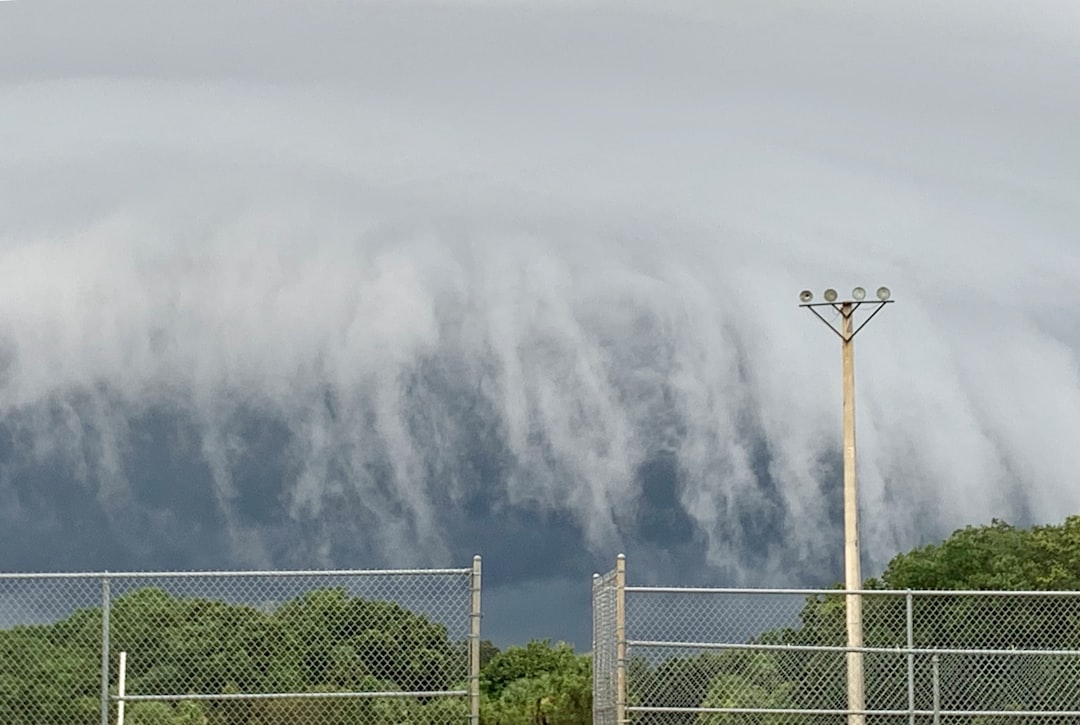
Florida ranks third nationally with an average of 66 tornadoes per year, despite not being geographically part of traditional Tornado Alley. The Sunshine State actually reports more tornadoes than many Plains states, with 2,884 confirmed tornadoes between 1950 and 2006. However, most Florida tornadoes are relatively weak compared to their Midwest counterparts.
Florida’s tornado activity stems from its abundant thunderstorm activity rather than the supercell systems common in the Plains, resulting in generally weaker but more frequent tornadoes. Hurricane Milton in 2024 dramatically increased Florida’s tornado count, spawning more than twice the daily record and becoming the first hurricane since the 1960s to produce more than three EF3 tornadoes.
Conclusion
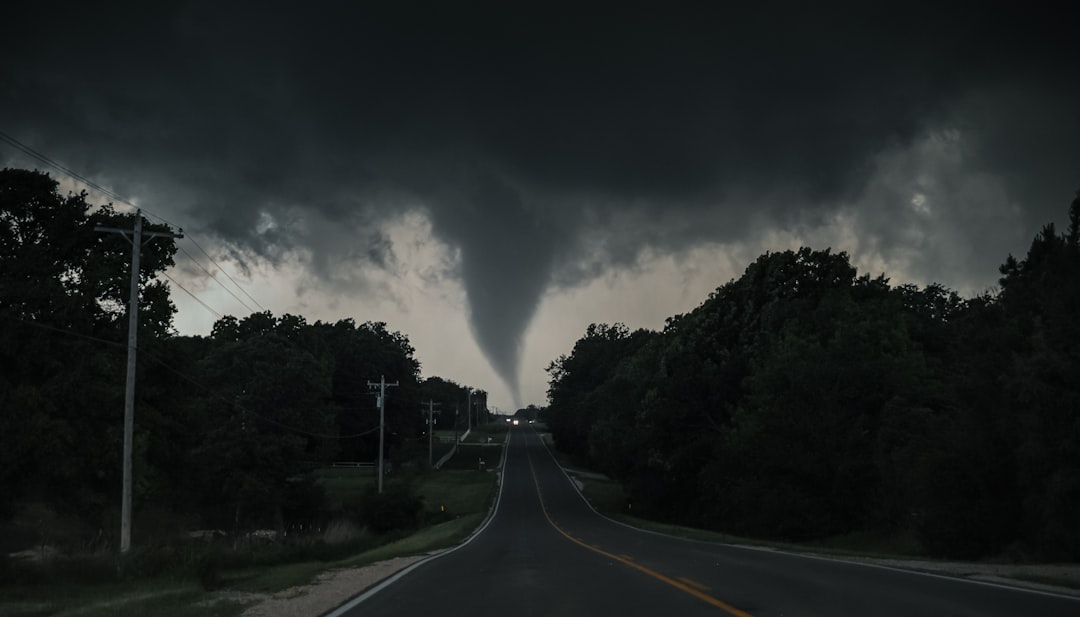
The tornado map of America continues evolving as climate patterns shift and our understanding of severe weather improves. While states like Texas, Iowa, and Nebraska dominated 2024’s tornado statistics, the eastward migration of tornado activity brings new challenges to regions historically less prepared for these violent storms.
Despite 2024 being the second most active tornado year on record, fatalities remained below the 20-year average, with 48 deaths compared to an average of 78. This encouraging trend reflects improved forecasting, better warning systems, and enhanced public awareness across all tornado-prone states.
What surprises you most about America’s tornado geography? The data reveals that tornado threats extend far beyond the traditional Tornado Alley, affecting communities from Florida’s Gulf Coast to Iowa’s cornfields. Tell us in the comments which of these tornado statistics caught you off guard.
Worried about unexpected vet bills?
Pet insurance can cover thousands in unexpected vet costs. Get a free quote from Lemonade in under 2 minutes.
Get My Free Quote →Sponsored · Opens Lemonade.com

- What North American Wild Animal Reflects Your Zodiac Sign - June 8, 2026
- Which Zodiac Signs Would Bond Best With Wild Horses - June 8, 2026
- 10 Rare Desert Flowers That Bloom Only Under Perfect Conditions - June 8, 2026