
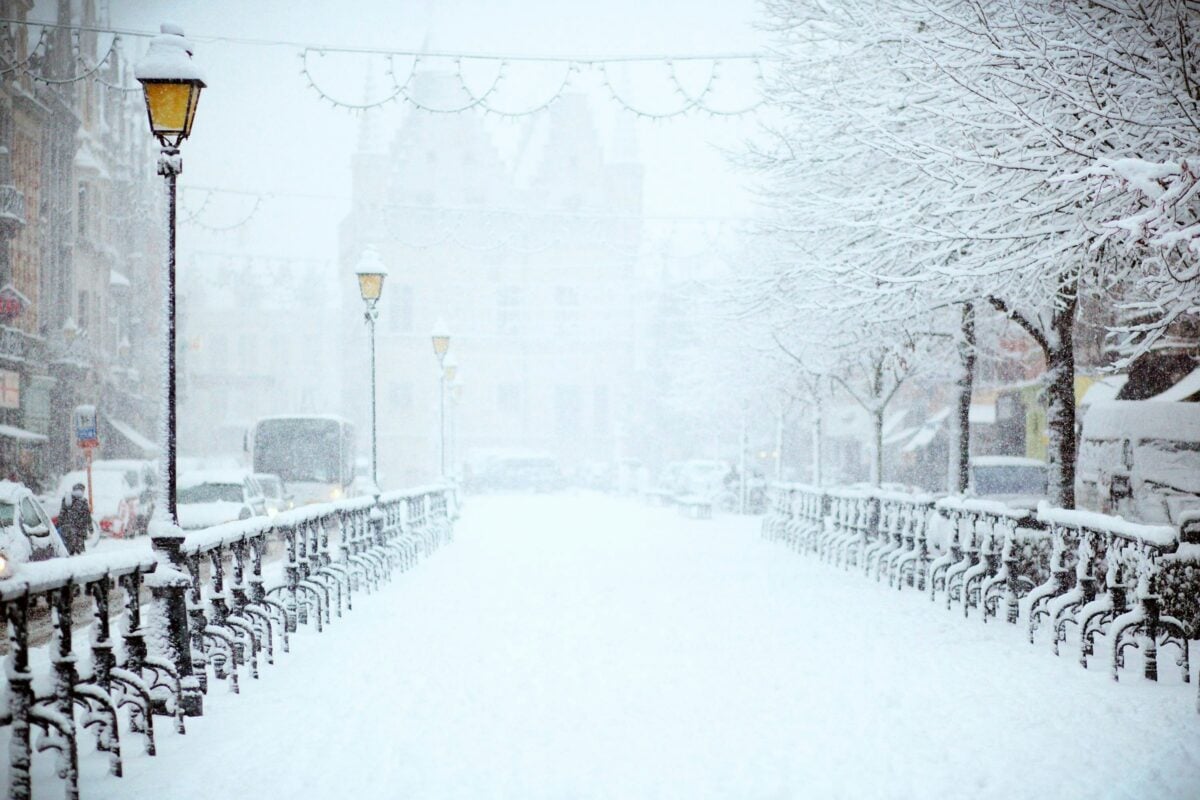
Ask anyone who grew up on a farm what the first snow means, and you’ll probably get more than a weather report. You’ll get a rule, a warning, or a half-remembered saying from a grandparent. Some of these beliefs are older than the country itself, carried over from Europe and reshaped by life on American land.
Most of them don’t hold up to meteorology, and nobody serious claims they do. Still, they’ve lasted for a reason. They tell us what people worried about, what they hoped for, and how they made sense of a long winter.
The First Snow Predicts How Many Snows Will Follow
🔥 Would you like to save this?
We'll email this post to you, so you can come back to it later!
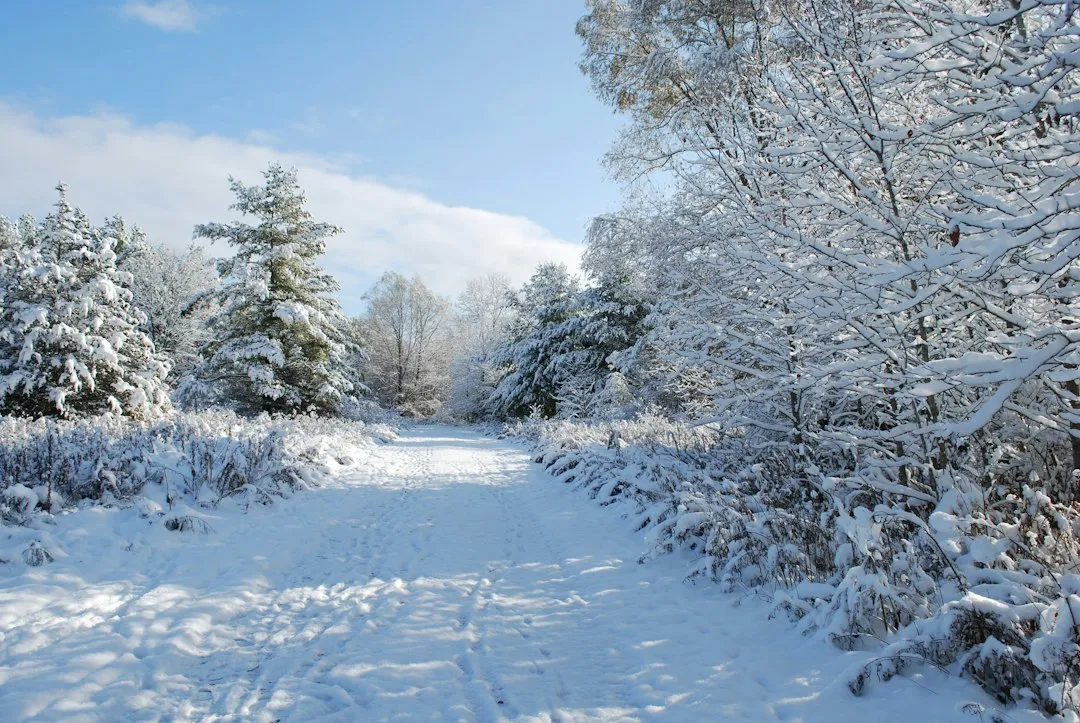
One of the most common folk ideas is that the date or size of the first snowfall sets the pattern for the season. An early, heavy snow supposedly means a hard winter, while a light dusting hints at a gentler one. Versions of this show up in farm almanac traditions across the Midwest, Appalachia, and New England.
There’s no reliable scientific link between a single early storm and the whole winter. Forecasters look at larger patterns like ocean temperatures and jet stream behavior instead. Even so, the belief persists because it gives people something to plan around, and planning mattered when wood and feed had to last until spring.
Counting Fog Days to Count Snowstorms
🔥 Would you like to save this?
We'll email this post to you, so you can come back to it later!
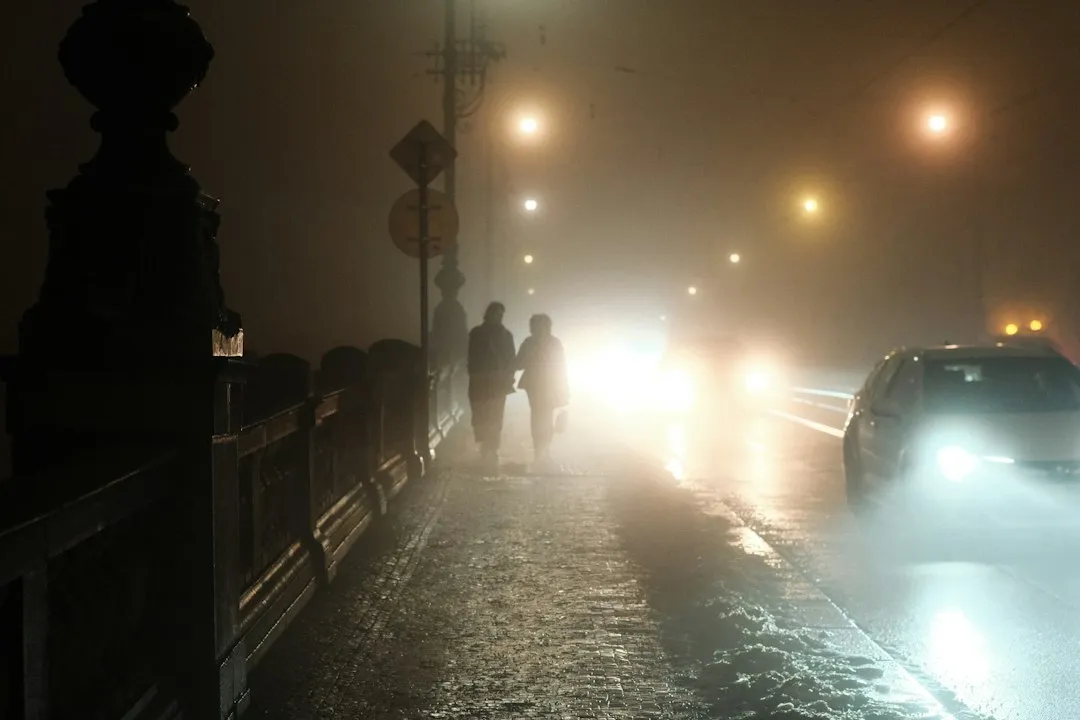
A related bit of lore says the number of foggy mornings in August tells you how many snows to expect in winter. Some rural families kept tallies, marking calendars while the corn was still tall. It’s a charming habit, and it shows how closely people watched the sky.
Folklore collections and almanacs have repeated this kind of rule for generations, though I wouldn’t bet your firewood supply on it. The appeal is the ritual. Counting turned an uncertain season into something you could at least keep track of.
Woolly Bear Caterpillars as Winter Forecasters
🔥 Would you like to save this?
We'll email this post to you, so you can come back to it later!
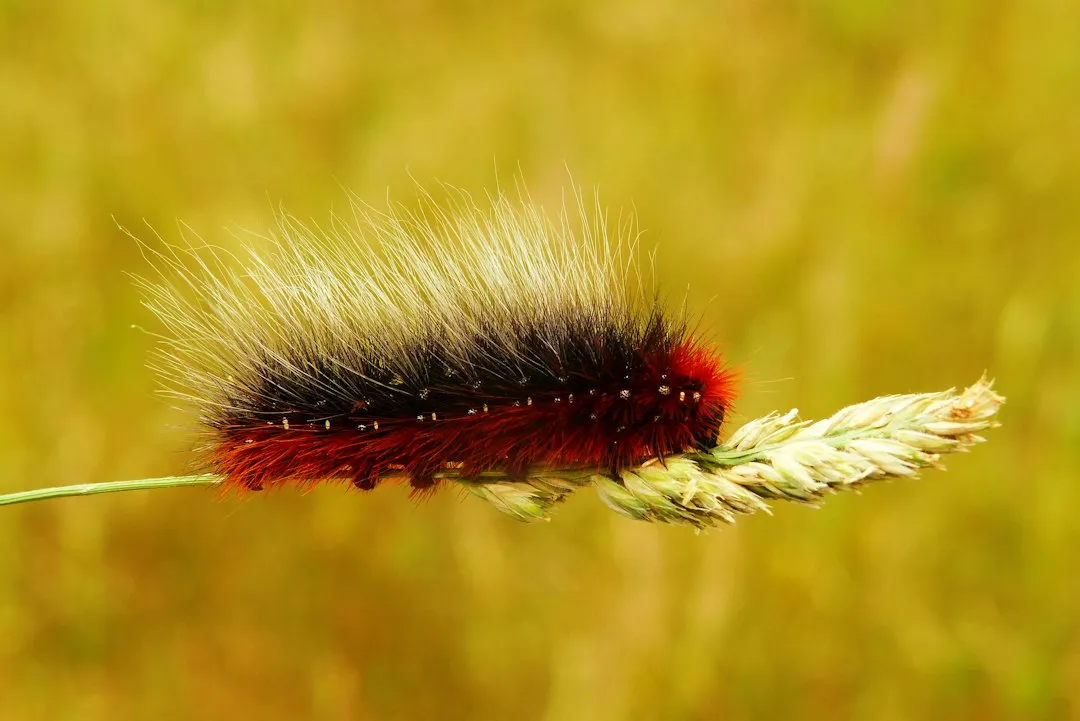
Few rural beliefs are as well known as the woolly bear caterpillar. The story goes that wider rusty bands on its body mean a mild winter, and more black means a harsh one. Towns in the Midwest and Northeast even hold woolly bear festivals each autumn.
Scientists who have looked at it say the band pattern reflects the caterpillar’s age and growing conditions, not the coming snow. It’s a fun tradition, and the festivals are mostly about community now. Think of it as a good excuse to get outside in October.
Thick Corn Husks, Fat Squirrels, and Other Animal Signs
🔥 Would you like to save this?
We'll email this post to you, so you can come back to it later!
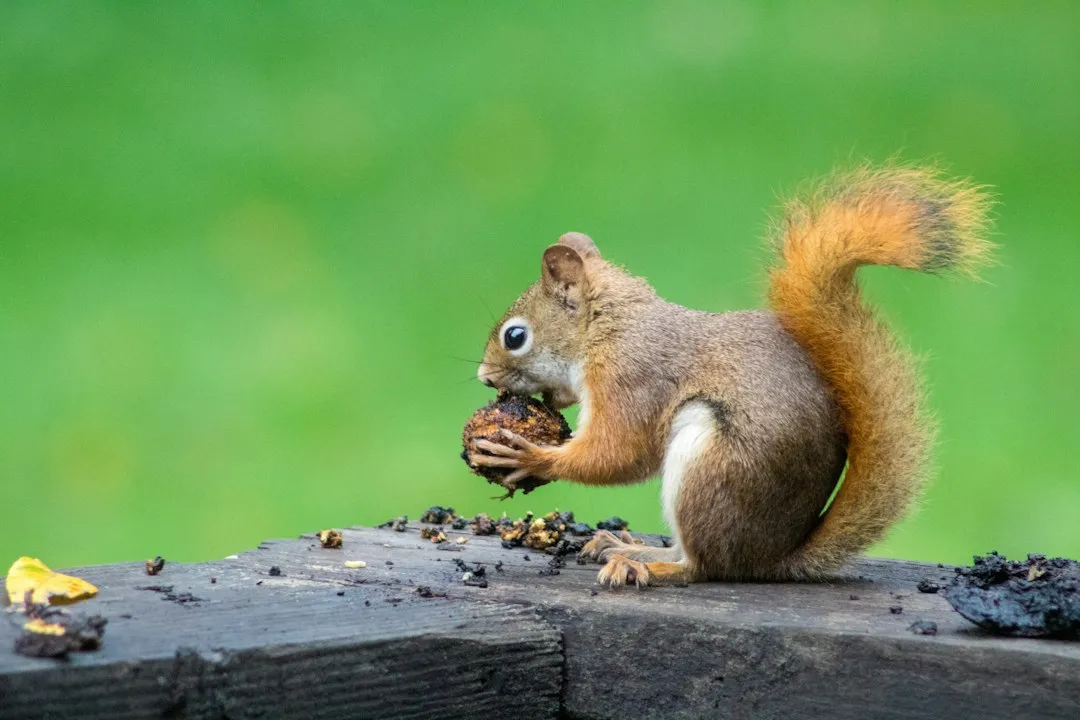
Before the first flakes fall, many country folks say, nature has already hinted at what’s coming. Thick corn husks, heavy squirrel nut stashes, and thick animal coats are all supposed to signal a snowy stretch ahead. These ideas get passed along at feed stores and kitchen tables every fall.
Animals do respond to the conditions they’ve lived through, like food supply and recent temperatures. That’s not the same as predicting months ahead. The belief survives because it feels like a conversation with the natural world, and that’s hard to give up.
Snow on a Particular Day Carries Meaning
🔥 Would you like to save this?
We'll email this post to you, so you can come back to it later!
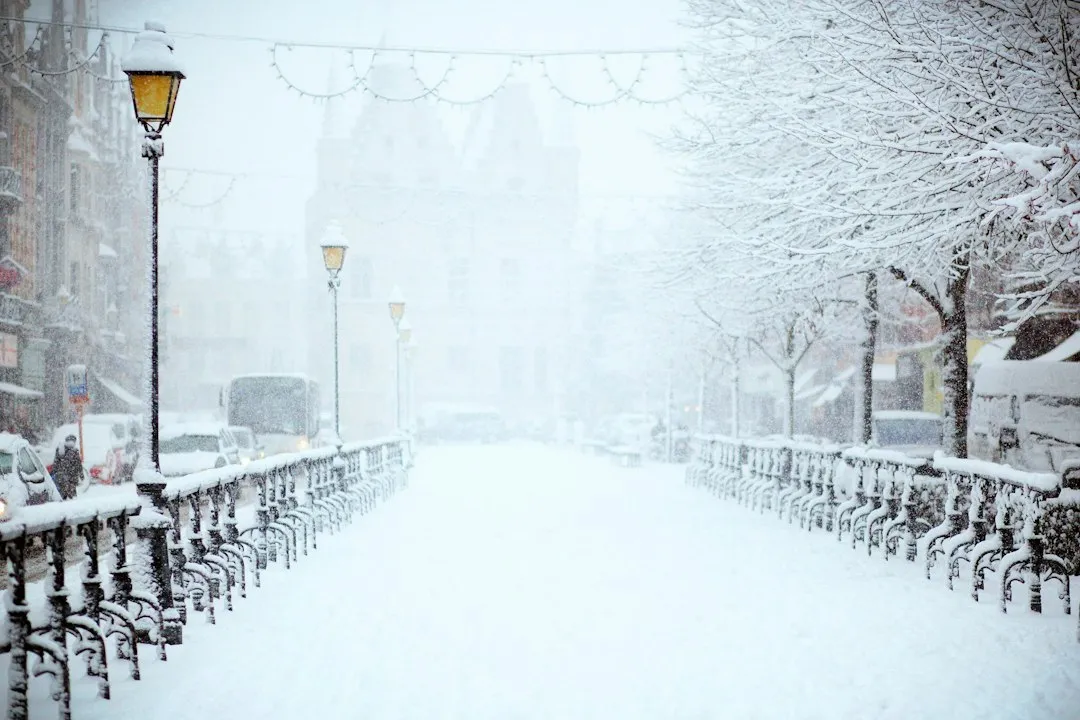
Some traditions tie the first snow to specific dates, especially saints’ days or holidays from the old European calendar. Immigrant communities brought sayings like these with them, and some lingered in pockets of Pennsylvania, the Upper Midwest, and the Ozarks. The exact wording varies from family to family, which is a good sign it’s been handed down by mouth.
Because the details shift so much, it’s hard to pin any single version as the original. What stays steady is the idea that timing matters, and that the calendar and the weather are quietly linked. Families often treat it half as a joke and half as habit.
Make a Wish on the First Flake
🔥 Would you like to save this?
We'll email this post to you, so you can come back to it later!
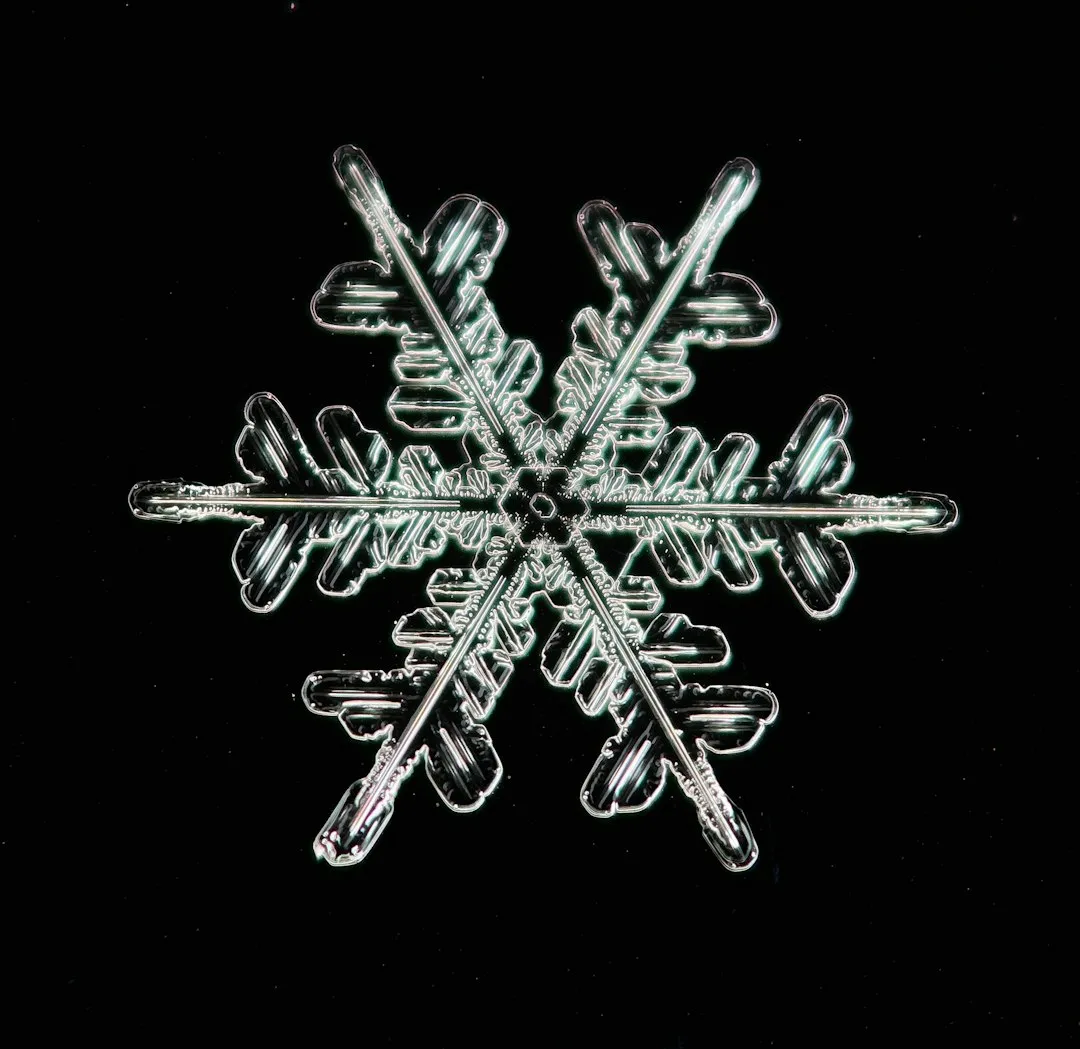
Not every belief is about forecasting. Plenty of families teach children to catch the first snowflake on their tongue or make a wish as the first flakes land. It’s a gentle custom, and it shows up in many regions with small variations.
There’s nothing to prove here, and nobody’s trying to. The point is the moment itself, a small pause in a busy fall. For kids especially, it turns a cold, gray day into something to look forward to.
Hanging Onto Old Chores and Signs of Preparation
🔥 Would you like to save this?
We'll email this post to you, so you can come back to it later!
In many rural households, the first snow was a deadline. Stock needed shelter, pipes had to be wrapped, and wood had to be stacked. Sayings grew up around this, like superstitions that you shouldn’t leave certain jobs undone once snow had touched the ground.
Those rules were really practical advice dressed up as tradition. A belief that bad luck follows an unprepared barn is a memorable way to make sure the work gets done. Today many people still do an autumn checklist, even if they’d never call it superstition.
Why These Beliefs Refuse to Melt Away
🔥 Would you like to save this?
We'll email this post to you, so you can come back to it later!
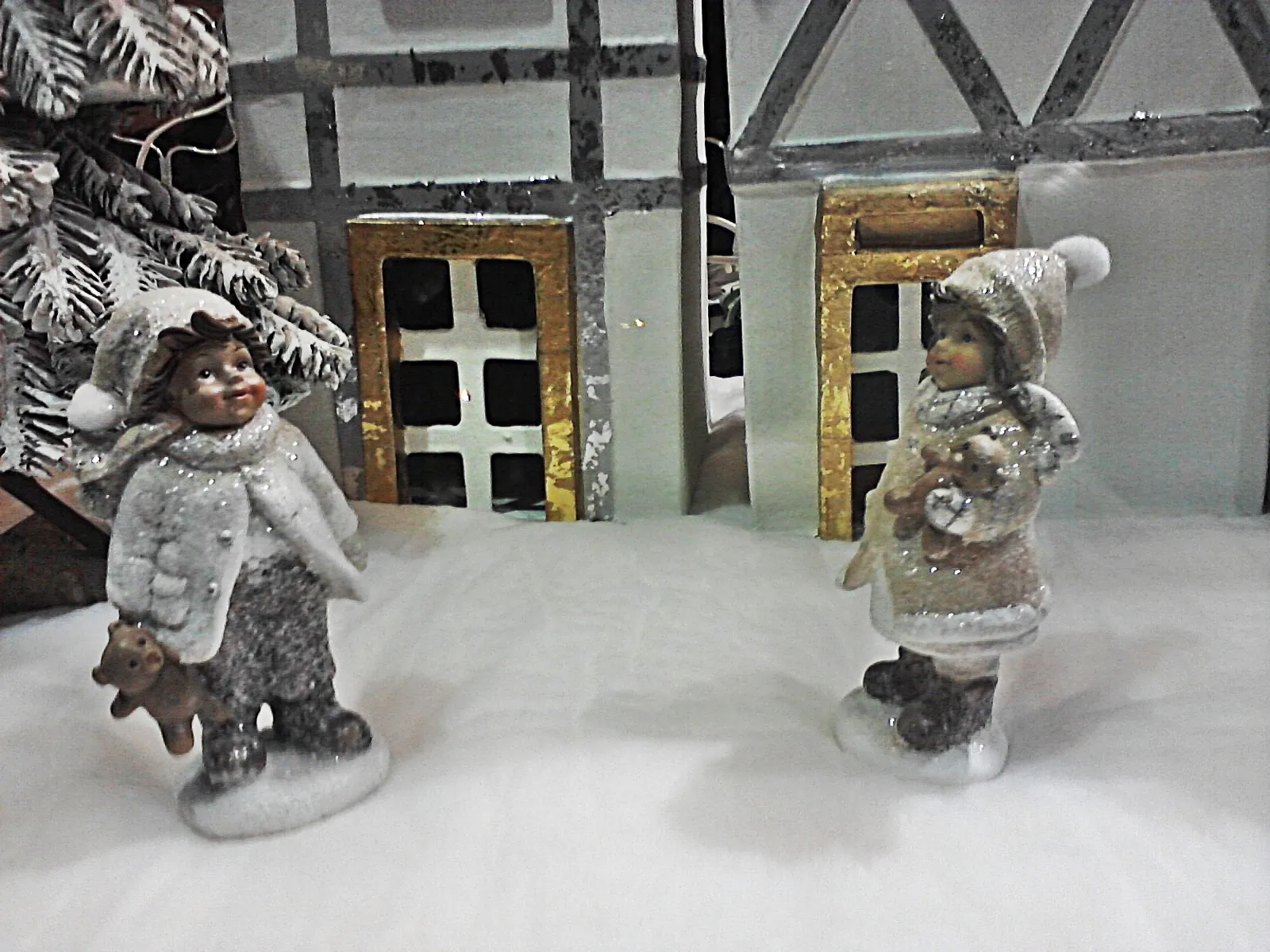
Modern forecasts are far better than any caterpillar, yet these beliefs keep showing up. Part of the reason is that they’re social. They give neighbors something to talk about, and they link younger people to the generations before them.
There’s also something honest about how people use them. Most folks I’d call tradition keepers know the sayings are more story than science. They hold on anyway, because a story about snow is a story about home.
Final Thoughts
🔥 Would you like to save this?
We'll email this post to you, so you can come back to it later!
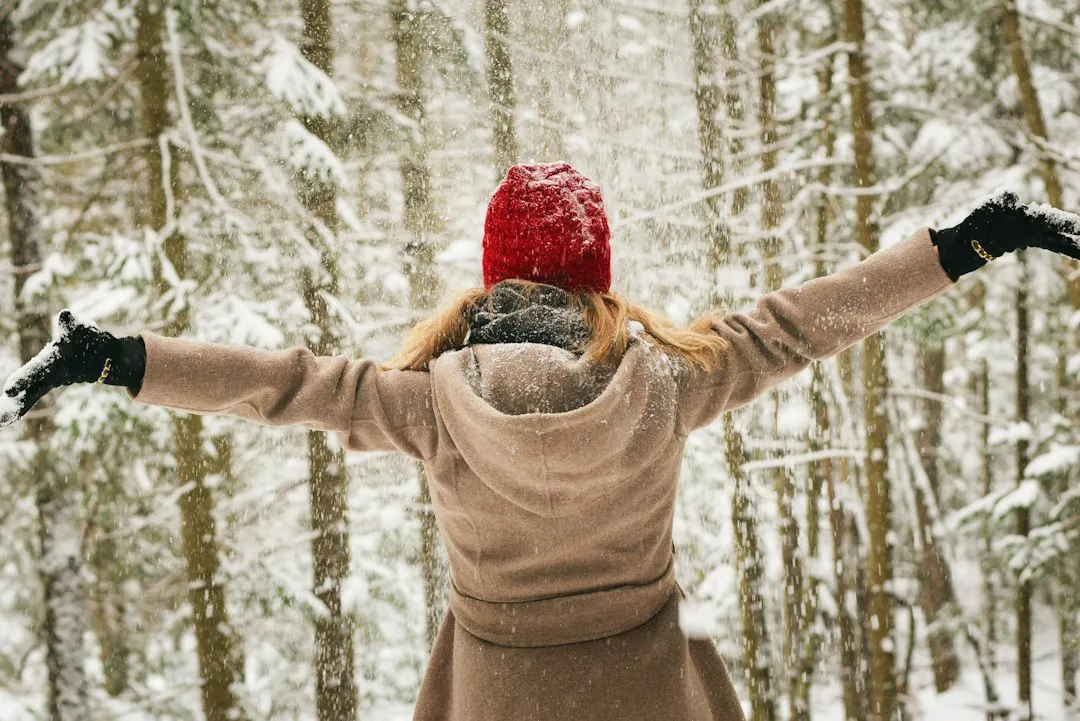
I’d argue we should keep these beliefs, just not as forecasts. Check the weather service before a storm, and then go ahead and count the fog days or squint at the caterpillar. The science tells you what’s coming, but the folklore tells you who you’re waiting out the winter with, and that part is worth protecting.

- 7 Everyday Habits That Can Make Your Senior Dog Happier - November 5, 2026
- 10 Enigmatic Structures That Continue to Puzzle Scientists Today - November 5, 2026
- 10 Strange Ruins in the Americas That Challenge What We Know About Early History - November 5, 2026