

Anyone who shares a home with a cat has probably woken up at 3 a.m. to the sound of tiny feet thundering across the floor or a soft paw tapping at the face. These nighttime antics can feel random or even annoying at first. Yet most of them trace back to instincts that once helped cats survive in the wild.
Understanding what is really going on can turn those odd hours into something a little easier to live with. The behaviors are not about bothering you on purpose. They usually serve a clear job that still matters to your cat even when the only prey around is a crumpled receipt.
Zooming Through the House at Top Speed
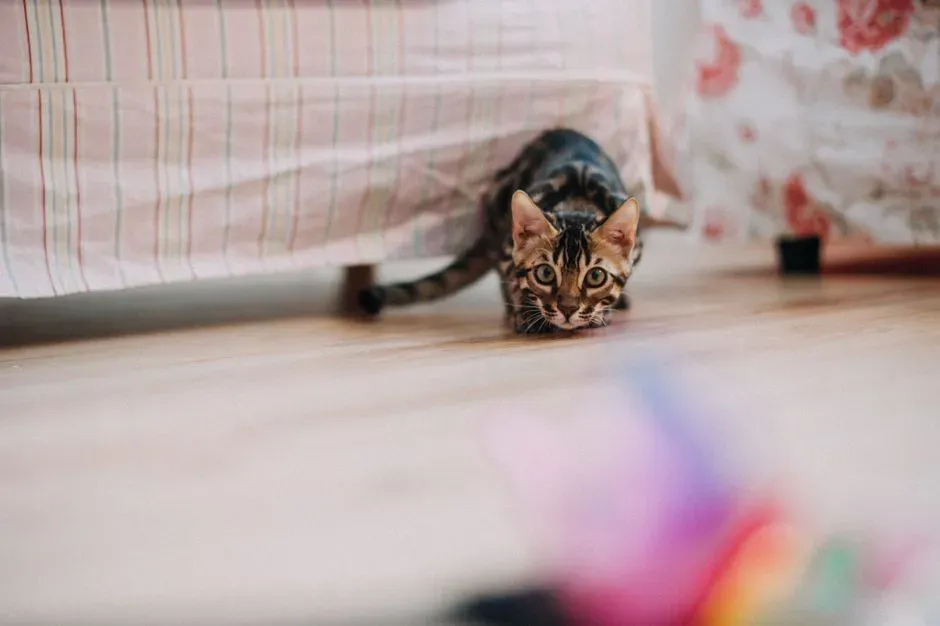
Cats are crepuscular by nature, which means their energy peaks around dawn and dusk. When the house is quiet at night, that leftover drive sometimes spills over into sudden bursts of running. The dashes let them burn off stored energy and keep their muscles ready for real hunting if the chance ever comes.
Indoor cats especially rely on these short sprints because they miss the long patrols they would take outside. A few minutes of racing from room to room satisfies the same need that once kept their ancestors sharp. After the zoomies end, most cats settle down again without any further fuss.
Meowing or Chirping at Nothing in Particular
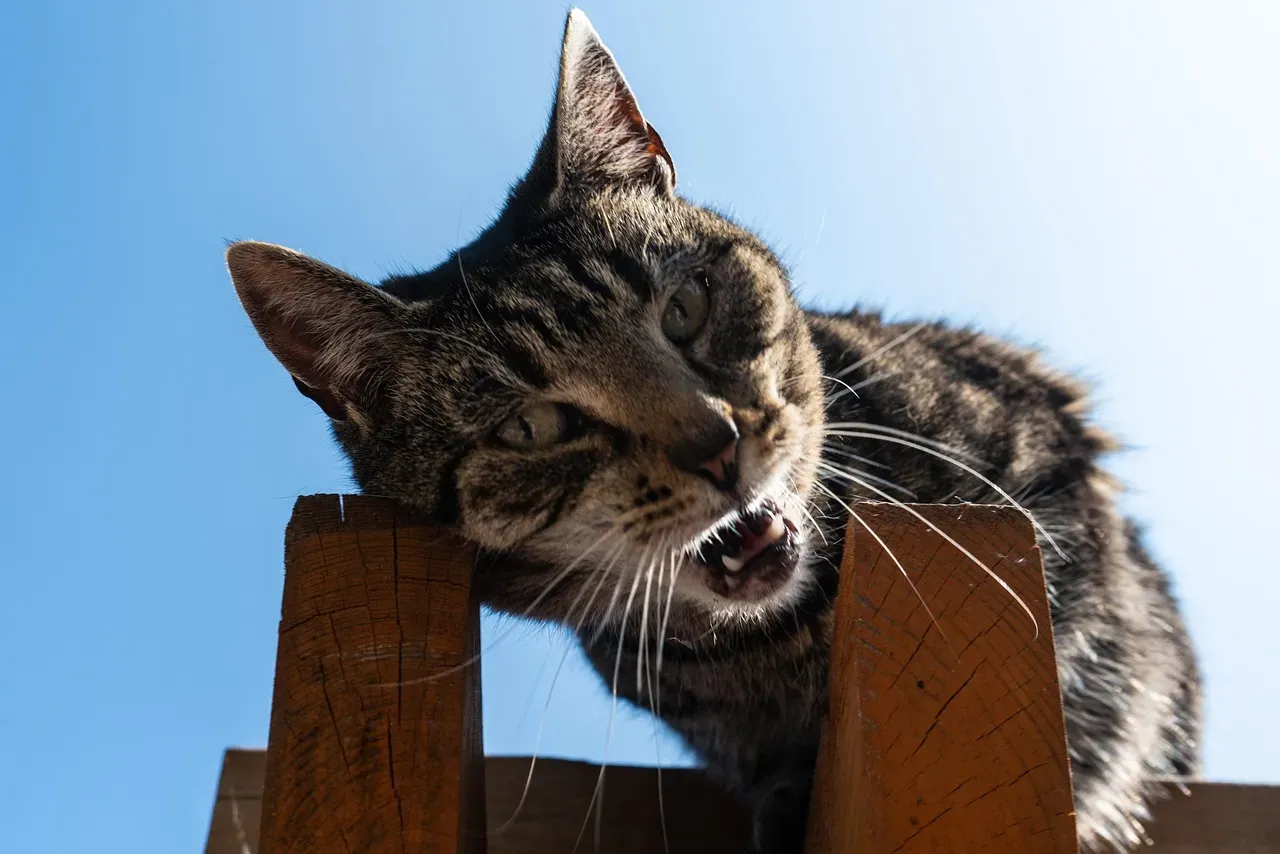
Vocalizing in the dark often works as a way to check in with the rest of the household. In the wild, cats use soft calls to stay in touch with family members while moving through territory at night. Your cat may simply be announcing its location or asking whether you are still awake and available.
Some cats also meow because they have learned it brings a response, even if the response is just a sleepy grumble. The sound carries well in still air, so a single call can travel through several rooms. Over time the habit becomes part of their nightly routine rather than a sign of distress.
Kneading Blankets or Your Legs
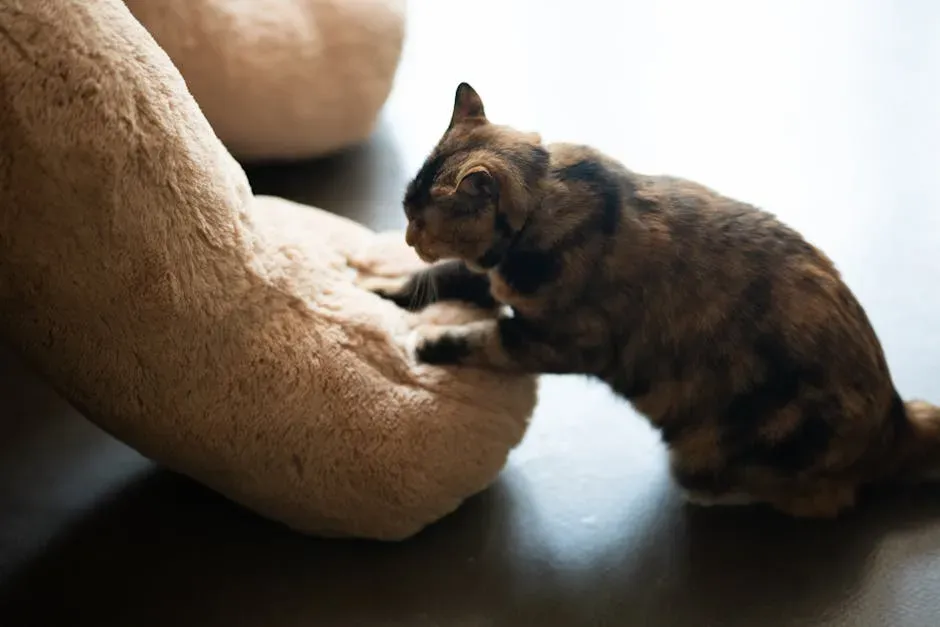
The rhythmic pushing motion cats make with their paws goes back to kittenhood when they kneaded their mother to encourage milk flow. Adult cats keep the behavior because it still feels comforting and safe. At night the motion can also help them mark the spot with scent glands in their paws.
Many cats choose the softest surface they can find, which is often the bed or a favorite blanket. The action releases tension and signals that the cat feels secure enough to relax. It is one of the quieter nighttime habits, yet it serves the same purpose it always has.
Staring Out the Window for Long Periods
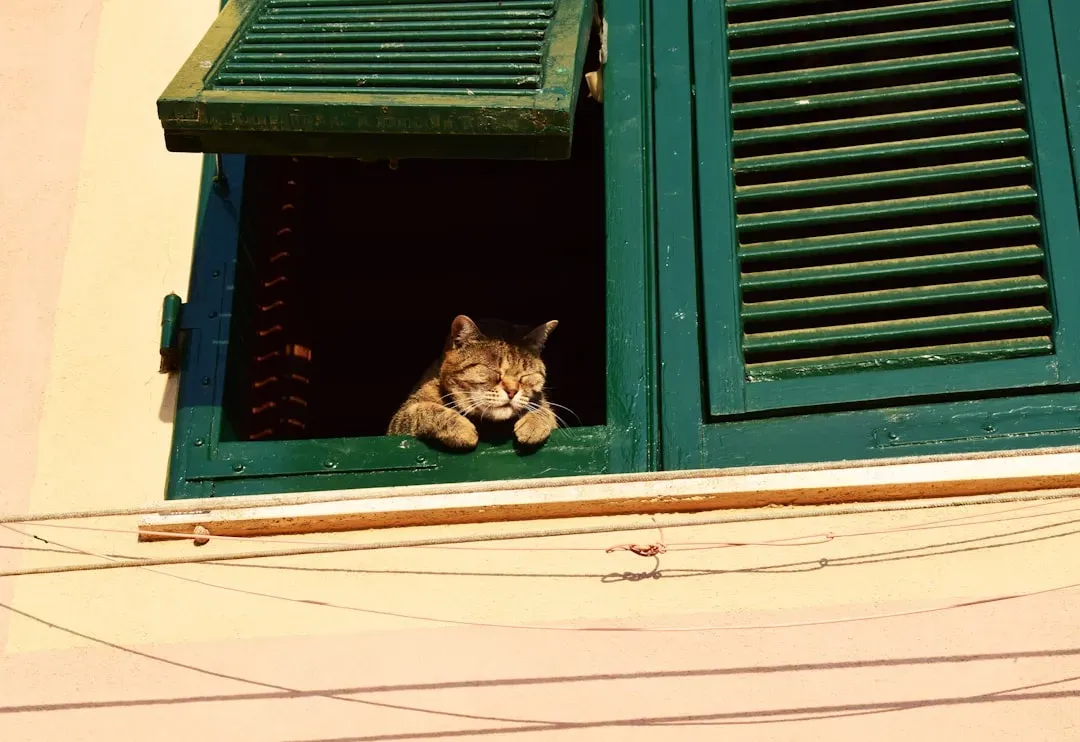
Even when the view is mostly dark, cats watch the outside world because their eyes pick up movement humans miss. Small animals, insects, or even shifting shadows can hold their attention for minutes at a time. This quiet observation keeps their hunting instincts tuned and helps them map any changes in the yard.
Indoor cats treat windows as their version of a lookout post. The habit costs little energy yet keeps the brain engaged during otherwise slow hours. When the cat finally looks away, it often moves on to another activity without any sign of frustration.
Playing With Toys or Imaginary Prey
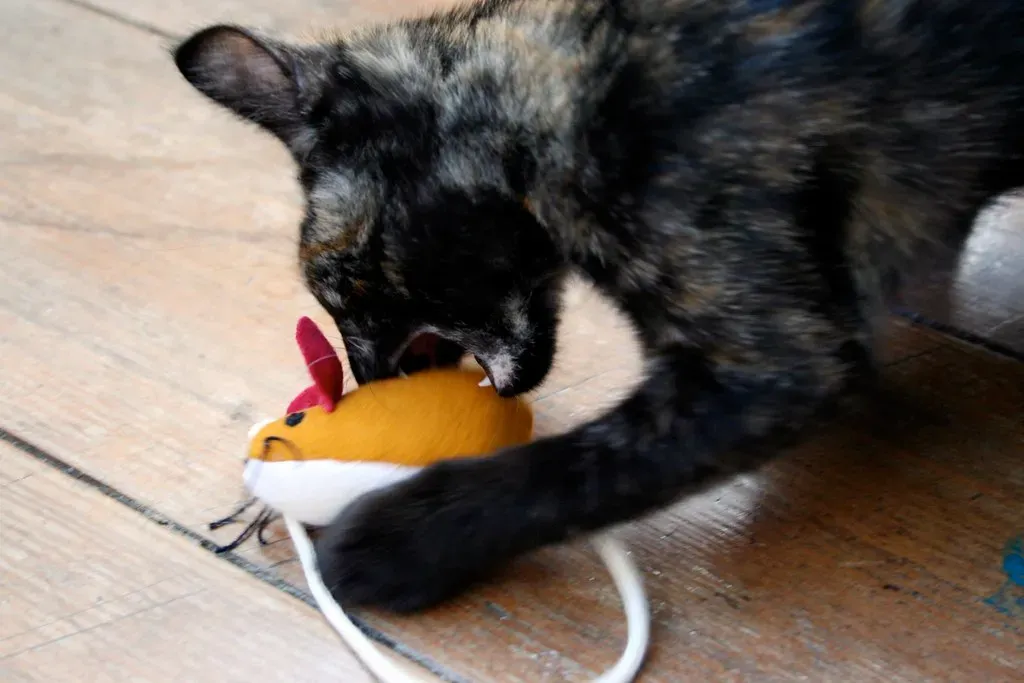
A cat batting at a toy mouse or even an empty bottle cap in the middle of the night is practicing the same sequence it would use on real prey. The pouncing, chasing, and biting motions strengthen coordination and keep reflexes quick. Without regular outlets during the day, these practice sessions simply shift to whenever energy rises.
Some cats invent their own games with shadows or reflections because the instinct to hunt does not switch off just because the lights are out. The play also provides mental stimulation that prevents boredom from building up over the quiet hours. Once the session ends, the cat usually grooms briefly and rests again.
Grooming Themselves or Their Person

Extended grooming sessions at night serve both hygiene and stress relief. Cats spend a large part of their day cleaning their fur, and the middle of the night offers uninterrupted time for the task. The repetitive motion lowers heart rate and helps them settle back into sleep.
When a cat grooms its owner, the behavior often signals trust and a desire for closeness. The shared activity strengthens the bond that keeps the cat feeling safe in the home. It is a calm way to end a stretch of activity before the next rest period begins.
Switching Sleeping Spots Several Times
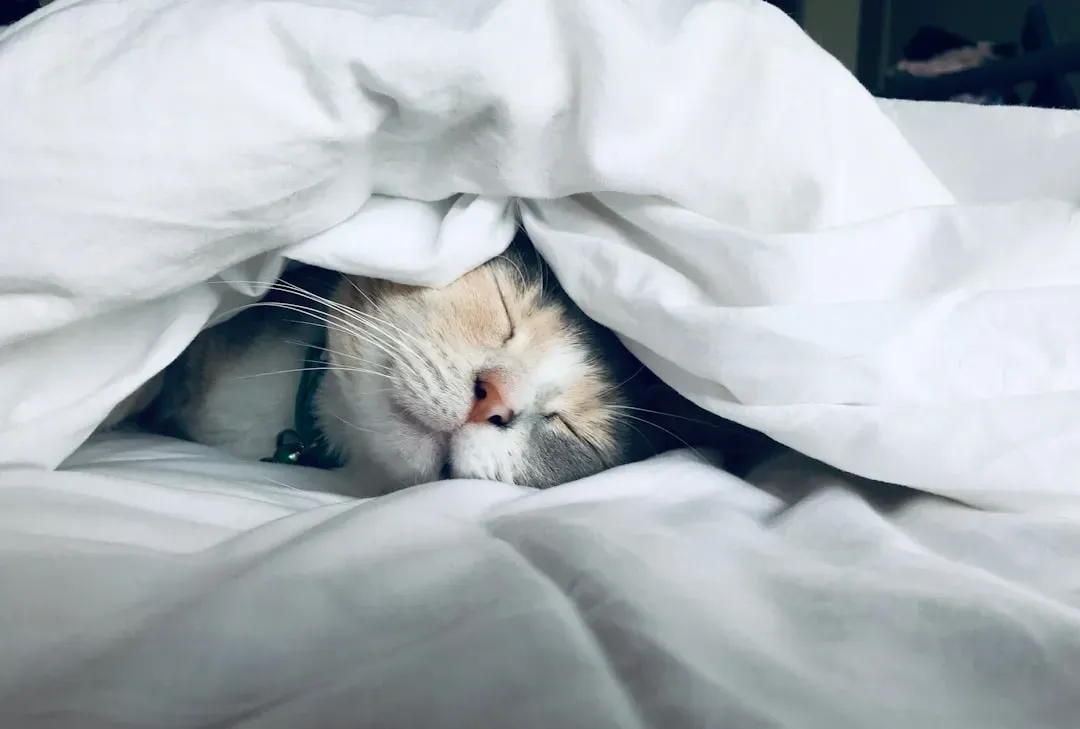
Cats rarely stay in one place all night because temperature and security needs can change hour by hour. A spot that felt warm at bedtime may grow cool later, so the cat moves to a different surface or room. Each new location is chosen for comfort and a clear view of the surroundings.
This shifting also lets the cat check that nothing has changed while everyone else sleeps. The movement is usually quiet and purposeful rather than restless. By morning the cat often returns to a favorite daytime spot without any sign that the night travels caused any worry.
Bringing Small Objects to the Bed
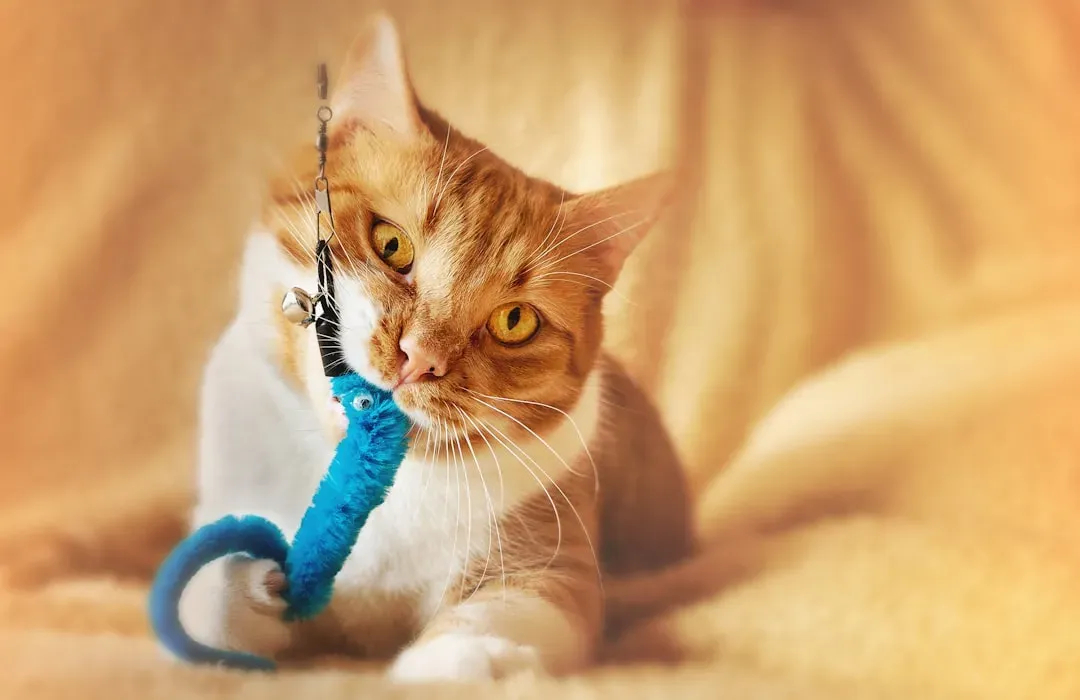
Some cats carry toys or found items into the bedroom and leave them near their person. The action echoes the way wild cats would bring prey back to a safe den to share or store. Even though the object is usually harmless, the instinct to transport it remains strong.
Placing the item near you can also serve as a form of social sharing. The cat treats the bedroom as its core territory and wants familiar objects close by. After delivering the item, most cats curl up nearby and rest without further disturbance.
Once you see these nighttime habits as leftover survival tools rather than random mischief, living with a cat feels a little more understandable. The behaviors rarely change completely, yet small adjustments like extra playtime before bed can make the hours quieter for everyone. In the end the cat is simply doing what cats have always done, just on your schedule instead of its own.

- The Secret Lives of Nocturnal Animals: What Happens After Dark - August 10, 2026
- 12 Incredible Facts About Monarch Butterflies and Their Migration - August 10, 2026
- Why the World is Obsessed with This Iridescent Spider: The Psychedelic Earth Tiger - August 10, 2026