
#1. Leave the seed heads standing
🔥 Would you like to save this?
We'll email this post to you, so you can come back to it later!
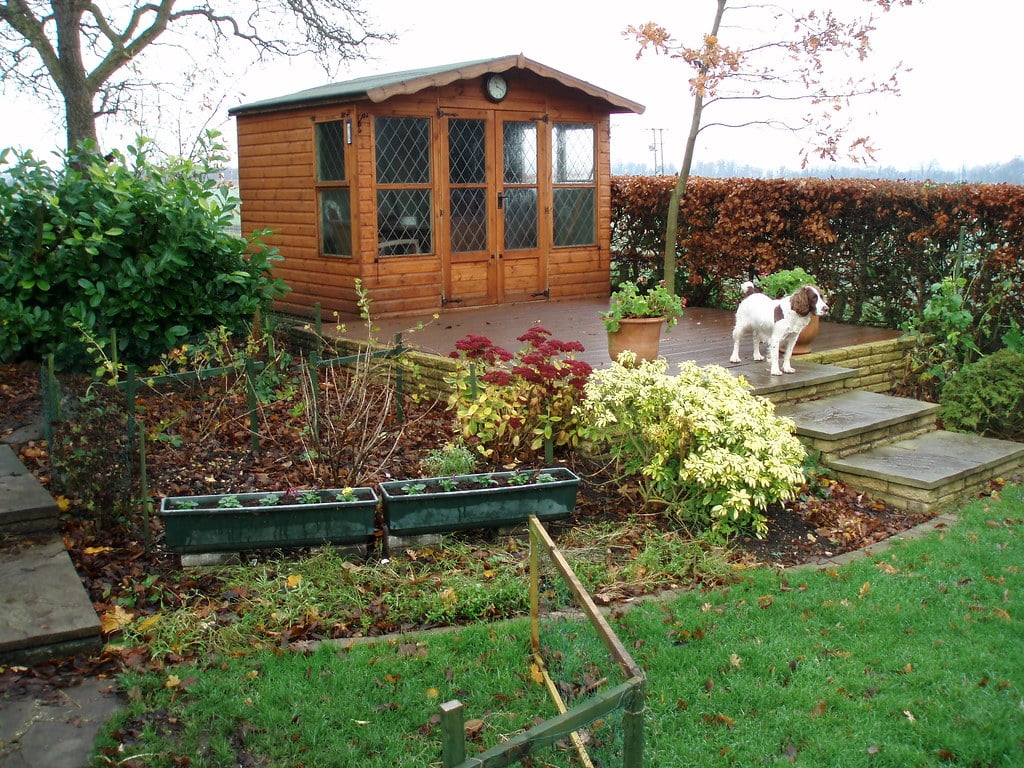
It’s tempting to cut everything back for a tidy look before winter, but resist the urge with your coneflowers, sunflowers, and native grasses. A yard with native plantings left standing through winter provides a natural seed source that complements any feeder setup. Those dried, unglamorous stalks are essentially a pantry that restocks itself through the coldest stretch.
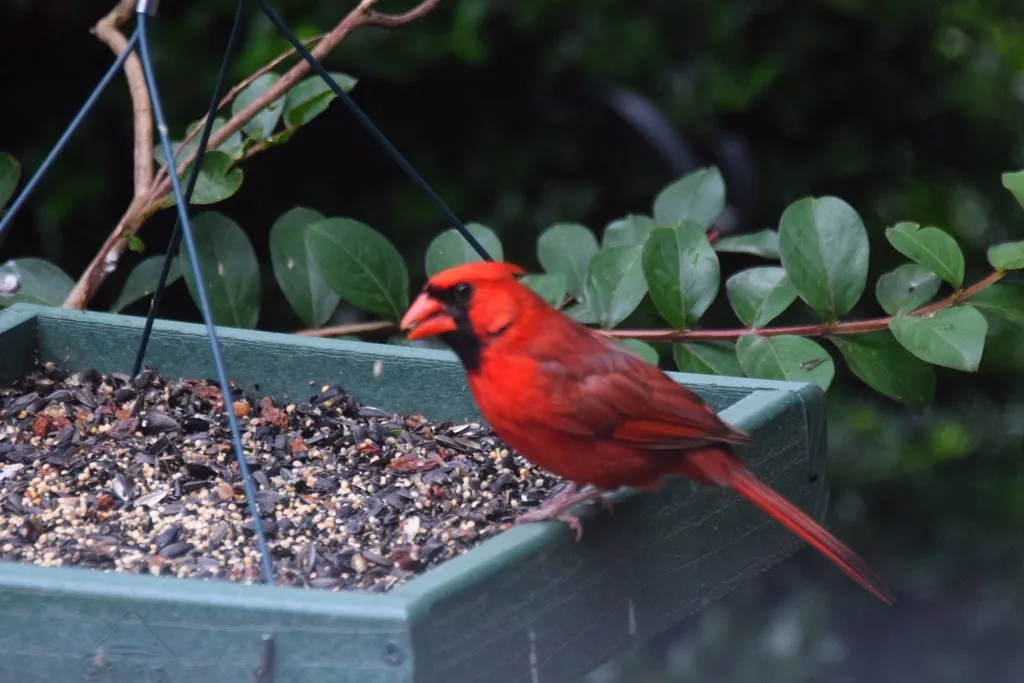
Cardinals are built for exactly this kind of foraging. Seed clusters left on stalks remain rich in nutrients and accessible through fall and winter, and cardinals cling to stems or hop beneath plants to extract them. Even weedy patches earn their keep here, since cardinals consume a wide range of weed seeds including thistle, dock, and plantain, which grow in abundance and provide steady nutritional value. A slightly messier garden bed in November is doing more good than it looks.
#2. Plant or preserve dense evergreen cover
🔥 Would you like to save this?
We'll email this post to you, so you can come back to it later!
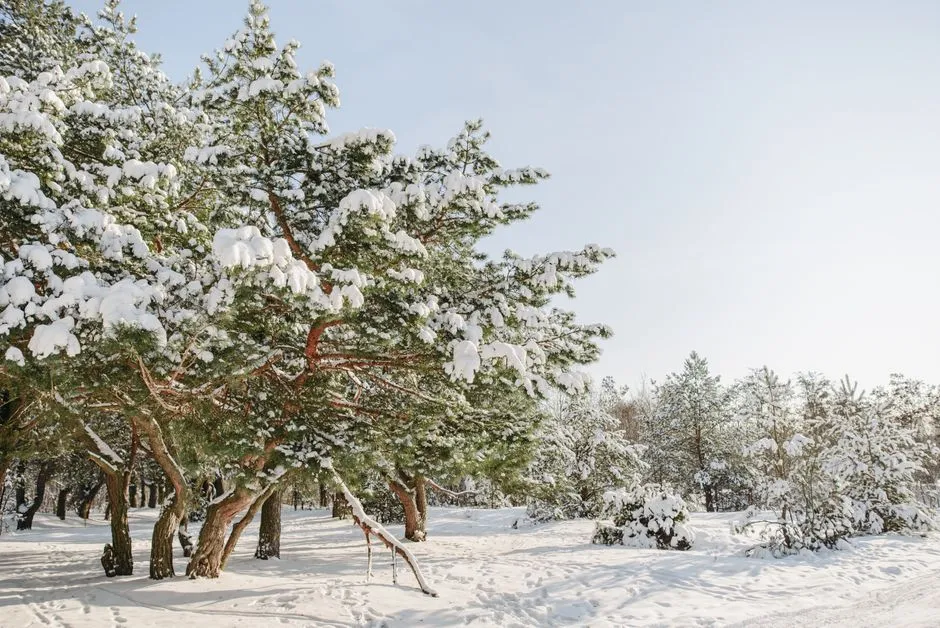
Food matters, but a cardinal that can’t hide from a hawk doesn’t live long enough to eat it. In winter, cardinals seek cover in evergreen trees, and though they forage on open ground, the birds need a place to retreat quickly to safety. If your property is short on conifers, now is the season to plant one, since fall planting gives roots time to settle before spring growth kicks in.
The logic behind this is more scientific than sentimental. Northern cardinals opt for the thick cover of coniferous trees, such as pines and spruces, and also shrubs during the winter months, which provide safe hiding places from potential predators and allow them time to rest peacefully. A mix of heights matters too, since they will fly from tree to tree searching for food, so offering evergreens and shrubs of different heights is very important.
#3. Keep a reliable seed feeder stocked
🔥 Would you like to save this?
We'll email this post to you, so you can come back to it later!
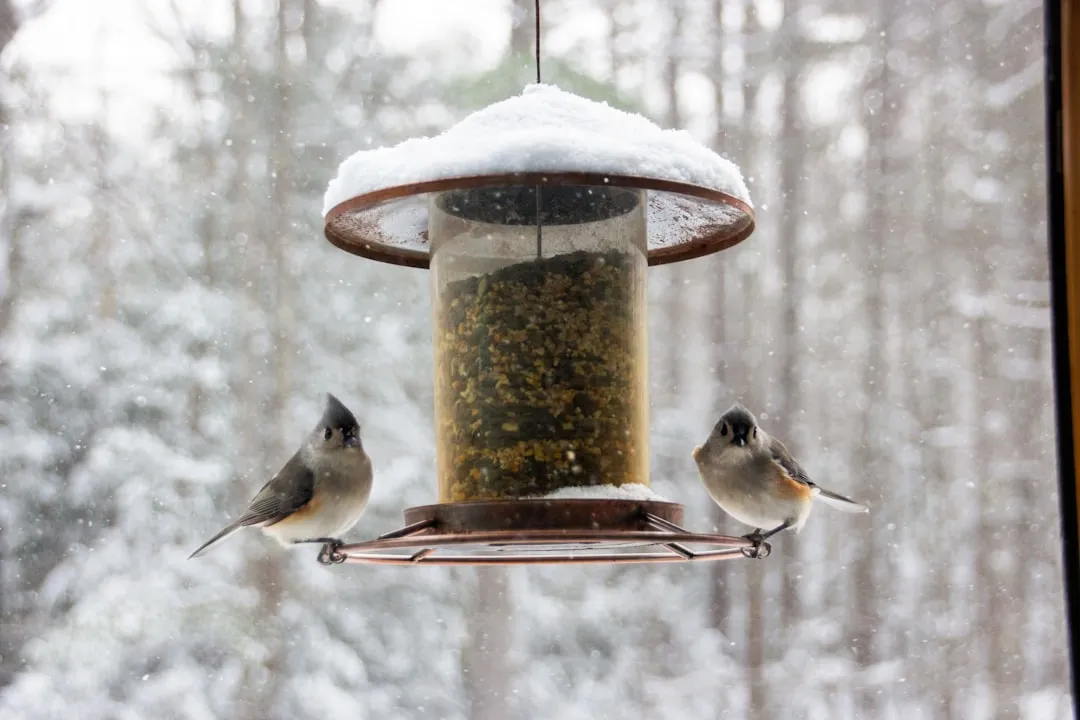
Natural food sources thin out fast once snow covers the ground, which is exactly when a feeder earns its place. The real key to success is to provide high fat, high calorie food, and sunflower seeds, especially black-oil sunflower seeds, fit that need perfectly. It’s one of the simplest, most cost-effective habitat upgrades a gardener can make.
Consistency matters as much as the seed itself. Keeping feeders clean and stocked consistently is especially important through winter when natural food sources are limited, with black oil sunflower or safflower as the primary seed. A feeder that runs empty for a week during a cold snap can undo weeks of good habits, so treat refilling as a standing chore rather than an afterthought.
#4. Add safflower and suet for variety
🔥 Would you like to save this?
We'll email this post to you, so you can come back to it later!
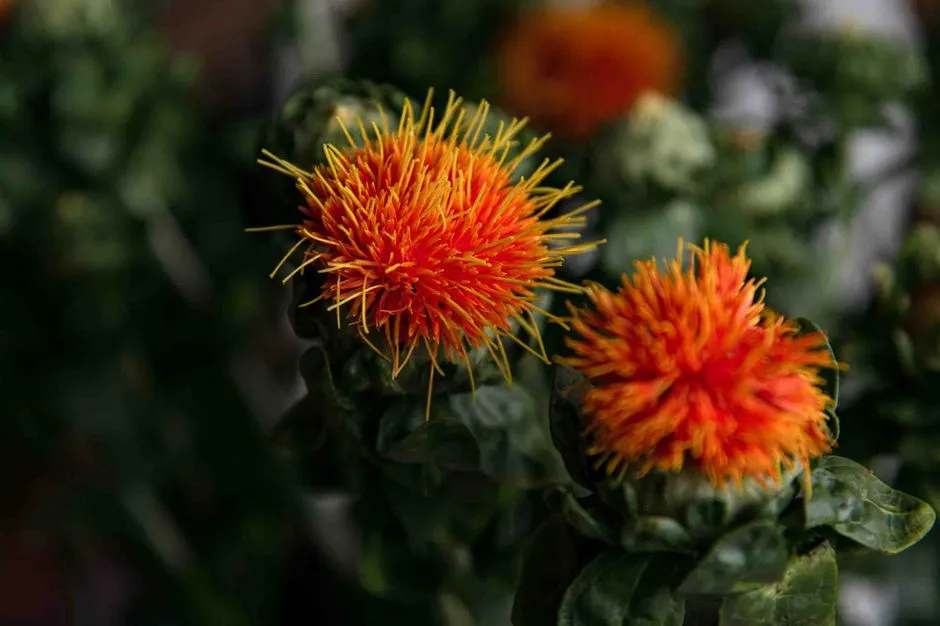
Sunflower seed is the backbone of a good winter feeding station, but it isn’t the only tool worth having. Safflower seeds, black oil sunflower seeds, and white milo are among a cardinal’s favorite seed options, along with crushed peanuts, cracked corn, and berries, and during winter, small chunks of suet are another great choice. Safflower has a bonus feature many gardeners appreciate.
Its bitter edge tends to sort out unwanted visitors without bothering cardinals at all. Safflower seed has a bitter taste that deters squirrels and house sparrows but cardinals take it readily, making it a good choice if squirrels are a problem. Suet fills a different gap entirely, since it replaces the fat and protein that insects would normally provide before the ground freezes solid.
#5. Position feeders near escape cover, not out in the open
🔥 Would you like to save this?
We'll email this post to you, so you can come back to it later!
Where you put the feeder matters almost as much as what’s in it. A cardinal’s coloring, so striking against green summer foliage, becomes a liability once snow arrives. A cardinal’s red coat can be spotted easily, especially in the stark whiteness of winter, which unfortunately can make them easy prey for hungry hawks.
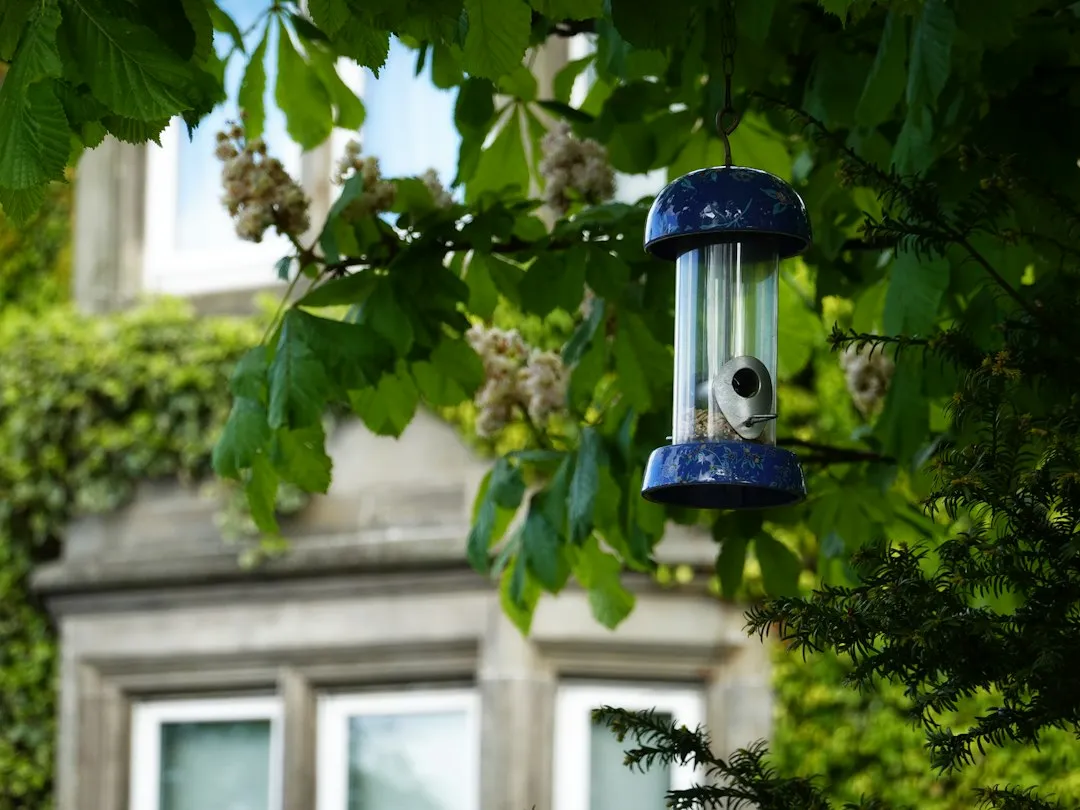
The fix is straightforward and doesn’t cost anything. Locating feeders under the cover of a tree or near bushes and shrubs will provide them with natural protection from hawks or eagles. Birds also like a staging area before committing to a feeder, since they typically stop to land on a tree, bush or vine ten to fifteen feet from the feeder, check out the area, and only then go over to it. A shrub or small tree within that range turns a feeder from a risky gamble into a safe routine stop.
#6. Provide unfrozen water all winter long
🔥 Would you like to save this?
We'll email this post to you, so you can come back to it later!
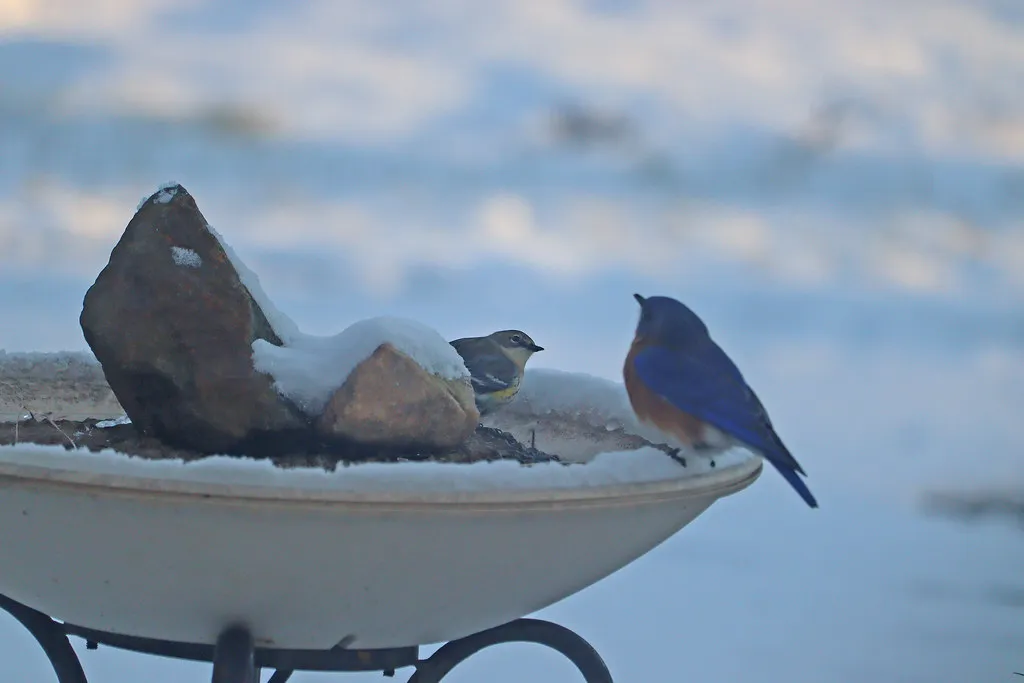
Food gets most of the attention, but water is just as critical and far easier to overlook once temperatures drop. Birds need to drink and bathe year round, and ice puts that basic need out of reach for days at a time. A heated birdbath can help provide the drinking and bathing water cardinals need all year.
This is one upgrade that pays off disproportionately to its cost. A simple immersion heater or a heated bowl swap keeps a small patch of open water available even during a hard freeze. Birders who run heated baths through winter often report cardinals visiting more reliably than at any feeder, since dependable water is scarcer than dependable seed once ponds and puddles ice over.
#7. Plant native berry shrubs for the seasons ahead
🔥 Would you like to save this?
We'll email this post to you, so you can come back to it later!
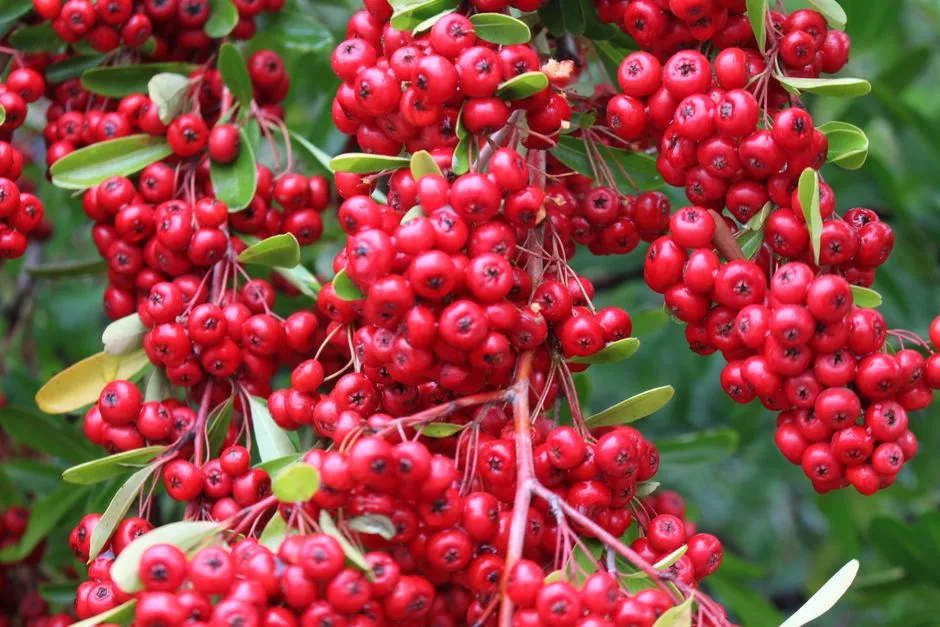
Fall is prime planting season for many woody shrubs, and the choices you make now shape what your yard offers next winter and beyond. Berries carry cardinals through stretches when insects have vanished and snow covers the ground. Berries become important as natural food sources ripen, and cardinals eat more fruit to store energy for winter.
Some species are proven performers in this role. Dogwood offers berries in late summer, sumac’s red berries last into winter, and serviceberry’s early fruits are a cardinal favorite. Planting a mix of these species, rather than just one, spreads fruit availability across more months and gives cardinals a fallback whenever your feeder runs low or the weather turns dangerous for foraging.
#8. Skip the pesticides and herbicides near feeding zones
🔥 Would you like to save this?
We'll email this post to you, so you can come back to it later!
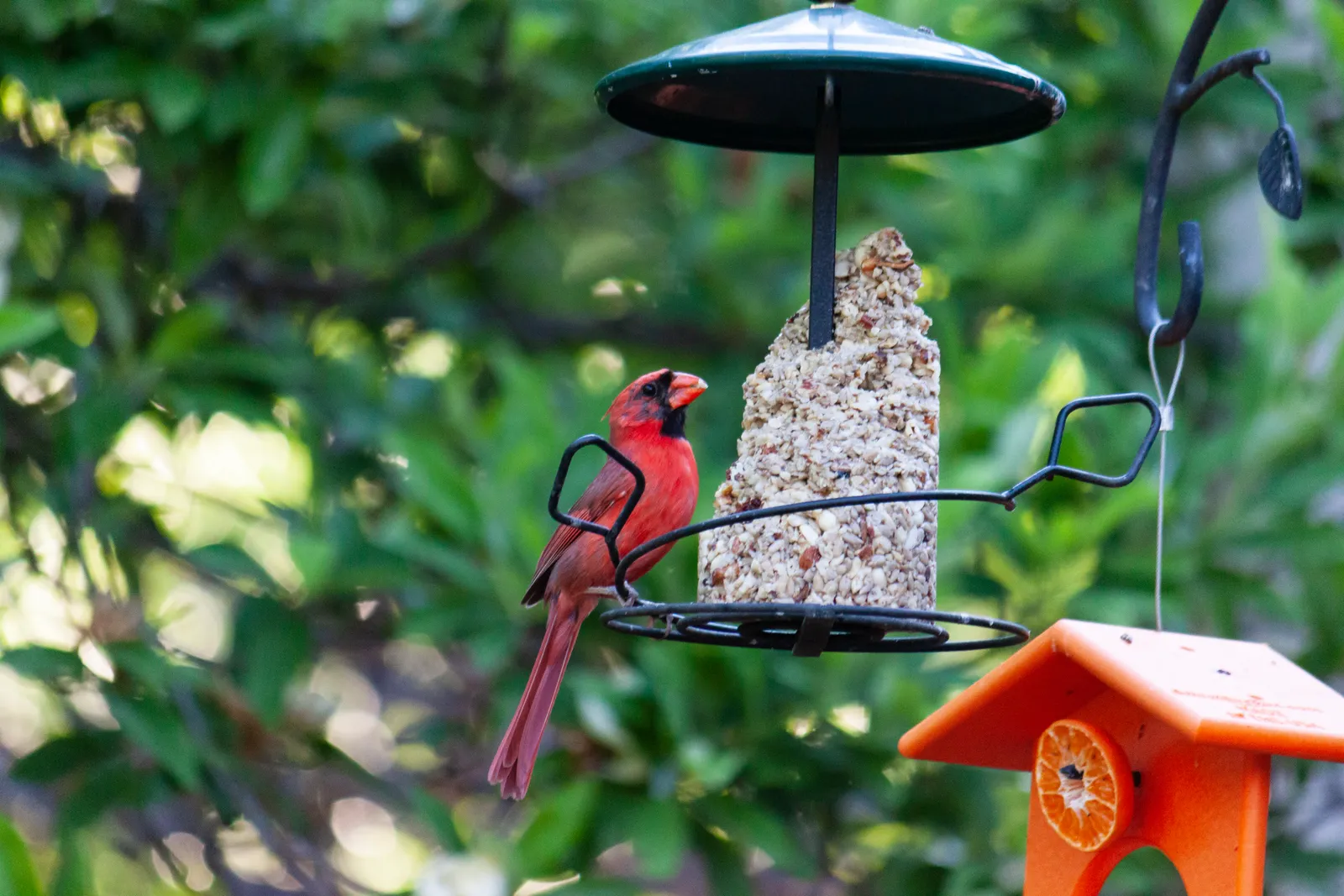
It’s a small thing that’s easy to forget once the growing season winds down, but chemical residue lingers longer than most gardeners realize. Avoid using chemicals and poisons in the vicinity of your bird feeders and birdbaths, since insecticides, herbicides, and many fertilizers can contaminate food and water sources. Cardinals foraging on the ground beneath treated shrubs or lawns are directly exposed to whatever was sprayed months earlier.
There’s a broader payoff to going chemical-free that extends past cardinals themselves. Planting native trees like oaks, which support hundreds of caterpillar species, or native shrubs like dogwood and elderberry, while skipping pesticides entirely, protects the insect food source birds need. A pesticide-free yard this fall sets up a healthier insect base for next year’s nesting season too, so the benefit isn’t confined to winter alone.
Final thoughts
🔥 Would you like to save this?
We'll email this post to you, so you can come back to it later!

- 7 Everyday Habits That Can Make Your Senior Dog Happier - November 5, 2026
- 10 Enigmatic Structures That Continue to Puzzle Scientists Today - November 5, 2026
- 10 Strange Ruins in the Americas That Challenge What We Know About Early History - November 5, 2026