
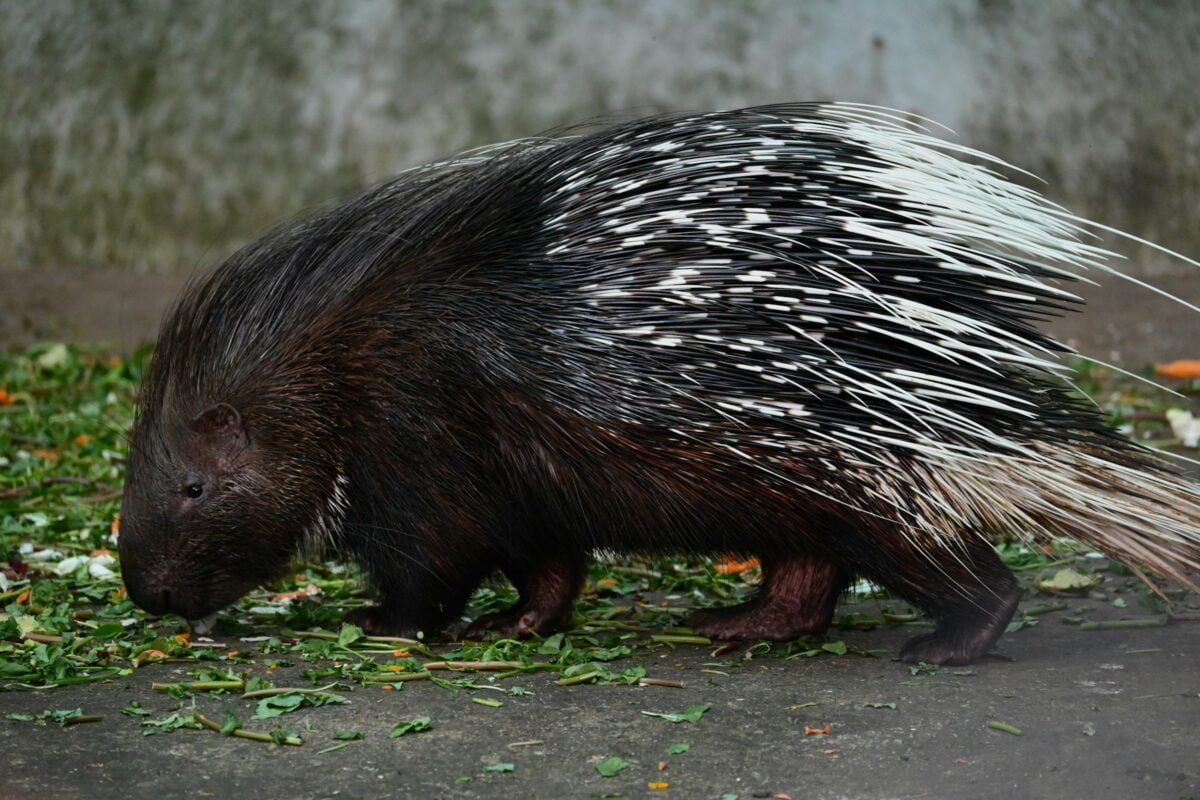
If you grew up hearing that porcupines can shoot their quills like tiny darts, you’re in good company – and also completely wrong. Porcupine quills are some of the most misunderstood structures in the animal kingdom, wrapped in myths, half‑truths, and cartoon logic.
Once you look closer, those quills turn out to be a surprisingly elegant mix of armor, communication tool, climbing gear, and even medical hazard. Let’s pull apart what quills really do, where the myths come from, and why these spiky little engineers deserve way more respect than they get.
They Do Not Shoot Quills, They Weaponize Contact
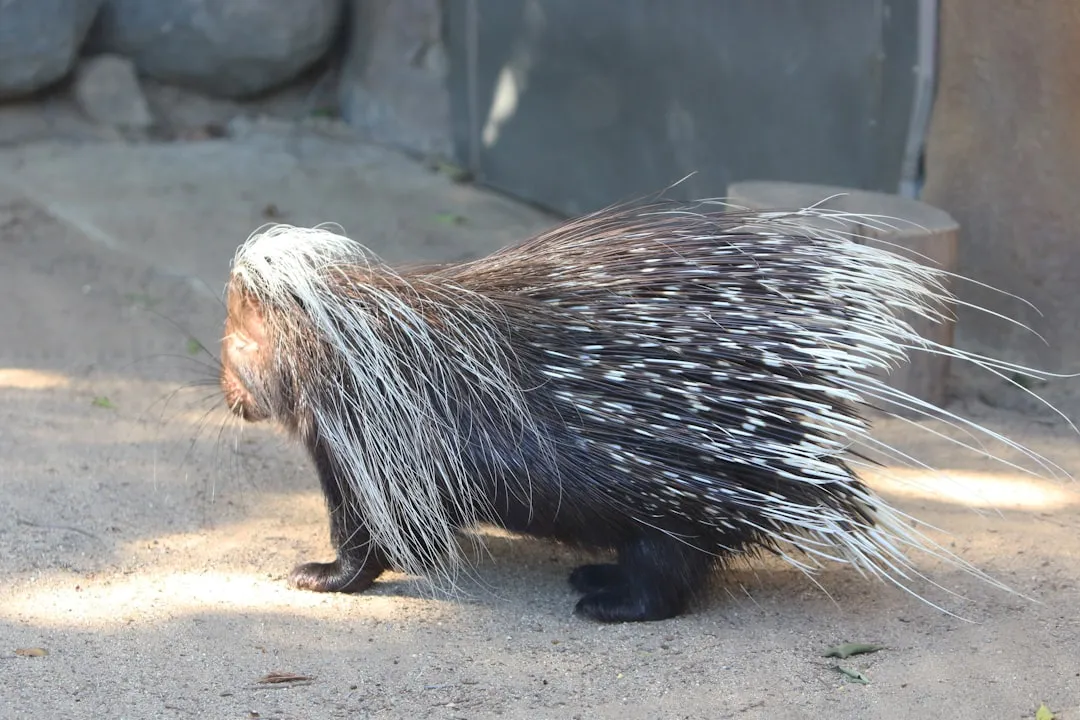
The biggest mistake many Americans make is imagining porcupines firing quills across a distance like a living nail gun. In reality, porcupine quills are firmly attached and only come free when something actually touches them with enough force. The “shooting” myth probably comes from how quickly a predator ends up covered in quills after just one bad move.
What porcupines really do is weaponize close contact. When threatened, they turn their back, arch, and may charge backward or sideways to drive those barbed quills into an attacker’s face, mouth, or paws. That brief collision can feel like a projectile attack, but it is all about impact and friction, not long‑range ammo.
They Use Quills As A First Line Of Negotiation, Not Just Aggression
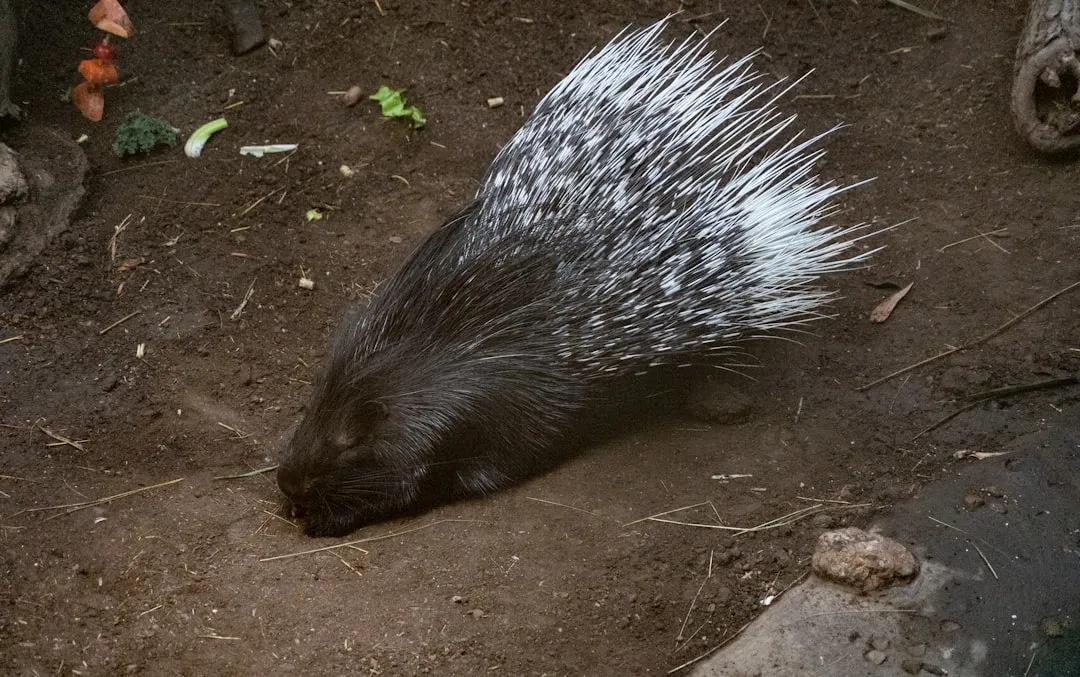
Another thing people get wrong is thinking porcupines are constantly on offense, just waiting to stab anything that moves. In truth, quills are more of a negotiation tool than a weapon of choice. The animal’s first move is almost always to warn: raising quills, turning its back, chattering teeth, even swishing its tail in a clear “don’t test me” message.
Most predators understand that a mouthful of quills is a bad life decision, so many confrontations end at the threat stage. In that sense, quills actually reduce violence by advertising just how costly an attack would be. The porcupine’s body is saying, in effect, “You can win, but you’re going to regret it,” and that bluff works surprisingly often.
They Anchor Quills Deep With Microscopic Barbs
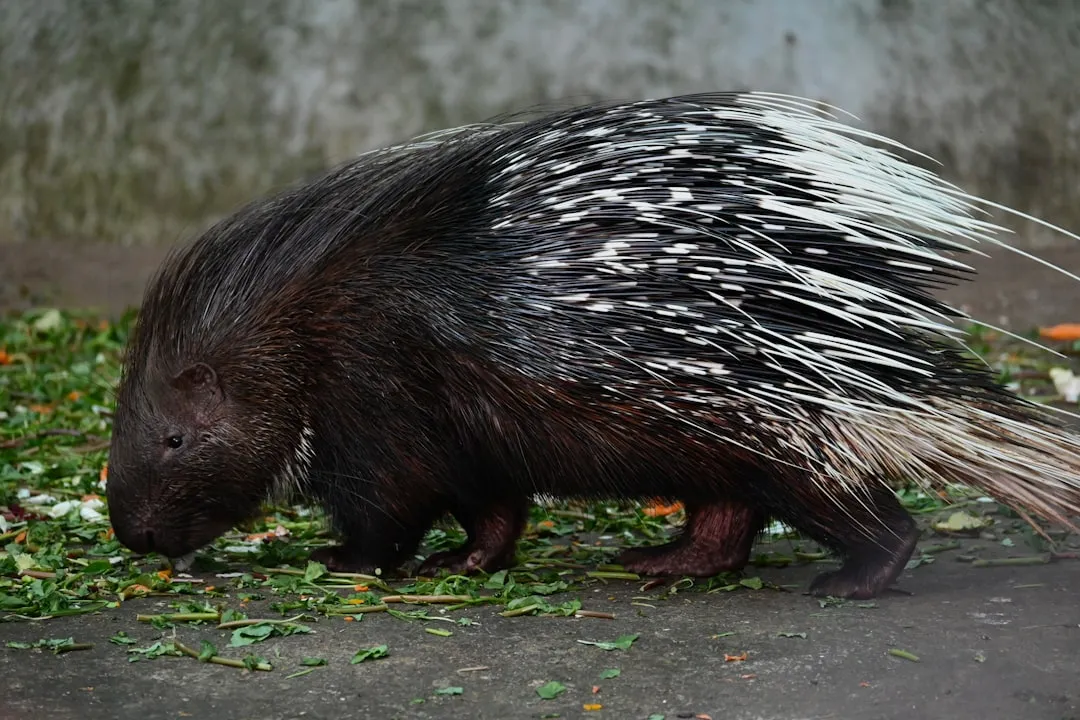
People tend to picture quills as just oversized hairs, easy to pull out if you’re unlucky enough to get stuck. The reality is much nastier: porcupine quills are covered in tiny backward‑facing barbs near the tip that act like hooks. Once the quill penetrates, those barbs make it far easier to go in than to come out.
Those same barbs help the quill travel deeper into tissue over time as the victim moves, which can turn a small injury into a serious medical problem if left untreated. From a cold evolutionary standpoint, it’s brutally clever design: the more it hurts and the harder it is to remove, the more future predators will think twice before attacking another porcupine.
They Regrow Quills Like Living, Self‑Maintaining Armor
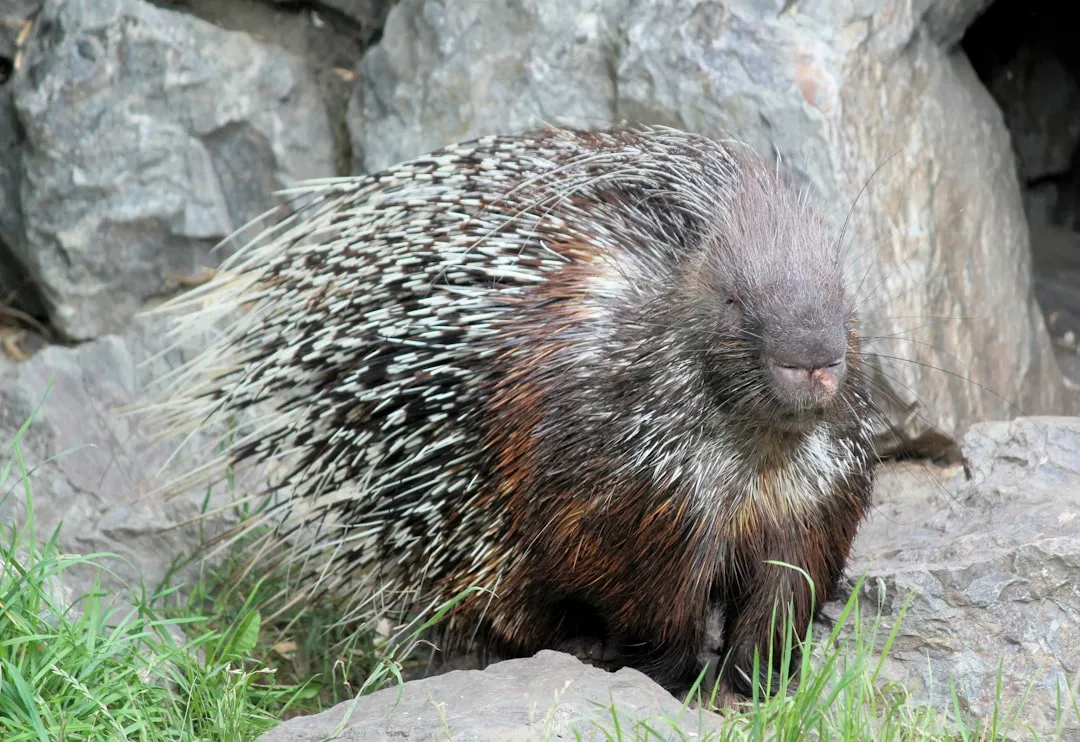
Many people imagine quills as a finite supply, like arrows in a quiver that could “run out” if a porcupine has a bad week. In reality, quills are modified hairs that continuously grow and are replaced over time, just like our own hair and nails. Losing some in a defensive encounter is inconvenient, but not catastrophic.
This constant regrowth means a porcupine’s armor is always being quietly upgraded and maintained. Old quills can be shed, broken ones replaced, and bald patches slowly refilled. It’s more like owning a self‑healing jacket than wearing a fixed suit of armor; the system is designed to take damage and bounce back instead of staying pristine.
They Use Quills As A Visual And Audible Threat Display
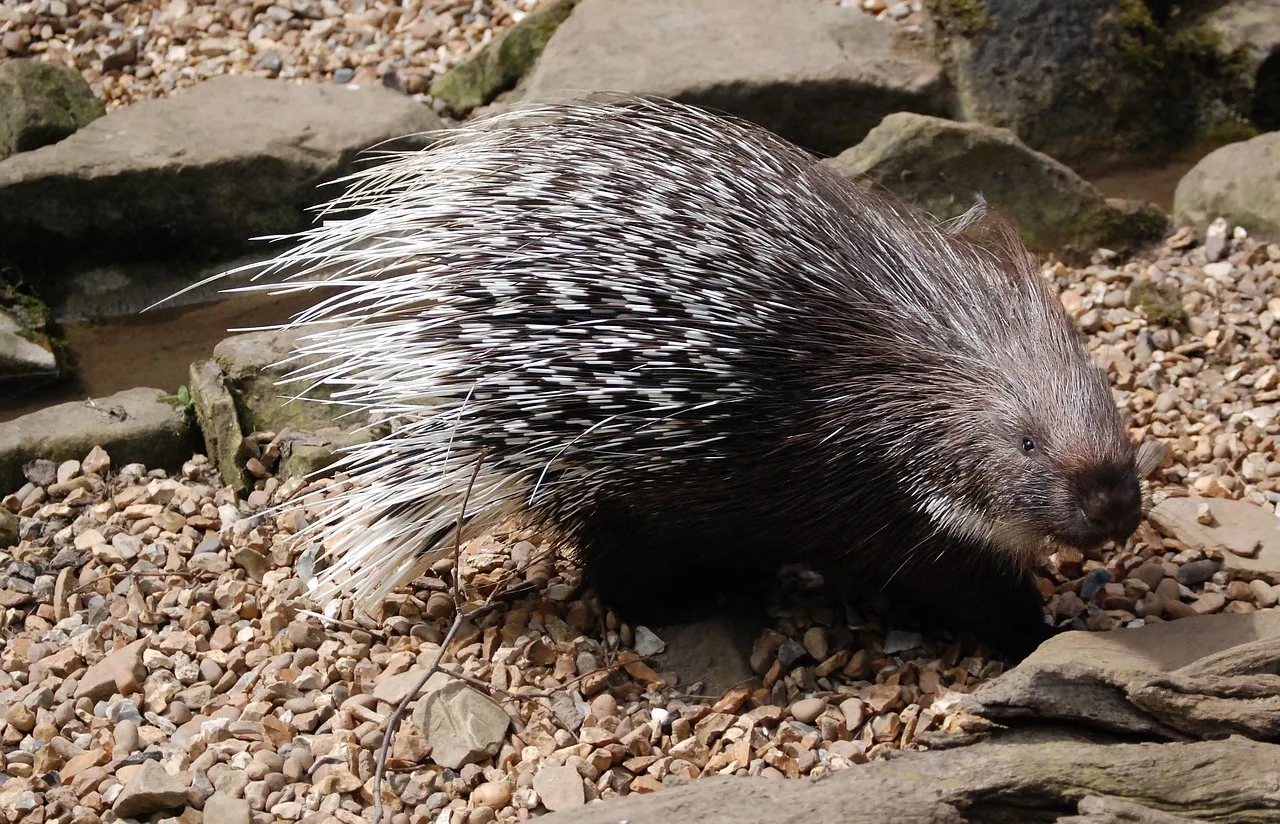
When people think of quills, they usually imagine the stabbing part, not the signaling part. But porcupines can raise and fan out their quills to look dramatically larger, a classic “fake your size” trick shared with cats, birds, and even some lizards. That sudden transformation from scruffy ball to spiky balloon can be enough to stop a curious dog or coyote in its tracks.
Some porcupine species can also make their quills rustle or rattle when they move, adding sound to the visual show. Imagine a living warning sign that not only looks dangerous but also sounds like trouble when it turns around. It is the animal kingdom’s version of turning on hazard lights and revving the engine at the same time.
They Sometimes Use Quills In Intraspecies Fights And Social Drama
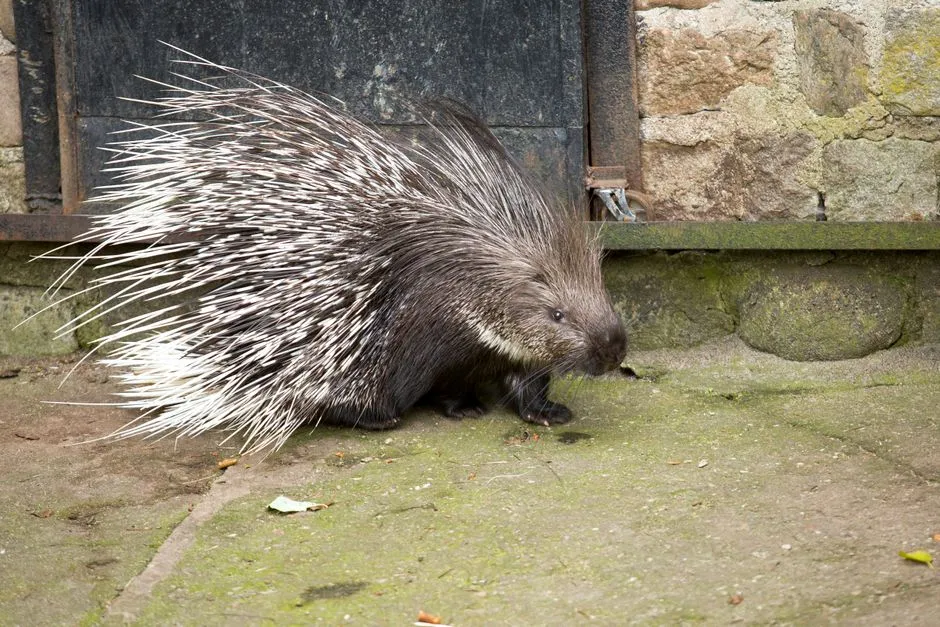
Many Americans assume quills are only for defending against big predators like wolves, coyotes, or large cats. In reality, porcupines can also injure each other with quills during aggressive encounters, especially around mating season or territorial disputes. They are not constantly skewering their neighbors, but social conflicts can absolutely get spiky.
This is part of why their warning systems are so layered: posture, sound, scent, and body language help avoid turning every disagreement into a medical emergency. Just like people use harsh words long before fists, porcupines have a whole social vocabulary before they let quills do the talking. When those negotiations fail, though, the consequences are literally skin‑deep.
They Climb And Navigate With A Body Designed Around Quills
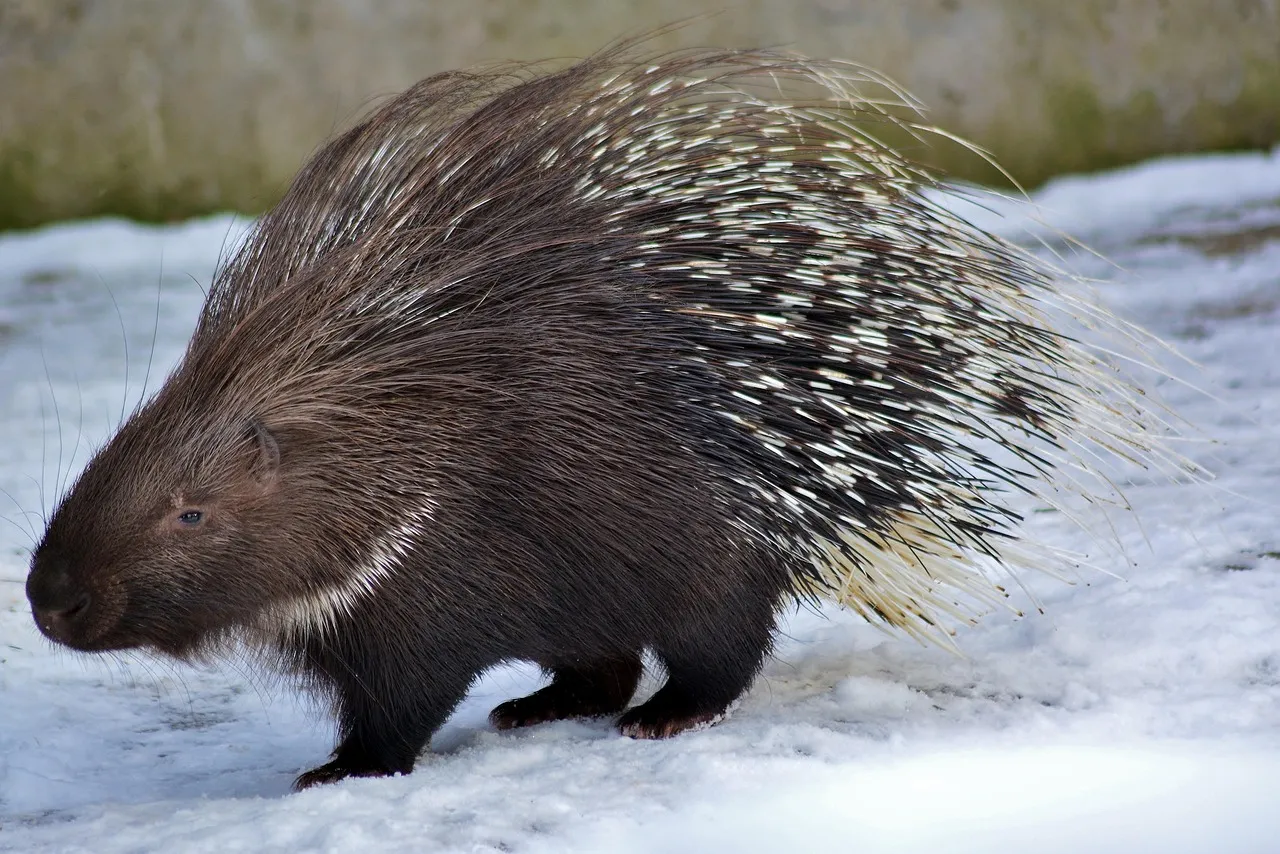
Most people do not connect quills to climbing, but North American porcupines are excellent tree climbers whose entire body plan balances armor and agility. Their quills cover the back and sides while the belly and underside stay mostly unarmored, allowing flexibility and contact with branches. It is like wearing a Kevlar hoodie with no bulk where you need to bend and grip.
Because falling with a body full of quills would be disastrous, porcupines have strong claws and a low center of gravity to stay secure in trees. When accidents do happen, they can even end up puncturing themselves, which is as painful as it sounds. That trade‑off underscores how central quills are: the animal is literally designed around keeping them useful but survivable.
They Carry Quills That Can Introduce Infection And Serious Complications
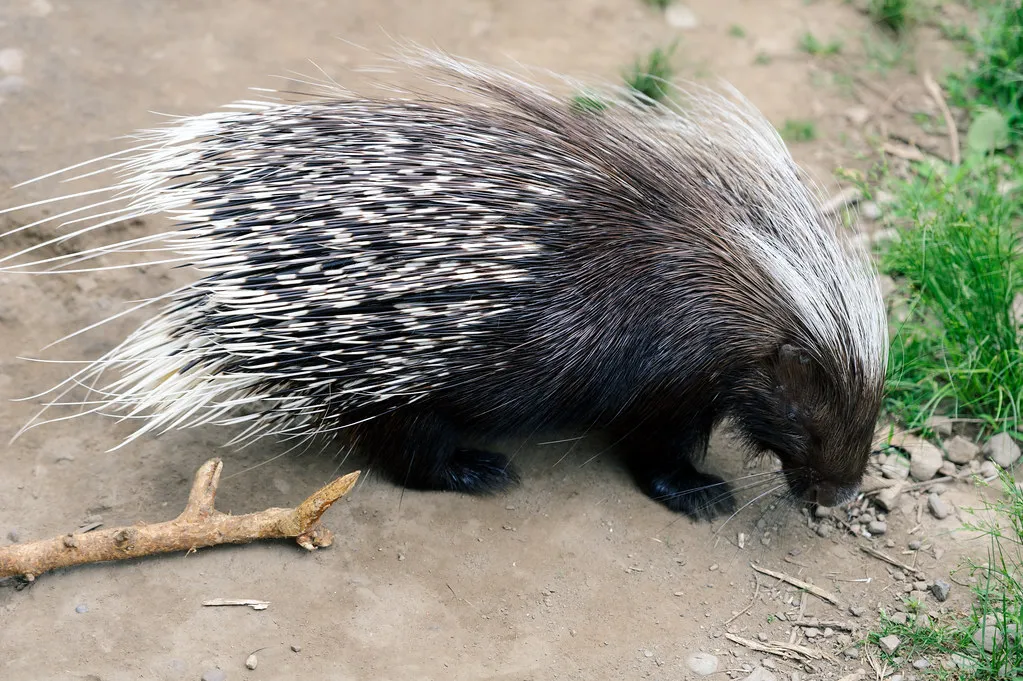
A lot of people think of quill injuries as simple puncture wounds: painful, sure, but basically just sharp sticks in the skin. The reality is more complicated and more dangerous. Quills can break, migrate deeper, and carry bacteria or debris into the body, leading to infections, abscesses, or damage to organs and joints if not treated properly.
Veterinarians and doctors who deal with quill injuries know they are not casual problems to ignore; they are more like tiny, barbed surgical instruments you never wanted inside you. This is why a dog that tangled with a porcupine might need sedation and careful removal of dozens or even hundreds of quills. The real danger is not just the initial pain, but what those barbed, biologically active projectiles can do over the next days and weeks.
They Use Quills Within A Larger Toolkit, Not As A One‑Trick Defense
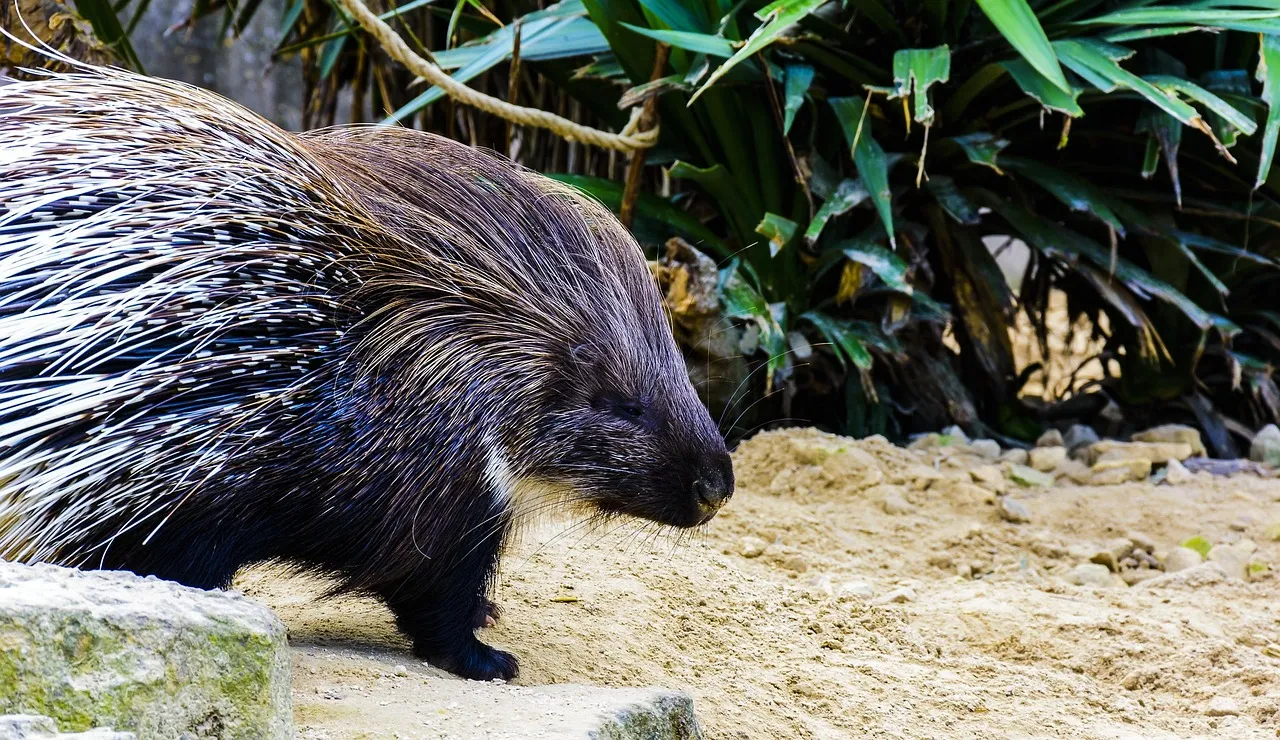
Another misconception is that porcupines survive only because of their quills, as if without them they would be helpless. While quills are their star feature, they sit inside a broader survival strategy that includes nocturnal habits, tree‑climbing, cautious movement, and a generally low‑drama lifestyle. The animal’s best defense is often to avoid being noticed at all.
Quills are the emergency button, not the everyday tool. In a way, thinking of porcupines only as “the spiky ones” is like judging a car only by the air bags. Yes, they matter a lot in a crisis. But most of the time, what keeps everyone alive is good design, smart choices, and avoiding crashes in the first place.
Conclusion: We Owe Porcupines An Apology (And Better Stories)
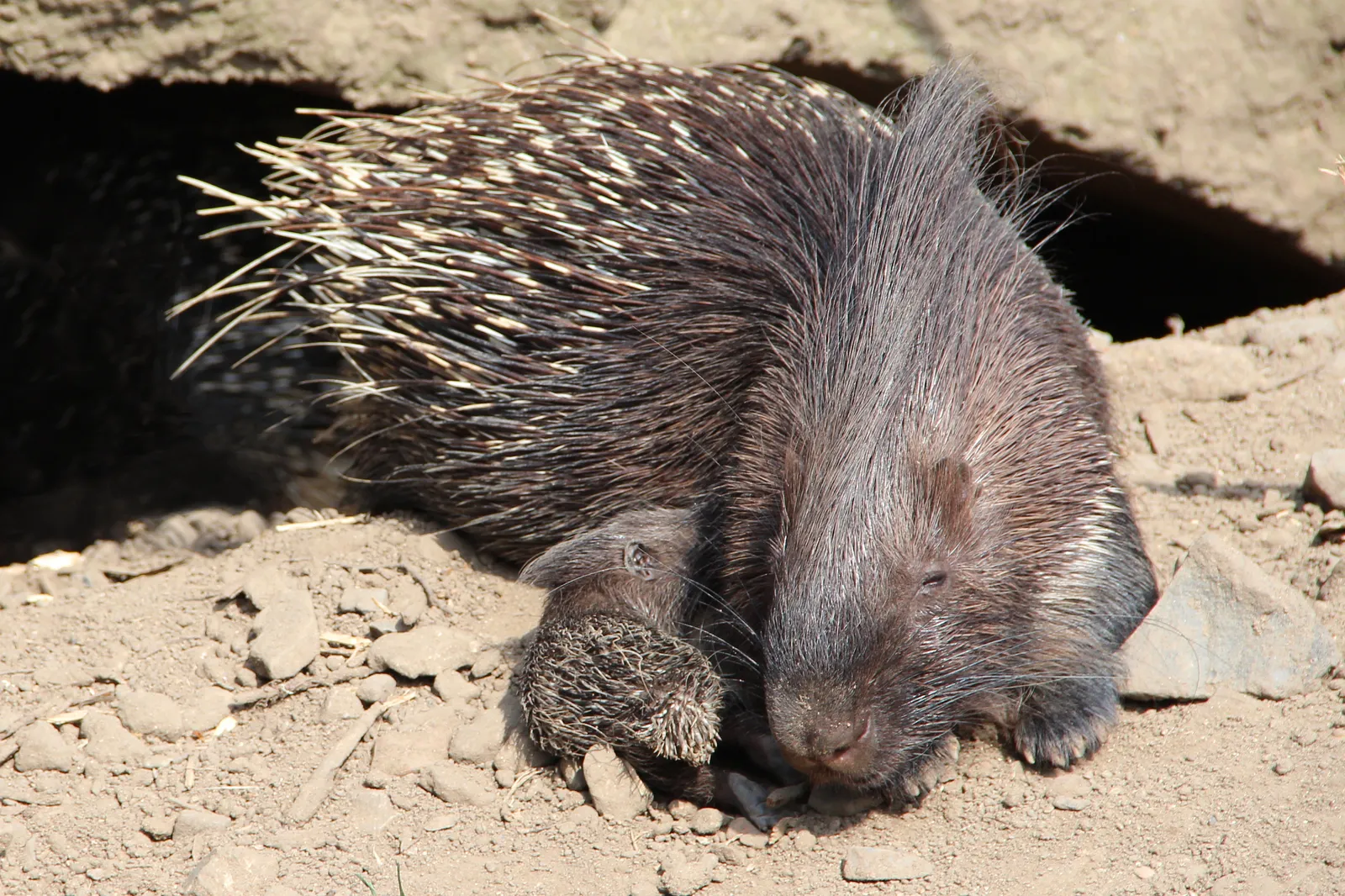
The more you learn about porcupine quills, the more it feels like we have been underselling them for years. They are not cartoon darts or crude spikes, but a living system of armor, communication, and deterrence, backed by some genuinely sophisticated biology. To keep repeating the old “they shoot their quills” line is, frankly, lazy and a little disrespectful to a creature that has clearly done its evolutionary homework.
In my view, porcupines are a perfect example of how much nuance we lose when we accept animal myths at face value. Their quills tell a story about negotiation, boundaries, and the high cost of ignoring clear warnings that feels oddly familiar in human life too. Next time you see a porcupine in a nature documentary or roadside forest, maybe you will see not just a walking pin cushion, but a quiet specialist in conflict avoidance with a brutally effective last resort. Knowing what you know now, would you still describe them the same way?

- 8 Things Porcupines Can Do With Their Quills That Most Americans Get Wrong - August 15, 2026
- 10 Small Ways Cats Make Difficult Days Feel Lighter for Moms - August 15, 2026
- 8 Astonishing Creatures That Can Resurrect From Near Death - August 15, 2026