
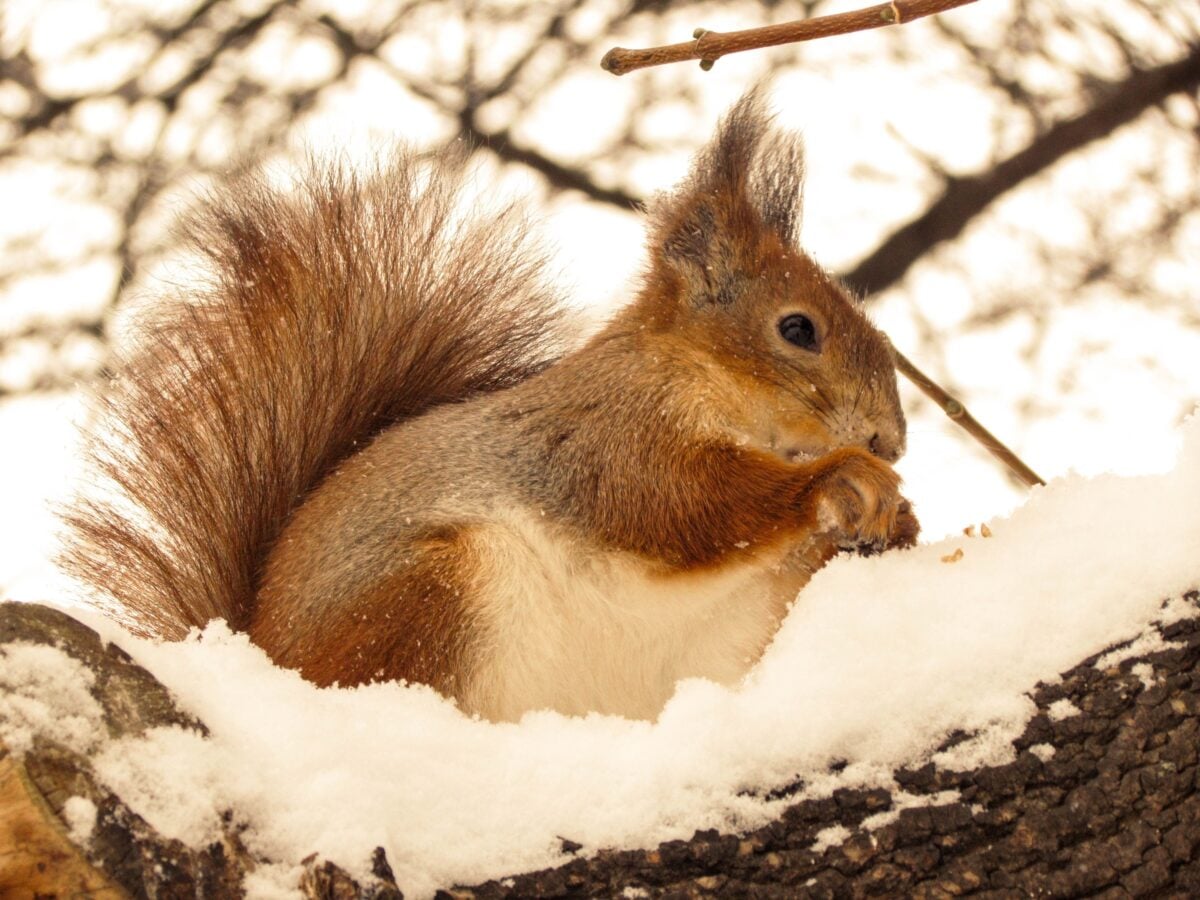
I still remember the first time I realized fall had quietly arrived, not from the weather app, but from a squirrel. It was in a park, early one chilly morning, and this one frantic little squirrel was racing back and forth with acorns like it was late for a job interview. That wild urgency, that sense of “no time to waste,” is exactly what fall looks like in the squirrel world.
Once you know what to look for, you start to see it everywhere. The darting movements, the sudden boldness, the way they seem to argue with leaves and shout at trees. It’s not random chaos. It’s their winter routine kicking in, a full seasonal shift in behavior that’s surprisingly organized, a bit dramatic, and honestly, kind of relatable. Here are eight things squirrels start doing in fall that show winter is already living rent-free in their heads.
1. Going Into Hyperdrive With Food Gathering
🔥 Would you like to save this?
We'll email this post to you, so you can come back to it later!
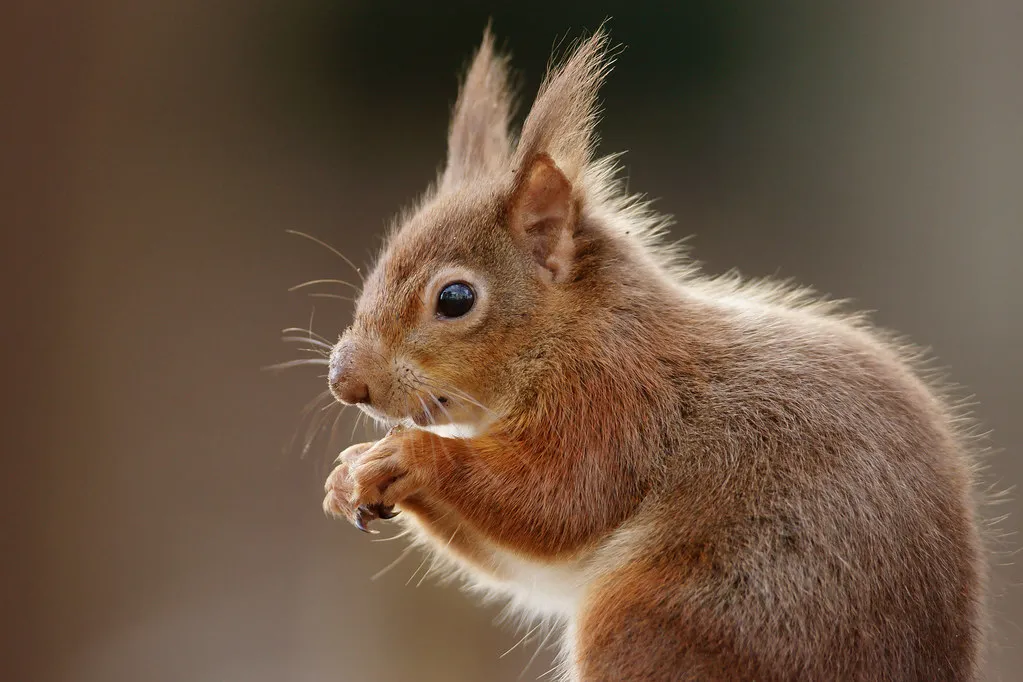
If you think you’re busy when the seasons change, you should see a squirrel in October. As fall kicks in, their food-gathering goes from casual snacking to full-blown obsession, like someone suddenly realizing they have an exam tomorrow and haven’t opened the book. They race up and down trees, comb through lawns, and raid bird feeders with a level of focus that feels almost intense to watch.
This is not just overeating for fun. Many squirrel species, especially tree squirrels, do not truly hibernate; instead, they depend on food they’ve stored earlier in the year. Fall is the deadline. Every nut, seed, and mushroom they grab now might be the difference between a comfortable winter and a desperate one. When you see that constant, frantic foraging, you’re basically watching their winter grocery run in real time.
2. Stashing Food in Dozens (or Hundreds) of Secret Hiding Spots
🔥 Would you like to save this?
We'll email this post to you, so you can come back to it later!
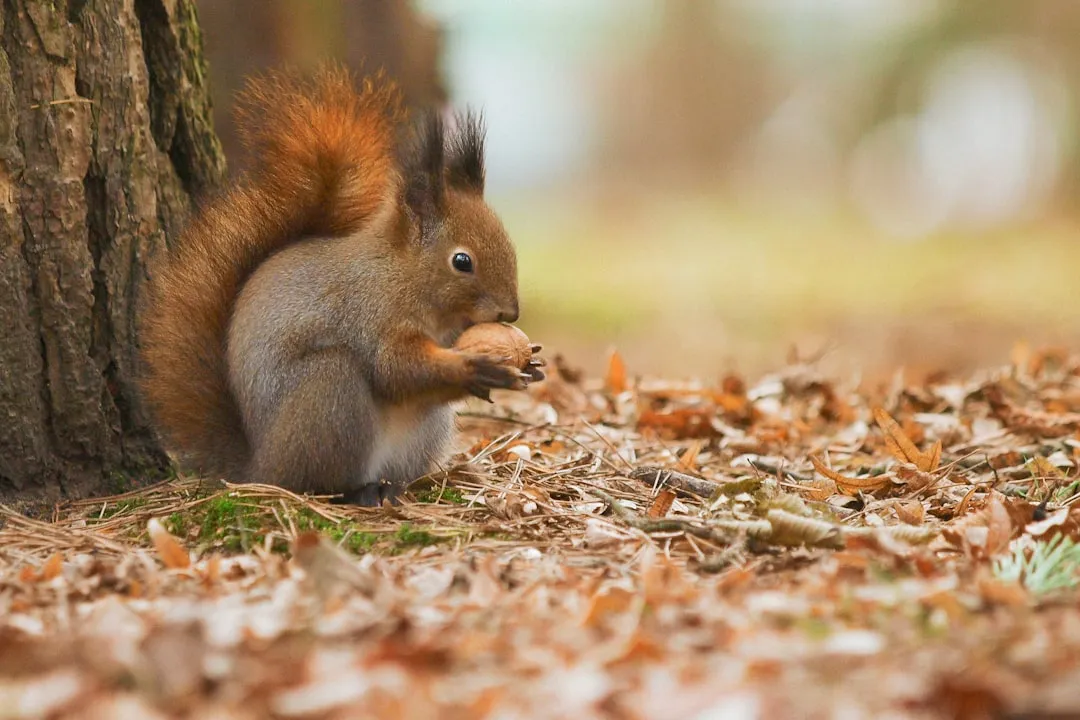
One of the most surprising fall habits is their scatter-hoarding strategy. Instead of burying all their food in one secret stash like a pirate, many squirrels hide small amounts in hundreds of tiny spots. Lawns, flowerbeds, tree crevices, cracks in the soil – almost anywhere that looks like it’ll still be there in a few months becomes a miniature pantry. It looks random, but it’s actually a clever way to avoid losing everything to one thief or disaster.
What’s even wilder is that squirrels are pretty good at remembering where they hid a lot of it. They don’t rely just on memory either; they use scent and environmental cues, sort of like leaving mental bookmarks across the landscape. Of course, they still forget a chunk of their buried treasures, which is why some of those hidden nuts eventually turn into new trees. In a strange way, their half-forgotten winter prep ends up planting the next generation of forests.
3. Upgrading Their Nests Into Cozy Winter Fortresses
🔥 Would you like to save this?
We'll email this post to you, so you can come back to it later!
As the air cools, squirrels stop treating their nests like simple sleeping spots and start treating them more like winter cabins. Those big leafy balls you see high up in trees – called dreys – get a serious fall makeover. Squirrels bring in more leaves, twigs, and softer materials like moss or shredded bark, layering everything to trap warmth and block out drafts. It’s the animal version of switching to heavy blankets and thick curtains.
They may also fix up multiple nests or maintain backups, just in case one gets damaged or invaded. This redundancy might look excessive, but winter is risky, and a ruined nest in a freezing storm can be deadly. When you notice more nest-building action in the fall, it’s not just casual home improvement; it’s a survival-level renovation, like weatherproofing an old cabin before a long, icy season.
4. Bulking Up With Extra Body Fat
🔥 Would you like to save this?
We'll email this post to you, so you can come back to it later!
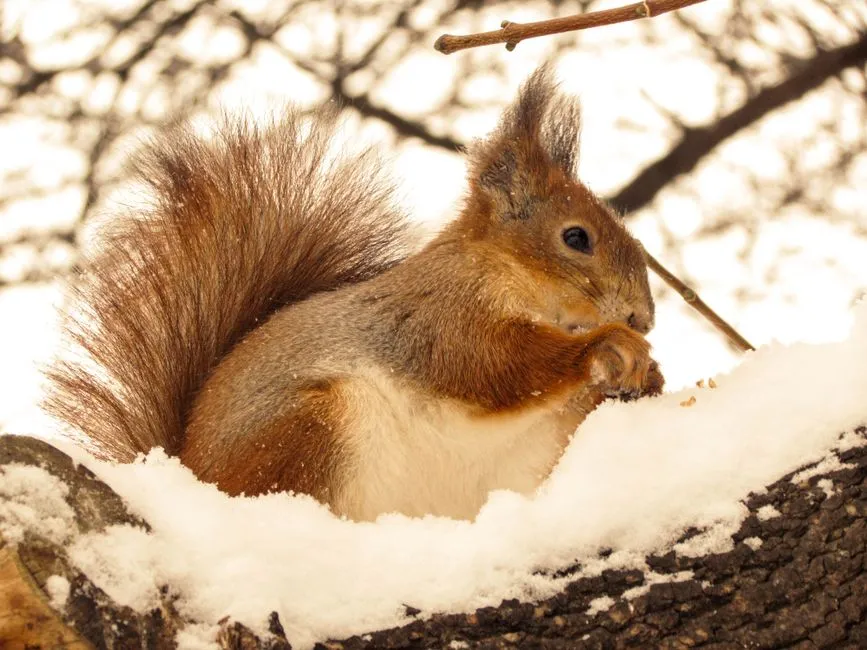
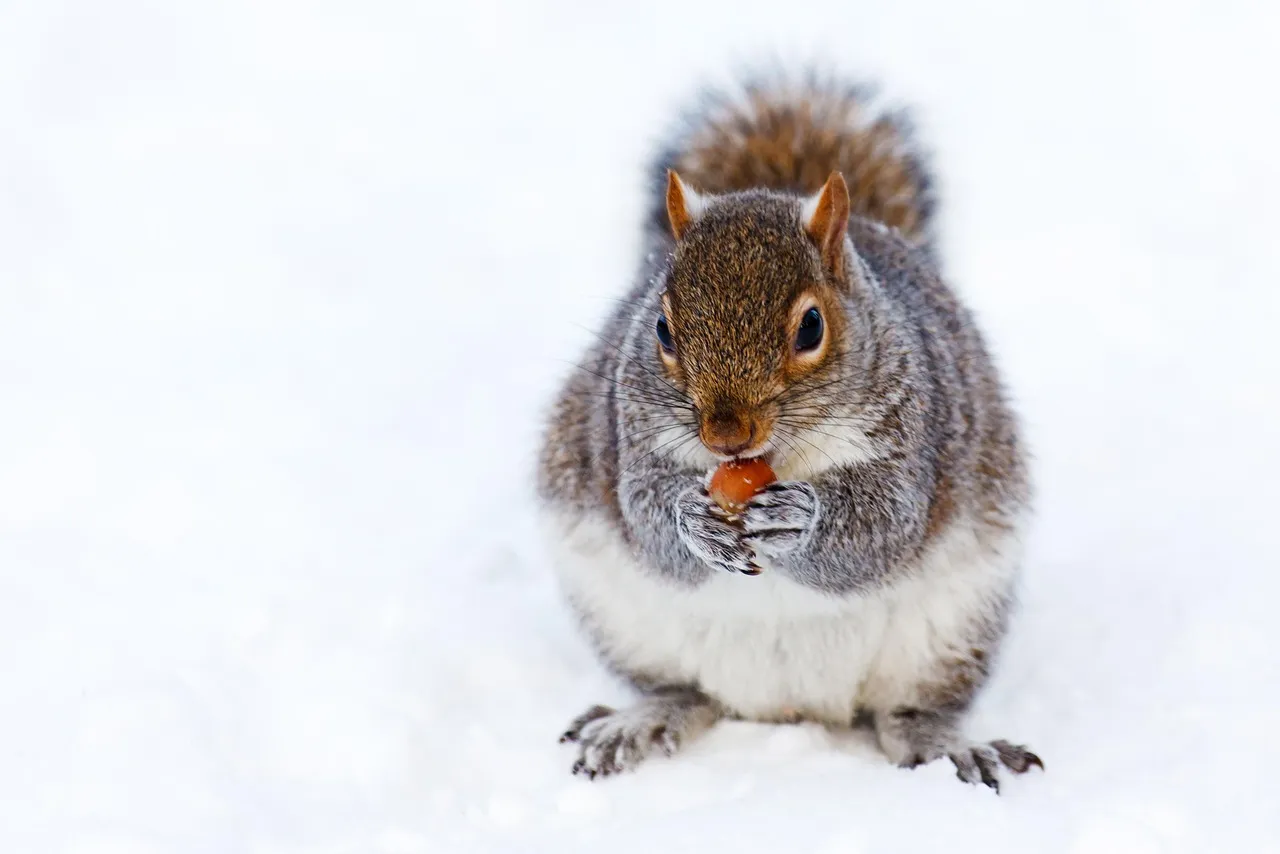
In fall, squirrels start to look a little rounder – and that’s no accident. They eat more and store extra fat under their skin, turning their bodies into portable energy banks. This extra weight helps them handle cold temperatures and gives them a backup energy source for days when it’s too harsh or dangerous to go out searching for food. Think of it like carrying a built-in emergency snack pack around all winter.
That slightly chubby look is actually a smart strategy, not a sign they’re slacking off. Their metabolism and hormones shift with the seasons, nudging them toward higher intake and preparing their bodies for the colder months ahead. So when you see a squirrel in fall that looks a bit puffier than it did in summer, that’s winter prep in action, not lack of discipline. In their world, gaining seasonal weight is not a problem; it’s the plan.
5. Becoming Bolder, Faster, and Weirdly Distracted
🔥 Would you like to save this?
We'll email this post to you, so you can come back to it later!
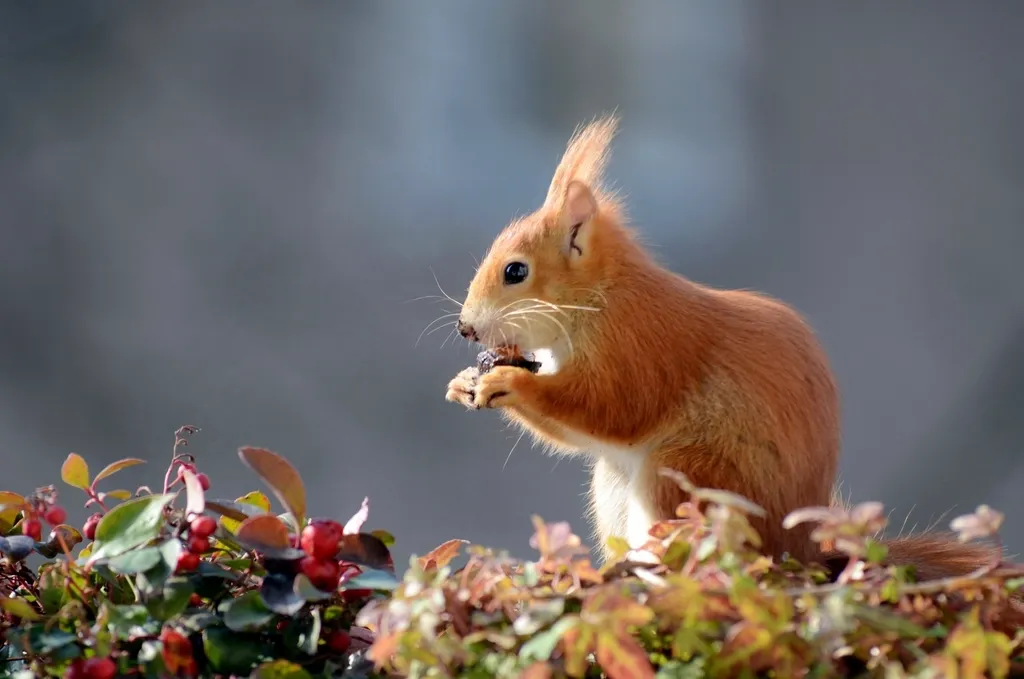
Have you ever noticed squirrels in fall seem almost… manic? They dash across roads at the worst possible times, dart up and down trees, hesitate in strange little half-steps, then explode into motion again. Part of that is simply that they are under pressure: shorter days, cooler nights, and an instinctive urgency to get everything ready. With so much on their to-do list, they sometimes take more risks or make sketchier decisions.
Their brains are juggling a lot at once – find food, hide food, guard food, repair nests, stay alert for predators – and that can make them seem both fearless and scattered. From a human perspective, it looks like bad planning. From a survival perspective, it’s calculated chaos. They push their activity into the edges of daylight and twilight, stretching their schedules to squeeze every usable moment out of the season.
6. Getting Pickier About Which Food Is Worth the Effort
🔥 Would you like to save this?
We'll email this post to you, so you can come back to it later!
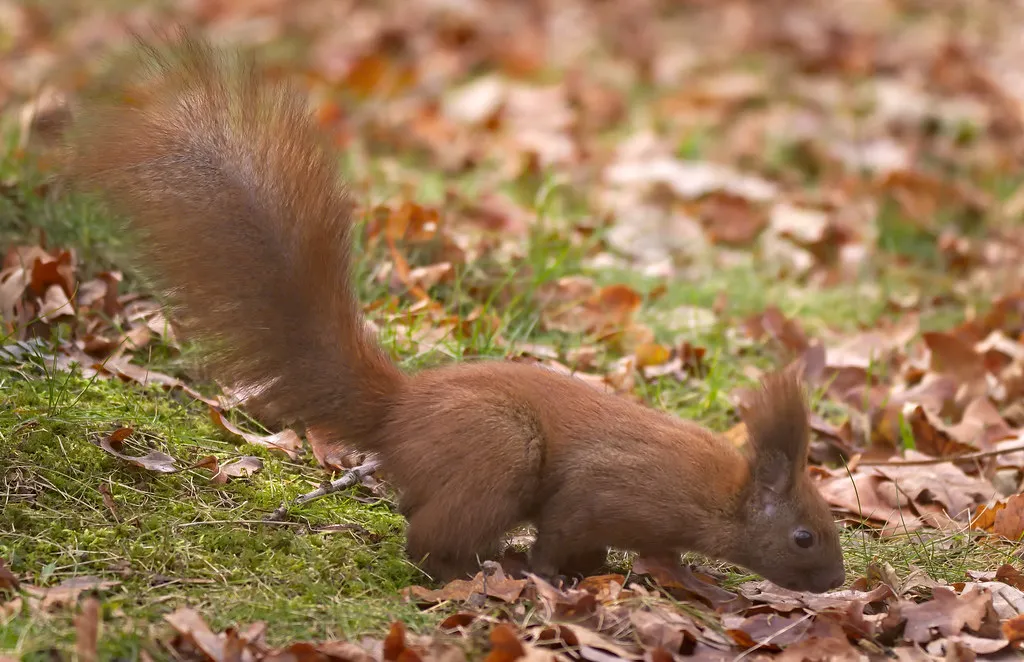
In fall, squirrels are not just vacuuming up anything edible. They start becoming more selective about what they bother to carry and bury. High-fat, high-calorie foods like acorns, walnuts, and certain seeds suddenly become their main priority. Lower-quality snacks might get eaten on the spot or ignored entirely if something better is available. It’s like they quietly switch from “all-you-can-eat buffet” mode to “premium fuel only.”
They can even show preferences among nuts, sometimes favoring ones that store better and are less likely to rot. Some studies suggest they sort and bury different nuts in different locations, almost like organizing a pantry by food type. To us it looks like random digging, but there’s often logic underneath. Their fall pickiness is not about taste; it is about what will still be valuable when snow is on the ground and options are limited.
7. Shifting Their Daily Schedule as Temperatures Drop
🔥 Would you like to save this?
We'll email this post to you, so you can come back to it later!
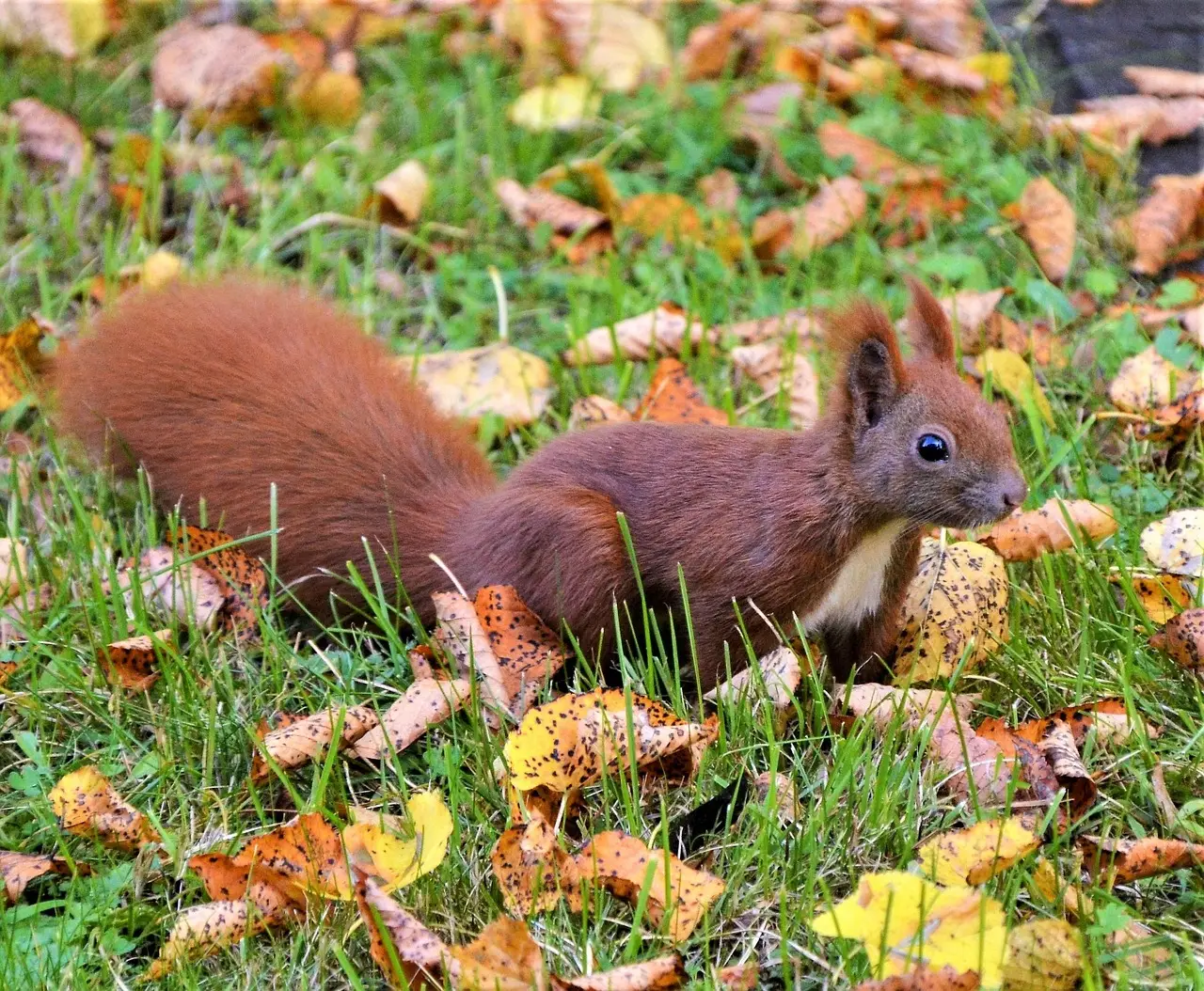
As fall deepens, you may notice squirrels adjusting when they are most active. Early in the season they may still be out in bright midday sunshine, but as it gets colder and windier, they tend to focus their work during the more comfortable hours, usually around morning and late afternoon. Think of it like someone timing their errands so they are not out during the harshest heat – or in this case, the most bitter cold.
This shift is also about safety. Predators, light levels, and human activity patterns all play into when it is safest to dash across open spaces or spend time on the ground. In fall, when they have more to do, they try to fit intense foraging and nest work into the safest windows they can find. If you pay close attention over the season, you’ll see their routine quietly bend and twist with the temperature and the light.
8. Guarding Their Turf and Food With Extra Attitude
🔥 Would you like to save this?
We'll email this post to you, so you can come back to it later!
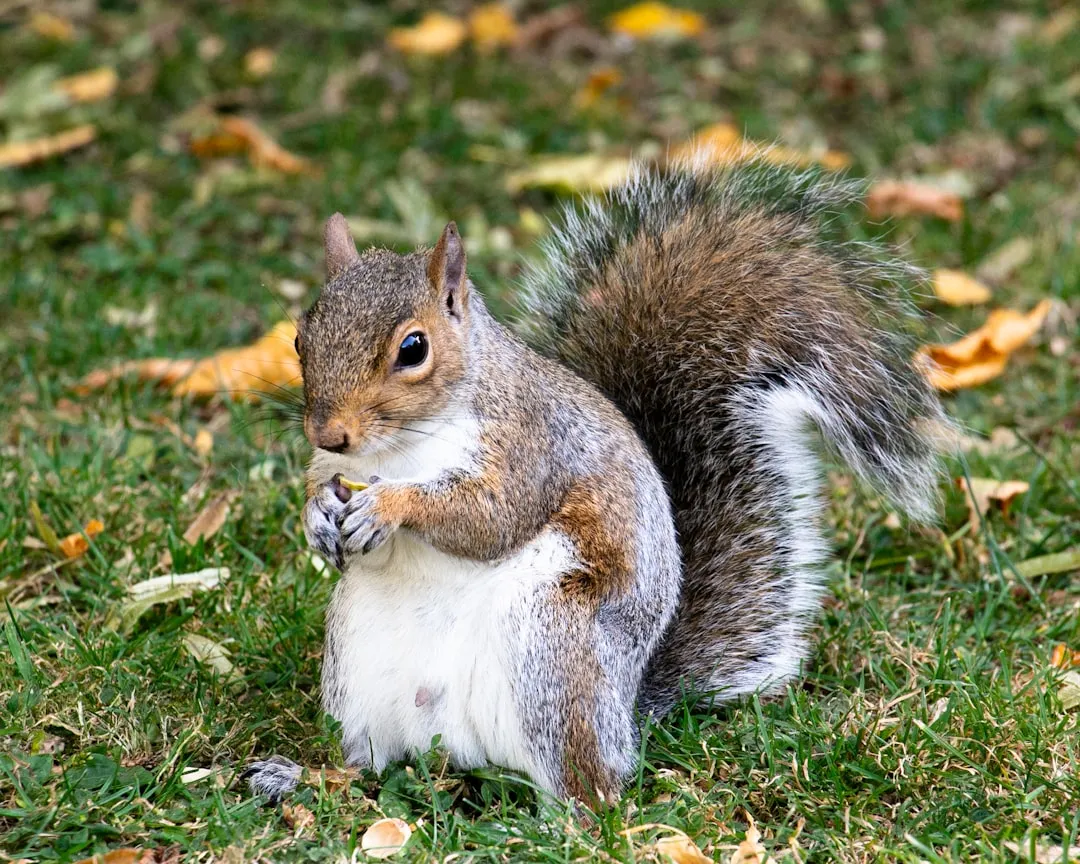
In fall, some squirrels develop a very noticeable edge. They chase each other more, scold from branches, and sometimes even confront birds or other squirrels that dare to linger near a favorite tree or feeder. With winter approaching, every reliable food source and safe nesting spot becomes more valuable, and they are not shy about defending what matters. Their territorial streak goes from mild summer annoyance to something closer to full-time security duty.
This does not mean they suddenly become antisocial monsters; some species will still share areas or even tolerate others nearby, especially if food is abundant. But the tone changes. You can almost feel the tension in the air when two squirrels size each other up on a trunk, tails flicking, bodies tense. That fall feistiness is another clear sign that winter is already shaping their choices, turning everyday spaces into contested winter real estate.
Conclusion: Squirrels Know Winter Is Coming Long Before We Do
🔥 Would you like to save this?
We'll email this post to you, so you can come back to it later!
When you step back and look at all these behaviors together – the frantic foraging, the careful caching, the nest upgrades, the attitude shift – it becomes obvious that squirrels read the season change far better than most of us. While we argue about when it is too early to order a seasonal latte, they are out there overhauling their entire routine to survive months of cold and scarcity. In a strange way, they are more disciplined and forward-thinking than many humans, and that stings a little.
My opinion? We seriously underestimate them. We treat their fall chaos like background noise, when it is actually a finely tuned survival strategy running on instinct, memory, and split-second decisions. Next time you see a squirrel racing across your yard in October, maybe resist the urge to roll your eyes at its “bad” road skills and instead see it as what it is: a tiny, overworked winter planner on a tight deadline. If a creature that weighs less than a loaf of bread can plan months ahead, what excuse do we really have for not preparing for our own storms a little earlier – what do you think?

- 7 Everyday Habits That Can Make Your Senior Dog Happier - November 5, 2026
- 10 Enigmatic Structures That Continue to Puzzle Scientists Today - November 5, 2026
- 10 Strange Ruins in the Americas That Challenge What We Know About Early History - November 5, 2026