
#1 Moisture-damaged wood
🔥 Would you like to save this?
We'll email this post to you, so you can come back to it later!
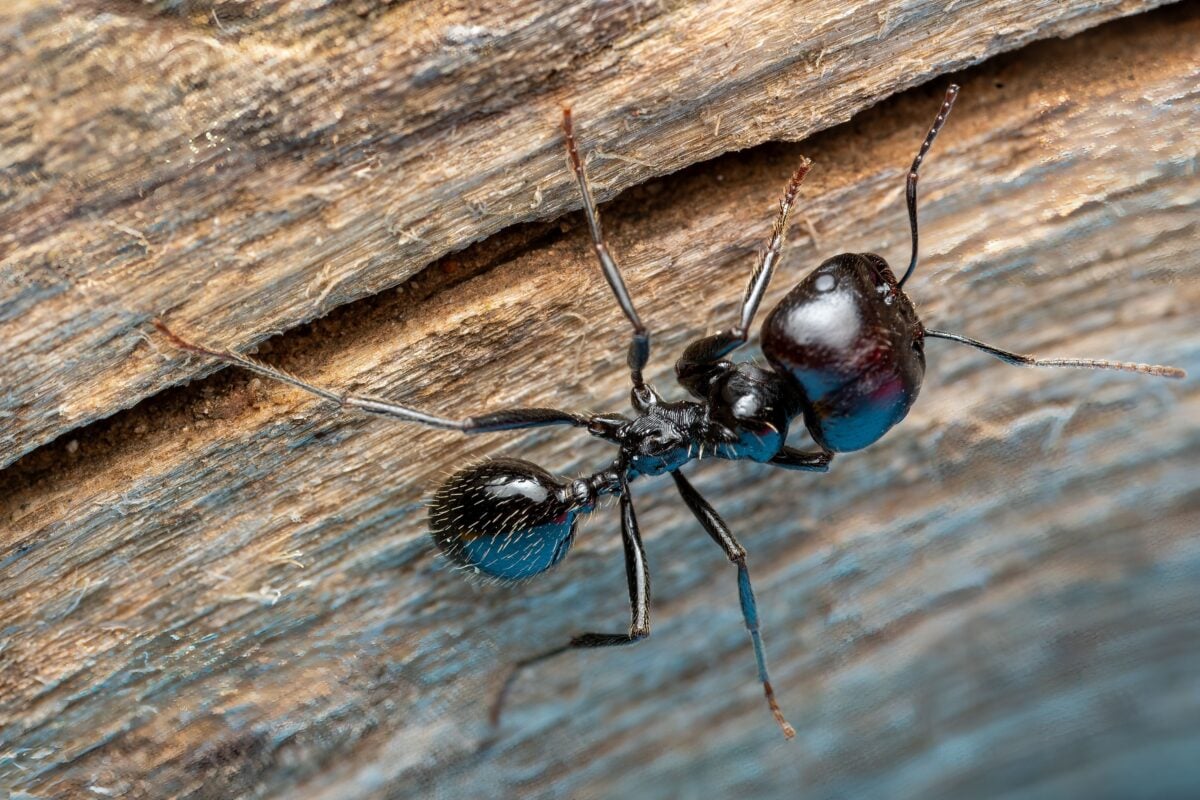
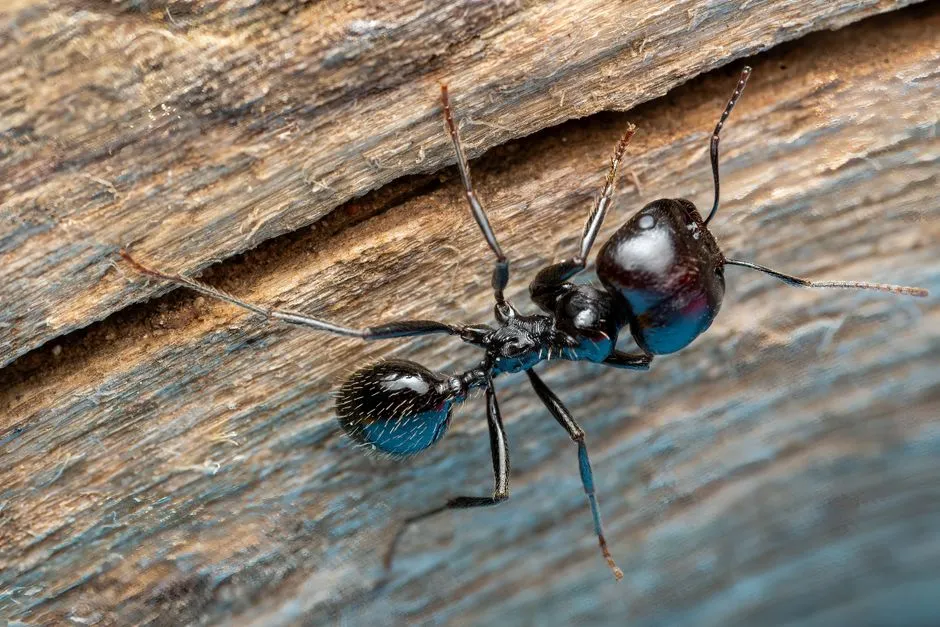
Carpenter ants don’t actually eat wood the way termites do, but they excavate it to build nests, and damp or decaying wood is far easier to tunnel through than dry, solid lumber. Leaky pipes, roof damage, or poor drainage around a foundation can quietly soften wood over months or years, creating exactly the kind of soft, workable material these ants prefer. This is why colonies so often turn up near window sills, under sinks, or behind bathtubs where slow leaks go unnoticed.
Once a colony establishes itself in that damp wood, it typically expands into drier structural wood nearby, which is what makes early infestations so hard to catch. Homeowners frequently discover the problem only after noticing small piles of sawdust-like material, known as frass, near baseboards or door frames. By the time that frass appears, the moisture problem has usually been present for quite a while already.
#2 Sugary residue on outdoor surfaces
🔥 Would you like to save this?
We'll email this post to you, so you can come back to it later!
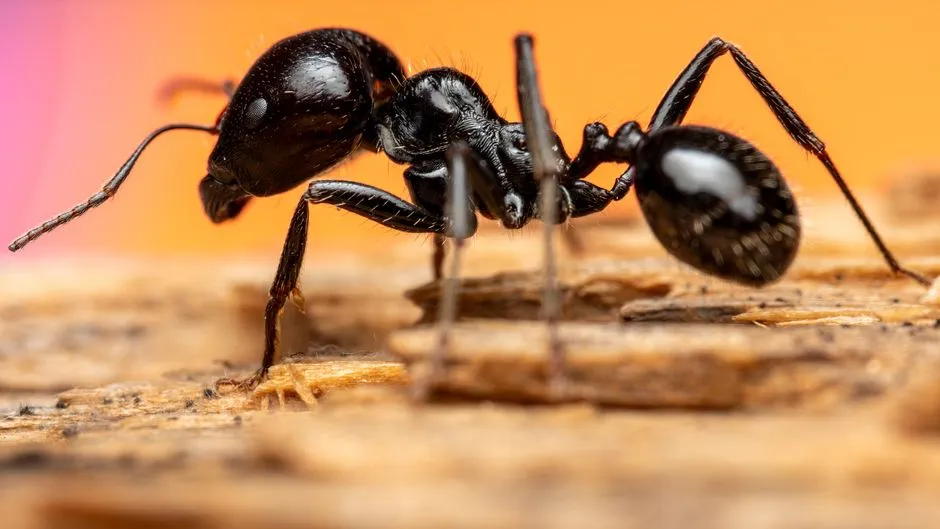
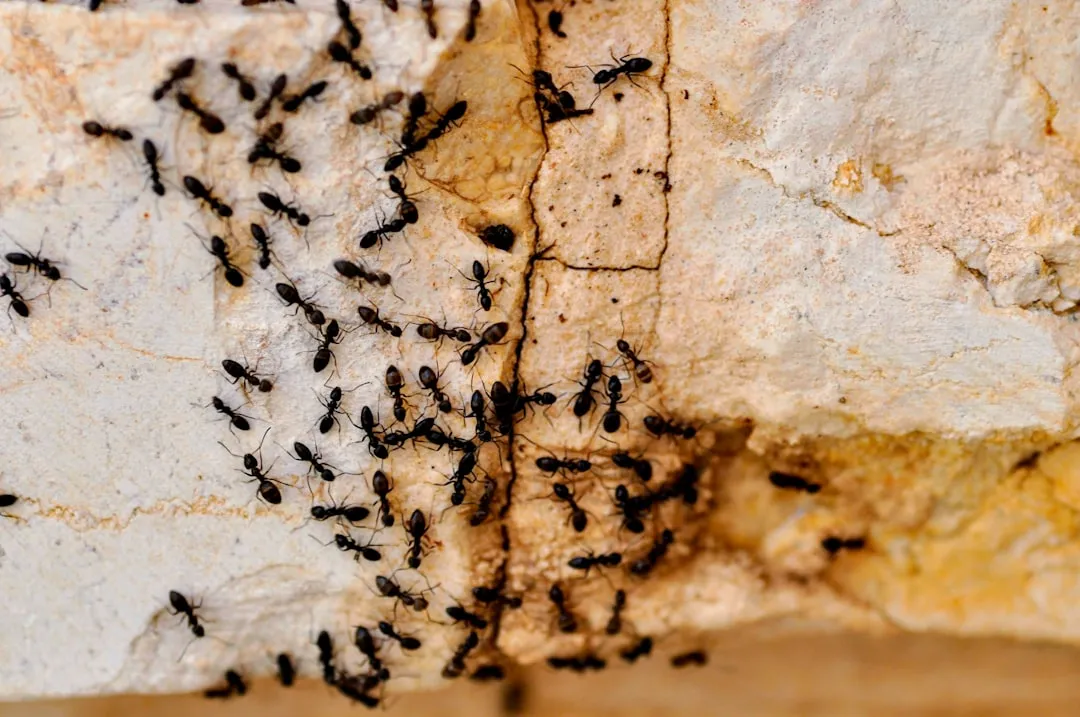
Kitchen counters get a lot of blame, but sticky spots on patios, decks, and outdoor furniture are just as tempting to foraging ants. Spilled soda, dropped popsicle drips, or sap from nearby trees can create small sugar deposits that scout ants pick up on quickly. Carpenter ants have a strong preference for sweet substances during warmer months when they’re actively foraging for energy to fuel colony growth.
Because these residues sit outside, they’re easy to overlook entirely, especially if they’re tucked into a corner of a deck or under a grill. A single sticky spot can become a reliable food source that keeps a trail of ants moving steadily toward your home’s exterior. Over time, that outdoor trail can lead scouts straight to a gap in siding or a crack near a window frame.
#3 Aphid honeydew in the garden
🔥 Would you like to save this?
We'll email this post to you, so you can come back to it later!
This one surprises a lot of people, but it’s one of the most consistent food sources for carpenter ants in yards with mature trees or shrubs. Aphids feed on plant sap and excrete a sugary substance called honeydew, and ants have a well-documented relationship with aphids where they essentially farm them for this sweet byproduct. Trees close to a house, especially ones with heavy aphid activity, can become a steady buffet that keeps ant activity concentrated nearby.
Ants will actually protect aphid colonies from predators in exchange for continued access to honeydew, which means an aphid problem left unaddressed can indirectly fuel an ant problem too. If those trees have branches touching the roofline or siding, the connection between garden pests and household ants becomes even more direct. Managing aphids isn’t just a plant health issue in these cases, it’s pest prevention for the whole property.
#4 Firewood stacked against the house
🔥 Would you like to save this?
We'll email this post to you, so you can come back to it later!
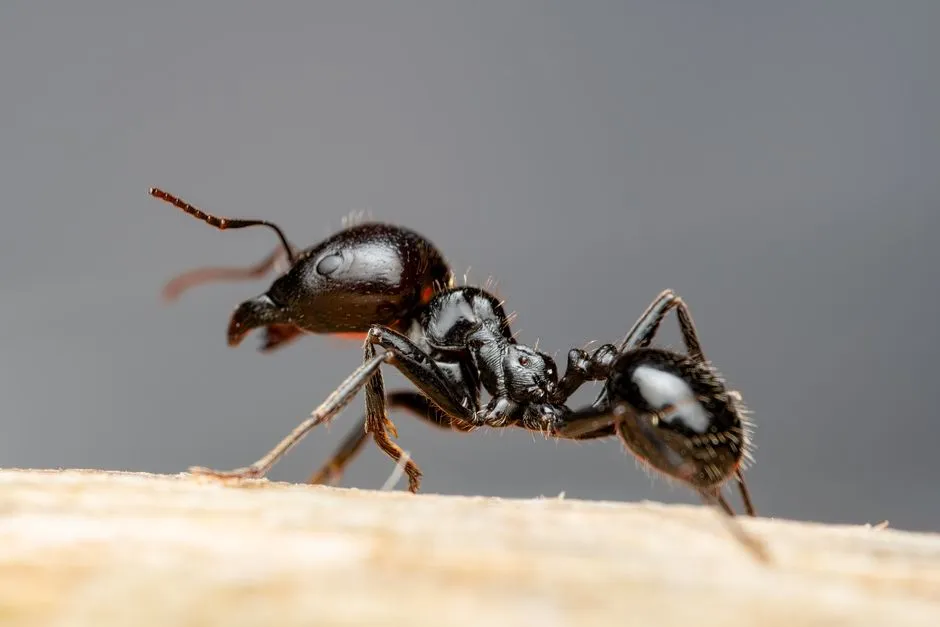
Firewood piles are one of the most common and most preventable carpenter ant magnets, mainly because people stack them right against exterior walls for convenience. Wood that’s been sitting outside tends to hold moisture, especially at the bottom of a pile or on the ground-facing side, making it soft and appealing for nest-building. Ants that settle into a woodpile don’t stay contained to it forever, particularly once the pile is close enough to offer an easy bridge to the house.
Bringing firewood indoors for the evening, even for a single night, can unintentionally carry an active nest right into a living room or garage. Pest professionals generally recommend keeping firewood elevated off the ground and several feet away from any exterior wall. It’s a small adjustment, but it removes one of the most direct pathways ants have into a structure.
#5 Standing water near the foundation
🔥 Would you like to save this?
We'll email this post to you, so you can come back to it later!
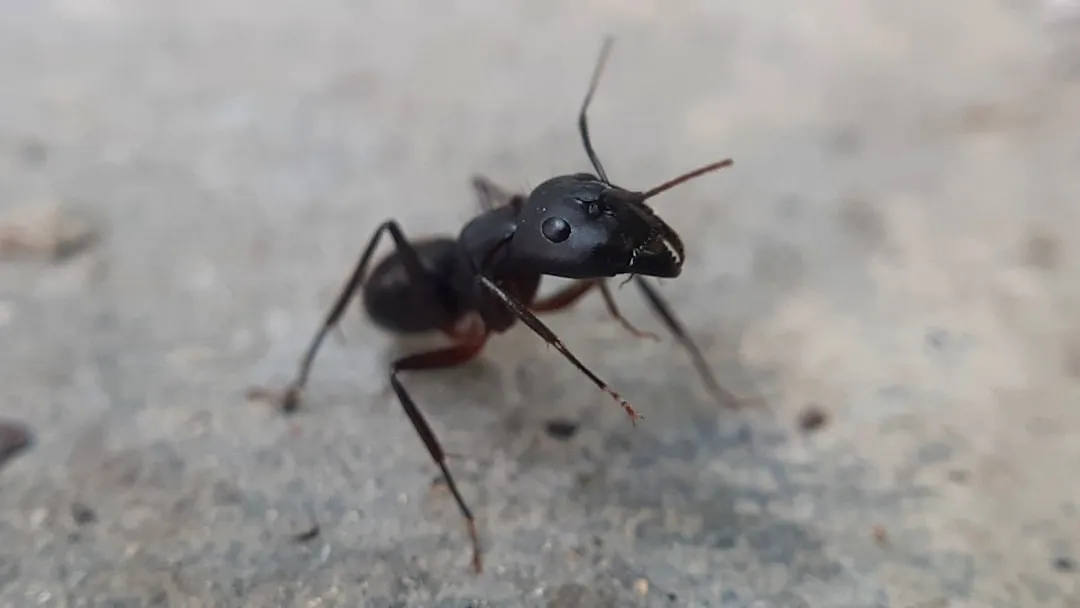
Ants, like most insects, need a reliable water source, and standing water around a foundation checks that box while also softening nearby soil and wood. Poor gutter drainage, clogged downspouts, or low spots in the yard that collect rainwater can all create these damp zones without anyone noticing right away. Over time, that consistent moisture can seep into siding, sill plates, or crawl space wood, setting the stage for exactly the kind of environment carpenter ants seek out.
This is part of why pest control advice so often circles back to gutters and drainage, even when the conversation starts with ants. Fixing water flow around a home isn’t glamorous work, but it addresses the root cause rather than just the visible symptom. A dry foundation perimeter genuinely does more long-term prevention than any store-bought ant trap.
#6 Tree branches and shrubs touching the house
🔥 Would you like to save this?
We'll email this post to you, so you can come back to it later!
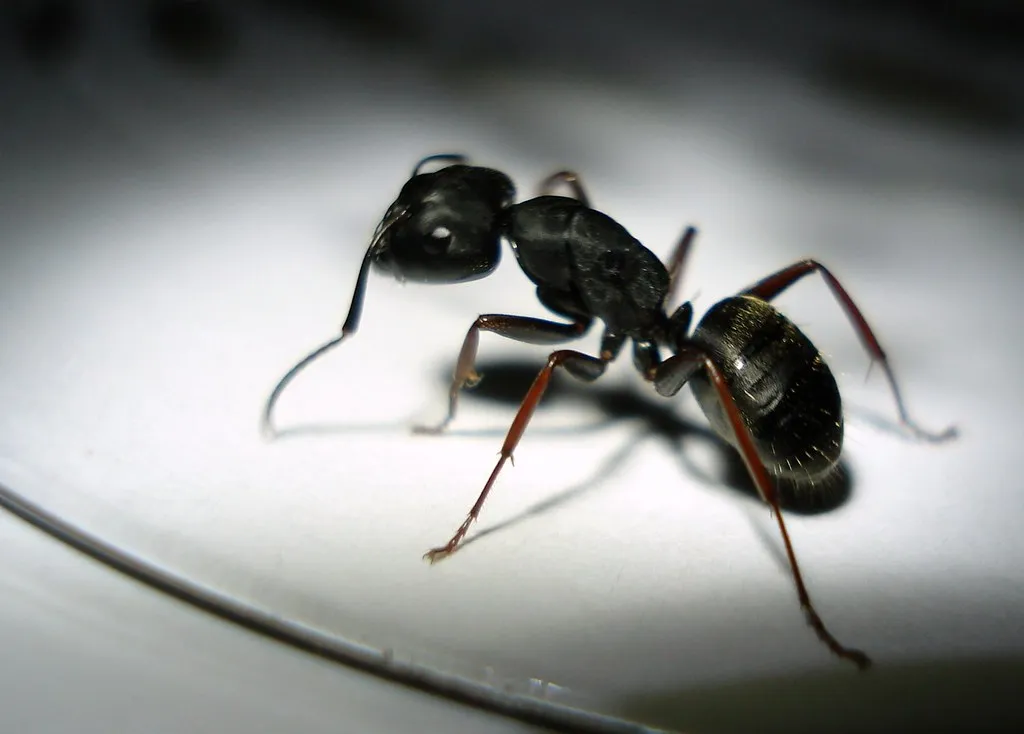
Carpenter ants are excellent climbers, and overhanging branches or shrubs pressed against exterior walls give them a direct, sheltered route onto a structure. This kind of physical contact bypasses a lot of the exposure ants would normally face crossing open ground, where predators and dry conditions make travel riskier. A tree limb resting on a roof or a bush brushing against siding effectively acts as a bridge straight into vulnerable entry points like vents, eaves, or gaps around windows.
Trimming vegetation back from the house by even a foot or two removes that easy access and forces ants to take a more exposed, less appealing path. This is one of the simplest exterior maintenance habits that pays off, yet it’s frequently skipped because it doesn’t feel urgent until ants are already inside. Landscaping choices, in this sense, are quietly part of pest prevention too.
#7 Voids and gaps in exterior walls
🔥 Would you like to save this?
We'll email this post to you, so you can come back to it later!
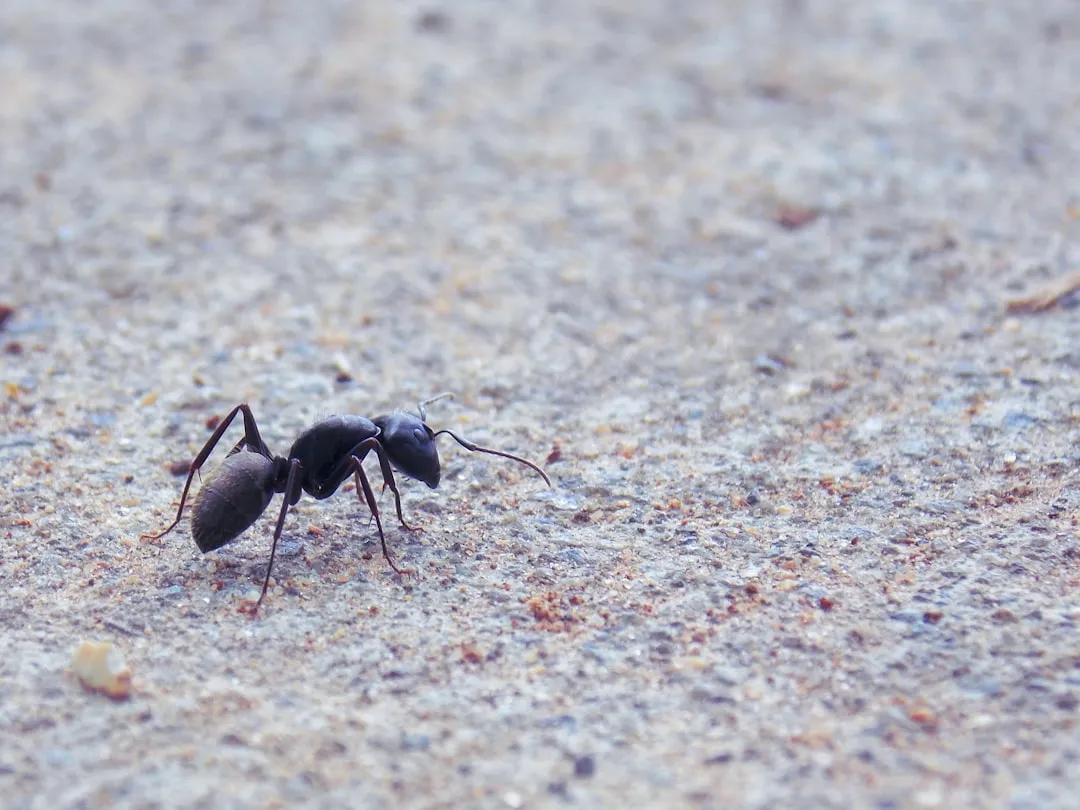
Carpenter ants don’t need much space to get started, and small voids in siding, soffits, or foundation cracks give them protected, undisturbed areas to begin building. These gaps often form naturally as homes settle or as materials expand and contract with seasonal temperature shifts, so they’re not necessarily a sign of poor construction. What matters more is how long those gaps stay unnoticed, since even a tiny crack can eventually shelter a satellite nest.
Satellite nests are particularly worth knowing about because they don’t always contain the queen, meaning a treatment that misses the main colony can leave the real problem untouched. These secondary nests are usually placed near a moisture source or a food supply, which loops right back to several of the other attractants already mentioned. Sealing up visible gaps during routine home maintenance is a small task that closes off a surprising number of entry opportunities.
#8 Dead or decaying trees on the property
🔥 Would you like to save this?
We'll email this post to you, so you can come back to it later!
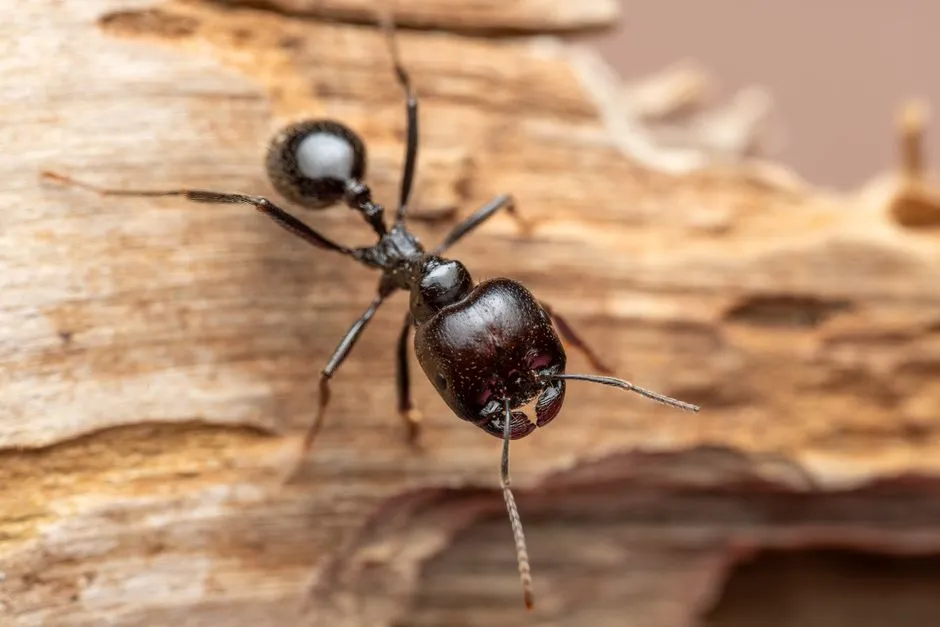
A dead tree, or even a healthy tree with a decaying section, is essentially a ready-made carpenter ant nest sitting in the yard. The soft, rotting wood inside these trees is far easier to tunnel through than living wood, which makes old stumps and dying trees a favorite starting point for new colonies. Once established there, colonies often grow large enough to send foraging workers toward the nearest house, especially if the tree is within a short distance of the structure.
This is one of the reasons pest control professionals often ask about nearby trees when investigating an indoor ant problem, even if the connection isn’t obvious at first. Removing a clearly dead tree, or having a certified arborist assess a declining one, can eliminate a nesting site before it becomes a larger issue. It’s an unglamorous piece of yard maintenance, but it directly affects what’s living in the wood just outside your door.
The Real Takeaway
🔥 Would you like to save this?
We'll email this post to you, so you can come back to it later!
Honestly, blaming carpenter ants entirely on kitchen cleanliness misses most of the picture. These insects respond to moisture, structural gaps, garden ecosystems, and yard maintenance far more than they respond to a stray crumb on the floor. If there’s one opinion worth stating plainly here, it’s that prevention has almost nothing to do with how tidy a kitchen looks and almost everything to do with how well a property manages water, wood, and vegetation.
Anyone dealing with recurring ant activity despite a clean home should look outward before looking inward, toward gutters, woodpiles, tree limbs, and foundation drainage. That shift in perspective tends to solve problems that surface-level cleaning never will.

- 7 Everyday Habits That Can Make Your Senior Dog Happier - November 5, 2026
- 10 Enigmatic Structures That Continue to Puzzle Scientists Today - November 5, 2026
- 10 Strange Ruins in the Americas That Challenge What We Know About Early History - November 5, 2026