
Most people never see trust break. There’s no slammed door, no dramatic moment, just a horse that gradually gets a little slower to walk up at the gate, a little tighter in the jaw, a little more watchful when you reach for the halter.
Horses don’t hold grudges the way people do, but they do learn, constantly. Every interaction teaches them something about whether you’re predictable and safe to be around. The trouble is that many of the habits that teach the wrong lesson feel perfectly normal to us.
Inconsistent Cues and Mixed Messages
🔥 Would you like to save this?
We'll email this post to you, so you can come back to it later!
Horses learn through pressure and release, and they’re remarkably good at reading small signals. When you ask for the same thing in different ways on different days, you’re asking them to solve a puzzle without the answer key. One day a light squeeze means walk on, the next day it takes a kick, and the day after that you’re pulling the reins at the same time.
Over time, confusion can turn into anxiety or into shutting down. A horse that never knows what’s being asked may start to brace in advance, which often gets mislabeled as stubbornness. Clear, repeatable cues, and a prompt release when the horse tries, are among the simplest ways to protect trust.
Reacting to Fear With Punishment
🔥 Would you like to save this?
We'll email this post to you, so you can come back to it later!
A spooking horse isn’t being rude. Fear is a survival response in a prey animal, and it happens whether or not the plastic bag is actually dangerous. If you respond by yelling, jerking the lead, or forcing the horse right up to the scary object, the lesson may be that being near you gets worse when they’re already frightened.
Staying calm, giving the horse a moment to look, and asking for small steps toward the object usually works better. It doesn’t mean letting the horse run the show. It means separating fear from disobedience, because they need very different responses.
Ignoring Pain and Physical Discomfort
🔥 Would you like to save this?
We'll email this post to you, so you can come back to it later!
Many behavior problems have a physical cause. Poorly fitting saddles, sore backs, dental issues, hoof trouble, and ill-fitting bits can all make work uncomfortable. A horse that pins its ears at the girth or tosses its head under saddle may be trying to tell you something in the only way available.
If we keep asking for work while the pain goes unaddressed, the horse learns that communication doesn’t change anything. That’s a quiet kind of damage. Regular checks from a vet, farrier, equine dentist, and a qualified saddle fitter are cheap insurance for both welfare and trust.
Rough or Rushed Handling
🔥 Would you like to save this?
We'll email this post to you, so you can come back to it later!
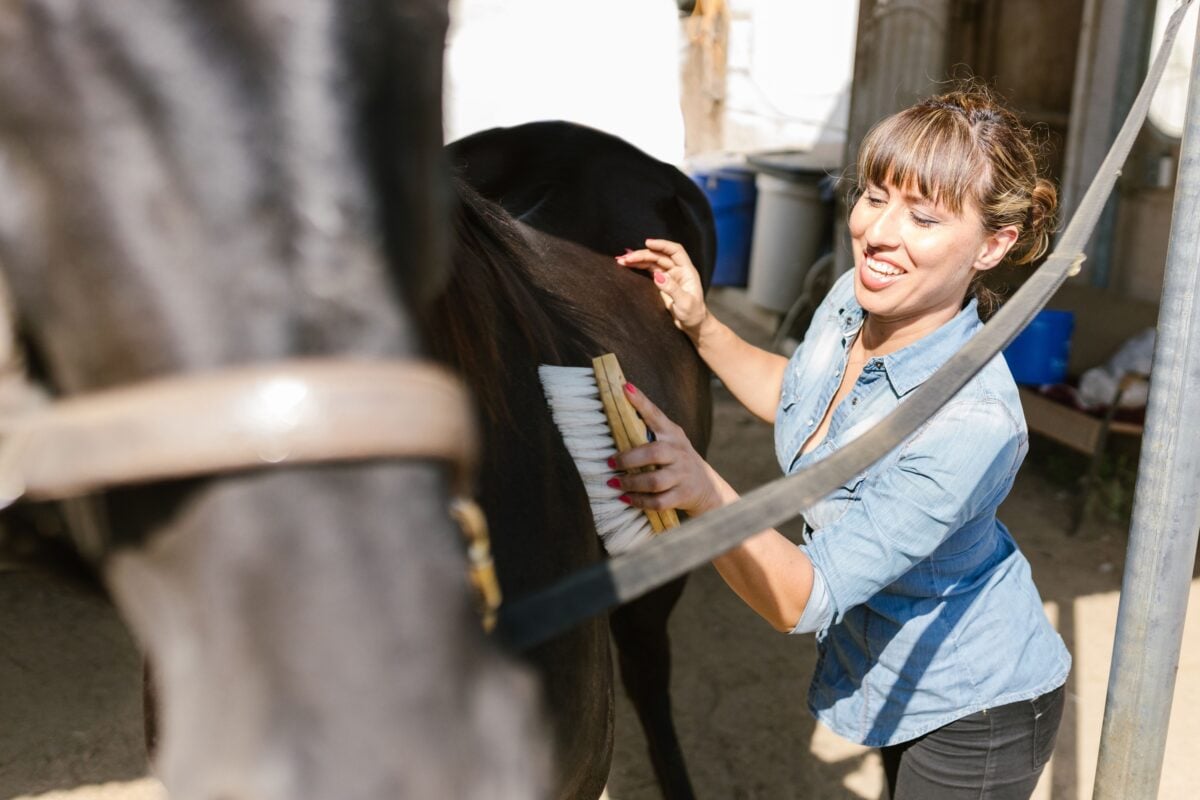
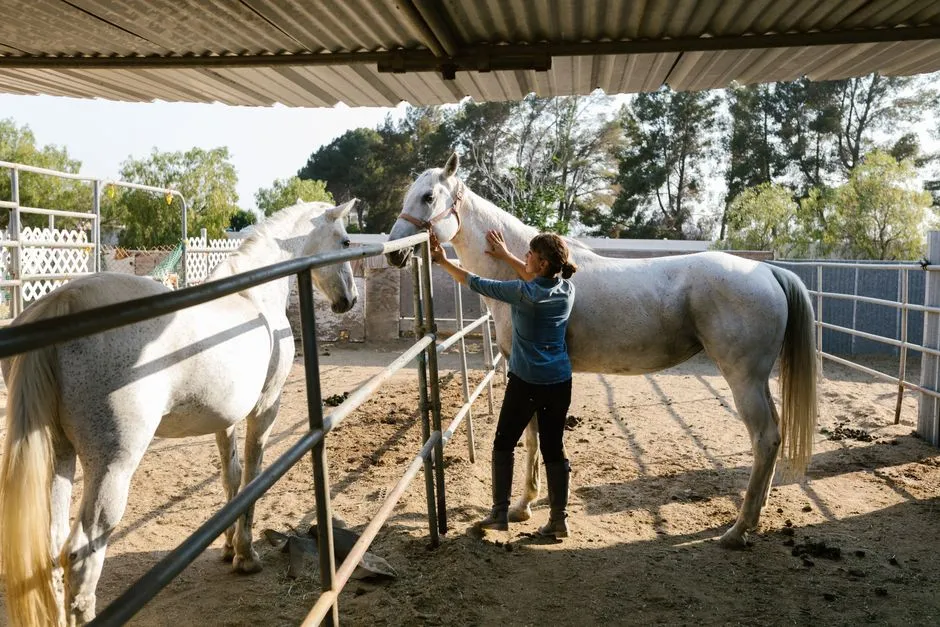
Handling is where trust is built or worn down in small doses. Yanking a halter on, tightening the girth too fast, or hurrying through grooming because you’re late all add up. Horses notice tension in your body, your breathing, and the speed of your movements.
Slowing down by even a few minutes can change the mood of a whole session. Let the horse see you coming, touch them predictably, and pay attention to tiny signs of worry, like a tight eye or a swishing tail. Calm, deliberate handling teaches them that you’re safe to be near.
Losing Your Temper
🔥 Would you like to save this?
We'll email this post to you, so you can come back to it later!
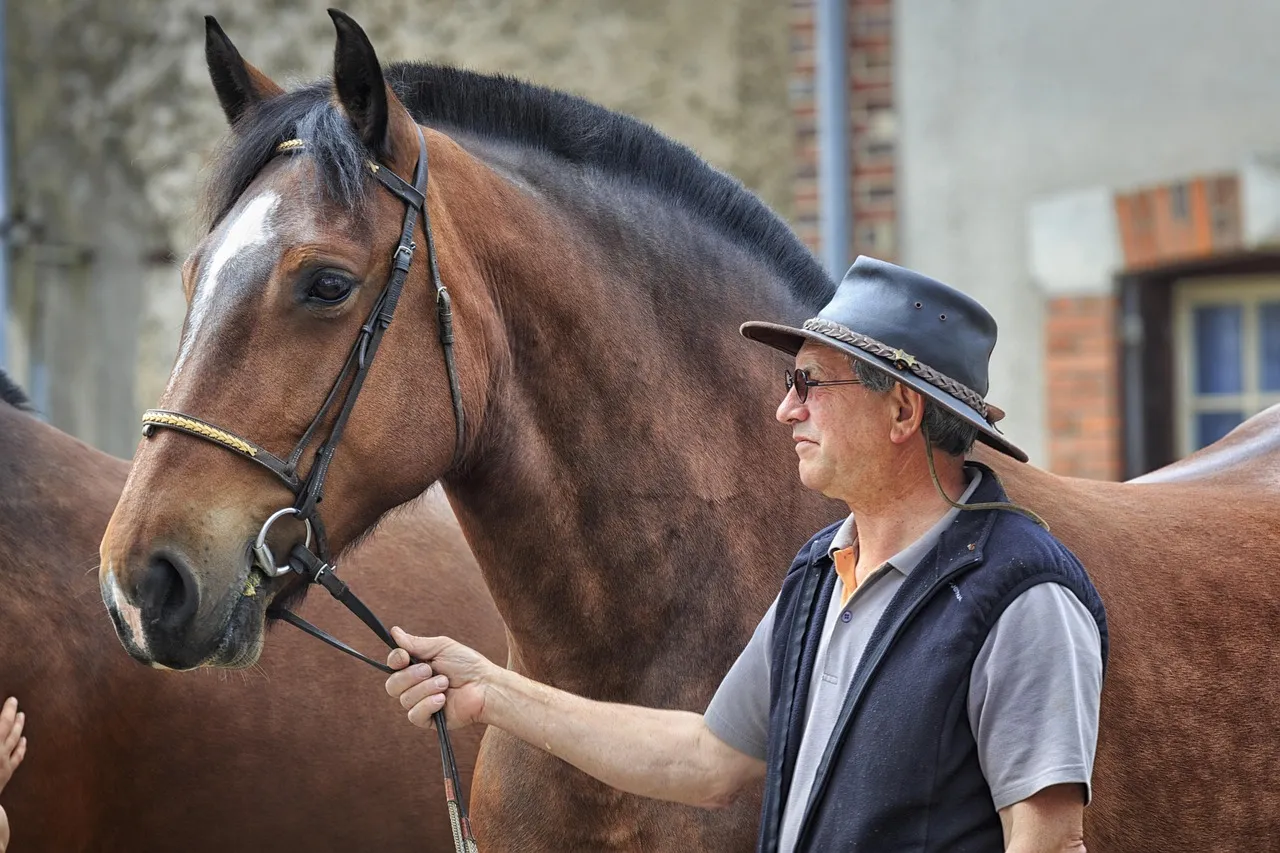
Everyone has bad days, and horses are often the ones who absorb them. Frustration can leak out as a sharper tone, a harder hand, or a reaction that’s far bigger than the situation deserves. Horses don’t understand why you’re angry, only that the person beside them has become unpredictable.
If you feel your patience running out, the kindest option is often to stop. End on a small success, put the horse away, and try again tomorrow. Walking away costs you very little, while a pattern of angry sessions can cost a lot.
Skipping Rest, Turnout, and Social Contact
🔥 Would you like to save this?
We'll email this post to you, so you can come back to it later!
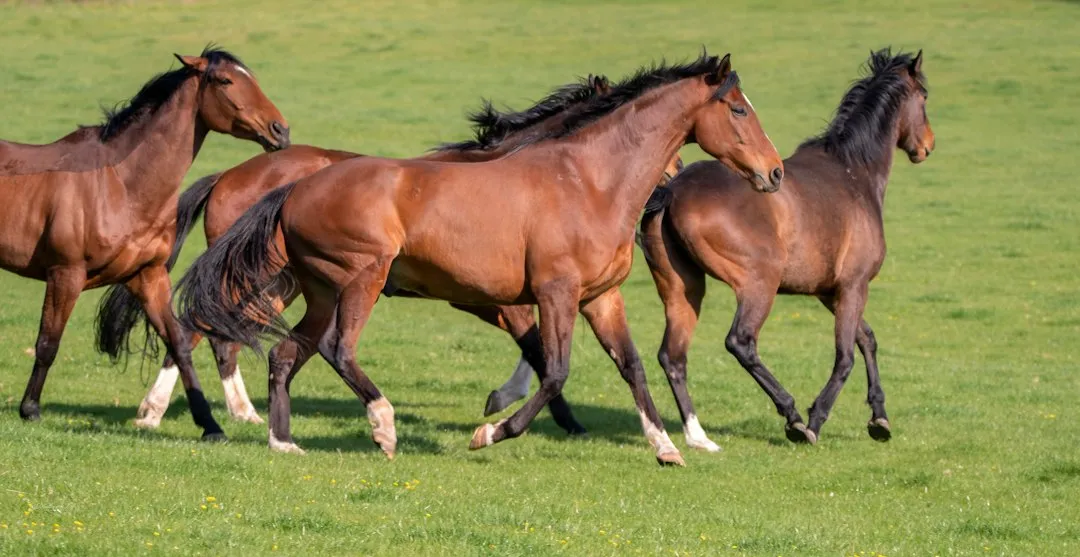
Horses are built to move, graze, and live alongside other horses. Long hours in a stall with little social contact can contribute to stress and unwanted behaviors, and a stressed horse is less relaxed and less willing to learn. Welfare guidance from equine organizations generally emphasizes turnout, forage, and companionship for good reason.
Trust isn’t only built during training. A horse that feels settled and has its basic needs met tends to arrive at your session in a better frame of mind. Meeting those needs is part of the relationship, not a bonus on top of it.
Only Showing Up When You Want Something
🔥 Would you like to save this?
We'll email this post to you, so you can come back to it later!
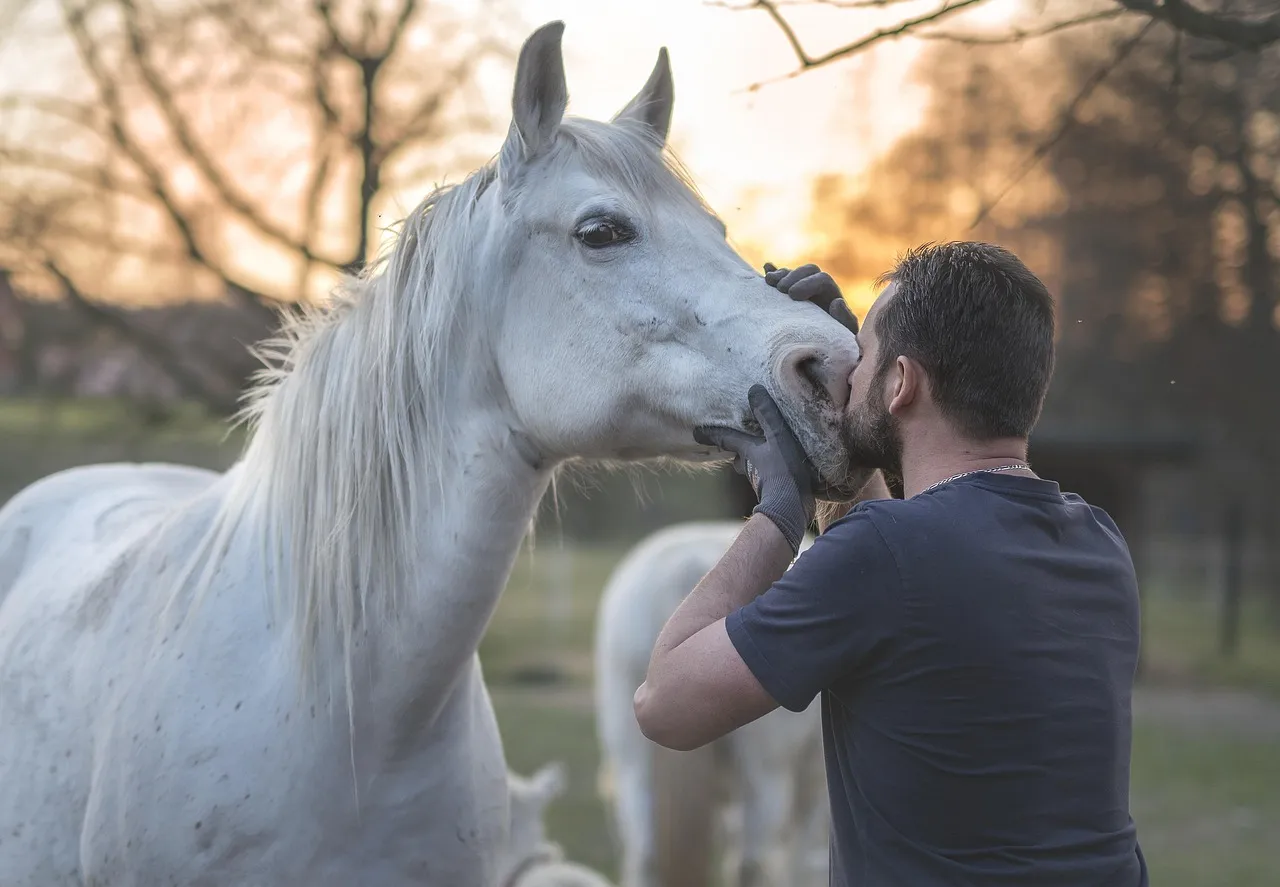
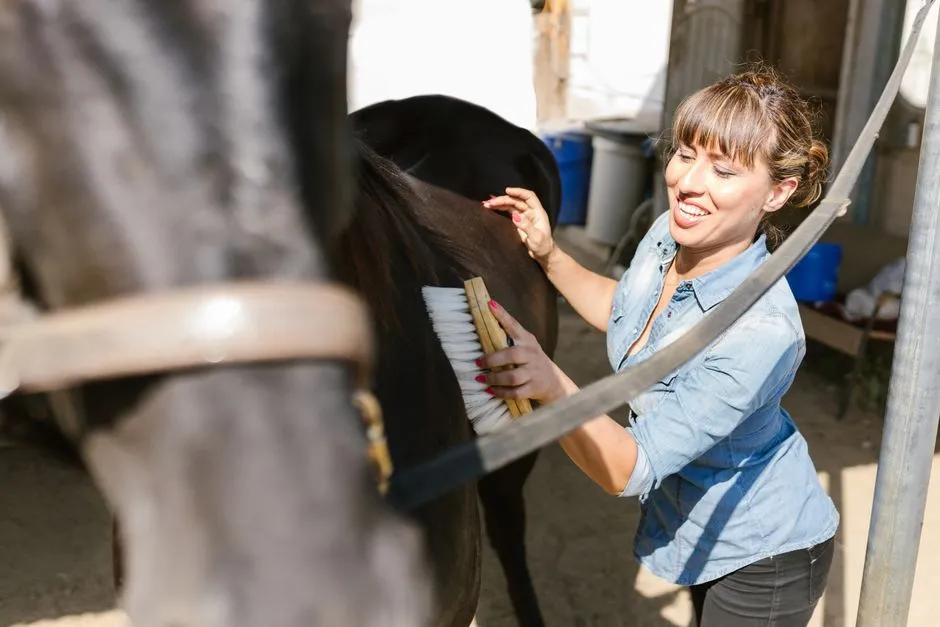
If every visit means work, a horse may start to see you as a signal that effort is coming. That isn’t necessarily bad, but a relationship made entirely of demands can feel one-sided. Horses can form positive associations with people who also bring calm, food, scratches, or simply quiet company.
Try spending time without an agenda. Hand graze, groom slowly, or just sit nearby while the horse eats. These moments cost nothing, and they give your horse a reason to look forward to seeing you.
Pushing Too Far, Too Fast
🔥 Would you like to save this?
We'll email this post to you, so you can come back to it later!
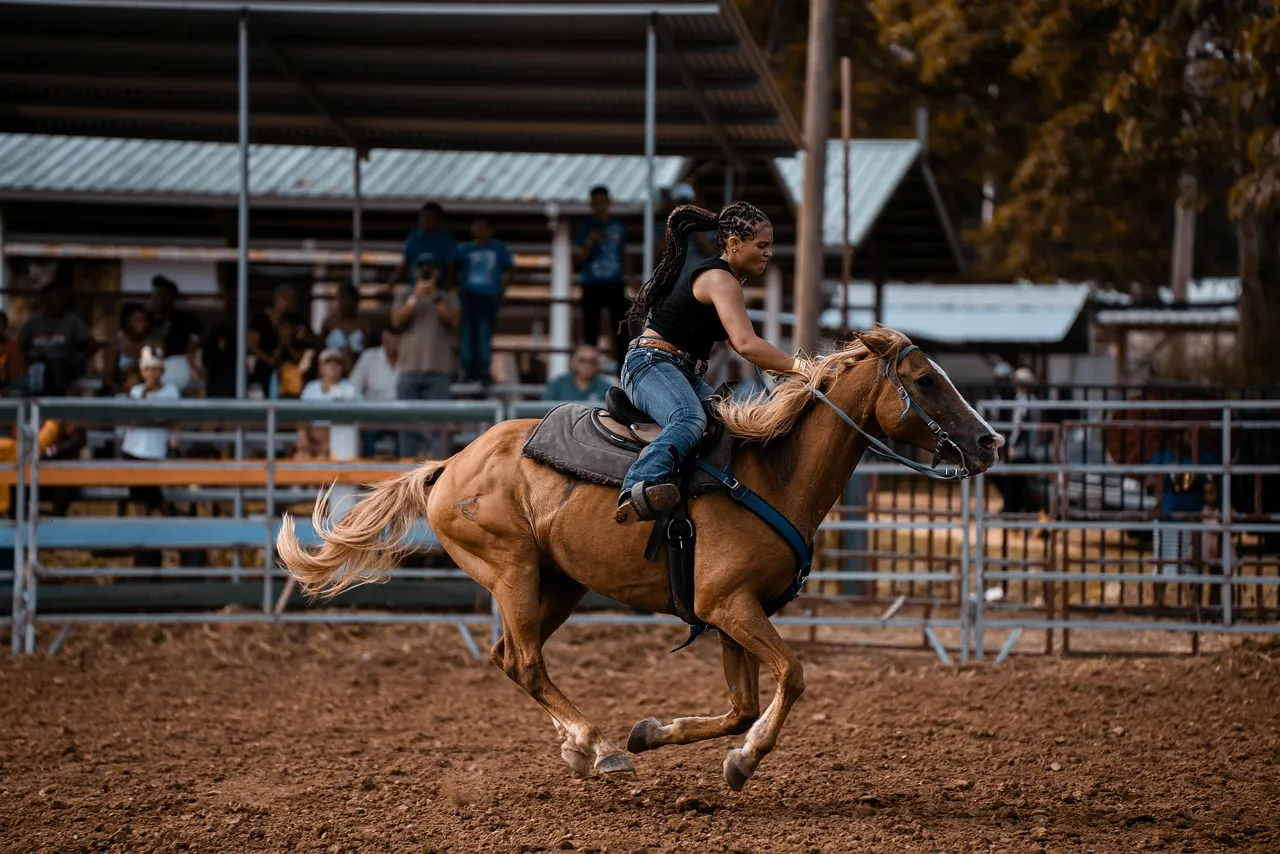
Ambition is a common culprit. Jumping higher, trailering sooner, or riding out alone before the horse is ready can overwhelm even a willing partner. When a horse is asked for more than it understands or can physically manage, confidence takes a hit.
Good training moves in small steps and leaves room for the horse to succeed. If something goes wrong, go back to the last thing that felt easy and rebuild from there. Progress that’s a little slower on paper is often faster in real life.
Final Thoughts
🔥 Would you like to save this?
We'll email this post to you, so you can come back to it later!
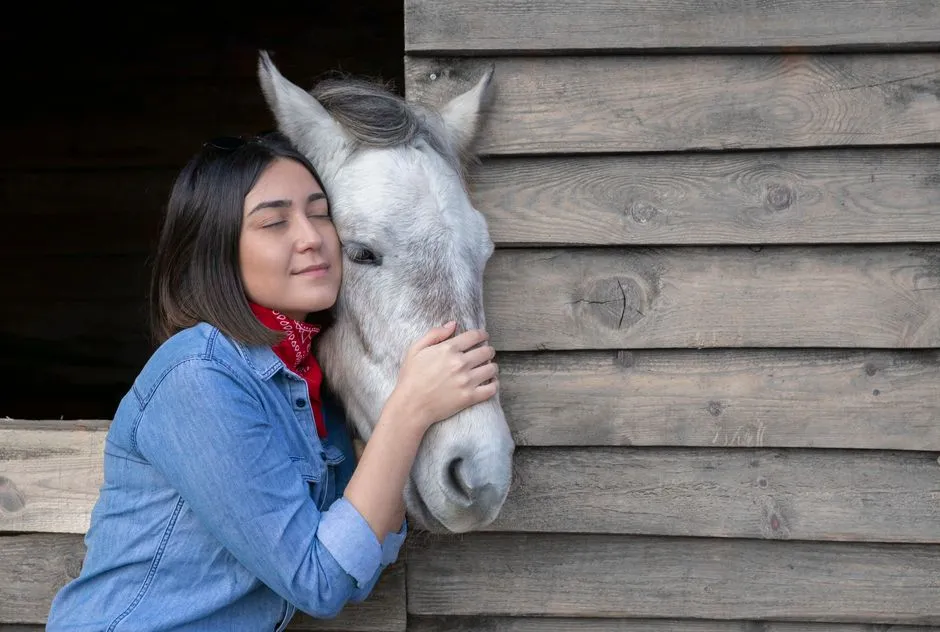
Here’s my take: most broken trust isn’t caused by cruelty, it’s caused by carelessness we’ve learned to excuse. Being busy, tired, or goal driven isn’t a good enough reason to let a horse carry the cost.
The good news is that horses are forgiving learners when the pattern changes. Be consistent, listen to what they’re telling you, and treat patience as part of the job. A horse that trusts you will give you far more than one that merely complies.

- 7 Everyday Habits That Can Make Your Senior Dog Happier - November 5, 2026
- 10 Enigmatic Structures That Continue to Puzzle Scientists Today - November 5, 2026
- 10 Strange Ruins in the Americas That Challenge What We Know About Early History - November 5, 2026