

Picture yourself standing on a narrow ridge of red sandstone, chains bolted into the rock beside you, with a thousand-foot drop on either side. It’s exhilarating. It’s breathtaking. Some might even call it insane.
Angel’s Landing in Zion National Park has become one of the most iconic hiking trails in America, yet it’s also earned a reputation as one of the most dangerous. Every year, thousands of hikers apply through the permit lottery system for a chance to tackle this legendary route. While the experience can be transformative, certain mistakes on this trail don’t just ruin your day – they can be deadly. Let’s talk about what you absolutely should avoid doing when you take on this incredible challenge.
Don’t Attempt the Hike Without a Permit
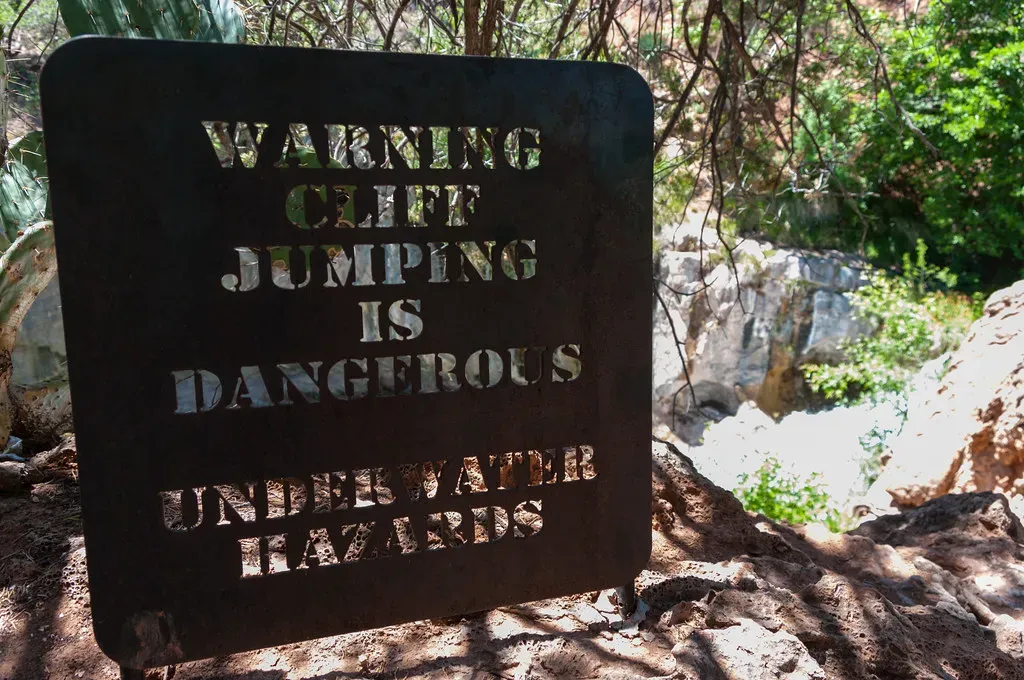
Here’s the thing: permits are required 24 hours a day, seven days a week to hike any portion of Angels Landing, and hiking without a permit is punishable by a fine of up to $5,000 and/or six months in jail. The National Park Service isn’t messing around with this one.
Everyone who wants to hike from Scout Lookout to Angels Landing along the half-mile section of trail with chain handrails needs to have a permit, and this applies to hikers at all times of day and all times of year. You’ll need to enter either the seasonal lottery or the day-before lottery through Recreation.gov.
Rangers actively check permits at Scout Lookout and along the trail. They might ask to see both your permit and your photo ID, so have them ready. I know it sounds like a hassle, but the permit system was put in place after the trail became dangerously overcrowded.
The good news? There were no falling deaths on the trail from 2022 to 2024, and there haven’t been any so far in 2025, which may be because of the new permit system and hiker limits. Think of it as the park looking out for your safety.
Don’t Wear Inappropriate Footwear
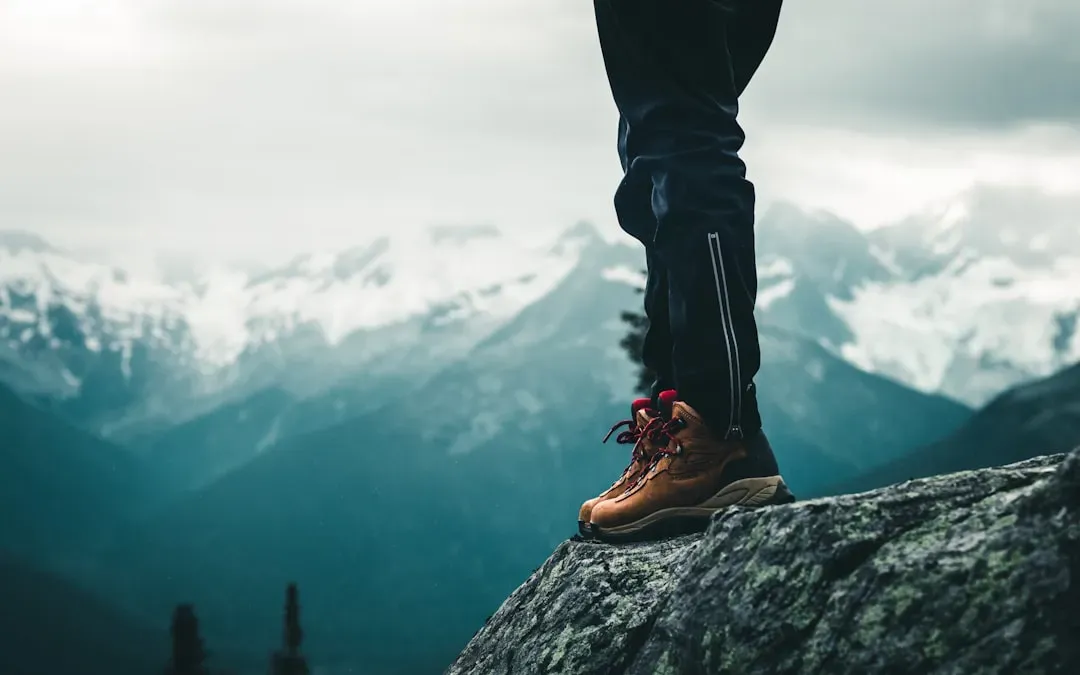
Listen, I’ve seen people attempt this trail in sandals and slip-on shoes. Let me be blunt – that’s absolutely reckless. This is not the place for sneakers, as you need hiking boots or trail shoes with excellent grip.
The Navajo Sandstone that makes up Angel’s Landing can be slippery, especially after rain or when morning dew is present. The rock has been polished to a slick and slippery shine by millions of feet over the years, and the chains are also harder to grasp when wet.
Your shoes need deep treads and solid ankle support. The trail includes steep switchbacks, narrow ridges, and scrambling sections where one wrong step could mean disaster. Those five-mile roundtrip might not sound like much, but the terrain demands proper equipment.
Winter hikers face even more serious challenges. Ice and snow may be present on substantial portions of the trail, and this trail is extremely dangerous during icy or snowy conditions. You’ll need traction devices like microspikes if you’re hiking between December and February.
Don’t Skip Bringing Enough Water

Dehydration isn’t just uncomfortable on Angel’s Landing – it can genuinely kill you. There is no water to drink on the trail, and experts recommend 2 to 4 liters (64 to 128 oz) of water depending on the forecast.
Summer temperatures regularly exceed 100 degrees Fahrenheit. Temperatures often exceed 100°F (38°C), so you should start your hike as early as possible and carry more water than you think you’ll need. Honestly, people underestimate how much they’ll sweat during this strenuous climb.
Think about it this way: you’re gaining nearly 1,500 feet in elevation over roughly five miles, much of it on exposed rock with zero shade. Your body is working overtime. Heatstroke symptoms include dizziness and confusion, which are absolutely the last things you need when navigating narrow ledges with sheer drops.
Bring a hydration pack or multiple water bottles, and actually drink from them regularly. Waiting until you’re thirsty means you’re already behind. Electrolyte replacement is smart too, especially during warmer months.
Don’t Hike During Dangerous Weather Conditions
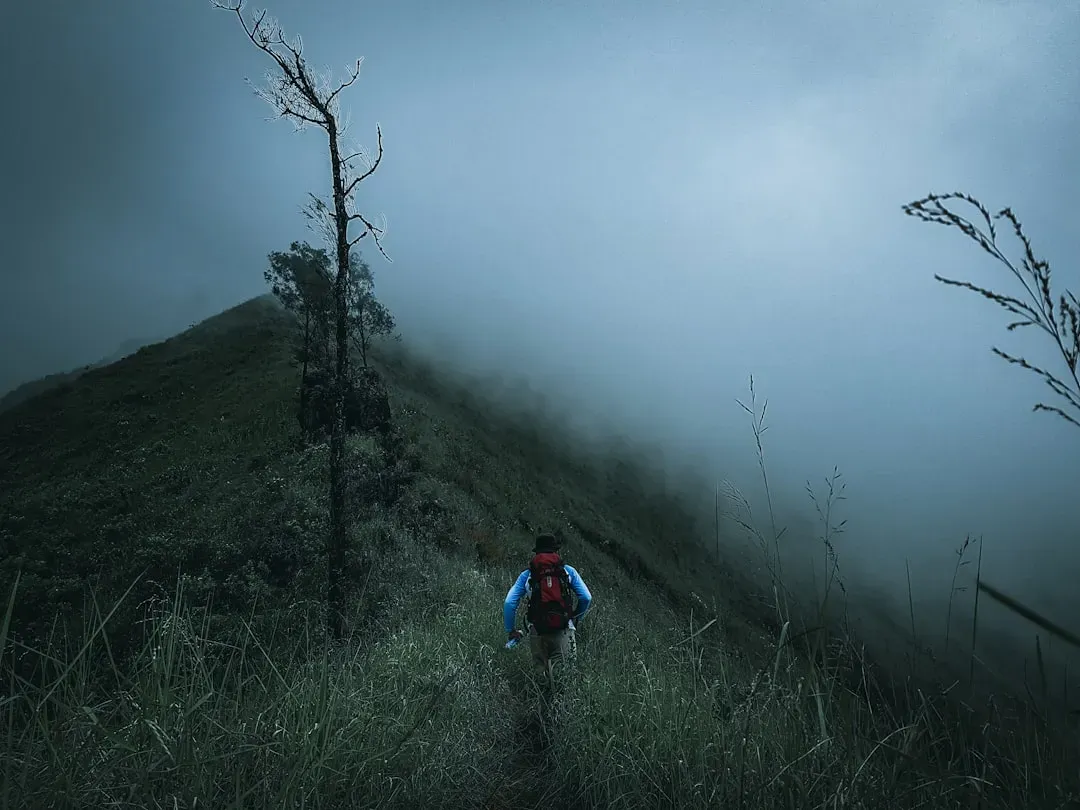
This seems obvious, yet people still do it. Storms can potentially cause flash flooding, lightning, snow, sleet, and high winds, and this trail is extremely dangerous during storms.
The final section of Angel’s Landing is a narrow, exposed spine of rock that juts out into the canyon. It’s literally the worst possible place to be during a lightning storm. The exposed spine of Angels Landing is the last place you want to be during a lightning storm, and if you see dark clouds gathering, turn back immediately.
Spring weather can be wildly unpredictable. Spring temperatures can be highly volatile, with weather ranging from a snowstorm to a heatwave, and this trail is extremely dangerous during icy or snowy conditions, and during thunderstorms. Check the forecast before you leave, then check it again.
Wet rocks become treacherous. Rain makes the chains slippery and reduces visibility. Flash floods can happen with shocking speed in the canyons below. If conditions deteriorate while you’re on the trail, swallow your pride and turn around. The summit will still be there another day.
Don’t Be Impatient or Aggressive With Other Hikers
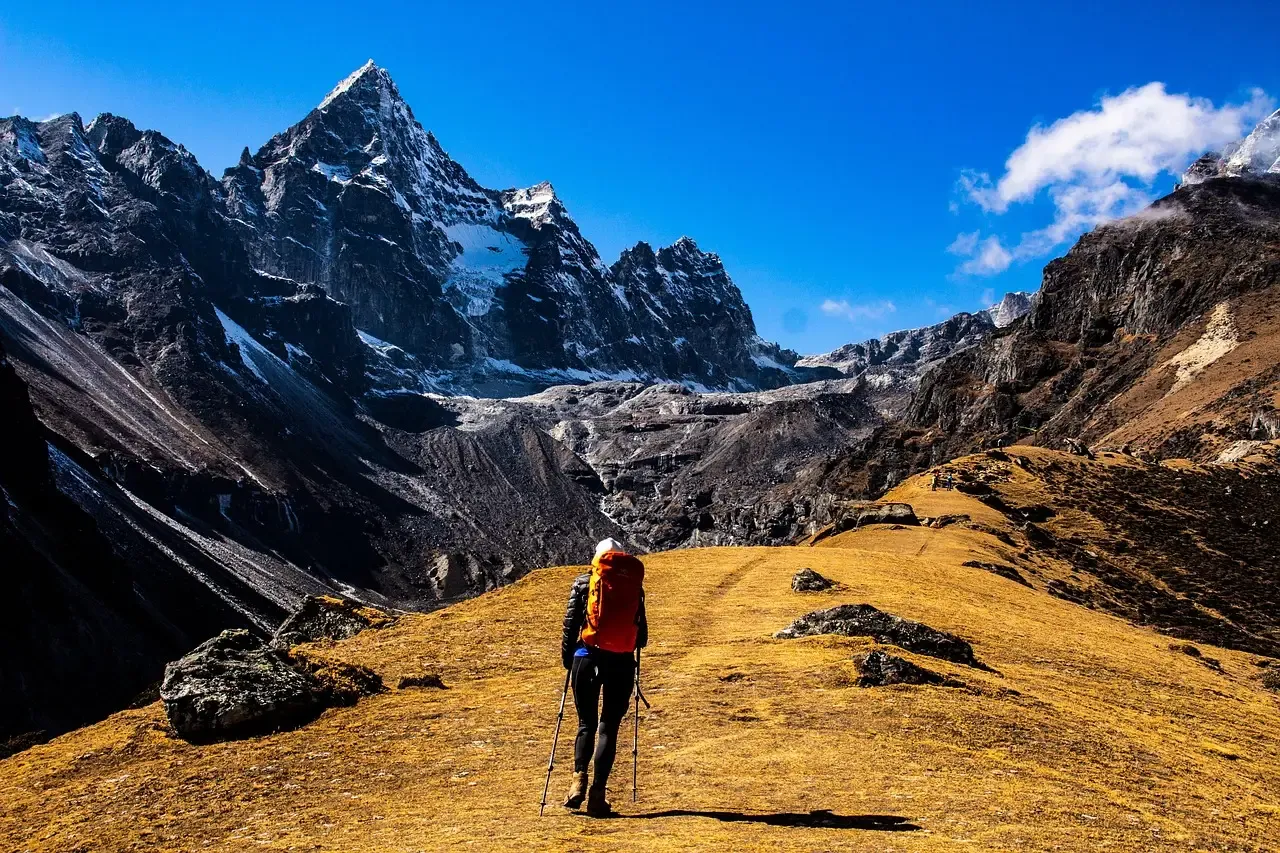
The chain section is narrow. Really narrow. The trail narrows significantly, with sheer drops of over 1,400 feet on both sides, and in some spots beyond Scout Lookout, the path is only three feet wide. This creates inevitable bottlenecks as hikers pass each other going opposite directions.
The scariest behavior witnessed involved impatient people trying to pass each other on the narrowest parts of the spine, so you should wait at a broader spot for unyielding oncomers. Seriously, this is not the place to get territorial or pushy.
I think people forget that everyone on that trail paid for their permit and traveled, sometimes from across the world, to be there. Everyone deserves patience and courtesy. Rushing past someone on a three-foot-wide ledge with a thousand-foot drop is monumentally stupid.
The chain section has two-way traffic, so let people pass and communicate clearly to keep things moving safely. A simple “coming up on your left” or “passing when you’re ready” goes a long way. Wait for safe, wider sections to pass. Make eye contact. Work together.
Your impatience could literally push someone off a cliff. Let that sink in.
Don’t Ignore Your Physical or Mental Limits
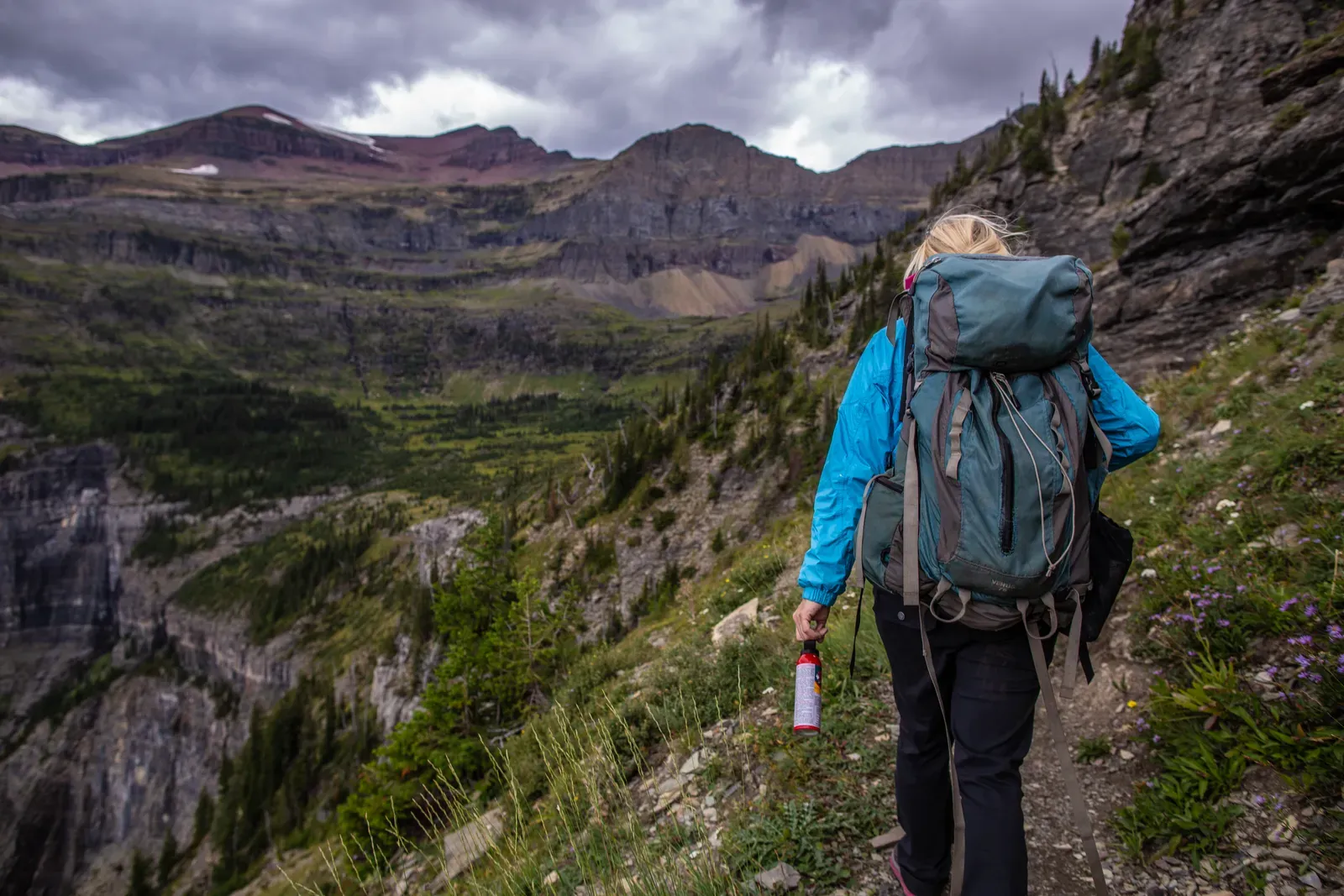
Here’s something people don’t like to admit: not everyone should hike Angel’s Landing. That’s not an insult – it’s reality. If you feel uncomfortable with the heights on the first 1.75 miles (before the trail turns south), do not attempt the final narrow half-mile of scrambling.
Scout Lookout is a perfectly respectable turnaround point with gorgeous views. If you have a serious fear of heights (acrophobia), you should plan to end your hike at Scout Lookout. There’s absolutely zero shame in that decision.
If you feel ill, do not attempt Angels Landing, as there really is no margin of error for dizziness. Feeling off? Tired? Anxious? Those are all valid reasons to stop. Some people panic partway through the chain section and freeze up, requiring assistance to get down.
Physical fitness matters too. This is a strenuous hike with significant elevation gain. If you’re not regularly active or have heart conditions, seriously evaluate whether this challenge is appropriate for you. Fatalities on this trail are tragic and almost always occur when hikers venture off the designated path, are unprepared for conditions, or are not using the chains appropriately.
Don’t Take Unnecessary Risks for Photos
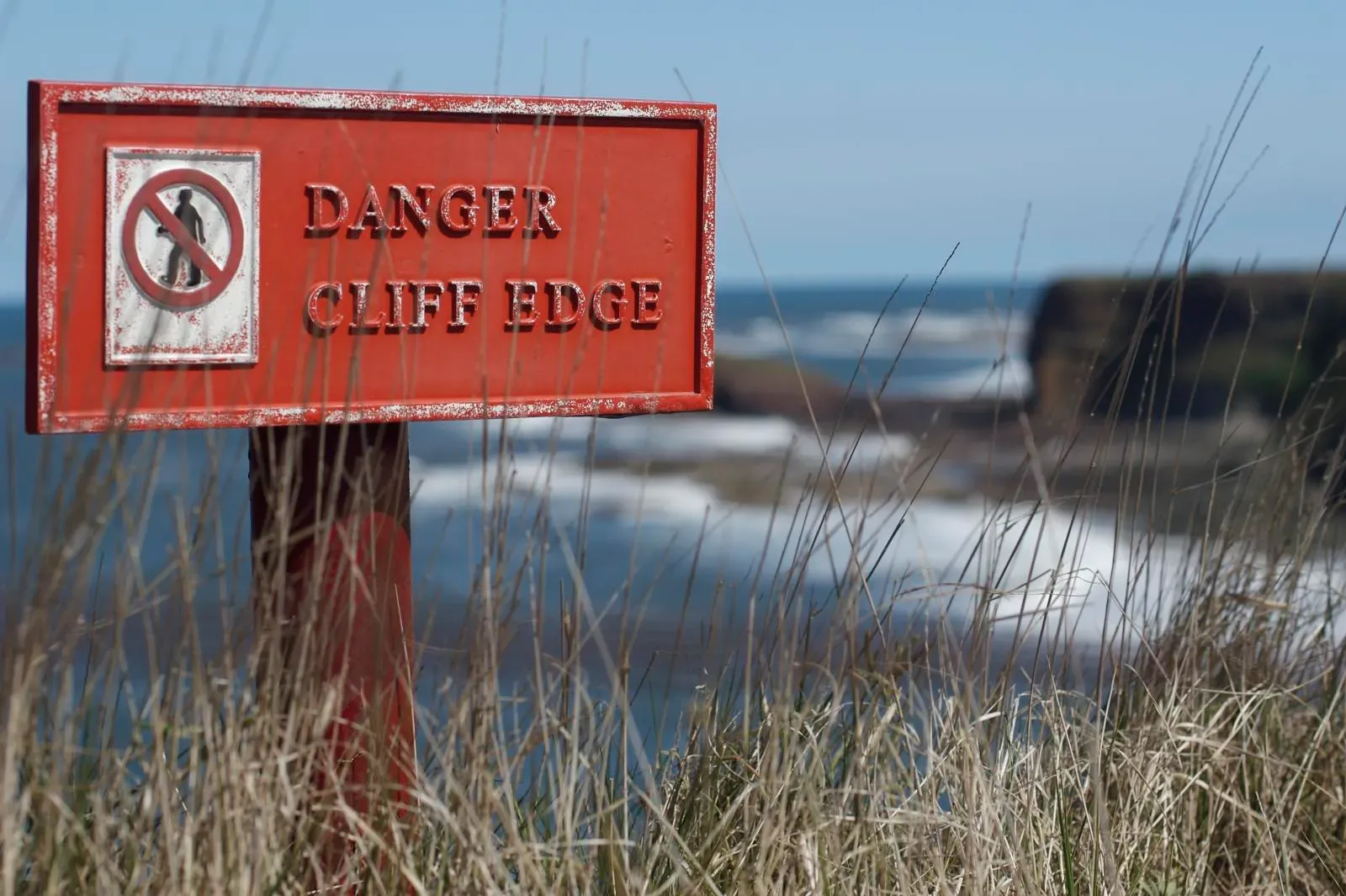
Social media has created some truly dangerous behavior on Angel’s Landing. While you might be tempted to stand close to the edge of the trail for an awesome selfie, ask yourself: is this worth the risk of a fall? If not, perhaps reconsider your actions.
Let’s be real – I’ve seen the Instagram photos. People dangling their legs over the edge, doing handstands near precipices, climbing on unprotected rocks for that perfect shot. Young guys foolishly walk over to the edge of a sheer 1,500 foot cliff and crawl partway down the side for ‘cliffhanger’ pictures, and they weren’t just dangling their feet over the edge, they were actually crawling down it.
One hiker nearly died when he was struck in the head by a kite someone was flying from the summit. While peering over the cliff’s edge, he was struck suddenly and without warning in the back of the head by a kite that had no business being anywhere near the cliff, and the surprise impact robbed him of his balance and focus.
The views are incredible, yes. Take photos. But keep your camera equipment secured, stay on the trail, and don’t do anything you wouldn’t do if your mother was watching. Because honestly, no photo is worth your life.
Don’t Neglect Proper Preparation and Safety Precautions
Even when conditions are perfect, this hike can be challenging, and you are responsible for deciding if conditions are safe to proceed and being prepared before you start because your safety is your responsibility. The National Park Service makes this abundantly clear.
Bring salty snacks for electrolyte replacement. Hiking takes energy, so make sure to fuel yourself before you hike and along the way, and eat some salty snacks as they provide your body with valuable electrolytes which help hold water in your body. A headlamp or flashlight is smart in case you’re out longer than expected.
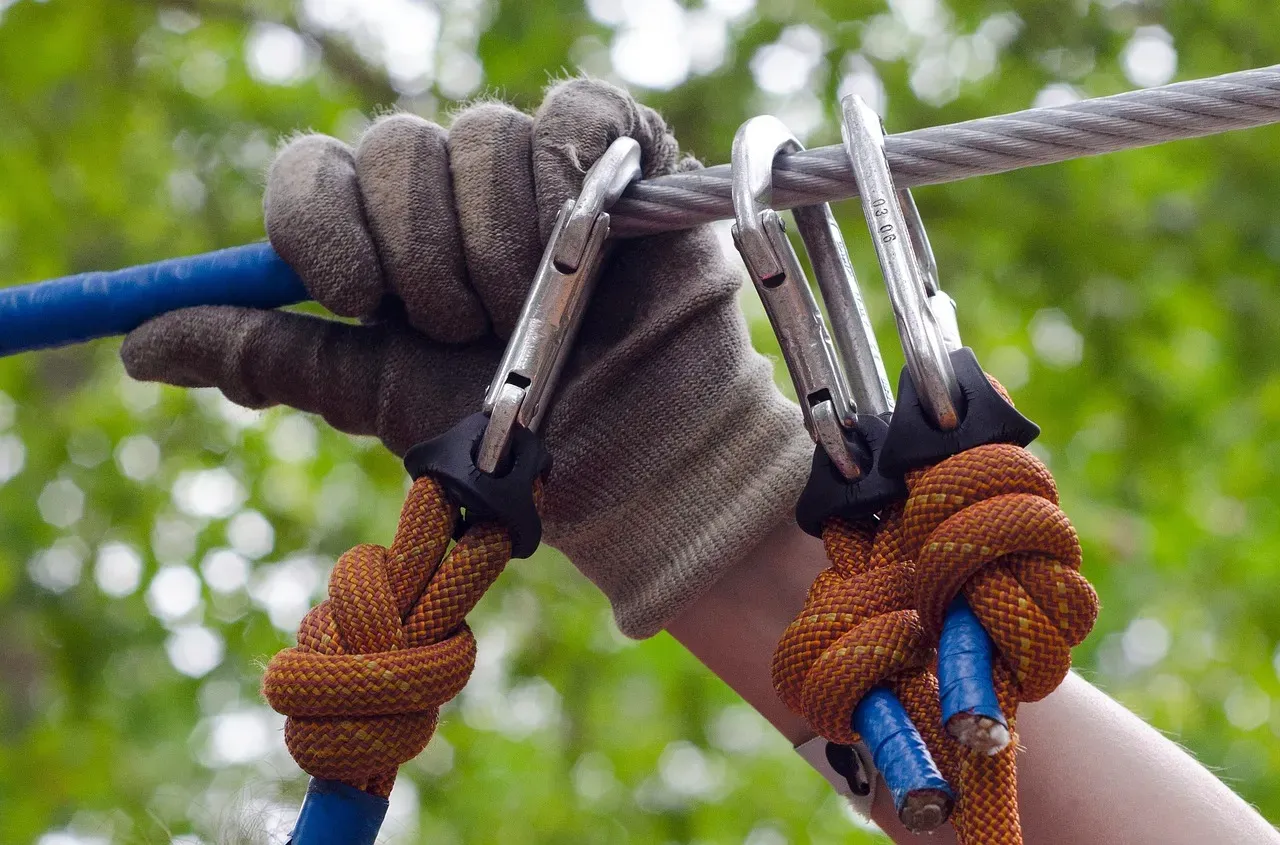
Use the chains properly. The chains are your best friend, so always maintain three points of contact, like you would when climbing a ladder, and use the chains for stability. That means two hands and one foot, or two feet and one hand, should always be touching something.
Tell someone your hiking plan. Check shuttle schedules so you don’t get stranded. If you don’t have a secure way to carry your camera equipment, you should not go to Angels Landing, and if you don’t have a secure way to carry at least a liter of water, you should not go to Angels Landing.
Study the trail beforehand. Know what you’re getting into. This isn’t a casual stroll – it’s a serious undertaking that demands respect and preparation.
Conclusion: Respect the Mountain and Return Safely
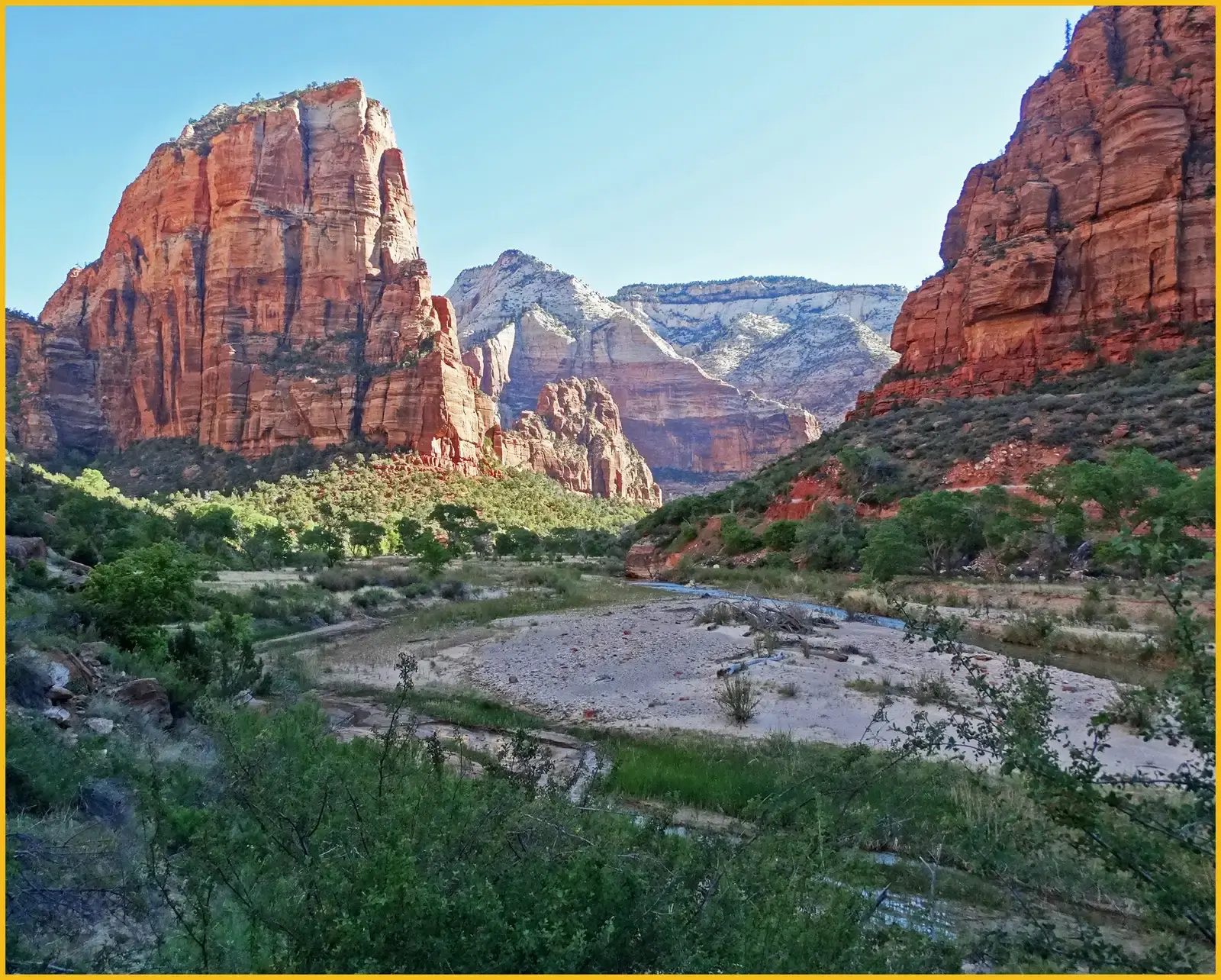
As of 2026, there have been 18 confirmed deaths on the Angels Landing hike, and most of these were falls from steep cliffs. These aren’t just statistics – they’re people who had families, friends, and lives ahead of them.
Angel’s Landing is genuinely one of the most spectacular hikes in the world. The views are unforgettable. The sense of accomplishment when you reach the summit is immense. But it demands your full attention, respect, and caution.
Diving into the details gives a clearer perspective of the risk level for an average hiker, and it shows that accidents like this are less likely to happen if you’re being careful, though every case is different and unfortunate, and it does seem like at least some of these deaths were clearly avoidable.
The trail will always be there. Your chance to experience it safely requires making smart decisions, even when those decisions mean turning back or waiting for better conditions. Would you rather have an incomplete hike, or become part of that tragic statistic? Did you expect that the smallest choices could make such a massive difference? Stay safe out there.

- 10 Most Famous Ghost Towns in The USA - July 28, 2026
- Why Gardening Is an Ideal Hobby for Zodiac Earth Signs - July 28, 2026
- The 12 Deadliest Animals in Minnesota - July 28, 2026