
Worried about unexpected vet bills?
Pet insurance can cover thousands in unexpected vet costs. Get a free quote from Lemonade in under 2 minutes.
Get My Free Quote →Sponsored · Opens Lemonade.com
There’s something genuinely lovely about watching birds visit your garden. A robin on the bird table, a blue tit swinging from a feeder, or a sparrow splashing about in a shallow dish of water. Most people who feed garden birds do so out of real care. The instinct to share food with wildlife is kind. The trouble is, some of the things we reach for most readily are precisely the things we should never put out.
The wrong food, no matter how well-intentioned, can do more harm than good. Some items are low in nutrition, while others can be outright dangerous. Knowing which is which makes a genuine difference to the birds that visit your space.
1. Bread and Bakery Products
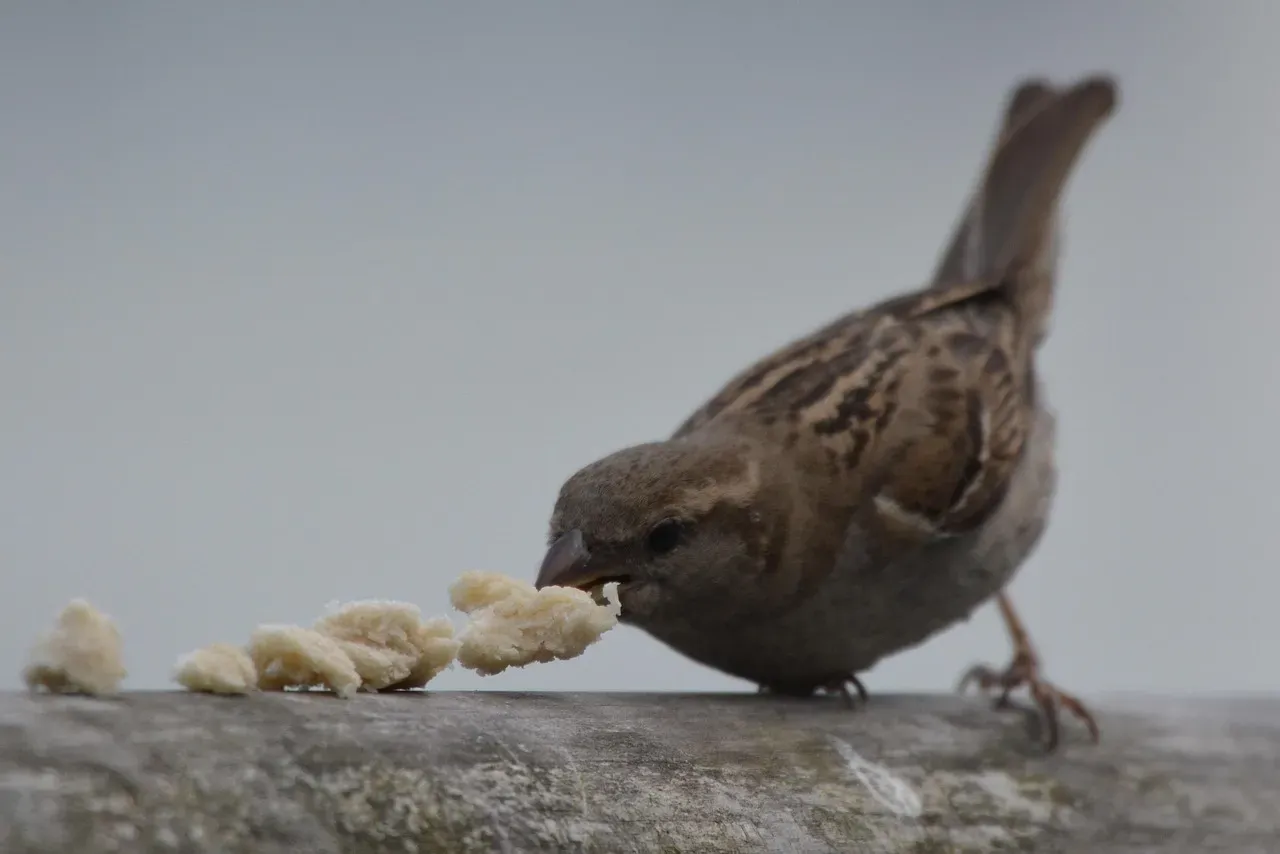
Bread is probably the most common thing people toss out for garden birds, and it’s also one of the most misunderstood. Though bread will quickly fill up wild birds, it doesn’t provide the necessary protein and fat birds need for their diet, so it acts as an empty filler. Because the birds are full of bread, they won’t look for other healthy food that provides them with the nutrition they need for optimal health.
If moldy, bread can be dangerous to birds. Bread gets moldy quickly, and mold can pose a number of health problems for birds. If the chunks are too large, they can actually block the digestive tract.
A high carbohydrate-based diet can cause a condition in geese, ducks, and swans called “angel wing,” a deformity that occurs when the last joint of the wings permanently twists outward and prevents the bird from flight. The same poor nutritional pattern can also lead to metabolic bone disease in younger birds.
Stale bread with mold can cause Aspergillosis, a serious lung disease in birds. If you’ve been putting out bread for years with seemingly no harm done, the birds may simply be supplementing with better food elsewhere. That safety net doesn’t always exist, particularly in winter.
2. Chocolate
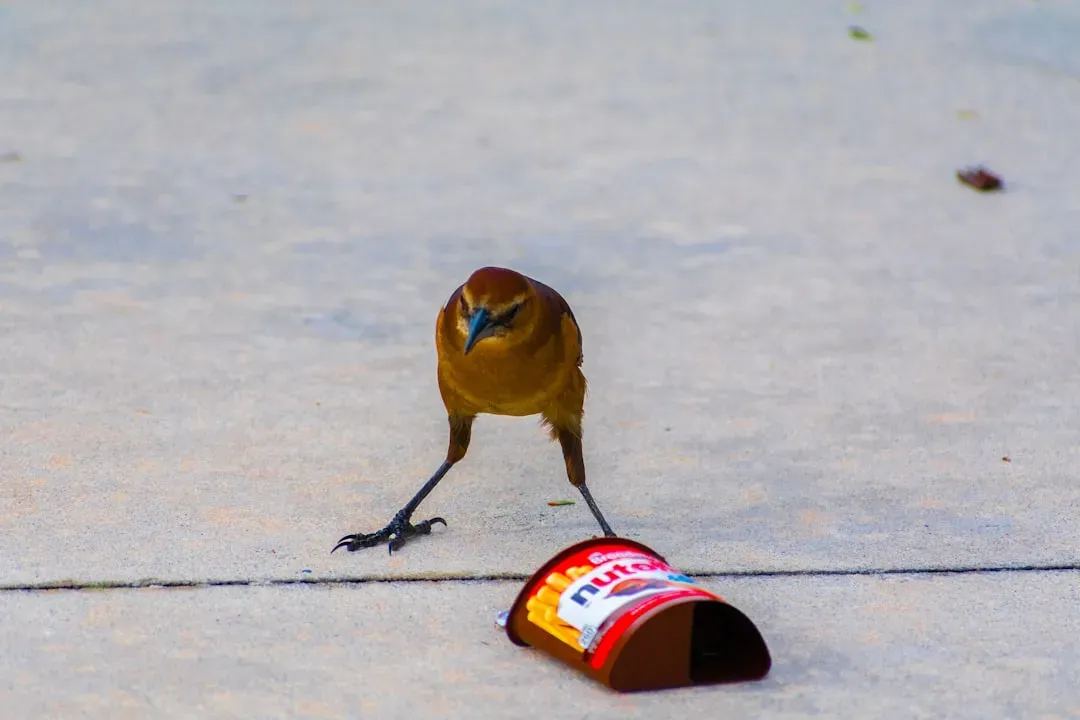
Chocolate is a delicious treat for us humans, but it can be extremely harmful to birds. It contains theobromine and caffeine, both of which can cause heart rate and rhythm changes, hyperactivity, seizures, and even death.
Birds cannot metabolize these methylxanthines effectively, so the chemicals build up and overstimulate the brain and heart. A bird’s small body size makes the dose per bite enormous compared with a person.
Once a bird has eaten chocolate, signs often start within a few hours, though they can be delayed. Mild poisoning may look like regurgitation, diarrhea, or unusually hyper behavior. With higher doses, symptoms can progress to a racing or irregular heartbeat, tremors, seizures, and death.
Omnivorous species like crows, jays, grackles, and pigeons will absolutely eat chocolate if it is scattered on picnic tables, park lawns, or garden patios. Their hearts and nervous systems are still vulnerable to theobromine and caffeine. No amount of chocolate is safe to leave within reach of garden birds.
3. Avocado
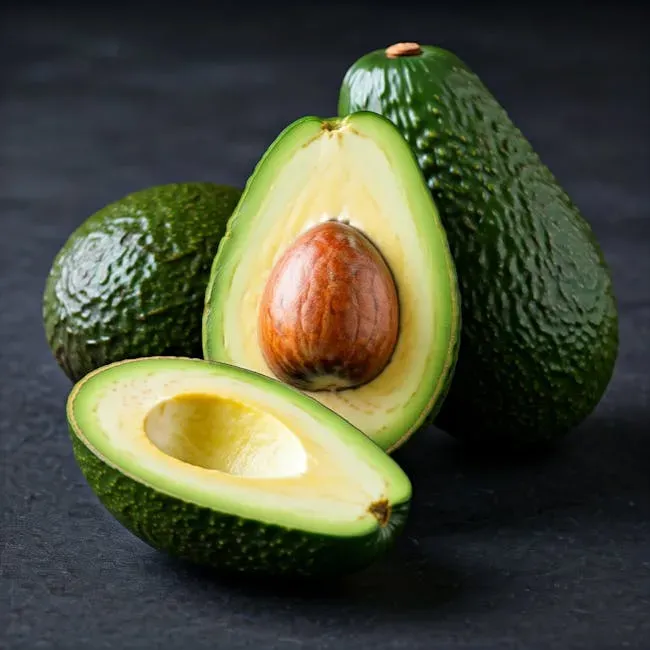
All parts of an avocado including the skin, meat, pit, and leaves contain persin, a toxic component to several species, including birds. Persin poisoning can cause birds to collapse, feel lethargic, breathe heavily, and eventually die.
Persin can cause increased heart rate, myocardial tissue damage, labored breathing, disordered plumage, unrest, weakness, and apathy in birds and small mammals.
While certain types of avocado have been safely consumed by some bird species, it’s hard to know which types of avocado will affect which species. It is also unclear how much a bird would need to eat to be affected. Given that uncertainty, the simplest answer is to keep avocado entirely away from the garden feeding area, including guacamole or anything containing avocado as an ingredient.
4. Onions and Garlic
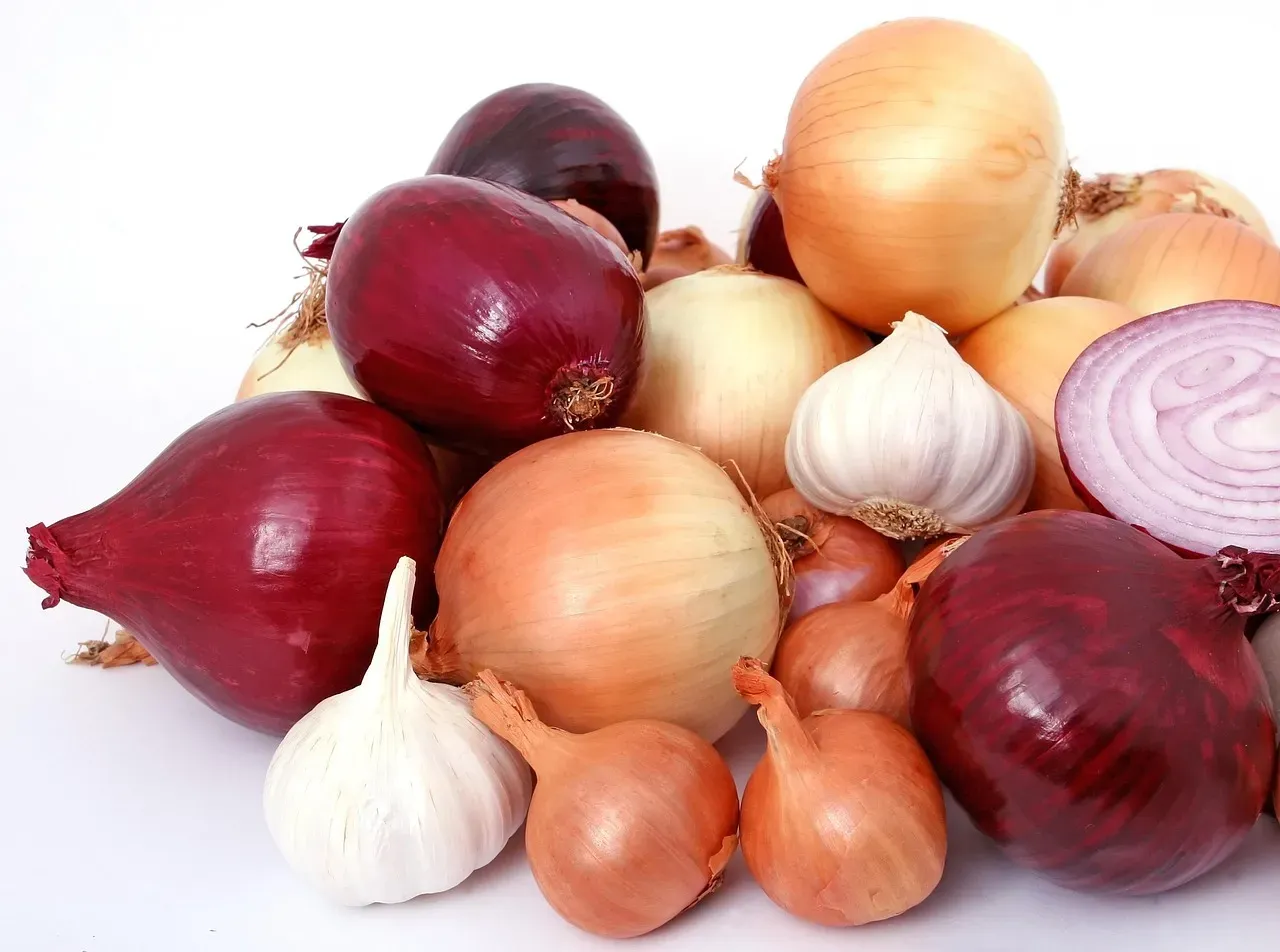
It can be easy to think that onions and garlic, like other vegetables, will be healthy and nutritious for birds. However, they contain sulfoxides and thiosulfates, which are toxic to birds. Eating these can irritate the lining of a bird’s mouth and oesophagus, cause ulcers, and cause the rupture of red blood cells, resulting in anaemia, digestive upset, and organ failure.
Onions, whether cooked, raw, or dehydrated, contain sulfur compounds that, when chewed, can cause rupture of red blood cells, leading to anemia. Onions can also irritate a bird’s mouth, esophagus, and crop, and may lead to ulcers.
Garlic contains allicin, another chemical that can cause anemia and weakness in birds. Many kitchen scraps contain chopped onion or garlic without people realising it, so it’s worth being specific about what goes out on the bird table, not just well-meaning but vague handfuls of leftovers.
5. Salty Foods
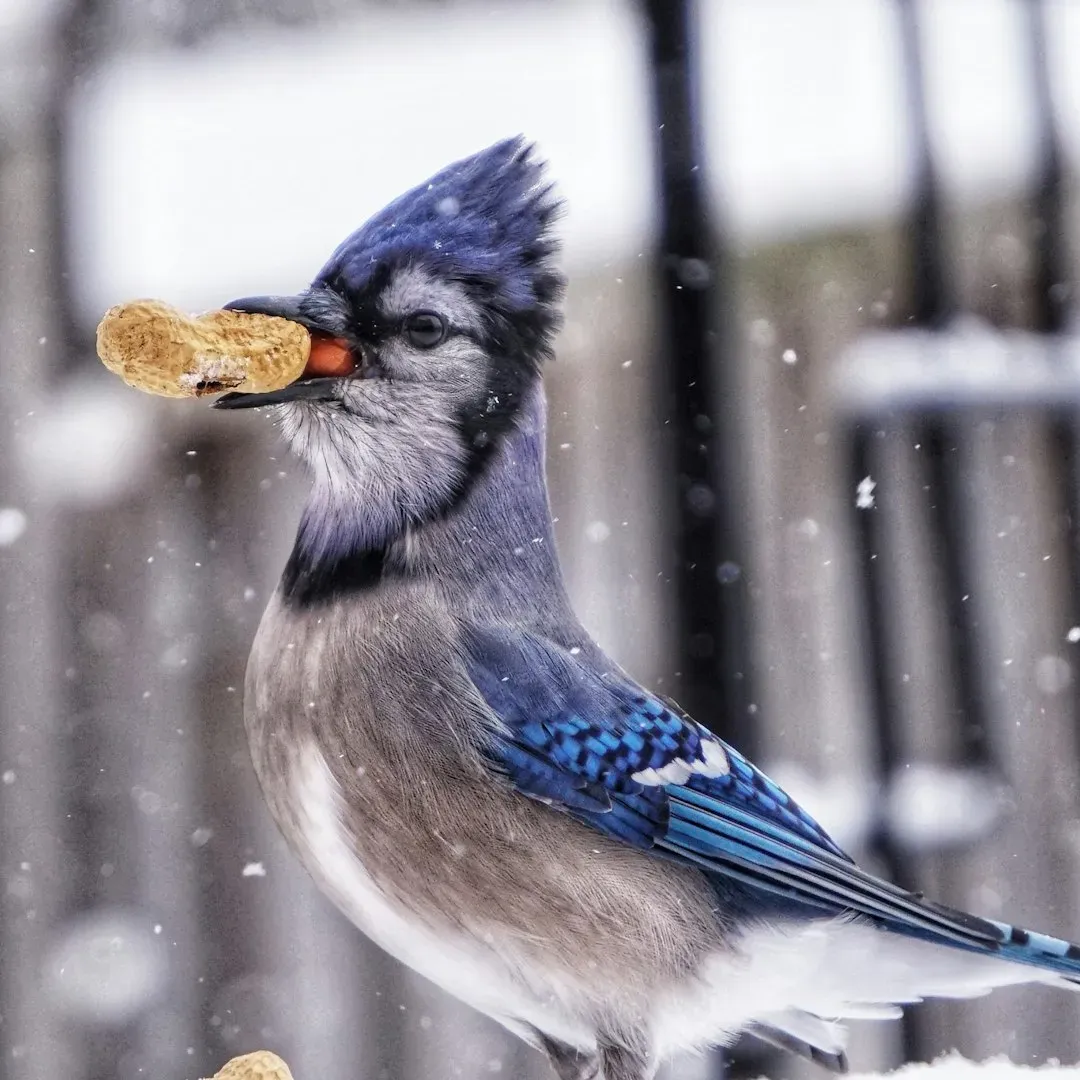
Just as too much salt isn’t good for us, it also isn’t good for birds, and even a little bit is potentially toxic to a small bird. Even one salty chip or pretzel can upset the electrolyte and fluid balance in a bird’s tiny body, leading to excessive thirst, dehydration, kidney failure, and death.
While many wild birds can process small amounts of salt without difficulty, large quantities are dangerous. You should avoid putting out salty foods, including crisps, salty peanuts, and bacon. Too much salt can affect the electrolyte and fluid balance of the bird’s body, leading to excessive thirst, dehydration, kidney failure, and in the worst cases, death.
Processed meats such as bacon carry a double risk. Bacon drippings are another no-no to offer wild birds. Cooking bacon leaves traces of cancer-causing additives in drippings, which are very harmful to wild birds’ health. The salt content alone makes them genuinely dangerous, but the processing adds another layer of concern entirely.
6. Milk and Dairy Products
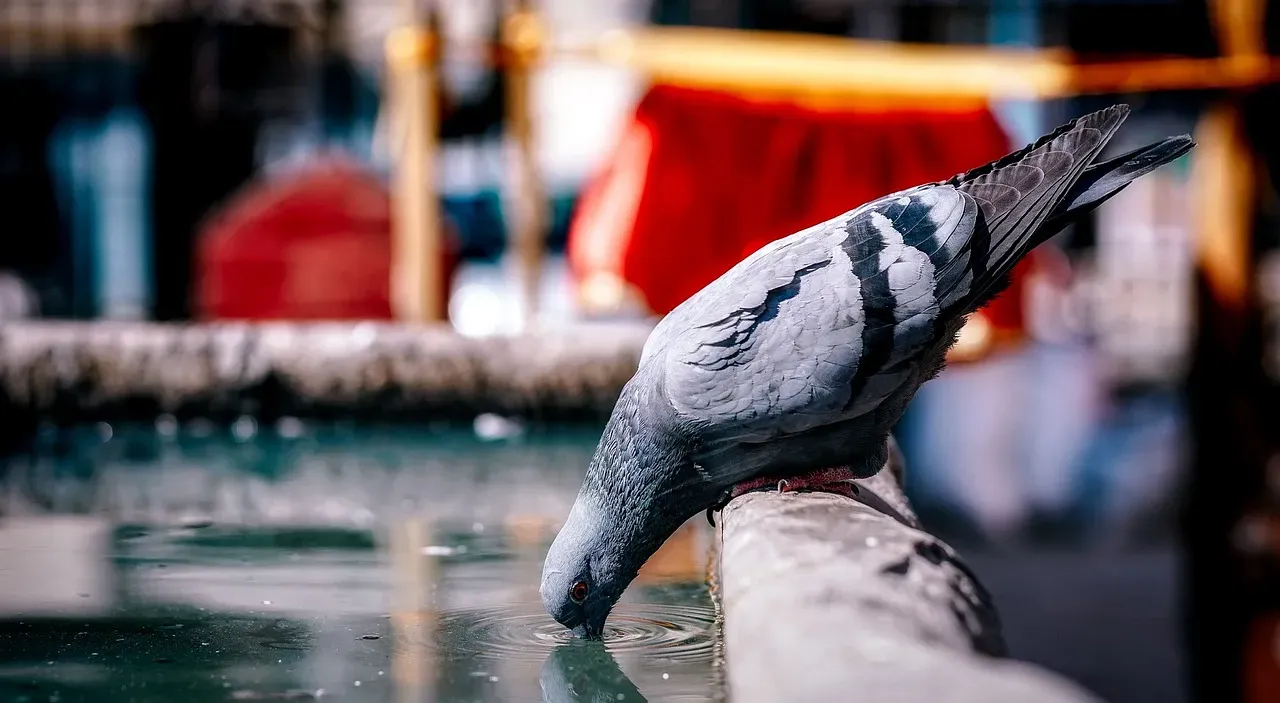
Birds are lactose intolerant and unable to digest milk and dairy products properly. Unlike other animals, birds do not have the necessary enzymes to break down lactose. If they do consume milk, it can upset their stomach, leading to diarrhoea and dehydration.
Most wild birds are lactose intolerant, meaning they cannot properly digest dairy products. Birds can suffer gastrointestinal upset and diarrhoea from even small amounts of milk, cheese, or yoghurt, so it is best to avoid these foods completely.
Offering a bird a bowl of milk or crumbling cheese onto the garden table is genuinely well-intentioned. The reality, though, is that birds simply aren’t equipped to handle it. Instead of milk, leave clean and fresh water out for your feathered friends, as this will keep them hydrated without upsetting their digestive system.
7. Desiccated Coconut
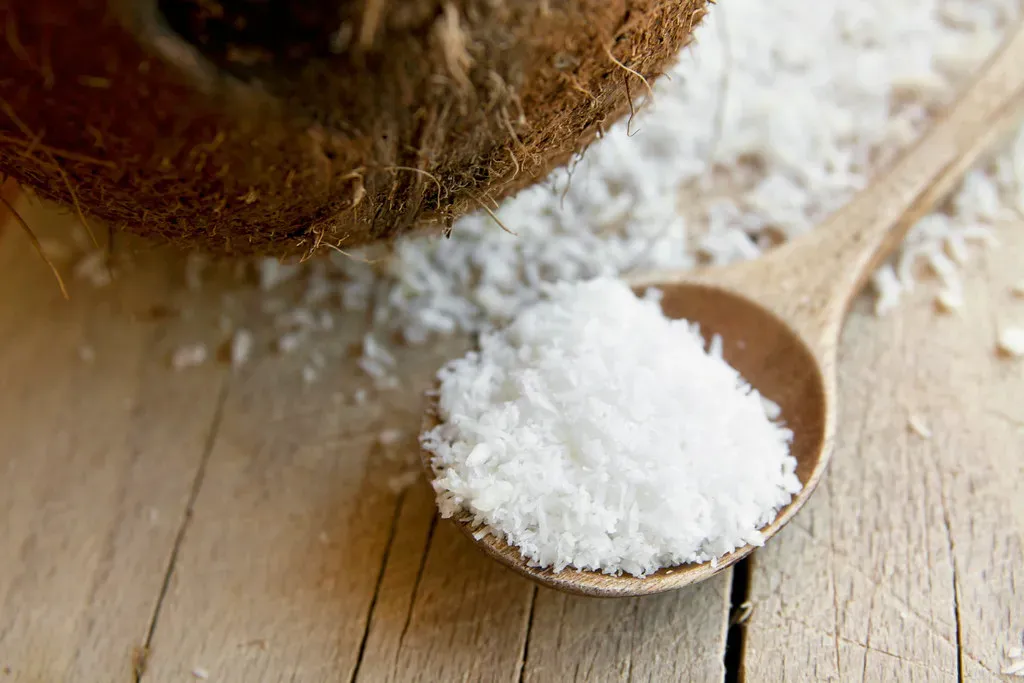
Desiccated coconut is bad for birds for the same reason that certain dry foods are harmful. The shavings are dried out as part of their production. When eaten, they grow in the stomach, which humans can handle quite well. Since birds have smaller stomachs, the transition from dry to expanded coconut can be quite bad for them, and desiccated coconut has in some cases been linked to bird deaths.
Desiccated coconut can be fatal to birds if not well soaked and is best avoided altogether.
Desiccated coconut can swell up when it reaches the stomach and cause birds serious discomfort and sometimes even death. This is why any bird seed mix containing desiccated coconut should be avoided. Fresh coconut is a different matter entirely and is generally fine, but the dried, processed form sold in most kitchens and baking aisles should stay well away from the bird table.
8. Mouldy or Spoiled Food
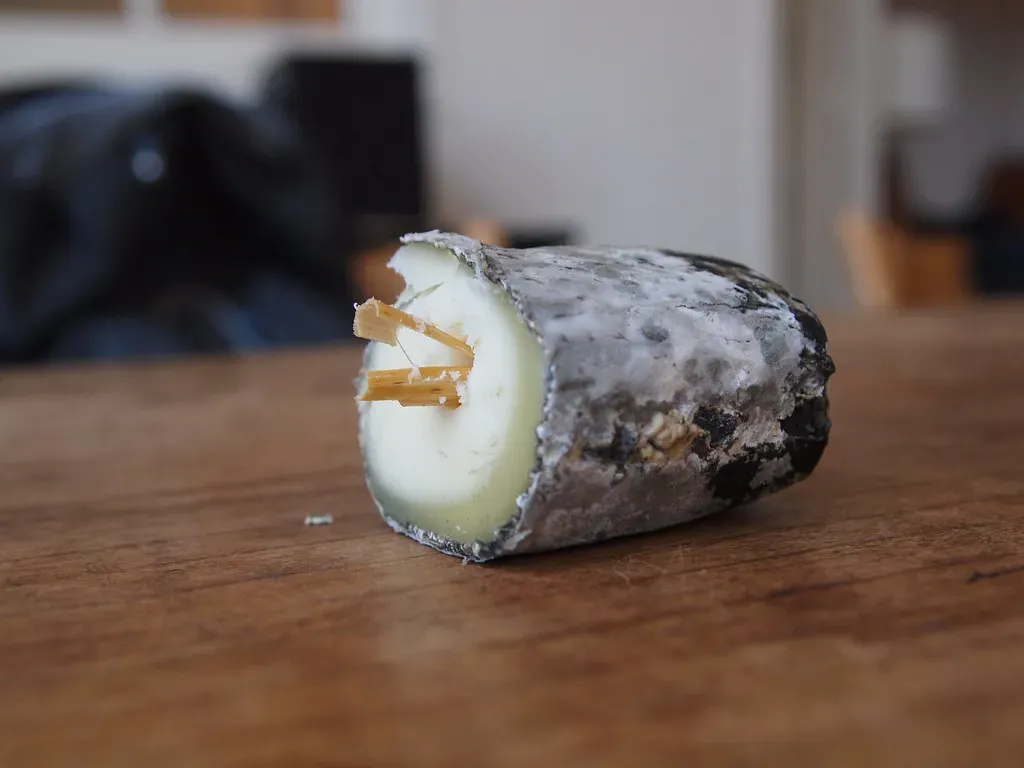
Mouldy or spoiled foods are bad for birds for much the same reasons they might be bad for you or me. They contain a number of different contaminants and bacteria that make them very poor bird food, and you should avoid feeding them to birds.
Moulds of all types are toxic to birds. Bread moulds contain many types of fungi, and the dark spots or patches are spore colonies. By inhaling these spores, birds and humans can develop an infectious lung disease called Aspergillosis.
One of the main reasons to keep bird feeders clean is because uneaten bird seed will eventually go off. Over time, the seeds will spoil and become contaminated with mould, bacteria, and parasites, causing the spread of avian diseases at your feeders.
Remove old or mouldy food, as birds can become ill from contaminated seed. If possible, rotate feeding spots to reduce disease build-up under feeders, and provide fresh water daily for drinking and bathing. A clean feeder isn’t just tidy, it’s one of the most meaningful things you can do for the birds that rely on it.
Conclusion: Feeding With Care Makes All the Difference
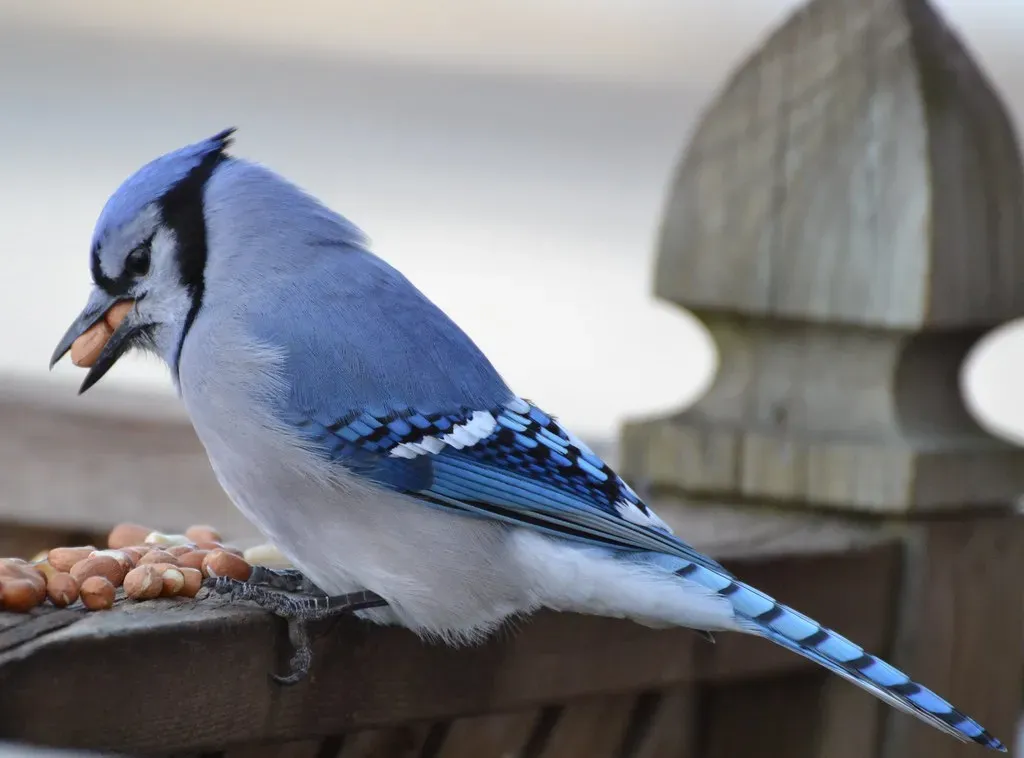
Most people who put food out for garden birds are trying to do something genuinely good. The gap between intention and impact, though, is worth understanding. Birds will eat almost anything placed in front of them, but eagerness is not the same as safety.
When sharing food with wildlife, it is important to remember that they do not process foods like humans and have specific caloric and nutritional needs. Foods lacking in essential nutrients or containing high quantities of fat, salt, or sugar can lead to malnutrition, digestion problems, and severe health conditions.
The good news is that feeding birds well isn’t complicated. Quality seed mixes, suet blocks, mealworms, fresh fruit without pips, and plain unsalted nuts cover the needs of most garden species through all seasons. The simple rule worth holding onto is this: if it came from a packet designed for humans, think twice before putting it on the bird table. Your garden visitors deserve better than our leftovers.
Worried about unexpected vet bills?
Pet insurance can cover thousands in unexpected vet costs. Get a free quote from Lemonade in under 2 minutes.
Get My Free Quote →Sponsored · Opens Lemonade.com

- What It Means When an Owl Appears Near Your House Repeatedly - June 10, 2026
- What It Means When an Owl Appears Near Your House Repeatedly - June 10, 2026
- The Hoatzin: The Stinkiest Bird Alive - June 10, 2026