

Every autumn, there’s that itch to “clean everything up” in the garden. Cut it back, rake it bare, make it neat and tidy before the cold hits. I used to do that too, proudly looking over my spotless beds… and then wondering why spring felt a bit lifeless. Over time, I realized that my obsession with tidiness was quietly robbing my garden of life, color, and resilience.
What looks messy to us is often exactly what wildlife, soil life, and even next year’s flowers desperately need. Leaving certain things in place is like tucking your garden in with a warm blanket instead of stripping the bed bare. If you’ve ever wondered whether you’re doing more harm than good with your fall “cleanup,” these are the eight things you should absolutely think twice about removing before winter.
1. Fallen Leaves (At Least Some Of Them)
🔥 Would you like to save this?
We'll email this post to you, so you can come back to it later!
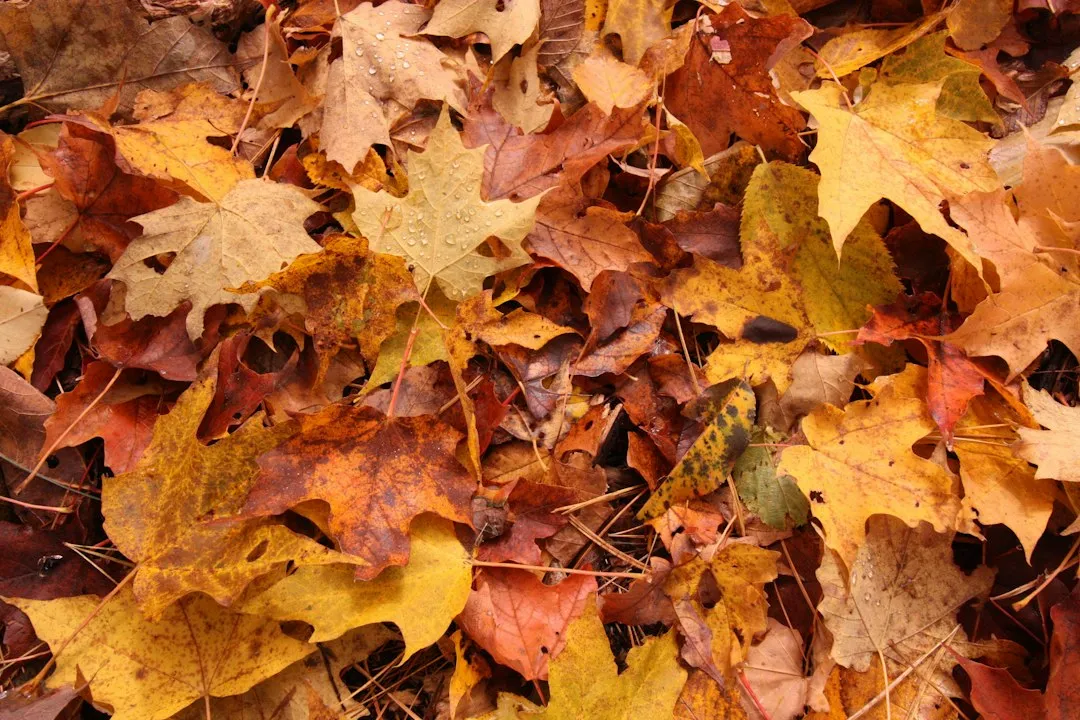
It’s tempting to treat every fallen leaf like an enemy that has to be bagged and dragged to the curb. But a light layer of leaves is one of the best free winter protections your garden will ever get. They act as a natural blanket, insulating soil, moderating temperature swings, and helping hold precious moisture when cold, dry winds whip through.
As they slowly break down, those leaves feed the soil, adding organic matter and nutrients in exactly the place your plants need them most. Many beneficial insects, including overwintering butterflies and other pollinators, shelter in leaf litter to survive the cold months. If you rake every leaf away, you are often raking away next year’s allies too. Instead of a total cleanup, think in terms of moving leaves off lawns and paths but tucking them gently around beds, trees, and shrubs.
2. Standing Perennials and Seed Heads
🔥 Would you like to save this?
We'll email this post to you, so you can come back to it later!
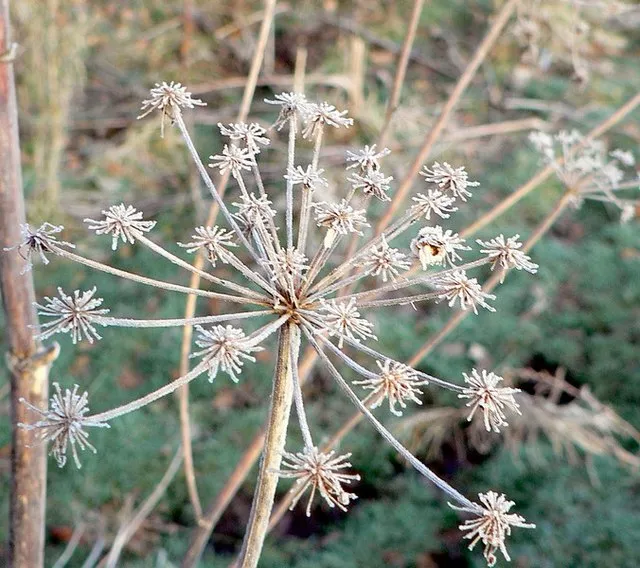
Those dry flower stalks and brittle seed heads might look “done” to you, but to your garden’s winter guests, they’re prime real estate. Hollow stems provide cozy shelter for native bees and other insects that spend winter tucked inside like tiny tenants in a high-rise. Seed heads from coneflowers, sunflowers, black-eyed Susans, and many other perennials feed birds when the rest of the landscape looks like a food desert.
On frosty mornings, those same “dead” plants turn into something quietly magical. Seed heads catch the light, stems are edged in ice crystals, and suddenly your winter garden looks like a painting instead of an empty lot. By leaving perennials standing until late winter or early spring, you’re not being lazy – you’re playing the long game for beauty, wildlife, and soil health. When you finally cut them back, you’ll likely notice richer soil and more vibrant growth where nature was allowed to do its thing.
3. Ornamental Grasses
🔥 Would you like to save this?
We'll email this post to you, so you can come back to it later!
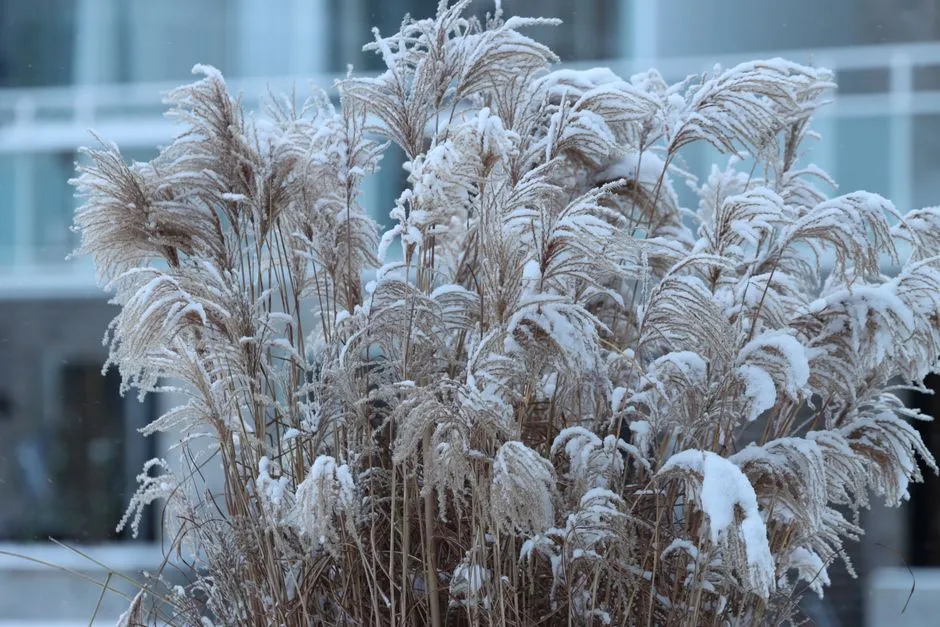
Many gardeners instinctively cut back ornamental grasses in fall, just to “get it over with.” The problem is, those grasses are some of the hardest-working plants in your winter landscape. Their clumps help trap snow, which acts as insulation for your beds and also delivers moisture gradually as it melts. The dense foliage also protects the crowns of the plants themselves, helping them weather severe cold more easily.
Beyond the practical, grasses add movement and drama when everything else is still. Tall plumes sway in the wind, catch frost, and add structure when flowers have faded. Birds often use them for cover and occasionally for nesting material as winter wears on. Waiting until late winter or very early spring to cut them back gives your garden several extra months of beauty and function for absolutely no extra effort on your part.
4. Old Stems and Hollow Canes
🔥 Would you like to save this?
We'll email this post to you, so you can come back to it later!
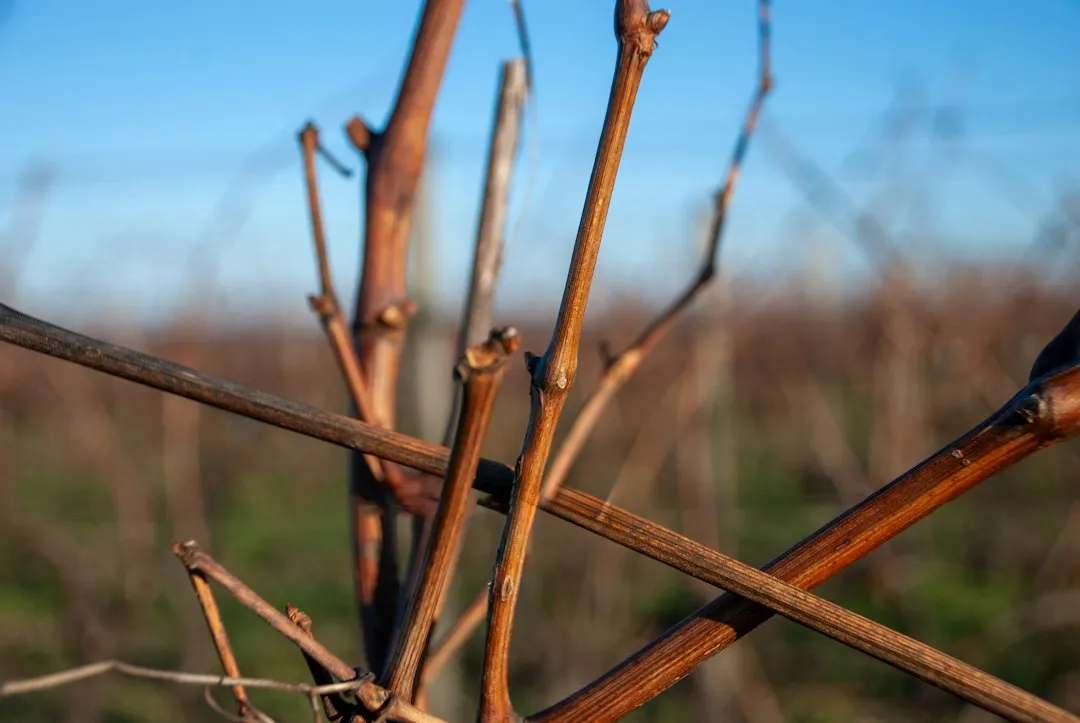
It can feel satisfying to prune everything “just right” before winter, especially shrubs and cane-forming plants like raspberries, roses, or hydrangeas. But many beneficial insects use hollow or pithy stems as safe overwintering sites. When you cut these stems to the ground or toss them all in the yard waste bin, you may be unknowingly throwing away dozens of future pollinators and pest-controllers.
A gentler approach is to leave at least some older canes and stems in place until spring. If you must cut them for space or shape, consider leaving trimmed sections in a quiet corner or brush pile so insects can still emerge when warmth returns. Think of these stems as winter apartment buildings for tiny garden helpers rather than trash. A slightly more relaxed pruning schedule can mean a much livelier, more balanced garden once the snow melts.
5. Mulch and Natural Ground Cover
🔥 Would you like to save this?
We'll email this post to you, so you can come back to it later!
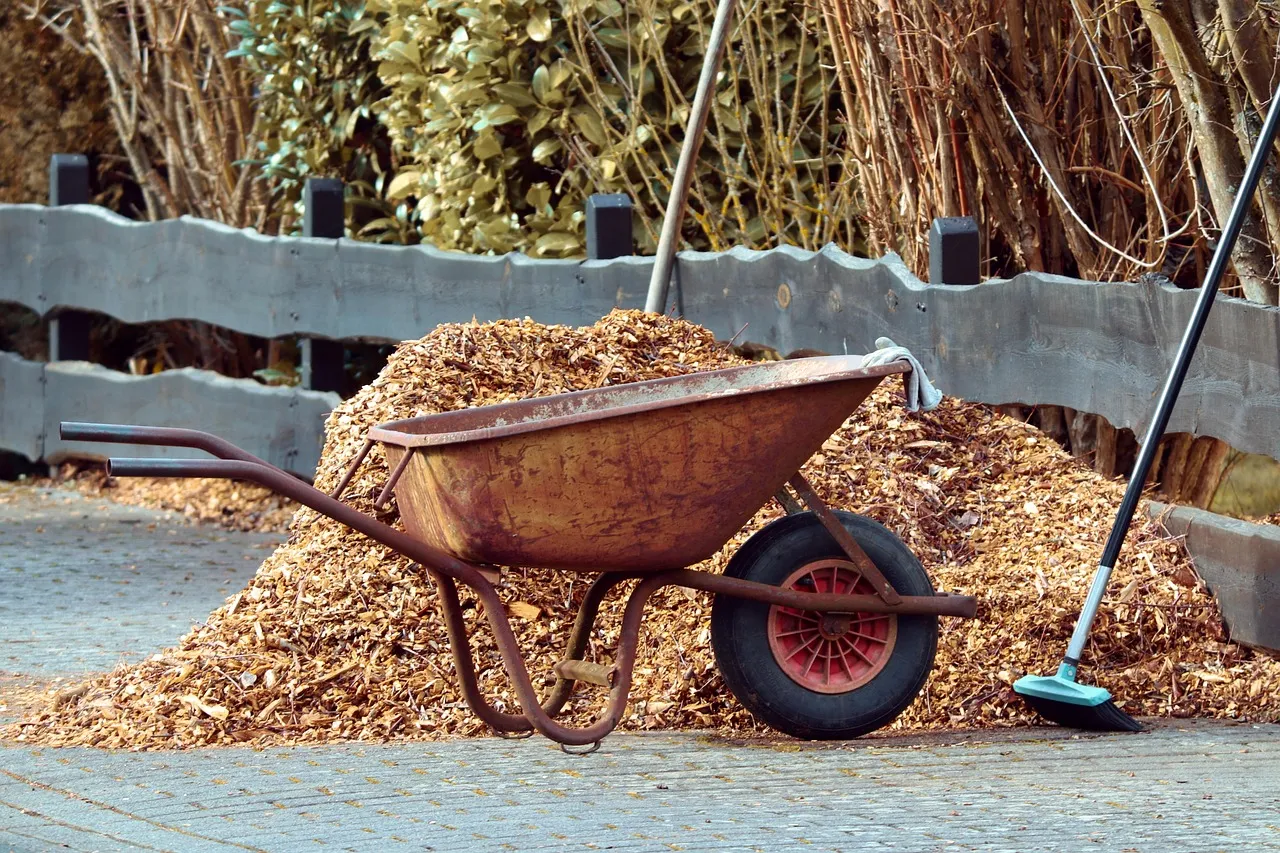
Every now and then, I meet someone who proudly tells me they “cleaned all the debris off the beds” for winter, down to bare soil. It sounds thorough, but it is almost always a mistake. Exposed soil is vulnerable – winter winds, rain, and freeze-thaw cycles can erode it, compact it, and wash away nutrients. Mulch, leaves, plant litter, and low ground covers act like armor, protecting the life beneath from harsh conditions.
Leaving that protective layer in place helps insulate roots, keeps soil organisms active longer into the season, and prevents weed seeds from finding an easy foothold. Even a rough-looking layer of shredded leaves or spent annuals is far better than a stripped, “clean” bed. If you want things to look a bit neater, gently tuck materials around plants or add a light top-up of mulch, but resist the urge to scrape everything back to bare earth. Your spring plants will thank you with stronger, more vigorous growth.
6. Dead Annuals With Intact Roots
🔥 Would you like to save this?
We'll email this post to you, so you can come back to it later!
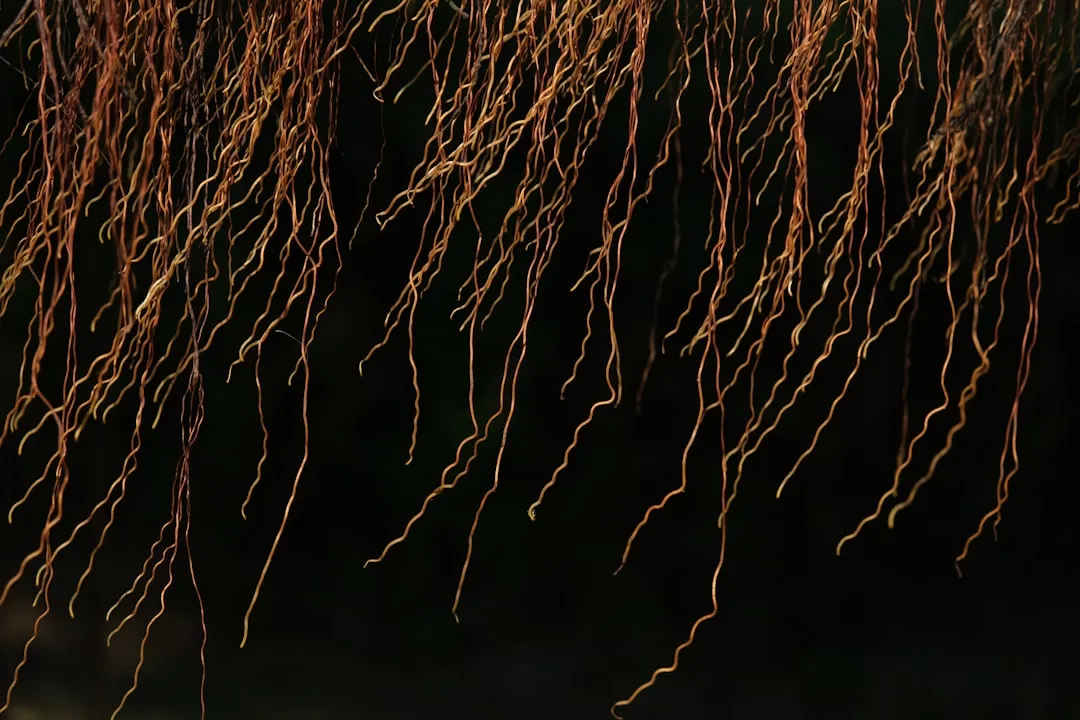
Once annuals are browned and wilted, it is very tempting to yank them out by the roots and toss them in the bin. Instead, consider just cutting the top growth off at soil level and leaving the roots in place through winter. As those roots decompose, they create tiny channels in the soil that improve drainage, aeration, and root pathways for next year’s plants. It is like leaving behind a network of little straws and tunnels that make your soil more crumbly and alive.
Above ground, the trimmed foliage can be used as a light mulch around beds or added to a compost pile. Below ground, the leftover roots quietly become food for microbes and fungi all winter long. This simple habit shift – cutting instead of pulling – can significantly improve your soil structure over time without costing you a cent. It feels a little odd at first, but once you see how much healthier your beds look, you may never go back to the old way.
7. Brush Piles and Log Stacks
🔥 Would you like to save this?
We'll email this post to you, so you can come back to it later!
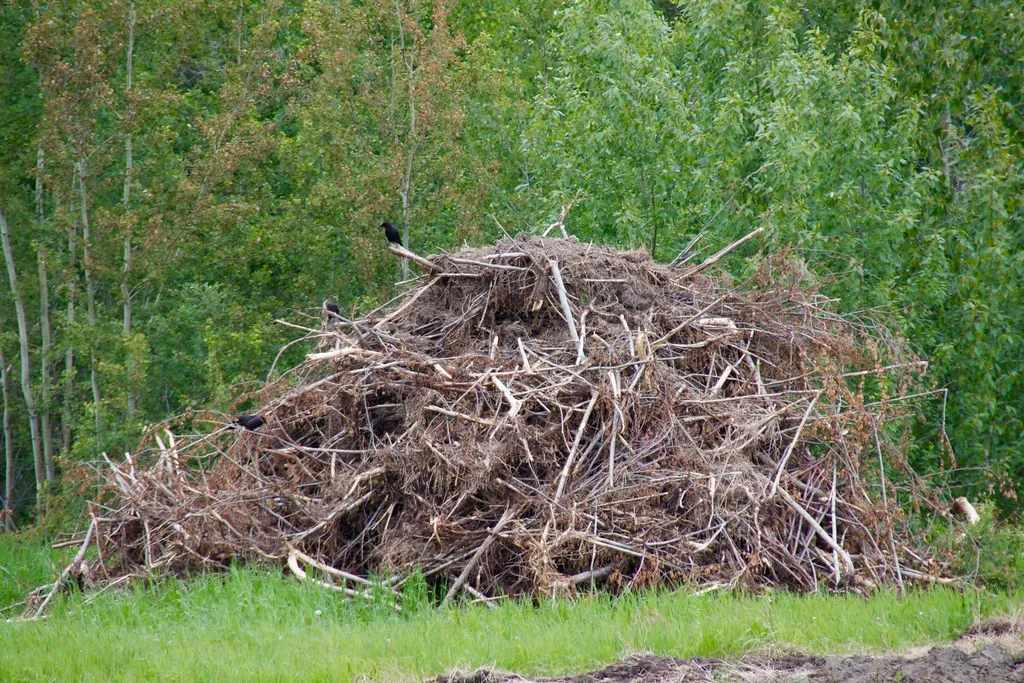
We tend to see piles of branches, logs, and prunings as a mess that must be cleared for things to look “proper.” Wildlife sees something entirely different: a safe haven. Brush piles and stacked logs provide winter shelter for birds, amphibians, small mammals, and countless insects. In a landscape where everything is manicured and exposed, these rough corners become lifelines, offering cover from predators and harsh weather.
Instead of hauling every last branch away, consider designating a discreet spot at the back of your garden as a permanent wildlife corner. Stack thicker limbs, toss in fallen twigs, maybe even add a few old stems you cut back from other areas. Over time, this mini-woodland will break down and enrich the soil while quietly boosting the biodiversity of your entire yard. It might not win a prize for tidiness, but it can turn a sterile garden into a living ecosystem.
8. Self-Sown Seedlings and “Volunteer” Plants

🔥 Would you like to save this?
We'll email this post to you, so you can come back to it later!
Those little surprise seedlings that pop up around your garden in late summer and fall can be easy to overlook – or to pull, assuming they are all weeds. But many of them are your own plants trying to give you free offspring. Self-sown foxgloves, calendulas, violas, columbines, and many herbs are often tougher and better adapted than anything you buy in a pot. Leaving these baby plants in place over winter, or gently transplanting them, can give you a fuller, more natural-looking garden next year.
Even if you are not sure what every seedling is, you do not need to make all your decisions in autumn. Mark areas with promising volunteers and give them a chance to reveal themselves in spring. It is a bit like opening a series of surprise packages when the weather warms. Instead of scrubbing every bed down to a rigid plan, allow a few wild cards to stay. Often, those unplanned plants end up being the ones you love most.
Conclusion: Letting Go of Perfection to Gain a Living Garden
🔥 Would you like to save this?
We'll email this post to you, so you can come back to it later!
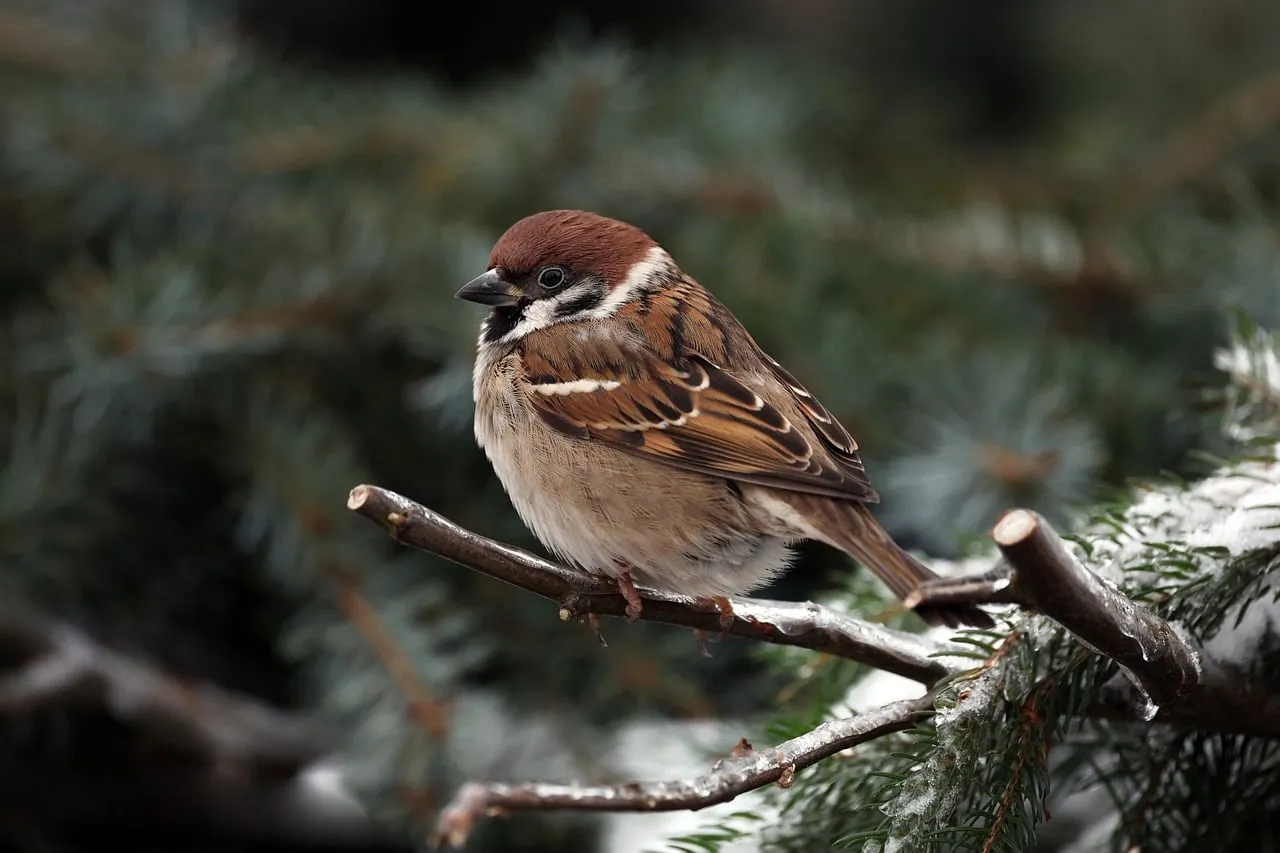
There is a strange comfort in a perfectly “clean” winter garden – no leaves, no stalks, no clutter. But that kind of perfection usually comes at a cost: fewer birds, fewer beneficial insects, less resilient soil, and a landscape that feels oddly lifeless when it could be quietly buzzing with activity. The more I have learned, the more I have shifted from being a strict garden “janitor” to more of a caretaker who knows when to step back.
Leaving leaves, stems, grasses, roots, and even brush in place is not neglect; it is a conscious choice to work with the seasons instead of against them. You are essentially betting on the long-term health and beauty of your garden rather than chasing a fleeting sense of order. In a world that constantly pushes us to tidy, control, and perfect, there is something quietly radical about letting your garden stay a little wild for winter. When spring arrives and your beds erupt with life, you may find yourself wondering why you ever raked it all away in the first place – what will you choose to leave standing this year?

- 7 Everyday Habits That Can Make Your Senior Dog Happier - November 5, 2026
- 10 Enigmatic Structures That Continue to Puzzle Scientists Today - November 5, 2026
- 10 Strange Ruins in the Americas That Challenge What We Know About Early History - November 5, 2026