
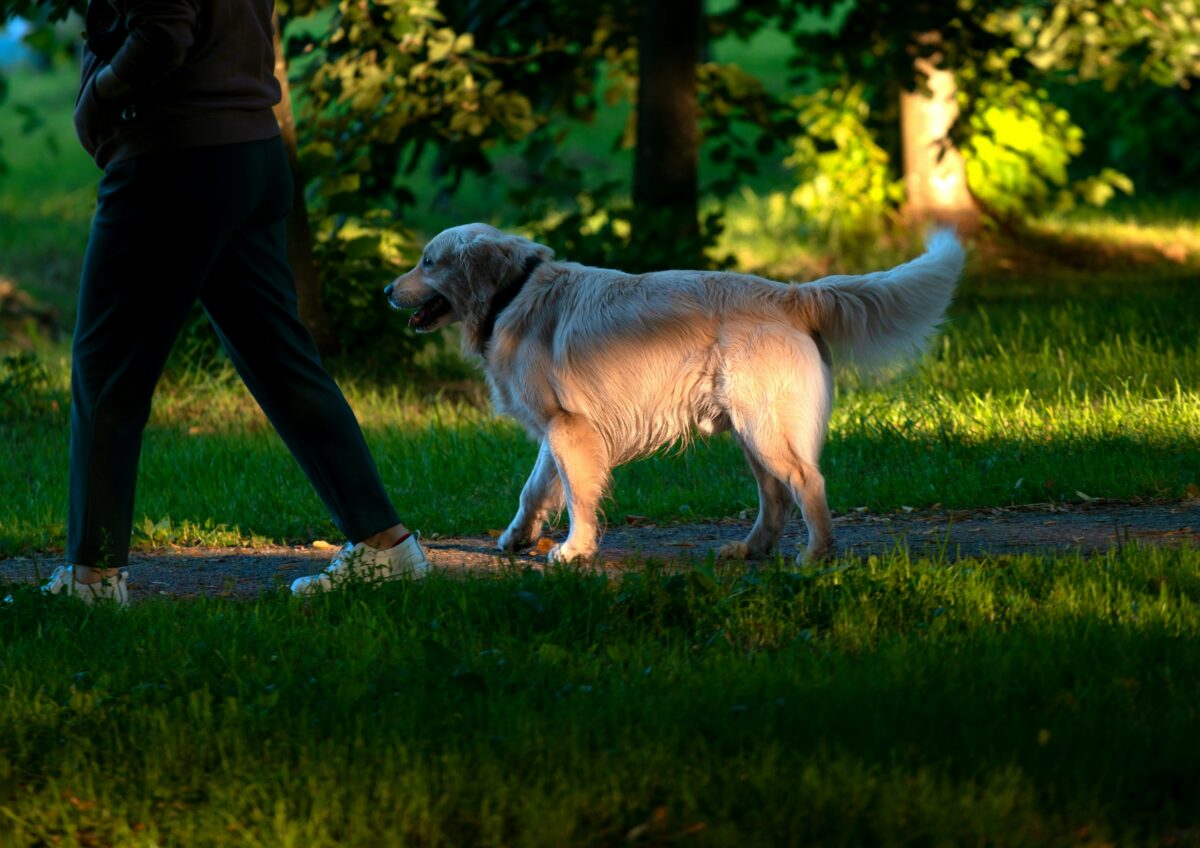
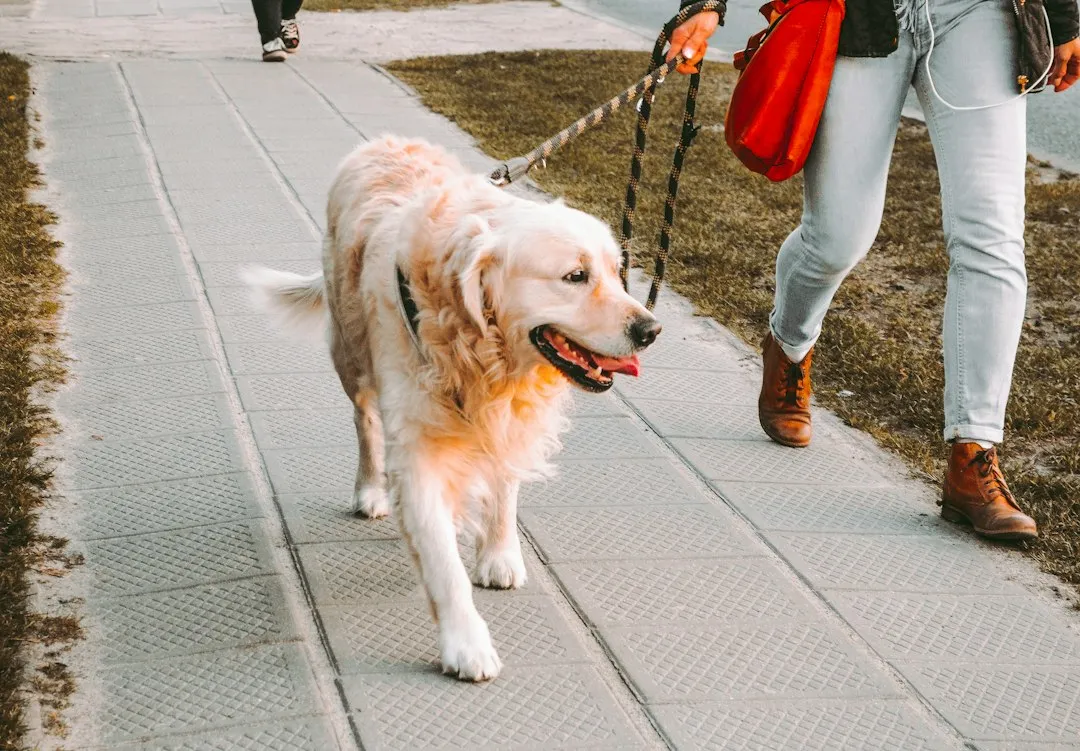
You clip on the leash, grab your jacket, and step into that golden, slightly chilly dusk. To you, it’s a pleasant stroll. To your dog, it’s closer to reading a very long newspaper.
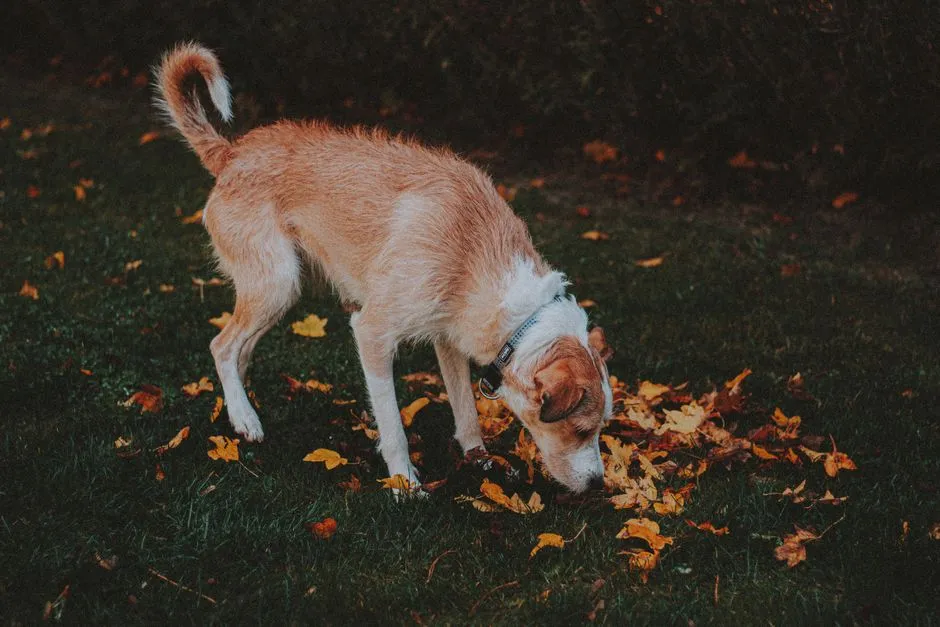
Your dog stops at a pile of leaves, a fence post, a patch of grass that looks like every other patch. You tug gently and keep moving. Here’s what’s probably going on in the spots you’re hurrying past.
The Hidden Layers Inside a Pile of Fallen Leaves
🔥 Would you like to save this?
We'll email this post to you, so you can come back to it later!
Dogs have a sense of smell that dwarfs ours. Humans have a few million scent receptors, while dogs have hundreds of millions, and a big part of their brain is devoted to processing what those receptors pick up. A leaf pile is a perfect example of why that matters.
In October, leaves are starting to break down. Moisture, soil, fungi, insects, and anything that has crossed the pile all leave traces, and the damp layers hold odors well. Your dog isn’t just smelling leaves, it’s sampling a stack of recent events.
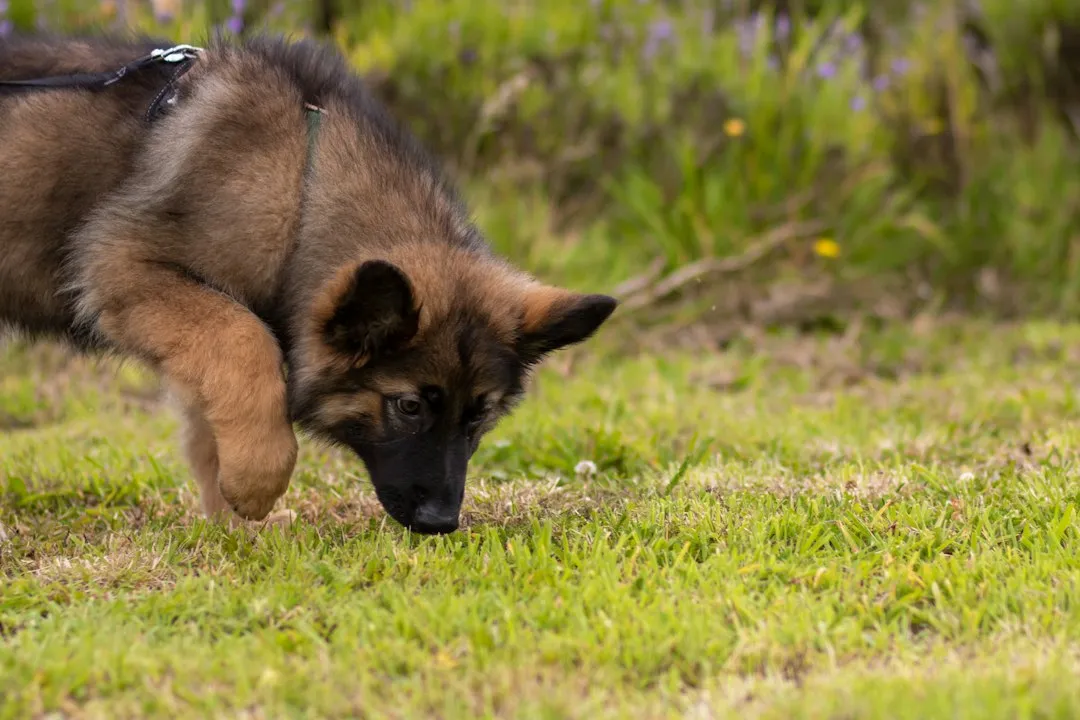
Dogs also sniff in a particular way. They take short, rapid sniffs and send air through specialized nasal pathways, and they can breathe out through side slits in the nose so fresh scent keeps flowing in. Next time your dog pauses at a pile, it’s probably doing real work.
A Neighborhood Message Board Written in Urine
🔥 Would you like to save this?
We'll email this post to you, so you can come back to it later!
That lamppost your dog treats like a bulletin board? It more or less is one. Urine and other scent marks carry information that dogs can read, and researchers generally agree they can pick up details such as the identity of the animal and possibly its sex and reproductive state.
Cooler autumn evenings tend to be busier for dogs and wildlife alike, so there’s often more to read. Your dog may be checking who passed through, roughly how fresh the message is, and whether it’s anyone familiar.
Here’s a small quirk worth knowing. One well known 2013 study of hundreds of dogs found that, under calm magnetic conditions, they tended to line up north to south when going to the bathroom. Nobody fully understands why, so treat it as an intriguing finding rather than a settled rule.
Sounds Pitched Above Your Hearing Range
🔥 Would you like to save this?
We'll email this post to you, so you can come back to it later!
Your ears top out around twenty thousand hertz in young adulthood, and that range shrinks with age. Dogs can hear up to roughly double that. A sudden head tilt or ear swivel often means they’ve caught something you can’t.
Autumn evenings are full of small sounds. Rodents rustle under leaves, insects hum, and bats sometimes call at pitches that are tough for people to hear. Dogs also swivel their ears independently, which helps them locate a sound’s direction quickly.
So when your dog freezes and stares at an empty hedge, give it a moment. It may be listening to something moving inside.
Tiny Movements in Fading Light
🔥 Would you like to save this?
We'll email this post to you, so you can come back to it later!
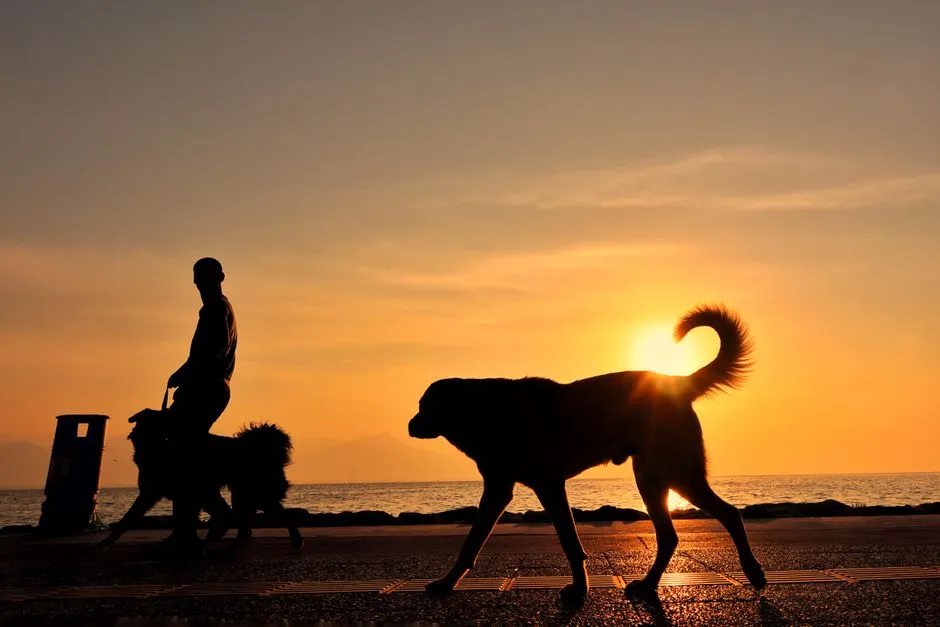
Dogs aren’t colorblind in the black and white sense, but they see fewer colors than we do. What they do well is detect motion and see in lower light. Their eyes have a reflective layer behind the retina, the tapetum lucidum, that bounces light back and improves dim light vision.
That matters at dusk. A leaf skittering across the sidewalk, a moth near a porch light, or a squirrel flicking its tail can stand out sharply to a dog while you barely register it.
A few things dogs tend to spot first in low light:
- Small flickers of movement at the edge of their view
- Shapes that don’t match the usual scenery
- Animals crossing at a distance
Wildlife That Wakes Up When You Head Out
🔥 Would you like to save this?
We'll email this post to you, so you can come back to it later!
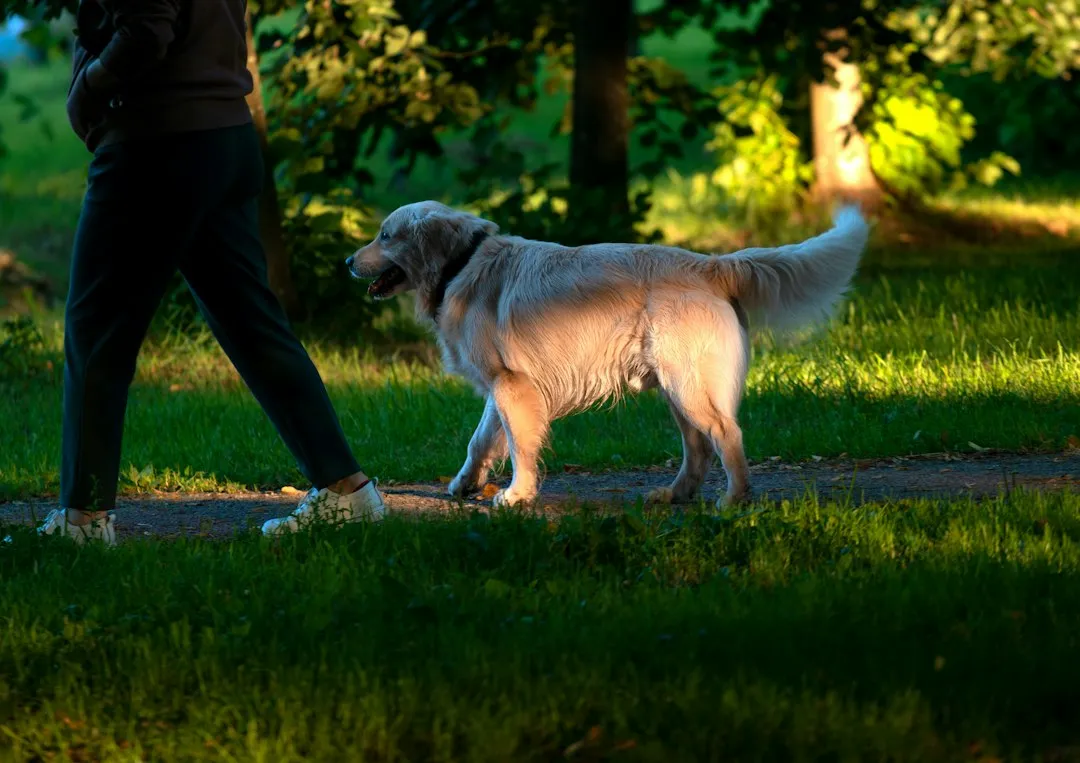
Dusk is a busy handoff hour. Many animals are most active around dawn and dusk, and October is a time when they’re feeding up or moving more. In some regions, deer are in their breeding season, which can make them especially active near roads and trails.
Your dog can often sense this before you see anything. It may smell a recent crossing, hear movement, or catch a shape in the tree line. That sudden stiff posture, nose lifted, is a good cue to shorten the leash.
This is also where a little caution pays off. A dog that notices wildlife can lunge fast, so a secure harness or collar and a leash you actually hold tightly beat a casual grip. Noticing the same things your dog does can help keep both of you safe.
Warm Bodies Glowing in the Cold
🔥 Would you like to save this?
We'll email this post to you, so you can come back to it later!
Here’s one that surprises people. A 2020 study from researchers in Hungary reported that dogs can detect thermal radiation, the heat given off by warm objects, using their noses. In the experiments, dogs were drawn to a warm target even when it had no smell and wasn’t visible to them.
It’s one study, and researchers still have plenty to learn about how useful this is in daily life. Still, it hints that dogs may be picking up on a layer of the world we have no sense for.
As the air cools in October, warm things stand out more against the background. A sleeping animal in a bush or a recently sat on bench might register in ways we’d never guess.
Weather Shifts You Can Barely Feel
🔥 Would you like to save this?
We'll email this post to you, so you can come back to it later!
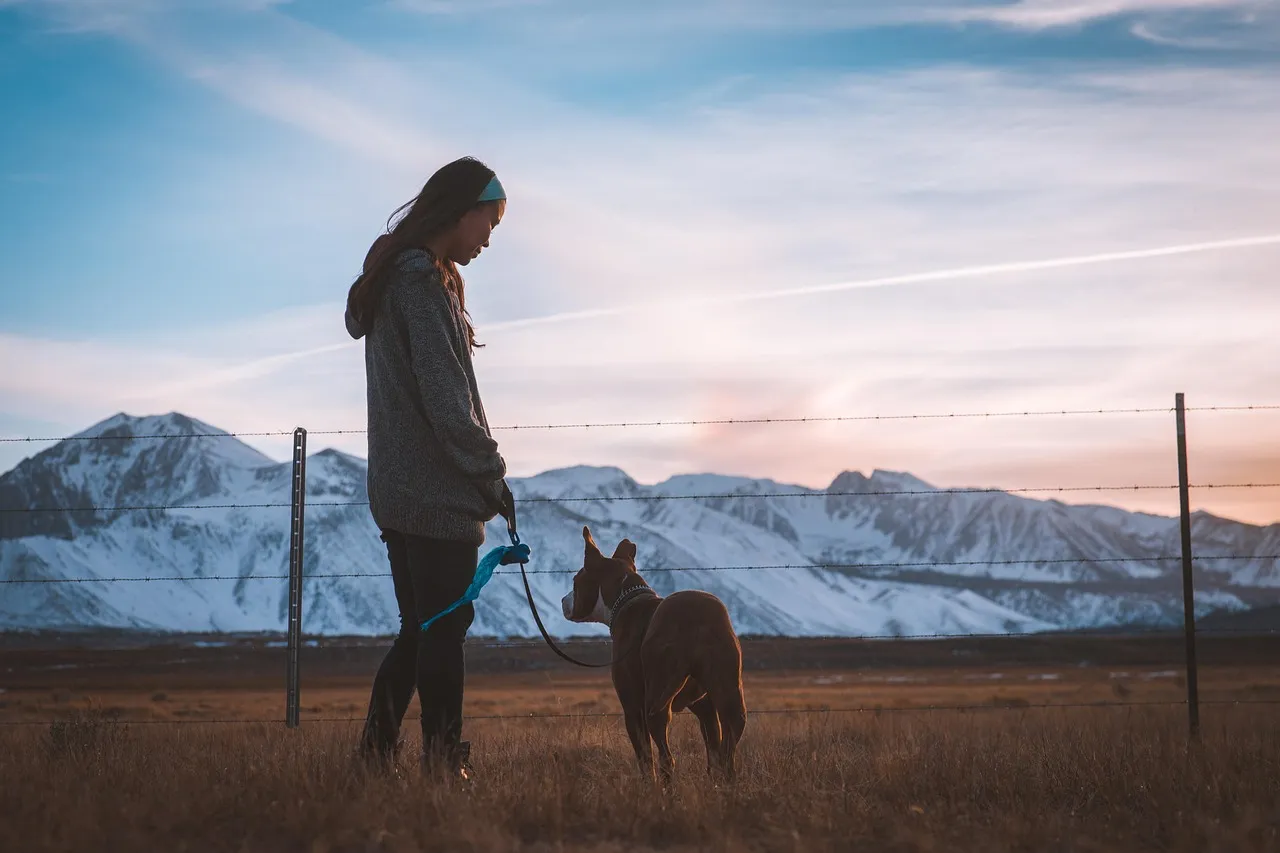
Autumn weather changes quickly. A temperature drop, rising humidity, or a shifting breeze alters how scents travel, and dogs are very good at following those currents. Moist, cool air can help odors hang around instead of dispersing, which is one reason some dogs seem extra sniffy after rain.
Many owners also say their dogs get restless before storms. The evidence on exactly what dogs sense, whether pressure changes, sounds, or smells, is mixed, so it’s fair to say they react to something without claiming to know what.
If your dog suddenly wants to turn around or pick up the pace, a weather change is one plausible reason. It costs nothing to take the hint.
Your Mood, Written on the Air
🔥 Would you like to save this?
We'll email this post to you, so you can come back to it later!
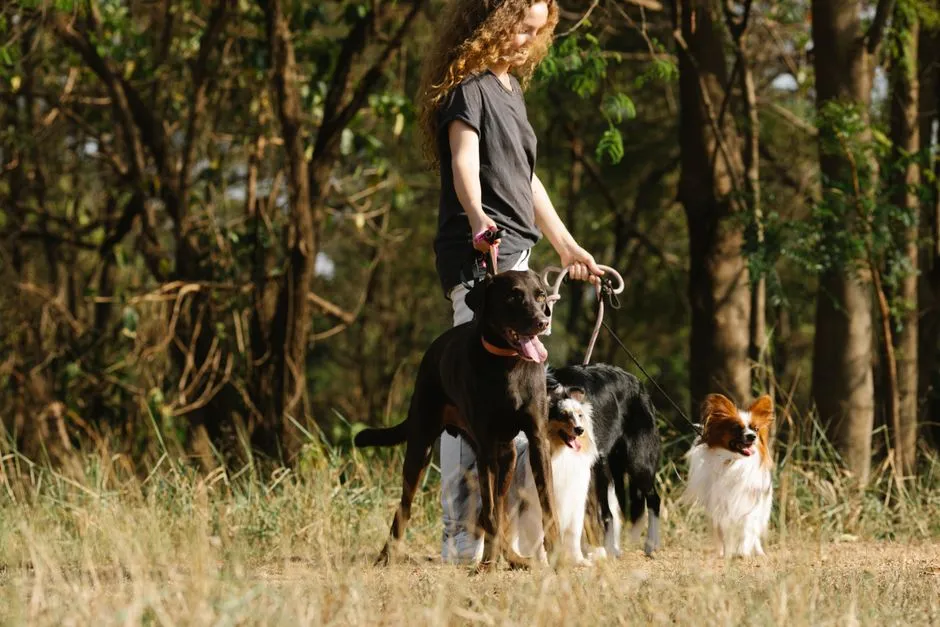
You might think your dog is mostly watching the scenery. In reality, it’s also reading you. Dogs pay close attention to human faces, voices, posture, and smell.
Research suggests dogs can respond differently to the scent of people in different emotional states, including stress. If you’ve been checking your phone, worrying about work, or walking stiffly, your dog may notice the change even if you think you’re hiding it.
That’s part of why a relaxed evening walk can feel good for both of you. It’s also a nudge to put the phone away for ten minutes.
Final Thoughts
🔥 Would you like to save this?
We'll email this post to you, so you can come back to it later!
I’ll say it plainly: most of us treat the evening walk as a chore with a bathroom break attached, and our dogs pay for that. The sniff stops aren’t wasted time. They’re the main event.
Try letting your dog lead for part of the route this October. Stand still, look where it looks, and listen. You won’t smell what it smells, but you’ll probably notice that the street you thought you knew has a lot more going on.

- 7 Everyday Habits That Can Make Your Senior Dog Happier - November 5, 2026
- 10 Enigmatic Structures That Continue to Puzzle Scientists Today - November 5, 2026
- 10 Strange Ruins in the Americas That Challenge What We Know About Early History - November 5, 2026