
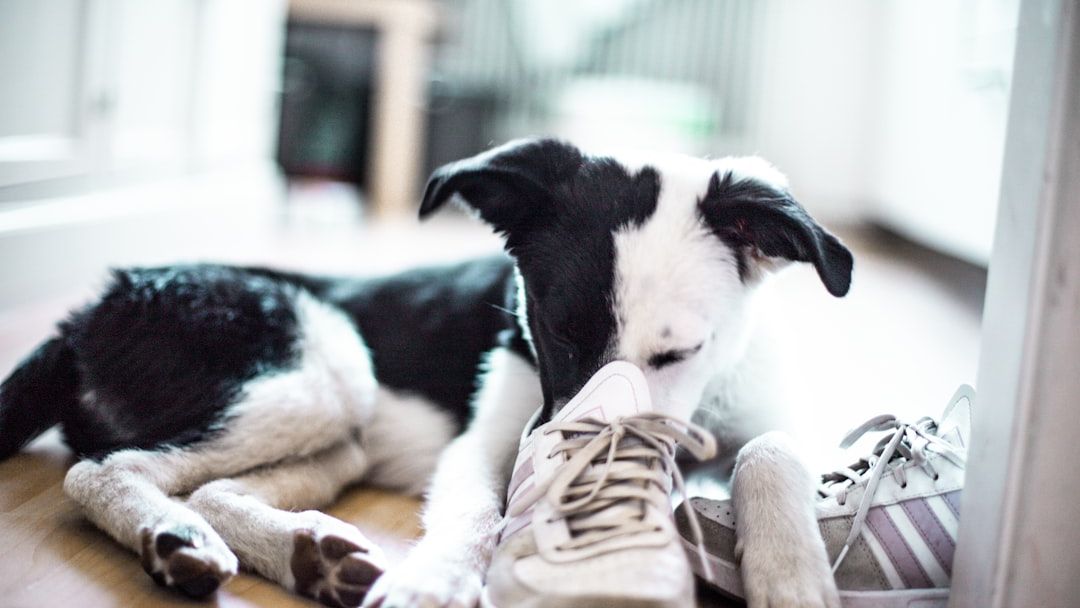
The Clock Watching Begins

Many dogs learn the rhythm of a typical day through repeated exposure to the same sequence of events. When the usual time for work or errands approaches, they start tracking movements around the house with more focus. Owners often notice their pet glancing toward the door or following them from room to room without any keys in sight.
This behavior stems from an internal sense of time combined with visual cues like light changes through windows. The dog does not need an alarm to register that the pattern is unfolding. Over months or years the association becomes automatic and reliable.
Shoe Selection Changes the Mood
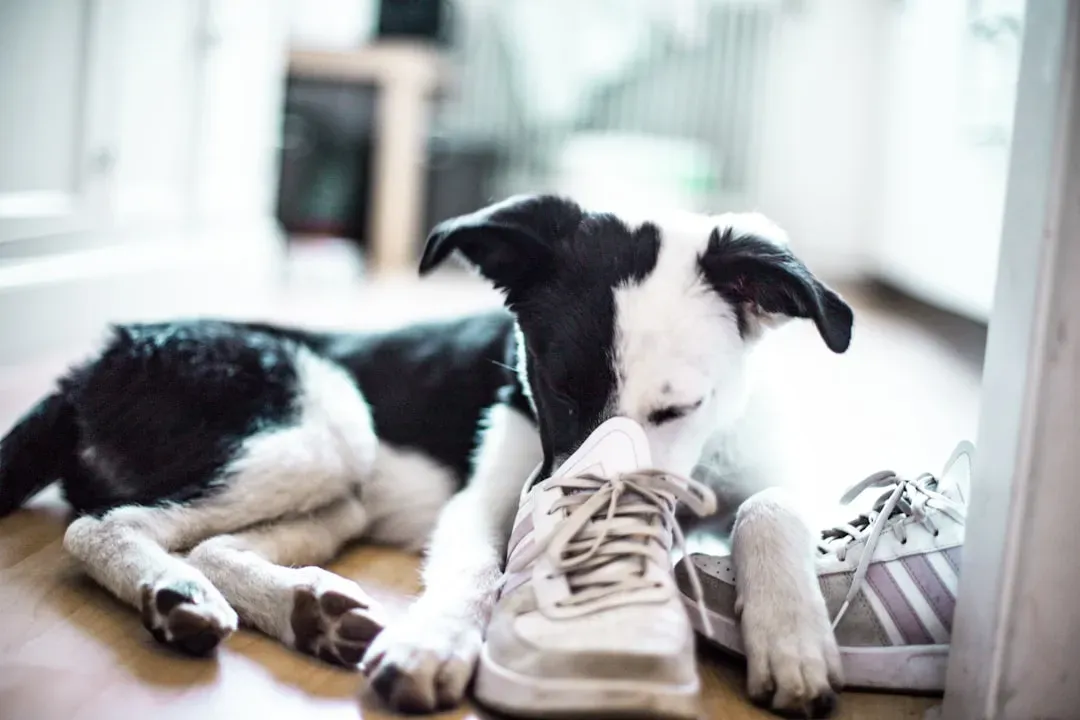
Certain pairs of shoes signal different outings, and dogs quickly sort these categories in their minds. Comfortable sneakers might mean a short walk around the block while sturdier boots suggest a longer absence. The simple act of reaching for one style over another can prompt a dog to settle into a waiting posture.
They observe the full motion of bending down and tying laces, which rarely happens for casual indoor movement. This visual detail arrives well before any jingling metal sounds. The distinction helps them prepare emotionally for the length of separation ahead.
Coat or Jacket Choices Stand Out
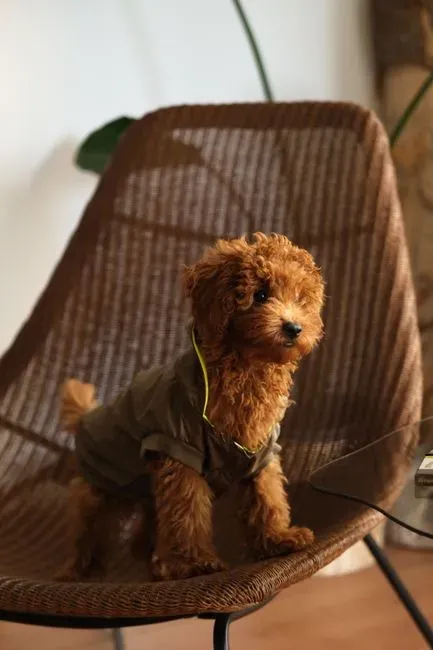
Outerwear often carries specific scents from previous trips and serves as a reliable marker. A dog may react differently to a lightweight windbreaker compared with a heavier winter coat. The fabric rustle and the way it drapes over shoulders provide additional clues.
These items usually stay in one spot until an outing is planned, so their removal breaks the normal household stillness. Dogs register the change in routine instantly. The pattern repeats enough times to become a dependable predictor.
Bag or Purse Handling Increases

Reaching for a work bag or everyday purse follows a consistent order in many homes. Dogs notice the zippers opening and items being placed inside even when the motion stays quiet. The weight shift when the bag lifts off a surface adds another layer of information.
They connect this action with the eventual departure because it almost always precedes leaving the house. No keys are required for the association to form. The sequence becomes part of their learned daily map.
Phone Checks Become More Frequent

Glancing at a phone screen for weather, traffic, or messages happens more often right before someone heads out. Dogs track these small pauses in activity and the slight change in posture that accompanies them. The device itself may carry familiar sounds or vibrations tied to the same moments.
Over time the pattern stands out against normal scrolling during relaxed evenings. The dog registers the shift without needing verbal explanation. This cue fits neatly into the larger chain of pre departure behaviors.
Voice Tone Softens During Goodbyes
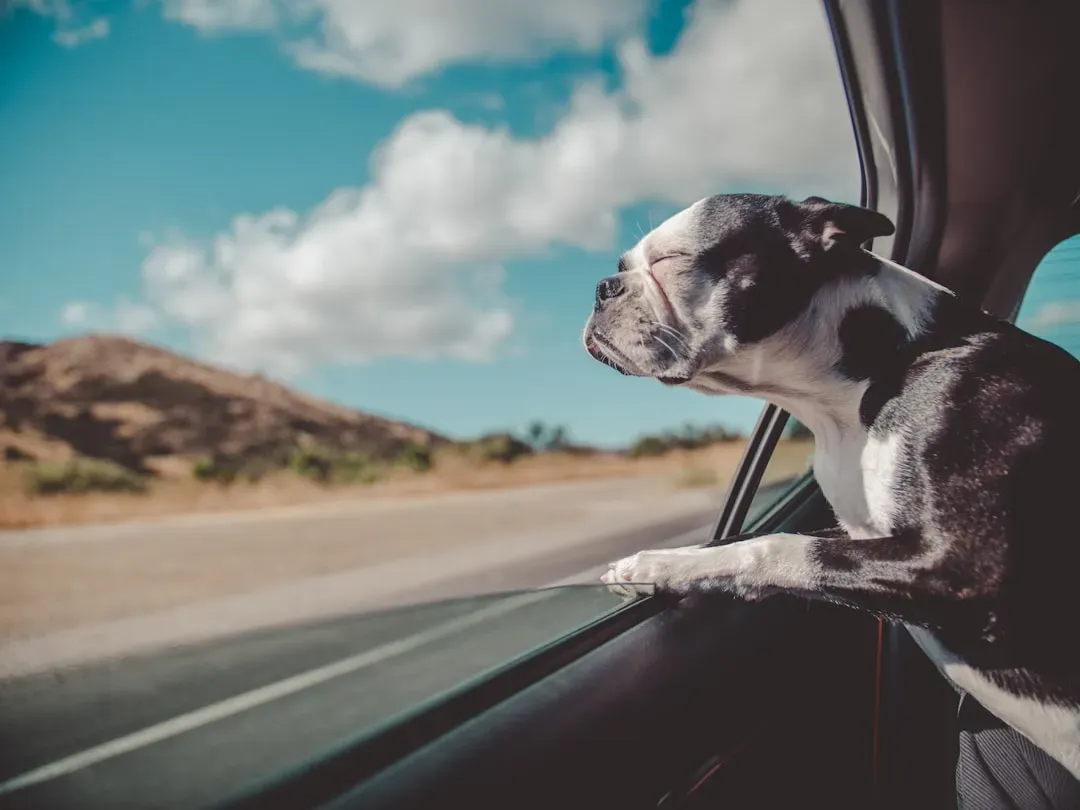
Conversations with family members or roommates take on a distinct cadence when departure is imminent. The words may stay ordinary yet the delivery changes in pace or volume. Dogs are sensitive to these vocal adjustments and often position themselves closer to the speaker.
The tone serves as an emotional marker that the household energy is about to drop. No physical objects need to move for the signal to register. Repeated exposure strengthens the link between the sound and the coming absence.
Final Petting Session Feels Different
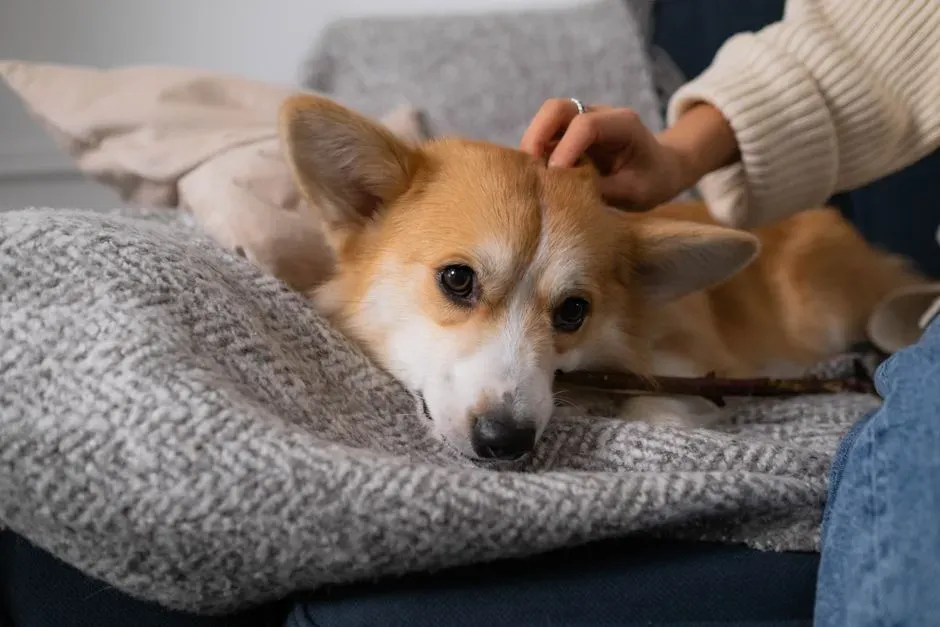
Many owners give their dog one last round of attention before stepping out the door. The touch may last longer or carry a slightly more deliberate quality than casual affection during the day. Dogs notice the extra focus and sometimes linger near the usual spot afterward.
This interaction often occurs in a predictable location such as the entryway or couch. The sequence helps them mark the transition from together time to alone time. The cue arrives well before any keys enter the picture.
Household Lights or Music Shift
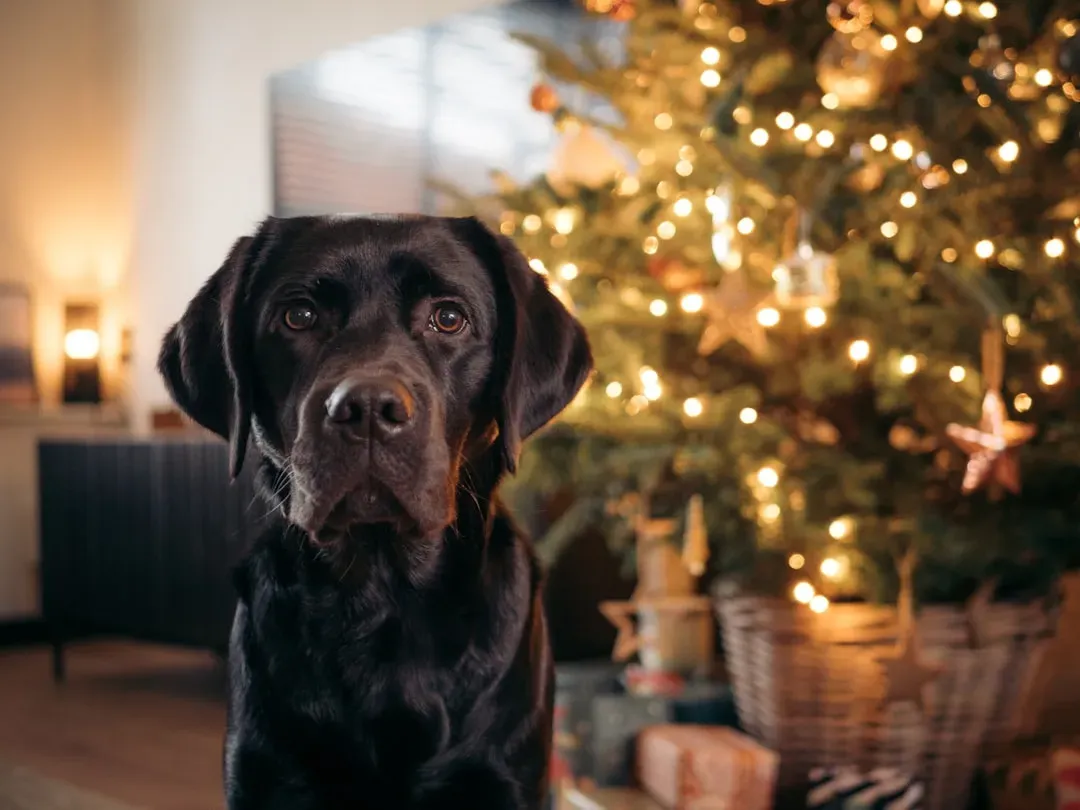
Turning off certain lamps or starting a background playlist can mark the end of morning routines. Dogs observe which switches flip and which devices activate in the moments leading up to exit. The change in ambient sound or brightness registers clearly in their environment.
These adjustments happen consistently enough to become part of the expected order. The dog tracks the new atmosphere without needing direct involvement. The pattern reinforces the overall message that departure is underway. A strong bond with a dog often shows itself in these quiet observations rather than dramatic displays. Paying attention to the signals can deepen daily interactions and reduce unnecessary stress for both sides. Over time the shared understanding becomes one of the most reliable parts of the relationship.

- The Secret Lives of Nocturnal Animals: What Happens After Dark - August 10, 2026
- 12 Incredible Facts About Monarch Butterflies and Their Migration - August 10, 2026
- Why the World is Obsessed with This Iridescent Spider: The Psychedelic Earth Tiger - August 10, 2026