
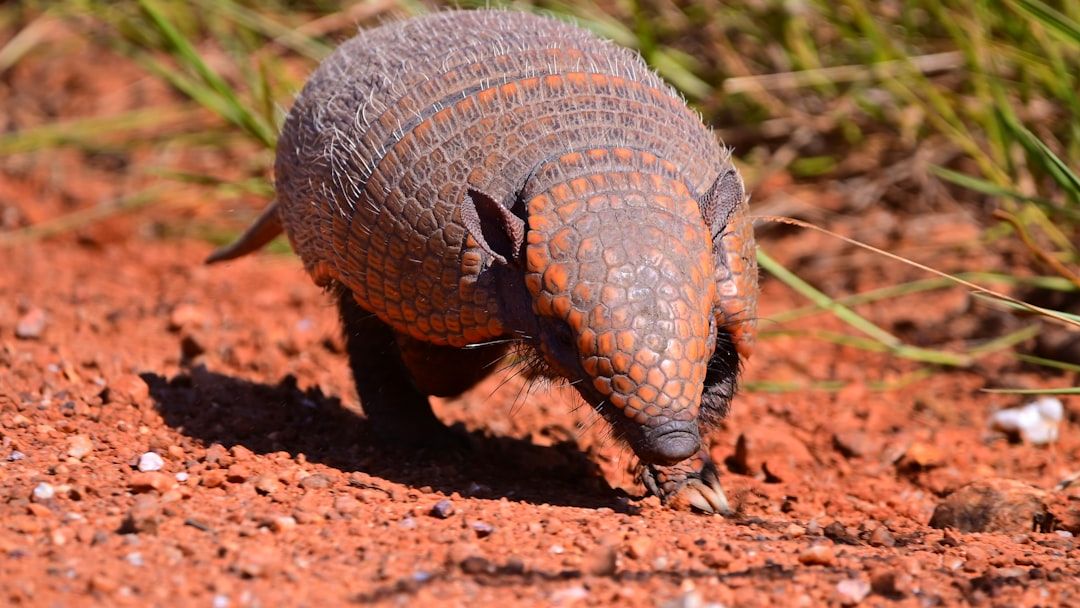
Most people rarely think about what’s happening beneath their feet. Yet just below the surface of forests, grasslands, and savannas, entire communities of animals are quietly at work – digging, tunneling, aerating, decomposing, and reshaping the land in ways that make life above ground possible. These aren’t fringe contributors. They’re foundational ones.
More organisms live in the soil than live aboveground. That fact alone should reframe how we think about ecological health. The animals that burrow, tunnel, and spend their lives underground are far more than curiosities. They are, in many cases, the invisible scaffolding of entire ecosystems.
1. Earthworms: The Original Soil Engineers
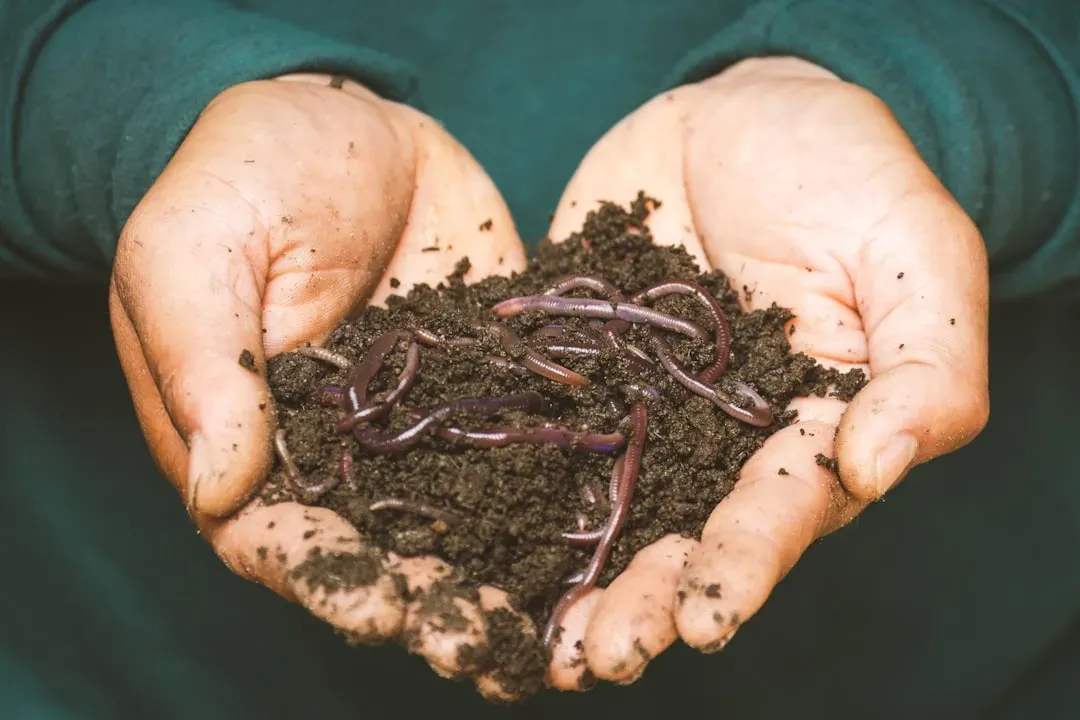
Earthworms may be the most important animals most people step over without a second thought. They are sometimes known as “ecosystem engineers” because they significantly modify the physical, chemical, and biological properties of the soil profile, and these modifications can influence the habitat and activities of other organisms within the soil ecosystem.
The burrows of earthworms act like large pores that allow water from rain and melting snow to infiltrate into the soil instead of running off and causing erosion, and when they eat, worms break down and recycle organic matter within the soil, which naturally fertilizes the earth and packs it with vital nutrients.
Scientists have measured up to fivefold increases in nitrogen availability in earthworm casts compared to undigested soil. That’s a remarkable figure for an animal most gardeners treat as little more than fish bait.
Worms can also help clean up contaminated land by enhancing bioremediation, a process where micro-organisms break down environmental pollutants into non-toxic molecules, which are then spread around the soil through worm movement. Their role, in short, extends well beyond simple decomposition.
2. Moles: Tunnel Builders and Accidental Aerators
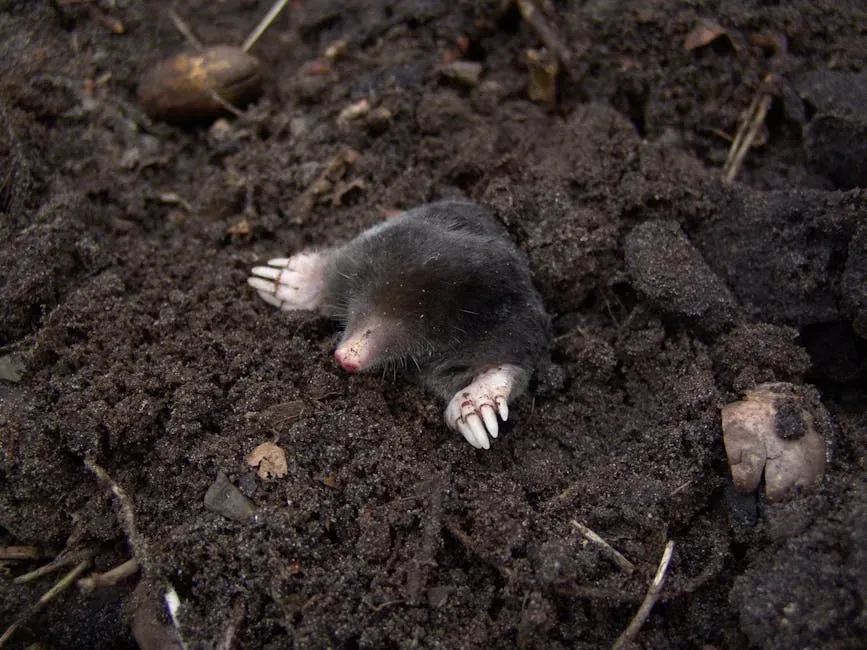
Moles are often considered pests due to their burrowing habits, which can disturb soil, but this activity can also be highly beneficial, and they are recognized as ecosystem engineers. Moles use their strong forearms with front-facing paws and long, sharp claws to dig as much as 100 feet of tunnel per day in their search for food.
Mole tunneling results in lawn aeration, and mole activity is actually a sign of healthy soils because they prefer loamy, rich soils that harbor their prey. A mole in your yard, annoying as it may feel, is a reasonable indicator that the soil underneath is in decent shape.
Their constant tunneling brings deeper soil layers to the surface, improving soil structure and plant growth in a process similar to natural plowing. Far from being pests, moles provide essential ecological services by aerating soil, controlling insect populations, and creating drainage channels.
3. Prairie Dogs: Social Engineers of the Great Plains
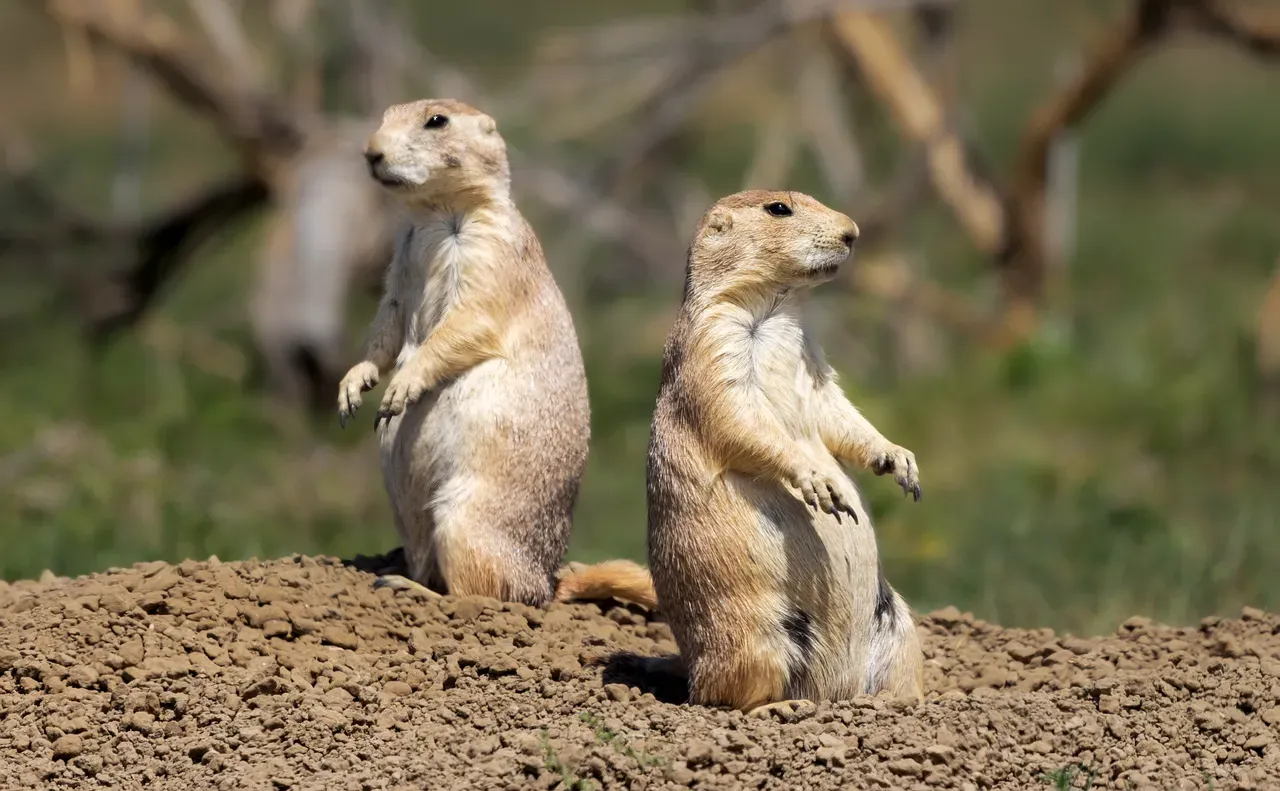
Prairie dogs are social rodents that create complex underground colonies known as “towns,” and they play a crucial role in their ecosystem by aerating the soil and providing habitats for other species. The scale of their construction is genuinely impressive.
Prairie dogs construct elaborate “towns” with specialized chambers for sleeping, raising young, storing food, and even waste disposal. These underground networks can cover hundreds of acres and may descend more than 15 feet below the surface.
Research highlighted the importance of the burrowing cascade, leading to animal abundance being twelve times greater in areas with active soil engineers than without them. Prairie dogs sit right at the center of this cascade, creating a chain reaction of habitat for dozens of other species that move into their abandoned burrows.
Their extensive burrow systems create unique underground corridors and alter both above- and below-ground landscape structures. These burrows provide shelter for various arthropods, reptiles, birds, and mammals, including the black-footed ferret.
4. Aardvarks: Nocturnal Diggers and Surprising Seed Dispersers
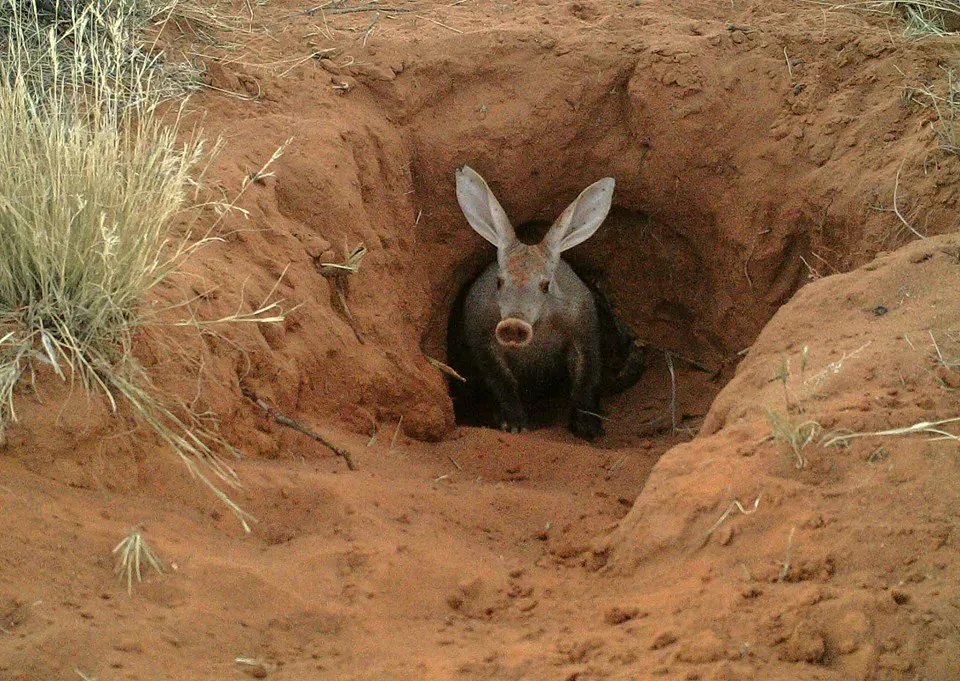
The aardvark is a nocturnal creature spending its nights foraging for termites and ants. Its powerful claws can break open hard earth and termite mounds, making it a proficient digger, and it can excavate a burrow up to 10 meters long in just one night to escape predators and harsh weather.
Aardvarks contribute to their ecosystem by controlling termite populations and providing abandoned burrows for other species. Those empty burrows quickly become homes for everything from warthogs to jackals and various reptiles.
Once the fruit of the aardvark cucumber is digested, the seeds are dispersed by the aardvarks that cover their dung in dirt, effectively planting these seeds in the soil with a natural fertilizer. This symbiotic relationship helps propagate the aardvark cucumber, whose existence is entirely dependent upon the aardvark.
5. Pangolins: Keystone Diggers Under Serious Threat
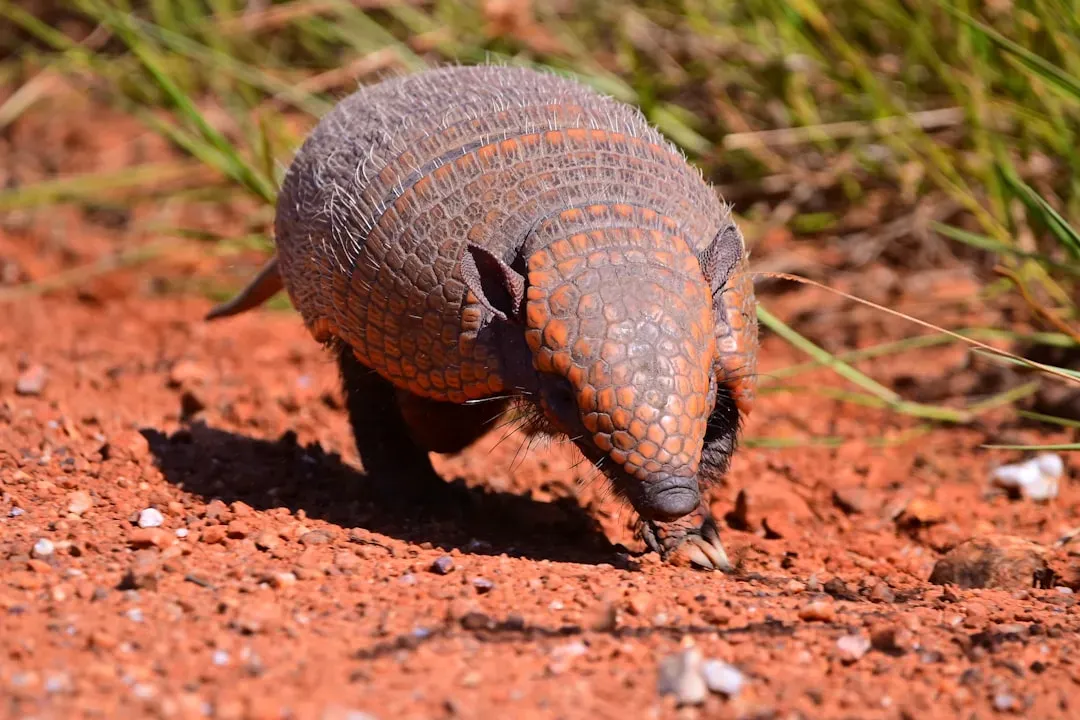
Pangolins are considered a keystone species, one that plays a crucial role in maintaining the health and diversity of their native ecosystems. Through their consumption of ants, termites, and their larvae, pangolins prevent these insects from overwhelming local vegetation, protecting both forests and human crops.
Their digging abilities help to turn over the soil, aerating it and cycling nutrients, which is vital for plant growth and ecosystem regeneration, especially after fires. Abandoned pangolin burrows also provide homes for other species.
Sadly, they are among the most heavily trafficked mammals in the world, which makes understanding their ecological role all the more urgent. Losing pangolins from a landscape doesn’t just remove one species – it begins to unravel the conditions that allowed others to thrive.
6. Gopher Tortoises: Landlords of the Underground
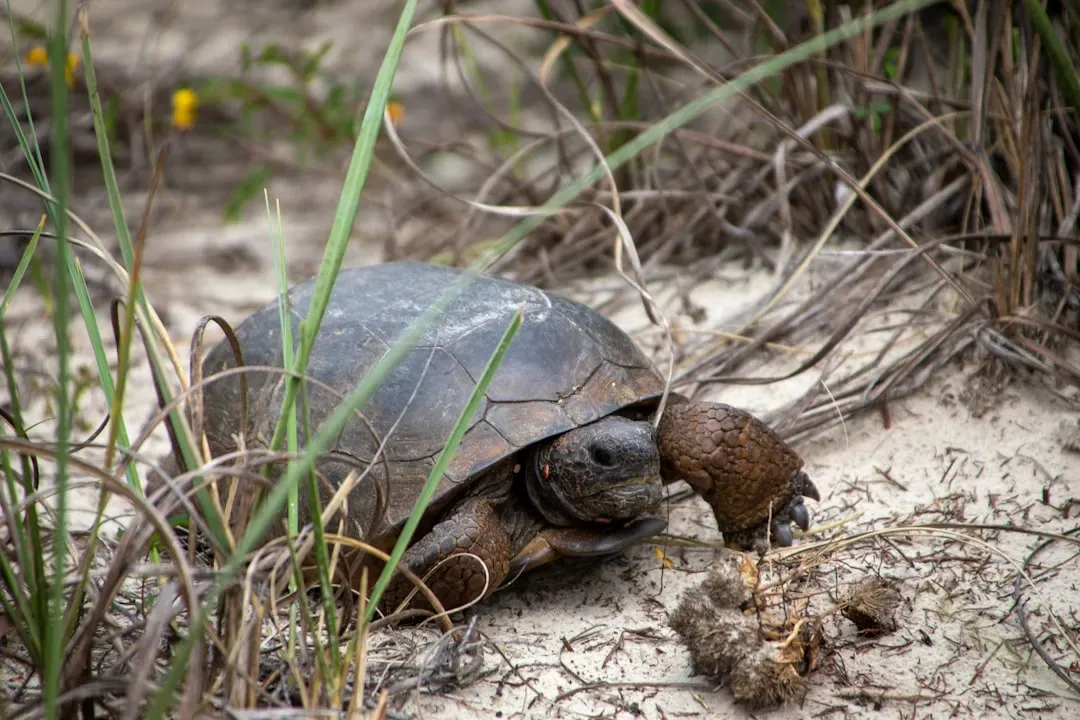
These seemingly unimpressive tortoises, which do not get much bigger around than a typical dinner plate, are incredible diggers, hollowing out tunnels that can be more than 10 meters long and 3 meters deep to keep themselves out of harm’s way.
An empty gopher tortoise burrow is prime real estate in the animal kingdom. Over 350 other species have been documented using these burrows, and they quickly occupy vacant ones. That’s an extraordinary ripple effect from a single reptile.
Tortoises bring sub-surface soils to the surface, mixing soil layers in a process called bioturbation, which can alter soil chemistry and water infiltration rates in the immediate vicinity of the burrow. The health of an ecosystem often depends on the quiet, persistent work of its most unassuming engineers.
7. Naked Mole-Rats: Eusocial Engineers of the African Soil
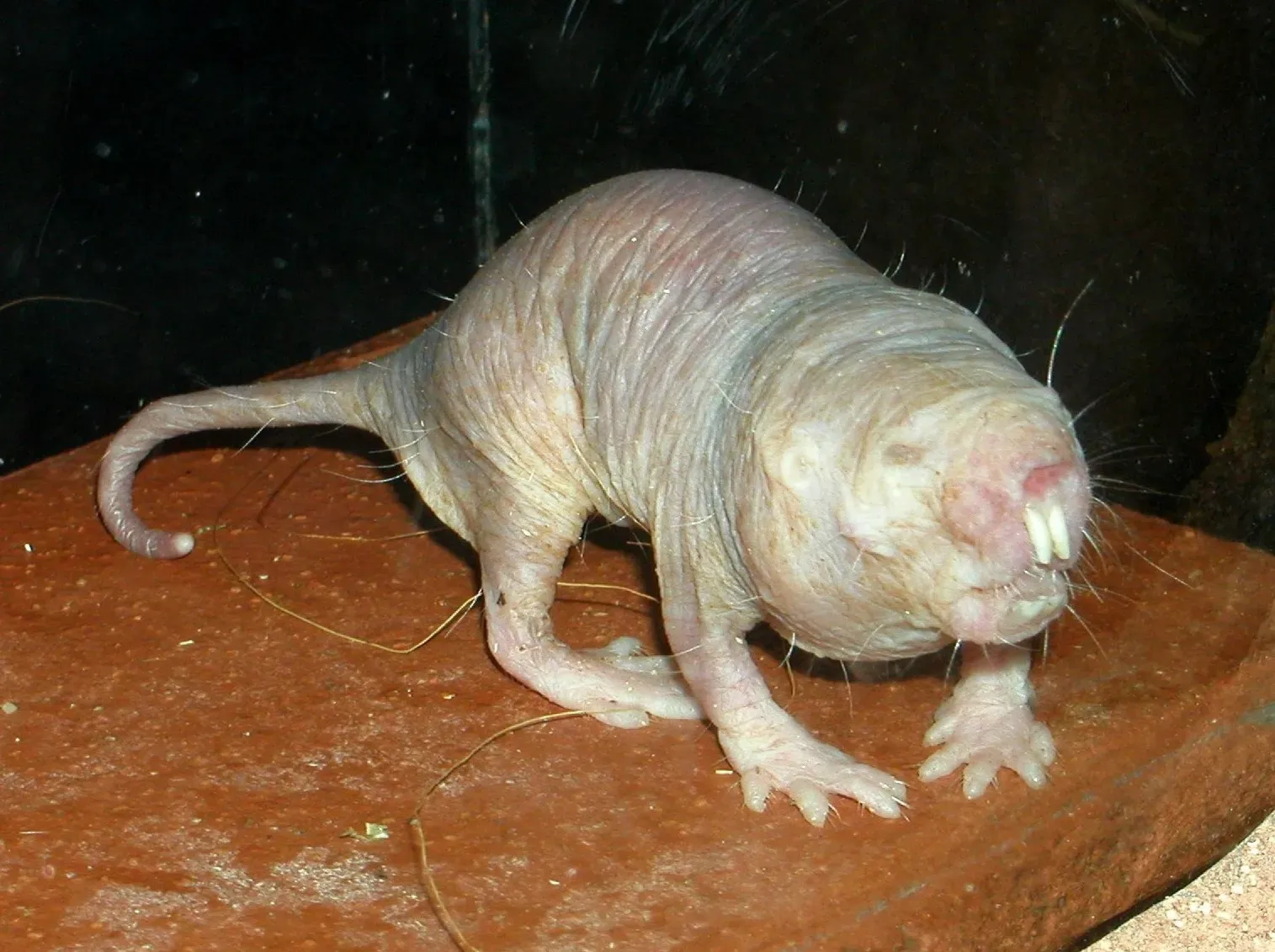
The naked mole-rat exhibits a highly unusual set of physiological and behavioural traits that allow it to thrive in a harsh underground environment, most notably its being the only mammalian thermoconformer with an almost entirely ectothermic form of body temperature regulation, as well as exhibiting eusociality.
The naked mole-rat is a subterranean herbivore and ecosystem engineer specializing on geophyte storage organs, influencing plant community dynamics and soil structure through intensive burrowing. Its bioturbation and soil turnover via tunnel excavation, along with nutrient redistribution and enhanced decomposition pathways, make it an active modifier of its underground world.
Their tunnels can span several kilometers. Remarkably adapted to their hypoxic environment, naked mole-rats can live up to 18 minutes without oxygen. That adaptation speaks to just how fully these animals have committed to an entirely subterranean life – and how they’ve shaped their habitat as a result.
8. Badgers: Powerful Excavators and Habitat Creators
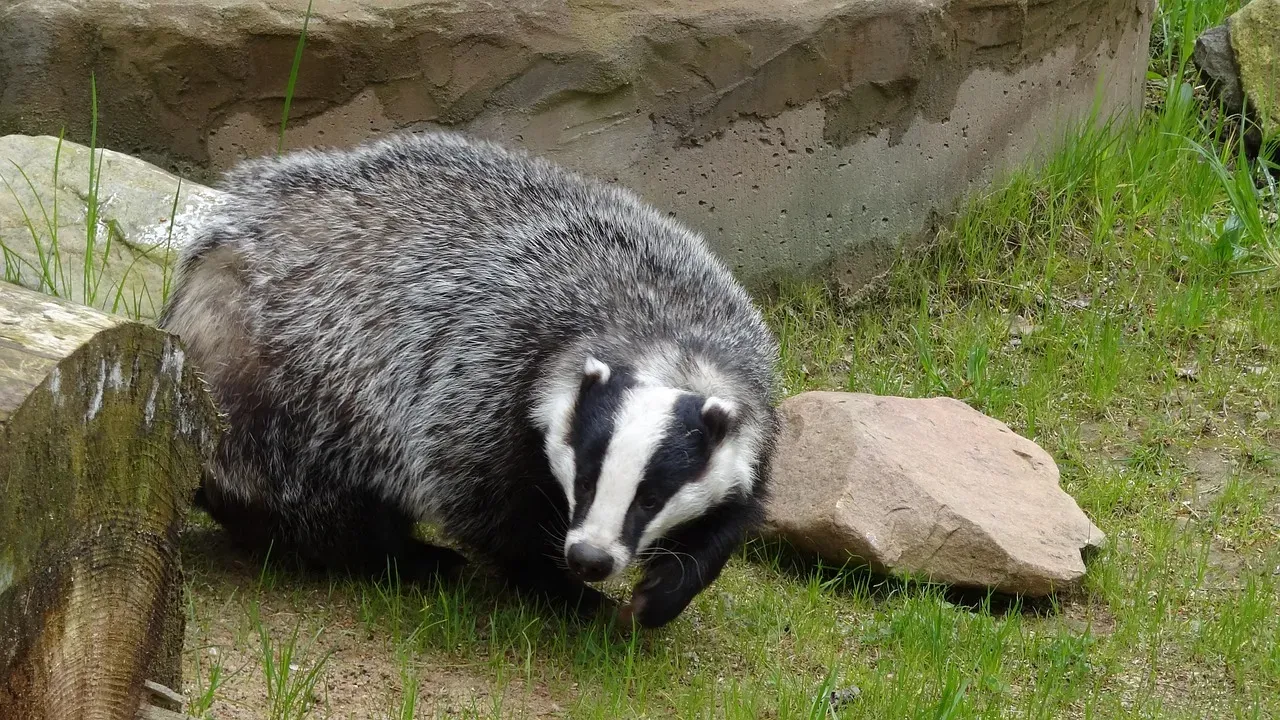
Badgers are made for digging burrows, with their squat, low-to-the-ground bodies and long, strong claws. Most badgers are related to weasels and have the diagnostic long head and snout and small ears. They are found around the world except for South America, Australia, and the Arctic and Antarctic regions.
Like the burrows of prairie dogs, the badger sett has several entrances and interconnected tunnels. The tunnels can stretch for 980 feet and can be 6.6 feet deep, with chambers for raising babies or sleeping. These are not casual holes – they’re complex, long-lived structures used by generations of animals.
A single active burrow system can change soil aeration, water infiltration, and nutrient mixing, often benefiting plants and other animals that later reuse the tunnels. Badgers also regulate populations of burrowing rodents and ground-nesting insects, helping to keep those communities from becoming ecologically dominant.
Why Losing Underground Animals Matters More Than We Realize
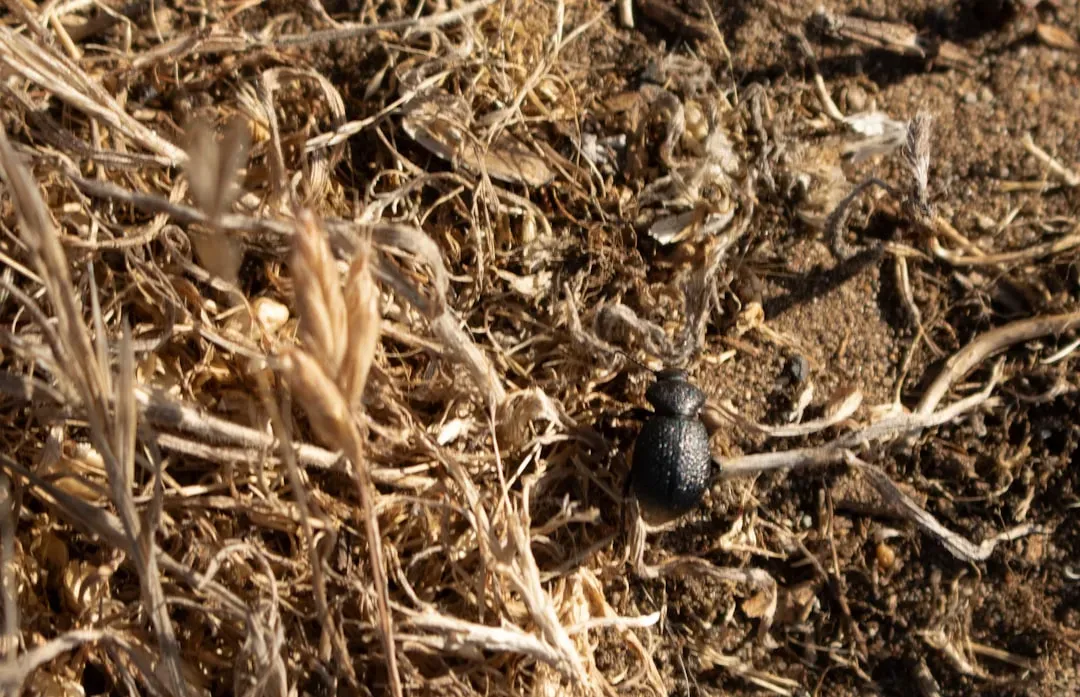
These underground communities play a critical role in recycling organic matter, nutrients, and energy. The decomposition of organic matter by subterranean fauna is essential for plant growth and primary productivity, and all these animals are critical components in soil food webs.
Many of the native soil-disturbing animals have been lost over large areas, and with them have gone the ecosystem services they once provided. That loss is rarely visible on the surface, which is precisely what makes it so easy to overlook.
Soil microbes collectively drive the carbon and nitrogen cycles that sustain all terrestrial life. Without these invisible underground workers, soil fertility would collapse, plants would fail to grow, and terrestrial ecosystems would unravel. The health of this underground metropolis directly impacts agriculture, forestry, and ultimately, human food security.
Conclusion
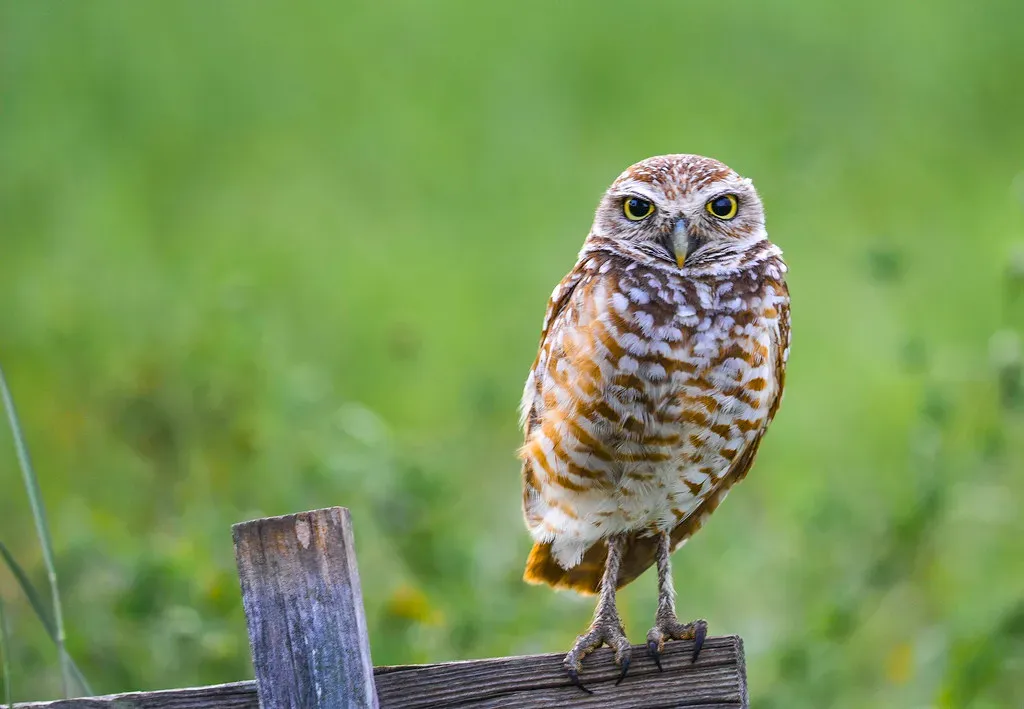
The animals featured here range from a nearly blind rat colony in the Horn of Africa to a slow tortoise digging silently through Florida sand. What connects them is that their work happens where no one can easily watch – underground, in the dark, over long stretches of time.
The fact that we rarely see these animals in action doesn’t reduce their importance. If anything, it makes it easier to underestimate what their absence would mean. The story of these animals is really a story about interdependence. None of them live in isolation, and none of their contributions can easily be replaced.
The ground beneath us is not passive. It is tended, turned, aerated, and seeded by creatures that have been doing this work long before humans started farming the land above them. Respecting that work – and protecting the animals that do it – is one of the quieter but more consequential things we can do for the health of the planet.
