
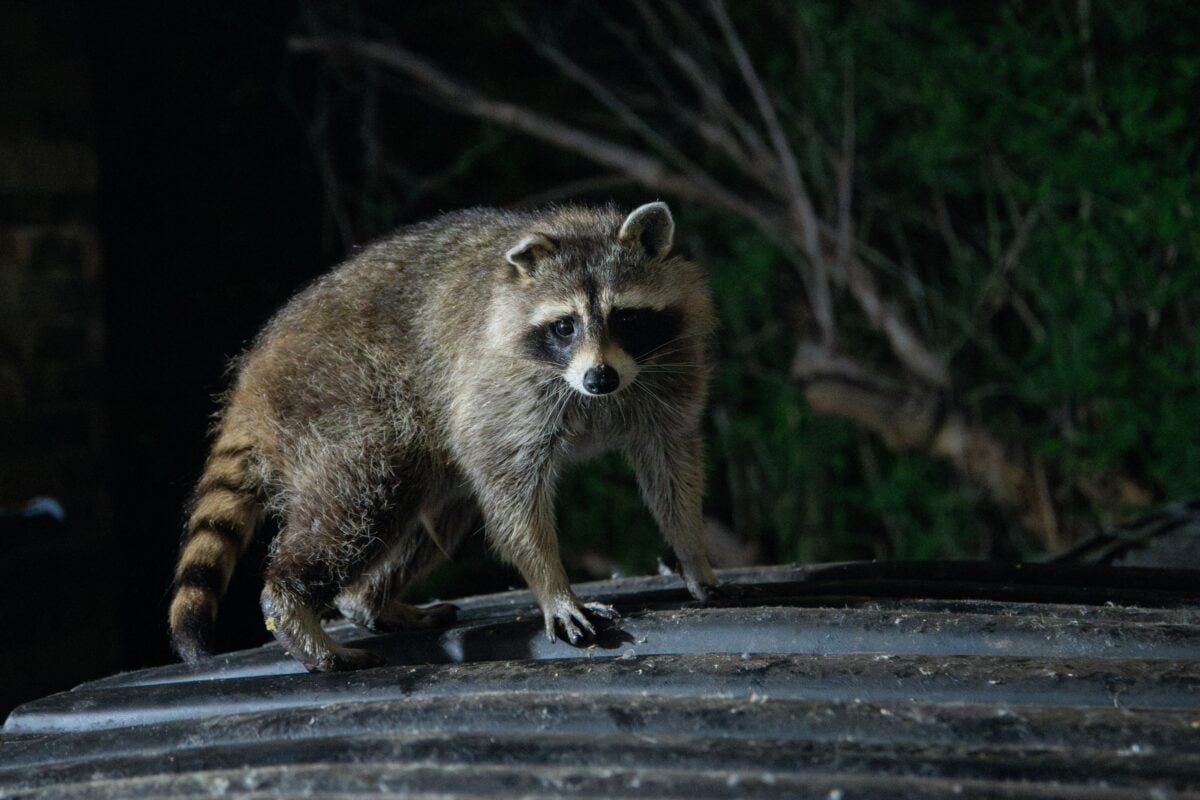
When the first real chill hits the air and the sun seems to vanish earlier every evening, raccoons quietly start rewriting their daily (or rather, nightly) routine. You might think they simply “show up less,” but what actually happens inside a raccoon’s world in fall and early winter is far more dramatic, strategic, and, honestly, pretty impressive.
As nights grow longer and temperatures drop, raccoons are pushed to make a whole series of behavioral upgrades just to stay alive. They eat differently, move differently, take more risks, and even change how they interact with other raccoons. If you have ever spotted one waddling across a frosty yard or rummaging through a trash bin under a pale streetlight, you were probably seeing one tiny piece of a much bigger seasonal puzzle.
I still remember watching a scruffy raccoon appear like a shadow at the edge of a suburban parking lot one November night. In summer, you might never see one there. But as the cold kicked in, it acted like that parking lot was part grocery store, part highway, and part emergency shelter. That moment made me realize: raccoons do not just “survive” winter; they re-strategize their entire life to beat it.
1. Packing On Fat: The Pre-Winter Eating Frenzy
🔥 Would you like to save this?
We'll email this post to you, so you can come back to it later!
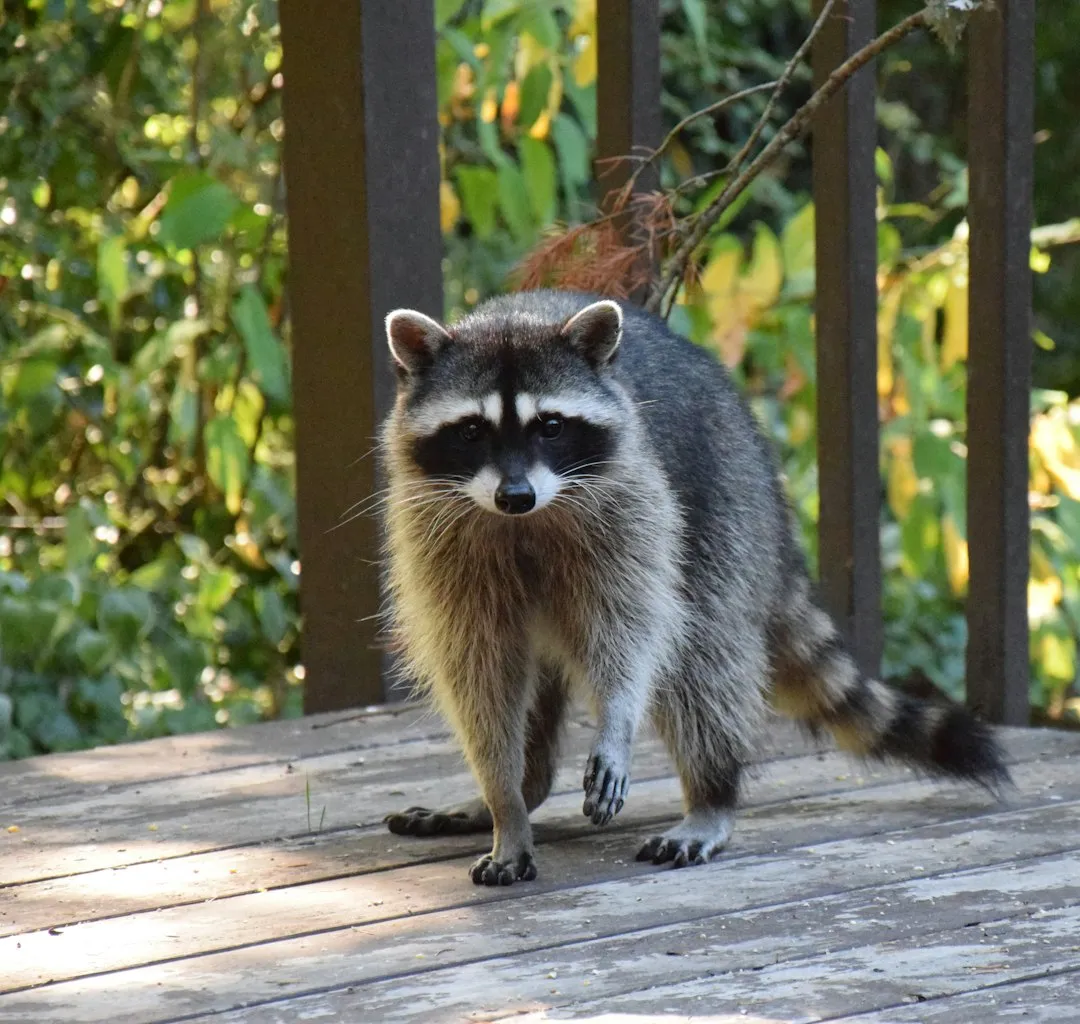
Here is the surprising truth: raccoons do not truly hibernate, but their bodies still gear up as if a tough season is coming. As nights lengthen in fall, raccoons ramp up their feeding, often spending much more time searching for calorie-dense foods like nuts, seeds, grains, and anything oily or sugary. They can put on a very noticeable layer of fat, especially over their shoulders, sides, and belly, which becomes their built-in winter blanket and emergency pantry.
Instead of casually foraging the way they might on a mild summer evening, late‑autumn raccoons are more like shoppers on a clearance sale: quick, focused, and slightly desperate. Fallen acorns, leftover pet food, spilled birdseed, rotting garden produce, and even compost piles all turn into high-value targets. The goal is simple and brutal: store as much energy on their bodies as possible before conditions turn harsh and food gets scarce.
In practical terms, that means you may suddenly notice raccoons visiting yards, decks, and trash cans that never seemed to interest them a month earlier. Their risk tolerance creeps upward because, from their perspective, missing this feeding window is more dangerous than occasionally crossing a driveway or climbing onto a porch.
- As nights lengthen, raccoons extend their foraging time.
- They prioritize calorie-rich foods over lighter snacks.
- The visible “chunkiness” you see is a crucial survival tool, not just laziness.
2. Longer Nighttime Foraging Routes (And More Urban Visits)
🔥 Would you like to save this?
We'll email this post to you, so you can come back to it later!
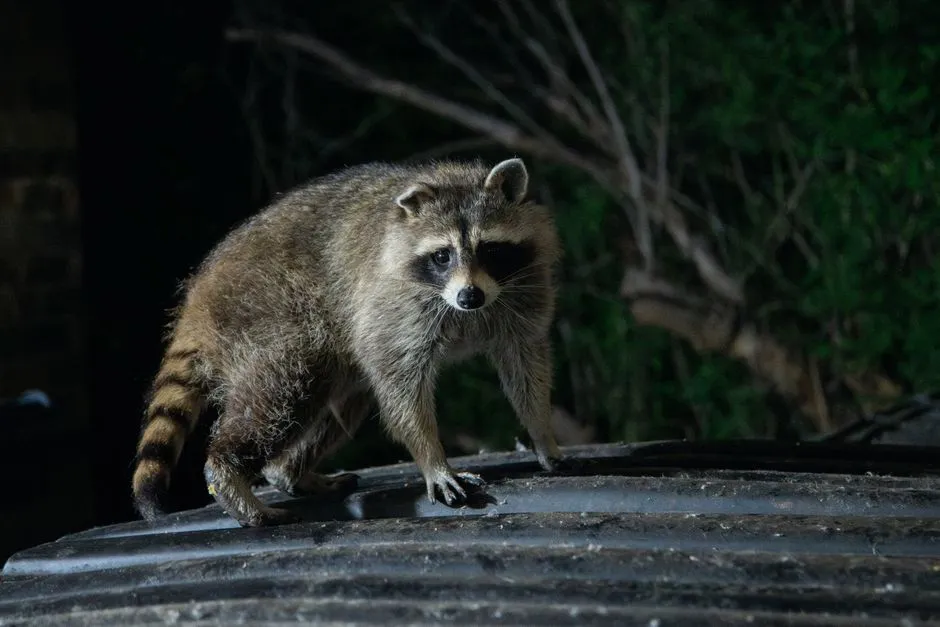
As darkness stretches out, raccoons have more time to move under cover of night – and they use it. They often expand their foraging routes, traveling farther and exploring new nooks of their territory to track down leftover crops, fallen fruits, garbage, and small prey. For us, that can translate into more raccoon sightings in unexpected places, especially in cities and suburbs where artificial light and human food waste blend into a strange kind of winter lifeline.
In rural areas, raccoons may wander across more fields and along streambanks, searching for any pockets of remaining food: corn stubble, carcasses left by predators or hunters, or sheltered spots where invertebrates still lurk. In urban environments, that expanded search often leads them to parking lots, alleys, restaurant dumpsters, and overflowing bins set out on cold mornings. The combination of long nights plus scarce food pushes them into a kind of seasonal adventurous mode.
This expanded activity window can also slightly shift their timing. While raccoons are mostly nocturnal, in late fall and early winter you might occasionally see them at dusk or just after sunrise. It is not always a sign of sickness; sometimes it is simply a raccoon stretching its foraging schedule to squeeze every opportunity out of a cold day’s edges.
- Longer nights = more cover and more time to travel safely.
- Raccoons may show up in new areas as they widen their feeding range.
- Brief activity in early morning or late afternoon is more likely in colder months.
3. From Wandering to Weather-Watching: Shelter Becomes Priority One
🔥 Would you like to save this?
We'll email this post to you, so you can come back to it later!
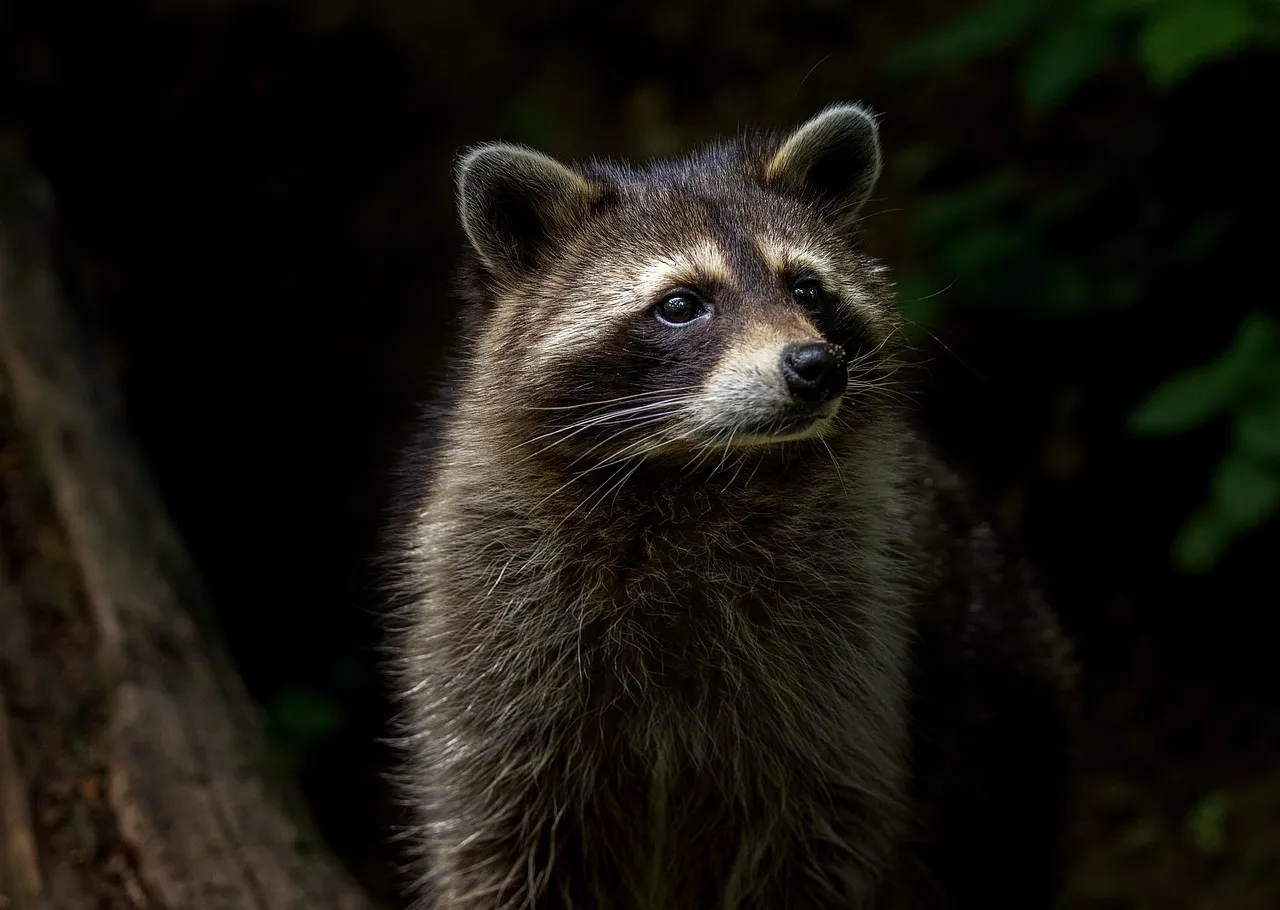
As temperatures drop, raccoons shift a lot of their mental energy from “where is food?” to “where can I stay warm?” Their shelter choices grow more deliberate and conservative. Hollow trees, rock crevices, old groundhog burrows, attics, barns, and crawlspaces become high-value real estate. A summer night spent tucked under some bushes does not cut it when the wind is slicing across frozen ground.
What really changes is how long they stay tucked away when conditions are bad. During a sharp cold snap or heavy snowfall, raccoons may remain denned up for several days at a time, using that hard-earned fat to get them through. They are not fully hibernating, but they are absolutely throttling down activity to conserve heat and energy.
This is also the season when humans notice them in “the wrong places” more often: under decks, inside sheds, or even in attic corners if there is a gap or broken vent. To a raccoon, a dry, insulated space above ground with some warmth leaking from a house feels like a five-star winter cabin. From our angle, it feels like an invasion, but from theirs, it is pure survival logic.
4. Winter Truce: More Den Sharing and Social Tolerance
🔥 Would you like to save this?
We'll email this post to you, so you can come back to it later!
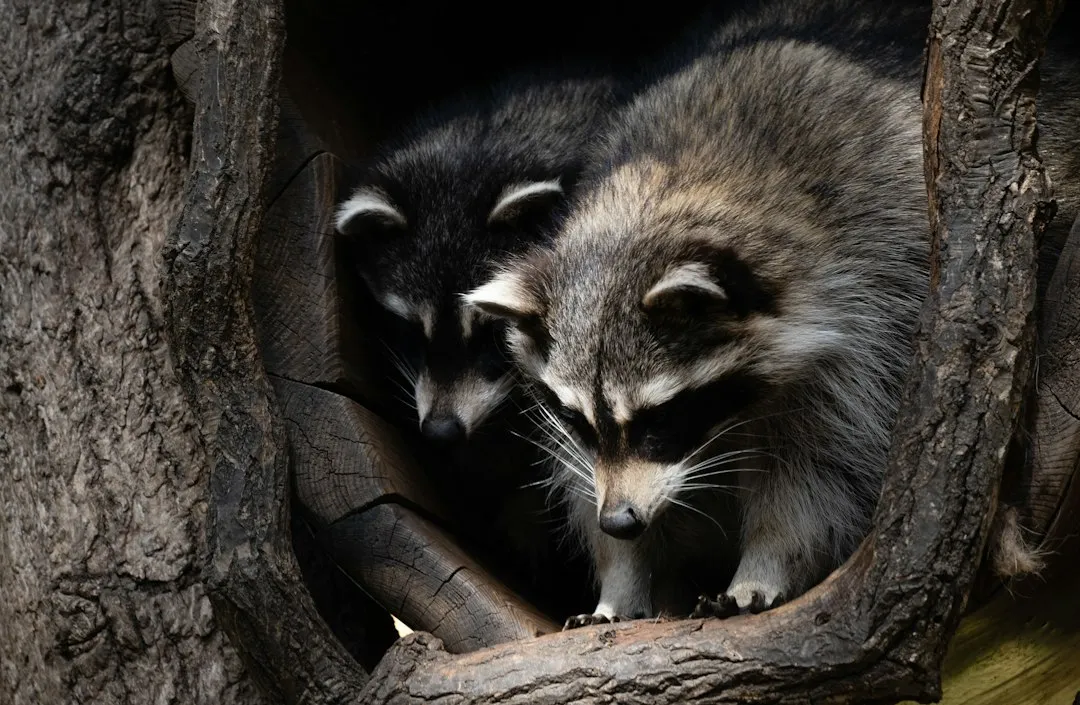
Raccoons are generally not big fans of crowding, especially adult males. But as nights grow colder, they sometimes call a seasonal truce. In colder regions, several raccoons may share a den during winter, especially on the harshest nights, forming a furry pile that conserves heat in exactly the way you would expect. Think of it as a temporary roommate situation driven by pure practicality.
Shared dens are often found in older trees, abandoned buildings, and larger cavities that can hold multiple animals. You might have several raccoons using the same structure over the winter, sometimes even rotating which individuals are inside at a given time. The social structure becomes more flexible, less about who owns which corner of the woods and more about who can ride out the cold together.
Of course, this does not mean raccoons have suddenly turned into highly social pack animals. Tension, shuffling, and low-level dominance still exist. But in the coldest months, cooperation and tolerance rise, at least enough to get everyone through the worst nights without freezing or burning too many calories trying to defend every inch of space.
- Colder conditions encourage more den-sharing than in summer.
- Thermal benefits of group sleeping can be the difference between life and death.
- The winter “truce” is temporary; normal territorial tensions return with warmer weather.
5. Energy-Saving Mode: Reduced Movement and Short “Mini-Torpor”
🔥 Would you like to save this?
We'll email this post to you, so you can come back to it later!
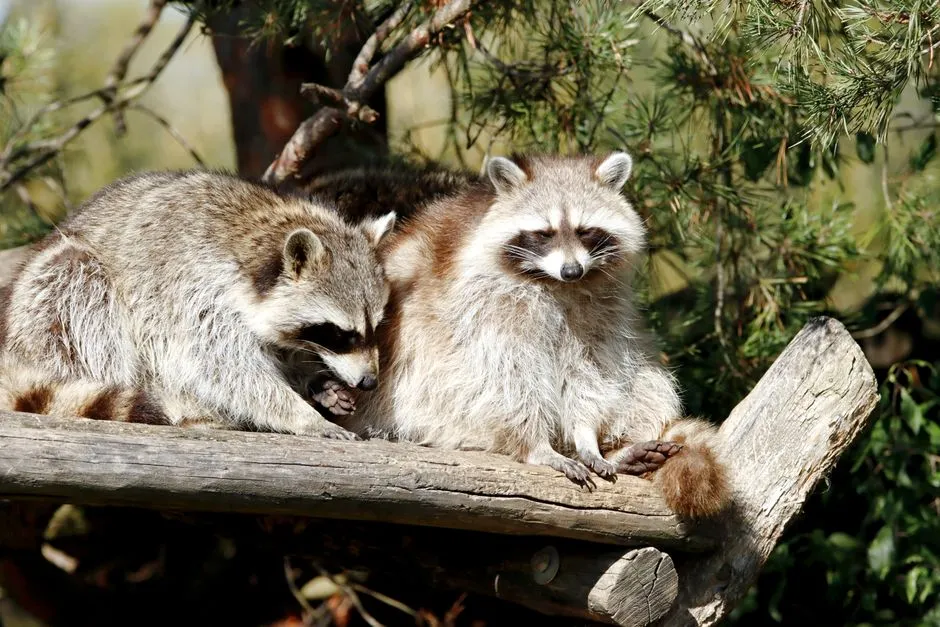
One of the most misunderstood winter behaviors in raccoons is their energy-saving strategy. They do not enter true, months-long hibernation the way some ground squirrels do. Instead, as nights become longer and colder, raccoons shift into a flexible low-energy pattern: they move less, stay in dens longer, and may experience short periods of lowered activity and metabolism, often called a kind of light torpor.
You can think of it like using airplane mode on a phone instead of fully powering it down. On relatively mild winter nights, raccoons may still head out to forage briefly, but when a bitter cold front or snowstorm hits, they often remain in the den, simply waiting it out while burning through fat reserves. This stop‑start pattern lets them balance the risk of freezing or starving against the effort of finding food.
From the outside, this can look like they have “vanished” for days, only to suddenly reappear when temperatures rise even a little. The reality is that their decision-making is tightly linked to nightly conditions. Every step on frozen ground costs energy, so raccoons become careful accountants, only leaving shelter when the potential payoff in food is worth the metabolic bill.
6. Bolder Raids on Human Food Sources
🔥 Would you like to save this?
We'll email this post to you, so you can come back to it later!
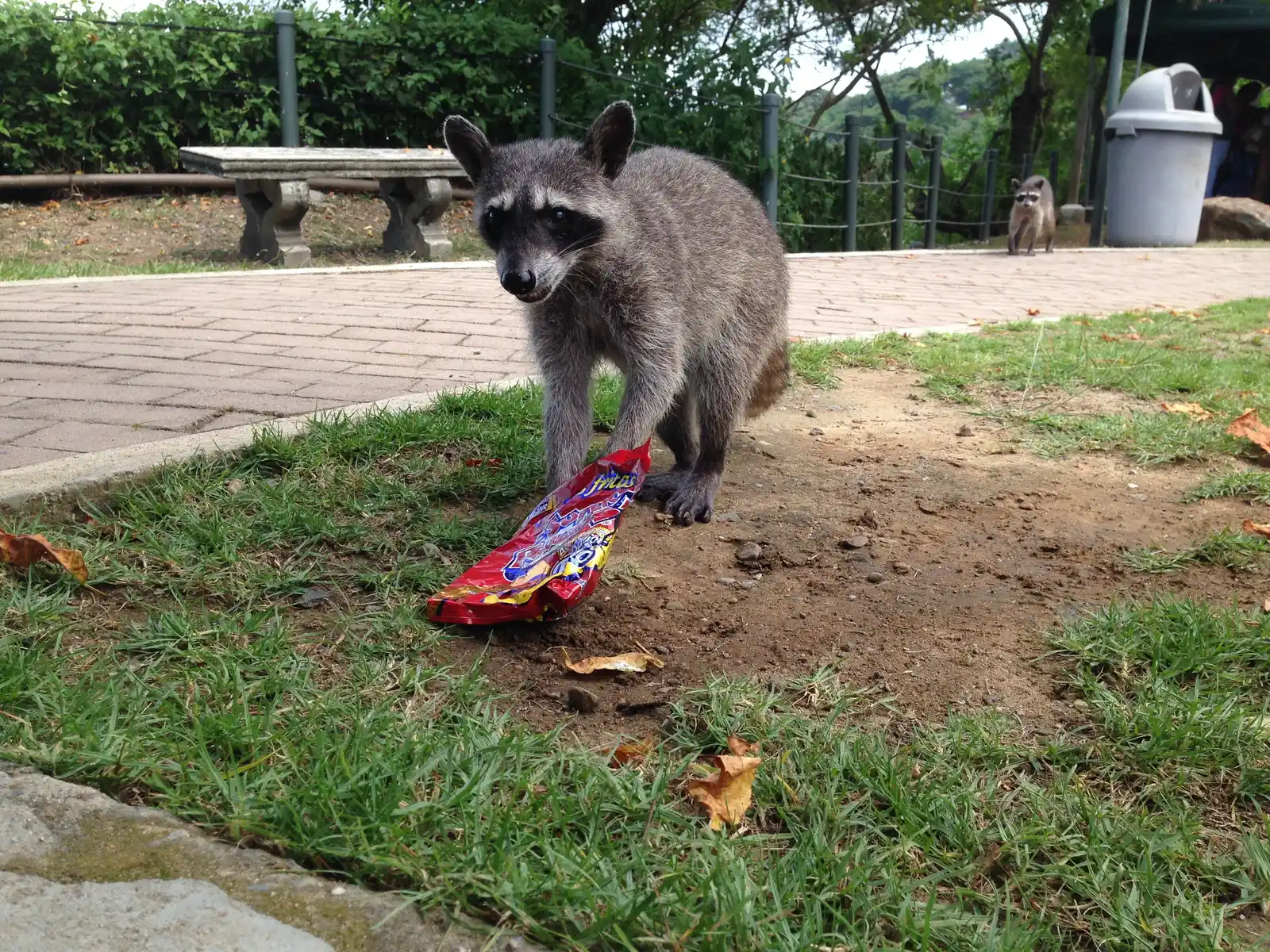
Here is where human and raccoon worlds collide most dramatically: as winter bites down and natural foods dry up, raccoons are more willing to take risks around people to reach reliable food sources. Trash cans, compost, chicken coops, outdoor pet food bowls, bird feeders, and even stored grain or livestock feed become winter jackpots that can make or break a hungry raccoon’s season.
Longer, darker nights give them extra confidence. They are masters at learning how to open loose lids, squeeze through gaps, climb fences, and exploit routines – like the homeowner who always puts the garbage out the night before pickup. When winter is coming on, raccoons lean harder on that problem‑solving intelligence. From their point of view, your garbage day is not a schedule; it is a weekly buffet.
At the same time, they balance this boldness with caution. They tend to listen, sniff, and pause more before exposing themselves. But when temperatures drop and fat reserves start dwindling, the cost of doing nothing becomes higher than the cost of dashing across a lit driveway or climbing onto a porch for spilled kibble. That is when people start calling them “brazen,” when in reality they are just doing desperate winter math.
- Winter scarcity amplifies raccoons’ focus on human food sources.
- Intelligence and dexterity help them exploit even minor weaknesses in lids or doors.
- What looks like “nuisance” behavior is often pure survival pressure.
7. Shifts in Diet: From Juicy Variety to Tough, High-Calorie Scraps
🔥 Would you like to save this?
We'll email this post to you, so you can come back to it later!
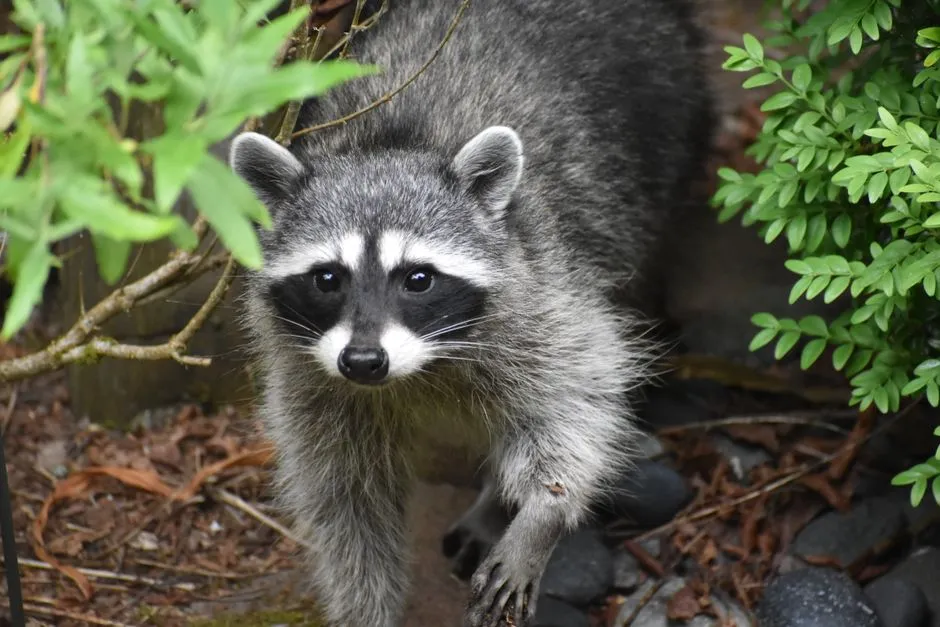
Warm‑season raccoons have a diverse menu: fruits, insects, amphibians, eggs, grains, and more. As nights grow colder, that colorful buffet collapses. Many insects disappear, amphibians go dormant, and fresh plant matter becomes scarce. Raccoons respond by shifting toward whatever calorie sources remain: nuts, carrion, leftover crops, stored foods, and human refuse. The diet becomes less glamorous, more opportunistic, and much more focused on energy per bite.
This can lead to some unpleasant but highly effective food choices. Frozen carcasses, roadkill, or discarded meat scraps become important winter proteins. Seeds and nuts provide fat and are small enough to scavenge even in light snow. In agricultural landscapes, spilled grain or partially harvested fields can keep a local raccoon population afloat well into winter.
There is a cost, though. A heavier reliance on garbage and human leftovers means higher exposure to spoiled food, plastic, and other contaminants. Raccoons pay that price because, in a cold, dark season, perfection is less important than survival. From a human standpoint, tightening up waste management in late fall is one of the simplest ways to reduce these risky winter interactions.
8. Subtle Changes in Breeding Behavior and Timing
🔥 Would you like to save this?
We'll email this post to you, so you can come back to it later!
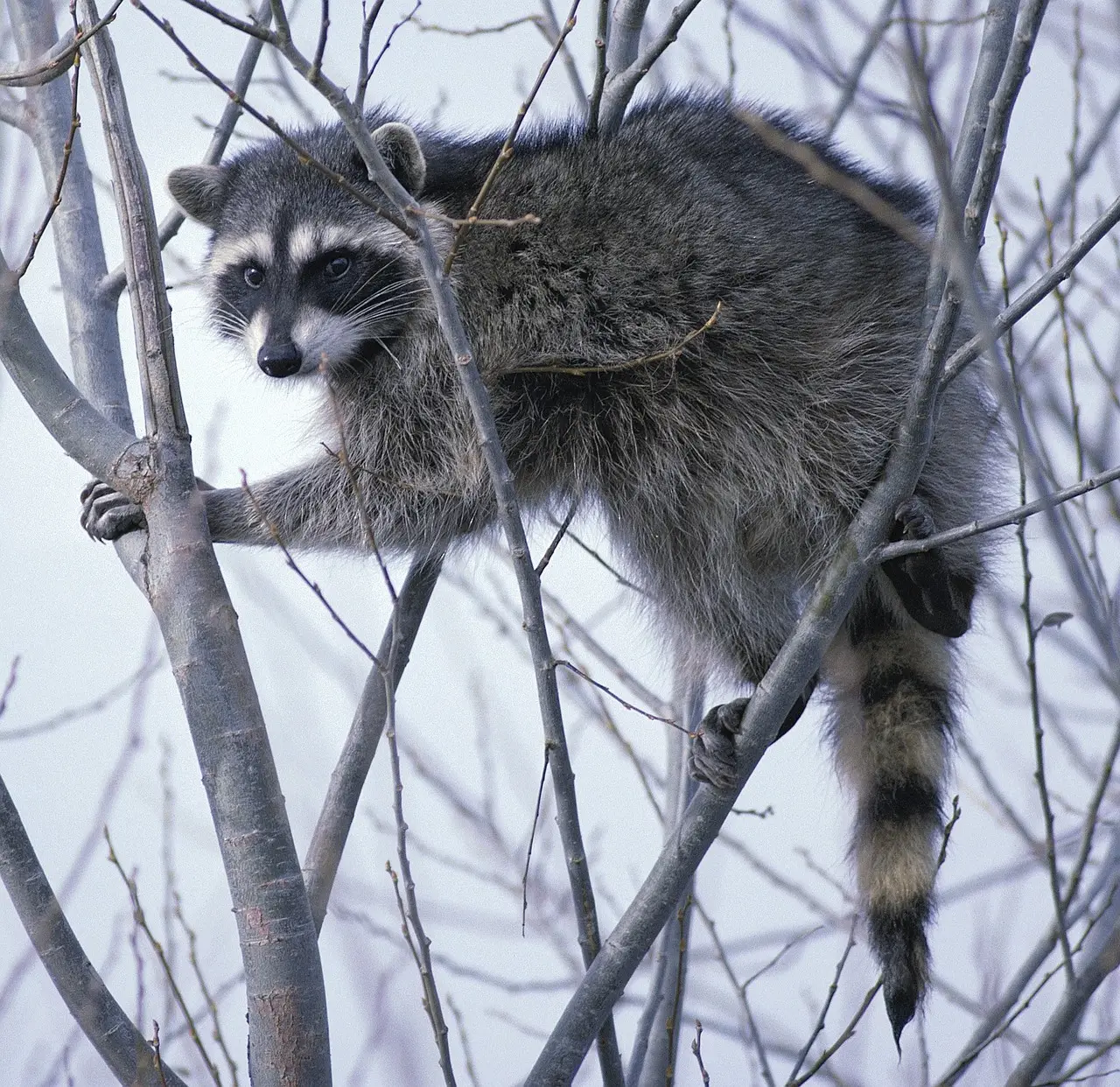
One of the quieter but important seasonal shifts involves raccoon reproduction. In many regions, breeding season tends to start in late winter and early spring, but the groundwork is influenced by the longer, colder nights leading up to that period. Raccoons need to reach a decent body condition to successfully breed and carry young, so the intense fall and early winter feeding binge is not just about getting through storms; it is about having the reserves to support future offspring.
Shortening day length acts as a natural signal, helping regulate hormones that prepare raccoons for that upcoming breeding window. Males may begin to expand their roaming areas as winter progresses, seeking out females and testing boundaries. Females, on the other hand, are juggling a tougher equation: they must get through the cold months without burning so much fat that pregnancy becomes risky, or so little that they cannot safely support a litter at all.
This is one of those underappreciated details of raccoon life: every scrap of food they drag out of a bin or pry from a frozen field in late fall may eventually ripple into whether next year’s kits survive. When you see that round-bodied raccoon in December, you are not just looking at an animal trying to stay warm; you are looking at the foundation for an entire next generation.
Conclusion: Winter Turns Raccoons Into Tough, Tactical Survivors
🔥 Would you like to save this?
We'll email this post to you, so you can come back to it later!
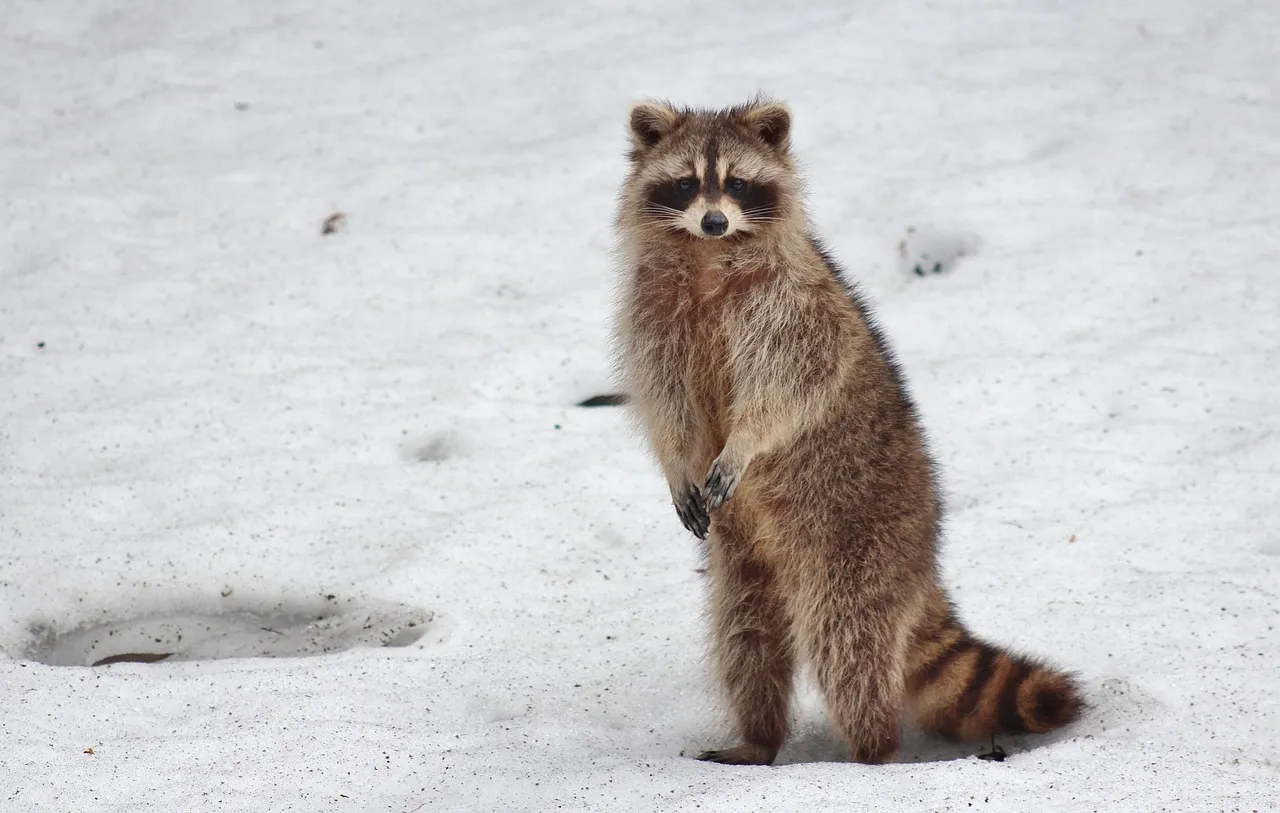
As nights grow longer and colder, raccoons do not simply “hibernate and disappear.” They transform. Their bodies get rounder, their routes grow longer, their dens turn into lifelines, and their patience for risk around humans stretches in ways many of us only notice when a trash can tips over at 2 a.m. To dismiss them as pests is to ignore just how finely tuned and adaptive their winter strategies really are.
Personally, I think we underestimate raccoons. They are not just masked bandits; they are rugged little tacticians navigating a brutal seasonal game with a mix of caution, ingenuity, and sheer stubbornness. You do not have to love finding paw prints on your trash lid to at least respect the survival calculus that put them there on a freezing night.
If anything, understanding how raccoon behavior changes with long, cold nights should change how we respond: secure our waste more responsibly, yes, but also recognize that behind those glowing eyes in the dark is an animal working every angle it can to make it to spring. Next time you spot one waddling through the frost, will you just see a nuisance – or a small survivor playing winter on hard mode?

- 7 Everyday Habits That Can Make Your Senior Dog Happier - November 5, 2026
- 10 Enigmatic Structures That Continue to Puzzle Scientists Today - November 5, 2026
- 10 Strange Ruins in the Americas That Challenge What We Know About Early History - November 5, 2026