
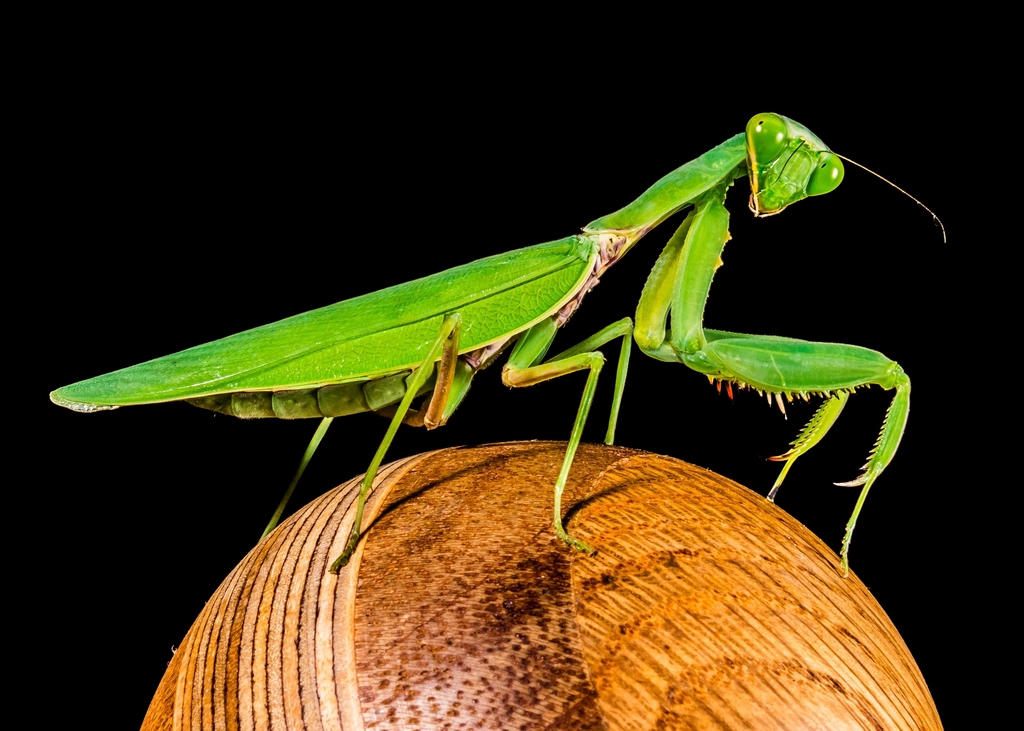
#1 It can turn its head almost all the way around
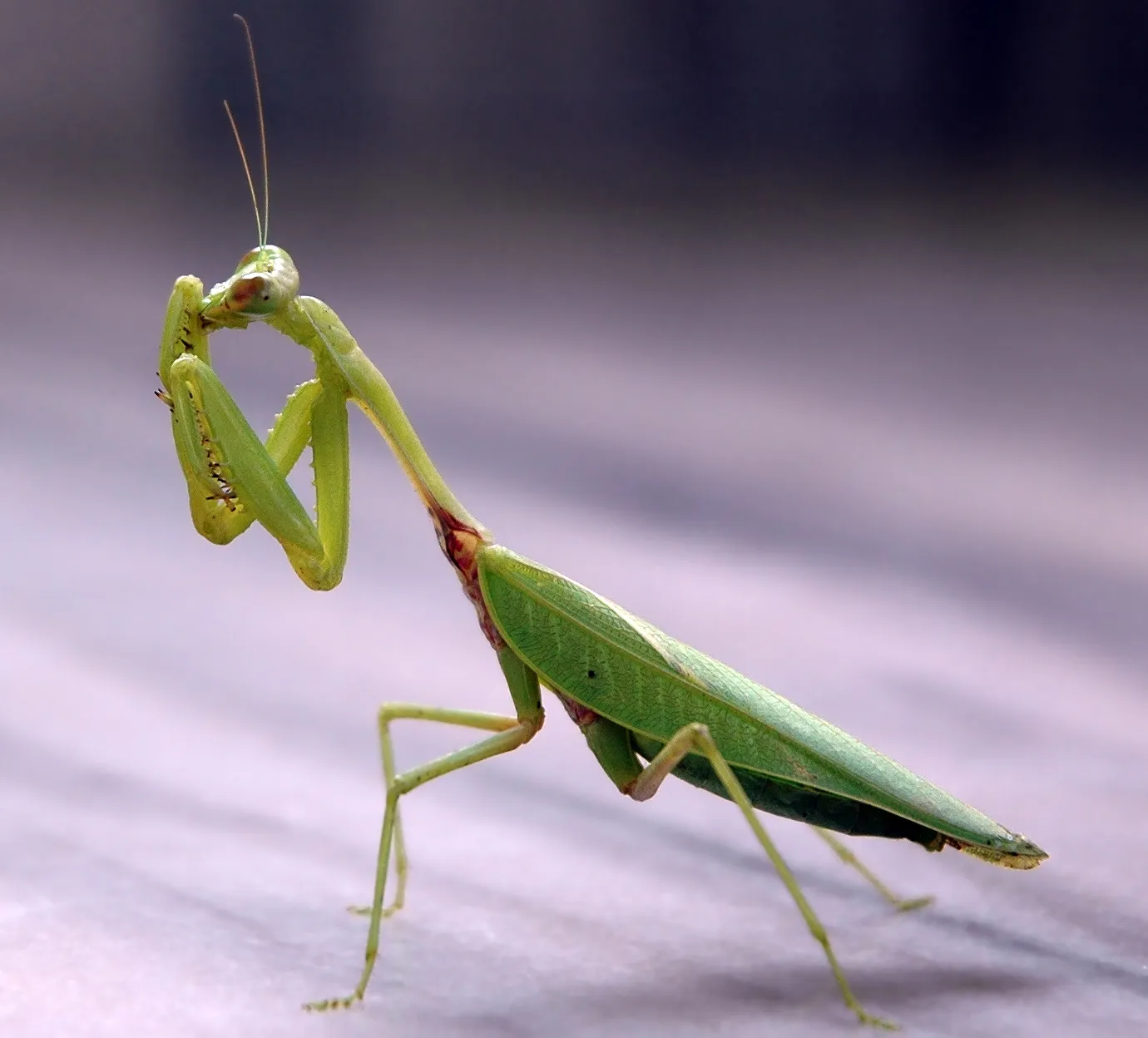
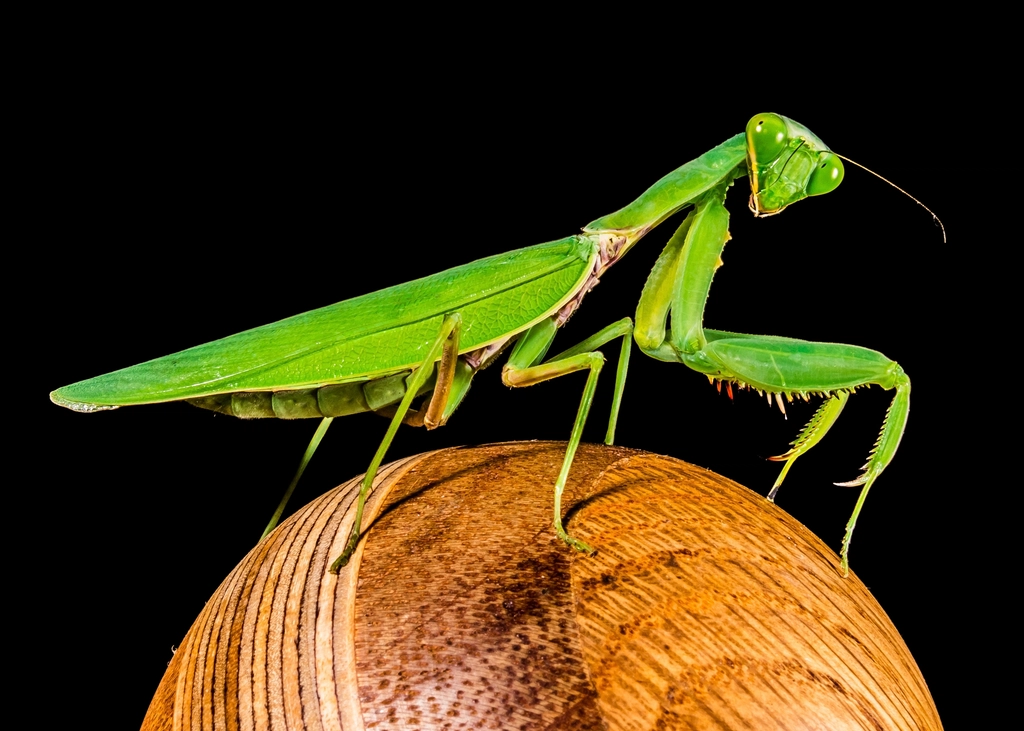
Most insects are stuck looking wherever their body happens to be pointed. The praying mantis broke that rule entirely. Between the head and the thorax there is a flexible joint that allows mantises to swivel their heads around 180 degrees, and the mantid’s thorax is long and slender enough to look like a neck, making it the only insect that can do this.
This isn’t just a party trick. Being able to scan its surroundings without shifting its body means the mantis can stay perfectly still, blending into a leaf or a twig, while still keeping a close eye on anything that moves nearby. It’s a hunting advantage that basically no other insect on the planet shares.
#2 It hears the world through a single ear on its chest
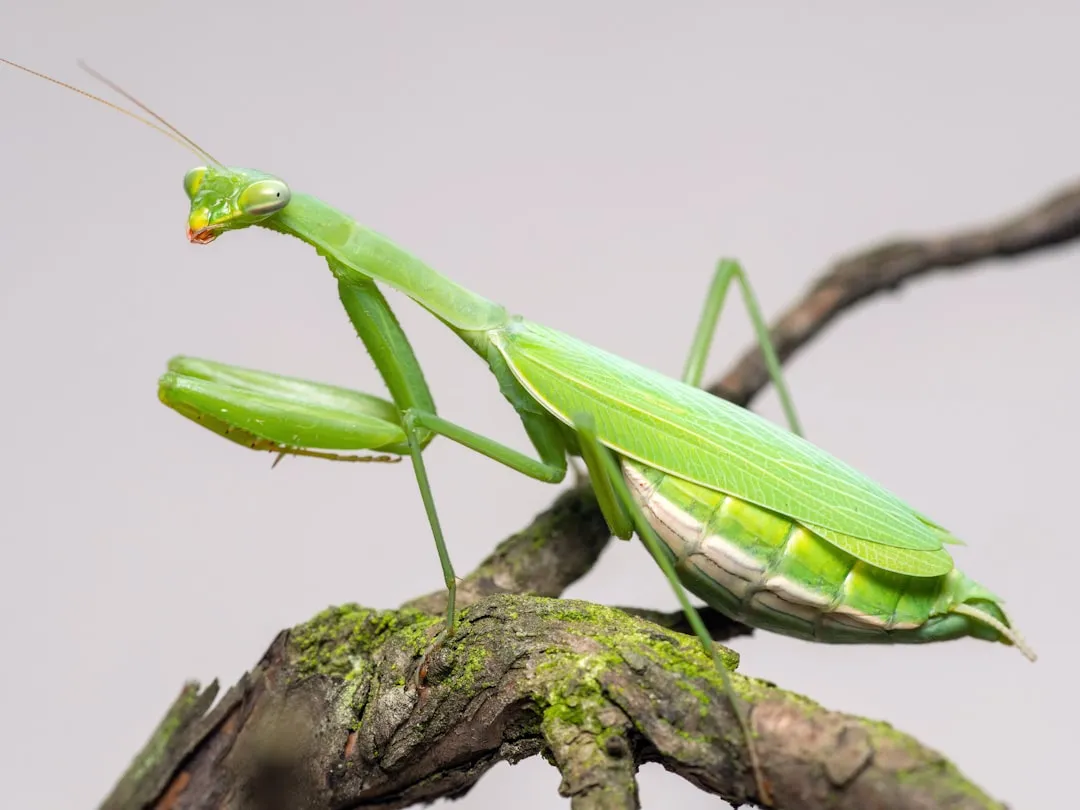
Here’s something that sounds almost too strange to be true. This ear doesn’t look like any other ear, and mantids are the only animals known to have just one ear. It isn’t tucked away on the head where you’d expect an ear to be, either.
Instead, many species of mantis possess a single ear located on their thorax, specifically in a groove between their hind legs. This unusual organ exists for one very specific reason. Most praying mantises detect ultrasound using a single ear in the ventral midline of the metathorax, which provides early warning of a bat attack and triggers an effective evasive response. In other words, this bug can’t hear a conversation or a car horn, but it can hear a hunting bat closing in from the dark, and that’s often the only warning it needs.
#3 It sees the world in a totally unique kind of 3D
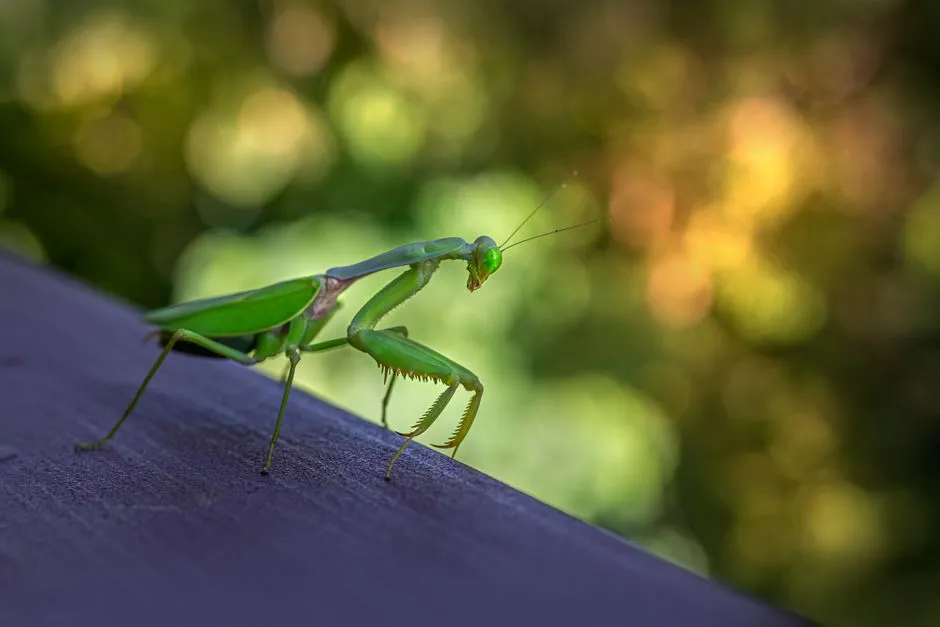
Depth perception feels like something only mammals and birds should have figured out, yet the mantis got there too, and it did it in its own strange way. Praying mantises are not only the only insects that have stereopsis, they’re actually the only invertebrates with this ability, and studying how their eyes work could help develop more effective robot eyes.
What makes this even stranger is that mantis 3D vision doesn’t work like ours does. Researchers concluded that stereopsis in mantises is based on kinetic disparity, unlike in any other animal studied, matching a hypothesis that organisms attuned to pick up the kinetic structure of what they see might use motion-based rather than static disparity, and the praying mantis seems to be a good example of such an organism. Newcastle University researchers actually confirmed this by fitting mantises with tiny 3D glasses, and the insects only struck at prey that appeared to float in three dimensions in front of the screen, proving the effect was real and not just a guess.
#4 Its strike is one of the fastest movements in the animal kingdom
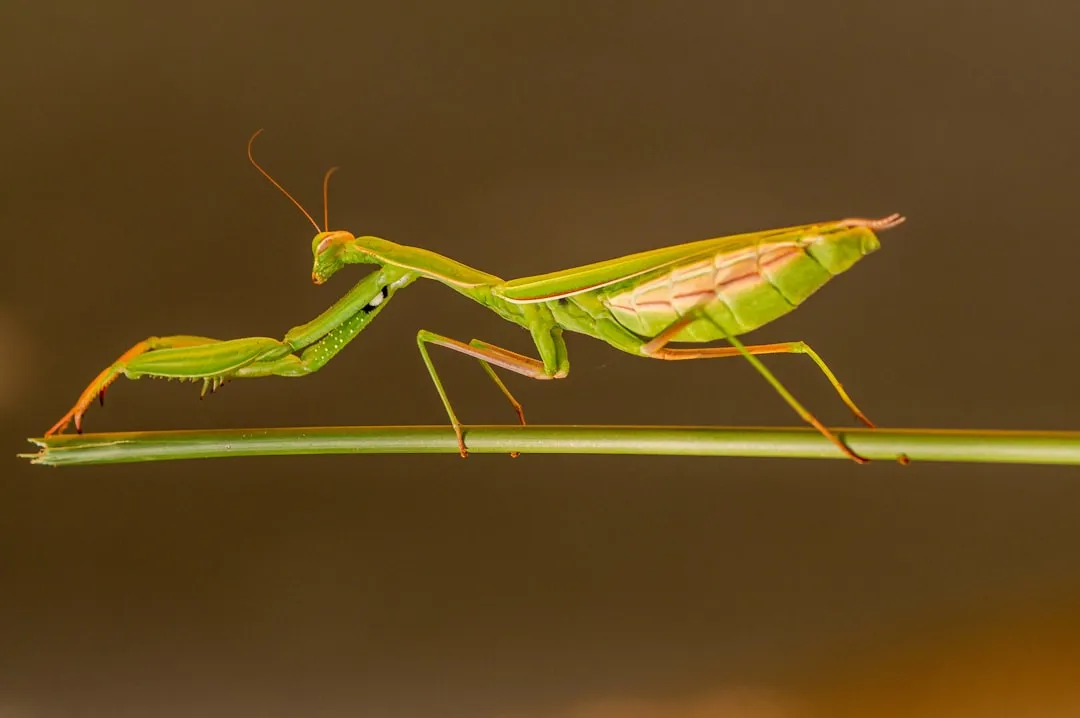
If you’ve ever watched a mantis catch a fly, you probably didn’t actually see it happen. That’s because the strike is over before your eyes can register it. They lie in wait for their food and when close enough, snap it up with a lightning movement of their strong forelegs, in a strike that takes only 50 to 70 milliseconds, one of the fastest muscle movements of any animal, more than two times quicker than houseflies.
The mechanics behind this speed are almost mechanical in nature. This remarkable speed comes from specialized muscles that store energy like a coiled spring, and when released, this energy creates one of the fastest movements in the animal kingdom, making escape nearly impossible for unfortunate prey. Combine that with the mantis’s spiked forelegs, which lock around prey like a trap, and you start to understand why so few insects manage to wriggle free once they’re caught.
#5 Females sometimes eat their mates, mid act
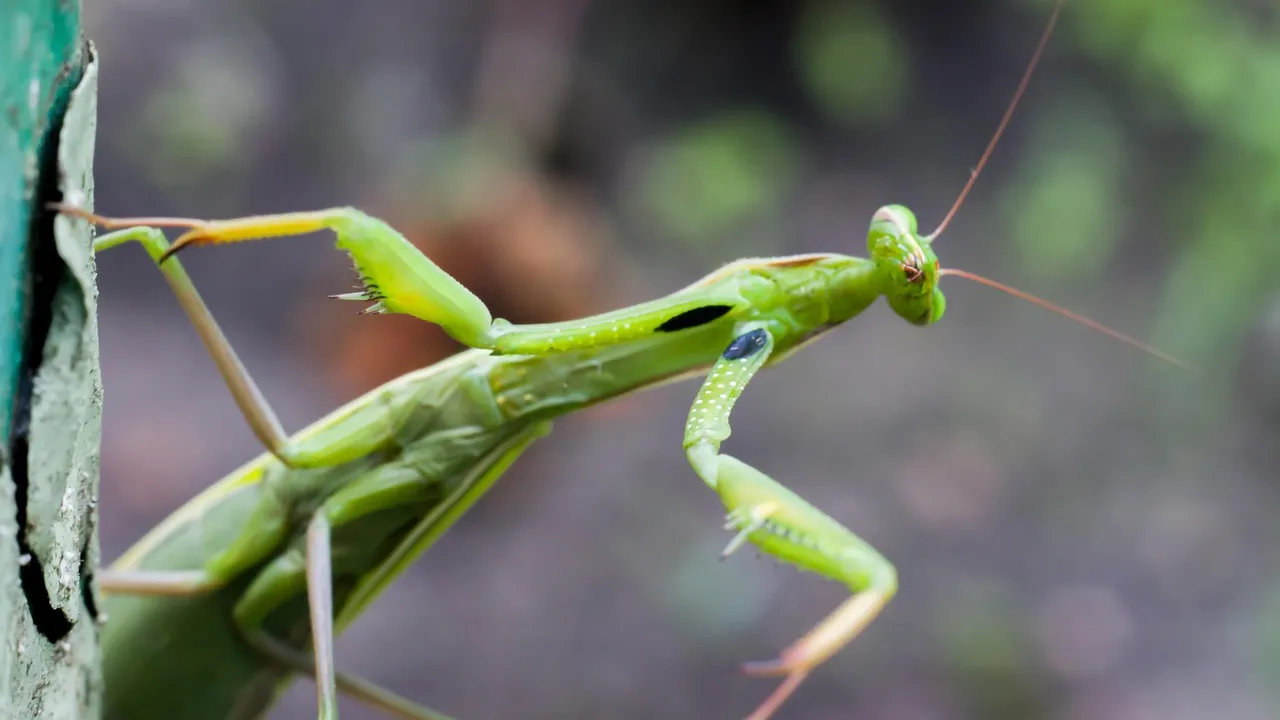
This is probably the fact most people already know, and it’s every bit as unsettling as it sounds. Females are often as merciless to their mates as they are to their meals, cannibalizing a mate, and he may lose his head as she bites into him, but he doesn’t lose his purpose, as he continues to mate with her.
It’s a brutal image, but from a biological standpoint it makes a strange kind of sense. A meal that size gives the female a huge nutritional boost right when she’s about to invest enormous energy into producing eggs. It doesn’t happen every single time mantises mate, and rates vary a lot between species and even between individual encounters, but when it does happen, it’s about as dramatic a first date as nature gets.
#6 Some species are masters of disguise, and it’s not subtle
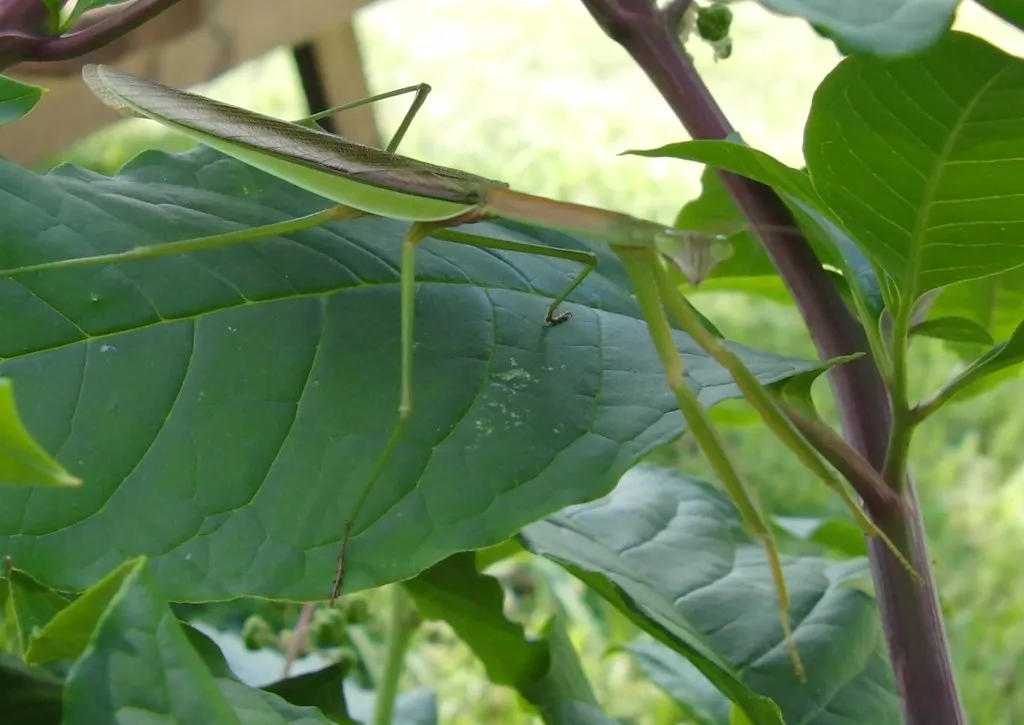
Camouflage in the animal kingdom usually means blending into the background. The mantis takes that idea and pushes it somewhere much weirder. Praying mantises are excellent at using camouflage to blend into their surroundings, with European mantises matching trees and plants, the conehead mantis of southern Europe having a spiny crown and a lower body that looks like twigs, the southeast Asian orchid mantis appearing white with pink or yellow shading like a flower, and the dragon mantis of Brazil resembling rainforest leaves right down to swaying slightly in the breeze.
What’s remarkable is that this disguise serves two purposes at once. It hides the mantis from predators, sure, but for species like the orchid mantis, it also lures unsuspecting insects close enough to become dinner. Few predators anywhere in nature manage to turn their camouflage into an active trap quite this effectively.
#7 It sometimes eats prey far bigger than itself, including small vertebrates
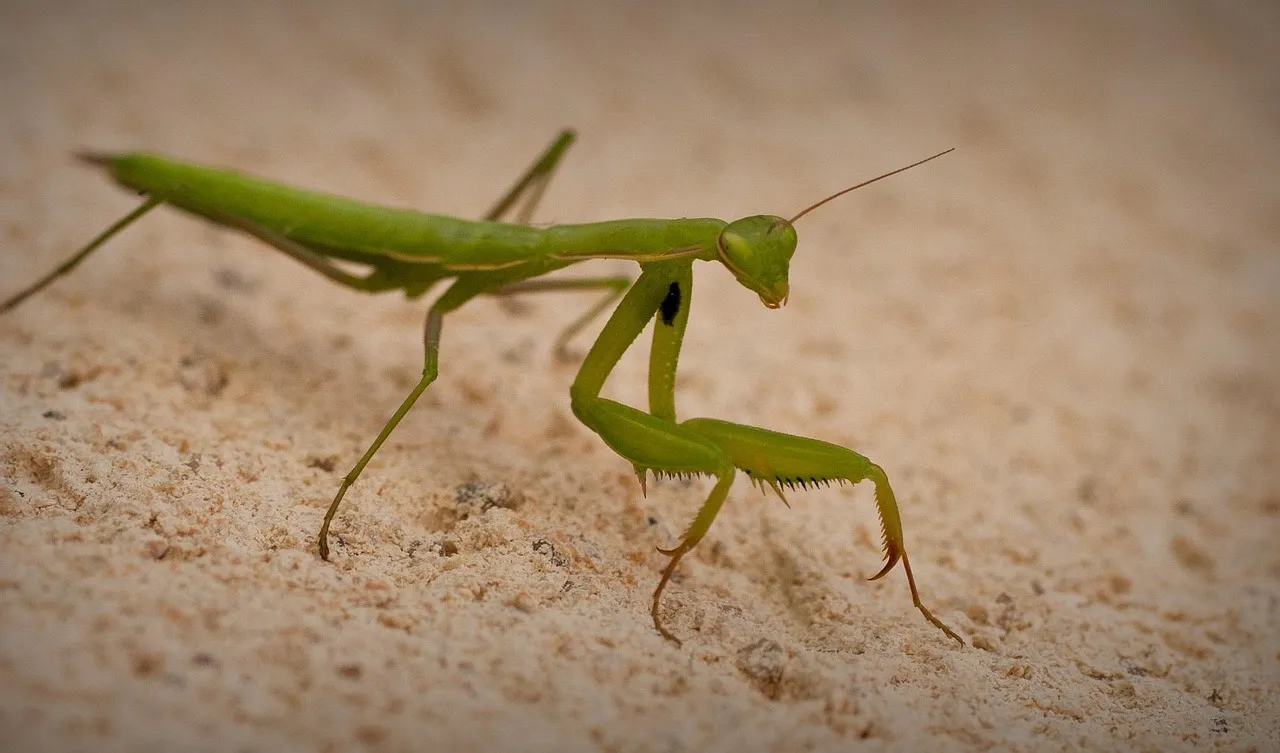
Calling a praying mantis an insect predator almost undersells what some species actually go after. Most mantids are so called sit and wait predators that feed on moths, crickets and other insects, but some of the bigger species can even snag a small lizard or hummingbird.
That’s a staggering size difference when you think about it. A hummingbird can weigh many times more than the mantis attacking it, yet the combination of camouflage, patience, and that lightning fast strike makes it possible. It’s rare, and it tends to happen mostly with larger mantis species near feeders or flowering plants, but it’s a genuine and well documented behavior, not an urban legend.
#8 Mantis hatchlings often turn on each other before they’ve even left the nest
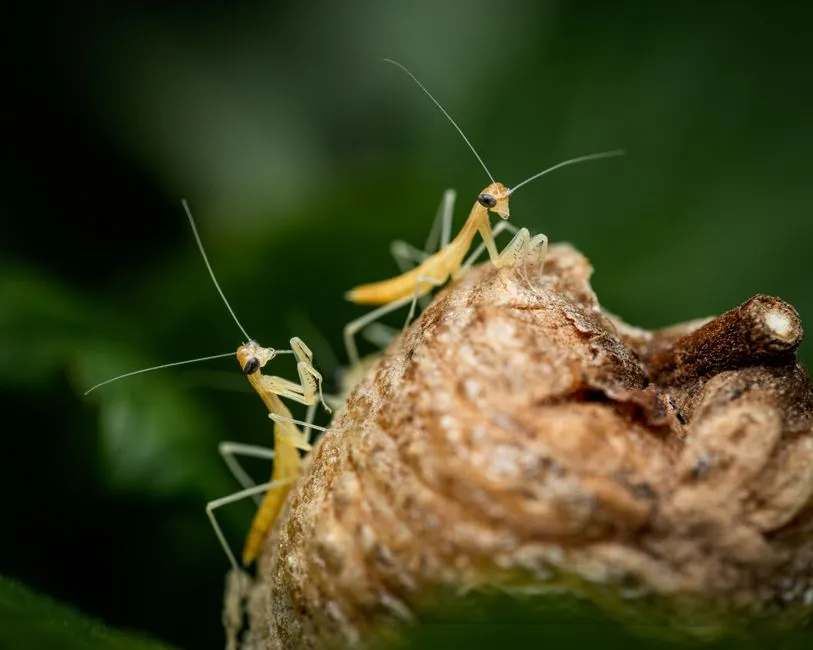
The cannibalistic streak in this insect doesn’t stop with adult mating rituals. It actually starts almost from birth. A single egg case, called an ootheca, can hold dozens or even hundreds of eggs, and when they hatch, the tiny nymphs emerge into a world with very little food and a lot of hungry siblings around them.
Breeders who raise mantises from egg cases know this all too well. They will eat each other if additional prey is not provided. It’s a stark reminder that for this species, cannibalism isn’t a strange exception to the rule. It’s practically baked into the mantis life cycle from the very first day.
Final thoughts
What strikes me most about the praying mantis isn’t any single fact on this list, it’s how all of these traits work together. The one ear, the strange 3D vision, the impossibly fast strike, they aren’t random quirks. Each one solves a real survival problem for an insect that spends its life balancing between being a fearsome predator and being someone else’s prey.
Honestly, the mantis deserves a bit more respect than the average garden visitor gives it credit for. It’s not just a curious looking bug that happens to strike a prayer like pose. It’s a small, sharp-witted survival machine, refined over millions of years, and there’s a strong case that it’s one of the most quietly impressive creatures you’ll ever find in your own backyard.
